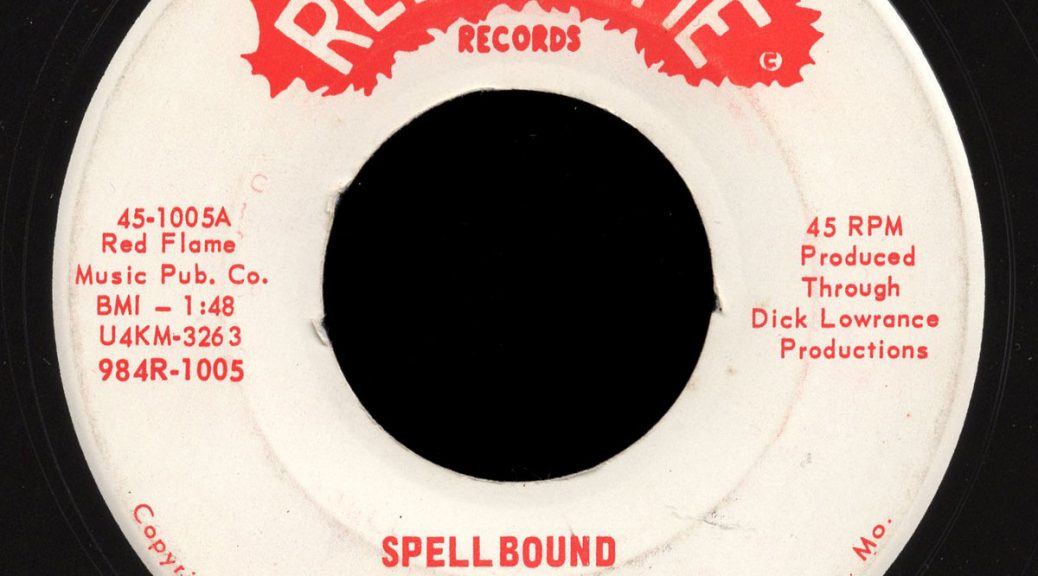
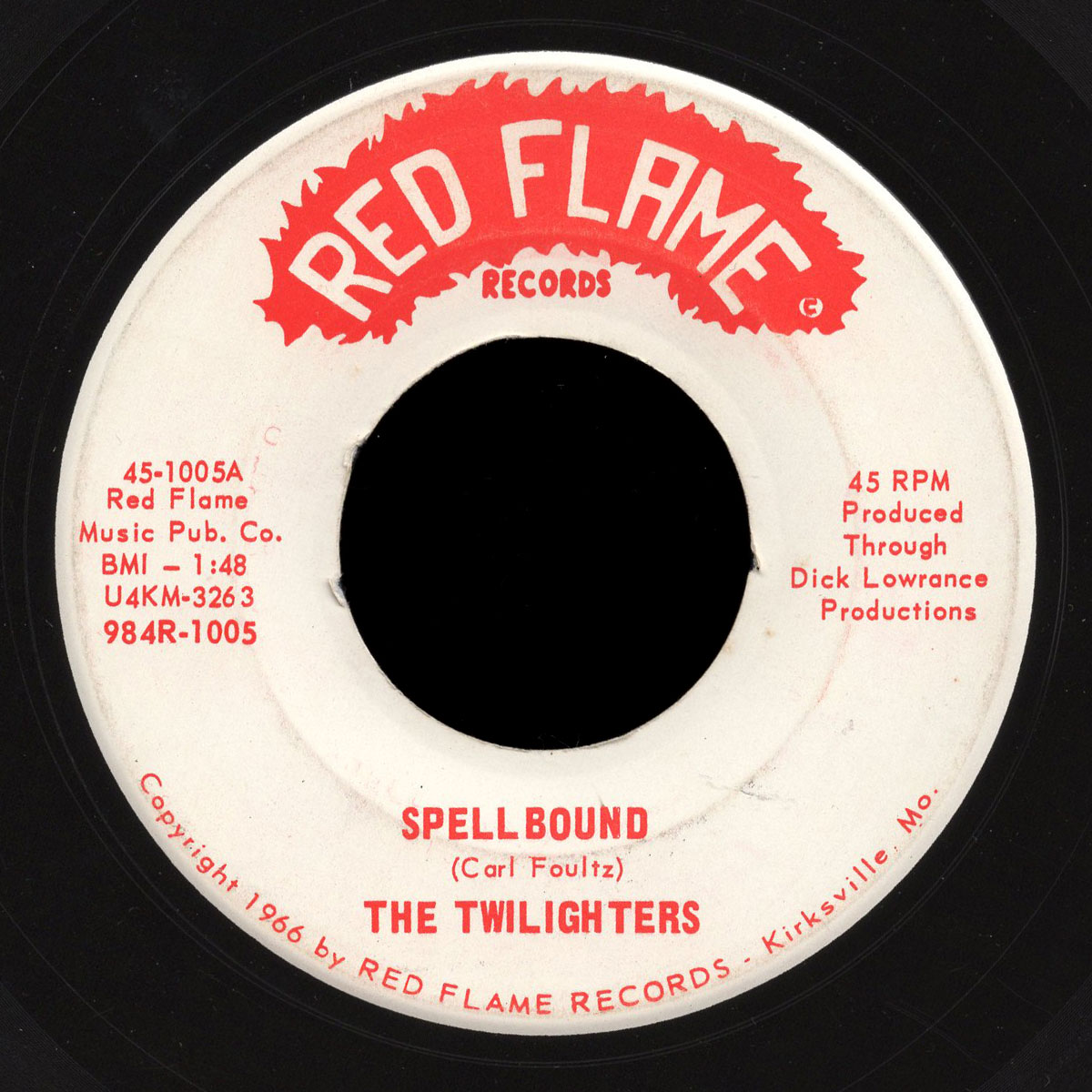
The Twilighters came from Kirksville, Missouri, a small city about 165 miles from Kansas City and 200 miles from St. Louis. In 1967 they cut two originals, “Spellbound” / “My Little Angel” at Technisonic Studios in St. Louis.
“Spellbound” is a fast-paced rocker, driven by Dave Daniels’s fantastic drumming. There’s a great guitar break and a double-time ending, and it’s over in less than two minutes.
The chant of “Spellbound” has a distinctive sound that may come from some other song but if so, I can’t think of it. It reminds me of a later cut, Steve Miller Band’s “Living in the U.S.A.” where the group chants “Stand Back”. I’d be interested if anyone has heard something very similar in another song from the era.
The B-side, “My Little Angel” is a ballad with fine vocals, and good recording production.
Released on Red Flame Records 45-1005, the labels show a 1966 copyright date, but the U4KM indicates a pressing date in the first half of 1967.
The Twilighters, from left: Everett Cassidy, Gary Blurton, David Daniels on drums, Bob Harbur, and Randy Elmore. Photo courtesy of David Daniels.
David Daniels wrote to me:
The Twilighters band began in 1963 with Gary Blurton (rhythm guitar and vocals), David Daniels (drums), Everett Cassidy (bass), and Bob Harbur (lead guitar). Randy Elmore joined the band in 1964 because Gary was leaving to join the National Guard and the band would be needing a lead vocalist. Randy played lead guitar as well.
Eventually Bob moved to the St Louis area and Everett also moved away from the Kirksville area. At that point Richard Hudson, also a local boy and friend of Randy and David, came on to play rhythm guitar.
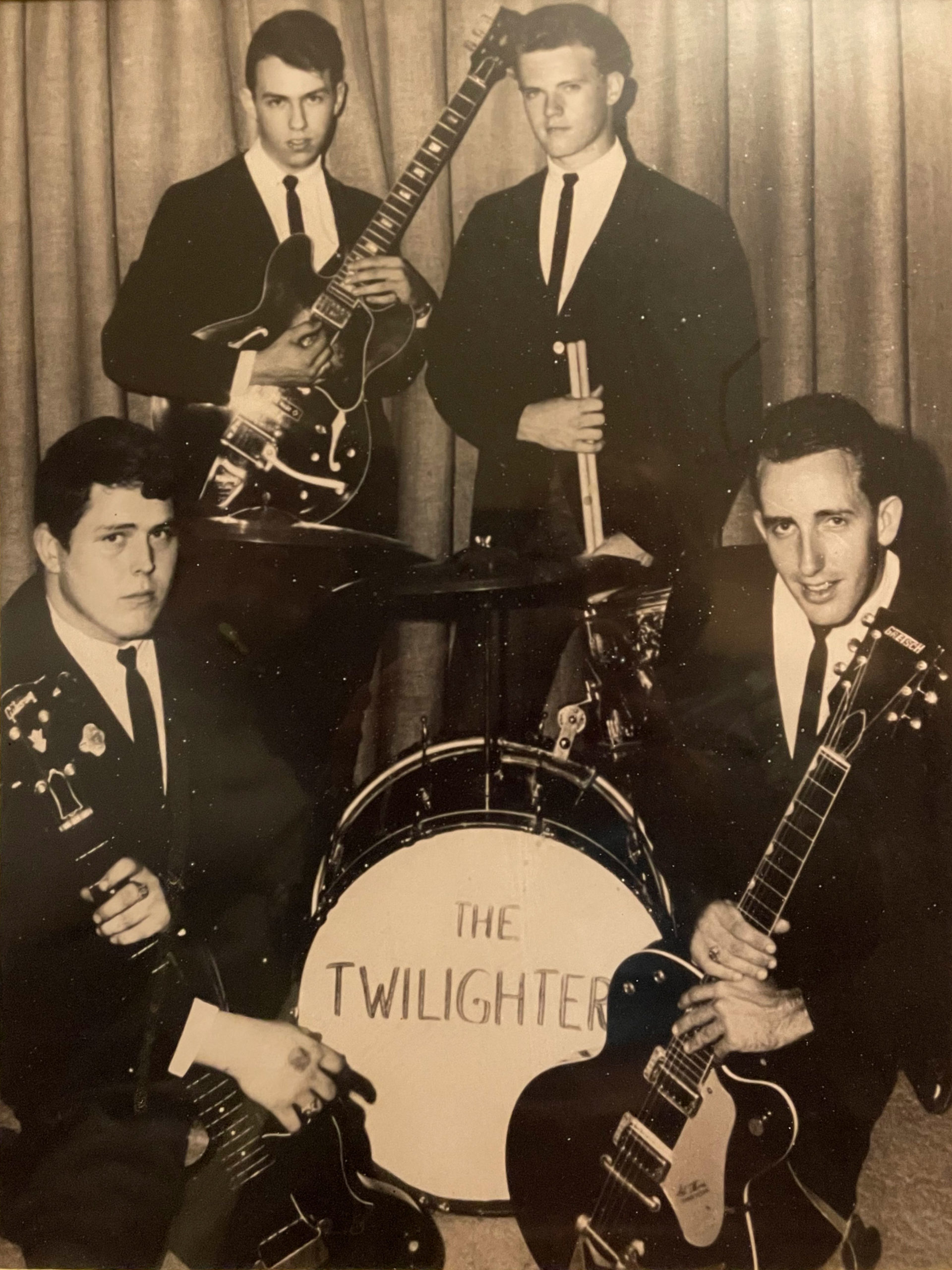
The Twilighters, from left: Everett Cassidy on bass, Randy Elmore on guitar, David Daniels with drumsticks, and Gary Blurton, guitar. Photo courtesy of David Daniels.
This configuration of The Twilighters (Randy, David, and Richard) placed an ad in the local paper seeking a keyboard player, to which Carl Foultz responded and that was the group that made the record “Spellbound” / “My Little Angel”. Carl Foultz was the song writer and organ player, and the bass was covered by the bass pedals on the organ.
Randy Elmore – lead guitar and lead vocal Richard Hudson – rhythm guitar Carl Foultz – organ (and bass pedals) David Daniels – drums (background vocals for “My Little Angel”)
There were no headphones to monitor in the recording room and “Spellbound” was recorded in one live take. The band could not hear the vocal work at all until listening to the playback in the control room. Likewise for “My Little Angel.” It was the first recording the band had made and their first experience in a recording studio.
Randy, Richard, and David were local boys, born and raised in the Kirksville area. Carl was from Pennsylvania and came to Kirksville to attend university at Northeast Missouri Teachers College (now Truman State University).
The band members changed off and on over subsequent years with a total of about 20 different players having done some time with The Twilighters during their run (1963 – 1971).
Randy and David continued to play in many other bands in the NE Missouri area from 1971 – 2011, often times together, other times not, under the names: Country Flavor, Fox, Survival, Loose Louie, Twilighter’s Rockin’ Reunion, BJ Allen Band, and Blue Voodoo.
These photos are of the original players. There are no pics with Richard or Carl, so neither of these are the exact group of players that were on the recording.
David went on to buy Circle M Music in Kirksville in 1974 and operated the music store and built his own recording studio where he recorded many local musicians and vocal groups. David mentored many young kids over the years, sharing his love of music and recording. He retired in 2014 after serving the NE Missouri music community for 42 years. As an honor to his Grandpa David, Black Daniels & The Bears did a cover of “Spellbound” live at David’s retirement party in 2014, the 3rd generation of musicians in the Daniels family, carrying on the tradition.
Randy retired from SW Bell and now lives in Columbia, MO.
Richard did not continue with music but went on to other employment, was a private business owner, and has retired to Lake of the Ozarks.
Carl graduated from NE Missouri Teachers College and moved away, the other band members having lost touch with him.
Gary is retired from local employment in the Kirksville area.
Bob and Everett are now both deceased.
Dick Lawrence (deceased) was owner of Red Flame Records and was an avid music promoter throughout the NE Missouri area his entire life.
Carl Foultz was also a member of an r&b group called the Del-Fis or Del-Phis with Ed Corte, Frank Gantt, T.J. Jackson, Mac Pendelton, Nick Romanetz and Gary Smyth, some of whom were students at Northeast Missouri State Teachers College (now known as Truman State University).
After Carl Foultz left the Twilighters, Bill Daniels joined on guitar and Ray Beets on bass, as Ray states in his comment below.
Dick Lowrance owned Red Flame Records which released three singles by the group he was a member of, the Red Blazers, usually with Ike Haley as leader.
In 1966 Lowrance released a single by Friar Tuck and the Merrymen’s “Peanut Butter” / “Try Me” (Mike Barger) on his Sherwood Forest Records subsidiary. That band may have been from western Illinois though I’m not sure which town. I’ve found newspaper ads for a “new Friar Tuck and the Merrymen” playing at the Wayside Inn in Moberly, Missouri, about an hour south of Kirksville; not sure if this is the same group.
Mitzee Baker’s “Stand Up Boy” is early ’60s pop, not garage but it has a strong beat and crude production. I’m posting because it seems to be unknown, and there are some deadwax codes I am not familiar with.
The flip is a ballad with some orchestration, “No One Can Love You (More than I)”. Harry Moffitt wrote both songs and co-produced with Fred Downs, released on Dralmar 5000. Pompadour Music published the songs, but I can’t find them in BMI’s database. A Philadelphia origin is likely.
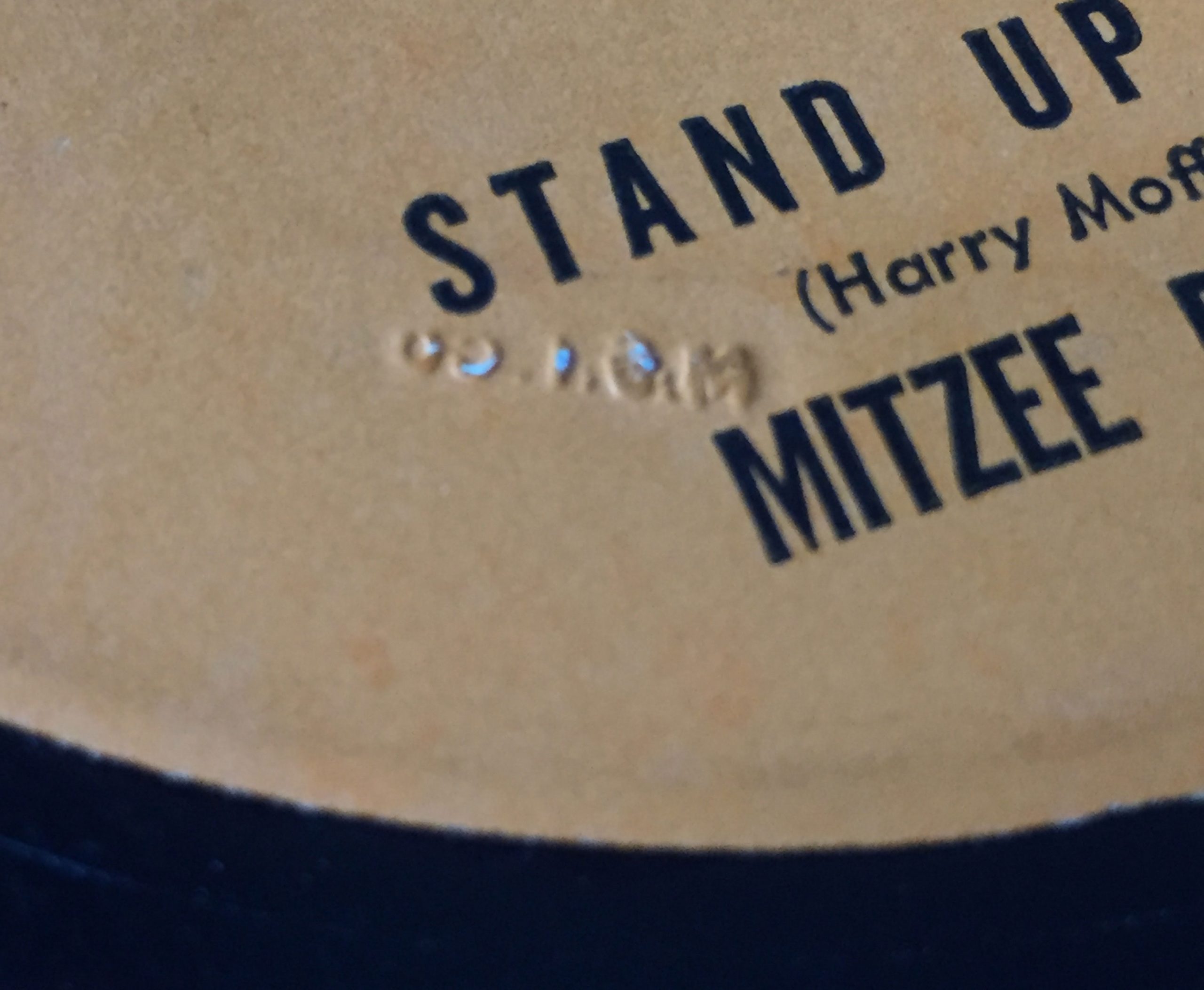
The runout codes are: “D-5000-B A” / “D-5000-B”. Both sides have “A.M.S.” followed by something that looks like a D with a couple short horizontal lines in front of it. In very small lettering on the A-side is “TV 33166”. All are etched.
An embossed stamp on both sides seems to read backwards, beginning with, possibly M.O.I. and ending with CO – but I may not be reading that correctly.
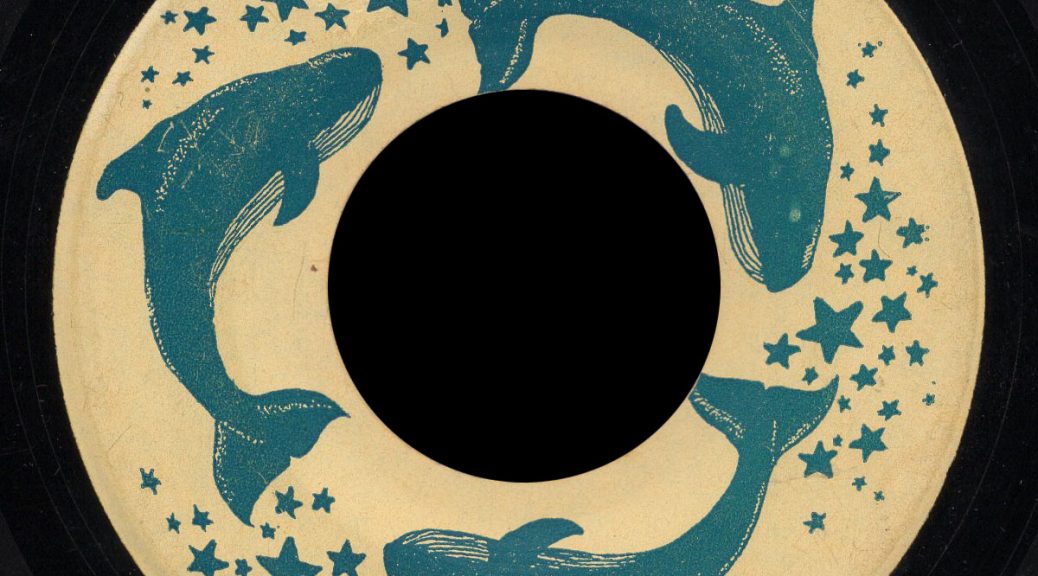
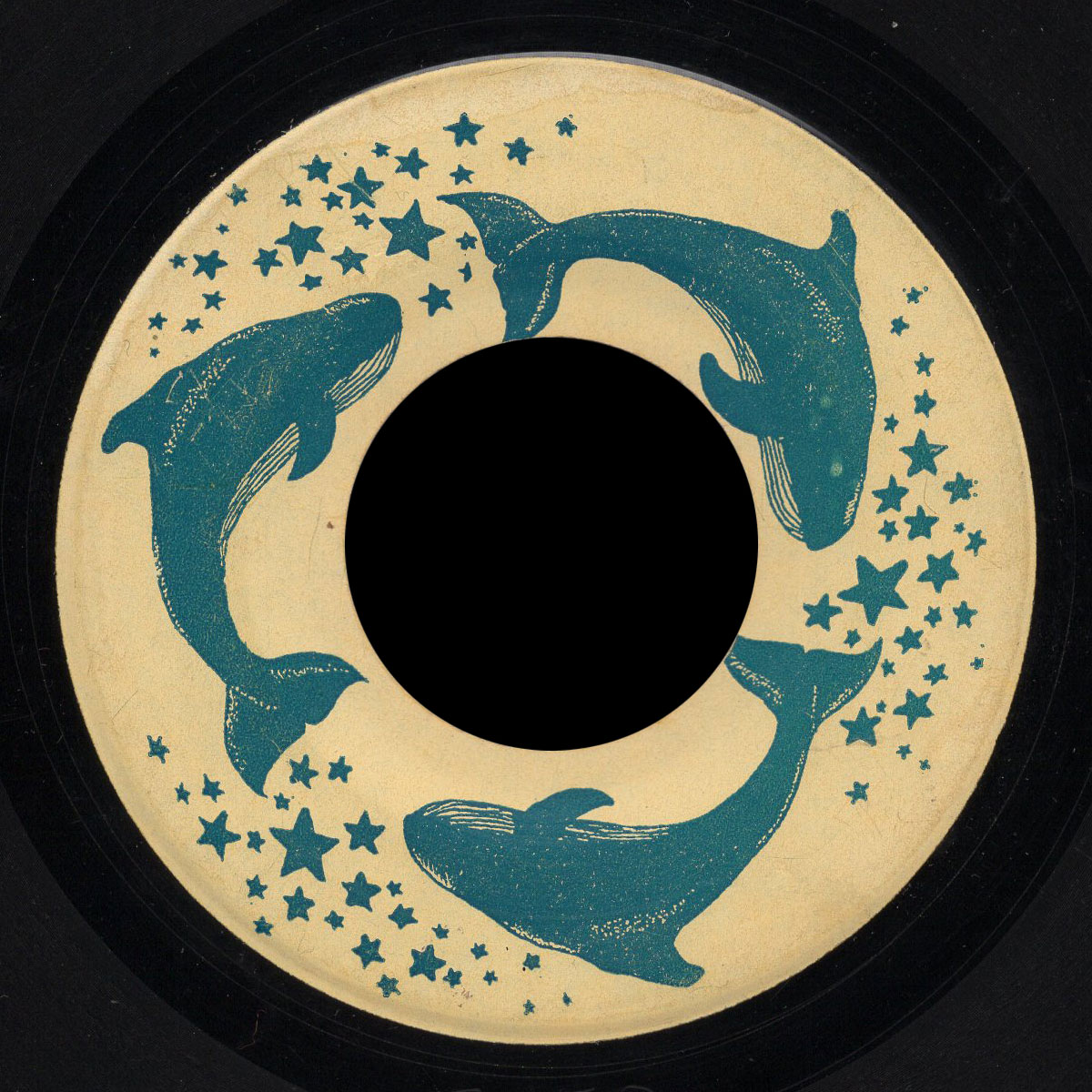
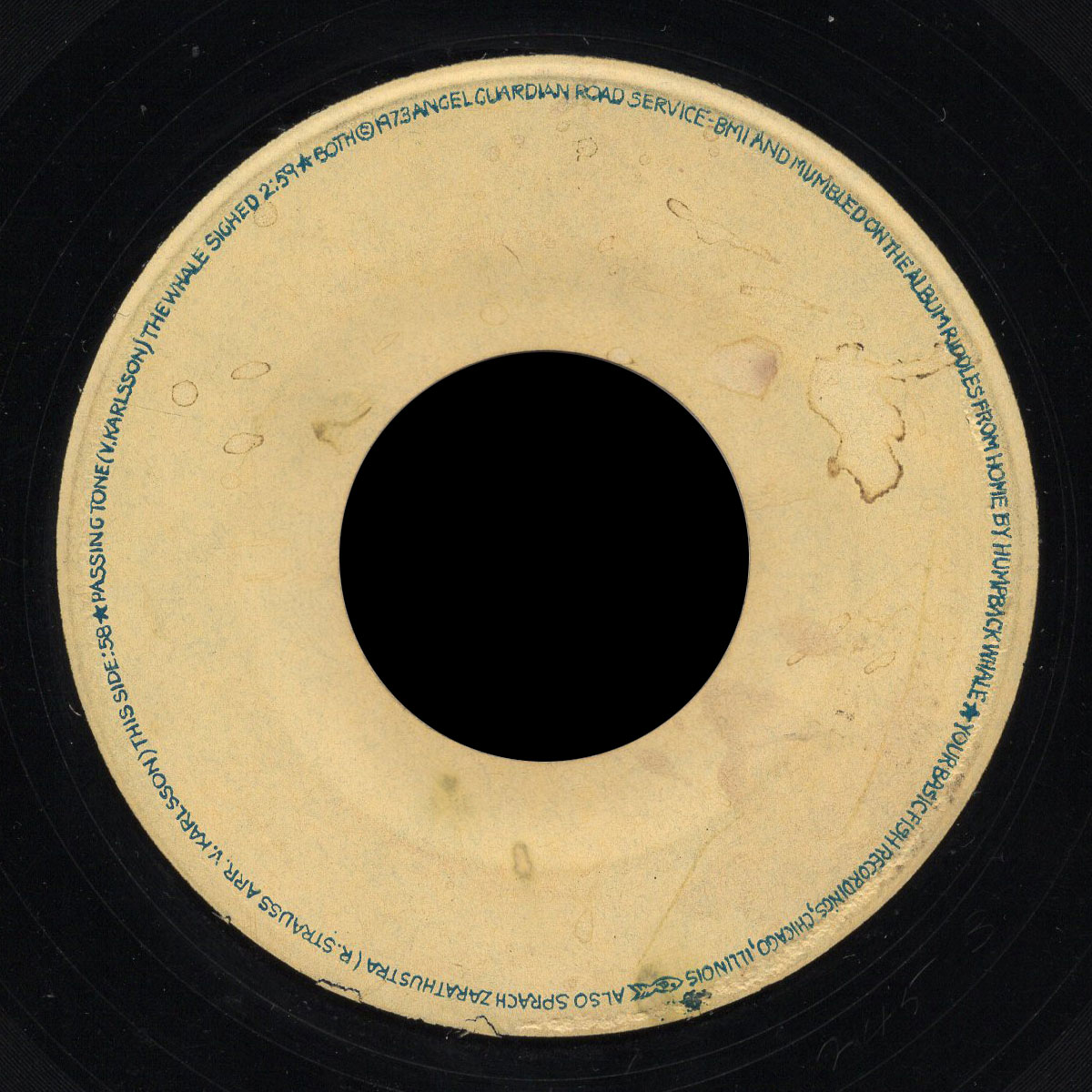
Getting out of my usual range to post about an unknown record from 1973. The label reads “Mumbled on the album Riddles from Home by Humpback Whale” but I haven’t found a trace of that album yet, if it exists.
One side contains a kazoo arrangement of “Also Sprach Zarathustra” with whistling. It predates the version by the Temple City Kazoo Orchestra by a good five years.
“The Whale Sighed” (i.e. the side with the whales on the label) has a great original song called “Passing Tone” by V. Karlsson.
The only other credits are “1973 Angel Guardian Road Service” and “Your Basic Fish Recordings, Chicago, Illinois” and BMI, though I can’t find the songs in BMI’s database.
Humpback Whale – Also Sprach Zarathustra
Randy Chance was lead guitarist for a group called the Other Half, and before that the Just Four. Note this was not the Other Half from Chicago who cut “Girl with the Long Black Hair” / “Third of January” on the Orlyn 503 in June of 1967.
There is an April 1975 copyright registration for “Search for Magicians”, words by Wade Martinow (Martinov), words and music Van Karlsson, pseudonym of Van Carson, Angel Guardian Road Service Publishing Company.
Randy Chance has a website with a timeline, dating Riddles from Home to 1972 and noting that from 1971 – 1973, he built Humpback Whale Studios in Chicago, plus “Your Basic Fish” record company and “Angel Guardian Road Service” publishing.
He also wrote and performed a musical, Turds in Hell by the Godzilla Rainbow Troupe, and a rock opera Breathe Deeply Today is Fill in Blank for the Free Theater and the Center for New Music.
Randy’s online resume includes an extensive list of composition and recording through 2016.
The GTs in the Xenia Daily Gazette Feb. 21, 1967 The GTs came from Dayton, Ohio. Members were:
John Boerstler Eddie Wells Brenda Bishop Mary McCartney Bruce Larson
The Xenia Daily Gazette featured a photo of the band in February, 1967 for their date at the Blue Moon Ballroom.
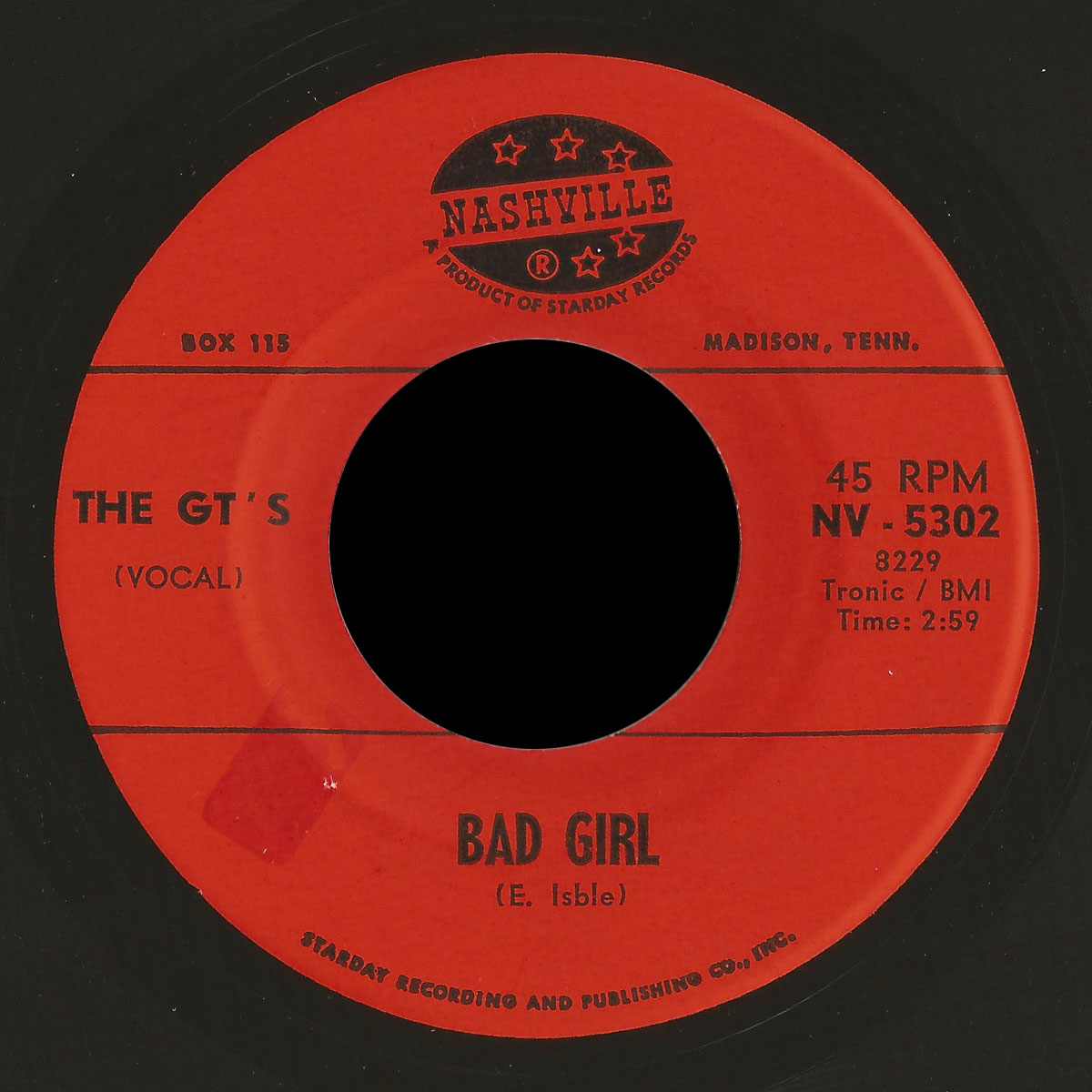
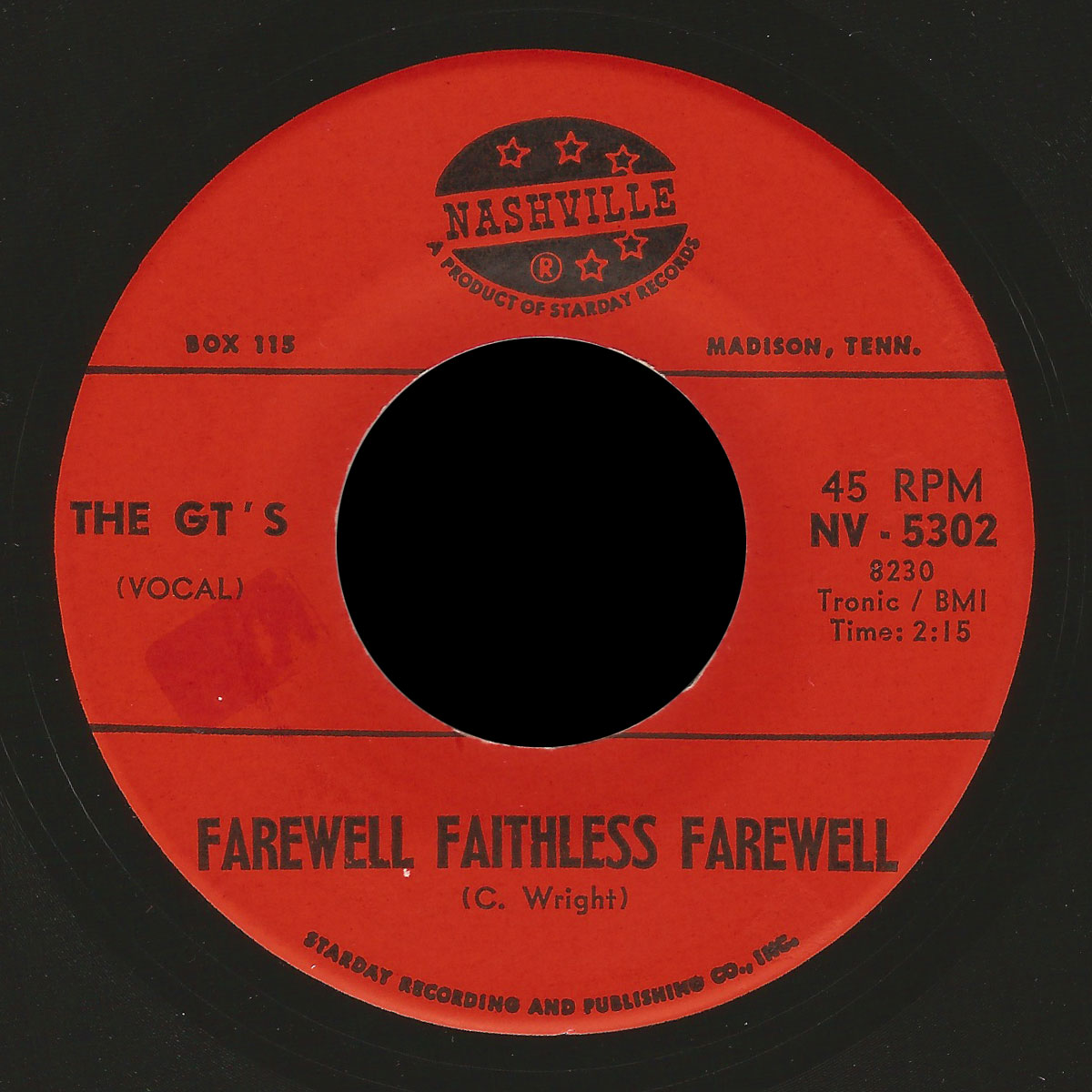
A 1966 single “Bad Girl” and “Farewell Faithless Farewell” on Nashville NV-5302 is reputed to be by this band, however neither song was written by a member of the group. Cathryn Wright wrote “Farewell, Faithless, Farewell” while “Bad Girl” was written by Earl Isble, listed in March, 1966 copyright registration as Earl Roger Isble. Tronic BMI published both songs.
The 45 was a Starday Recording and Publishing production, so the band only had to send their tape in, not travel to Tennessee.
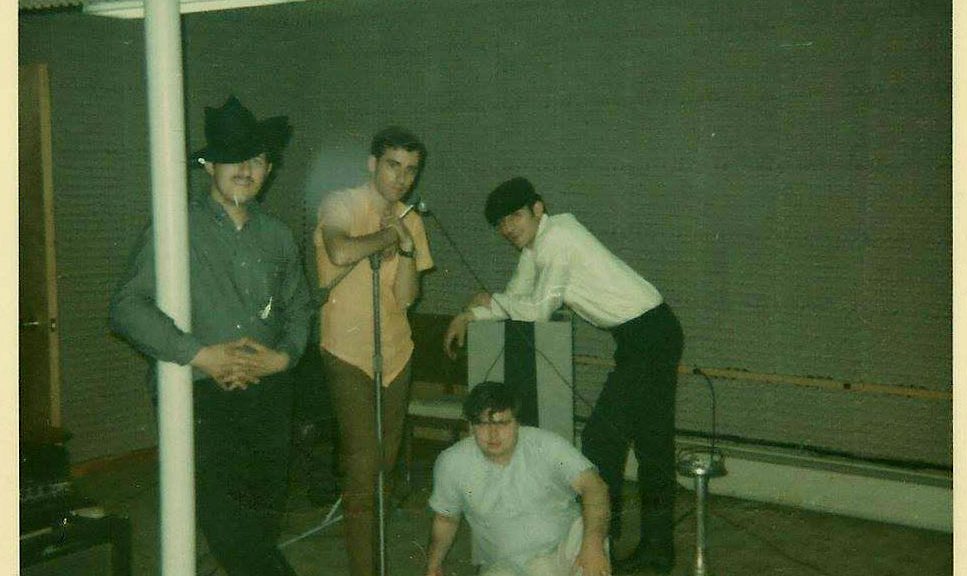
The Essentials came from Schagticoke, New York, and cut two singles on their own Kandy label in 1969 and 1970. Members were:
Jason Wheeler – lead guitar Steve Wheeler – rhythm guitar Jeff Wheeler – bass guitar Fred “Squeekey” Stay – drums
Jeff Wheeler recalled to Max Waller:
Our ages were 13, 15, 17 and 17 at the time. We played Friday and Saturday nights and threw in a wedding now and then with the old standards on a Saturday or Sunday afternoon. Even went to Atlantic City and Raleigh, NC. cuz we won a few Battle Of The Bands – the Tea Berry song contest too (we didn’t win that tho). We made 2 45s in 1968. Never made a million but we sold 1000 records for $1 apiece after spending $500 to do it! It was fun.
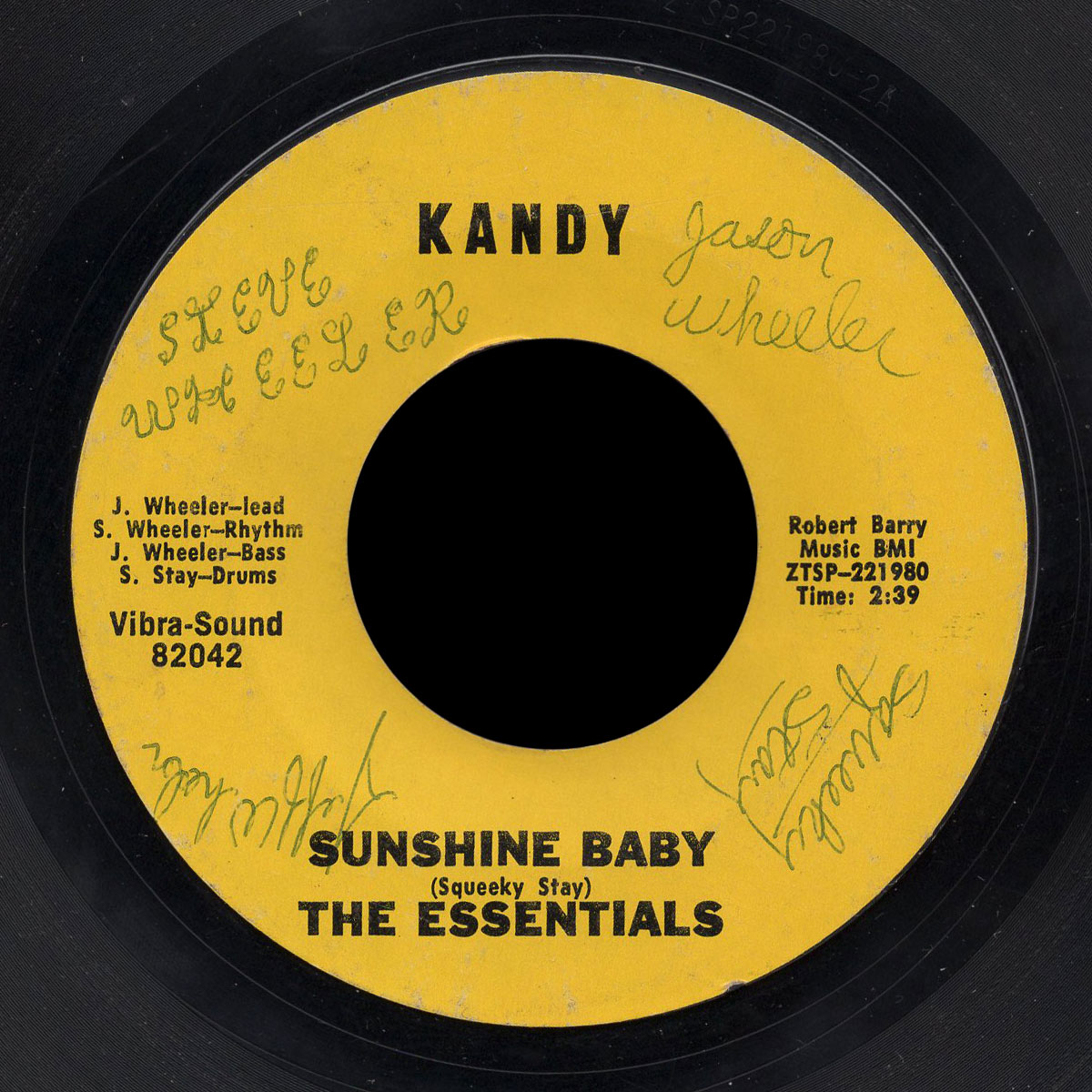
The Essentials recorded at Vibra-Sound Studio in Schenectady for both their singles. The first was Kandy 101 from 1969. “Oklahoma Blues” has some falsetto vocals about a minute in, but really gets going after the guitar break, with a funky rhythm and chanting. Fred Stay and Steve Wheeler wrote “Oklahoma Blues”. Steve Wheeler wrote “Baby You Get to Me”, which I haven’t heard yet.
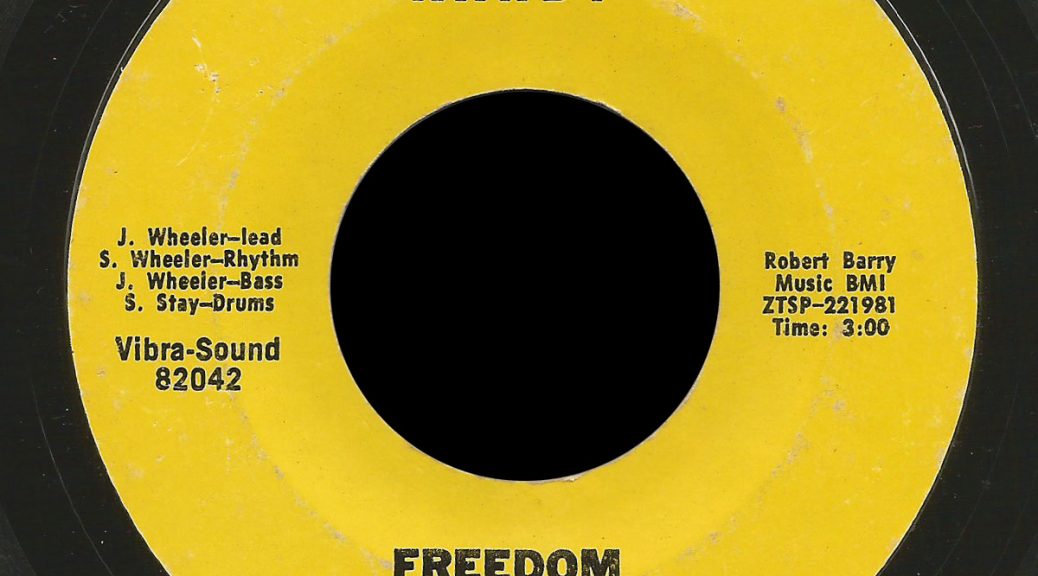
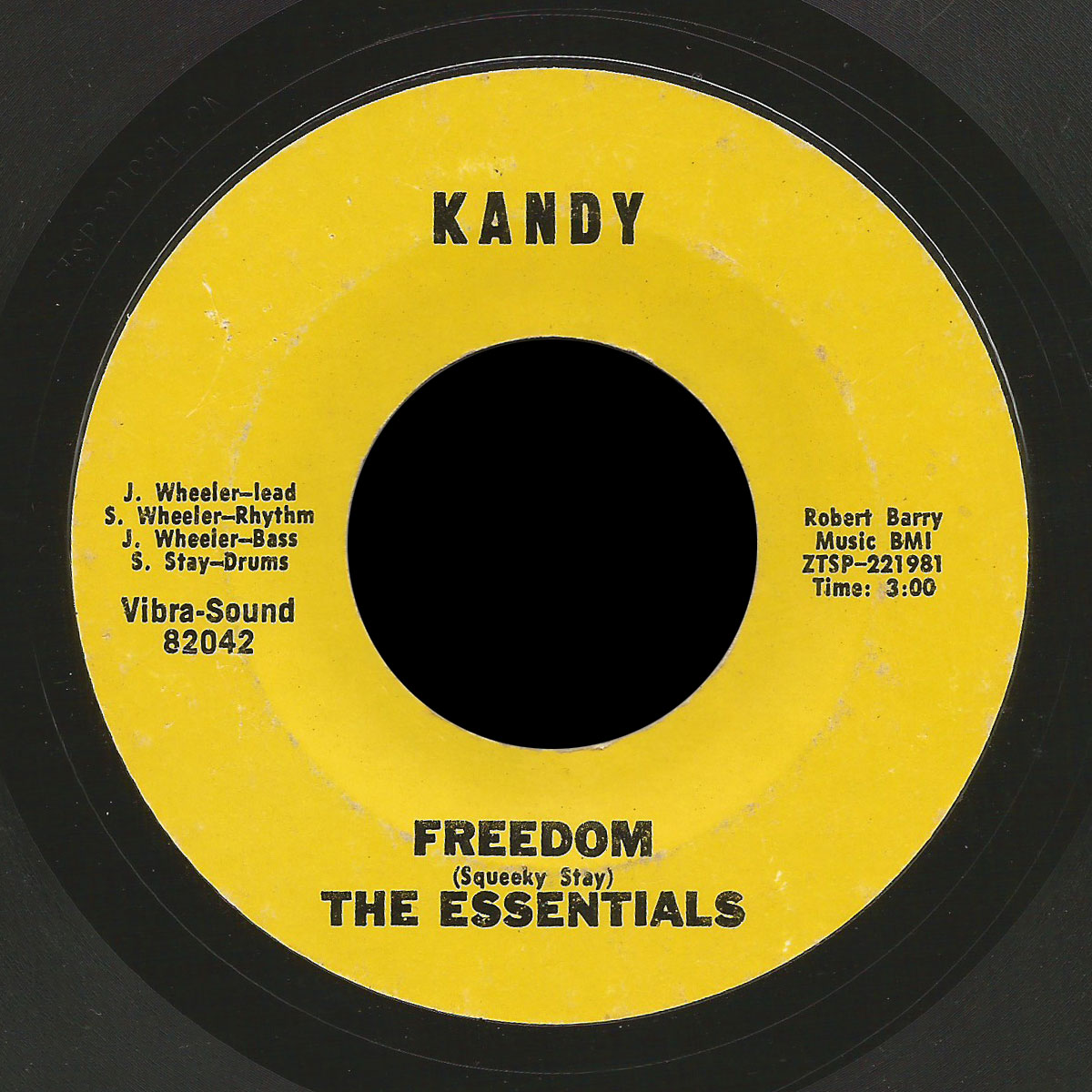
Their second 45, on Kandy 82042 from 1970, had two originals by Squeeky Stay. “Sunshine Baby” is light pop. I prefer “Freedom”, which starts out with wah-wah guitar over drumming and doesn’t let up for three minutes. It’s a styrene 45 and hard to find in fine shape.
Robert Barry Music published all four songs.
Squeeky Stay and Mark Galeo made another single recorded at Vibra-Sound, “Slippin’ Away” / “Mrs. Jones” on Jinhea 100.
Max Waller added, “in 2002 Jeff resided in Poestenskill, NY; Steve was in New Jersey; Jason was reported to be in Texas; and Squeeky Stay had stayed in Schaghticoke.”
Fred Stay, Jr. also played drums with a group called the World of Darkness, that back Alan Burn on two songs “Gotham City” and “See Susie Run”, released on Tuesday Records. “See Susie Run” was also on the flip of “Information (Help Me Please)” by Alan on Tuesday Records TR-1 / Tuesday Records TR-SSR.
The other members of the World of Darkness were David L. Ferretti guitar, Paul Orloski rhythm guitar, John Zullo (or John Sciuto) on bass, and Sandi La Barge on organ.
Thank you to Max Waller for help with this article.
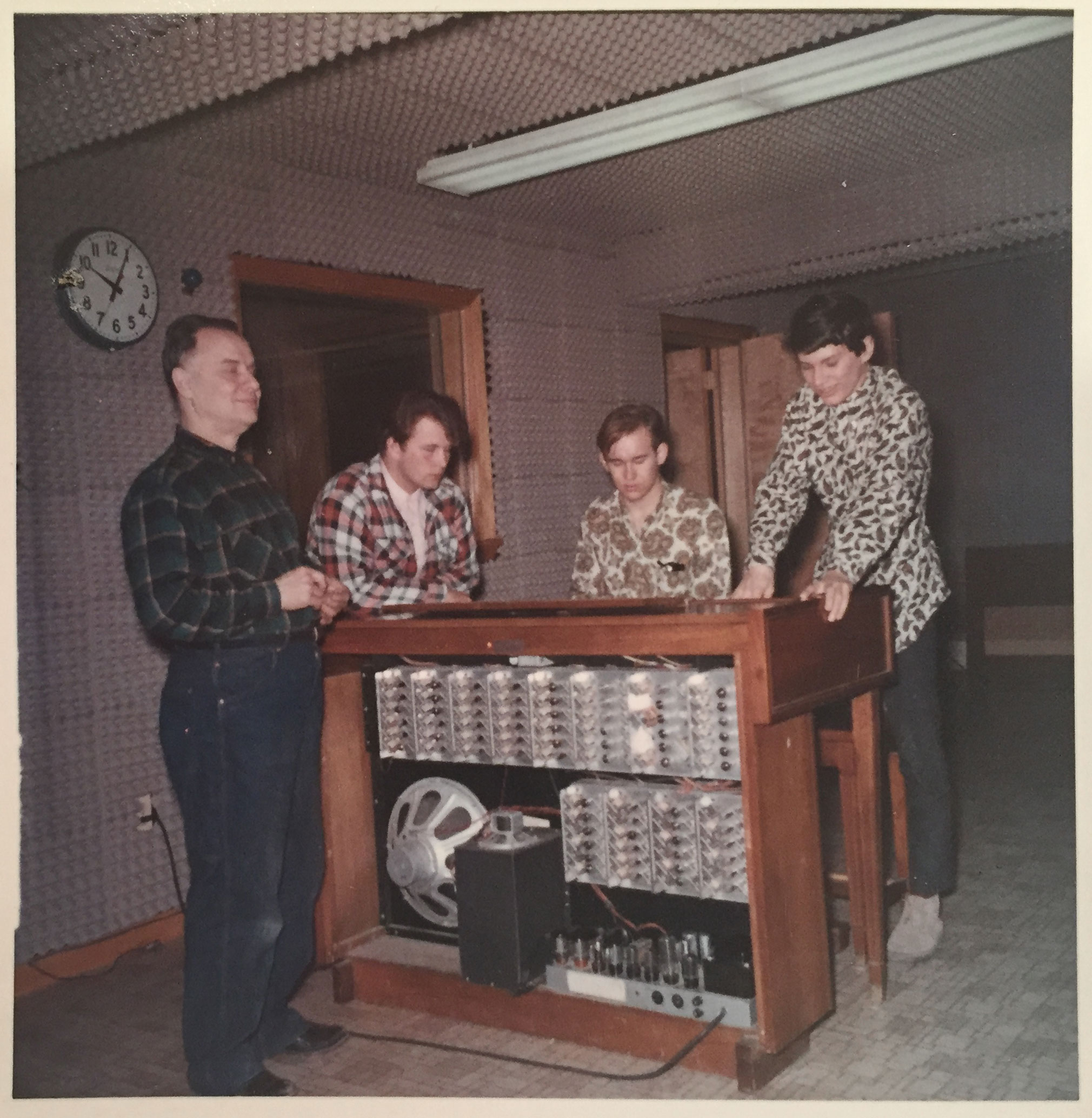
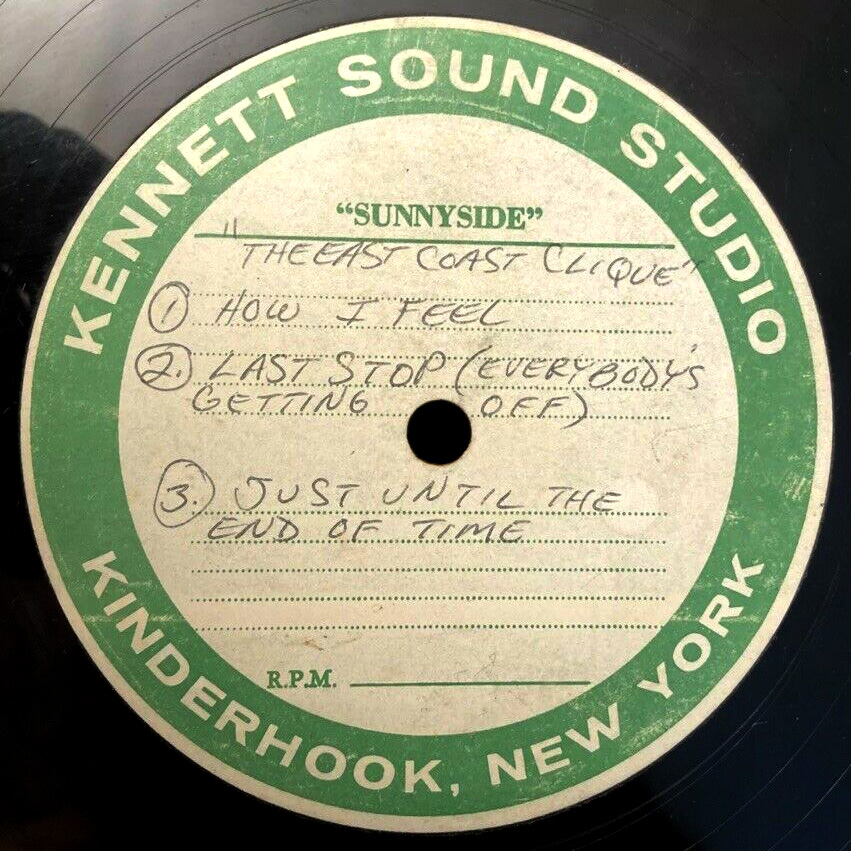
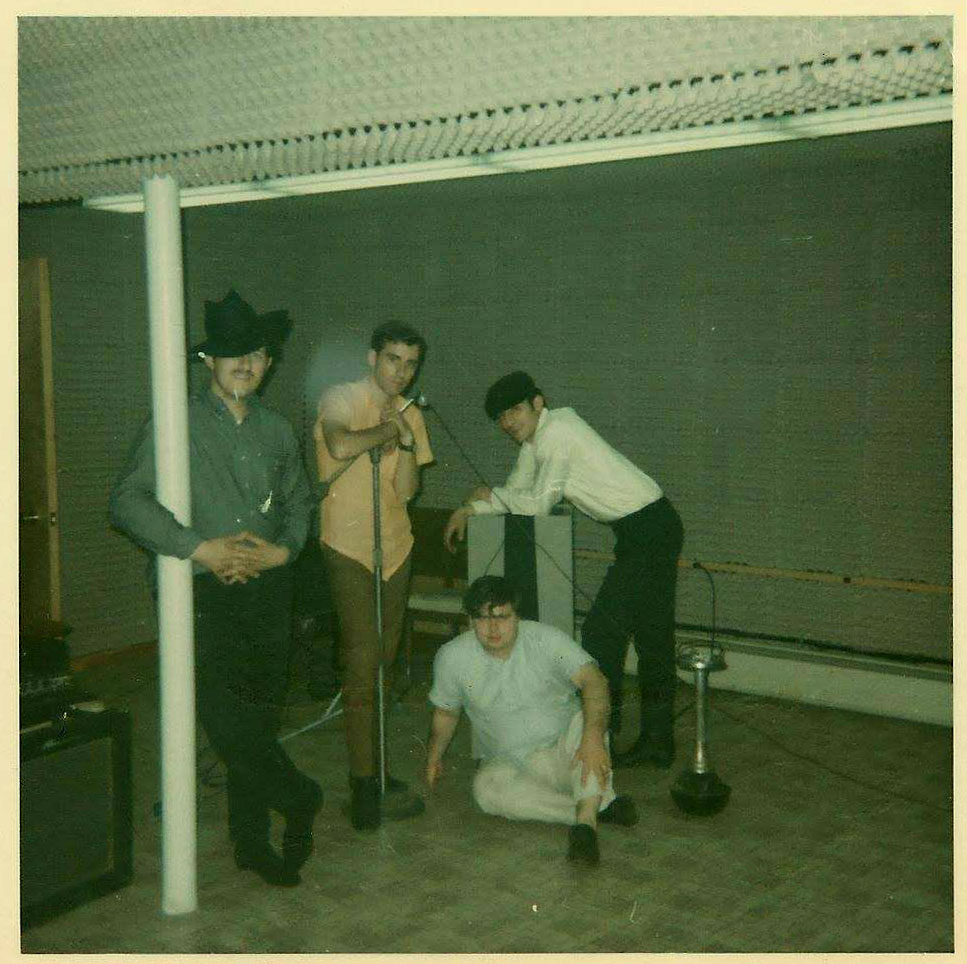
Earl Kennett, left with members of Love Minus Zero inside the Sunnyside studio, January 8, 1967. Photo courtesy of the Kennett family.Kennett Sound Studio acetate of three songs by the East Coast Clique (previously known as the Cleaners), photo courtesy of Mike Dugo
Earl Kennett was born in 1912 in Augusta, Kansas. He attended the Kansas State Institute for the Blind and the Horner-Kansas City Conservatory of Music.
He established some reputation as a touring pianist in the 1940s, including at the Blue Note at 56 West Madison in Chicago, the Rainbow Room in Oklahoma City, and the Casablanca Supper Club at 101 May Avenue in, I believe, Oklahoma City.
On March 1, 1945 Down Beat published a review:
Jazz Concert Given in Minneapolis
From 3 to 5 Sunday afternoon, February 11, Doc Evans conducted the first in a series of jazz concerts held in station WCCO’s auditorium studio.
… on piano was Earl Kennett, a solo fixture at the Casablanca …
… Song Of The Wanderer, the final tune, developed into an all-out jam-session … Pianist Kennett drew a tremendous, spontaneous ovation from the audience with his three sensational choruses on this closing number.
In the 1960s he sometimes played with the Original Berkshireland Jazz Band in Williamstown, MA. I have not yet found any recordings with Earl prior to his own album Musical Themes of Composure: Earl Kennett’s Original Piano Improvisations of Restful Music from circa 1967.
Though blind, he received training in audio recording. A 1957 LP on ABC-Paramount, Vinnie Burke’s String Jazz Quartet credits Earl Kennett as recording engineer.
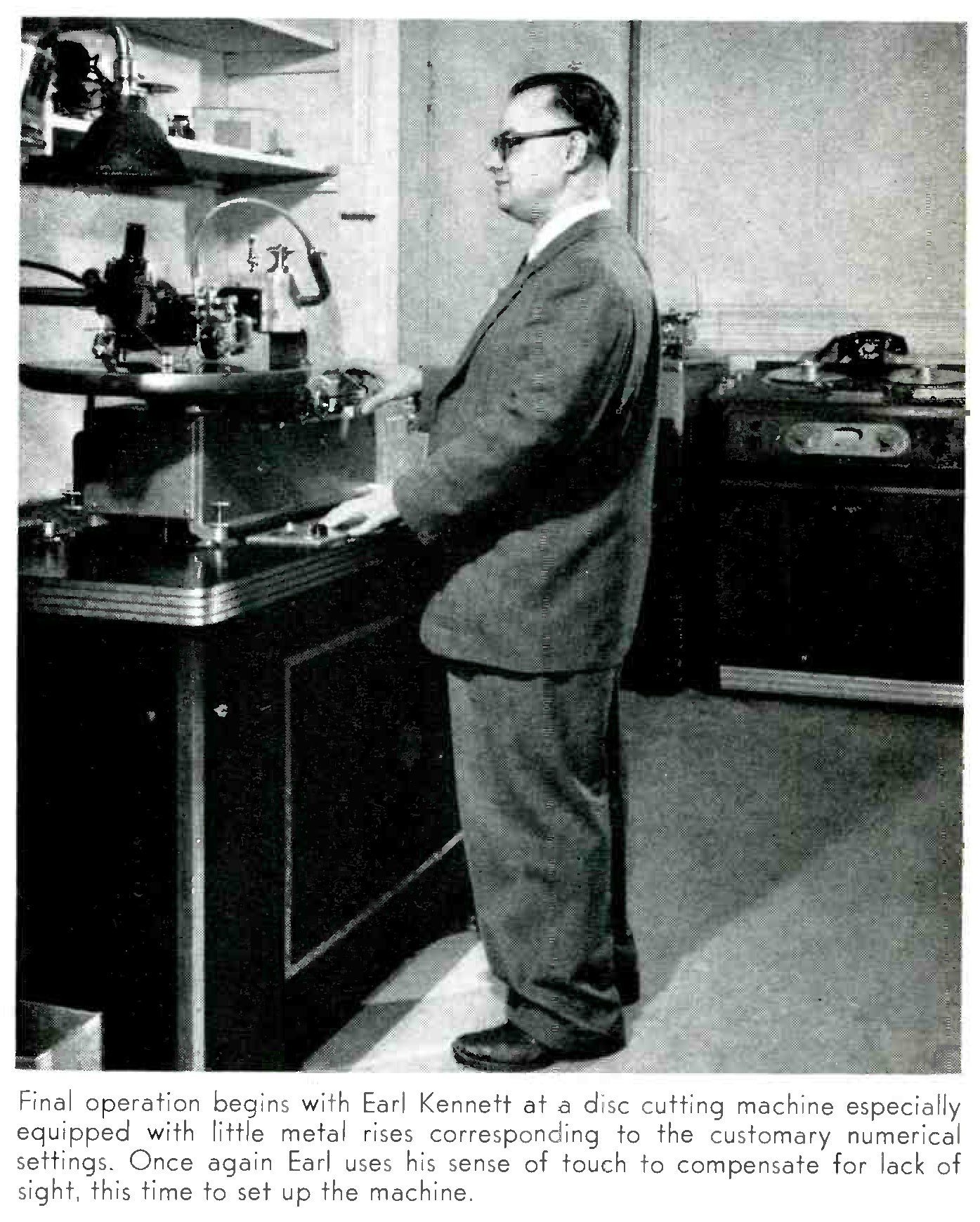
Earl Kennett in the Carnegie Hall studio, May 1959
I believe his first studio was located at 115 West 49th Street, New York City. In January 1958, he moved the studio to rented space in Carnegie Hall. The May 1959 issue of Broadcast Engineering had a three page feature on Earl with detailed information about the studio construction materials made by the Johns-Manville company, with a console built by Fred C. Roberts.
Facing Earl are saw-tooth-shaped Imperial Transitone movable walls for accurate sound reflection. Next to the piano not in use is an even-finish movable wall, also for sound reflection, and a sound-absorbing perforated Transite acoustical panel. The floor is covered with quiet-under-foot Terraflex vinyl asbestos tile and the ceiling with Permacoustic, a sound-absorbing fissured acoustical tile.
In early 1964 Earl moved his studio for a brief time to Mountain View Road in Nevis, a small town near Bard College in Tivoli.
In 1965, Earl and his wife bought Sunnyside farm in Kinderhook, New York, about 20 miles southeast of Albany. Earl converted an old dairy barn on the property into a recording studio, substituting egg cartons for the pricey asbestos baffles.
The first recording from his studio I can find is the Kynds single “So If Someone Sends You Flowers Babe” / “Find Me Gone”. Pressed through RCA in September, 1966, there is no indication of where it was recorded on the labels, but drummer Jerry Porreca recalled making the single at Kennett’s studio.
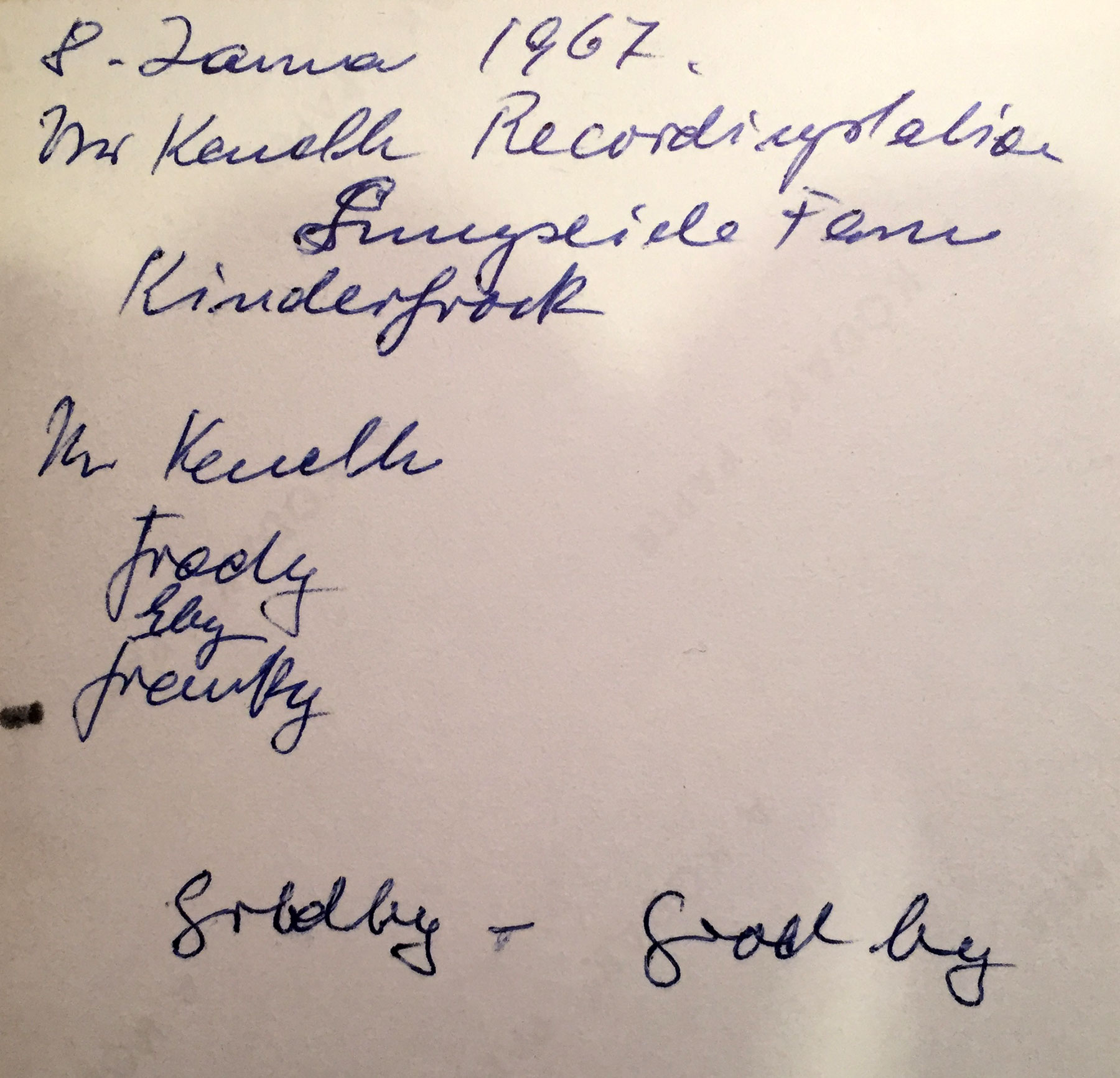
Back of Love Minus Zero photo at top. What are these names in the middle? Freely, Freddy, Eby, Franky ??
On January 8, 1967, a group called Love Minus Zero did a session at the studio and sent a photo to Earl. The group came from Albany, and I may have their recordings on an unlabeled lacquer acetate. It’s difficult to make out the names of the group – but luckily I found a lineup in Al Quaglieri’s The Old Band Chronicle #4, a list of Capital District bands compiled in 1990.
Love Minus Zero were:
Gary Siegel – vocals Eberhard Kobryn – guitar Fred Everhart – bass Frank Herec – drums
I believe Everhard Kobryn passed away in 2012. Later lineups added Jack Reilly on organ, replaced by Mark Rabinow. Eventually Fred Everhart was the only original member of the group, with Steve Fuld on guitar, Gary Gardner on vocals, and Stanley ? on drums.
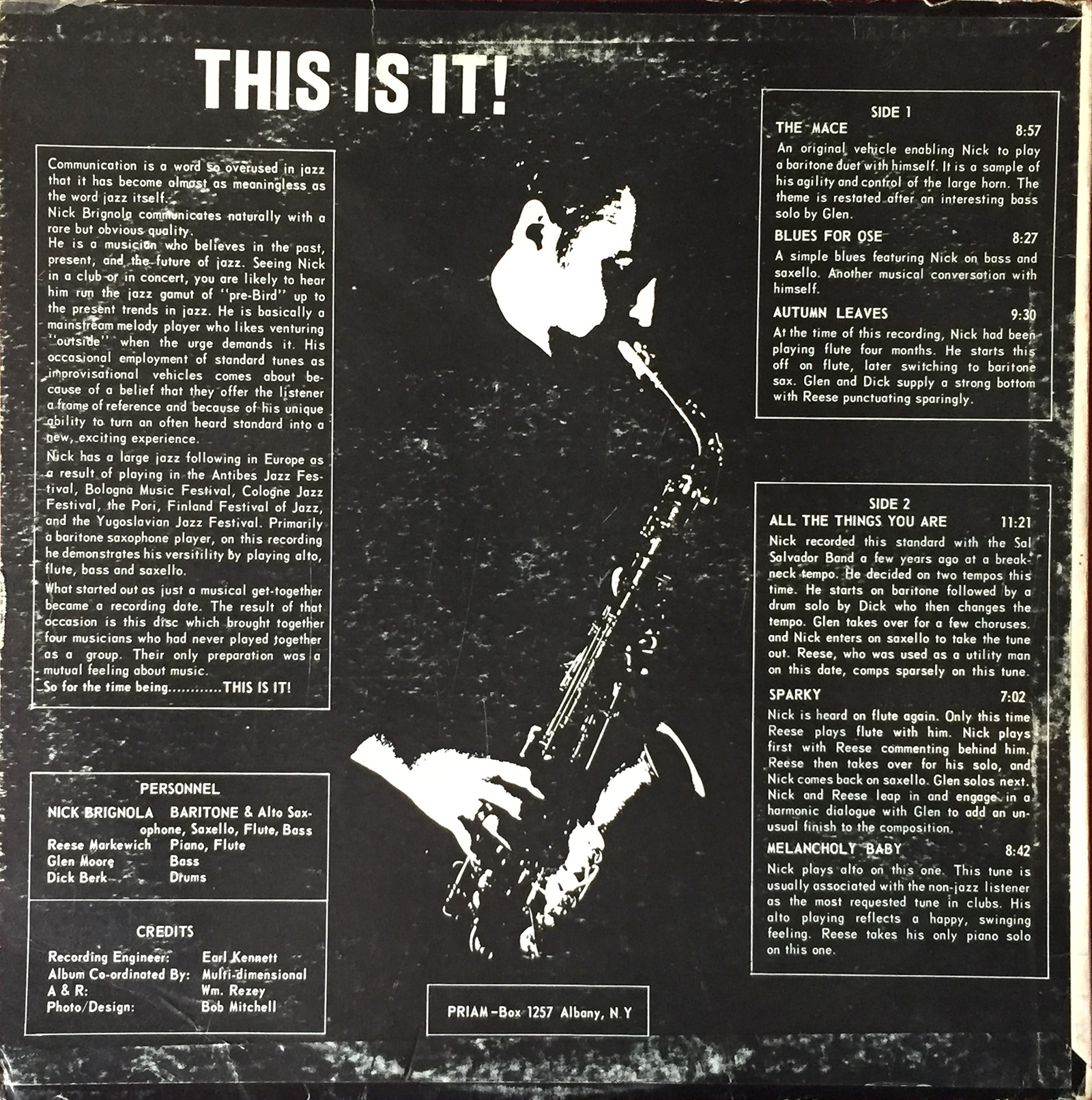
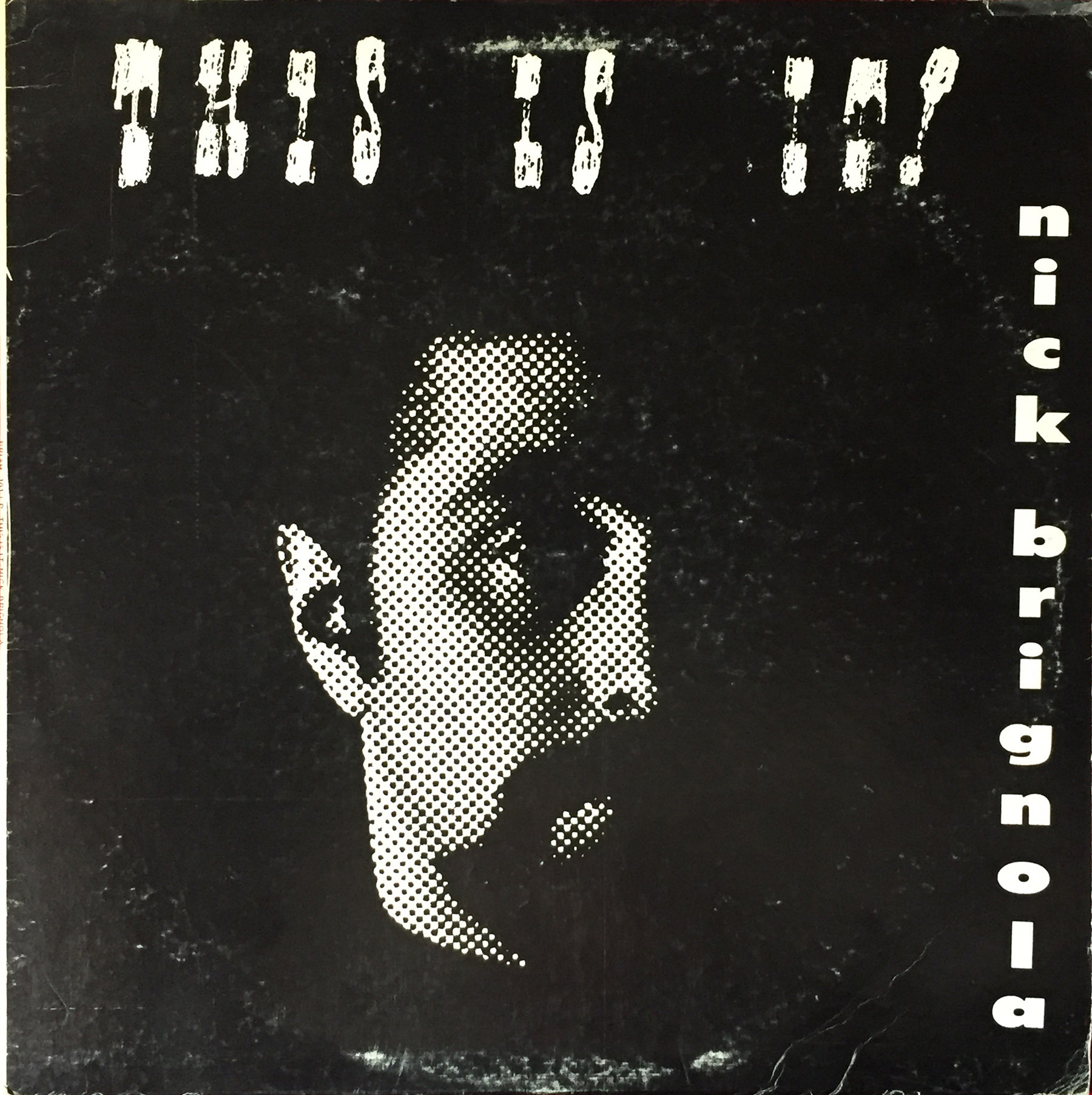
In 1967, Kennett engineered Nick Brignola’s first LP, This Is It! on Priam P-101M. Musicians were Nick Brignola, Reese Markewich, Glen Moore and Dick Berk, A&R by William Rezey, photography by Bob Mitchell.
Another single I can confirm was recorded at Kennett is Riccardo and the 4 Most “There’s a Reason” (written and sung by Bill White) / “Bare Footin'” (featuring Ricardo Wright) Foremost Records U4KM-0937.
The Jelly Bean Bandits at Kennett Sound Studios in Kinderhook, from left: Mike Raab, Jack Dougherty, Joe Scalfari and Billy Donald on the floor – photo taken by bass player Fred Buck.
The Jelly Bean Bandits made their first demo at Kennett Sound Studio, never released to my knowledge. Mike Raab wrote:
The Goodtimes had done some recording there and when we decided to lay down tracks Dave Kennedy suggested Earl’s place … We really didn’t know what we wanted to do or could do. We cut two demo songs: “Poor Precious Dreams” an original song that ushered us into the psychedelic music era; and “Hard, Hard Year” a beautiful b-side from The Hollies that we managed to brutalize.
I have found an acetate of this early version of “Poor Precious Dreams”. The duration is about thirty seconds longer than the version on their Mainstream album.
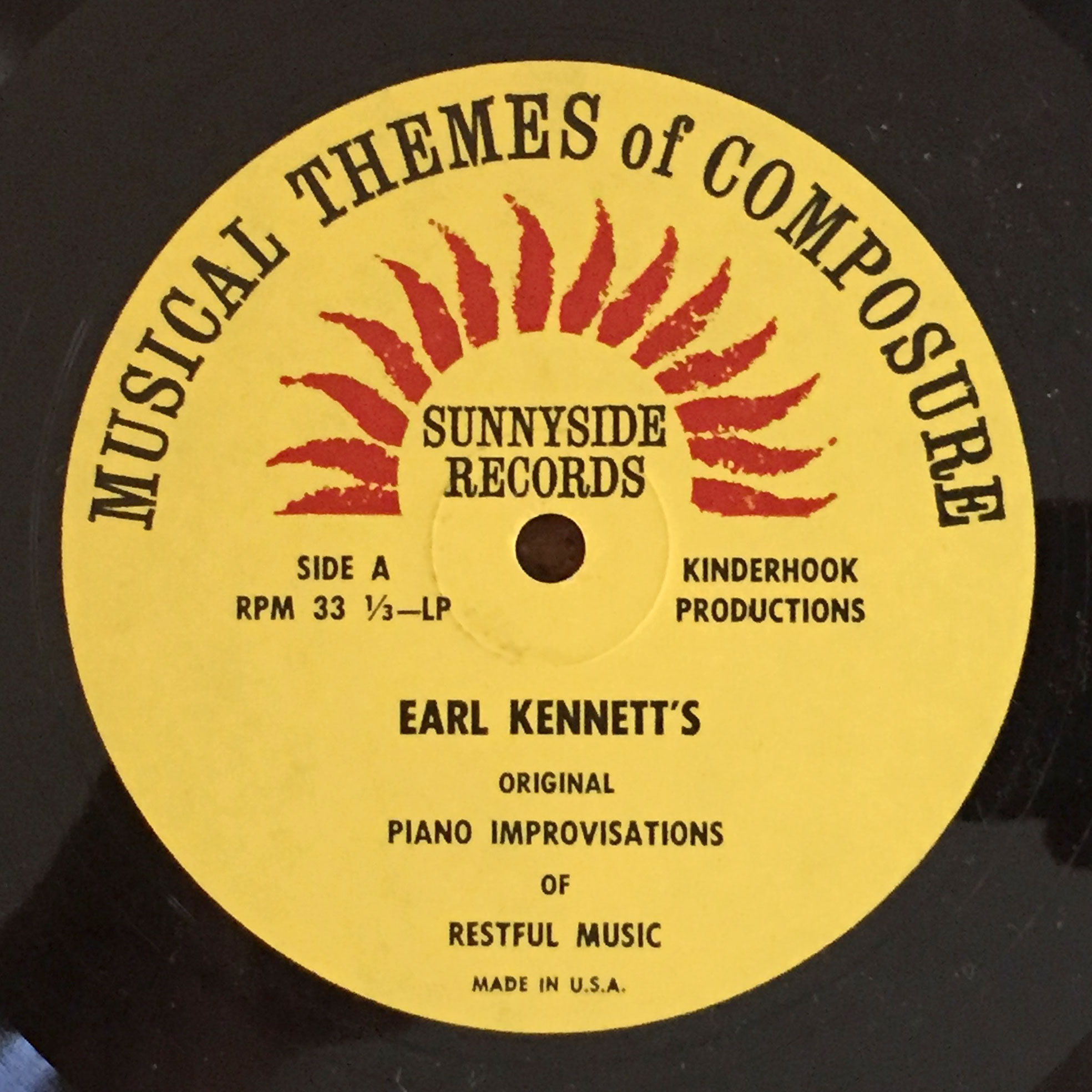
In 1967 Earl Kennett began offering pressing services through Decca’s plant in Gloversville. Some releases have “Kennett” at the bottom of the labels, but all have a distinctive four-digit release number, beginning with “00”.
There were at least twenty-three 45 rpm singles and one LP released through Kennett’s studio with this numbering system. The last release I can find dates to 1973.
In addition, I know of a number of unreleased lacquer acetates by the Cleaners, the Chain Reactions, and others:
If you or someone you know recorded at Kennett, please contact me.
Discography of Kennett Sound Studio (possibly incomplete):
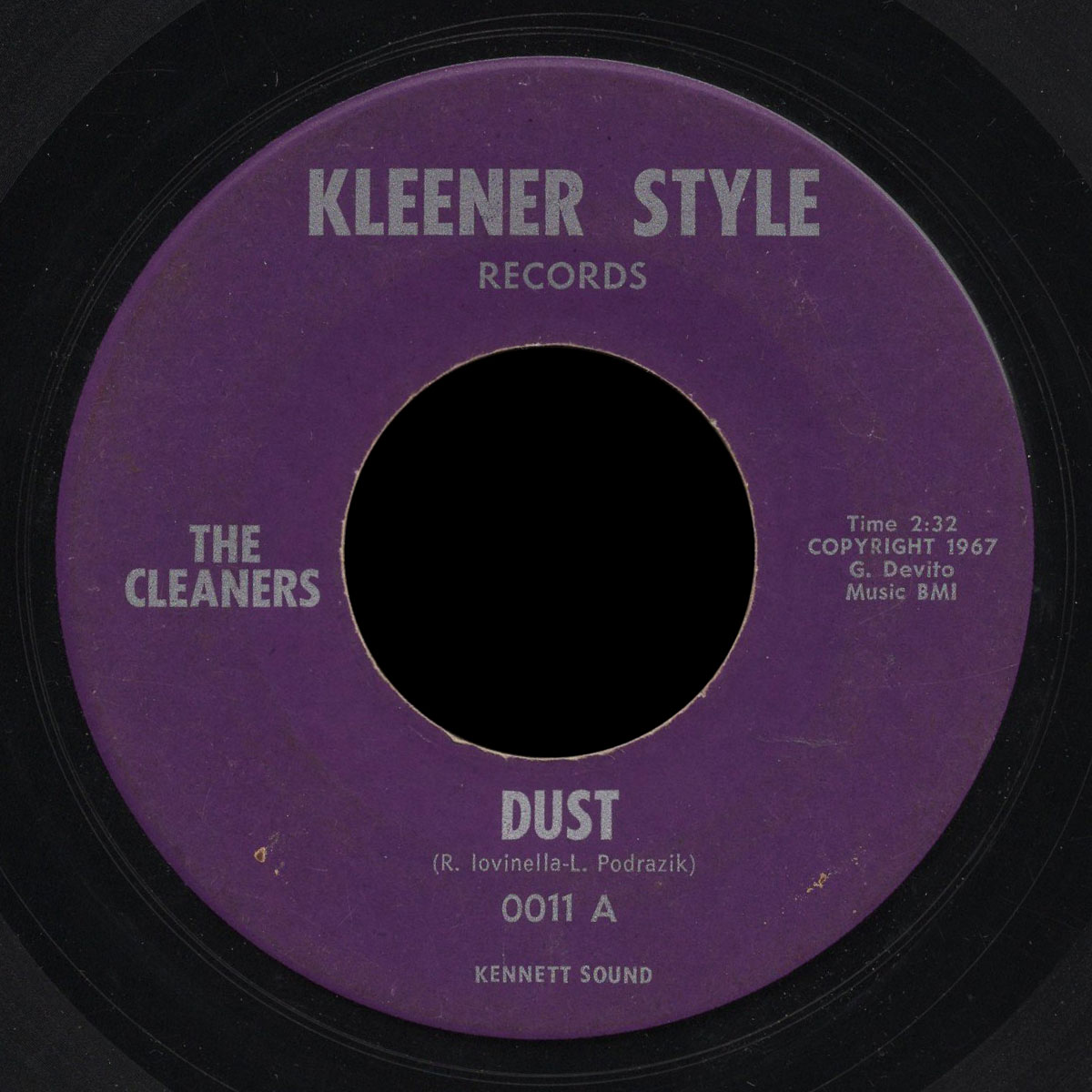
Kleener Style Records 0011 – The Cleaners – “Dust” / “Hold Me, Thrill Me, Kiss Me”
Sunnyside Records 0012 – Musical Themes of Composure: Earl Kennett’s Original Piano Improvisations of Restful Music (12″ album)
0013 – ?
Sunny-Side Records 0014 – Psychedelic Sound – “Sorry Baby = Goodbye” / “Stars Cease To Shine” produced by M. Rizzi. Tina was the drummer for the band, and (I believe) one of the vocalists.
0015 – ?
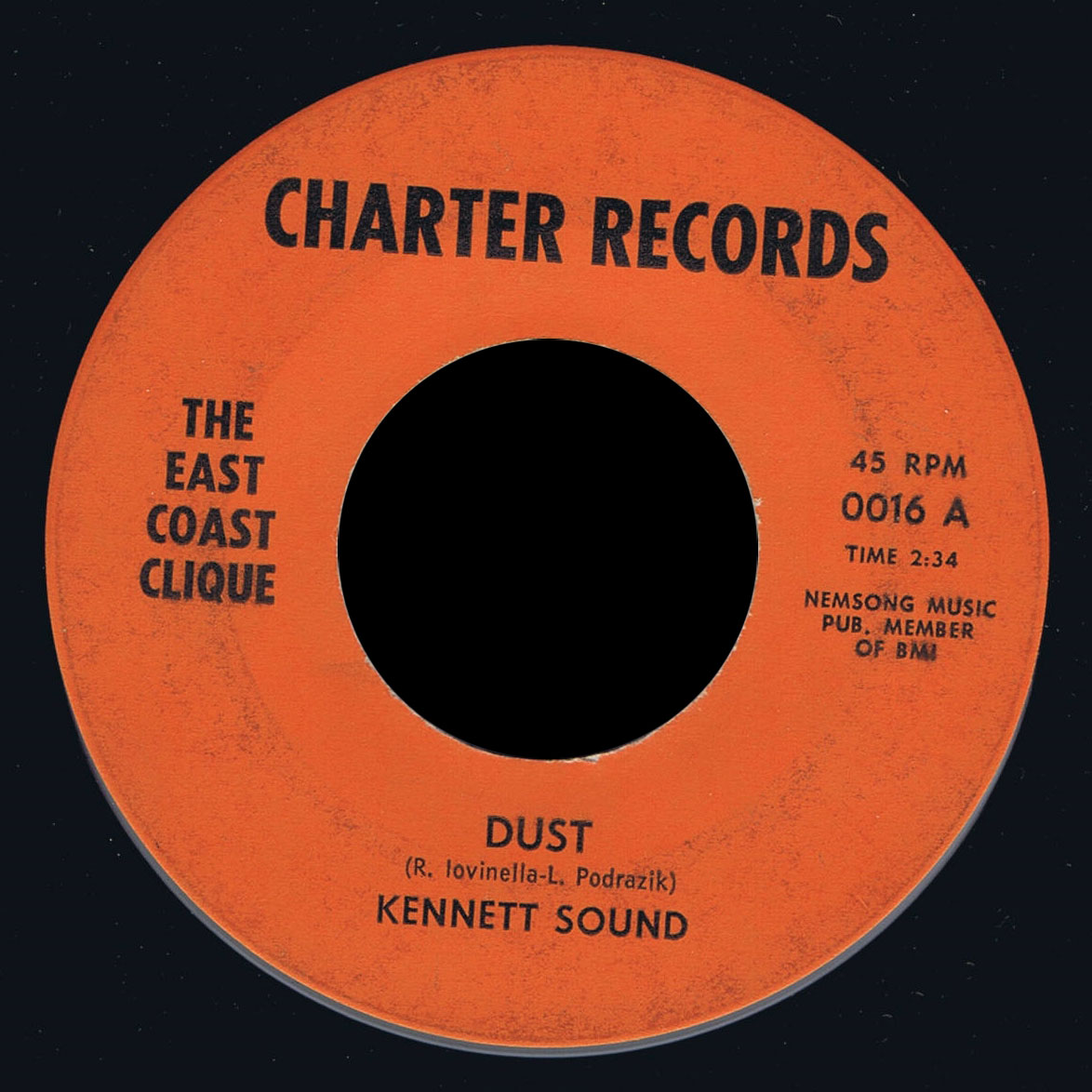
Charter Records 0016 – The East Coast Clique – “Dust” / “Last Stop (Everybody’s Getting Off)”
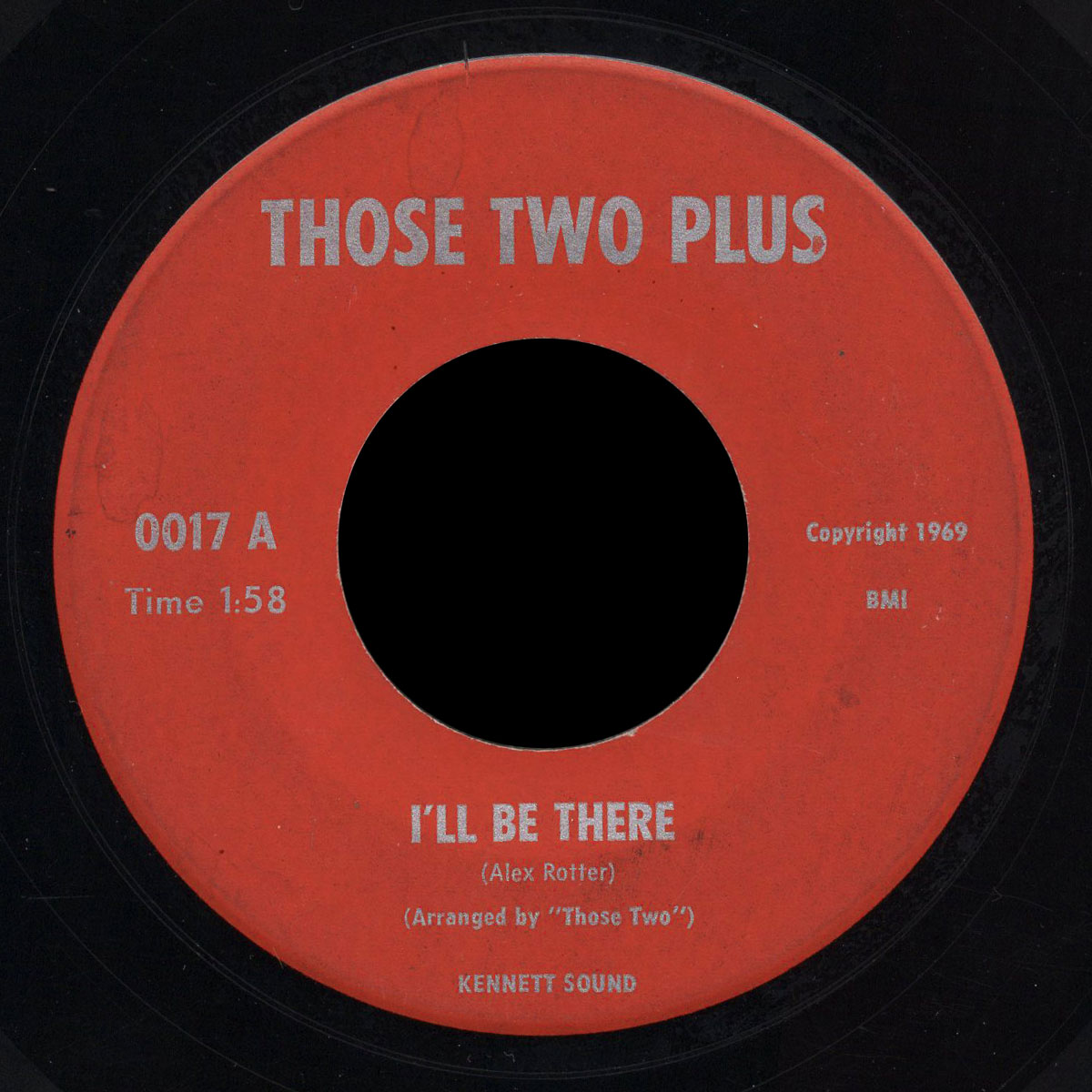
0017 – Those Two Plus – “I’ll Be There” / “It’s Rainin’ (Where I’m Bound)” (both by Alex Rotter, arranged by “Those Two”) Kennett Sound, 1969
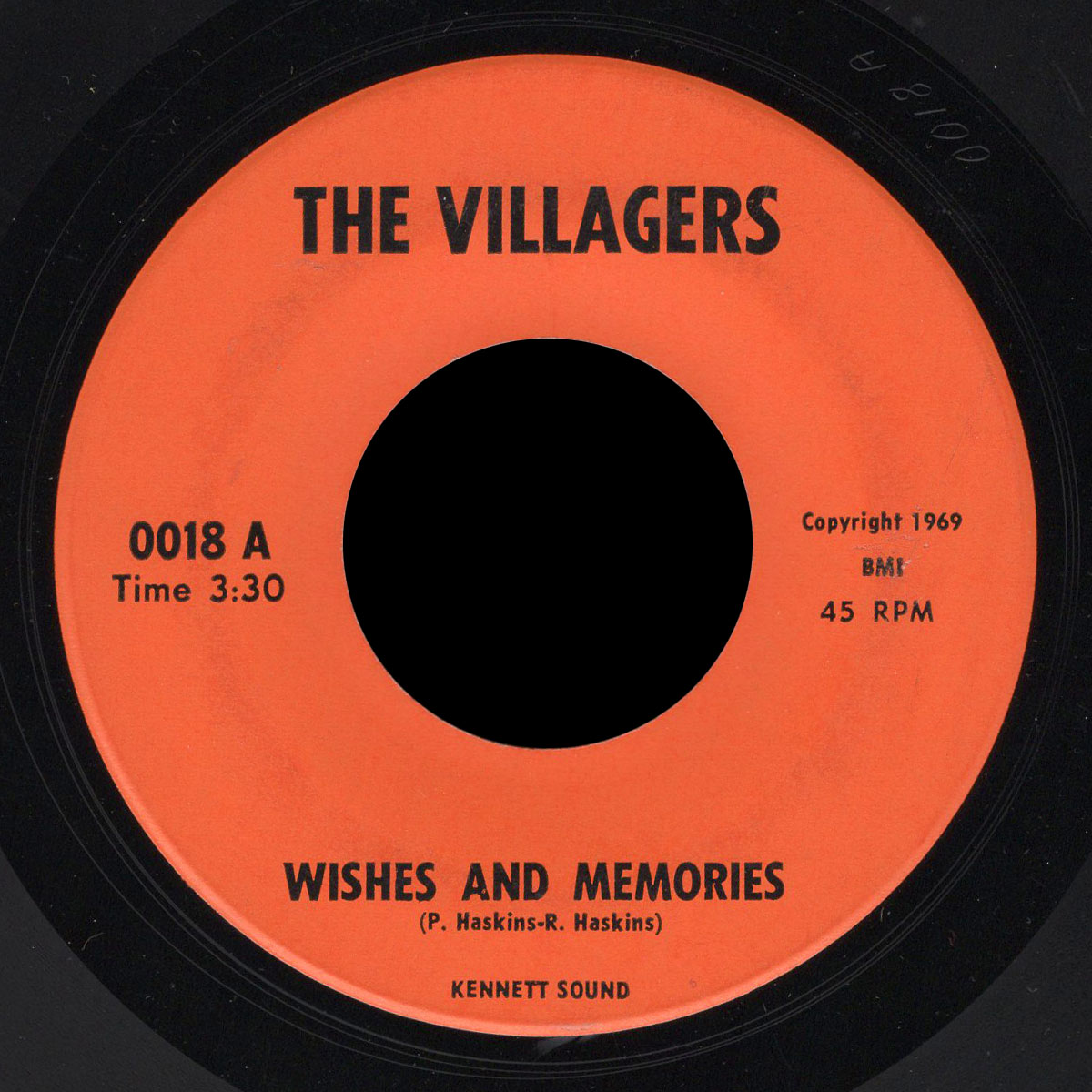
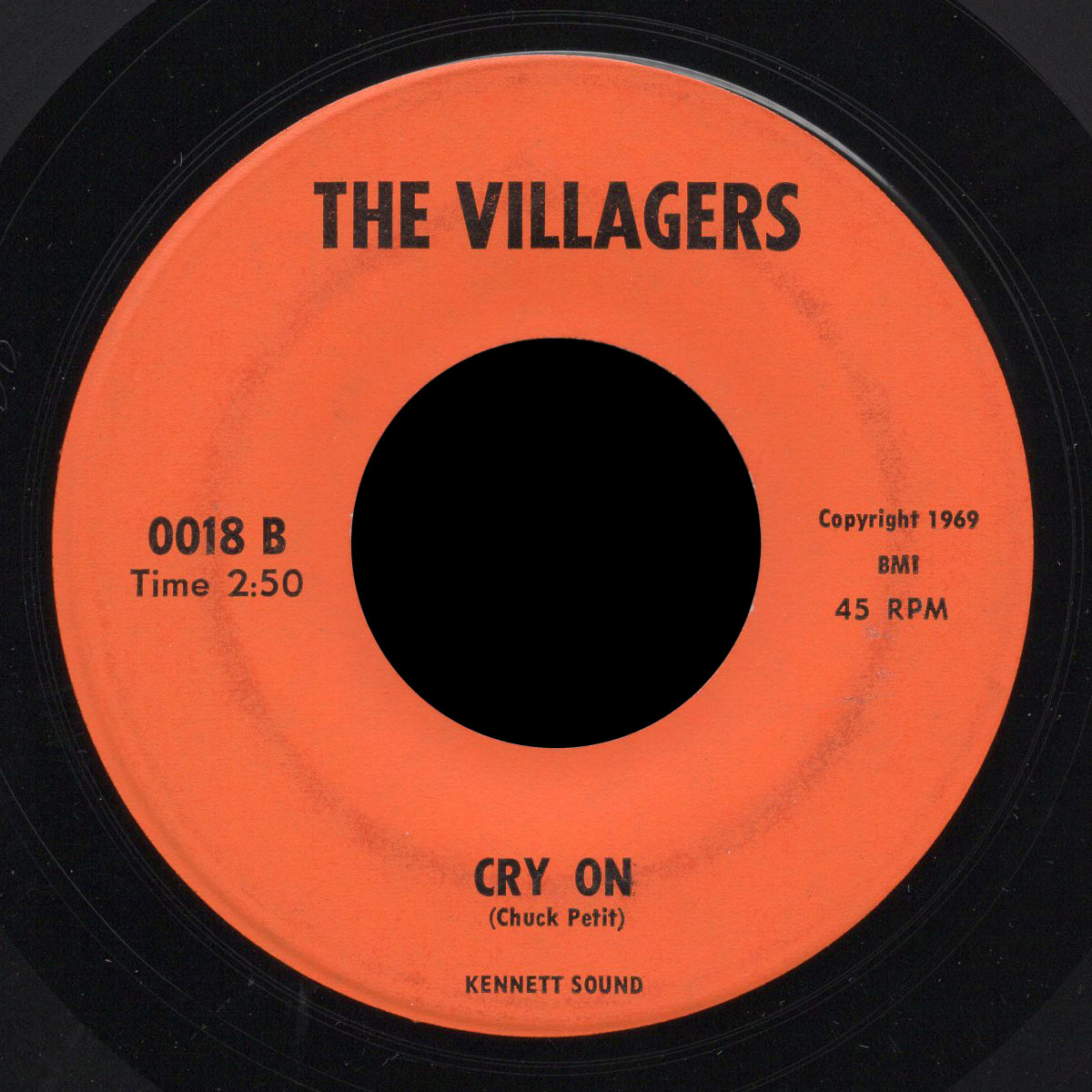
0018 – The Villagers – “Wishes and Memories” / “Cry On” (Chuck Petit)
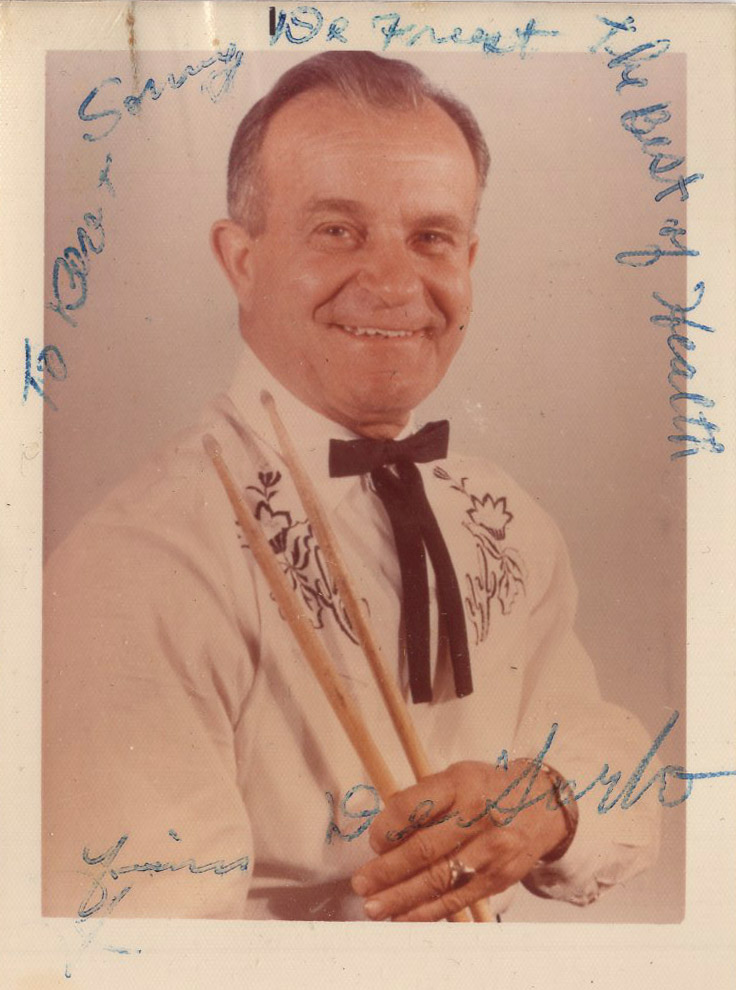
Jim De Sorbo photo found with his recordScan courtesy of Brian Kirschenbaum
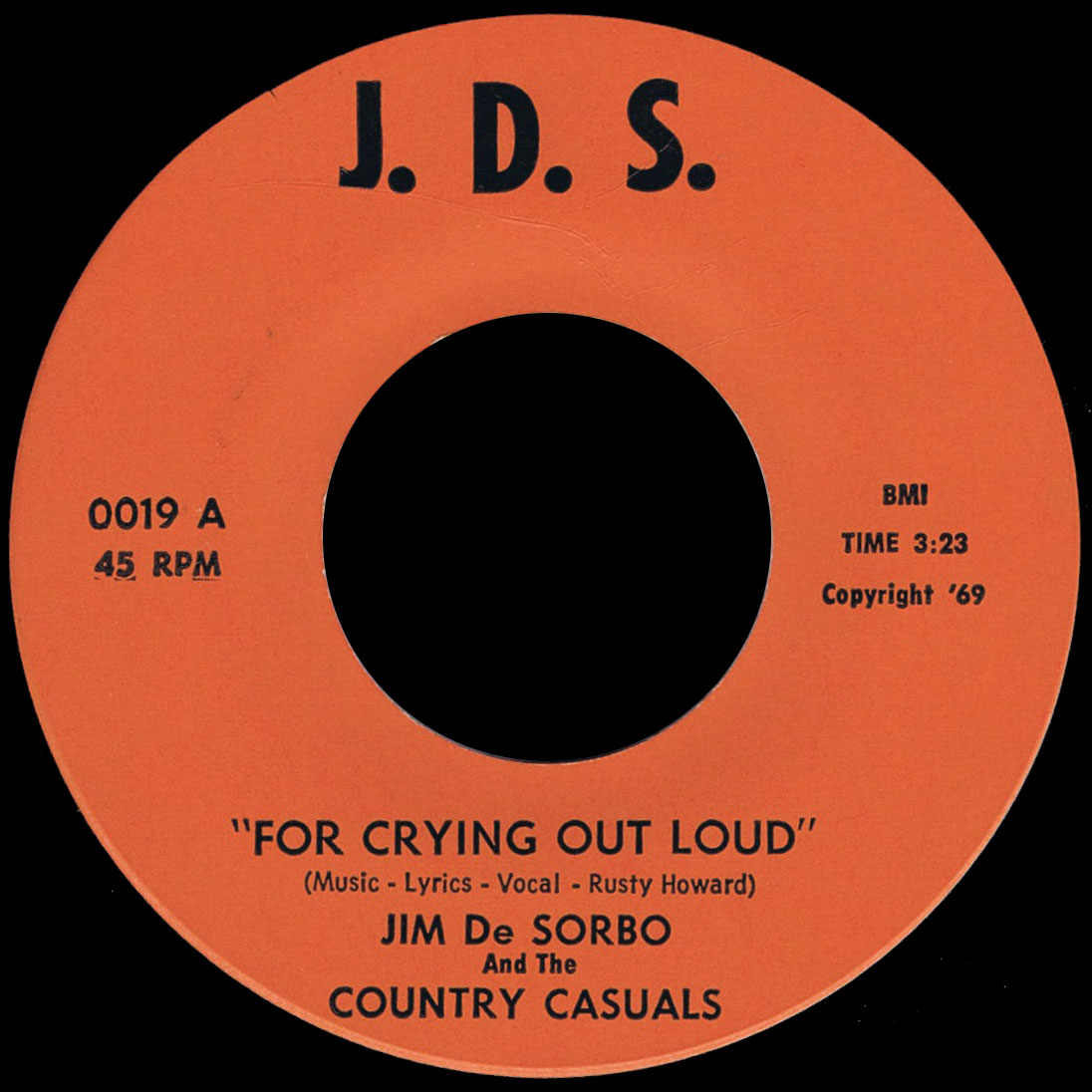
J.D.S. 0019 – Jim DeSorbo and the Country Casuals – “For Crying Out Loud” (Music, lyrics, vocal – Rusty Howard) / “I’ve Had All I Can Take from You” copyright ’69 BMI
The Gallery 0020 – The Gallery / Peter Dean – “Forever Sunshine” (Sal Costanzo) / “Our Man Jack” (Edward Duggan), Kennett Sound, Mlester Pub. BMI. The Gallery – label name or group?
0021 – ?
S Bar S Records 0022 – Slim Skellett & the Slim Skellett Trio – “Ghost Riders in the Sky” / “Wanderers of the Wasteland” (Brad Husson guitar, banjo; Bob Skellett bass)
S Bar S Records 0023 – Slim Skellett & the Slim Skellett Trio – “Strawberry Roan” / “Billy Richardson’s Last Ride” (Brad Husson guitar, banjo; Bob Skellett bass)
King Town 0024 – Coming Generation – “Tell Me Now” (Jim Du Bois) / “This Troubled Life” (Ed Barnhart) copyright ’69
0025 – ? 0026 – ?
Third Wave 0027 – Morning After – “I Don’t Need You Today” / “Dream” (Tate, Talbott, Kearney) Copyright 70 Dyad Music BMI, Prod. by Lance Naylor, group from Lake Latrine area
0028 – ? 0029 – ? 0030 – ? 0031 – ? 0032 – ?
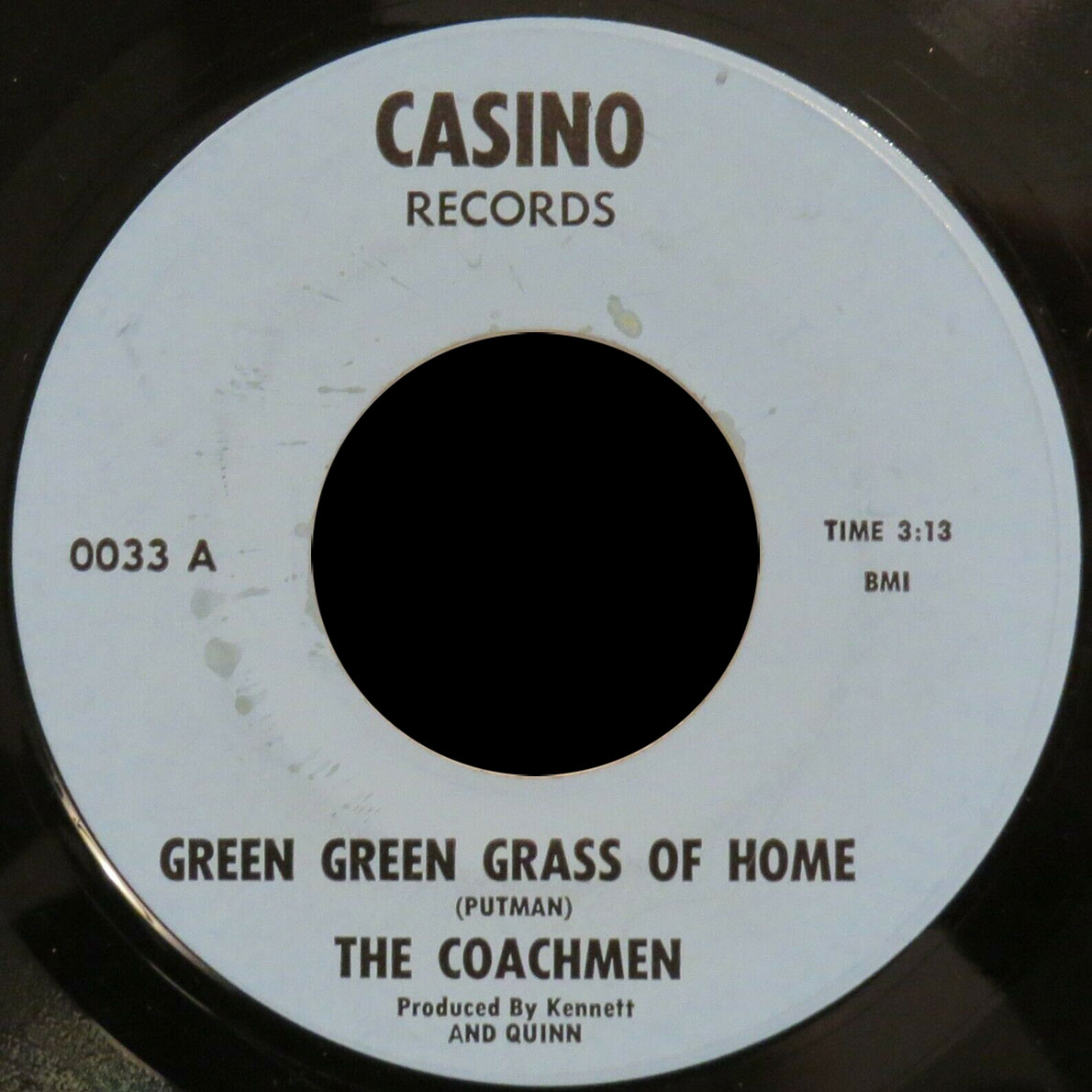
Casino 0033 – The Coachmen – “Green Green Grass of Home” / “Hang Up Your Rock and Roll Shoes” Produced by Kennett AND QUINN
from the collection of Brian Kirschenbaum
Ranch Bar Records 0034 – Billy D. Hunter with the Santa Fe Riders – “I Still Belong to You” (Grace Hamilton, Billy D. Hunter) / “Will You Remember Me” (Gorden Bainbridge, Billy D. Hunter) – Waterford, NY
Drift 0035 – Denny and the Drifters – “Mountain of Love” (Harold Dorman) / “It’s Only Make Believe” (Twitty – Nance)
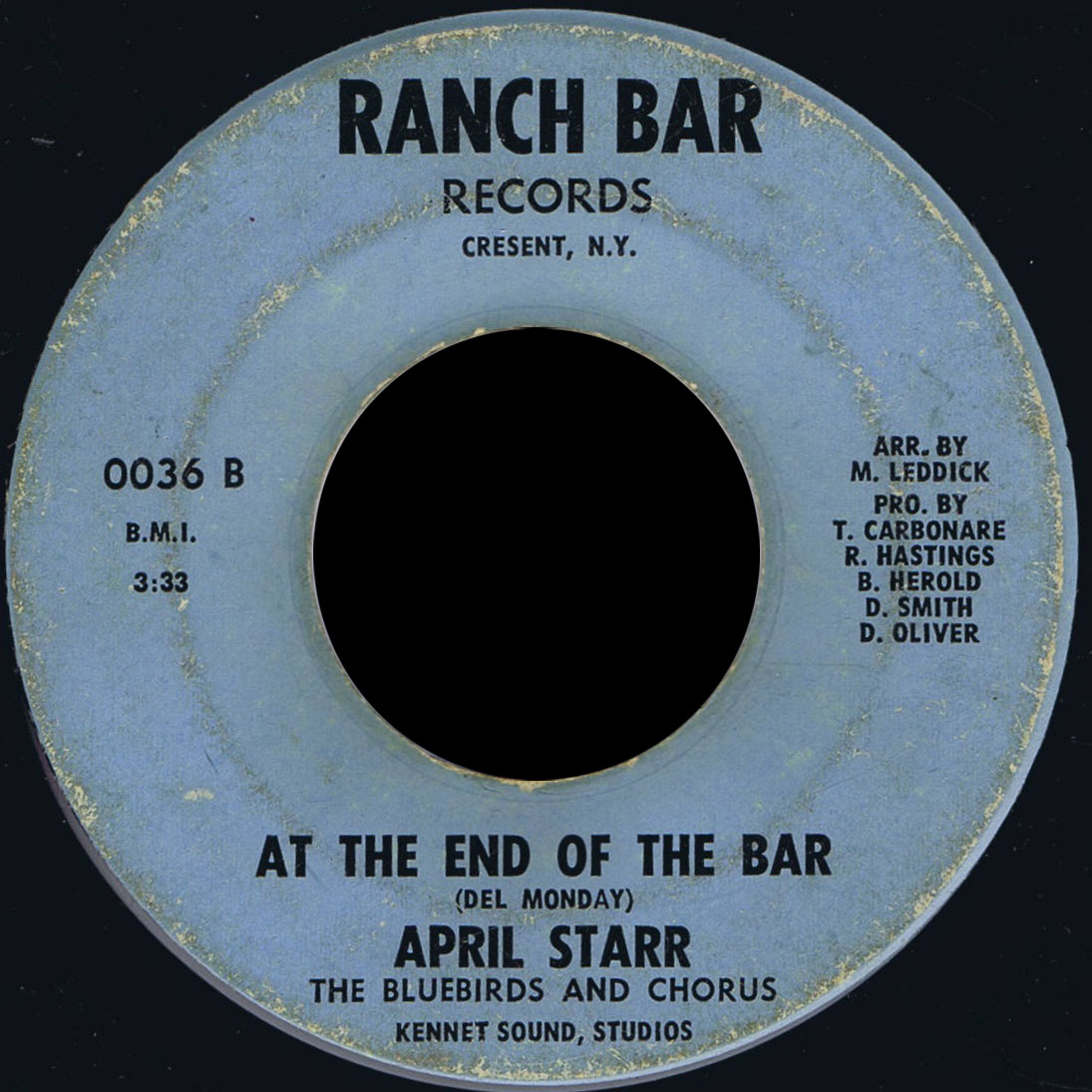
Ranch Bar Records OO36 – April Starr the Bluebirds and Chorus – “Lonely Heart” / “At the End of the Bar” (Del Monday) – arranged by M. Leddick’ produced by T. Carbonare, R. Hastings, B. Herold, D. Smith, and D. Oliver, from Crescent, NY.
Drift 0037 – Denny and the Drifters – “Broken Hearted Dreamer” (Ted Craver and Denny Haughney) / “Why Do I Love You” (Kenny White, Paul Desroches) produced by Kennett
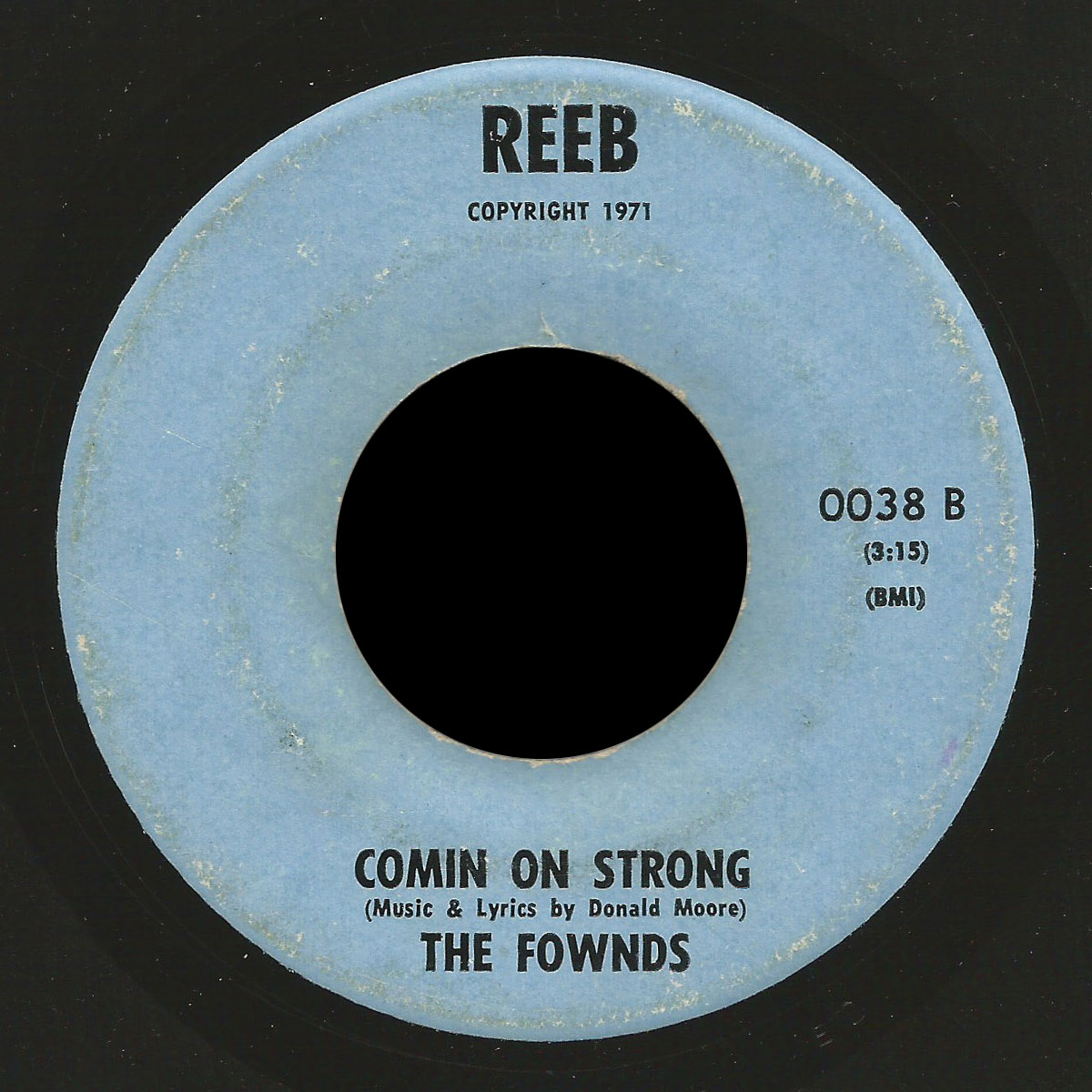
Reeb 0038 – The Fownds – “Rosalin” (Sal Gambino) / “Comin On Strong” (Donald Moore) (1971)
0039 – ? 0040 – ?
Mojo 0041 – Exit 19 – “Angel of the Morning” / “To Be Alone” (written by Joe Cashara who also did lead vocal) produced by Lanse Dowdell, 1972
Quellthom 0042 – Bob Thomas – “It’s Just Not Fair” / “I’m Walkin’” / “Hello Mary Lou” (1973)
Parker 0043 – Country Express – “Trying to Quit” / “Ode to a $164 Plane Ticket” (both songs by D.B. Boucher, vocal by Frenchie La Shay) 1970
Reeb 0044 – The Founds – “Wheels” / “Remember” – vocal by Roy Jackson, both songs by Donald Moore, 1973
Ranch Bar 0045 – Jimmy DeSorbo and the Country Casual’s – “Listen to the Mocking Bird” / “Let the Rest of the World Go By” (Dolly McIntyre – producer)
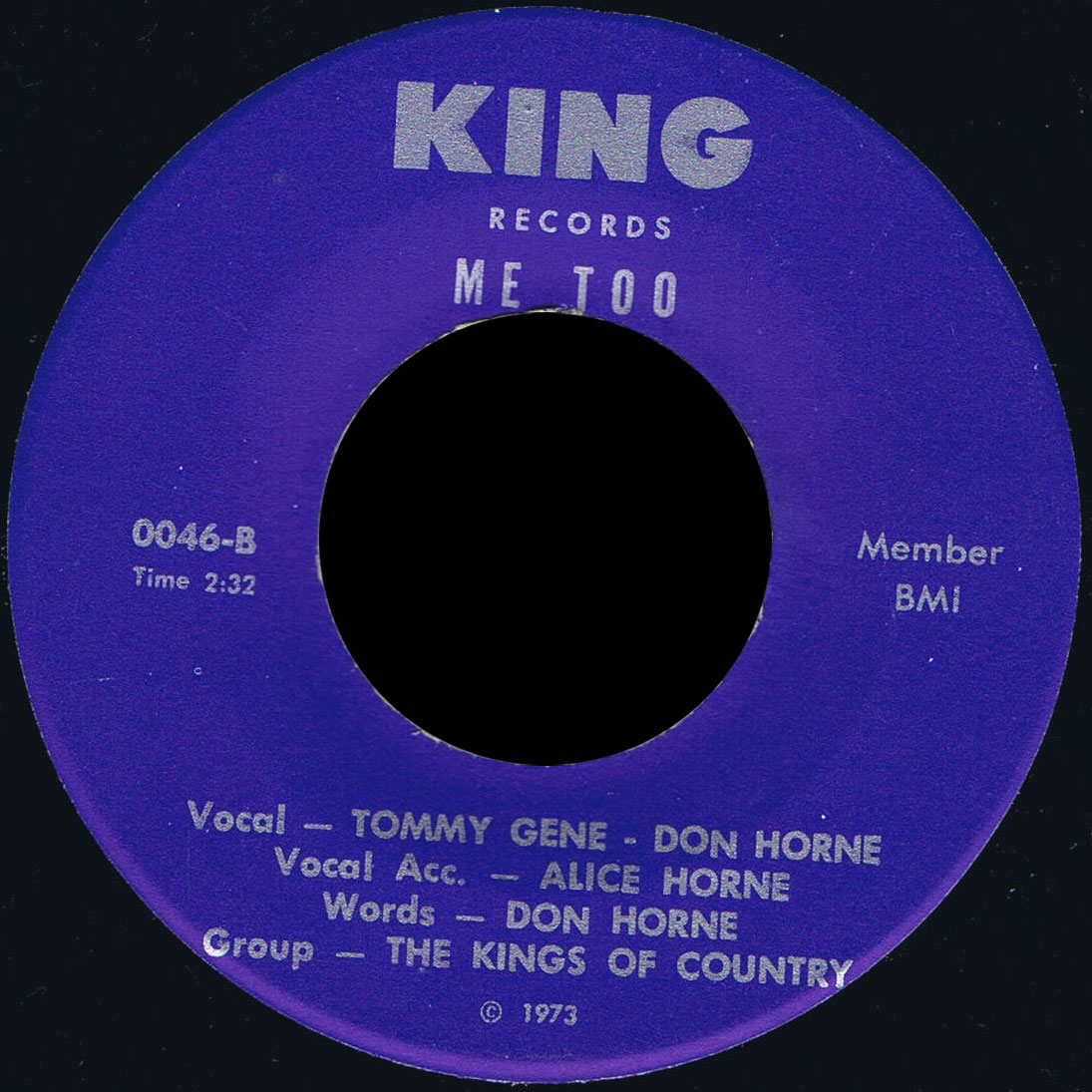
King Records 0046 – Tommy Gene with the Kings of Country – “Somewhere U.S.A.” (words by Carol Curtis, music by Tommy Gene) / Tommy Gene and Don Horne – “Me Too” (accompanied by Alice Horn, words by Don Horne). A-side has 1968 copyright while B-side has 1973 copyright.
——————
Any help with additional releases, photos or memories of the Kennett Sound Studio would be appreciated.
The Gallery (formerly the Gayblades) included Sal Costanzo (organ), Peter Dean (drums, vocals), Holly Gregg, John Dean, Bob Dean, and Robbie Howard, though I am not sure exactly who played on their single “Forever Sunshine”.
Note: there was a Kennett Sound Studios operating out of Kennett, Missouri recording mostly country music, 1,100 miles away and unrelated to this studio.
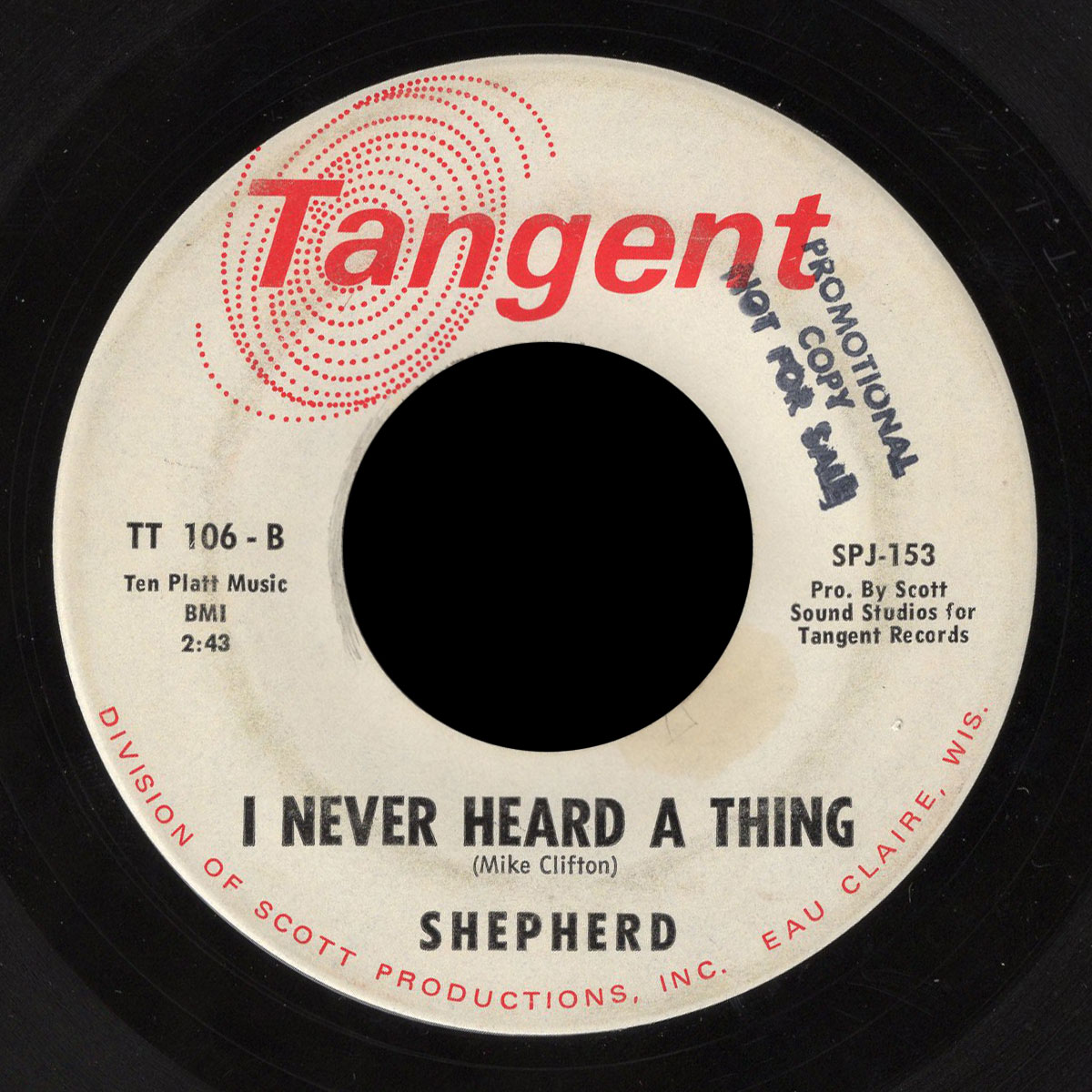
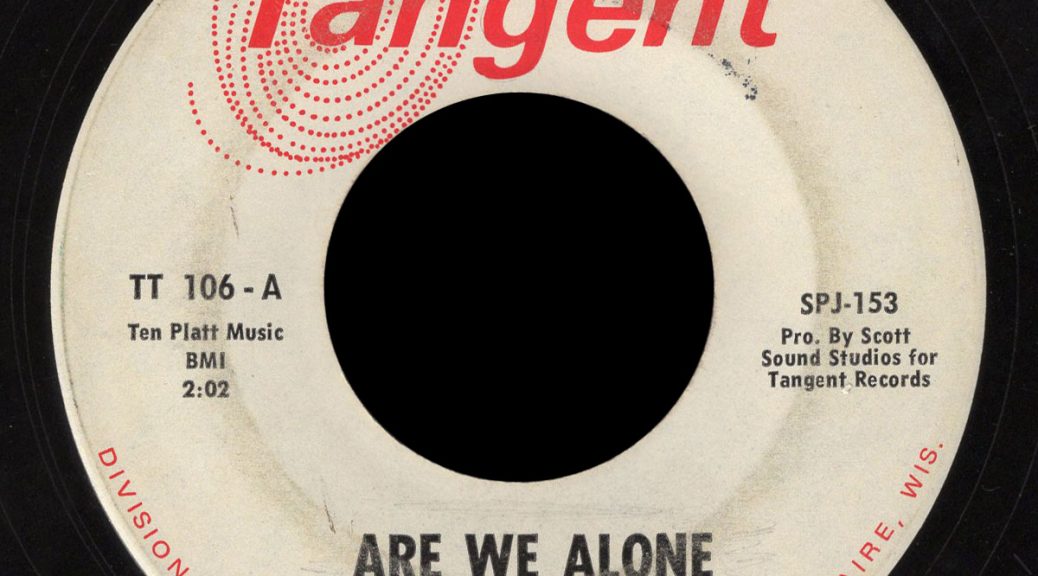
a href=”https://garagehangover.com/wp-content/uploads/2020/11/ShepherdTangent45AreWeAlone.jpg”>Shepherd came from Eau Claire, Wisconsin, and cut this one great hard-rock single, “Are We Alone” / “I Never Heard a Thing” around May of 1971.
Members were:
Mike Clifton – guitar, vocal Jay Peterson – keyboards Mark Lillis – bass Jeff Hilgert – drums
“Are We Alone” is an original composed by the entire band. Mike Clifton wrote “I Never Heard a Thing”. Ten Platt Music BMI published both songs.
Produced by Scott Sound Studios for Tangent Records, and released on Tangent TT 106, a Division of Scott Productions, Inc., Eau Claire. The Shepherd single was one of five or six singles on Tangent, including Cross Town Traffique, the Zig-Zags, Dallas Cord and the D.J.s.
According to an online source, Mike Clifton, Mark Lillis and Jeff Hilgert would go on to Dynamite Duck and Snowblind, among others. I don’t believe those bands recorded.
Mark Lillis and Jeff Hilgert had been in the Burlington Express (not the Topeka, KS group). Jay Peterson would be in Bacon Fat with Hilgert and Lillis, and Dynamite Duck.
Any more information or photos of the band would be appreciated.
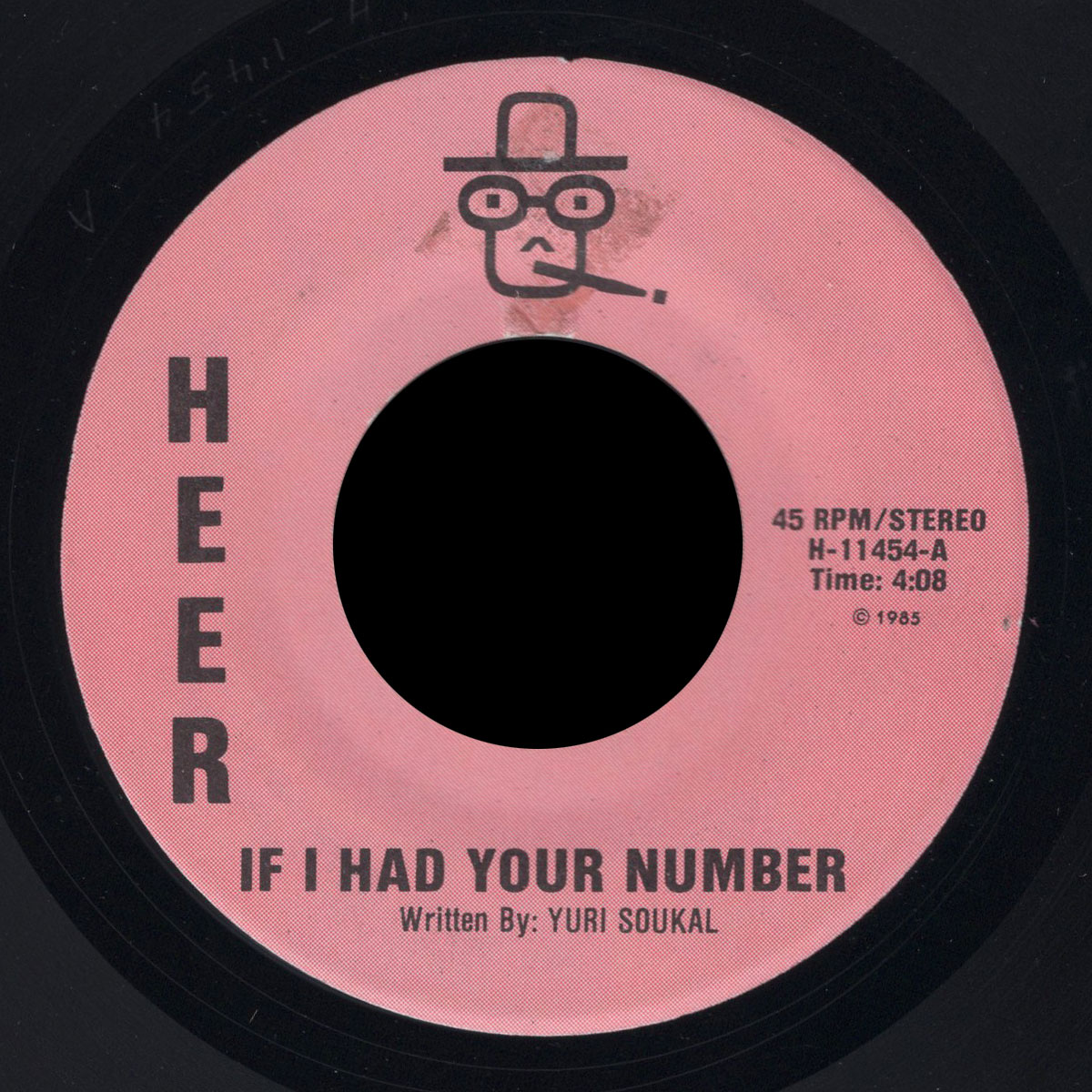
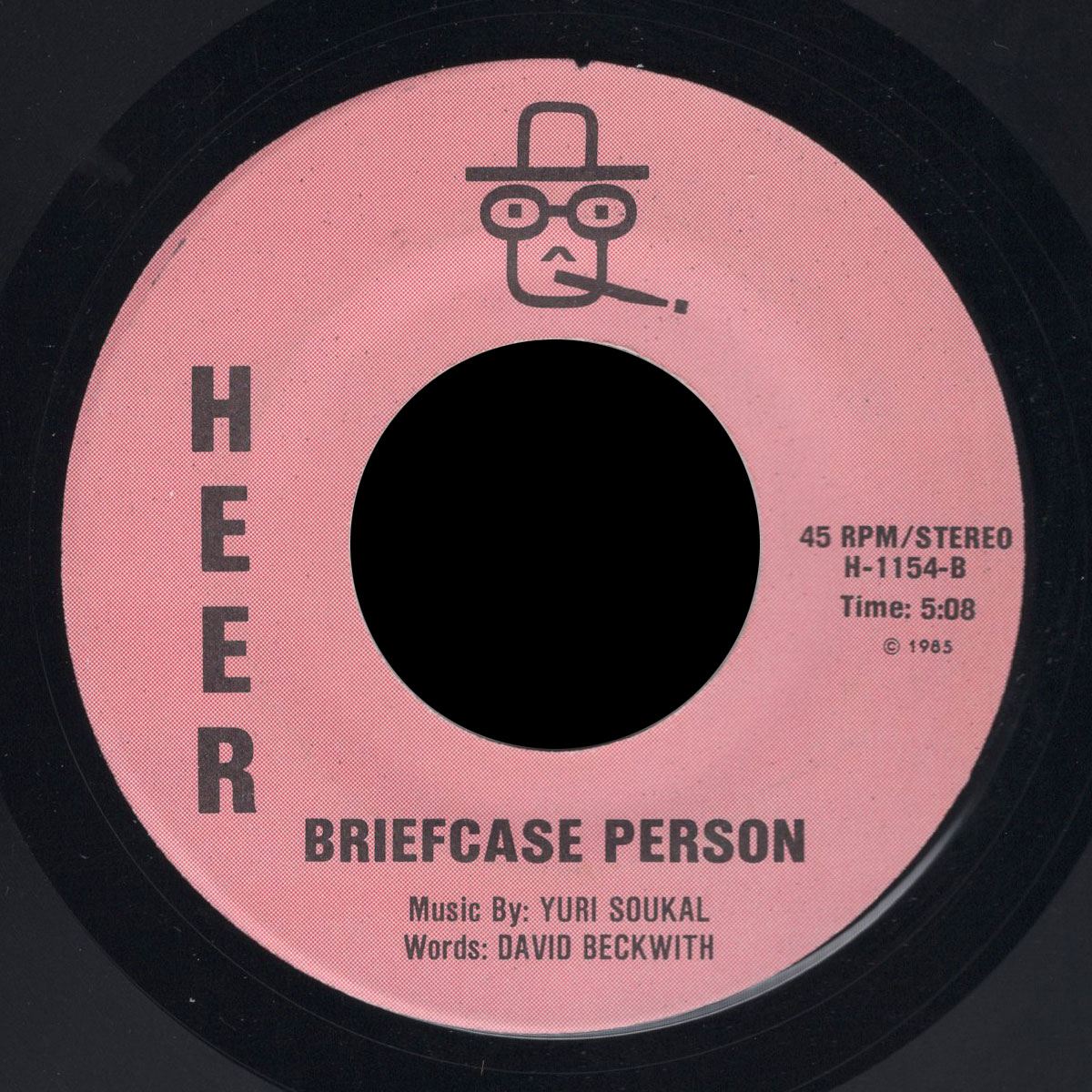
Sometimes I find a single so obscure, I step out of my ’60s garage bag and write about it. This single by Heer, “If I Had Your Number” / “Briefcase Person” is ’80s synth-pop with keyboards, guitar, drums and bass.
Yuri Soukal composed the music for both songs, and David Beckwith wrote the words for “Briefcase Person”. Issued with a release number H-11454 in 1985.
Rough audio of both sides along with two other songs is on youtube if you search for it. According to the person posting, Yuri Soukal died on May 22, 1987.
Found somewhere near Chicago, Illinois. Anyone have further info?
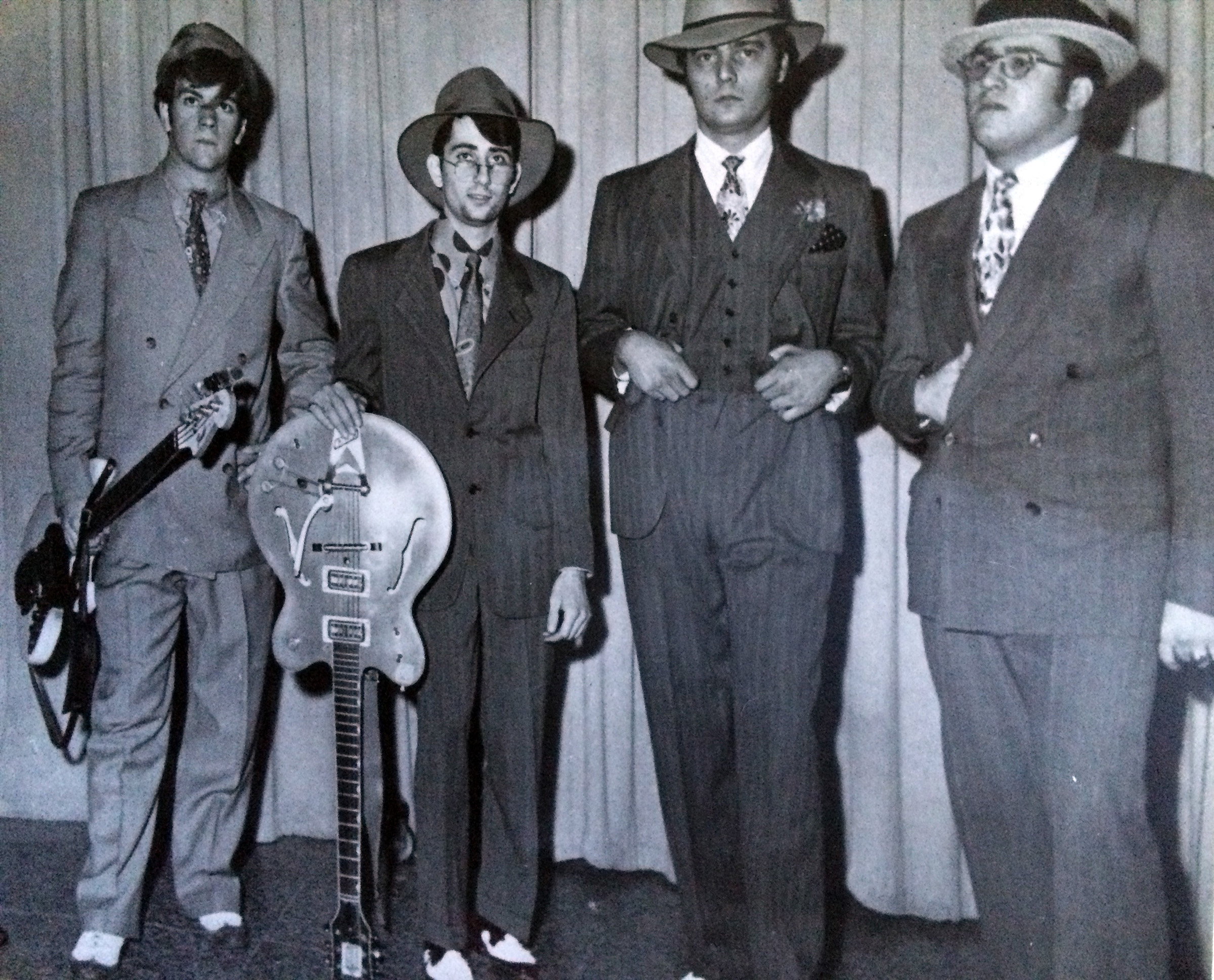
The Cleaners came from Schenectady, New York, releasing two singles in 1966 and 1967.
Members included Larry Parks (listed in songwriting credits as Larry Podrazik), Bob Ives (Robert Iovinella), Bob Sands and Jay Camp.
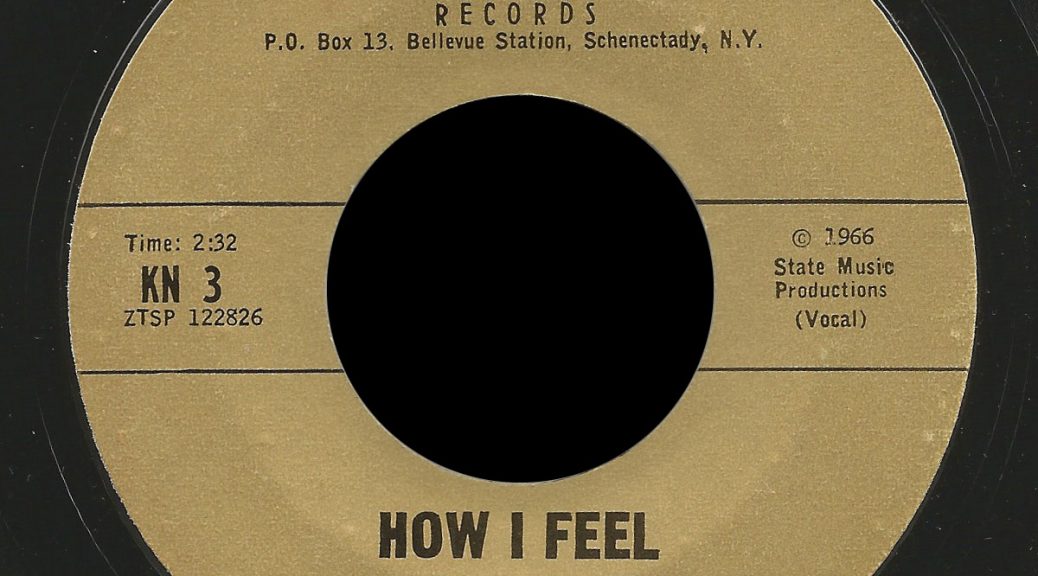
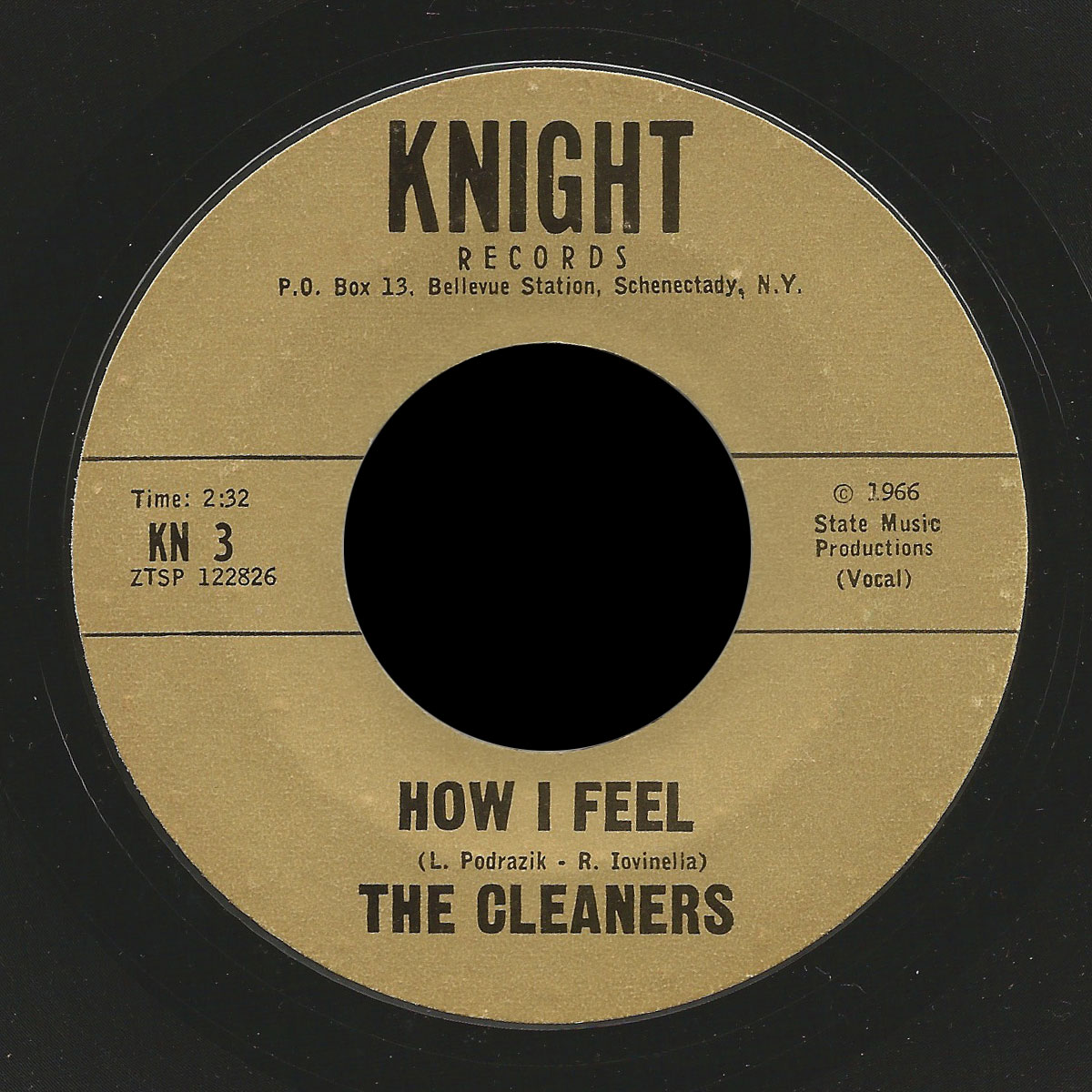
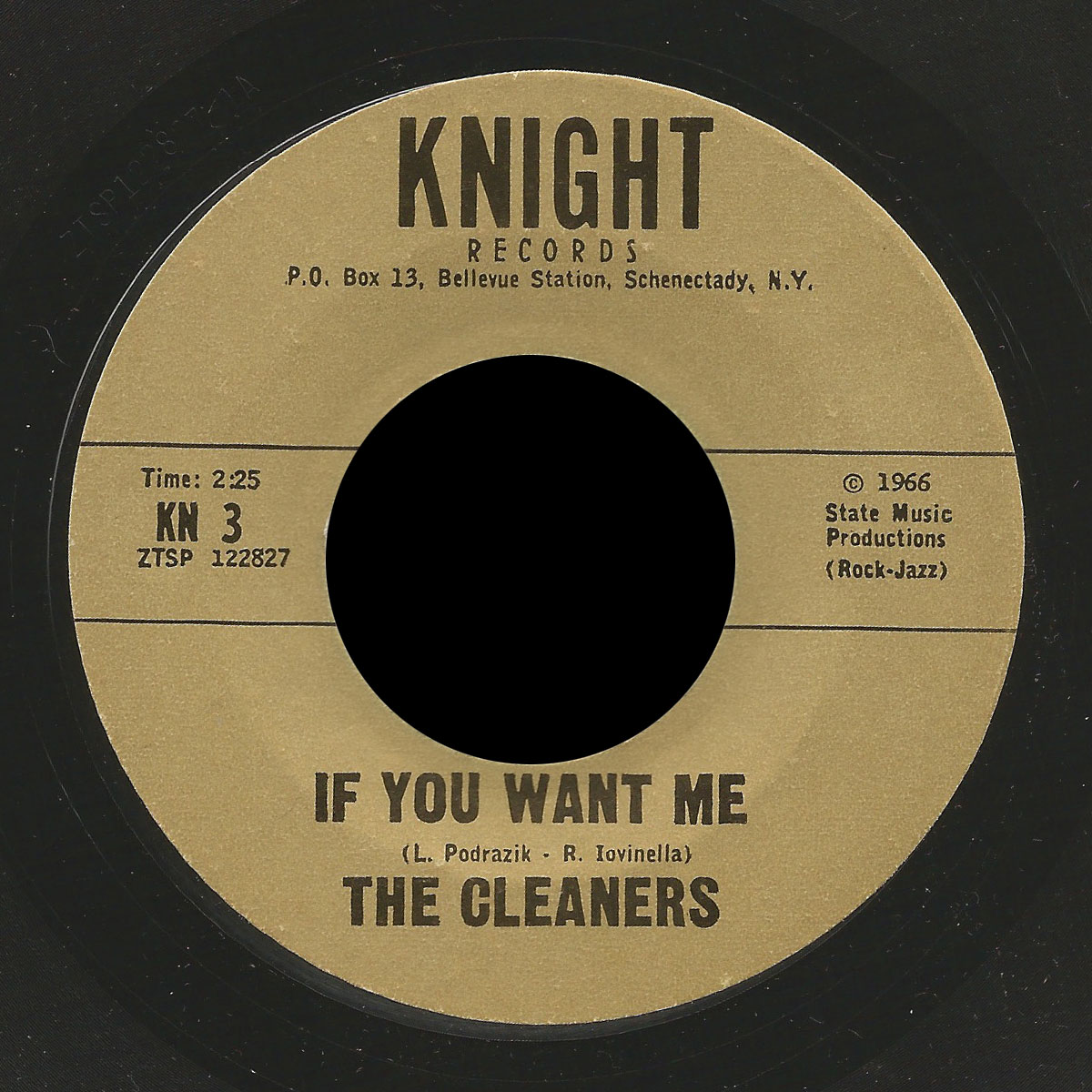
The Cleaners’ first single was the super-soulful “How I Feel” b/w “If You Want Me” (described on the label as Rock-Jazz), both originals by Podrazik and Iovinella. A comment below mentions booking manager George DeVito recording the songs in his home studio. However, I have a 8″ laquer acetate of both songs from Earl Kennett’s studio. The sound of the bass, and the echo of the hand claps on “If You Want Me” suggests Earl’s studio rather than a home recording.
It was issued on Knight Records KN 3, of Bellevue Station, Schenectady, with a State Music Productions credit; the ZTSP 122826/7 codes indicate a Columbia custom issue, a styrene 45.
Podrazik and Iovinella copyrighted the songs in April and May of 1966, along with another original, “Just Until the End of Time” that was not released but would remain part of their live set.
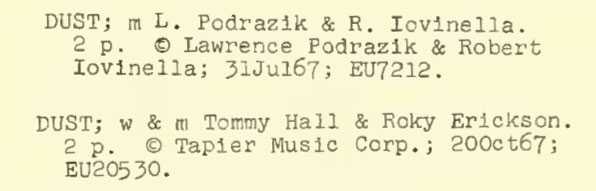
In July of 1967 Podrazik and Iovinella registered another original song, “Dust”. The Cleaners cut it at Kennett Sound Studio in Kinderhook, NY, along with a cover of “Hold Me, Thrill Me, Kiss Me”, released on their own Kleener Style Records 0011.
These were among the earliest singles issued out of Earl Kennett’s studio, which would go on to record and release over twenty 45s into the 1970s.
From the 1967 index of copyright registration
Not long after, the East Coast Clique recorded “Dust” backed with another Podrazik/Iovinella original, “Last Stop (Everybody’s Getting Off)”, both with NemSong publishing. Released as Charter Records 0016, the Kennett Sound credit at the bottom indicates the studio, as does the 00 prefix on the release number 0016. The production on this version is fuller, with the drums more prominent and danceable.
The East Coast Clique, including at least two members of the Cleaners
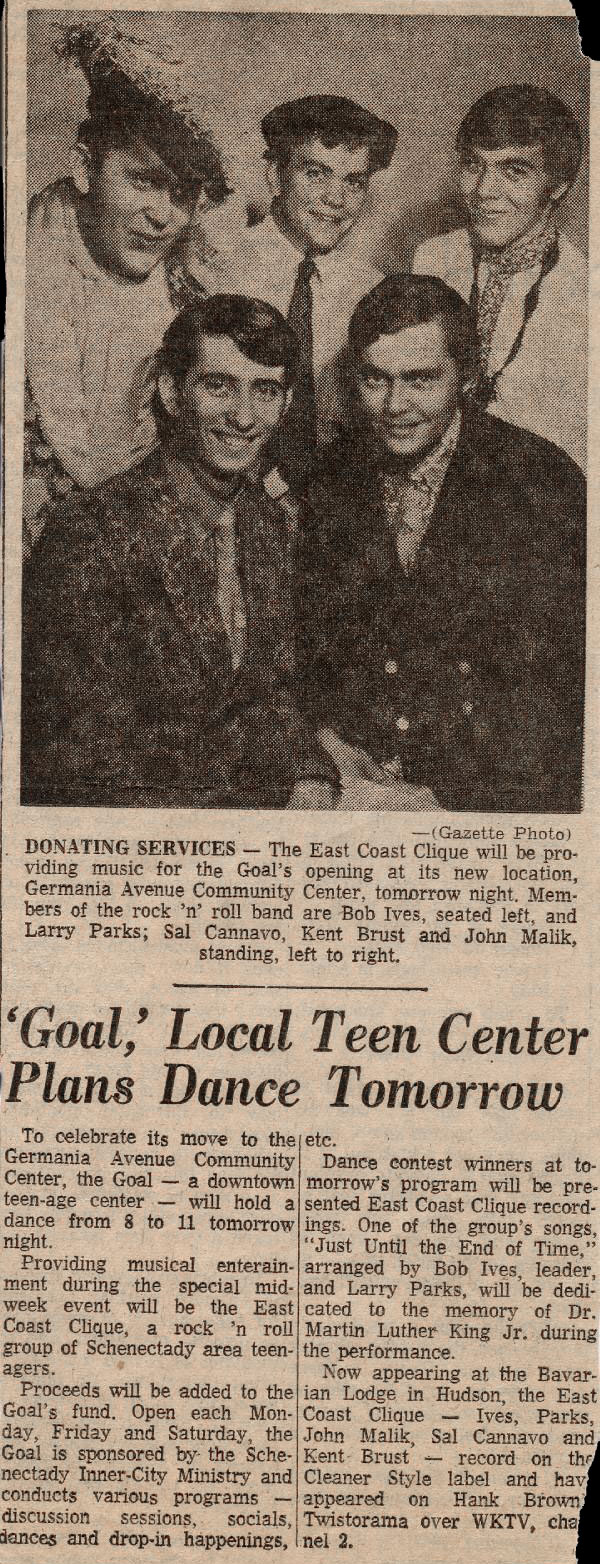
A Schenectady news clipping about the East Coast Clique mentions a single on the “Cleaner Style” label, so the Clique were a continuation of the Cleaners with a new band name, and some different members. Larry Parks and Bob Ives had been in the Cleaners, and the East Coast Clique’s other members included Sal Cannavo, Kent Brust and John Malik.
The article states:
One of the group’s songs, “Just Until the End of Time,” arranged by Bob Ives, leader, and Larry Parks, will be dedicated to the memory of Dr. Martin Luther King Jr. during the performance.
Now appearing at the Bavarian Lodge in Hudson, the East Coast Clique … record on the Cleaner Style label and have appeared on Hank Brown’s Twistorama over WKTV, channel 2.
There is an 12″ acetate from Kennett Sound Studio of three songs by the East Coast Clique: a later version of “How I Feel”, “Last Stop (Everybody’s Getting Off)” and “Just Until the End of Time”. The second song was issued as the B-side to their single on Charter Records, “Dust” but I am not sure if this is the same version.
Podrazik and Iovinella registered two additional songs in 1968: “Captain Miller’s Flying Circus”, and “Sleepy Boy” (this last one shows Earl Kennett contributing to the music arrangement).
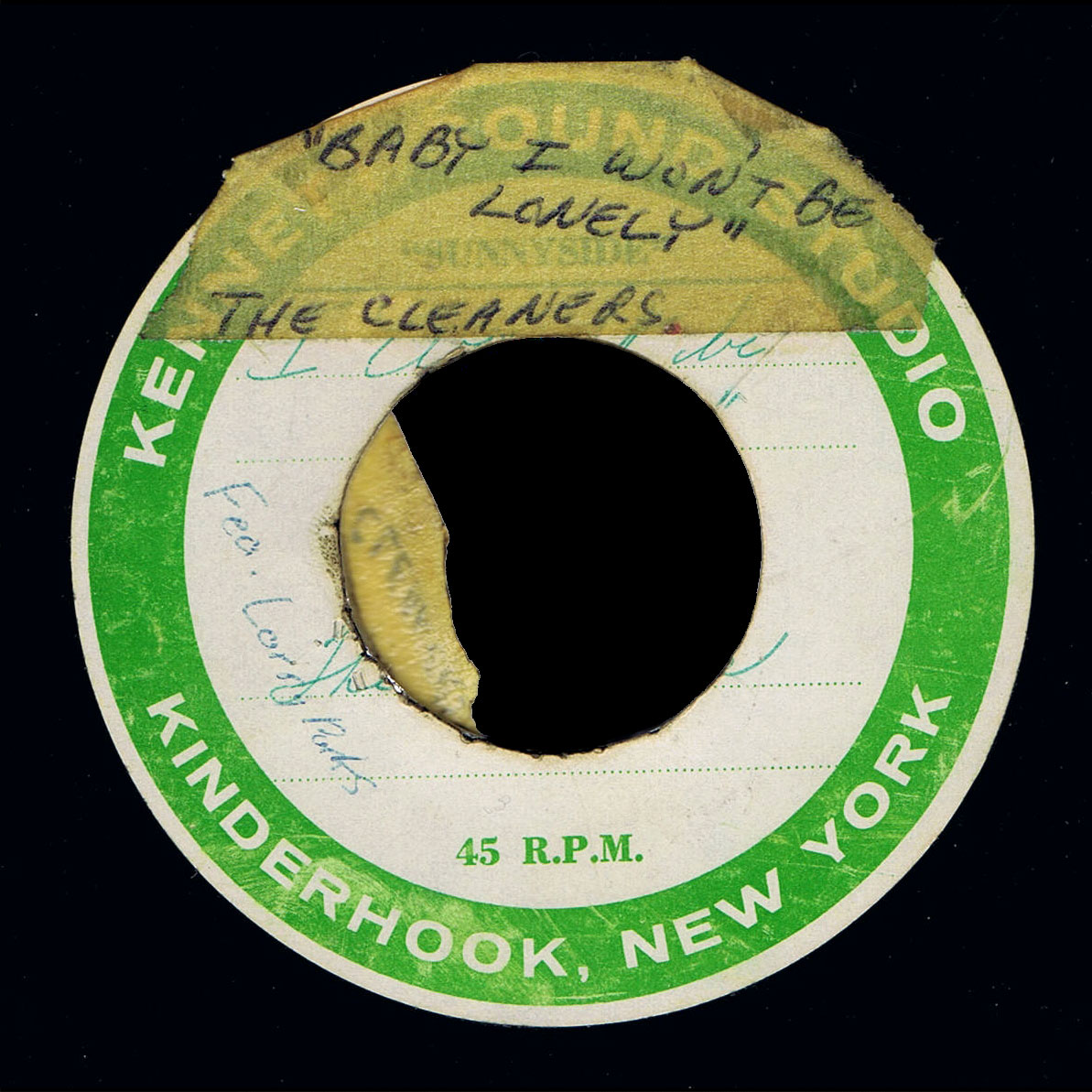
Kennett Sound Studio acetate for the Cleaners “Baby I Won’t Be Lonely”, from 1969. Scan courtesy of Brian Kirschenbaum
In January 1969, they registered “Baby, I Won’t Be Lonely”, which exists on a Kennett demo acetate as by the Cleaners, so it may have been considered for release.
Later copyrights include “I’m So Happy” (October 1969, with words by Brummer).
Al Quaglieri wrote a profile of Bob Iovinella for the March 8-14, 1990 issue of Metroland. He describes how Iovinella and Larry Parks had a five-year publishing contract by Nat Weiss, but only two songs saw publication in that time.
In 1970, Larry Parks had a solo composition “Pay Day” (using the name Adam Parks) recorded by Sha Na Na.
Starting in 1980, Iovinella and Parks would work together again as partners in Hendi-Parksives Productions.
Thank you to Brian Kirschenbaum for scans of the East Coast Clique 45 and the Cleaners acetate. Thank you to Bobby Iovinella for the photo at top and to Mikael for the news clipping.
The Villagers included Phil Haskins, Rick Haskins and Charles Petit.
They cut their only single in very early 1969 at Kennett Sound Studio, located in a renovated barn just south of the village of Kinderhook, NY.
Phil Haskins wrote the words to the slow, lovely “Wishes and Memories” and co-wrote the music with Rick Haskins (Richard J. Haskins).
Charles R. Petit wrote the more soul-styled “Cry On”, copyright registered February, 1969.
There is no label name, but Kennett Sound appears on other singles by the Cleaners and East Coast Clique, and the 0018 release number is similar to others from that studio, usually four digits starting with 00.
This site is a work in progress on 1960s garage rock bands. All entries can be updated, corrected and expanded. If you have information on a band featured here, please let me know and I will update the site and credit you accordingly.
I am dedicated to making this site a center for research about '60s music scenes. Please consider donating archival materials such as photos, records, news clippings, scrapbooks or other material from the '60s. Please contact me at rchrisbishop@gmail.com if you can loan or donate original materials

 The Twilighters came from Kirksville, Missouri, a small city about 165 miles from Kansas City and 200 miles from St. Louis. In 1967 they cut two originals, “Spellbound” / “My Little Angel” at Technisonic Studios in St. Louis.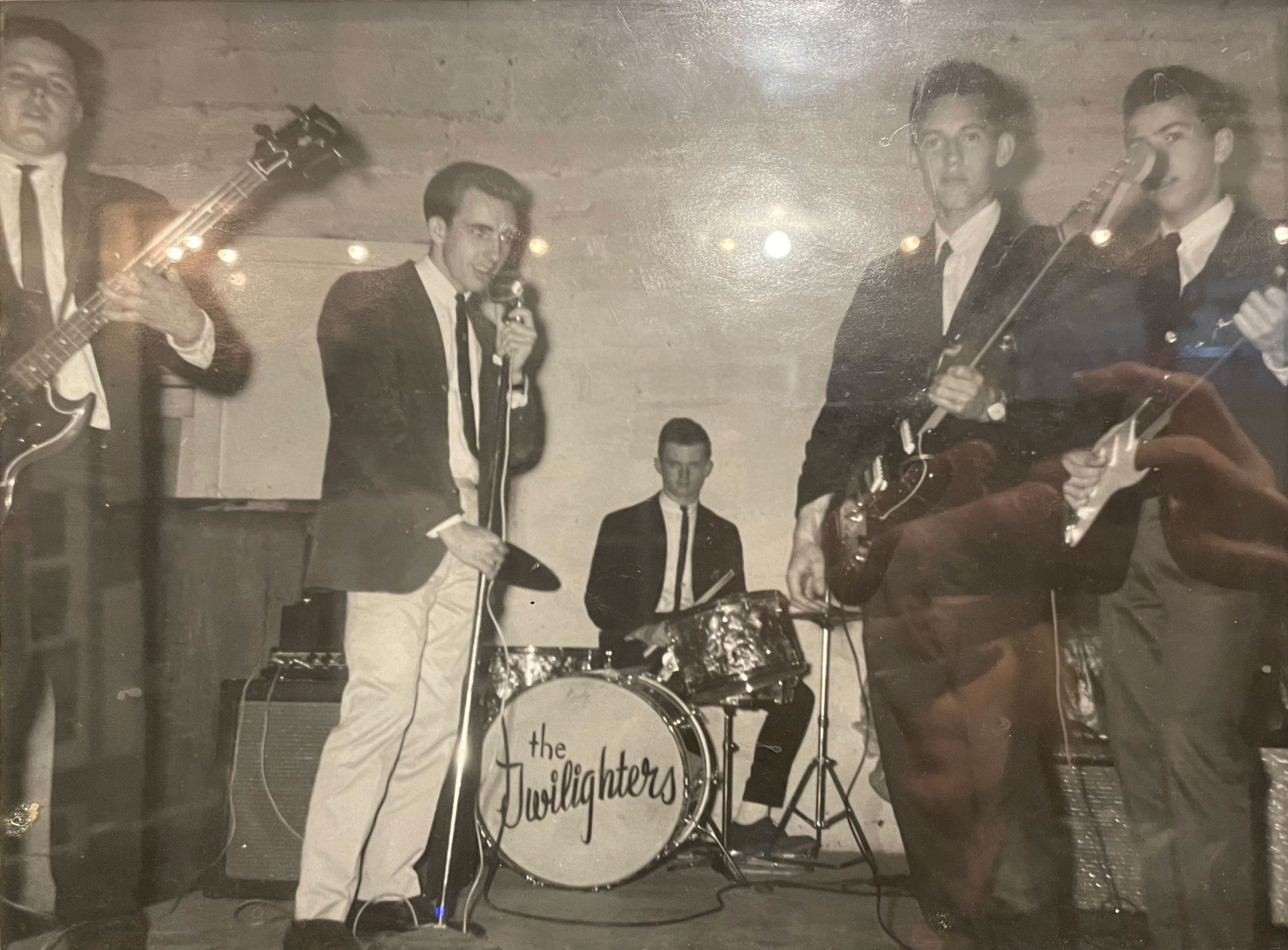
 Carl Foultz was also a member of an r&b group called the Del-Fis or Del-Phis with Ed Corte, Frank Gantt, T.J. Jackson, Mac Pendelton, Nick Romanetz and Gary Smyth, some of whom were students at Northeast Missouri State Teachers College (now known as Truman State University).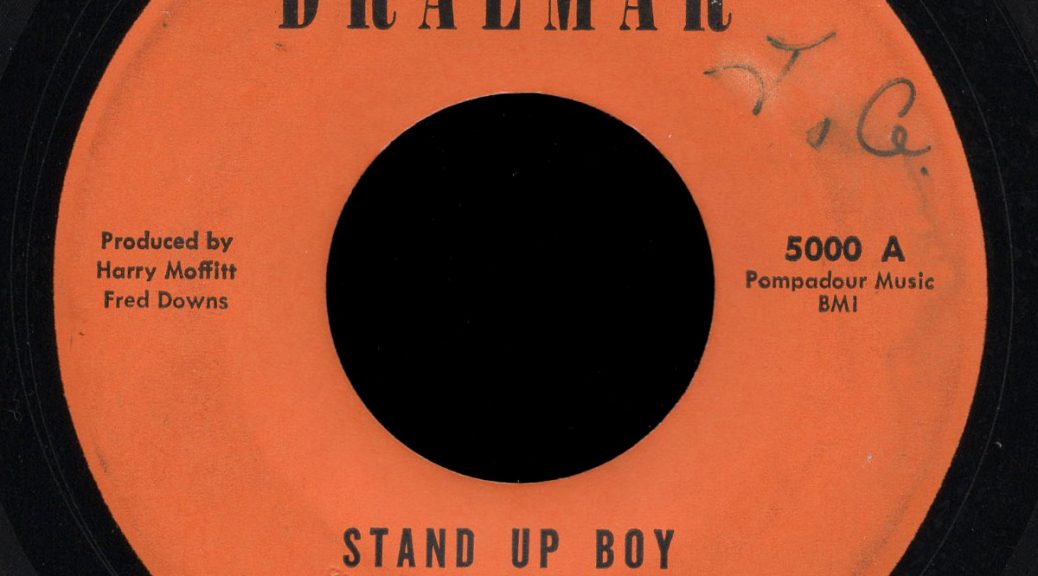


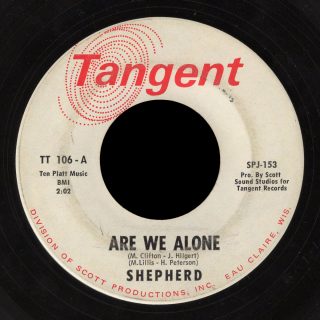 Shepherd came from Eau Claire, Wisconsin, and cut this one great hard-rock single, “Are We Alone” / “I Never Heard a Thing” around May of 1971.