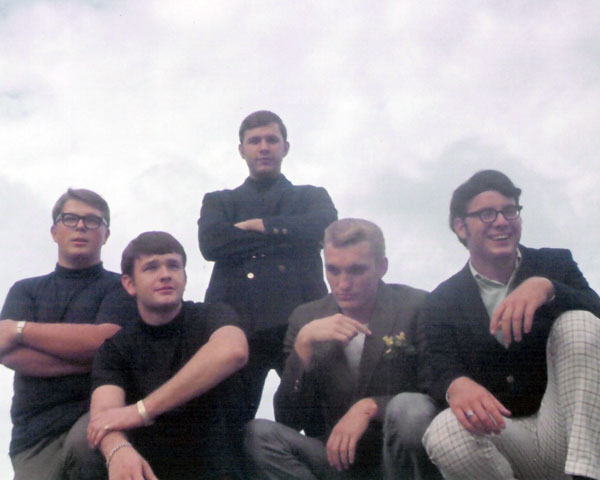
The Symbols, circa early ’67. L-R: Ken Johnson, Rich Judkins, Ron Pearson, Bob Wyman and Arthur Herman
Arthur Herman presents the history of his group the Symbols, creators of the minimalist garage classic, “What You’ve Shown”. All photos are from Ken Johnson’s collection.
In the mid ‘60s the Symbols rode out of St. Louis and settled in Elsah, Illinois. Tax exiles.
The five of us were all actually out of Principia College in Elsah, just across the river from St. Louis. The nucleus of the group did actually start off in St. Louis [as the Squires]. The name The Symbols wasn’t used until Elsah and 1965, but the record was cut in St. Louis so maybe that’s why we were identified with that city.
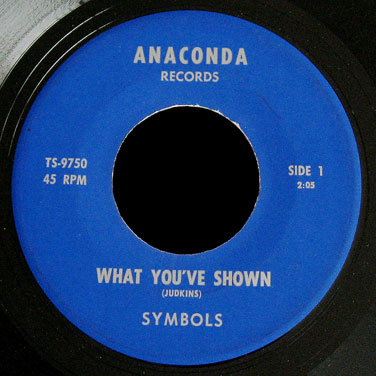
The classic Symbols lineup is the one that recorded their 1967 single. Well-known for its obscurity, “What You’ve Shown”, re-surfaced on a number of 21st century garage compilation CDs.
The single was recorded and pressed at Technisonic Studios in St. Louis in spring ’67. Technisonic was the site of many noteworthy rock n’ roll recordings including Ike and Tina Turner’s early hit “A Fool in Love.”
We certainly paid for the recording and pressing of the 45. For my money “What You’ve Shown”, an uptempo fuzz extravaganza, beats hands down “I Know That I”, which is kind of an Everly Bros. type ballad.
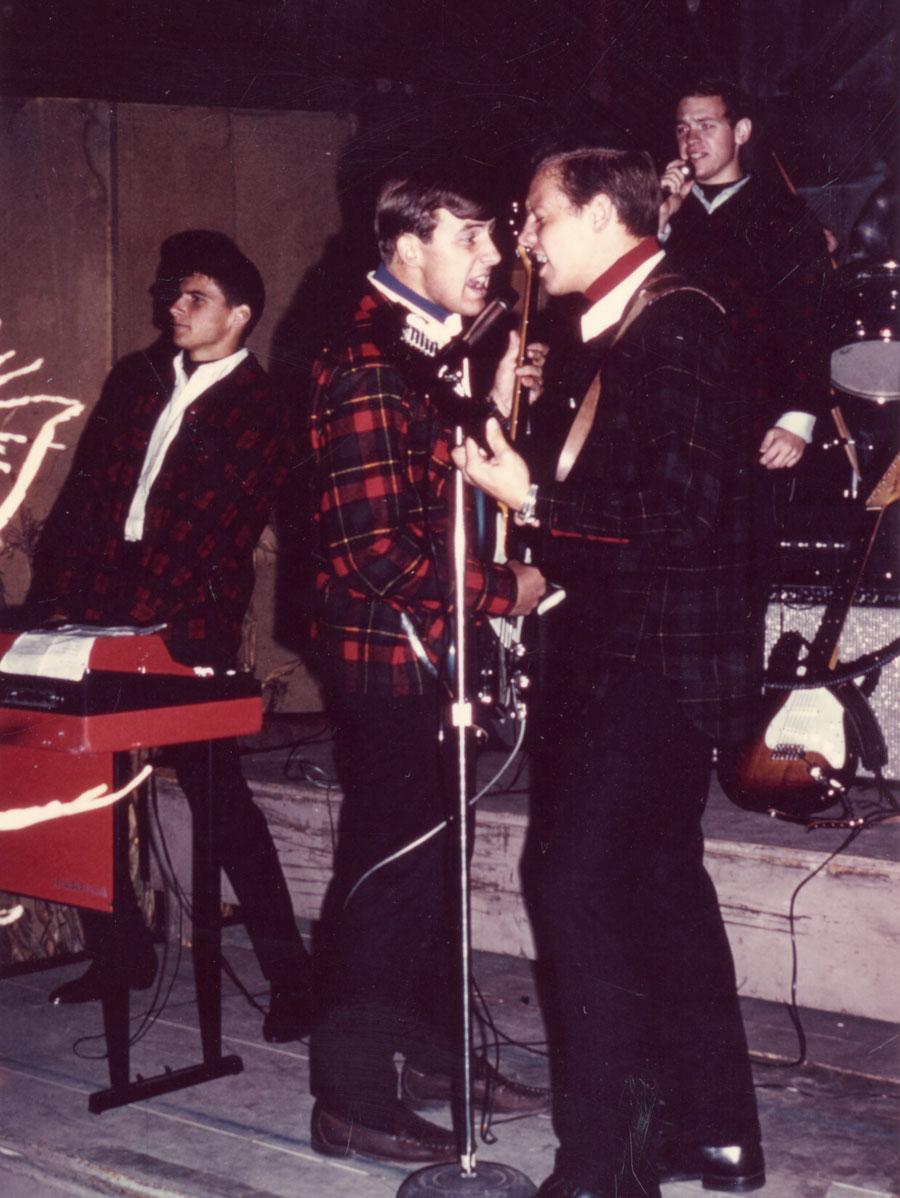
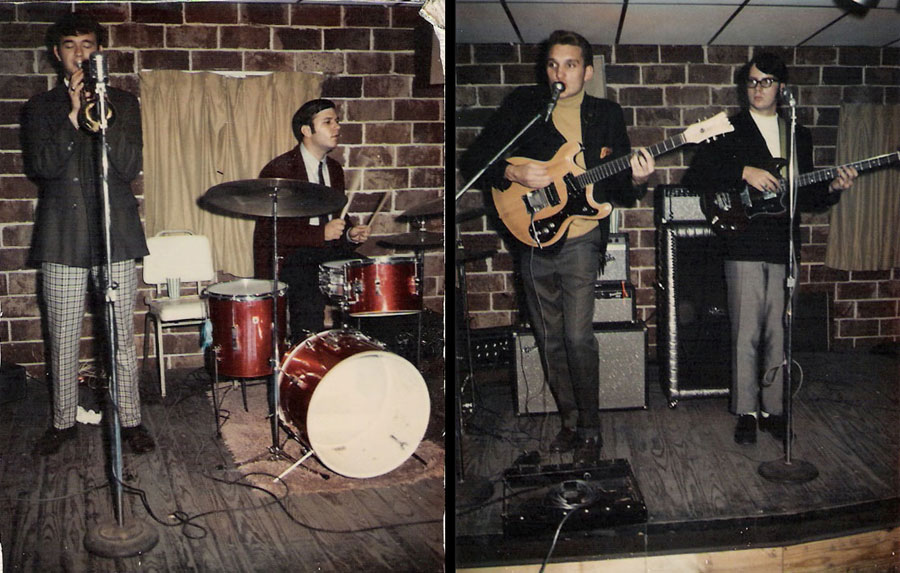
The 1966-68 lineup was Richard Judkins (lead guitar, vocals) Ron Pearson (drums, vocals), Kenneth Johnson (bass, vocals), Bob Wyman (guitar, vocals) and Arthur Herman (Farfisa, later Vox organ). Judkins, Pearson and Wyman were from St. Louis, Johnson from Cincinnati and Herman from Ada, Oklahoma.
l-r: Kenneth Johnson, Ron Pearson, Arthur Herman, Bob Wyman and Richard Judkinsl-r: Ken Johnson and Rich Judkins
Since Richard Judkins is the only band member who remembers the early 60s here’s his take on the group’s beginnings:
In the 1962-63 timeframe, Rich, Bob, Ron, Bill Hibreider (Sp?) and Rick Alt put together a group called “The Squires” and played at various Principia Upper School [in St. Louis] functions until Rich and Rick graduated in 1964. In 1963 or early 1964, The Squires recorded a 45 on Anaconda Records containing a vocal entitled “Wonderin” and an instrumental entitled “Stratford on Avon.” During the 1964-65 school year, Bob, Ron and Bill played in another upper school group called “Buddha and the Idols.” You may also recall that Rick Alt was a vocalist for The Symbols at Principia College during the 1965-66 school year.
Little did we know at the time that 1965 would be the beginning of the mega-group now simply known to rock historians as “The Symbols.”
The ’67 single is also on the Anaconda label. Judkins wrote “What You’ve Shown” and sings lead. Pearson supplies the backing grunts. The two of them shared writing credits on “I Know That I”. Judkins remembers:
The Anaconda label – yes, we used the same label in ’67 for continuity sake and it was a made up label (no real entity except I thought the name sounded neat). By the way, the colors (blue and silver) were inspired by the similar colors used on the Chess label in the 50s/60s (i.e., I remembered it from the colors on my 45 rpm copy of Chuck Berry’s Rock n’ Roll Music).
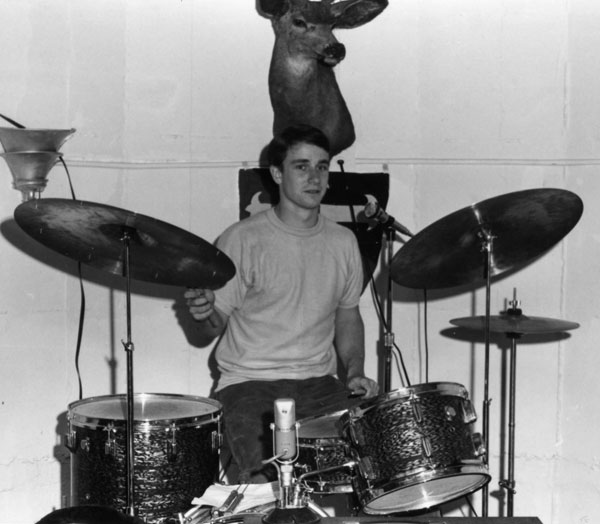
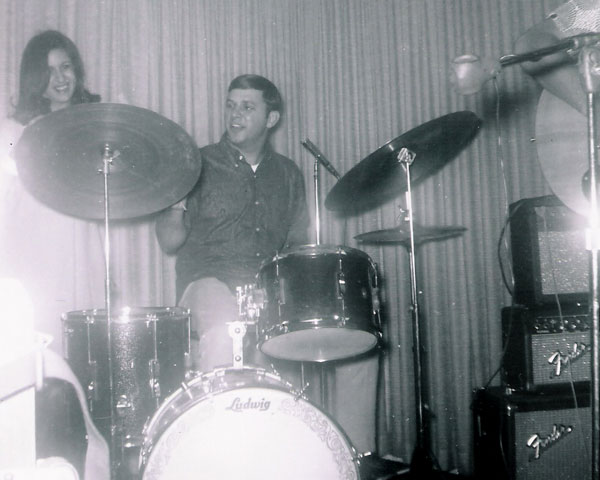
Ron Pearson
Label problems – the labels on our 45s were reversed and this fact is noted in the liner notes to the Australian compilation Teen Blast U.S.A. Vol. 2.
At the time, I got Terry Bell, a DJ and celebrated Oklahoma garage band drummer, to play the single on KADA in Ada, OK. He was and is with The Monuments and remains a friend. I imagine my colleagues in the Symbols took similar stabs at promotion. But I don’t remember us doing any really hard sell. We divided the 500 copies up and I think a number were just given away to friends.
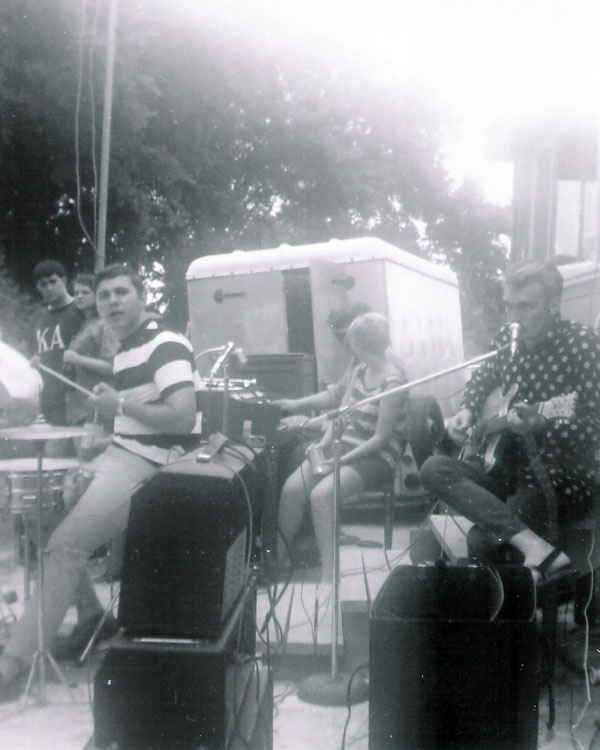
The photo of Pearson is at a college dance. He must have just been wanting to power up his sound with that microphone. That I remember, we just played pretty much for college events. Everyone had a pretty full schedule, Judkins played varsity baseball, and that limited the time dedicated to music.
The Symbols broke up in May 1968 when Judkins and Johnson graduated from Principia College.
Interest in The Symbols may have been fanned by their 30th anniversary tour in 1998. It consisted of a single performance back in Elsah at Principia College. Pearson could not be lured backed from California for the 1998 reunion tour and was replaced by hot-shot St. Louis drummer Greg Grattan. He got the job through his daughter who played on the same soccer team as Wyman’s daughter. CDs and even DVDs of this event do exist, and I understand they change hands for extremely large sums of money!
Arthur Herman
Also check out Arthur’s band before the Symbols, the Fanatics of Ada, Oklahoma.
The Symbols l-r: Arthur Herman, Kenneth Johnson, Richard Judkins and Bob Wyman
Ellis Starkey wrote in about two Shreveport-based bands he played drums and sang with, The Back Alley and The Rogue Show. The Back Alley didn’t release any records at the time, but I hope some unreleased tapes surface so we can hear what they sounded like. Here are the bands’ stories in Ellis’s own words:
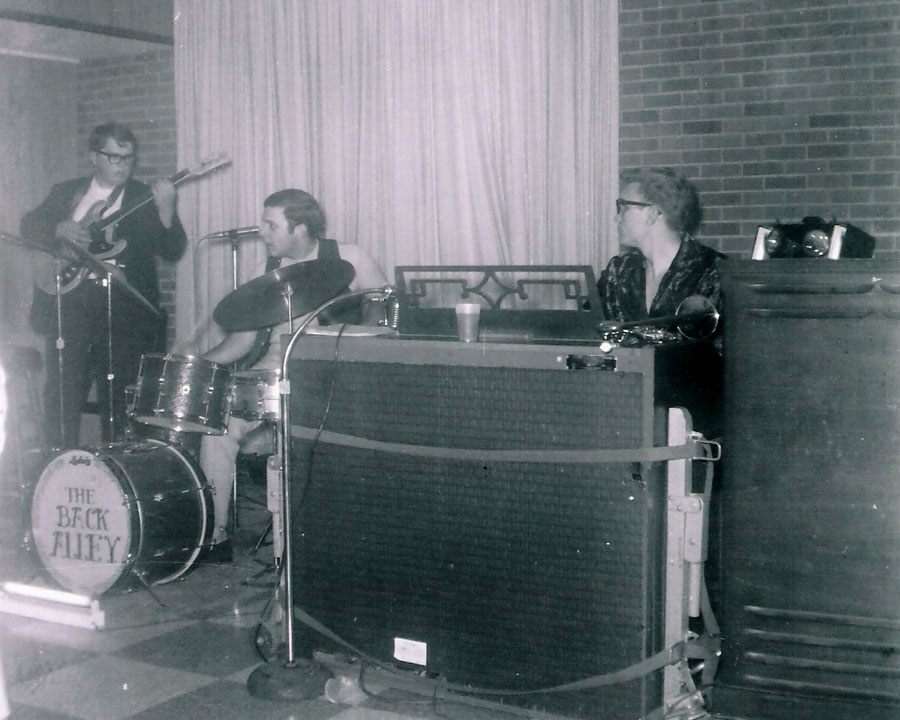
The Back Alley
In 1966 “The Back Alley” was formed with Ellis Starkey – drummer, vocalist; John Barlish – guitar, vocalist; Bob “Fist” Raley – Hammond organ, trumpet; Kenneth Nealy – trumpet, vocalist; and Gary Rhineheart – bass, vocalist.
We rehearsed where ever we could, sometimes in Mr. Barlish’s barber shop, sometimes the Musician’s Union Hall, sometimes at Fist’s house, sometimes a laundromat, but most of our practice came from OTJT- on the job training!
We played soul music. In October 1968 we played a black club in Shreveport, La., called The Hollywood Palace. We were the first white band to ever play there. The billed us as “The Back Alley – the Blue-eyed Soul Brothers”. We had a packed house! When we started playing no one danced. We had a light show, strobes, black lights, and flashing color lights. I had the strobes turned on the crowd and during the next song the dance filled up! They loved the strobe lights. John played the guitar behind his head, his back, and with his teeth! He was one of the best soul-type singers around. We also performed at the Afro-American Scene, on Texas Street, Shreveport.
The Tau Kappa Epsilon, at Centenary College in Shreveport, La. “adopted” the band and we were able to play all of their dances. They had the BEST “weekend” parties at a private camp on Lake ‘O the Pines, in East Texas. We would bring our camping and fishing gear along with a ski boat and stay all weekend. What a life!
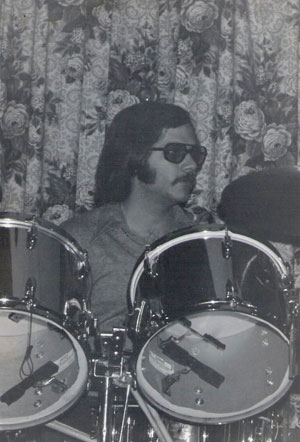
Fist, the organ player, on guitar; Ellis on drums and John, the guitar player on organ at LSU, Baton RougeThe Back AlleyEllis Starkey on drums
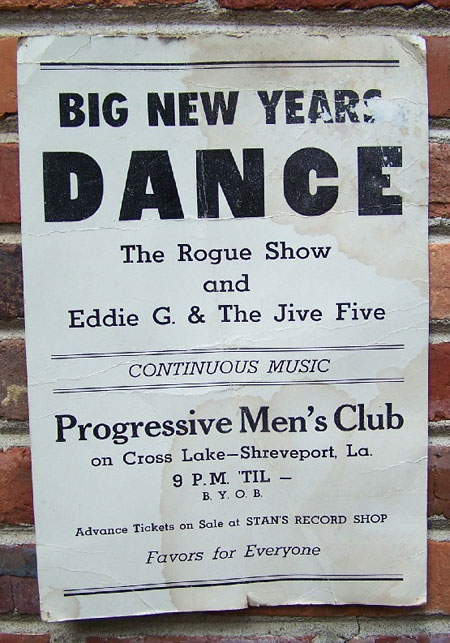
Whenever we needed a date to fill our calendar, I would call Charlie Winn,”The Working Girl’s Friend”, he owned the Bayou Club in Shreveport. We played there alternating with Eddie G. & the Jive Five [who recorded 45s like “Losin’ Boy”, “Go Go Train” and “Soul Feelin'” as Eddy “G” Giles.]
Eddie G, his drummer was nicknamed “Caveman”…he was a tall, big man. One night a fight broke out and one guy told Caveman, “You better watch it…I know karate”. Caveman snarled and said, “I know “ka-38”. Caveman won without a punch!
Eddie G. had a black girl that was his go go dancer, “China Doll”. The night we played the Afro-American Scene, Eddie G. and all his entourage came to see us play. About the 3rd set Eddie sent China Doll up on the bandstand and she started dancing with us. After several songs she flipped off her top. It landed on Gary the bass player…he cracked up when he realized what had happened. He turned every shade of red!
“The Back Alley” performed at fraternity and sorority parties at all of the surrounding colleges in Louisiana, Texas, Oklahoma, Arkansas, and Mississippi until 1969. The Back Alley recorded several original songs but didn’t put anything out, we basically played gigs.
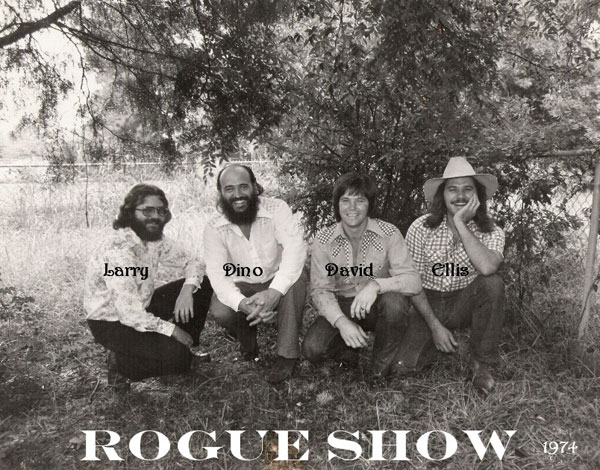
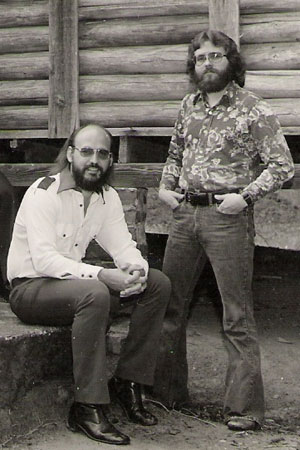
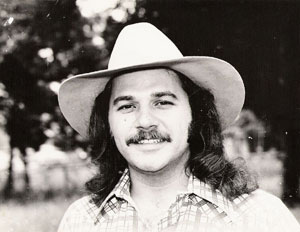
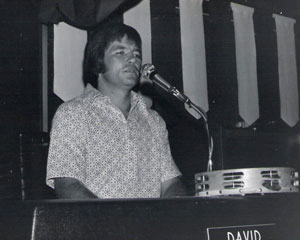
The Rogue Show, 1974
The Rogue Show
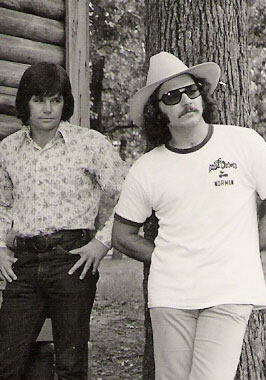
Dino and Gordo
In April 1969, I received a call from Jerry Hawkins, President of Musicians Local 116 in Shreveport. He said a full-time band needed a drummer and for me to go play with them. I told him that I didn’t feel I was good enough to play with them. He said yes you are…get on out to the club. The band was The Rogue Show and they were in their third year playing at the Shindig. Very rehearsed.
When we started we sounded like we had been together forever…on the first break Dino Zimmerman, guitar player, came over to me, put his arm around my neck and said you are our new drummer. My band The Back Alley had a gig at La. Tech the next night. David Shelton, another drummer, came in and said he wasn’t playng in his band anymore, so I called John Barlish and set it up for David to play with them.
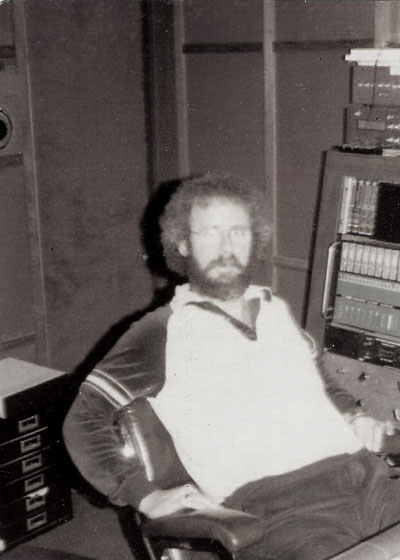
The Rogue Show was Larry Gordy bass guitar, vocalist; Dino Zimmerman guitar, vocalist; David Rowe organ, vocalist; and Ellis Starkey drummer, vocalist.
David and Ellis
Another reason the band was so good was because we kept the same four members for the five years the band was together. We played six nights a week and rehearsed twice a week, learning at least two new songs a week for the duration of our band.
When I joined the Rogue Show they had been playing at the same club, The Shindig, for three years. I handled all the bookings in my other bands so I started booking college and high school jobs. We left The Shindig and started playing one nighters, we never did go back to the Shindig. That summer I booked the Bayou Club so we could stay rehearsed and learn new songs for the upcoming “fall school season” Sept. – December.
On October 30, 1969, The Rogue Show opened for the Grassroots at Stephen F. Austin College, in Nacogdoches, Texas. We played 30 minutes before they started. They played 30 minutes and then took a 20 minute break. The Rogue Show played those 20 minutes. Then the Grassroots got back up and played for 45 minutes. It was a big night, it was a pillow and blanket concert in the gym. The place was packed. I signed 5 contracts for school dances before I could pack up my drums!
In February, 1970, Kenny Rogers and the First Edition were booked to play SFA. I contacted the lady that had booked us with the Grassroots. She said that we would not be hired because we were too good! She said we don’t want to make concert bands mad by having a local group show them up. First time I ever lost a job for being too good! We ended up playing just about every dance over the next couple years but we never opened for anybody again!
Dale Hawkins (co-writer and singer of Susie Q) came out to hear us perform. He was working for Bell Records at that time. That next week he had us in the studio at Steve Wright’s in Tyler, Texas. Dale said he would shop it around and let us know.
Robin Hood Brians, studio owner, Tyler TX
Jerry Hawkins (Dale’s brother and president of Musicians Local 116) called us and said he wanted to take us to the studio. We went to Robin Hood’s and recorded several songs. Jerry said he would shop it around and let us know.
Jerry called about a week after that and wanted to have a meeting with the band. He told us he had two labels interested, Paula Records and RCA, Nashville. WOW!!! We all talked it over and asked whatever questions we could come up with. It came down to how many cents we received per record sold. Paula Records offered 5 cents and RCA offered 2 cents. Well needless to say went with the higher figure . Major mistake! Knowing what I know now, we should have gone with the major label regardless.
We signed a four record deal over two years. The releases were:
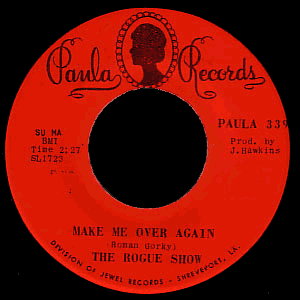
1) Make Me Over Again / Nadine 2) Come Back Baby / Can’t Judge a Book 3) Gretta / Put On Some Love
The “Make Me Over Again” record label shows the writer as Roman Gorky. Ro from David Rowe, man from Dino Zimmerman, Gor from Larry Gordy, and ky (misspelled) key from Ellis Starkey.
Gretta was released one week when it was a “Newcomer Pick of the Week” in Cash Box, Billboard, and Record World, the week of March 25, 1972. The next week no one would play the song, seemed like someone was trying to kill it. In a couple of days Jerry Hawkins resigned as our producer and said that from now on we would have to go through Gene Kent at Paula. I called Gene and set up a meeting.
Gene Kent and I have never gotten along and things didn’t improve this time. There was a time he wanted to be our manager and wanted us to pay him 25%. We said No. I guess this is how he got us back. He said he would handle our selections of songs from now on. I reminded him that we had 1 more release according to our contract. He said OK, but I want you to pick out one of our music tracks of the Uniques and y’all decide on who you want to sing over the track. I said do you mean for one of us to sing over a music bed already recorded by the Uniques? He said that’s it exactly what I mean, like a smart ass. I told him we would not do that and to stick the “Biggest little record shop” up his ass! They sent us a release of contract by mail.
Meanwhile, we were making more money that we ever had. We went to the Orbit Lounge in Bossier City, playing 6 nights per week. In the contract, I stated that we could be off at the club as long as we had a replacement band. I booked the colleges and high schools. We stayed there 2 years and 2 months. When we played at the schools we told everyone to come out and see us whenever they came home. We had big crowds all around.
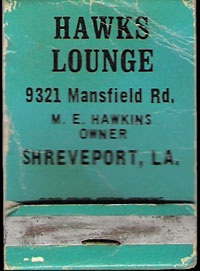
We played at Hawks Lounge in Shreveport, La. for 8 months. We held the attendance record there with 975 customers paying cover charge of $1.00 per person.
Ellis Starkey
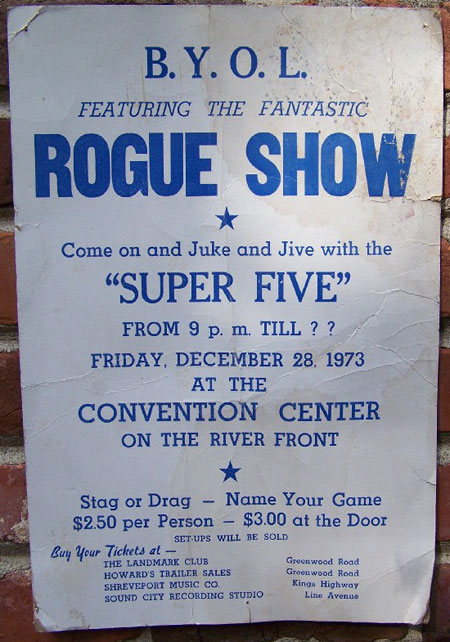
In 1973 we went to the Landmark Club in west Shreveport. We had the same type contract as with the Orbit but at twice the price. We played the Landmark through December 1974. We continued to book all of the best college and high school dances. We performed in Louisiana, Texas, Arkansas, Oklahoma, and Mississippi. After five strong years of playing almost every night the Rogue Show hung it up on New Year’s 1975.
Ellis Starkey, 2008
Update: I’m very sad to report that Ellis Starkey passed away on June 1, 2009.
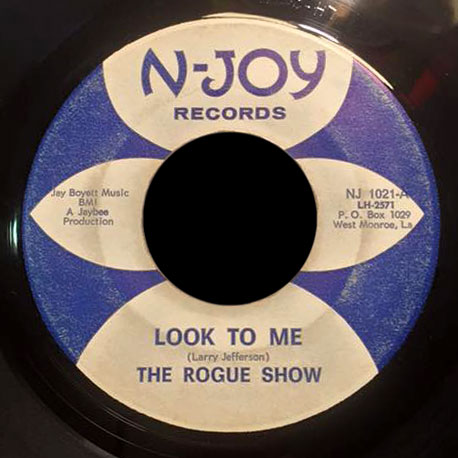
The Rogue Show’s first single, on N-Joy RecordsFor more Rogue Show photos, memorabilia and music, check out their videos of Come Back Baby and Can’t Judge a Book and Make Me Over Again. Special thanks to Ellis for sending in the history and photos of his bands.
The Rogue Show had a 45 prior to Ellis joining the band, “Look to Me” (Larry Jefferson) / “Little Lonely Summer Girl”. It seems to have been the last release on the N-Joy Records label. If anyone has sound clips of this record, please contact me.
I’m very sad to report that Cecil Cotten passed away on Friday, April 4, in Winnsboro, TX, at the age of 62.
Cecil was lead singer of the Briks, one of the great bands to come out of Dallas in the 1960s. He composed the lyrics for many of their songs, including “Foolish Baby”, “It’s Your Choice”, and “Can You See Me”. His singing on “It’s Your Choice” shows a maturity that no other vocal from the era matches, and he was only about 20 years old at the time.
When the Briks broke up, Cecil played for a short time in Texas with three members of the Chessmen: Jimmie Vaughan, Tommy Carter and Billy Etheridge, plus Sammy Piazza on drums. They were managed by Jimmy Rabbit and recorded some songs at Robin Hood Brians studio in Tyler which have never been released.
In 1969 he moved to San Francisco and started Benny, Cecil & the Snakes with Benny Roe, Keith Ferguson, Steve Karnavas and Steve Davis. The Snakes played house parties for the publishers of Zap Comix, the Rip Off Press.
In recent years Cecil and former Briks bandmate Mike Neal recorded a CD of blues-inspired songs as The Pickin’ Cotten Band.
It’s one of my great regrets that I never met Cecil, and his music will always mean a great deal to me.
The End at Andover, photo courtesy of Tony Curtiss
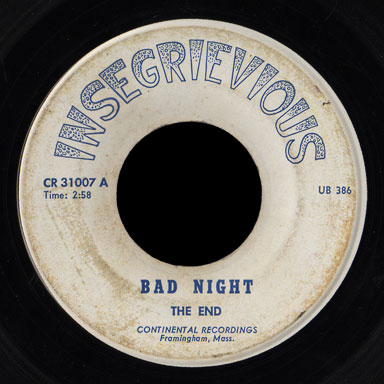
The End came out of Philips Academy in Andover, a private boarding school. In 1966, the band traveled forty miles south to Continental Recordings in Framingham to make their only record. Continental’s label Cori pressed their 45 for them with the End’s custom Insegrievious label.
Many Andover bands recorded during the sixties, including the Invictas in 1961, the Satans’ Raising Hell LP from ’62, the Torques in ’63, the Apostles with two albums in 1964-65, and the Group with a four song EP in 1967. The Ha’pennys recorded their album Love Is Not the Same at Continental about the same time as The End made their 45.
A year later another Philips Academy band, the Rising Storm would also travel to Framingham to make their LP, Calm Before…, by far the most famous of all these releases.
The End only recorded one 45 while the rest of these bands (with the exception of the Group) recorded entire LPs. In any case they do well with their two original songs, especially the catchy “Bad Night”. The flip, “Make Our Love Come Through” is a fine ballad.
As for the label name, that apparently comes from the Batman TV series, hugely popular that year: “Catwoman, I find you to be odious, abhorrent, and insegrievious.” It’s not as bad as it sounds – a slang dictionary defines insegrievious as expressing anything and nothing at the same time in an impressive sounding way.
Tony Curtiss wrote to me about the band:
It was my cheesy organ solo in “Bad Night.” Here is the band’s lineup:
John Leone: The lead singer and writer of “Bad Night” and co-writer of “Make Our Love Come Through.” Jeff Lemkin: Lead guitar Chris Moore: Backup singer Cai Underwood: Drums. Cai had earlier been drummer for the Apostles at Andover. Bruce Curran: Rhythm guitar Mel Kendrick: Bass Tony Curtiss: Organ and co-writer of “Make Our Love Come Through.”
The band only made this one record in the Spring of 1966 as all but Mel Kendrick graduated from Andover in June of 1966 (Mel in June of 1967). We soon scattered to the winds. John Leone was off to Harvard, Chris Moore headed to Princeton, I went out west to Stanford etc. Thanks for remembering us, Tony Curtiss
Thank you to Tony for sharing these photos of the band.
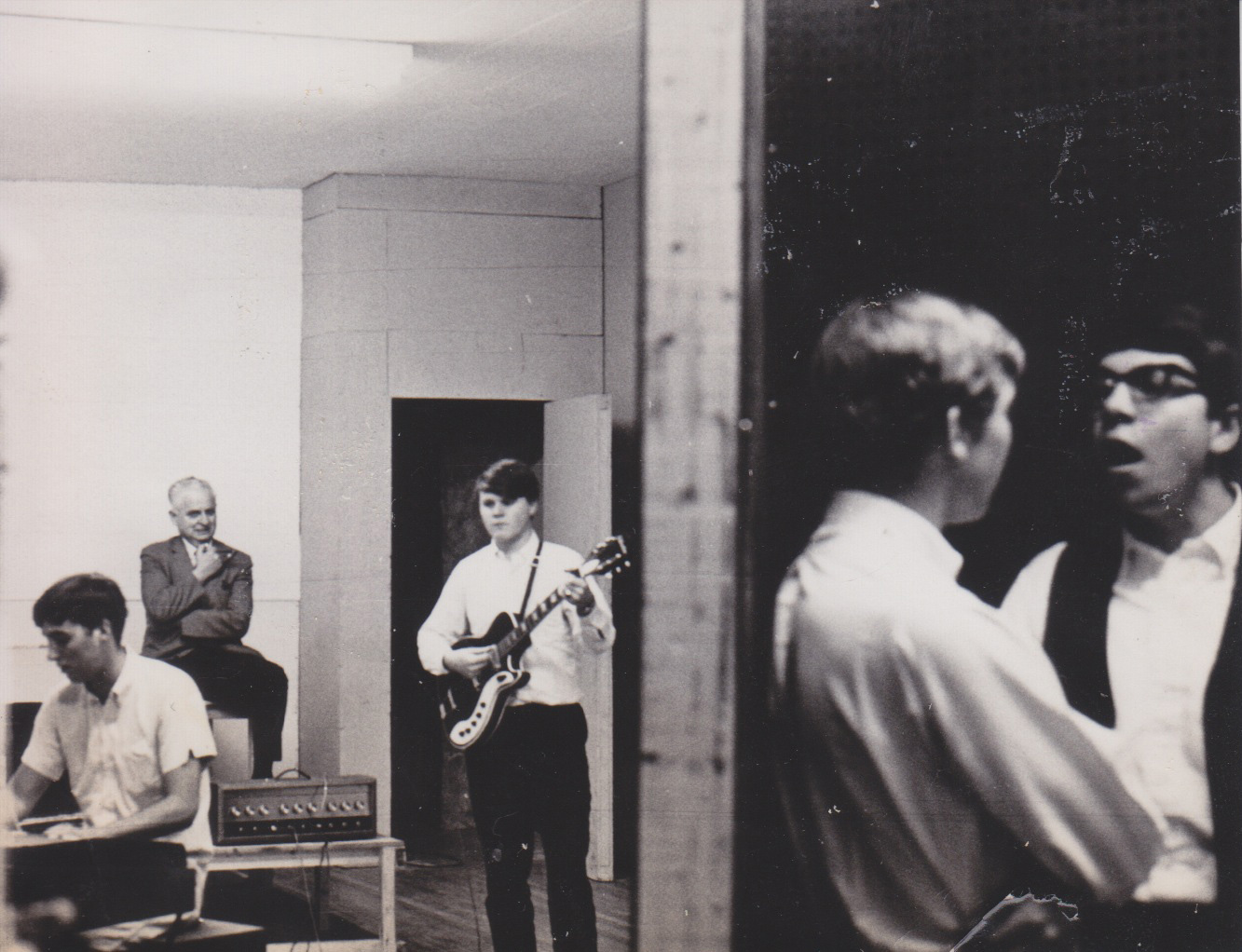
The End at Continental Recording Studio, Framingham, MA, “during the recording of ‘Bad Night.’ From left to right is me (Tony Curtiss), Jeff Lemkin’s dad who drove us, Bruce Curran, Chris Moore and John Leone (in glasses).
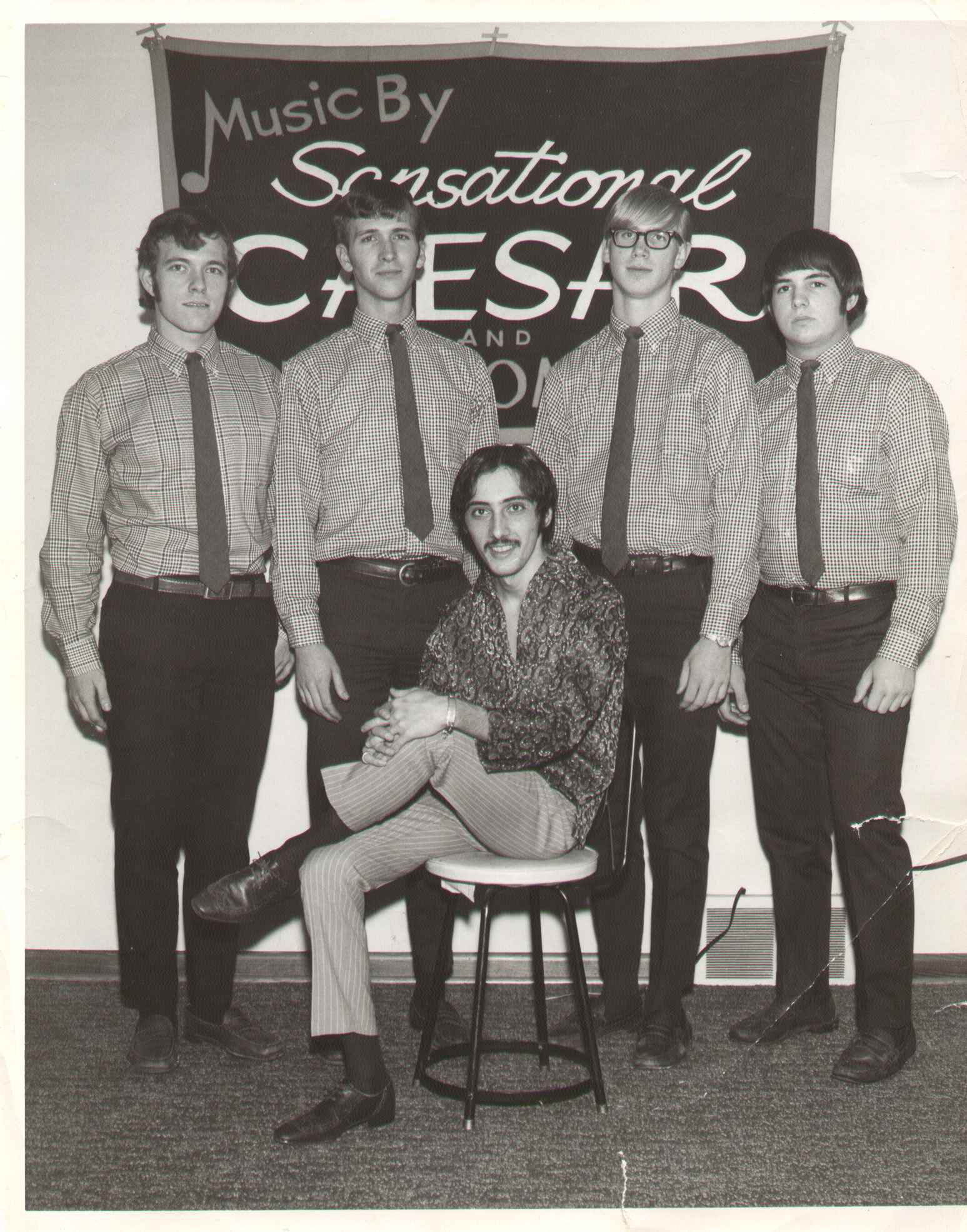
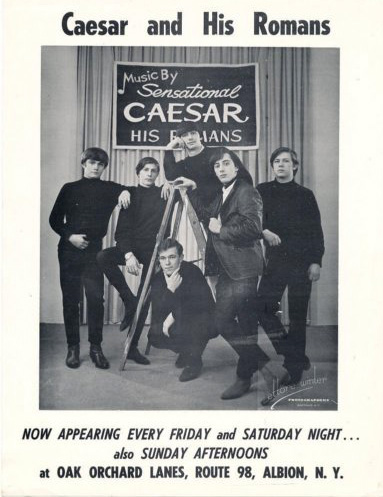
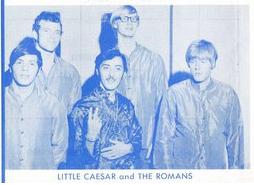
Caesar & His Romans, from left: Dan Cook, Bill Burt, Chuck Vicario (seated), David Burt and Karl Durant.
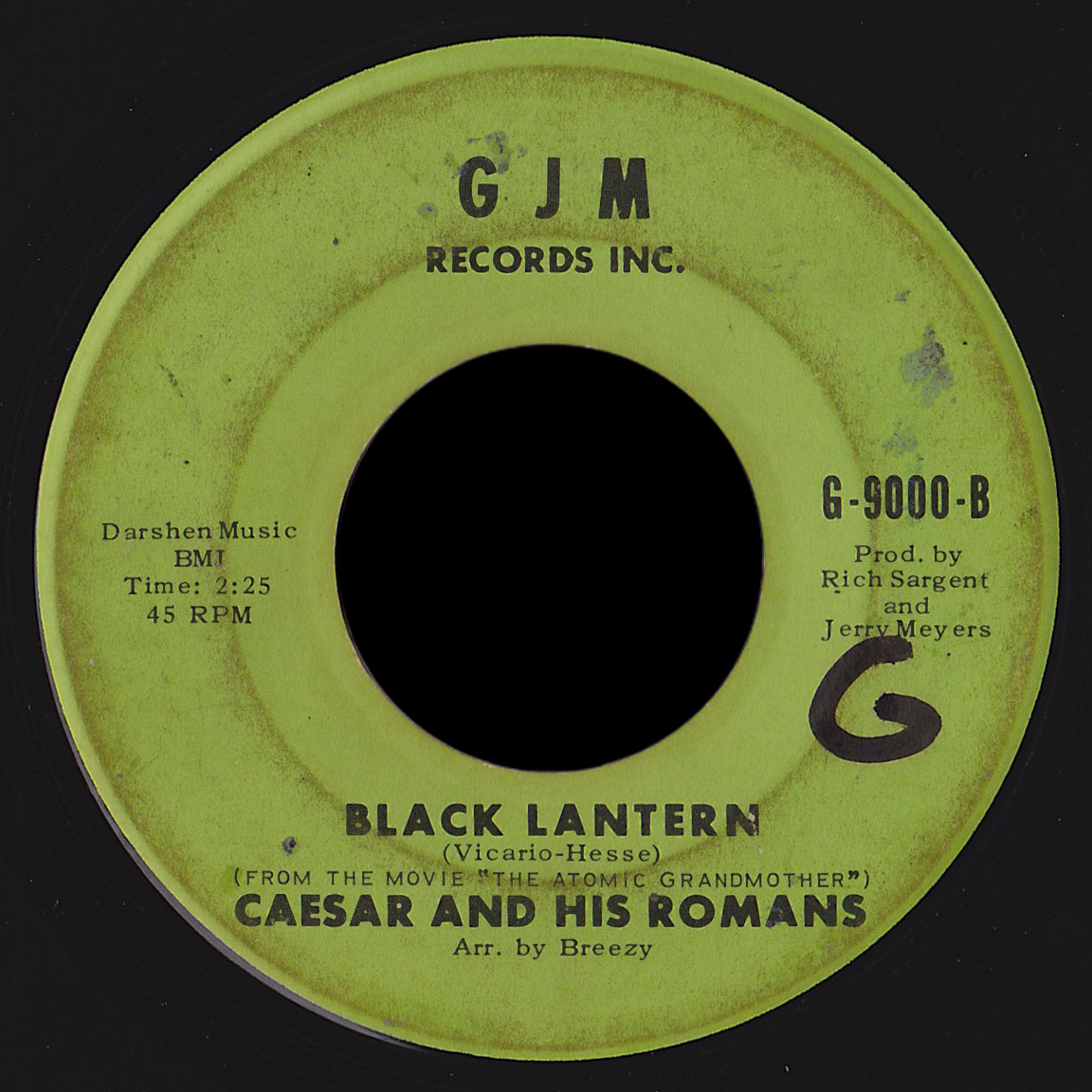
Caeser & His Romans were from Buffalo, recording two 45s on the GJM label in late ’67 and 1968 before signing to Scepter for two more singles. I hadn’t been able to find much about the group but some emails and comments have helped.
Vocalist Chuck Vicario stayed with the group throughout its career. Bassist John Sia co-founded the band with Chuck in 1964, and left for college in ’67. Joe Hesse replaced John and then Vinny Parker replaced Hesse. Joe DeSantis was the original drummer with the group. Other members of the group included Joe Hesse’s brother Jim Hesse on keyboards, Bill Burt and David Burt, and Dan Cook on lead guitar.
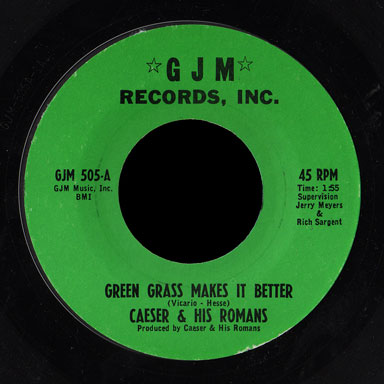
Both songs on their first 45 were written by Charles Vicario and J. Hesse, recording supervised by Jerry Meyers and Rich Sargent.
Rich Sargent wrote to me about his work with the band:
Jerry owned GJM Records, I worked for him, we used a few different studios. I produced “Leavin’ My Past Behind” at Audio Recording in Cleveland, the same studio wher Jerry produced the Joe Jeffries gold single “My Pledge Of Love” … great studio in downtown Cleveland. I am a long time friend of Chuck (Caesar/Big Wheelie) and his late manager Fred Caserta. We met in ’64 … my band and Chucks finished 1 & 2 in a number of “battle of the bands” back then.
I haven’t heard “When Will I Get Over You” in about 15 years… my favorite may have been “Leavin’ My Past Behind” (sure wish I could remix it) and “Baby Let’s Wait”. That one came close to breaking, but the Royal Guardsmen put out a version and we were done.
There was a core of players that was consistent but also a number who left, came back, left again. Dan Cook was the guitar player through all of the incarnations of Caesar and Big Wheelie. The keyboard player on “Green Grass…” was Jimmy Hesse who left to join The Road and was part of that band when they had a mid chart dingle on Kama Sutra with a cover of the Zombies “She’s Not There” which was produced by Joey Reynolds (now doing late night talk radio on WOR 710 NYC and also carried on over 200 stations).
Caesar & His Romans became Caesar & THE Romans, [then] evolved into Friendship Train which was a successful club & lounge act. During one set each night as part of the act they became Big Wheelie & The Hubcaps. This became so successful that Friendship Train was dropped in favor of a full night of Big Wheelie. Their final album was released on Amherst Records in 1976. Chuck stlll performs as Big Wheelie about 10-12 times per year. He was brilliantly managed by the late Fred Caserta who went on to found Kingdom Bound which is one of the largest concert events in the Christian Music field.
“Green Grass Makes It Better” is one of their catchiest numbers, and sure seems like a drug reference to me: the world is “going psycho” but “good green grass makes it better.” “Why Make a Fool of Me” on the flip is denser but excellent as well.
Their second record is one I haven’t yet heard, “Baby, Let’s Wait”, backed by the great “Black Lantern”, a bass-driven lament written by Vicario and Hesse. The A-side has the credit “Arr. by Beaver”, while the flip says “Arr. by Breezy” and “(from the movie ‘The Atomic Grandmother’)” – a real production or another joke?
Instead of publishing through GJM Music like the first single, Darshen Music published “Black Lantern”.
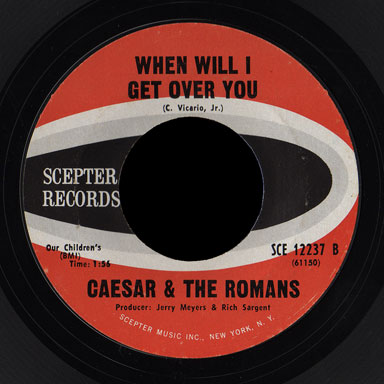
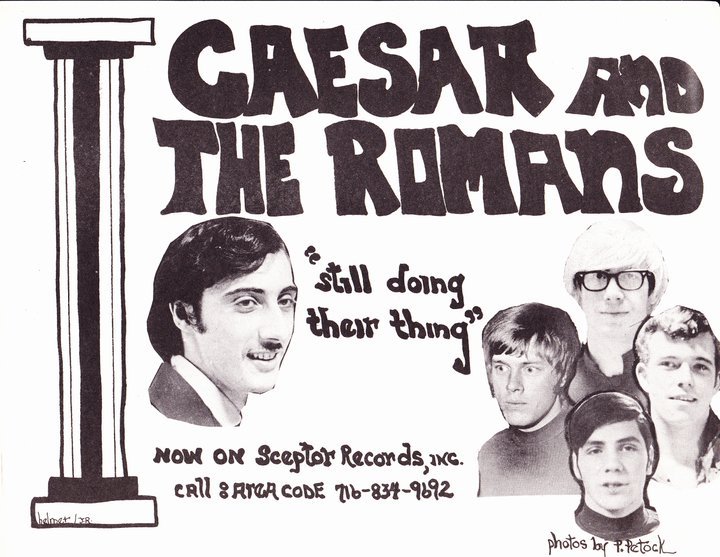
Moving towards a much more commercial direction, they signed to Scepter Records as Caesar and the Romans, releasing two 45s in 1969, both minor hits in the Buffalo area. “Baby Love” uses some fuzz guitar and heavy beats on the Supremes song, but I prefer the upbeat flip, “When Will I Get Over You”, written by C. Vicario, Jr.
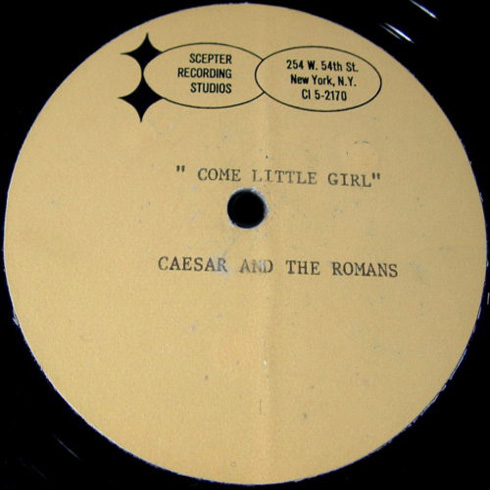
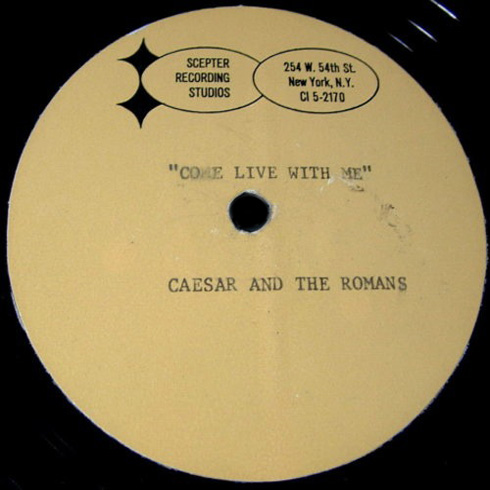
The A-side of their next Scepter 45, “Leavin’ My Past Behind” / “Jailhouse Rock” continues their pop sound. Mike Dugo sent me photos of two more Scepter recordings by the band, “Come Little Girl” and “Come Live With Me” that were never released to my knowledge. Both are funky soul numbers.
Thank you to Diane Burt for the photo of the group at top and additional info, to Mike Dugo for the Scepter acetate photos, the promotional flyers and ads, and to Ryan Lalande for the scan of “Black Lantern”. Thank you to Mary Durant for help with identifying Karl in the photo; Karl Durant played drums with the group.
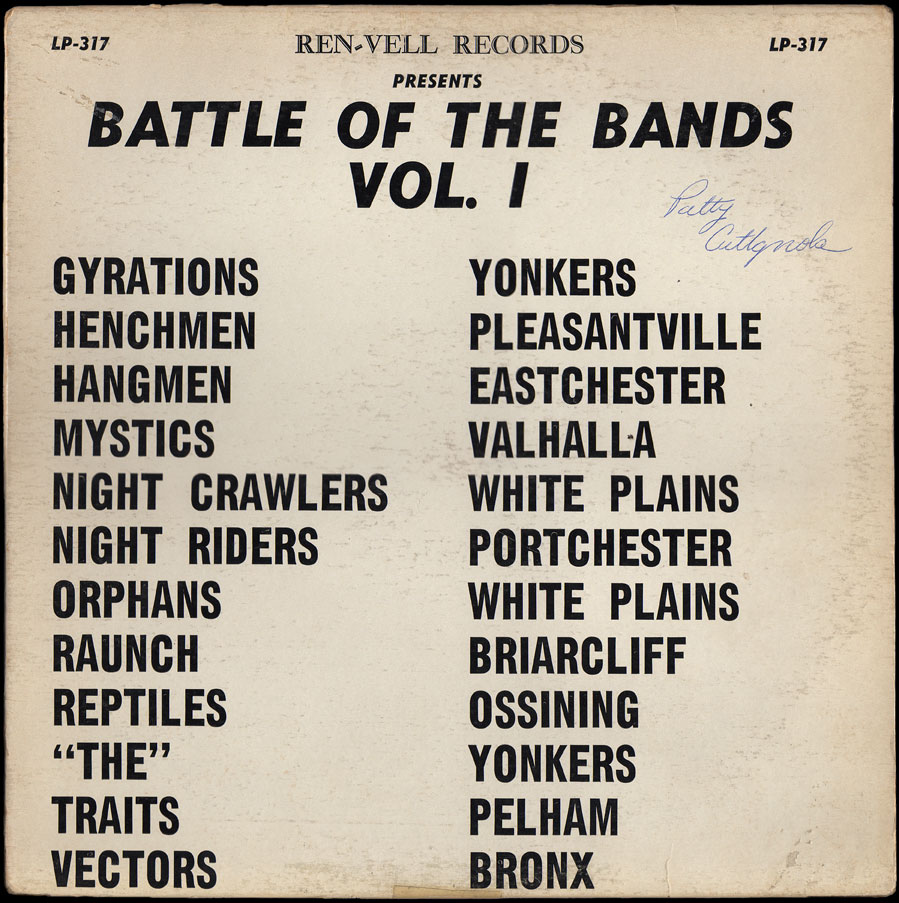
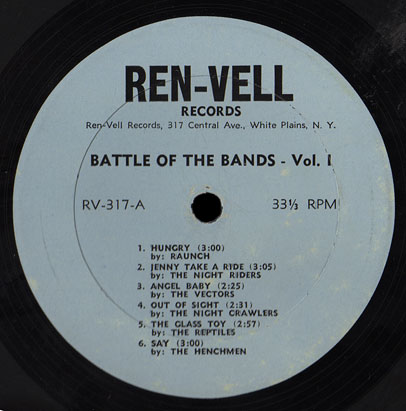
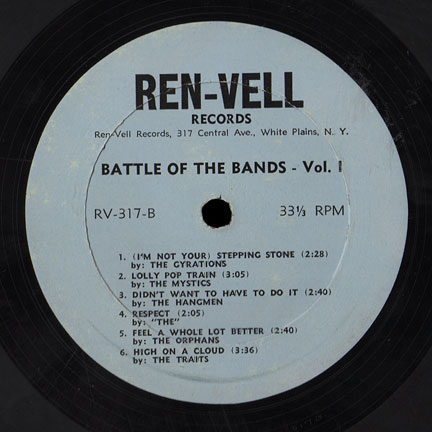
This is a classic garage LP, even though it’s a real mixed-bag of styles and quality. All the bands culled from Westchester County and the northern Bronx. Judging from the songs the bands cover it probably dates to sometime in 1967. A note on the back cover says the label auditioned over 100 groups. Jimmy Carpenito of the Mystics tells me Renvell’s studio was next to Gun Town on Central Ave in White Plains.
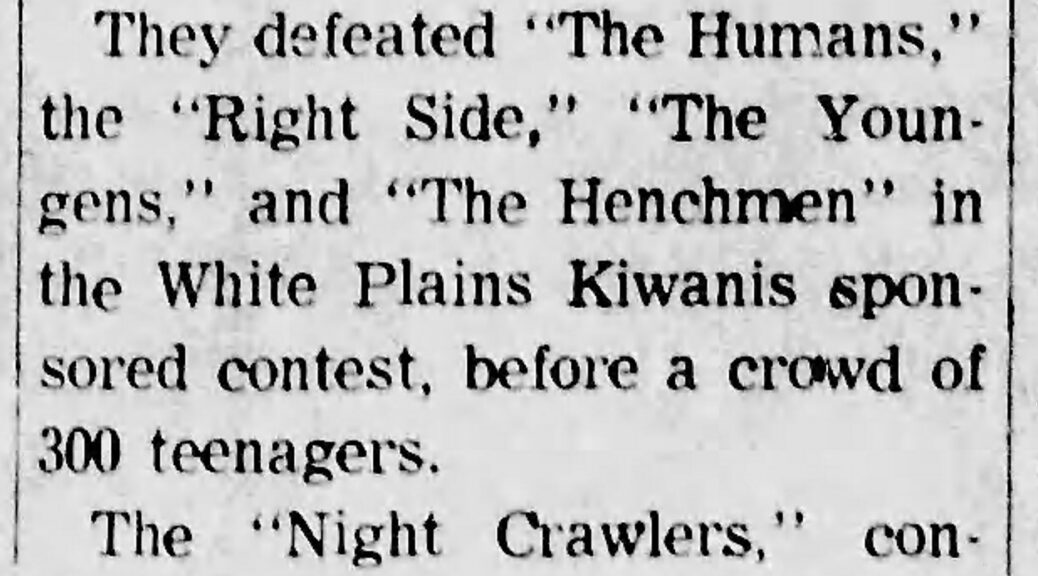
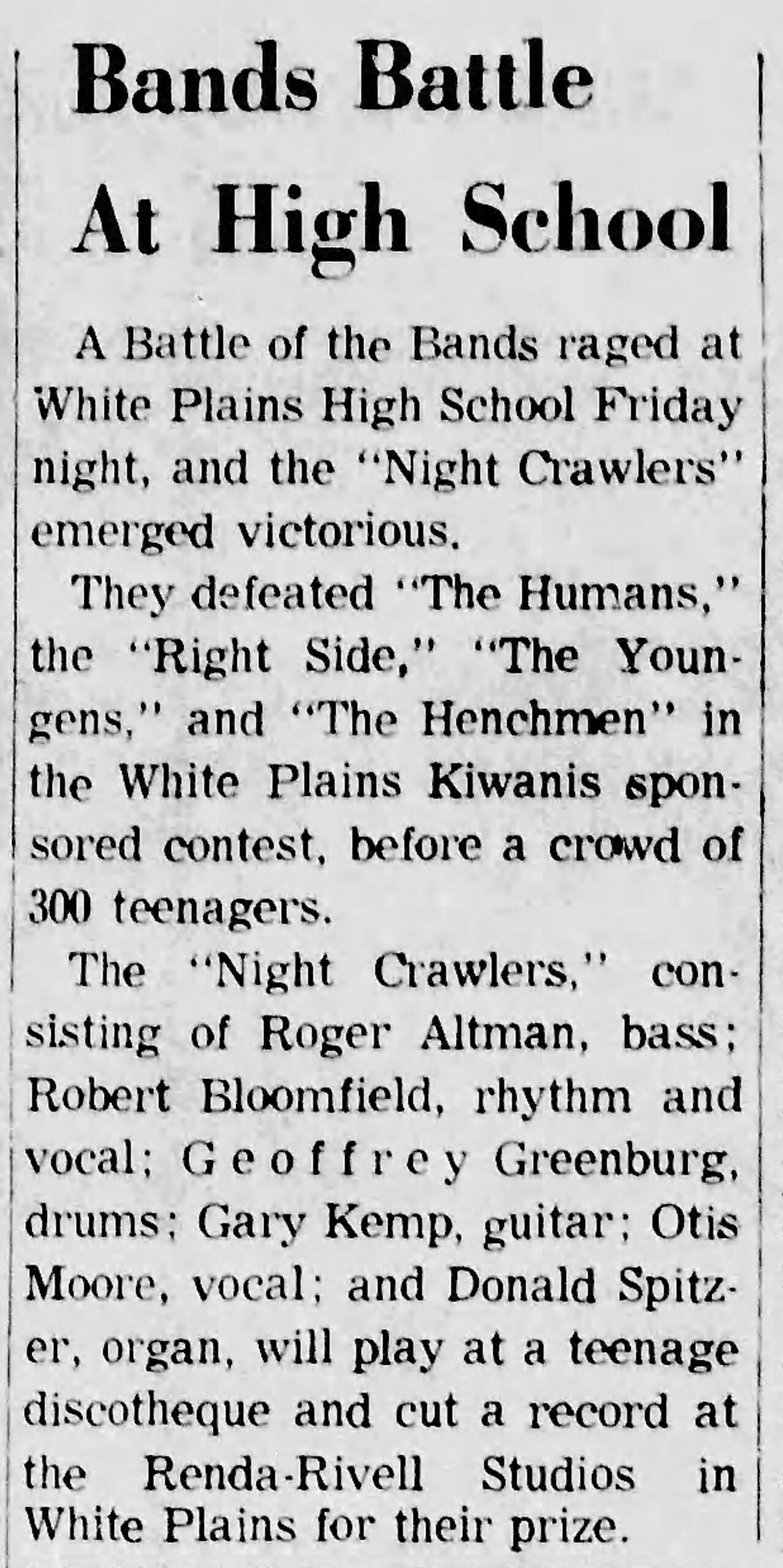
Night Crawlers win band battle, will cut a record! June, 1967.The correct name of the studio is Renda Rivell Studios, and it’s address was 317 Central Avenue. Ren-Vell was a combination nickname that stuck after the album release. Joe Renda would list the studio as Renvello Productions at that address in Record World’s July 1967 annual directory.
I thought it was likely Ren-Vell advertised for bands then asked them to put up some dollars to get their cut on the album. However, since first posting about this record, a sibling of one of the members of “The” wrote to me: “there definitely was a Battle of the Bands in Westchester County to compete for participation in the album. The guys didn’t pay to have their song on the album.”
The Night Crawlers won a battle of the bands in June, 1967 and their version of “Out of Sight” made the album, and their competitors the Henchmen cut “Say” at Renda Rivell, also on the LP.
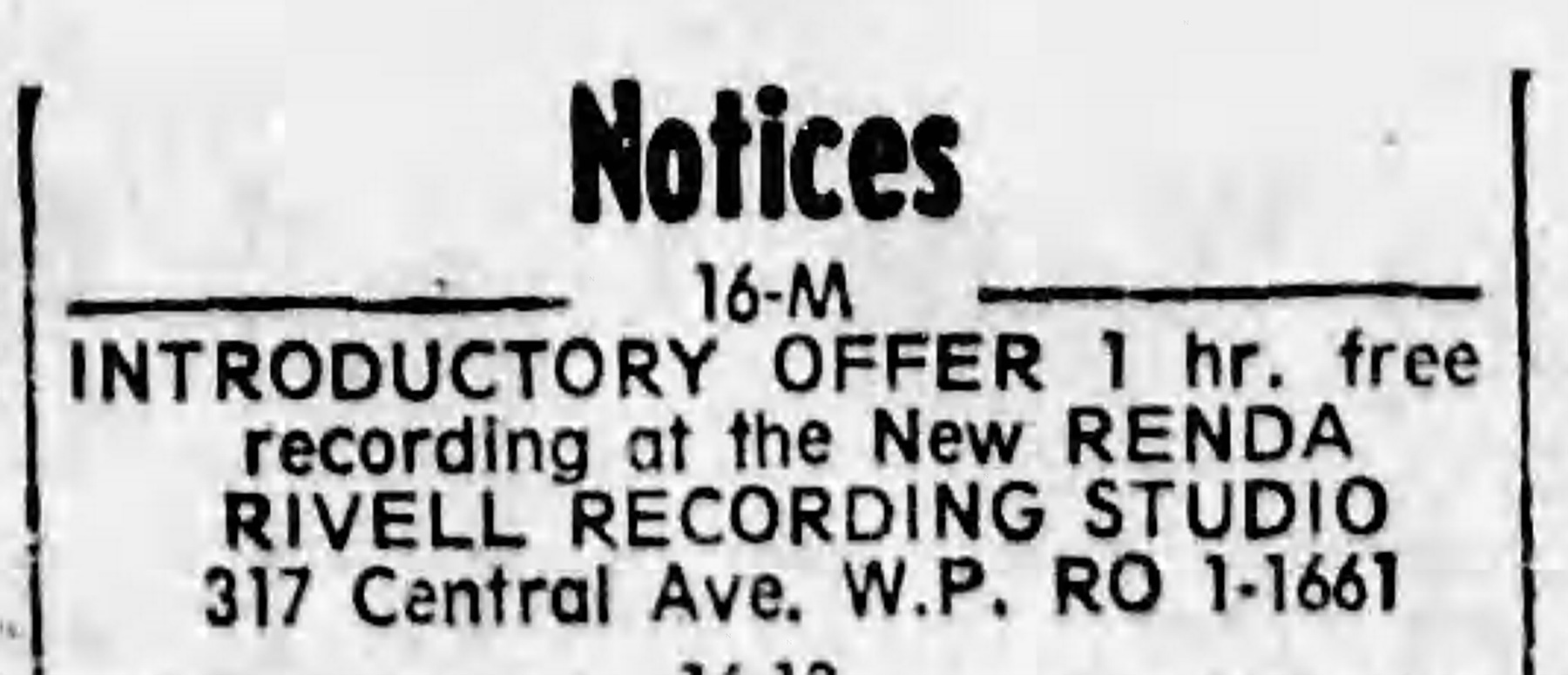
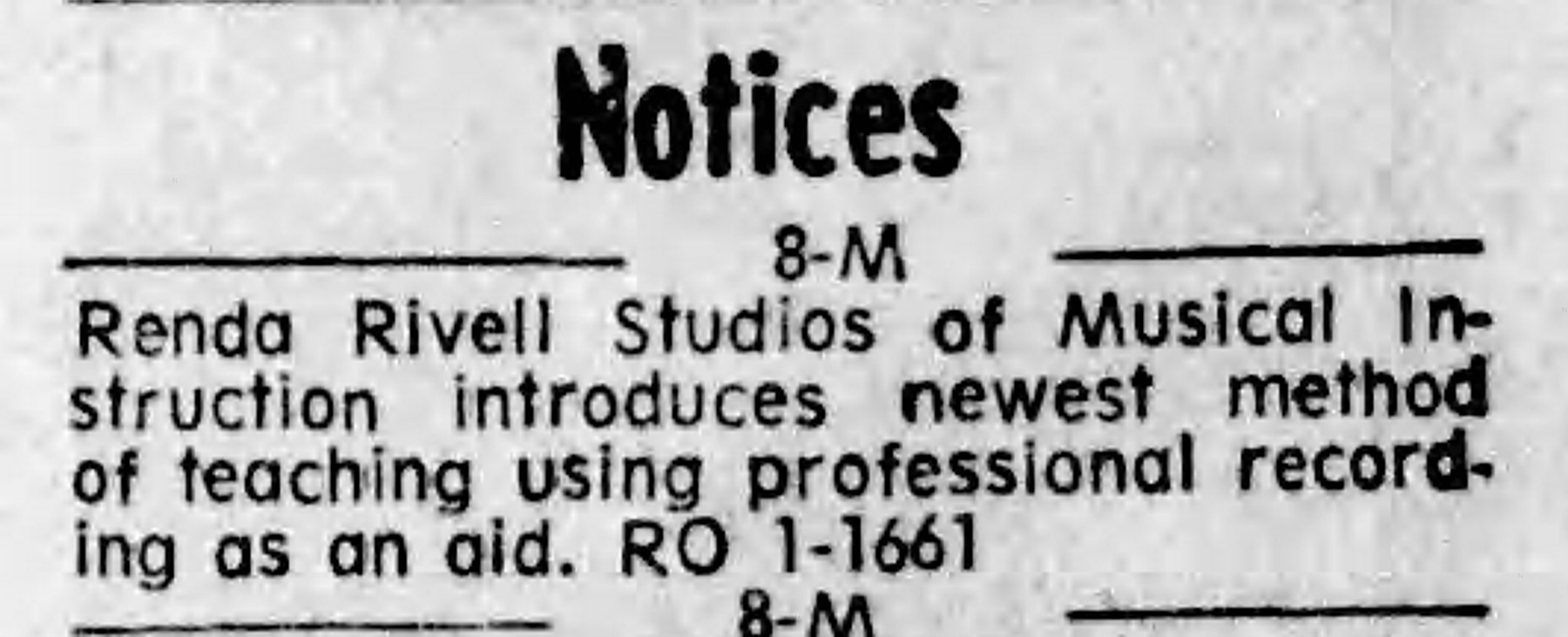
So definitely some groups were given recording time for winning the battles, but others were attracted by small classified ads the studio ran in early 1967 offering one hour of free recording time.
Renda Rivell Studios offer of 1 hour free recording, Reporter Dispatch, Saturday, March 11, 1967
The best original song on the record is undoubtedly the Traits‘ “High on a Cloud”, an antisocial ode to chemical escape written by their singer, Mike Carroll.
The Traits on the Ted Mack Amateur Hour
I got a nickel bag, my eyes are drooping, they’re starting to sag Since you left me girl, well I think that life is a drag I’ll show you girl that you can’t keep on running around Because I’m high on a cloud and I ain’t never coming down
Well you left me girl, with two feet down on the ground I’ll show you girl that you can’t keep on running around I’ll get me a bag and I’ll show you just what I can do I’ll get so high I’ll wave goodbye to you
Cause I’m high on a cloud, high on a cloud, High on a cloud, and I ain’t comin’ down no more
With lyrics like those, it would be no wonder that Ren Vell buried it at the end of the second side, but the band said they chose to be last on the album. I wonder how many listeners made it all the way through the LP! About the time this album was cut, the Traits appeared on Ted Mack’s Original Amateur Hour (taped at CBS studios on Broadway – sponsored by Geritol!) doing Paul Revere & the Raiders’ “Just Like Me”. Mack introduces them as “high school students and a machinist from Pelham, NY!” In 1969, they recorded “Nobody Loves the Hulk”, an interesting attempt to capitalize on the Marvel Comics hero that I’ll feature soon.
The other great original is the Henchmen’s “Say,” written by their guitarist and vocalist John Wallin. The drummer bashes away behind a leaden fuzz riff, segueing to a relatively complex bridge. Andy Porter lays down a good, crude solo, with nice tremolo at the end.
The Henchmen also cut a number of demos at Bruno-Dean Recording Studios in New Rochelle and at United Recording including “Strangers”, “Jack of All Trades”, “Walk With Me Baby”, “Sad Clown” and “Stepping Stone”. Hear some of these on the new comp “I’ve Had Enough!” on Norton.
Of the cover songs, my favorite is “Respect” by “The”, followed by the Gyration’s take on “Stepping Stone” and the Night Rider’s version of “Jenny Take a Ride”.
Raunch’s version of “Hungry” is good, but my copy has a skip in it. Their bassist Frank Taxiera told me, “Joe Renda asked us to submit a song from about fifteen that we recorded at his studio between ’66 and ’67.” I’ve since posted more on Raunch here.
As for the rest, there are a couple light pop numbers, like “Lolly Pop Train” by the Mystics and “The Glass Toy” by the Reptiles, but they’re not bad. The most out of touch with the times is “Angel Baby” by the Vectors of the Bronx, where Carol Pecchio’s fine vocal performance is buried in echo behind the drums and bass. Some of the covers are unremarkable, but the Orphans out-of-tune vocals on the Byrds’ “Feel a Whole Lot Better” dooms that cut despite good instrumental playing.
I spent far too much time typing out the credits in the interests of ah, history. What follows is a complete list of songs and band members on the album, and links to a few of the better songs.
A1. Hungry – Raunch, from Ossining and Briarcliff Manor
Sandy Katz – rhythm guitar & vocal Jay Manning – lead guitar Frank Taxiera – bass Tom Walker – drums
A2. Jenny Take a Ride – The Night Riders, Portchester
Henry Lopez – lead guitar Cheno Lopez – guitar Dominick Gabrieli – rhythm guitar Tony Ojeda – bass Mike Lopez – drums
A3. Angel Baby – The Vectors, Bronx
Louie Glattino – drums Ronnie Salotto – organ Doug LoPresti guitar Charlie Pecchio – guitar Carol Pecchio – vocal
A4. Out of Sight – The Night Crawlers, White Plains
Geof. Greenburg – drums Bob Bloomfield – guitar & vocal Gary Kemp – guitar Rodge Altman – bass Otis Moore – vocals
A5. The Glass Toy – The Reptiles, Ossining
Mark Worthy – guitar & vocal Ron Macera – drums Paul Slavin – bass Steve Worthy – guitar & vocal
A6. Say – The Henchmen, Pleasantville
Ray Greene – organ Jimmy Porter – drums Mark Zvonkovic – bass Andy Porter – guitar John Wallin – guitar, vocal
B1. (I’m Not Your) Stepping Stone – The Gyrations, Yonkers
John Soares, 3rd. – guitar, vocal Ronnie Christmann – bass John Karlsson – guitar Nick Vitulli – organ Robert Karlsson – drums
B2. Lolly Pop Train – Tne Mystics, Valhalla or White Plains
Jimmy Carpenito – vocal & guitar Charlie Sinerate – guitar Dan Liberati – bass Mike Mruz – drums Bob Fresta – organ
B3. Didn’t Want to Have to Do It – The Hangmen, Eastchester
Joe Montclare – vocals Art Sammartino – Cordavox Jim Miranti – drums, John Bruno – bass Joe Manganiello – guitar
B4. Respect – “The”, Yonkers
Richard Kudelka – bass Sal Del Bene – drums Bill Connors – guitar Bob Kolachik – vocal & guitar Frank Longo – organ
B5. Feel a Whole Lot Better – The Orphans, White Plains
Vinny Leonardis – guitar & vocals Joe Gangemi – bass & vocal Mike Saland – guitar and vocal Ricky Pelpzman – drums
B6. High On A Cloud – The Traits, Pelham
Don Chicherchia – guitar (I believe Dom Chicerchia is correct) Bob Creaturo – guitar Mike Carrol – vocal Bobby Williams – drums Jim Klieforth – organ
Recording engineer: Ernie Rivellino A&R: Joe Renda Supervision: Pete Iarussi Renda-Rivell Studios 317 Central Ave, White Plains
This ad for the newly-opened Renda Rivell Studios (Ren-Vell), ran more than once in the Reporter Dispatch in February and March, 1967
There are also at least two singles on Ren-Vell, best of which may be the Mystics (covered here):
RV-318 The Sherwoods – Third Summer (That I Loved You) (by Joe Lanza) / Lonely for You, supervised by Ken Luttman.
RV-320 The Mystics – This Is What I Was Made For / Ride My Pony (Come) – not the Lee Dorsey song but an original by James Carpenito and B. Fresta
Updates:
Since writing this I’ve heard from Vinnie Leonardis of the Orphans:
I was the founder of the Orphans out of White Plains High School. We played school dances around 1965 tru 1967.
How did we get on the album? Joe Renda belonged to the same church. He had a band that played for one of the church dinner dances. They played for the older crowd. They let the Orphans get up a play a few songs for the teenagers. As I remember it about three seconds into the first song, the priest ran up to the stage waving his arms frantically to TURN THAT NOISE DOWN! Well, we got tru it. At the end of the night Joe told us about the album he was making and were we interested in being on it. Of course we gladly accepted. Thanks to father Julius for letting us finish the set.
Not sure how that song got picked for the album. We surely had better songs than that. And YES the vocals on our cut of the album were humorous.
There actually was a battle of the bands around the time that album was cut. I still have the third place plaque. I think Jimmie Carps Mystics took first place.
Unfortunately the other three members of the band have all passed on. I still have my 1964 Rickenbacker guitar that I use on gigs once in a while but nothing can replace the excitement of that era.
Doug LoPresti wrote to me with some info about the Vectors:
Although we were billed as being from the Bronx, I and three others were from Yonkers! And White Plains was part of the community of interest. I was guitar with Ron Salotto on keyboard for many years. We hooked up with Carol and Charlie and Louie later. We were a classic garage band … Louie’s basement! We called it the “Cellarino” Geez! I’m sorry we got such bad reviews for that recording! That version of “Angel Baby” was a huge hit wherever we played. It was Carol in person that made it so … without seeing her, it loses impact!
We continued through the 70’s as an active group, switched to the wedding scene as everyone did. By the 80s we all had kids and not enough time to continue. I reconnected with Carol about ten years ago, she’s in North Carolina now. I’m still friends with Ron (keyboard) but can’t find Louie. Actually there were many times when we couldn’t find him then either!
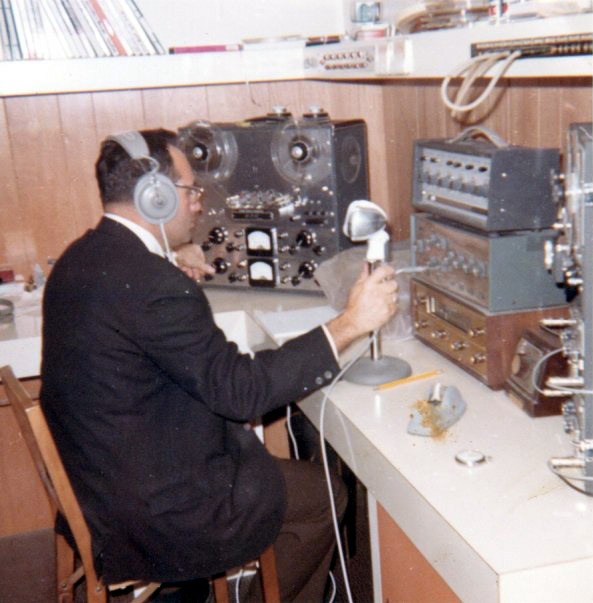
Joe Renda of Ren-VellThis was identified as Joe Renda, but Ernie Rivellino, who would know, tells me this is not Joe Renda or Ren-Vell Studio
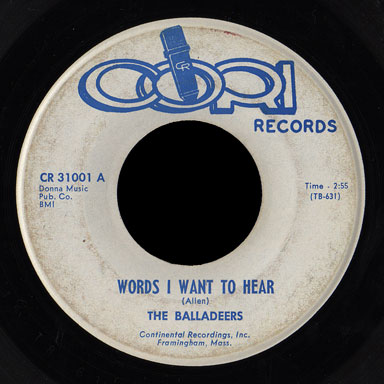
The Balladeers were from Woonsockett, Rhode Island. In the summer of 1965 they traveled twenty miles north to Framingham, Massachusetts to record this 45 at Continental Recording Studios. It appears to have been the first record released on studio owner Tom Flynn’s Cori label.
“Words I Want to Hear” is an original by Robert Allen, who may have been in the group. The song starts with a subdued atmosphere of just acoustic guitar, percussion and solo voice. Bass and harmonies add momentum until the cathartic moment when the guitarist breaks into the chorded solo.
“High Flying Bird” is one of those songs that bridged the transition from folk to rock, like “House of the Rising Sun” and “Hey Joe”. Written by Billy Ed Wheeler and originally recorded by Judy Henske, it was covered by many groups, including We Five, the Jefferson Airplane and the Canadian band the Plague, who do a great psychedelicized version. The Balladeers take is as excellent as any of these.
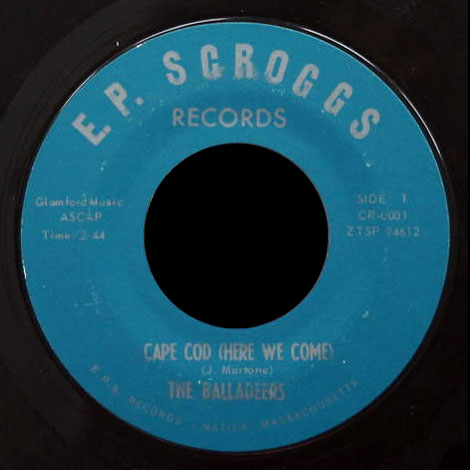
Roland ‘Skip’ Boucher wrote to me about how he built Continental Recordings with Dan Flynn and his brother John Flynn. Skip also told me about a release I hadn’t known about – the Balladeers first 45 on the one-off E.P. Scroggs label, also recorded at Continental:
We built the studio in 1962. We were just out of high school and rented space on the second floor of a building in Framingham. We made the walls out of plywood and filled them with sand to soundproof them. In the picture you can see a door, which is also plywood and filled with sand and there is a small interlock and another plywood door leading to the control room.
The Balladeers first 45, also recorded at Continental
I met the Balladeers in the spring of 1964 and that’s when we recorded “Cape Cod Here We Come” and it was released in early summer of 1964.
They were a very good group. Really national level in their talent. “Cape Cod Here We Come” was not in their usual repertoire. They normally did pieces that were similar to the Kingston Trio. They were almost too polished for the ’60’s. If they had been a little rougher, I think they would have fit better with the times. Their style was more of a late ’50’s style.
They had a great sound though and it was great to work with them in the studio, because they were so good.
Dan, John and I worked at WBZ in the summer of 1963 and 1964. In the fall of 1964 I went to work full time for Channel 38 in Boston and that reduced the amount of time that I could spend at Continental. I signed up the Harvard Lampoon to do an album that parodied folk and rock groups. They arranged for musicians from the Berkley school of music and they funded the upgrade of an 8 track recorder for us [Continental].
I also worked on the electronics, building a power supply for the main mixer, because the original one had never worked properly and Dan had been running it from a pair of 12 volt batteries. I did a number of radio and television commercials at Continental with people I knew at Boston TV and radio stations.
I also designed and laid out several of the album covers, including the Rising Storm and others, but I was not involved in the recordings anymore and Dan brought in a new partner at some point in the late sixties. I think this partner’s focus was on bands, so he may have been involved with the groups you mentioned. Later, Dan became more involved with radio station jingle packages.
Dan still has what remains of Continental at his home. He has a small studio and recording equipment and has a large collection of old master tapes. However, I did go through them a couple of years ago and they didn’t seem to go back to the early days.
“Cape Cod Here We Come” was written by J. Martone. In March 1967, the Balladeers released one additional 45 on the Seven Seas label, “Used to Be” / “Goin’ Out of My Head”, which I haven’t heard, but is considered light vocal pop.
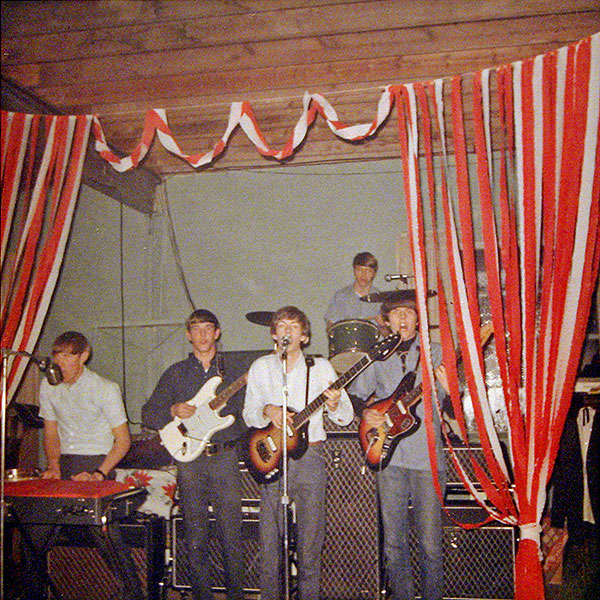
Voxmen at the Hut in Toccoa, Georgia, l-r: Bill Harding, Bill Thompson, Eddy Jordan, George Dilworth (drums), and David Westmoreland.
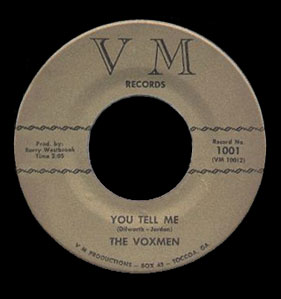
The Voxmen released two 45s on their own VM label. Although most of the band was from the town of Toccoa in northern Georgia, they often performed throughout north Georgia and South Carolina and recorded one of their records in Charlotte, North Carolina.
They recorded their first 45 in Atlanta, produced by Barry Westbrook. “They Say (You’re Gonna Lose That Girl)” is their crudest number, it sounds like many a Texas record to me. “You Tell Me”, written by George Dilworth and Eddy Jordan, is less primitive but holds up equally well, with an excellent solo and scream during the break.
They recorded their second 45, “Time Won’t Change My Mind”, at Arthur Smith’s studio in Charlotte, NC in December of 1967, a three hour’s drive from Toccoa. Their harmonies are smoother, the guitar jangly instead of distorted, and the organ takes a backseat to Sam Camp’s catchy harmonica lines. It’s a radio-friendly 45 that probably didn’t get much exposure, but it holds up very well to repeated listens.
l-r: Bill Thompson on rhythm guitar, Eddy Jordan on bass, George Dilworth on the drums, and David Westmoreland on lead guitar
I interviewed drummer, vocalist, and songwriter George Dilworth about his time with the Voxmen:
I connected with music from my earliest recollection of hearing it. Coming from a family of four – two girls and two boys – I was the oldest boy. My sisters had a small record player and I cut my teeth on Buddy Holly, Elvis, Shirelles, Platters, Bo Diddley, early rock and roll. I was always pounding away on something with my hands, which led to bongo drums. My dad died when I was eleven and my mother dated a musician for several years (they almost married). He talked me into buying a used set of drums (Slingerland, green glitter) at a music store in Greenville, SC.
Between the Beatles and Motown, I was in love with music. I played with a small three piece band (guitar, bass, and drums) called the Kapps for a few months. Meanwhile, I was also playing country music (which I dislike for the most part) with my mother’s boyfriend to supplement my income and stay in practice. We played VFW clubs, Moose Lodges, and Armory dances.
I had seen the Voxmen play at a popular hang-out in Seneca (my hometown), known as the Chicken Shack, and was impressed. When the group I first played with (The Kapps – guitar, bass, and drums) broke up, I sat in on a song or two to give drummers a break at the Chicken Shack occasionally, and Eddy and I had spoken a time or two at the shack. He undoubtedly remembered me as a drummer without a band and when they needed a drummer they tracked me down.
It surprised me to get a call from Georgia (if memory serves me correctly, [Voxmen manager] Barry Westbrook called me at home) asking if I was interested in auditioning as a drummer for the Voxmen. It was the summer of my sixteenth year. The original drummer was moving to keyboards. They also had a lead guitar (David Westmoreland), rhythm guitar (Bill Thompson), bass (Eddy Jordan). Bill Harding was the drummer moving to keyboards. I went after the position, never giving the first thought to the distance between Toccoa and Seneca should I become a member of the band. Ultimately, where there was a will, there was a way.
Mutually addicted to the Beatles, Eddy and I became close and began singing together (and later writing). Eddy tought me how to harmonize. That led to my doing more and more vocals. I am lead vocalist on both “You Tell Me” and “They Say You’re Gonna Lose That Girl”.
For the life of me, I do not remember where in Atlanta we went to record our first 45. It was an old chicken house or barn converted into a recording studio. Our manager probably set it up. Bill Harding, whom I haven’t been in contact with since the late 60’s, might recall where it was. I’ve been told he lives in Florida and that Sam has invited him to his 60th birthday jam, so, perhaps he can put you in touch with him. Anyway, it was a crude set-up, but we were excited just to be recording. We were pretty nervous at first, though we “settled in” once we began to play. The 45 sounds pretty much like what you would have heard if you had been there.
It was during this time that I met Sam Camp. He played with one of the best bands around at the time, the Avalons. I was a huge fan of the Avalons. I sat in for their drummer a time or two at the Shack and subsequently got to know some of them as time progressed. Sam was a member of the Voxmen when we recorded our second record, “Good Things” and “Time Won’t Change My Mind.”
[The photo above] was taken at the Chicken Shack sometime in 1967 prior to the Voxmen’s second release, “Time Won’t Change My Mind” and “Good Things.” The girl standing next to me was my date, Kay Chambers. Up front and center is Sam Camp on keyboards with Eddy Jordan to the far right.
The band was enjoying a close-knit period with Roy Thompson on lead guitar (not pictured) and his brother, Bill on rhythm (not pictured). Sam Camp and Roy Thompson came aboard not long after our gig in Greenville with the Dave Clark Five, bringing a much-needed seasoning to the band. We were experiencing a surge of creativity from virtually every musician in the group, culminating in the Voxmen’s last recording (December, 1967).
Our second recording was done, as you know, at Arthur Smith Studios in Charlotte. Sam loved getting to play the baby Hammond and blew us all away on the harmonica break on “Time Won’t Change My Mind.”
Eddy and I stood side by side to sing “Time Won’t Change My Mind”, with a scream from me and a “hooooo” from Eddy. I was worried about my voice that day since I had a cold (stuffy nose, scratchy throat, etc.), but it didn’t seem to bother me. Eddy and I were grinning from ear to ear or laughing out loud the whole time.
Something most people do not know is that “Time Won’t Change My Mind” was really written by Eddy and me. The original song by Roy and Eddy never quite suited us, but after Eddy and I rewrote it, we never bothered to change the credits. It’s still mine and Eddy’s favorite song by the Voxmen.
We came up with the idea for the guitar and harmonies at the end of “Good Things” the night before going up to record in Charlotte. Hearing it play back the next day in the studio was a trip. We were never quite happy with the horns on “Good Things,” but had a lot of fun doing both songs. I sing lead vocal except on “Good Things”, which is sung by Roy Thompson. Eddy, David Westmoreland, and I sang background harmonies.
About where we played live. I mentioned the Chicken Shack in Seneca. It was owned by a fellow named Charlie B. Stancil (he and a friend went in together to convert an old chicken shed into a place the young people could hear live music and dance, but the friend took his share and pulled out) who later went on to give a few live outdoor concerts on his farm in the country with groups like Edgar Winter and White Trash, Cactus, Fleetwood Mac, Marshall Tucker Band, and REO Speedwagon to name a few. Charlie’s house burned down years ago and when he rebuilt his house, he finished the basement in a smaller replica of the old Chicken Shack. Charlie brought a lot of bands to this area who would never have come otherwise. All of the young people liked Charlie B. when I was coming up.
The Voxmen with the Dave Clark Five, at the Greenville Auditorium
We played places like the Chicken Shack, youth centers (like the Hut in Toccoa) throughout SC and GA, and, at our peak, opened for the Dave Clark Five at the Greenville Auditorium in Greenville, SC. An article in the Greenville paper made a big deal of our Beatle cover song, “A Day in the Life”. We heard from several sources that we outshone the Dave Clark Five that night. I still have some photographs of the two groups backstage. (Would you believe my future wife was in the audience and managed to get my autograph that night?)
It was during this phase of the band that we discovered a group in California already had legal use of the name Voxmen. We lost Roy Thompson, our lead guitar, so, Eddy and I made a trip to Jacksonville, Florida to try and recruit an old friend of Eddy’s. We brought Karl Hague back to Toccoa with us and formed the group Fredrick Haze. Internal problems (Karl was married and his wife was expecting) broke up a pretty good sound that never saw maturity. I got a job and married Deborah while the band was fizzling and never attempted to re-enter the field of music.
The keyboardist and harmonica player on “Time Won’t Change My Mind,” Sam Camp, has continued to play music over the duration of his life. He is primarily a saxophone player. He threw a big jam at his place ten years ago when he turned fifty. He’s doing it again this October for his sixtieth and it’s going to be the best yet. We’re trying to get all the old band members to attend.
George Dilworth drumming at the Greenville Auditorium. Eddy Jordan on bass in foreground.
Special thanks to George for taking the time to answer my questions and for sending the photos of the band, and to Sam Camp for the photo of the Frederick Haze poster. Sam tells me the reunion was a great success, with the band playing for over three hours. I hope to add his story on the band, along with some photos in the near future. Check out the Avalons, Sam Camp’s band before joining the Voxmen.
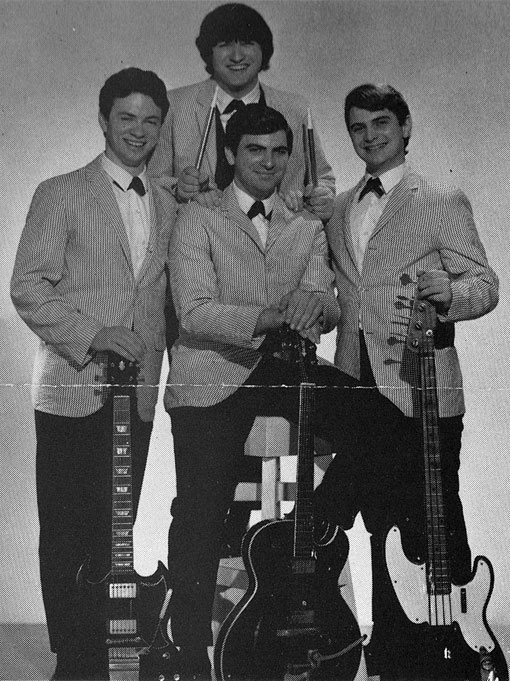
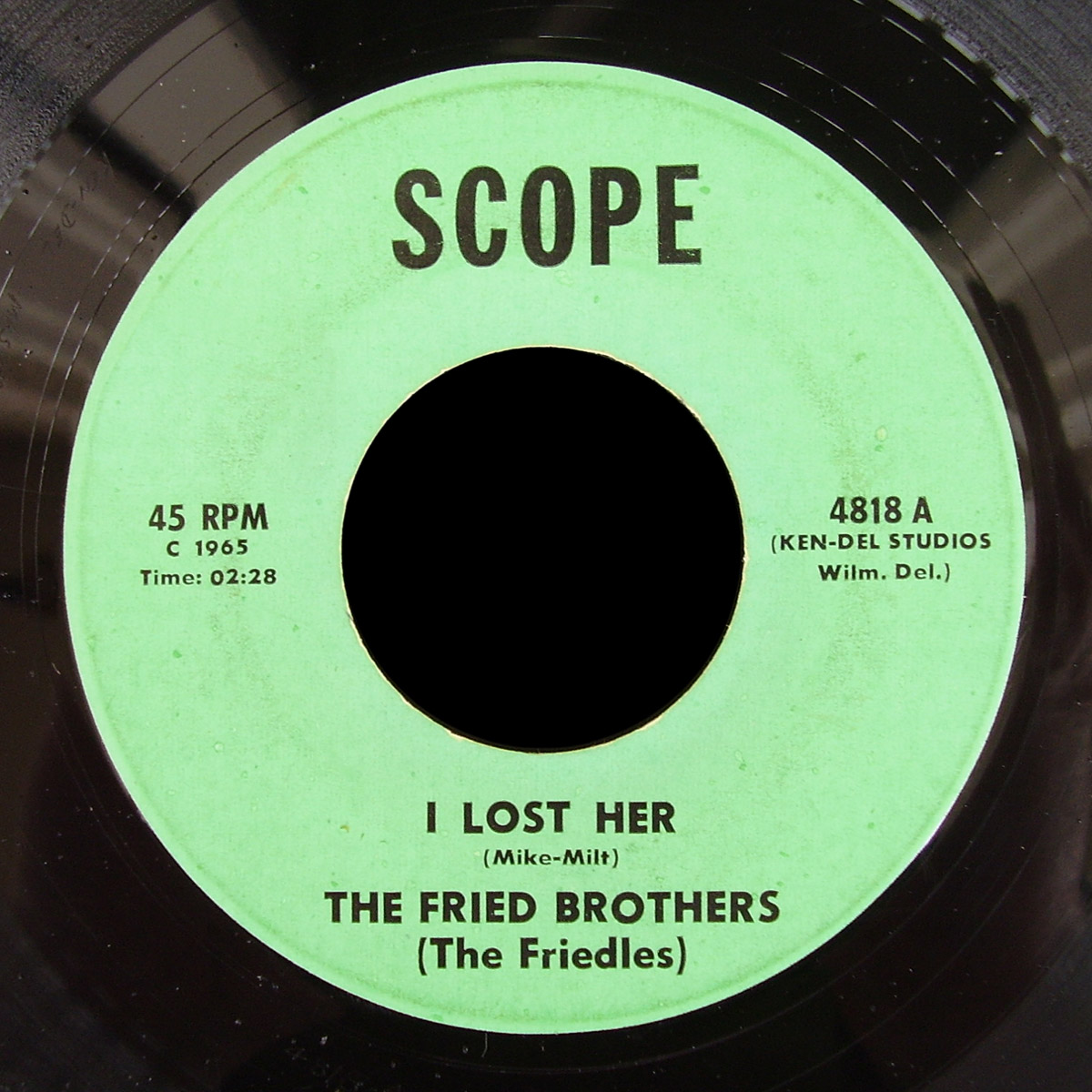
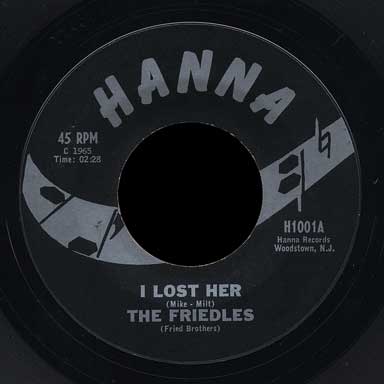
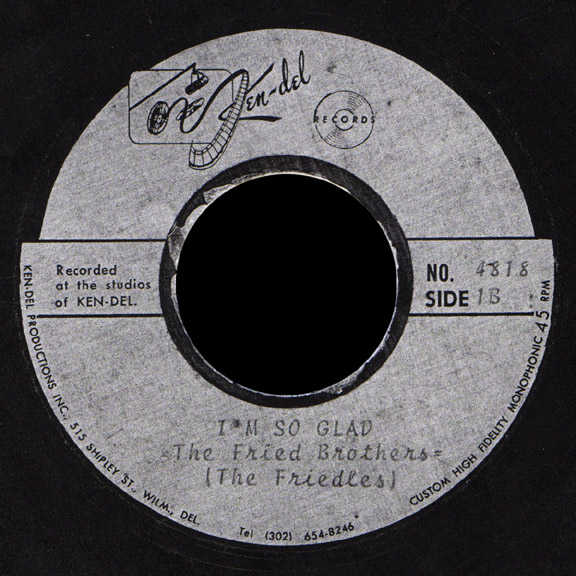
The Friedles were the four Fried brothers from Penns Grove in southwestern New Jersey: Mike and Herman Fried on guitars, Simon Fried on bass and Milton Fried (just 14 years old at the time of their first record!) on drums.They went across the river to Ken-Del Studio in Wilmington, Delaware to make their first record “I Lost Her” / “I’m So Glad” with Milt singing lead vocals. Released as the Fried Brothers on Scope, it was mastered louder and issued again on the Hanna label. The sound may come off as somewhat crude, but there’s no denying the energy and spirit in the brothers’ delivery. “I Lost Her” was written by Mike and Milt, “I’m So Glad” by Herm and Milt.
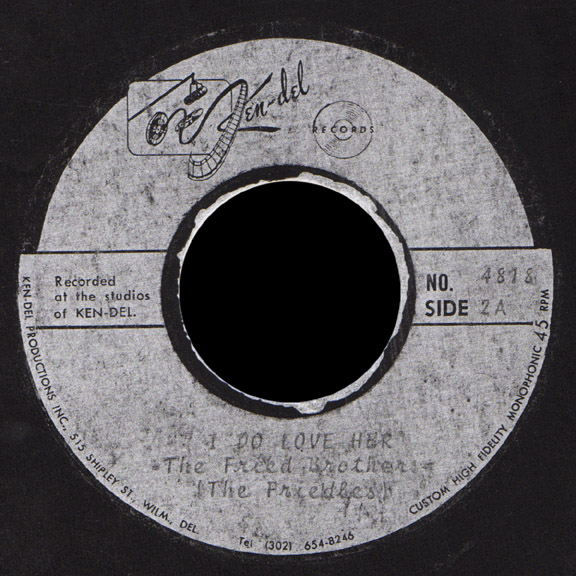
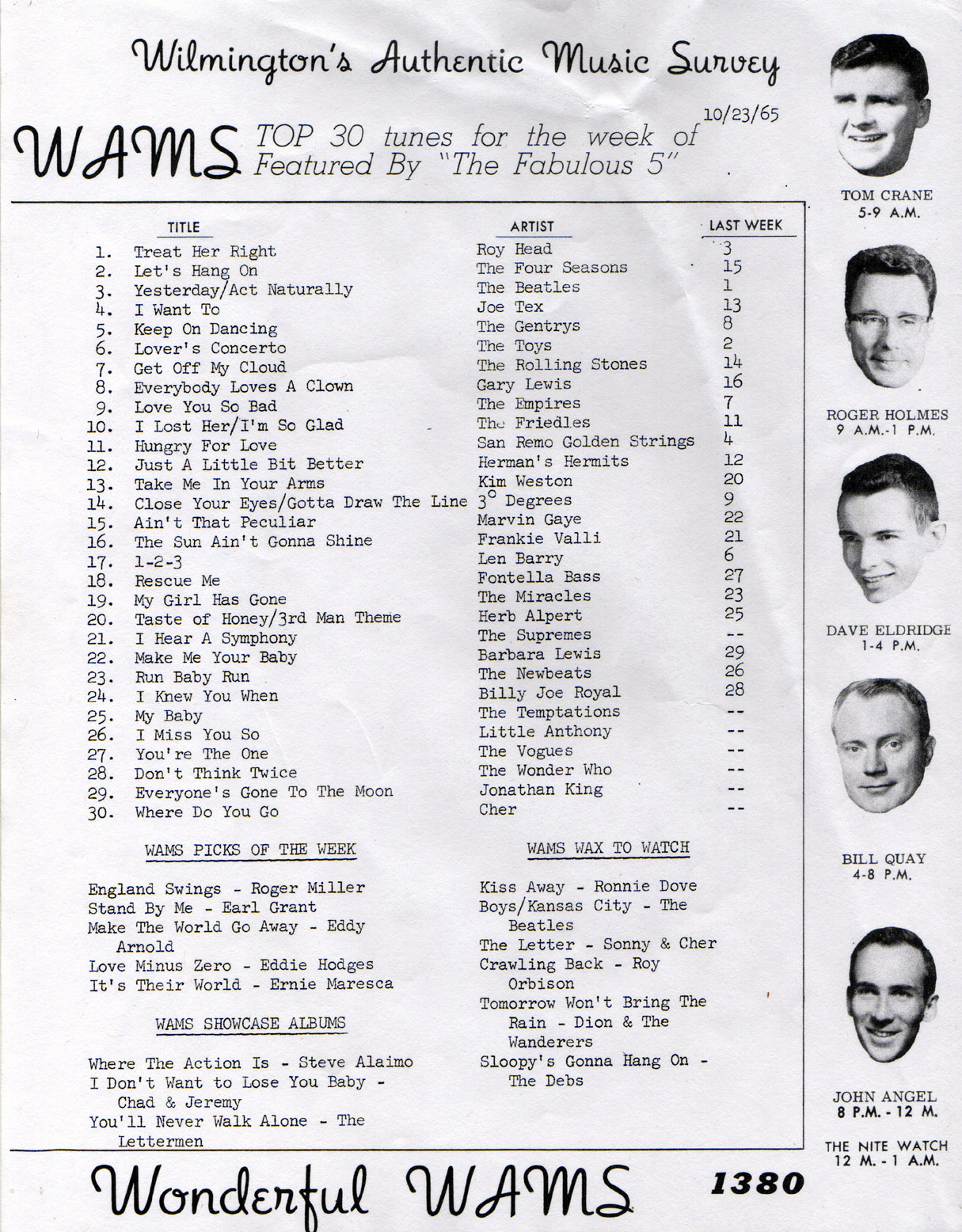
The Fried Brothers (Friedles) Ken-Del demo 45 rpm I Do Love Her“I Lost Her” entered Wilmington, DE station WAMS Top 30 survey the week of September 11, 1965 at #30. In the following weeks it rose to #24, #17, #13 (this time listed with it’s flip side, “I’m So Glad”), #11 and finally reached #10, its highest point, on October 23.
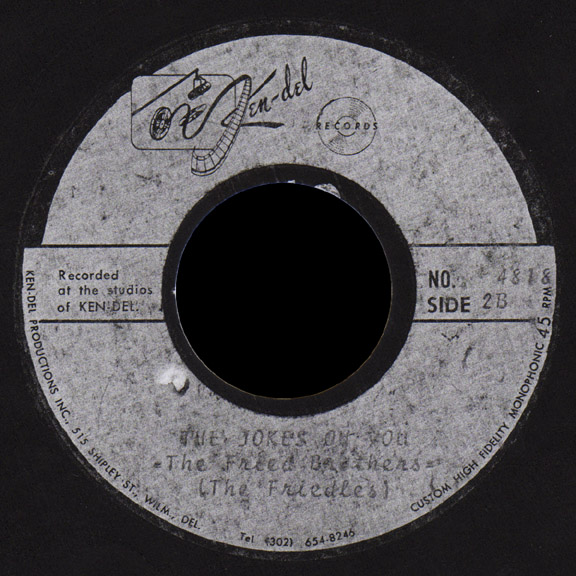
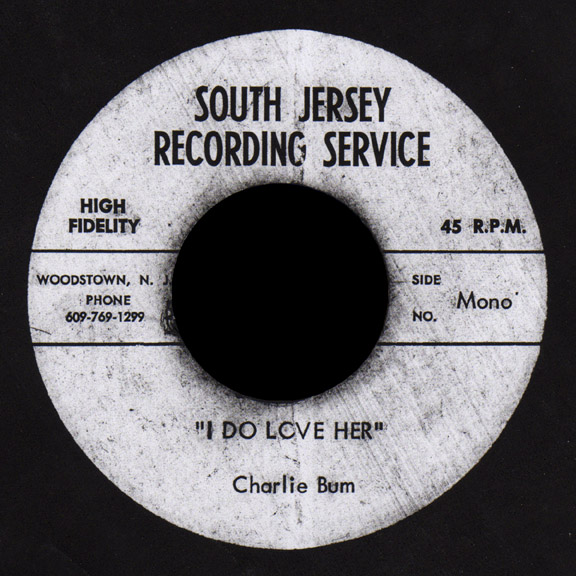
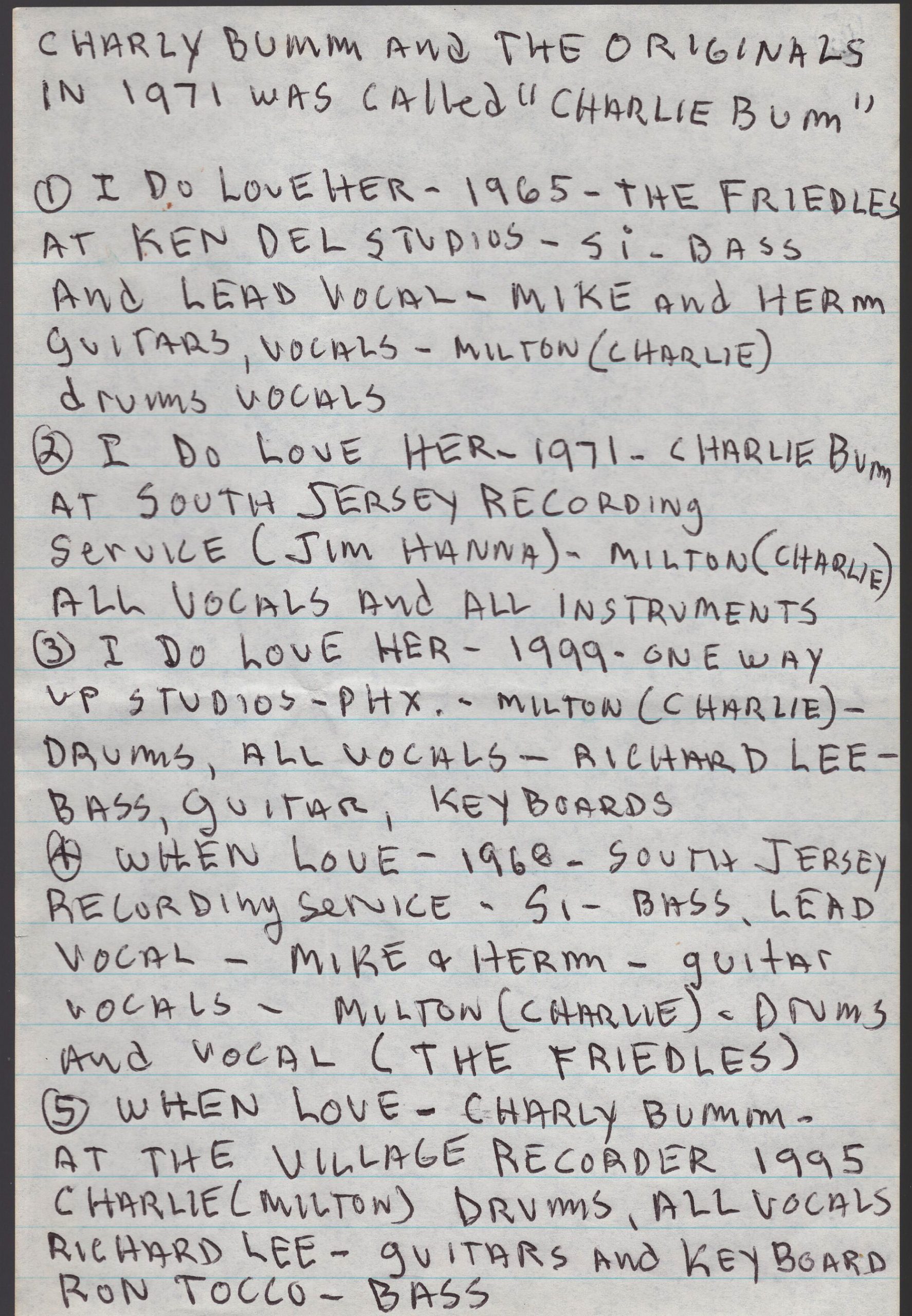
Two other songs from their early sessions at Ken Del went unissued, “I Do Love Her”, with lead vocals by Si Fried, and “The Joke’s on You”, which I haven’t heard. Both of these were written by the Fried brothers, as were the two songs on their next record.
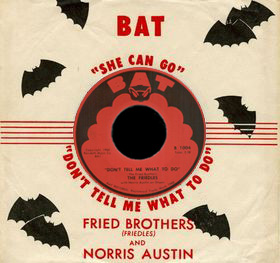
Issued in a cool bat-themed sleeve for some reason, “She Can Go” is kind of a cross between the Searchers’ “Needles and Pins” and the Zombies’ “Tell Her No”. “Don’t Tell Me What to Do” on the flip sounds more natural, with fine punk attitude and great harmonies. The song opens with a great bass line, and Mike and Herm Fried’s guitar playing is excellent throughout. This record credits Norris Austin on organ, and the drumming by Milt is excellent.
The Fried Brothers (Friedles) Ken-Del demo 45 rpm The Jokes On You
Fried Brothers (Friedles) South Jersey Recording Service demo 45 When Love
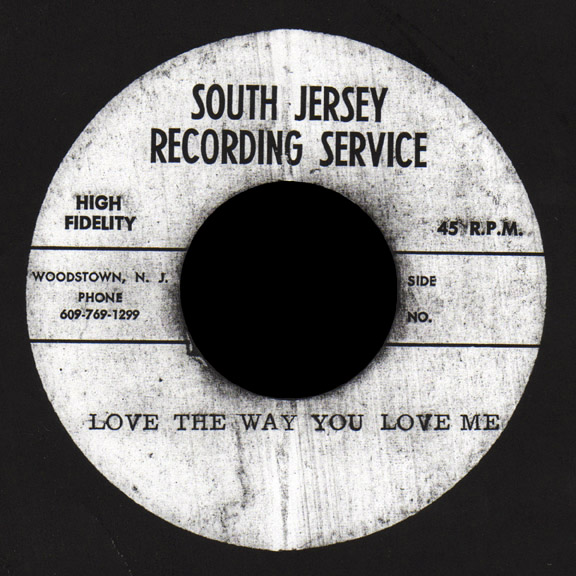
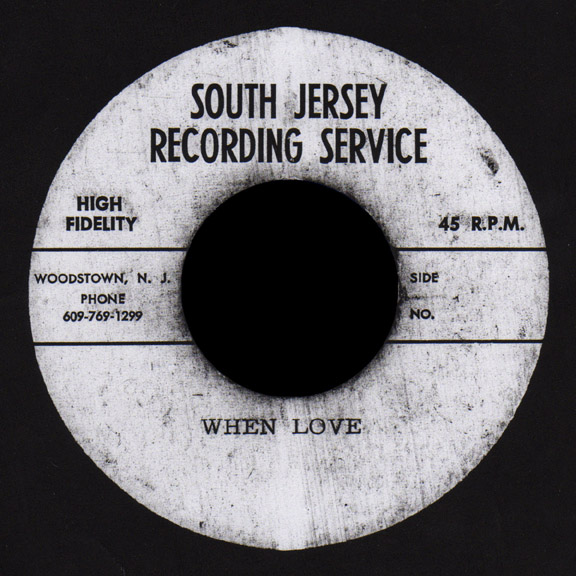
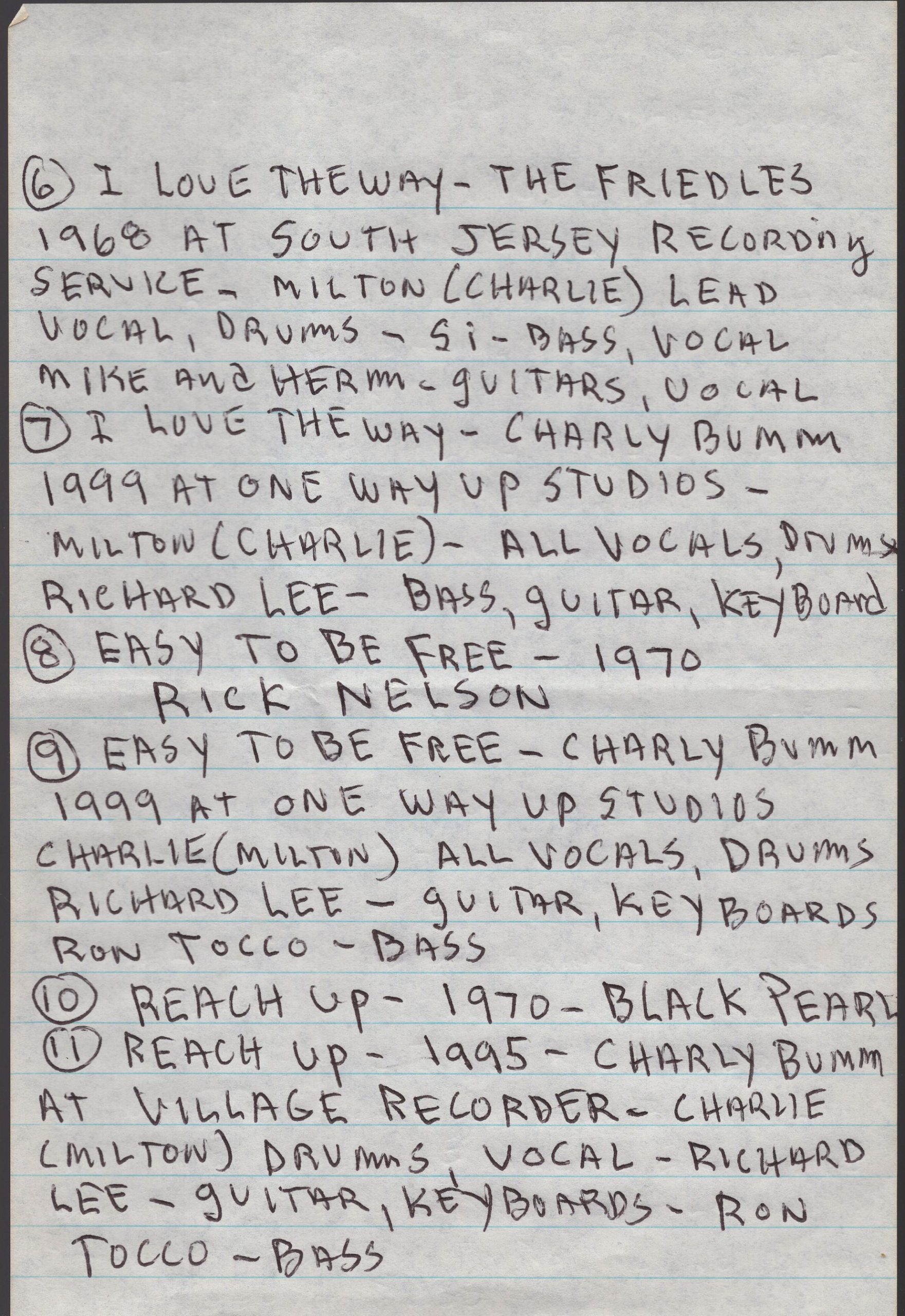
By 1968 their sound had become psychedelic, even as their image stayed fairly conservative. The band went to Jim Hanna’s South Jersey Recording Service in Woodstown, NJ to cut a couple songs that weren’t issued at the time. Bassist Si Fried sings “When Love”. One of the great unissued songs of the ’60s, it didn’t see the light of day until 1984, when it was released on the classic and long out-of-print Attack of the Jersey Teens compilation, which I also have to thank for the photo of the band.
The other song from this session is also excellent, “Love the Way You Love Me”, sung by Milt.
Charlie Bum South Jersey Recording Service demo 45 When Love
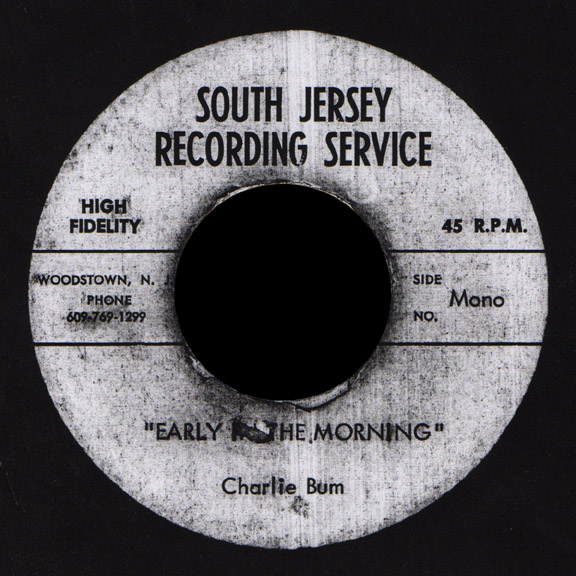
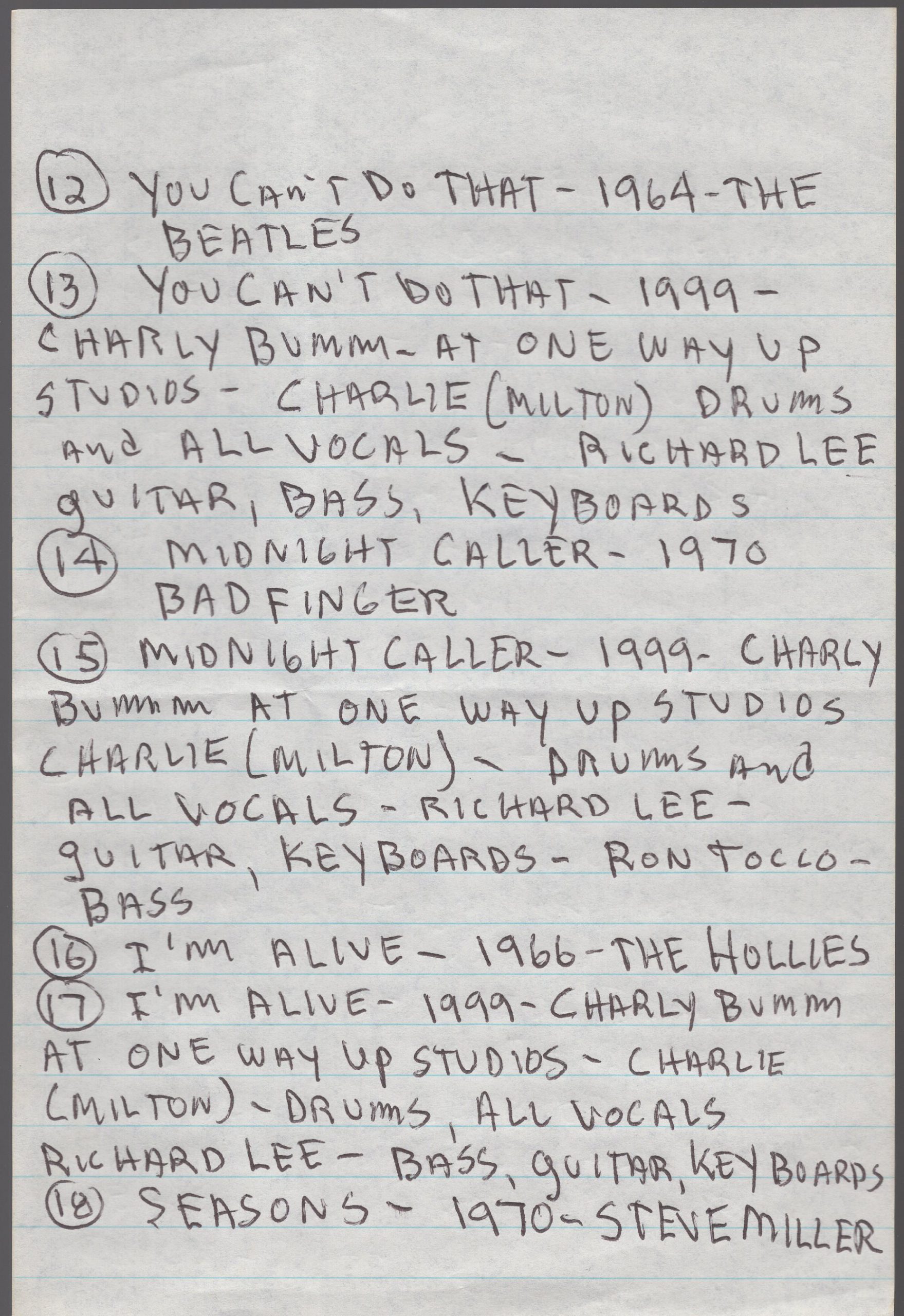
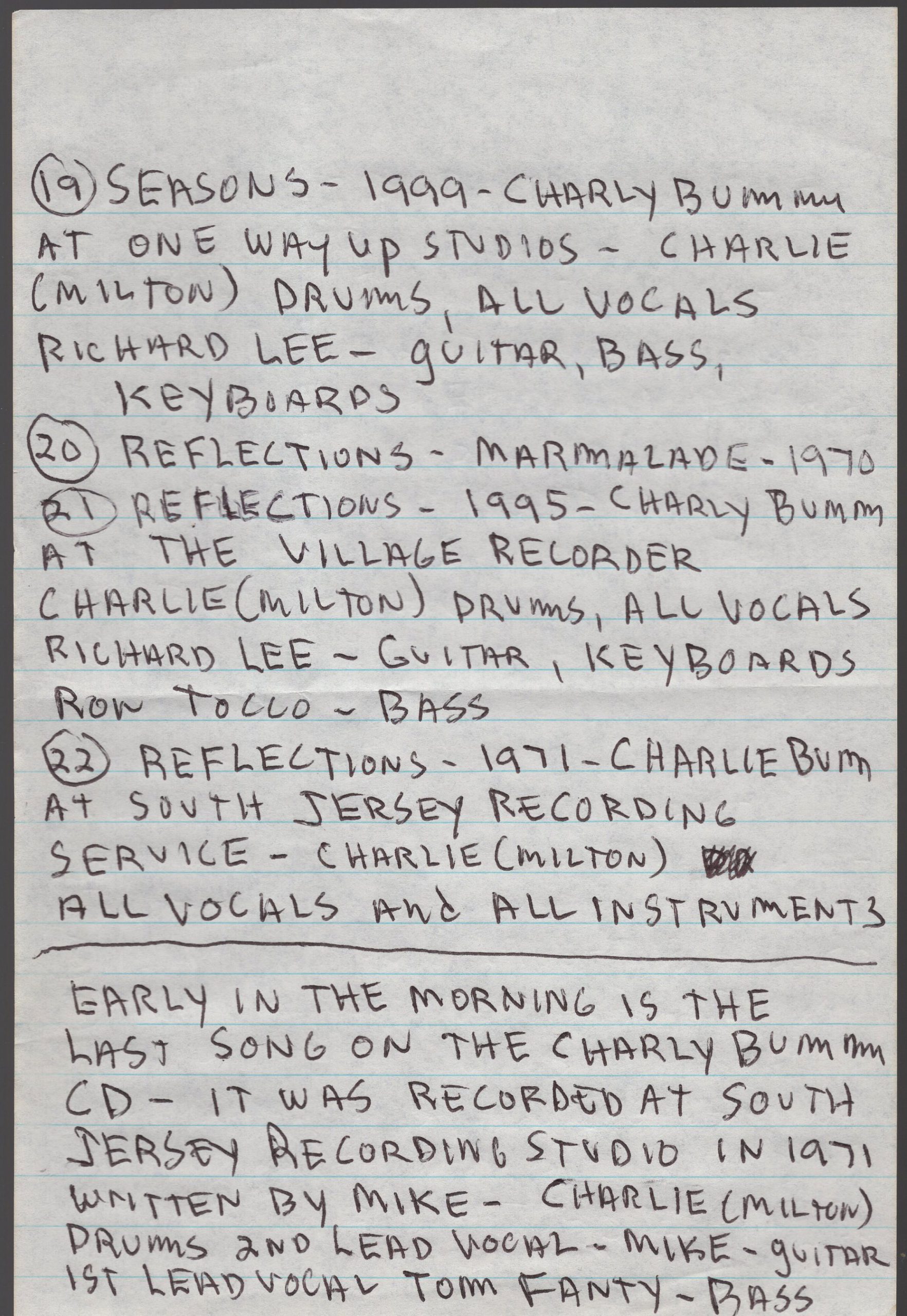
The band seems to have dissolved soon after. Milton Fried started referring to himself as Charlie, or Charlie Bumm. He and Mike Fried went back to South Jersey in 1971 to cut Mike’s song “Early in the Morning”. With the band credited as ‘Charlie Bum’, Mike plays guitar and takes the first lead vocal, Charlie played drums and sings the second lead (with the high-pitched wails), and Tom Fanty played bass. Two other songs recorded at South Jersey in ’71 feature Charlie playing all instruments and vocals: a slower version of their ’65 song “I Do Love Her” and a cover of the Marmalade’s “Reflections of My Life”. For some reason, these songs are in mono on the acetates.
Simon Fried passed away in 1999. Thank you to Charlie Fried for sending me additional songs, information about the sessions and photocopies of the acetate label scans.
Thanks also to Joe Mullin for the scan of his Scope 45.
Update: Mike Fried passed away on March 15, 2013.
Charlie Bum South Jersey Recording Service demo 45 I Do Love HerFried Brothers (Friedles) Ken-Del demo 45 rpm I’m So GladMilton Fried’s notes on the songs of the Friedles and Charlie Bum 1Milton Fried’s notes on the songs of the Friedles and Charlie Bum 2Milton Fried’s notes on the songs of the Friedles and Charlie Bum 3Milton Fried’s notes on the songs of the Friedles and Charlie Bum 4
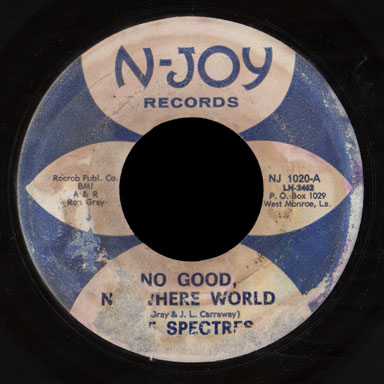
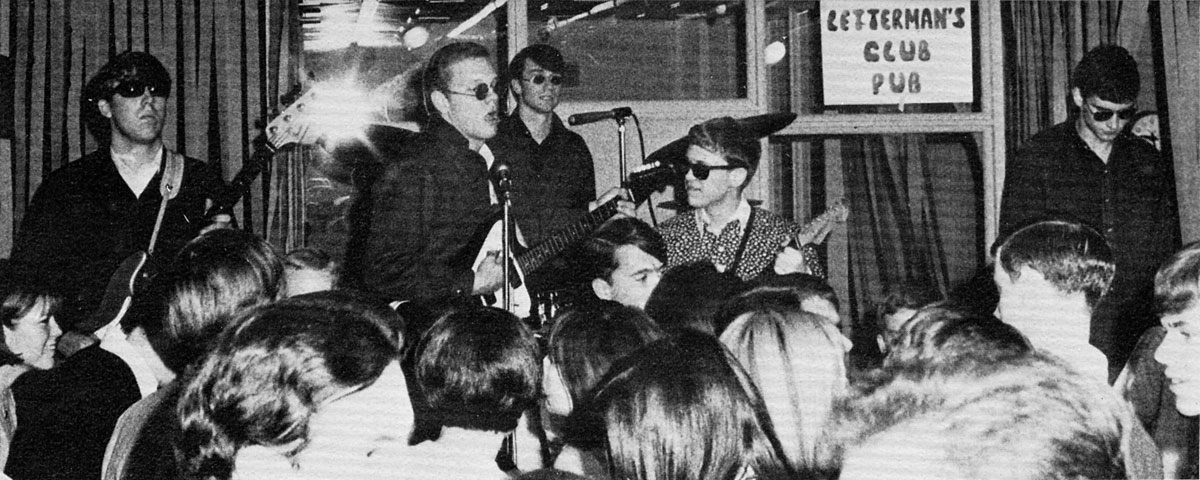
The Spectres formed at Louisiana Tech in Ruston, and then based themselves in Monroe, which is about halfway between Shreveport, LA and Jackson, Mississippi. Band members included Daniel Gilbert on lead guitar, Jim Steele on vocals, Sidney Boone on keyboards and vocals and Woodie Bardin on keyboards.
Their repertoire leaned heavily on soul songs, and they often played at the Dynasty in West Monroe.
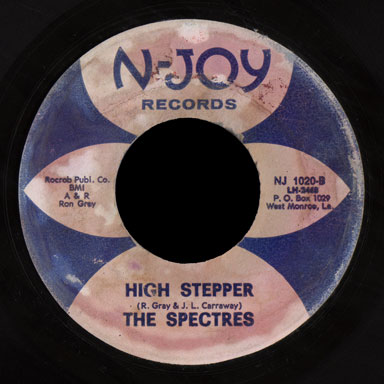
Monroe was also the base for the N-Joy label, run by Rocky Robbins. Both sides of the Spectres 45 were written by Ron Gray and J.L. Carraway. Gray did A&R for the label and had his own group, the Countdowns, with whom he released three earlier 45s on the N-Joy label, some of which I hope to feature soon. I’d be interested to know why he had the Spectres record these songs instead of his own group.
“No Good, No Where World” has a neat keyboard riff, and a heavy beat. It’s well produced with a nice pop sensibility, while “High Stepper” is a bit of a throwaway, maybe closer to their live sound. My copy of the record has some serious Katrina/Rita water damage on the labels.
Jim Steele contacted me and also sent in the two songs from the later 45:
The writers Ron & Jerry were disc jockeys in Sherveport where we cut those two sides on N-joy at Sound on Sound Studios, which burned down many years ago. Other band members besides Daniel, Sidney, and Woodard were Terry Montgomery on bass – his brother the late Vince Mongomery played bass in the very popular band from Mississippi, The Gants, and our crazy drummer Billy Bass…he’s still crazy after all these years.
You’re right about “High Stepper” it should have been thrown away! The lyrics were handed to me as I was singing them. Sidney did the harmony. He did all the soul stuff. The band even changed to gold jackets for that part of the show. I sang on the Brit Invasion and pop stuff. Unfortuately Sidney died years ago..a very talented man. We all miss him.
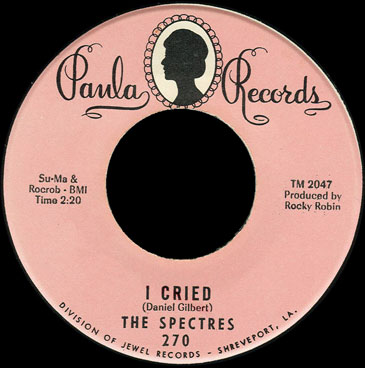
For some reason Daniel didn’t play guitar on Stepper, Bobby Stampley, who played in The Uniques with his brother Joe played on it. We cut two more sides in the the fall of 66.
I got drafted in the Army in Aug of that year, but came home on leave and we went to Robin Hood Brians studio in Texas to record two songs that Daniel had written. “I Cried” and “Psychodelic Situation”. Their new singer also sang, but I forgot his name. They came out on Paula, Stan Lewis’ label in Shreveport. I recently found “I Cried” on an Aussie compilation, Wyld Sydes Vol5. Did you get your royalities Daniel? Since I got out of the Army, I’ve played in a few bands and worked in radio. I currently DJ at Classic Hits LA105.3 in Monroe, Louisiana.
“Psychodelic Situation” is not very mind-bending, but it’s a solid song, and “I Cried” is even better. Both sides were produced by Rocky Robin. Thank you Jim for your comments and for sending in these two songs.
This site is a work in progress on 1960s garage rock bands. All entries can be updated, corrected and expanded. If you have information on a band featured here, please let me know and I will update the site and credit you accordingly.
I am dedicated to making this site a center for research about '60s music scenes. Please consider donating archival materials such as photos, records, news clippings, scrapbooks or other material from the '60s. Please contact me at rchrisbishop@gmail.com if you can loan or donate original materials

 Arthur Herman presents the history of his group the Symbols, creators of the minimalist garage classic, “What You’ve Shown”. All photos are from Ken Johnson’s collection.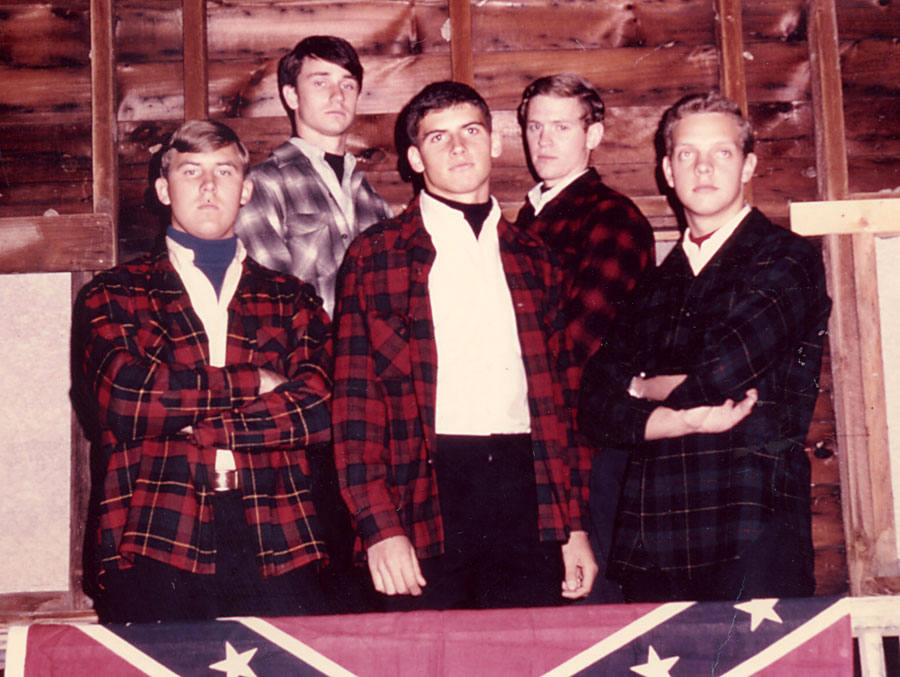



 The Balladeers were from Woonsockett, Rhode Island. In the summer of 1965 they traveled twenty miles north to Framingham, Massachusetts to record this 45 at Continental Recording Studios. It appears to have been the first record released on studio owner Tom Flynn’s Cori label.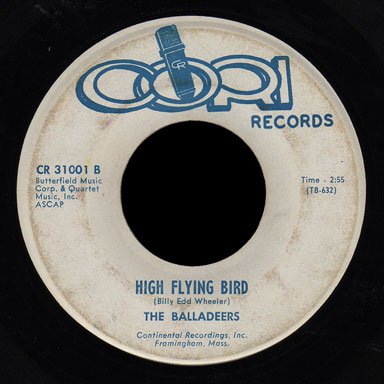
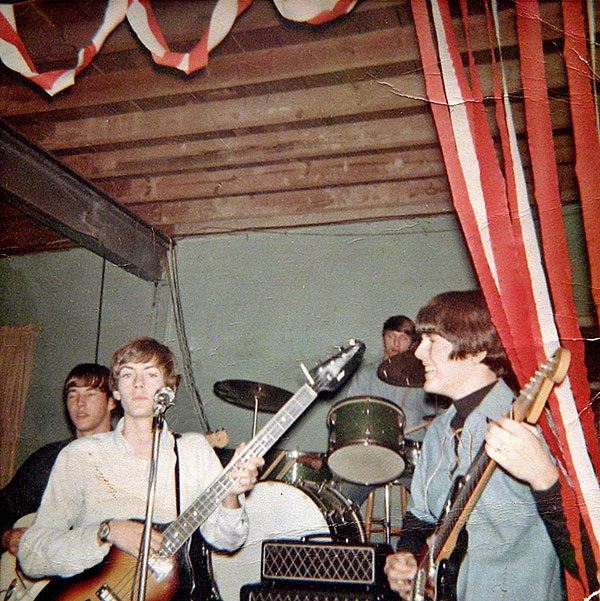
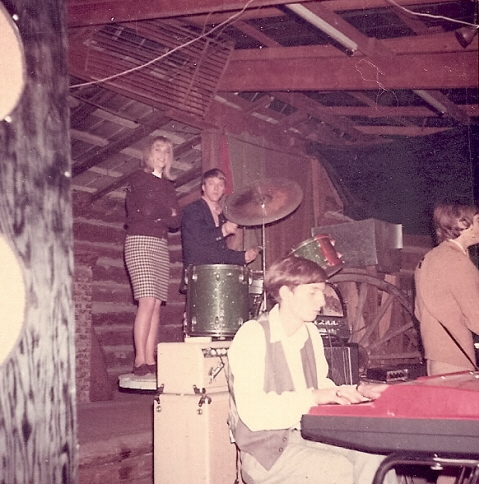
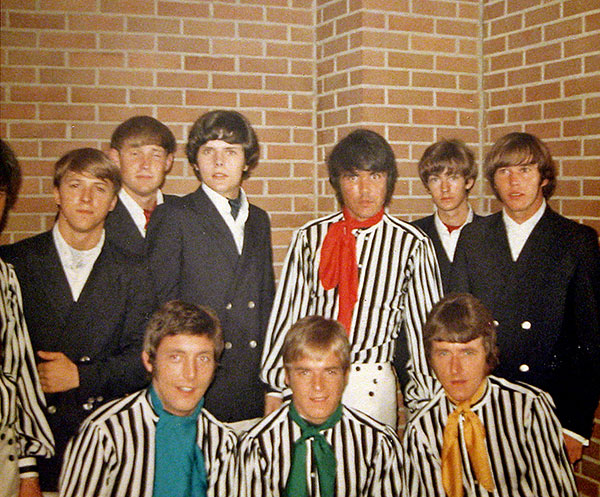
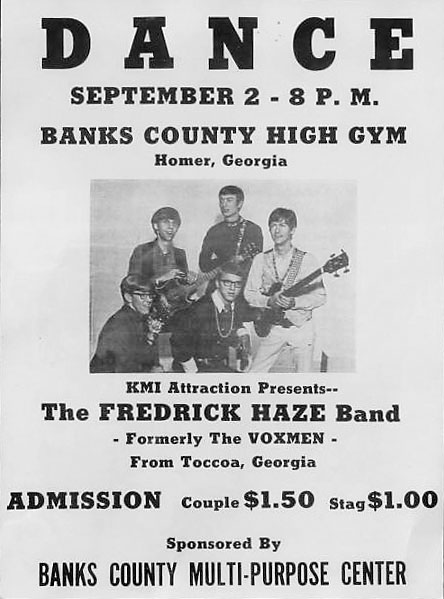 It was during this phase of the band that we discovered a group in California already had legal use of the name Voxmen. We lost Roy Thompson, our lead guitar, so, Eddy and I made a trip to Jacksonville, Florida to try and recruit an old friend of Eddy’s. We brought Karl Hague back to Toccoa with us and formed the group Fredrick Haze. Internal problems (Karl was married and his wife was expecting) broke up a pretty good sound that never saw maturity. I got a job and married Deborah while the band was fizzling and never attempted to re-enter the field of music.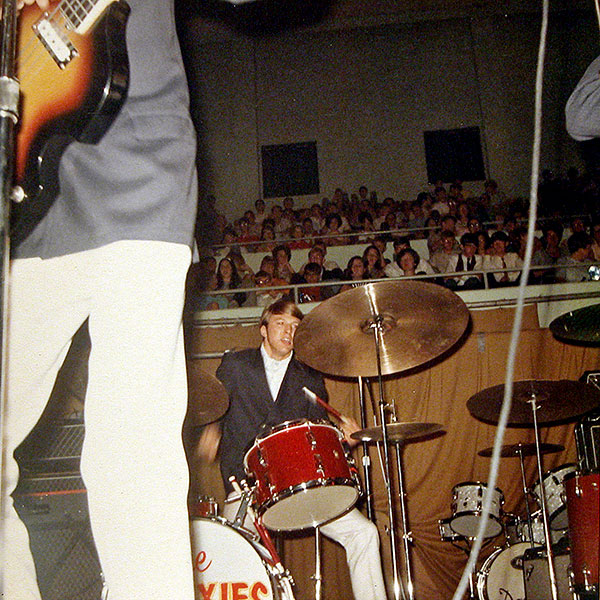
 The Spectres formed at Louisiana Tech in Ruston, and then based themselves in Monroe, which is about halfway between Shreveport, LA and Jackson, Mississippi. Band members included Daniel Gilbert on lead guitar, Jim Steele on vocals, Sidney Boone on keyboards and vocals and Woodie Bardin on keyboards.
 “No Good, No Where World” has a neat keyboard riff, and a heavy beat. It’s well produced with a nice pop sensibility, while “High Stepper” is a bit of a throwaway, maybe closer to their live sound. My copy of the record has some serious Katrina/Rita water damage on the labels.