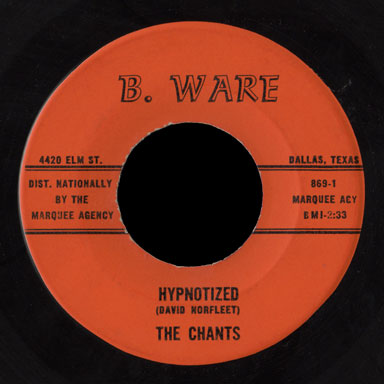
 The Chants released one great 45 in late 1966, “Hypnotized” b/w “Elaina”. The B. Ware label was owned by William Ware, who ran the Pirates’ Nook club and his booking agency at the 4420 Elm St. address listed on the label. Bill Ware gave me the phone number of Chants’ vocalist Darrel Howard, which led to a long conversation with Darrel and lead guitarist David Norfleet about their time in music.
The Chants formed at Garland High School. David Norfleet had started out on steel guitar, but after hearing Elvis he knew he wanted to be playing rock n’ roll, and Chuck Berry became his main inspiration on guitar. Ron Vargesko played rhythm guitar, Forest Eubank drums, and Brownie Sherrill played bass.
Darrel Howard’s best friend in high school, Tommy Galbert, was the keyboard player for the group. When their original lead singer left to go to college, Darrel volunteered to sing. When Tommy went into the Navy, the band did without a keyboardist for some time.
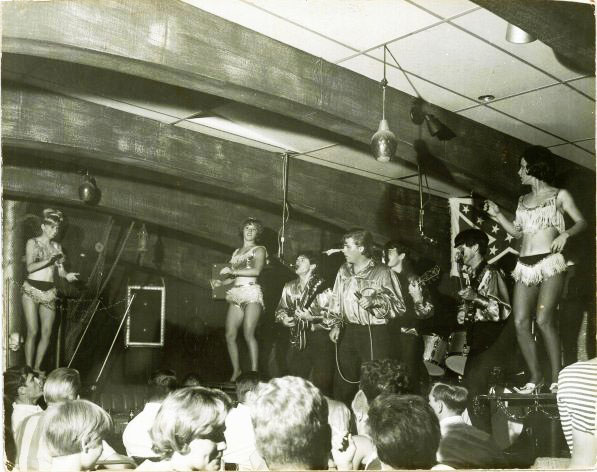
The Pirate’s Nook nightclub opened in 1963 on the corner of Elm & Carroll in east Dallas, then a hot area for night life. The club had once been an old hotel, with a glass showcase out front announcing the bands. It had high ceilings, a central stage and platforms on the sides for go-go dancers. I was surprised to hear there was no dance floor, though.
The Chants auditioned for the gig at the Pirates Nook and started there in early 1966, taking over for the Chapparals. The Nook previously hosted extended residencies from Oklahoma’s Five Americans, who were discovered by Abnak there; the Allusions (also from Oklahoma); and the Just Us Five.
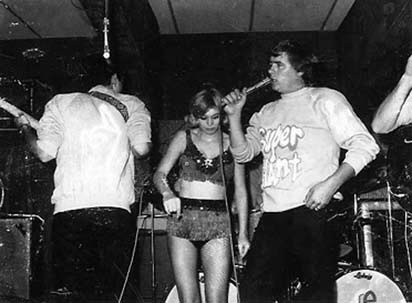
The band played six nights a week to packed crowds for about a year and a half. Brownie and Forest were still seniors in high school at the start. The Chants’ live act consisted mostly of Top 40 covers, including James Brown, Beatles, and Sam and Dave hits. They played occasional shows outside the Nook if the money was good, including once at Texas Tech with the Chessmen. Unfortunately their live show was never recorded.
The band rarely played original songs while at the Nook. During practice Bill Ware heard them rehearsing a couple of David’s original songs and decided they should make a record. The band went to the old Sumet Sound Studios (later Sumet-Burnet Recording, I believe) in late ’66. Darrel Howard sang lead on Hypnotized, and David Norfleet sang Elaina.
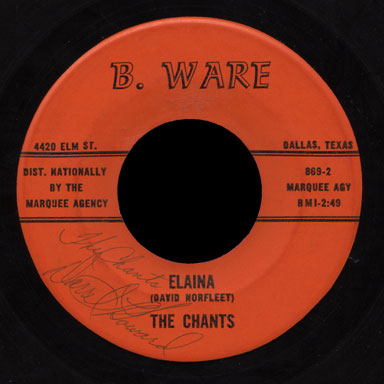 Rhythm guitarist Ron Vargesko had grown up playing the accordion, and while trying the studio’s organ he came up with keyboard parts the band decided to work into the record. After the session the other members told Ron he should move over to keyboards permanently!
Both sides showed commercial potential, leading the big Dallas top 40 station KBOX to chose it as a pick hit. KBOX wanted the Chants to promote the 45 at station-sponsored shows around town. Bill Ware had the band under contract, though, and wouldn’t let them play to promote the record without payment. KBOX, of course, pulled it from their playlist and the record sank.
The band felt Bill had blown this chance, and that if another opportunity came up in the future he might interfere with that as well. When their contract ran out they wouldn’t resign.
The band moved to the Cajun Club at the Quarter Apartments on Maple Ave. This was the nicer of the two Cajun Clubs. The one on the east side, where Dusty Hill played with the Warlocks, was a dive in comparison.
At the Cajun Club the band became friends with the Five Americans who lived at the apartments and were often at the club. The Five Americans worked with the Chants on some songs, but according to David, everything came out sounding like the Five Americans!
 David also worked with two bartenders at the Cajun Club, John Broberg and Randy Shelton. Broberg and Shelton had written a song called Help Me Find a Way with Neal St. John. David went into the studio with them a few times, and a 45 of the song was released as by The Upper Class on Charay. It later was picked up for national release by the United Artists Smash label, but never became a hit.
While at Cajun club Ron quit and Forest was drafted. Finding new members, the Chants took to the road, ending up in Lawton, Oklahoma with a residency at the Tradewinds club. One by one band members left; by the time the Chants finished up in California, only the bass player was left. While at the Tradewinds. David quit music for three years to take care of his wife and new baby.
Darrel Howard left the Chants and joined Quest from 1969-1975, singing and playing keyboards, and recording a privately-pressed album with them. He retired from playing music professionally, and started building race cars.
David Norfleet went into the Hyde Park Circus, played at the Fog Club and Soul City. The Fog was an afterhours place, and touring acts like Jimi Hendrix, Bobby Hatfield of the Righteous Brothers, and John Fogerty sat in while he was there. David went to Europe in ’77-’80 with the Bandits, sharing bills with Dire Straits, Golden Earring, and the Boomtown Rats at the Paradiso Club in Amsterdam. He returned to Dallas and continued working in music professionally until just a few years ago.
Updates
David Norfleet passed on July 4, 2008.
Bill Ware, proprietor of the Pirate’s Nook and owner of the William Ware Agency passed away on May 9, 2012. When I corresponded with Bill a few years ago he had fond memories of the Nook and the bands that played there. He kindly allowed me to use photos from his site for this article.
Ron Vargesko passed away on June 6, 2013, according to a comment below.
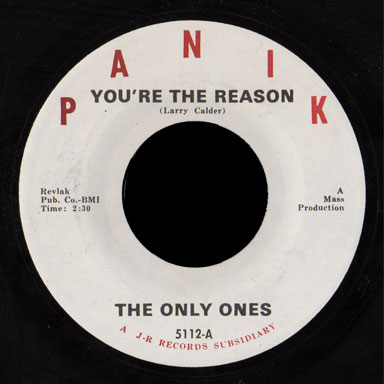 The Only Ones have one good harmony pop 45 on the Panik label, “You’re the Reason” and “Find a Way”. Larry Calder wrote both songs, registered with the Library of Congress in September, 1966 along with another original “The Only One” that seems to have been unreleased.
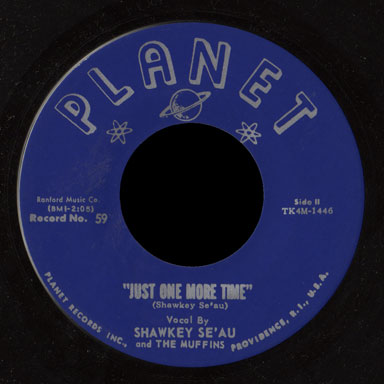 Shawkey Se’au and the Muffins are thought to be from Rhode Island.
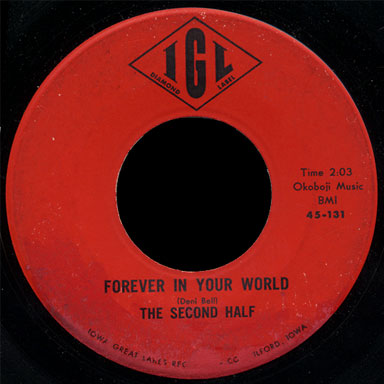 The Second Half were long rumored to have come from southwestern Minnesota, Jasper to be exact – if a rumor could be exact. Actually they were from Des Moines, Iowa, as I learned from Steve Acheson, who put me in touch with his brother David, the bassist for the group.
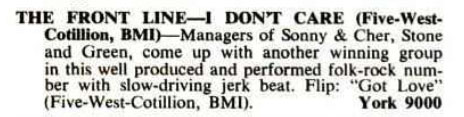
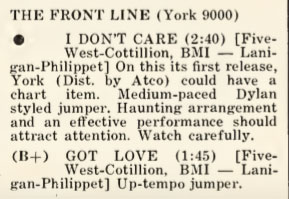
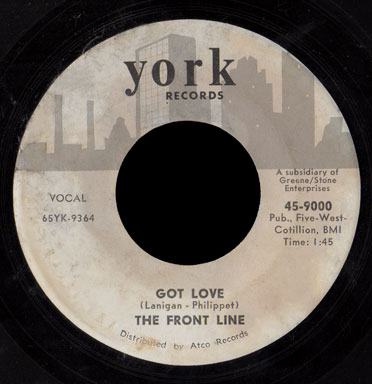 The Front Line were based in San Rafael, in Marin County, California. Members included Gary Philippet on keyboards, Bill Bowen on drums, Rex Larsen, Jim Brewer and Dennis Lanigan. Philippet had been in a few earlier bands, including the Mystics and the Pullice. Bowen and Philippet were both part of Electric Train, who recorded two songs found on an acetate but not released at the time.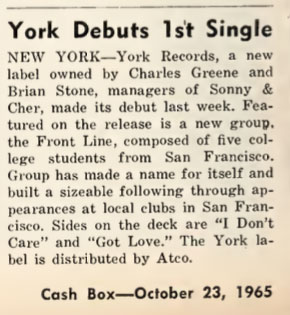
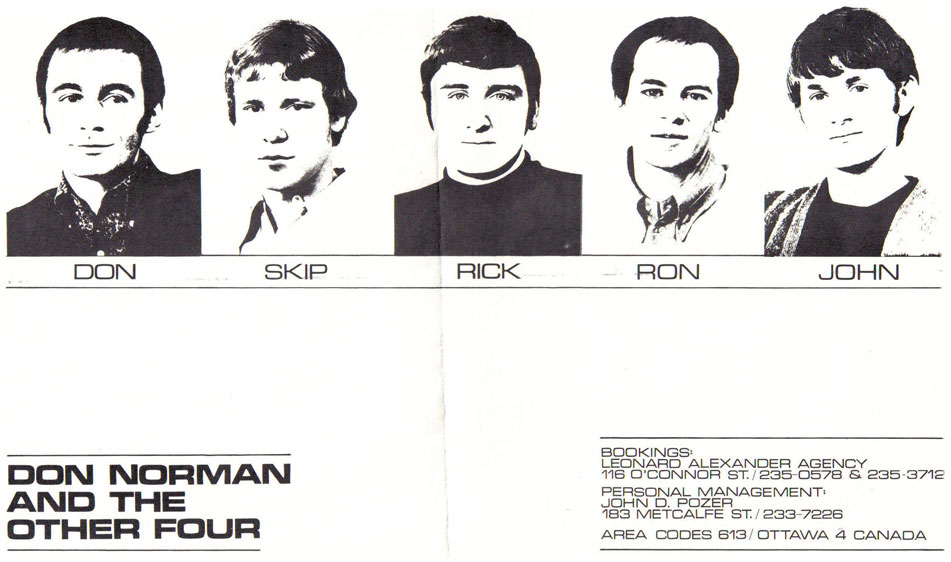
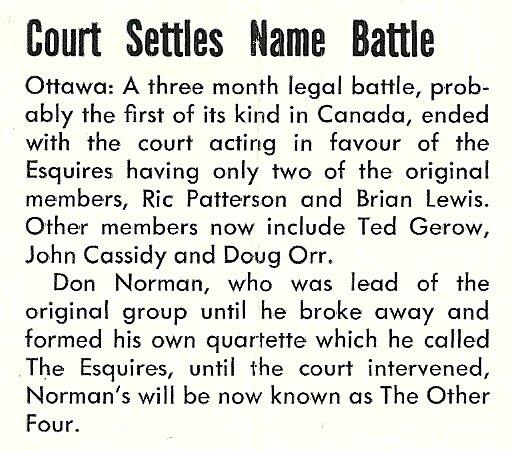
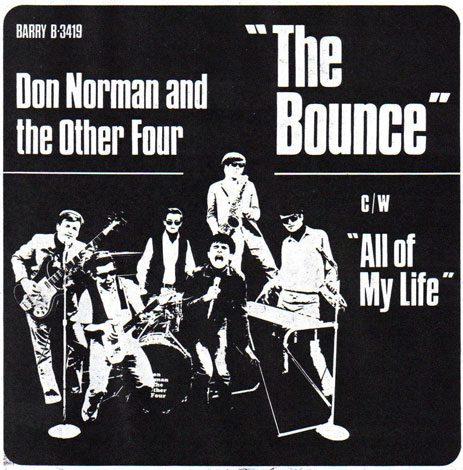
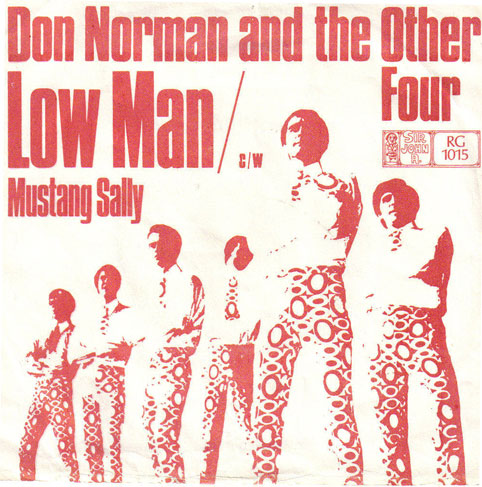
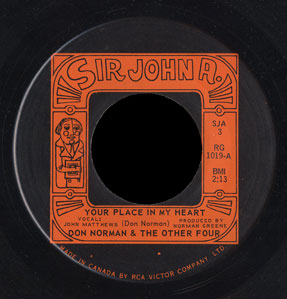
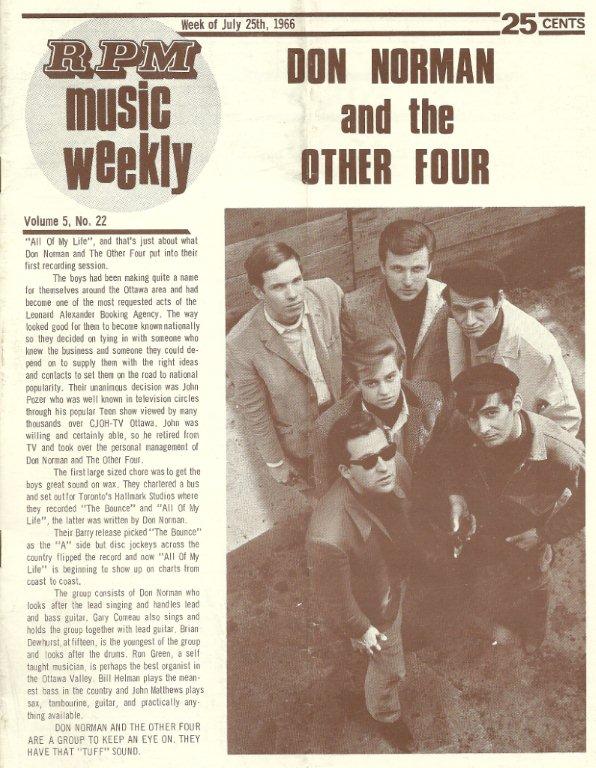
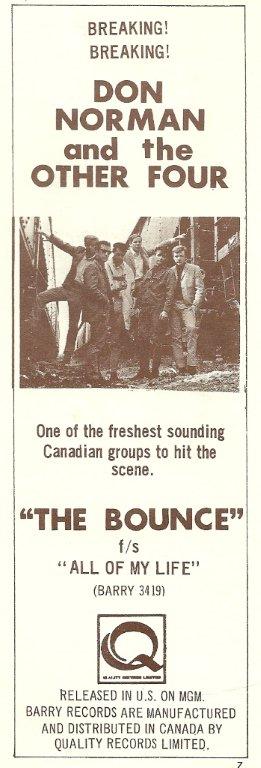
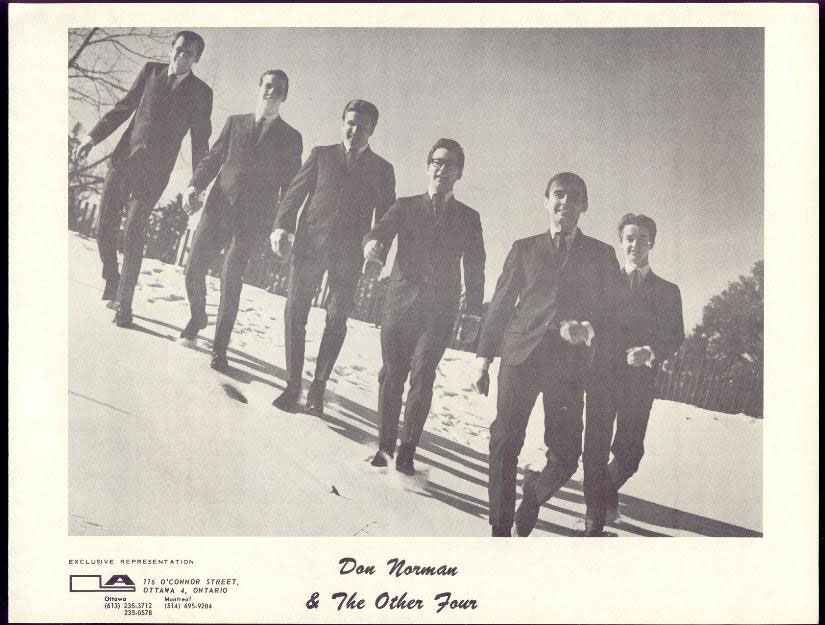
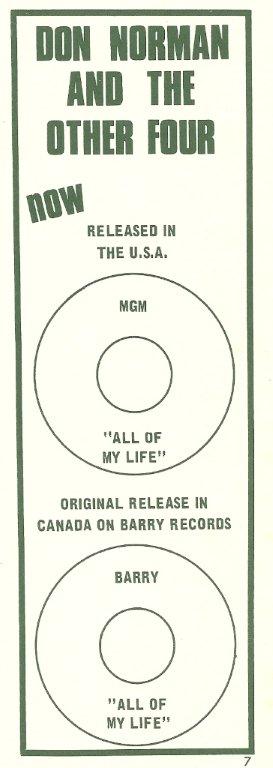
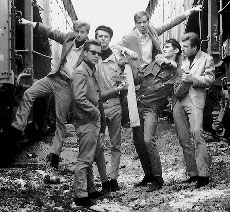 Don had an acrimonious break with the Esquires in the summer of ’65, leading to a lawsuit when he named his new band Don Norman and the Esquires. He gave up the Esquires name, but his departure from the band cost the original Esquires their contract with Capitol. The band he formed became Don Norman and the Other Four: Gary Comeau (who had also been in the Esquires) on lead guitar, Bill Hellman bass, Ron Greene organ and Brian Dewherst on drums. With the addition of John Matthews on sax, the Other Four were five!