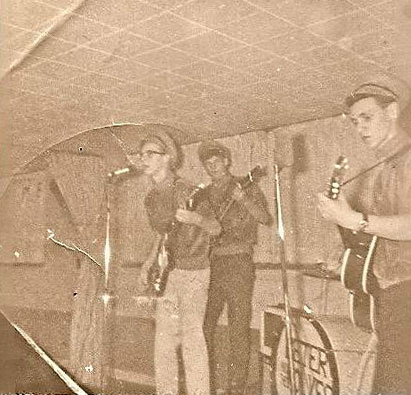
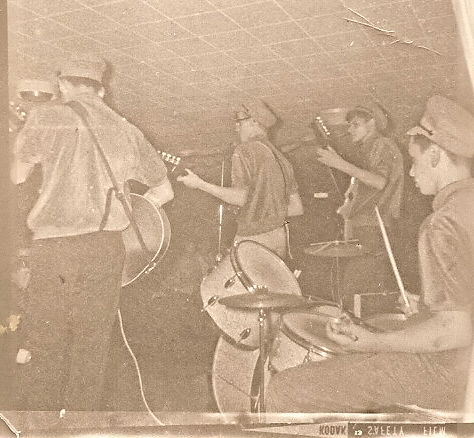
The Rovin’ Flames at “Safety Village” theme park, 1966
Revised November 2009
The Rovin’ Flames were a major group out of Tampa, Florida. They went through many lineup changes, and it’s only thanks to Dorothy Chapman, the former Secretary and later Vice President of the Rovin’ Flames Fan Club that I can give a detailed listing of lineup changes.
Original lineup, 1965 – spring or summer of 1966:
Paul Battle – rhythm guitar, vocals Jimmy “Mouse” Morris – lead guitar J. R. Maietta – bass Jerry Goff – drums
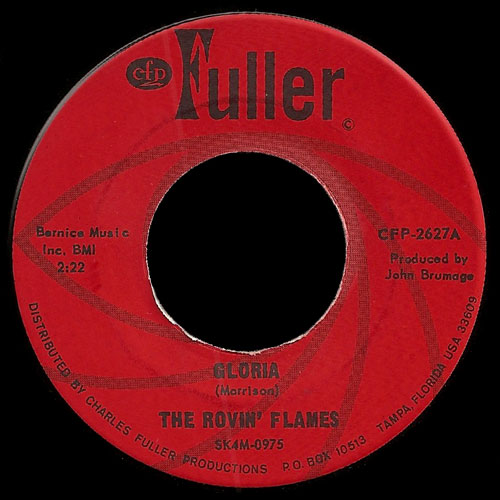
I don’t know how the band started, but at least some of the Rovin’ Flames were students at Chamberlain High. The Rovin’ Flames first record was “Gloria” / “J.J.J.P.” cut in September 1965 on the Fuller label owned by Charles Fuller who also ran the Boss and CFP (Charles Fuller Productions) labels. This 45 was produced by John Brumage, whose name crops up repeatedly on Rovin’ Flames records, usually as producer.
The group uses the guitar line to “Shakin’ All Over” to open “Gloria”. The singer’s voice on “all I have to do is call her on the phone, and … she’ll be … huggin’ me and kissin’ me” doesn’t make him sound like much of a lady killer – this Gloria might be too much to handle! Mop Top Mike pointed out that this was one of the earliest covers of the Them song, released about six months before the Shadows of Knight had a major national hit with their version.
“J.J.J.P.” is the band’s original, an instrumental take on the Louie Louie bass line and changes. Paul Battle handled the vocals for “Gloria”.
Early lineup with original band plus Hardy Dial
Spring or summer, 1966:
Hardy Dial – lead vocals Paul Battle – rhythm guitar, vocals Jim Morris – lead guitar J. R. Maietta – bass Jerry Goff – drums
Forvus (Brooke Chamberlain) with the Rovin’ Flames
Hardy Dial came from the Outsiders, another Tampa group that cut two great 45s for the Knight label, including “She’s Coming On Stronger”. Dial left the Outsiders before their second 45, a ripping take on “Summertime Blues” sung by John Delise. Interestingly, Delise would be behind the microphone with the Rovin’ Flames as well, but not until their last 45 in 1967.
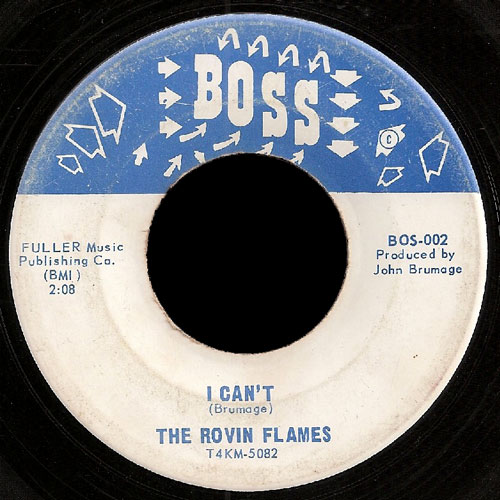
The Rovin’ Flames second record was the demented “I Can’t”, written by producer John Brumage and released on the Boss label in February or March of ’66. The short verse is followed by six bars where Dial (or is it Paul Battle?) simply chants “I Can’t” or sometimes just wails. After a short guitar solo it’s right back to more of the chant, a repetition of the verse and then a fadeout to those maniacal words.
For the flip they do the entirely more sedate “I’m Afraid to Go Home”, a cover of a Brian Hyland song. Despite the catchy rhythm of the guitar and bass this song drags, with rhymes of “what I’ll see” and “Tennessee”.
Next they provided the rhythm tracks for Brooke Chamberlain, a DJ who fancied himself a songwriter and singer. “Now That Summer Is Here” is nearly a parody of beach pop music, with lyrics like “‘watermelon so good” and a chant of “summertime, summertime” in the middle of the tune. Brooke tries holding the last word of each line, but he’s no Beach Boy. Interestingly there’s phasing on the backing tracks, I wonder if that was intentional or caused by some mishandling the tape.
Brooke’s taking himself even less seriously on the flip, “It’s Nothing New”. The awkward artist credits on the labels are another clue to the tongue-in-cheek nature of this 45, with “Now That Summer Is Here” billed to “The Forvus featuring Brooke Chamberlain with the Rovin’ Flames'”, while “It’s Nothing New”, is credited to “Brooke Chamberlain with the Forvus and the Rovin’ Flames and Harvey Swadnungle”. Chamberlain’s alias in BMI’s database is Frank Edmondson Jr.
Jeff Lemlich wrote to me “I think Tampa Bay was Brooke Chamberlain’s label. He was a disc jockey on WALT Radio in Tampa, and as such had a lot of influence. So when he wanted to cut a record, bands like the Rovin’ Flames and Four Letter Words obliged.”
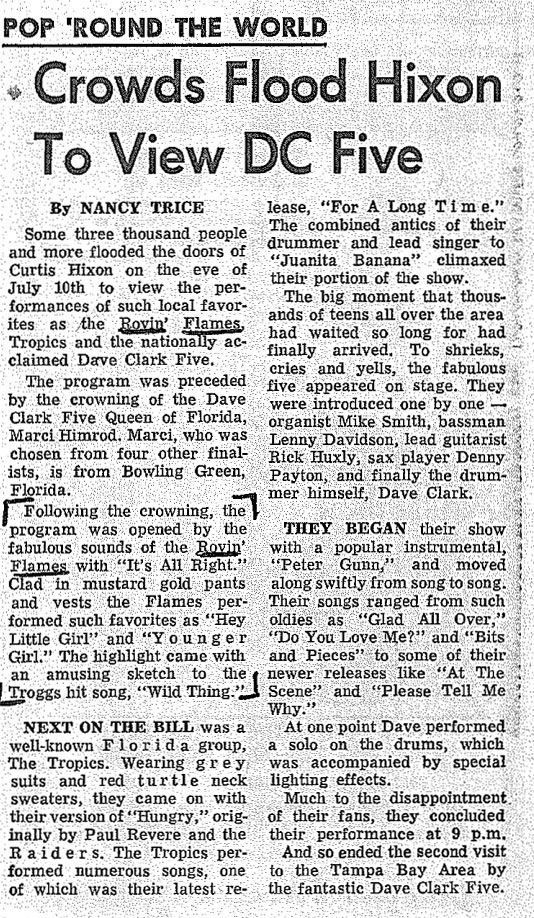
Rovin’ Flames opening for the Dave Clark Five, July 1966
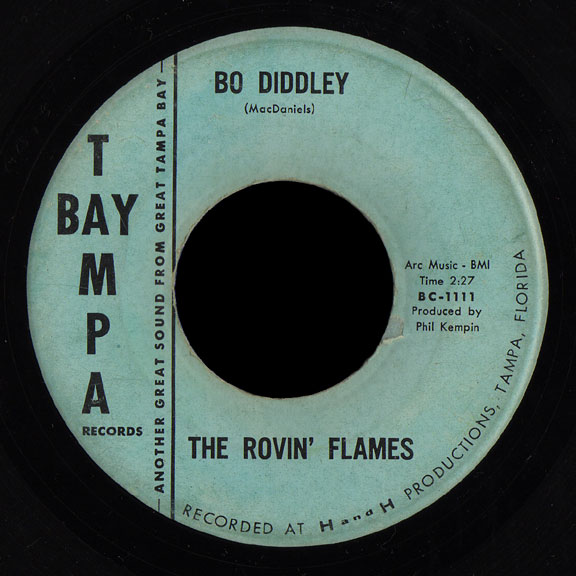
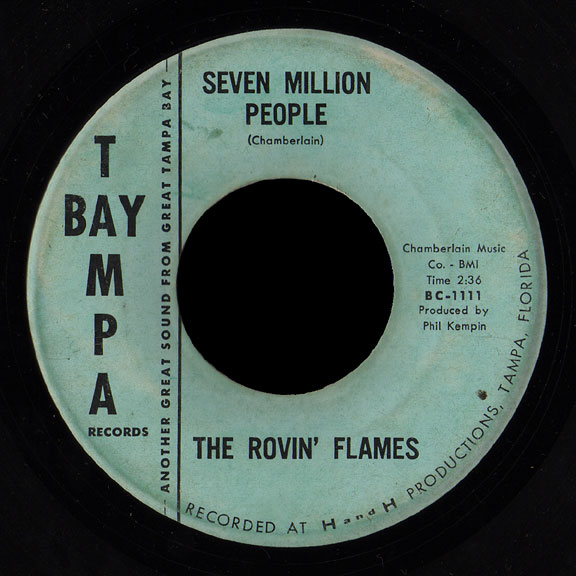
The Rovin’ Flames work with Chamberlain had some benefit to the band, as he contributed lyrics for a good ballad, “Seven Million People” for their next 45, released in June of ’66. The group runs the lyrics over an adaption of the Byrds “I’ll Feel a Whole Lot Better”. There’s more action on the other side, a good cover of “Bo Diddley”.
Like the Forvus single and the Outsiders 45s on Knight, this was recorded at H&H Productions in Tampa. The producer for this one is Phil Kempin, the only record they cut not produced by John Brumage.
Rovin’ Flames at Curtis Hixon with the Tropics and the Dave Clark Five
Third lineup with Jim Davis, John Rogers and Dave Tabak joining.
September, 1966:
*Jim Davis – lead vocals Jimmy Morris – lead guitar *John Rogers – organ J. R. Maietta – bass *Dave Tabak – drums
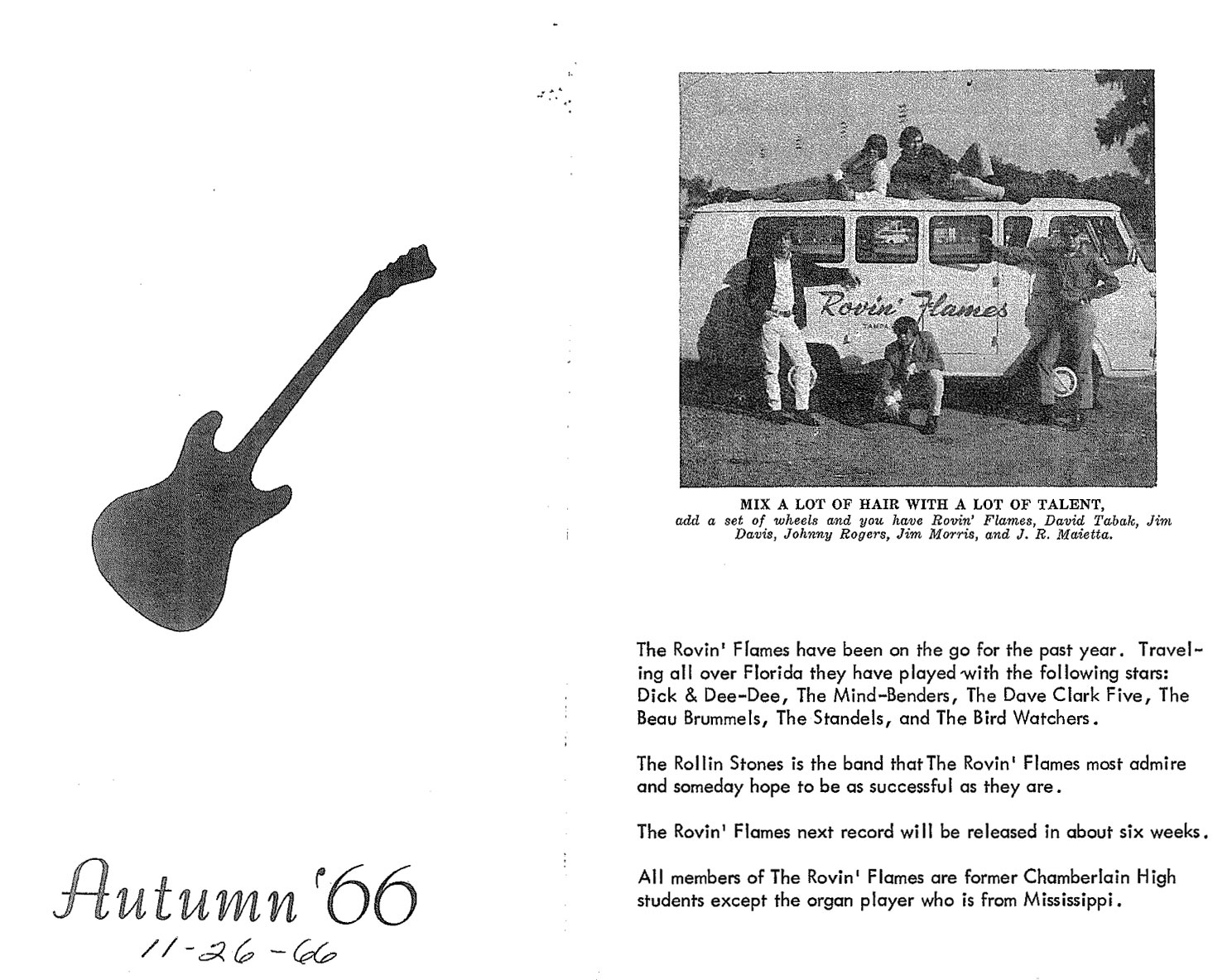
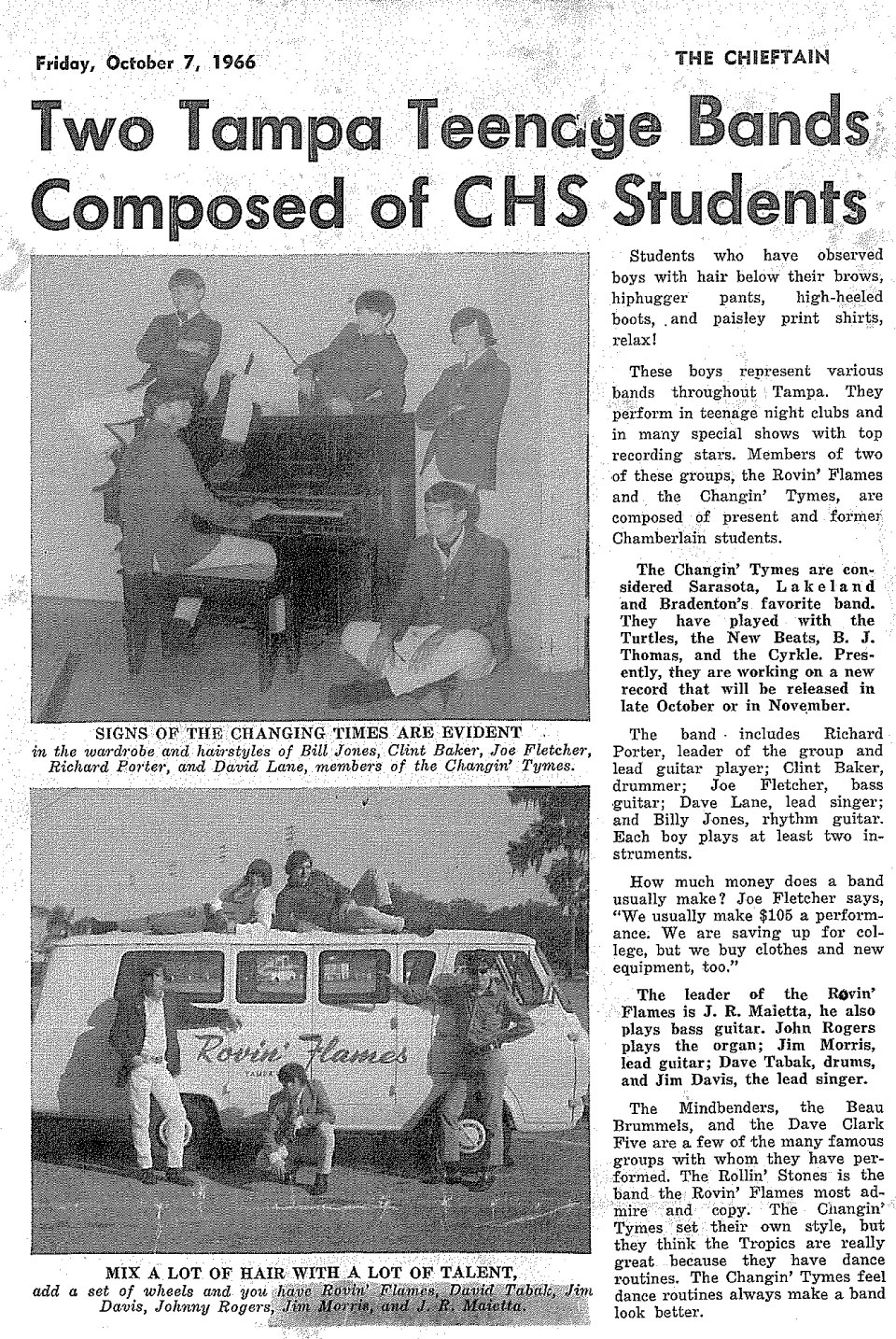
Paul Battle and Jerry Goff left the band for another project and about this time Hardy Dial left the group as well. By September of ’66 the band had added Jim Davis on lead vocals, Davy Tabak on drums, and for the first time they had an organ player, John Rogers, who came from Mississippi. This group would stay together for a few months but not record.
December, 1966:
*Paul Battle – lead vocals Jimmy Morris – lead guitar John Rogers – organ J. R. Maietta – bass Dave Tabak – drums
Jim Davis left the group in December of ’66 and Paul Battle returned for a very short time as lead vocalist. This lineup also would not record.
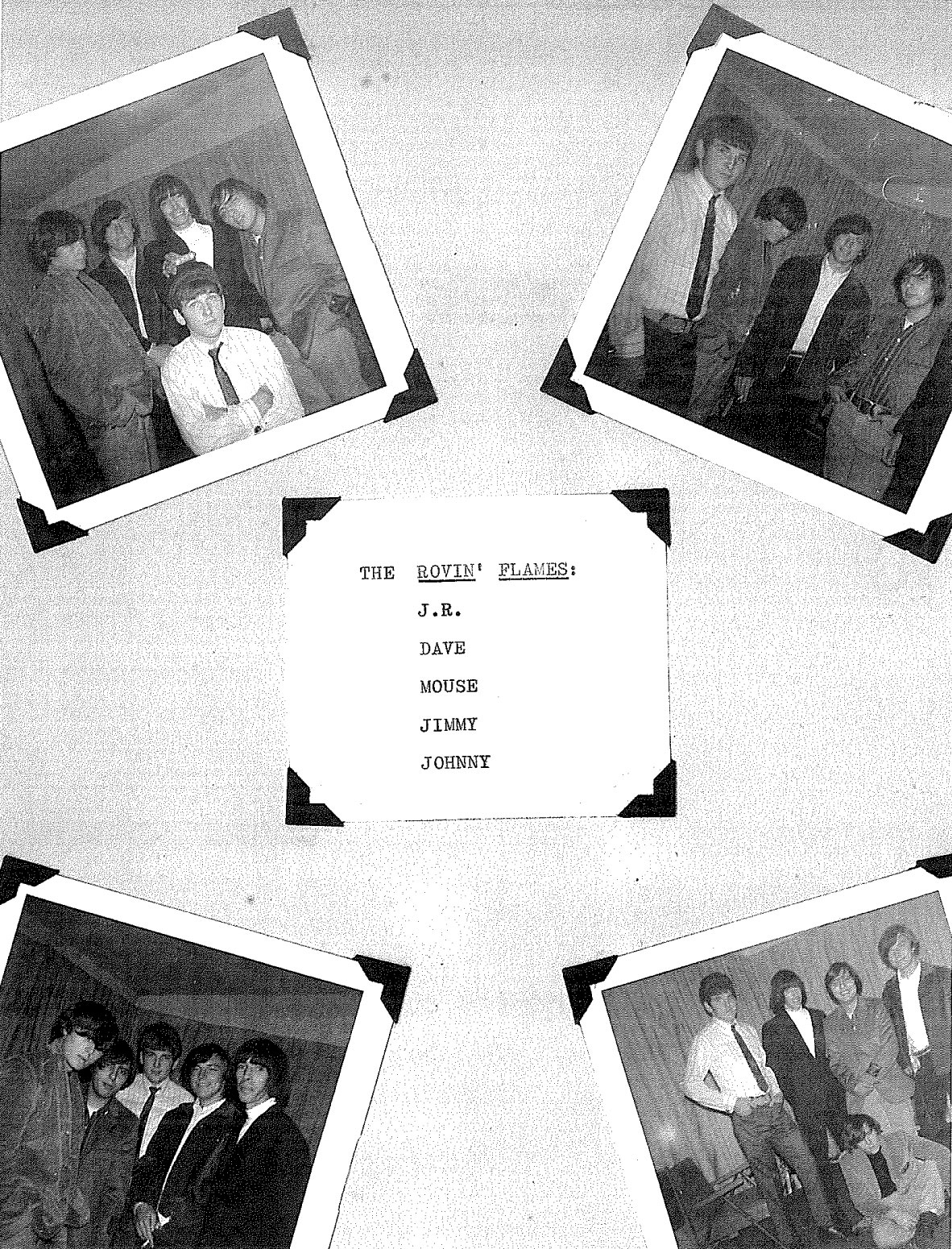
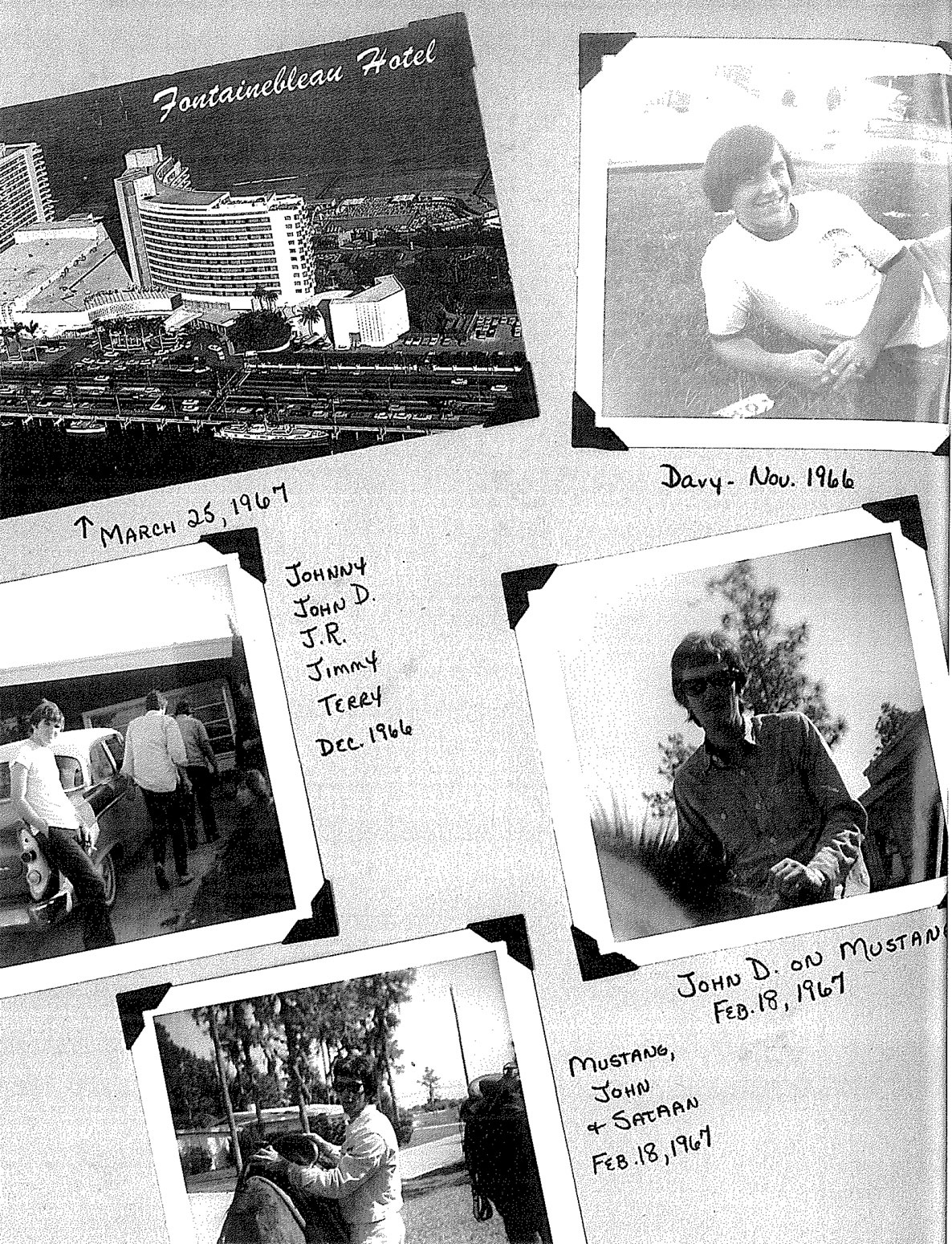
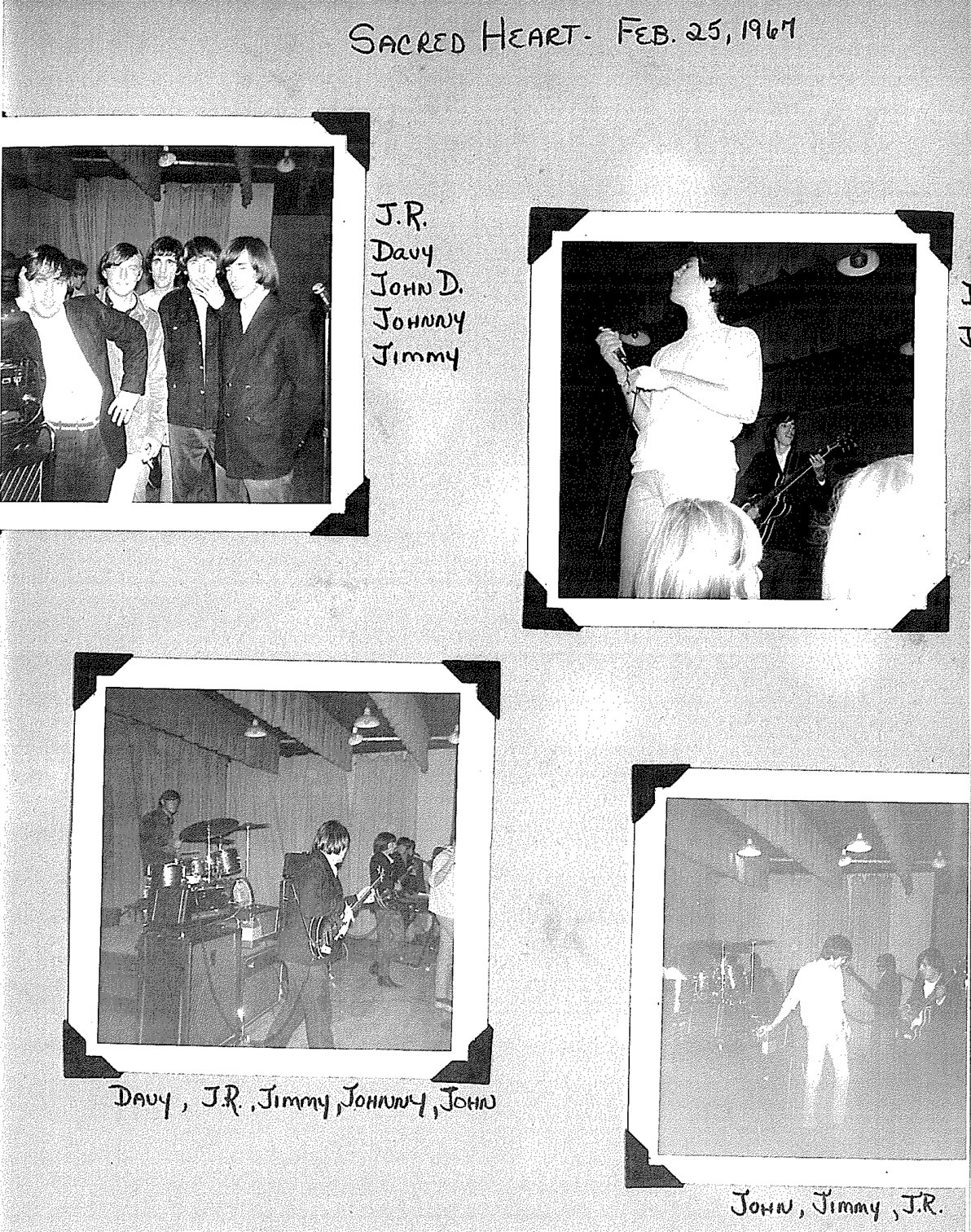
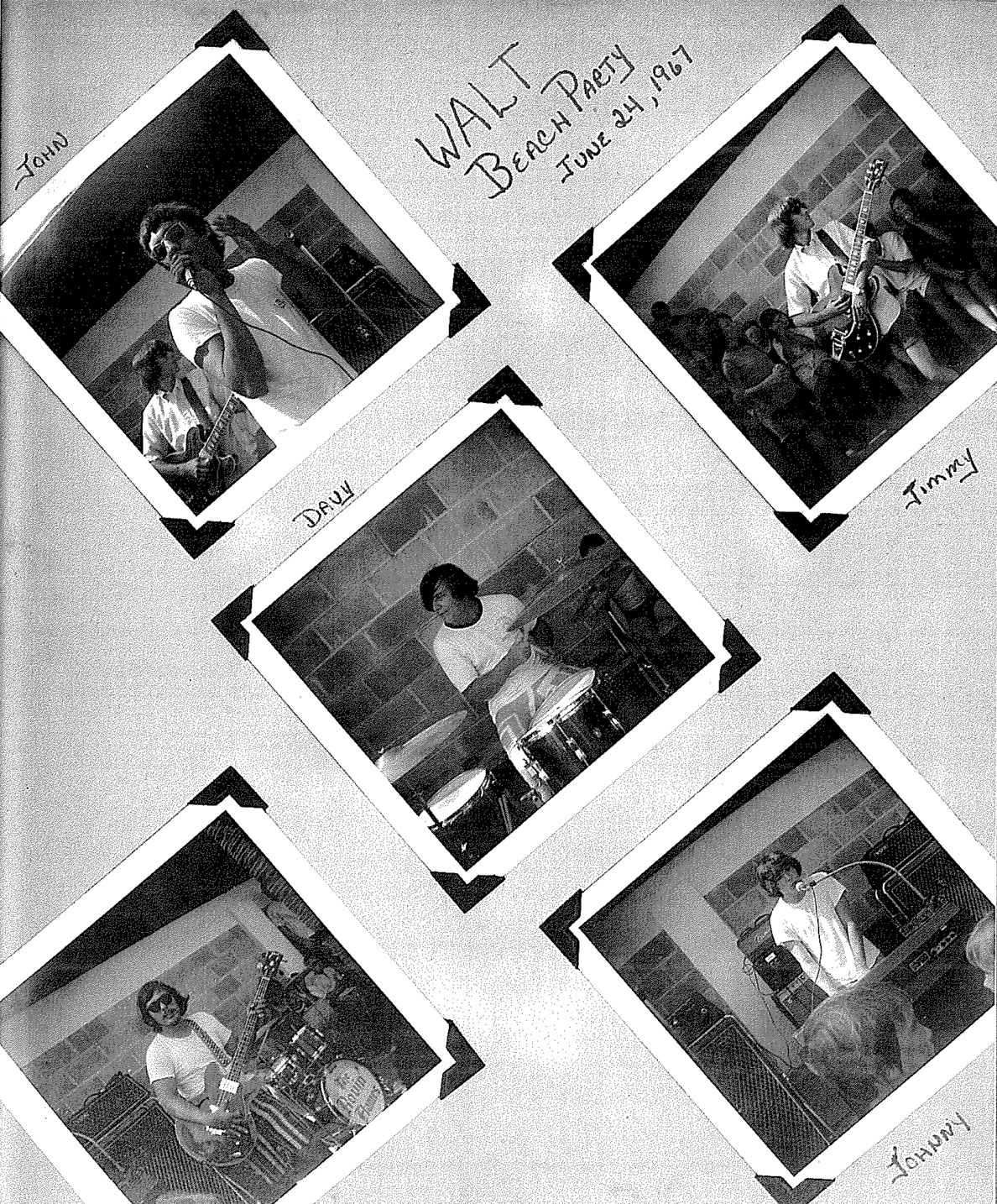
Article with the Changin’ TymesThe Rovin’ Flames, late 1966November ’66 – March ’67 photosSacred Heart Academy, February 25, 1967Summer of ’67, with John Delise and new drummer Eddie TaylorWALT beach party, June 24, 1967
February, 1967:
*John Delise – lead vocals Jimmy Morris – lead guitar John Rogers – organ J. R. Maietta – bass Dave Tabak – drums
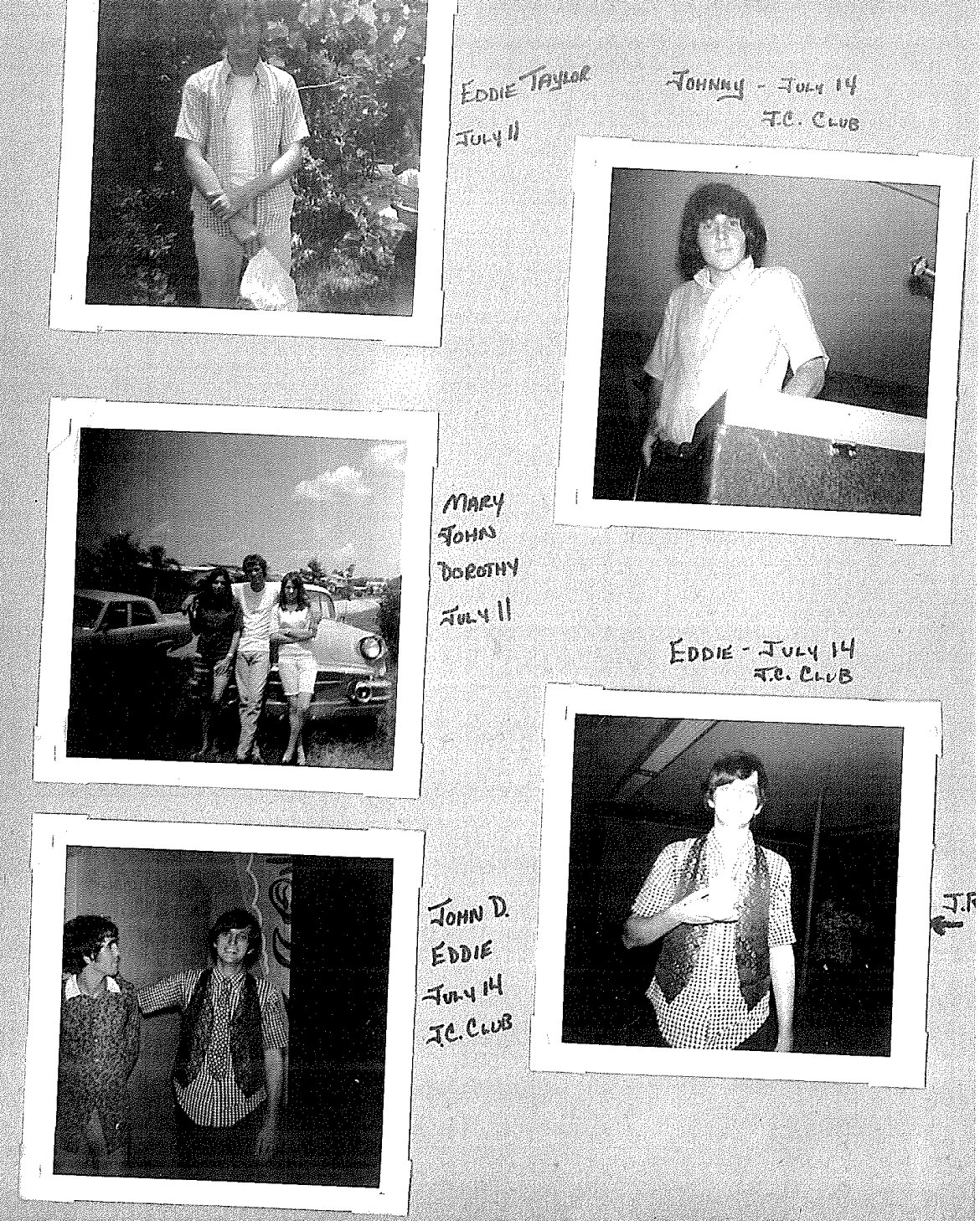
Rovin’ Flames July 1967 photos
July 1967:
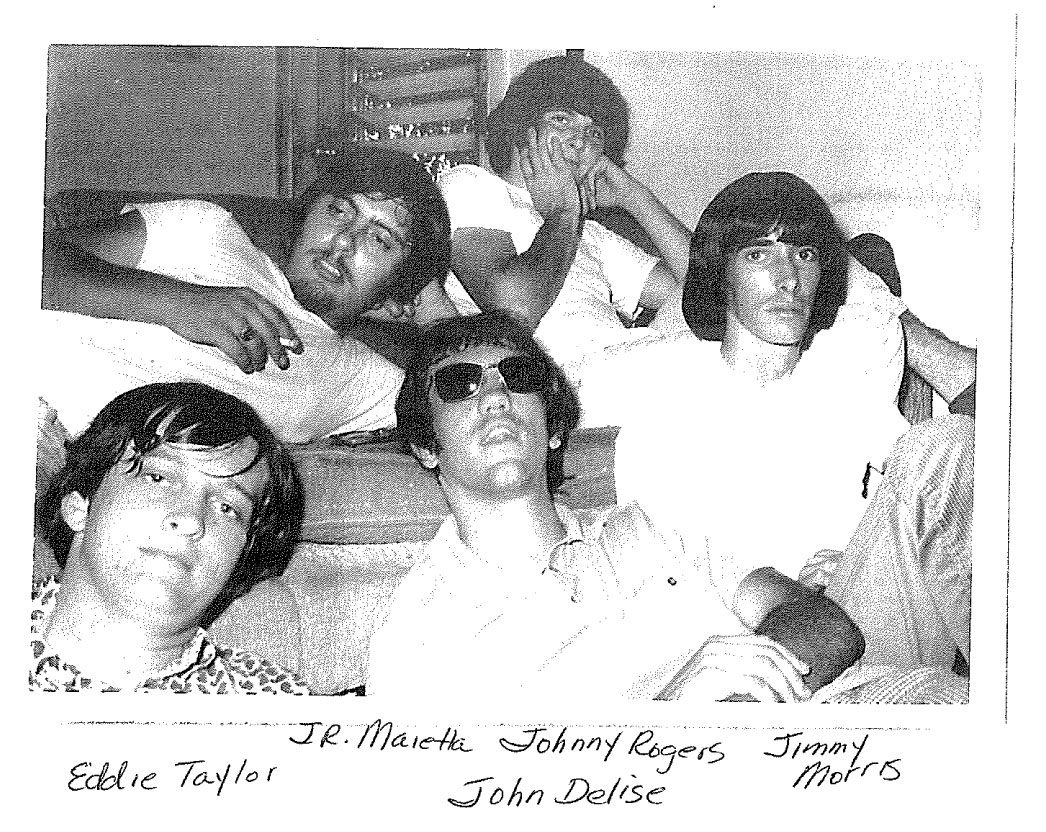
John Delise – lead vocals Jim Morris – lead guitar John Rogers – organ J. R. Maietta – bass *Eddie Taylor – drums
The next big change for the group was adding John Delise on lead vocals, the same singer who previously had replaced Hardy Dial in the Outsiders. Delise had a good run with the Outsiders. With their name changed to the Soul Trippers, a 45 of “I’m a King Bee” on the Laurie subsidiary label Providence was a minor sensation in the summer of ’66.
In fact, the Outsiders/Soul Trippers and Rovin’ Flames stories seem intertwined in ways that aren’t fully clear to me yet. With Delise moving on to the Rovin’ Flames, The Soul Trippers became Noah’s Ark, cutting two 45s for Decca, including a cleaned-up version of the Fugs “Group Grope” retitled “Love In” that the band credited to themselves. Ed Sanders could have sued over that one! One of the writers credited on “Love In” is Helen Uncapher who would co-wrote both sides of the Rovin’ Flames next release, “How Many Times” / “Love Song #6” with John Delise. As producer of these discs, John Brumage at H&H seems to have been responsible for placing both Noah’s Ark and the Rovin Flames with Decca in 1967.
“How Many Times” is one of the most memorable of all 60’s band 45s, with a swinging organ sound and Delise delivering the wild opening lyrics:
How many times can you put a gun up to your head, thinking about the pleasures of being dead
along with a lighter verse:
How many times have you pulled into a hamburger stand, waving your money in your hand, yelling and screaming like a hungry man, but the lazy waitress takes all of the day, but you don’t care she’s ugly anyway!
It was released a little late for its style, in September of 1967. The freewheeling flipside “Love Song #6” was also included on the 1968 Tener various-artists LP release Bee Jay Video Soundtrack.
John Delise went on to join Those Five, probably after their cool 45 “Sidewalks” was released on Paris Tower.
In July of ’67, Eddie Taylor replaced Dave Tabak on drums, though I believe Dave is playing on the Decca 45.
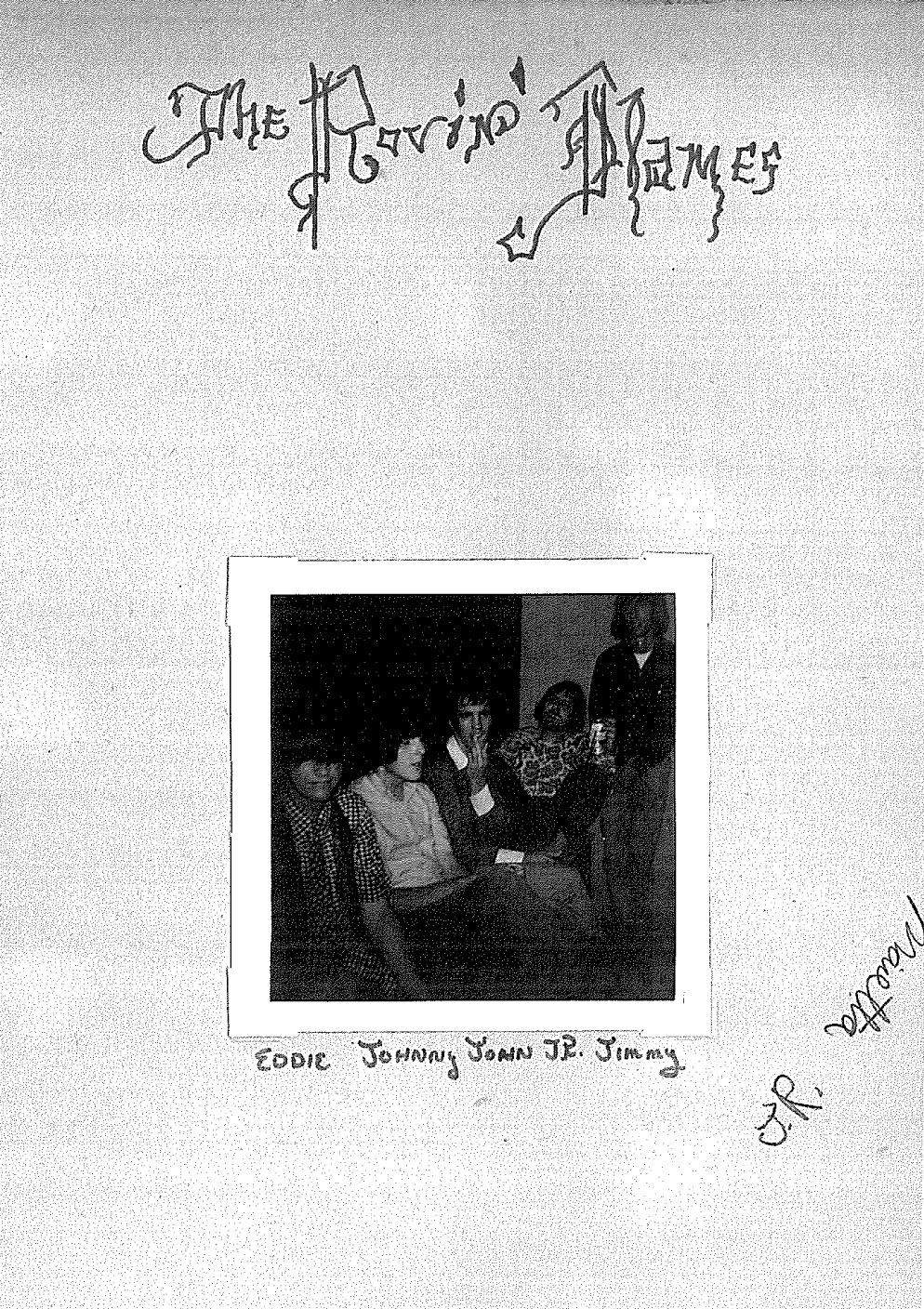
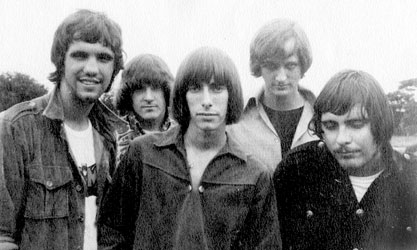
Autumn 1967, from left: John DeLise, Johnny Rogers, Jimmy Morris, Eddie Taylor and J.R. MaiettaThe Rovin’ Flames with new lead singer Bob Thompson, November 1967
November 1967:
*Bob Thompson – lead vocals Jim Morris – lead guitar John Rogers – organ J. R. Maietta – bass Eddie Taylor – drums
July 1968:
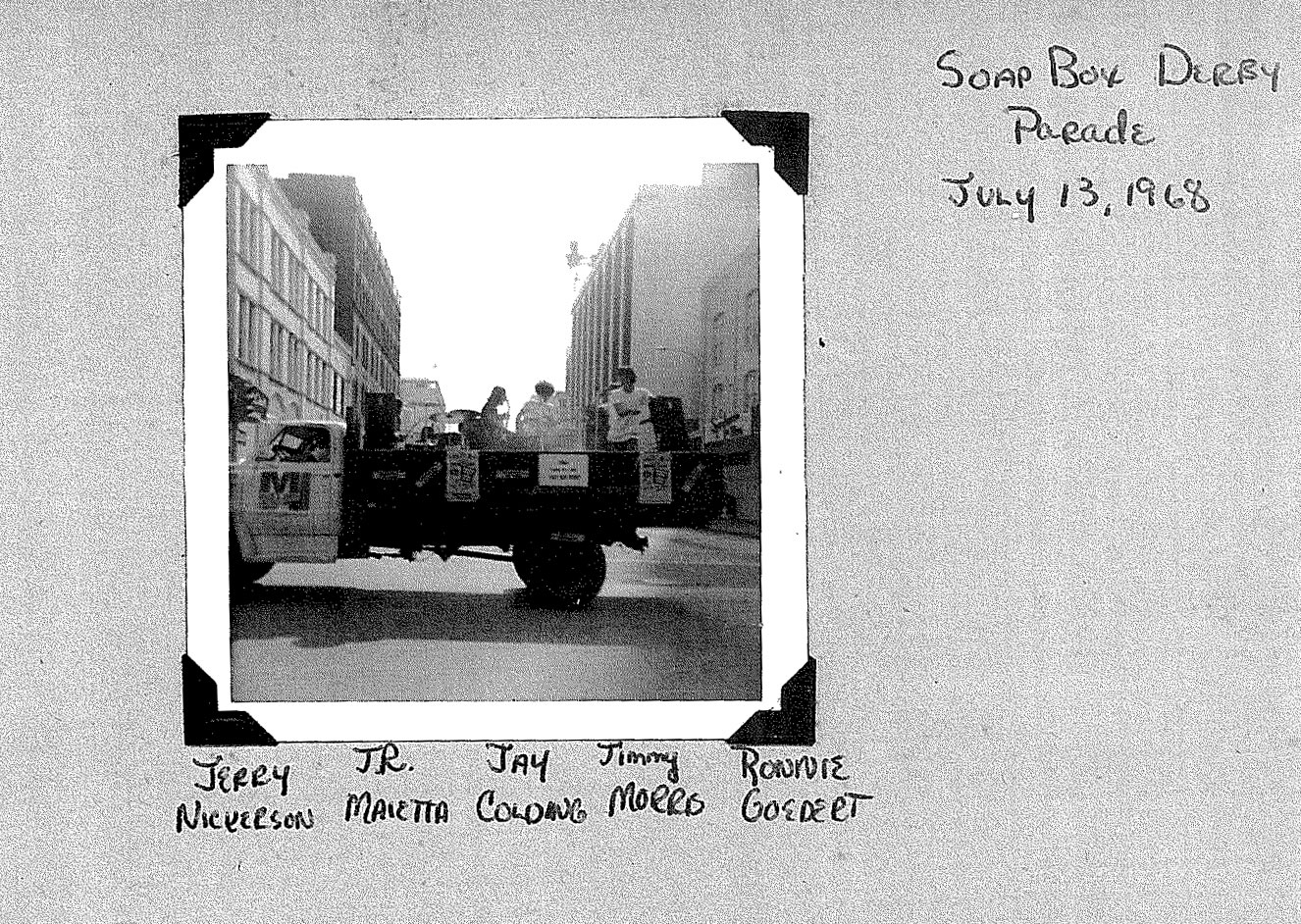
*Ronnie Goedert – lead vocals Jim Morris – lead guitar *Jay Colding – organ J. R. Maietta – bass *Jerry Nickerson – drums
Autumn 1968:
*Hobie O’Brien – lead vocals Jimmy Morris – lead guitar Jay Colding – organ J. R. Maietta – bass Jerry Nickerson – drums
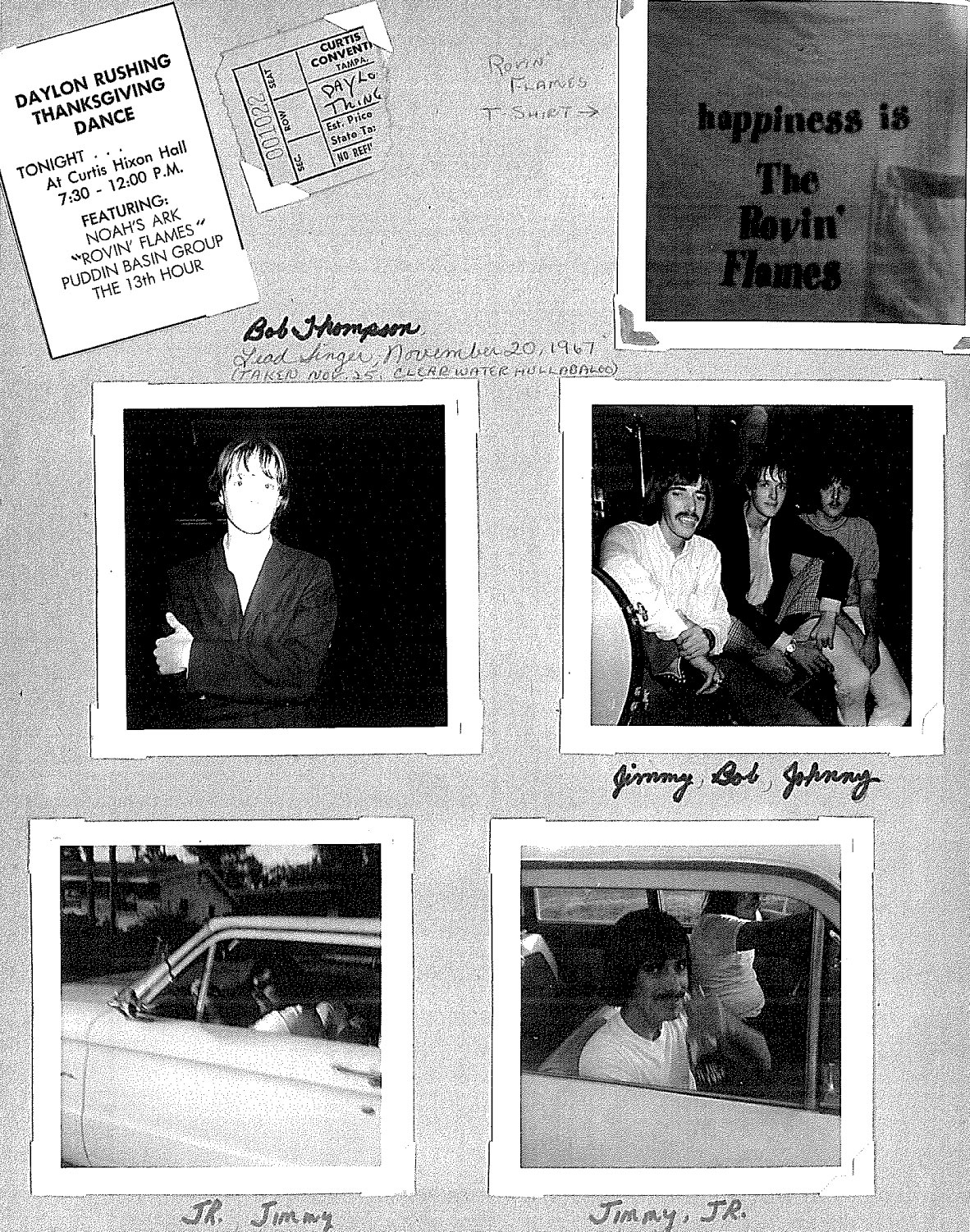
John Delise lasted longer than most of the Rovin’ Flames lead singers, but still was with the group less than a year. Bob Thompson took over in November of ’67. Around this time the Flames started appearing with ‘Rovin’ Things’ emblazoned on Eddie Taylor’s drumhead, though I’m not sure if they really changed their name in their bookings.
Johnny Rogers died in March 1968 and Bob Thompson and Eddie Taylor left the band. Jim Morris and J.R. Maietta must have barely been able to hold the group together, but by July they had recruited three replacement musicians – Jay Colding on organ and Jerry Nickerson on drums, plus Ronnie Goedert on lead vocals. Ronnie didn’t stay long and was replaced by Hobie O’Brien in the fall of ’68. The band broke up for good in early 1969.
J.R. Maietta stopped performing and owned a record store for some years. He passed away in 1996. John Delise died on October 3, 2004, and the band’s last keyboard player Jay Colding passed away just this November 26, 2009. Ronnie Goedert later joined White Witch, and passed away in 2000.
Last known photo of the Rovin’ Flames, Soap Box Derby Parade, July 13, 1968
Much helpful information in writing this piece was found at The Limestone Lounge. Special thanks to Jeff Lemlich for providing additional info as well as scans of the Fuller, Boss and Forvus 45s, and transfers of “Gloria”, “J.J.J.P”. “Now That Summer’s Here” and “It’s Nothing New”.More information on John Delise is on the Tampa Bay Garage Bands site, where I also found the photo of the band from the autumn of ’67.
Very special thanks must go to Dorothy Chapman. Her scrapbook of photos and fan club letters provides the timeline and documentation for this article. Without her help I could not have given an accurate account of the band’s history.
Here are Dorothy’s comments on the Rovin’ Flames:
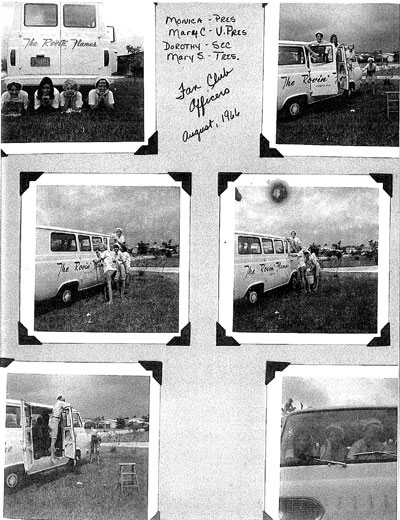
My sister and I met the Rovin’ Flames during the summer of 1966, just before I started 10th grade at Chamberlain High School, through friends who were next-door neighbors to Hardy Dial’s family in our subdivision – he had just joined the band. J.R. Maietta lived with his parents, also in our subdivision, and they practiced there in the screened porch. Shortly thereafter Paul and Jerry left the band, taking the current “official Fan Club officers” with them, and my sister and I took over as “President” and “Secretary” respectively from about August 1966 until the band broke up in early 1969.
The Rovin’ Flames van with Fan Club officers, August, 1966
Every day after school we would either walk or ride our horses to J.R.’s parents’ house to listen to the band practice. While our school friends were going to football and basketball games, we spent our Friday and Saturday nights (and weeknights in the summers) traveling with J.R.’s parents (who were their managers) to their “gigs” all over Tampa, Clearwater and Sarasota. We even got to go to the Tiger’s Den in Cocoa Beach a couple times to cheer the band on and dance the night away! I kept a scrapbook containing photos, mementos, and some of the monthly newsletters that I laboriously typed on an old manual Underwood typewriter and mailed to our loyal Fan Club members, keeping them up-do-date on the band’s comings and goings. In addition to the newsletters, the members received a membership card and a copy of their latest record, all for $1.00 a year. We even had t-shirts with “Happiness is the Rovin’ Flames” printed on them.They performed some of their recorded songs live – Gloria and Bo Diddley were always favorites. They did play How Many Times regularly, but if I recall correctly they all hated Love Song #6 (which they called Love Song #69). It wasn’t theirs, but I remember that Mustang Sally was always the “dance contest” song. Among others, they performed with the Dave Clark 5, the Grass Roots, the Robbs and Mitch Ryder & the Detroit Wheels here in Tampa, and with ? and the Mysterians in Gainesville.
It’s hard to explain to people what it was like to run around with a local rock band in the late 60’s – they were truly local celebrities. There were so many places for kids to go for dancing, where they just sold cokes and pretzels and it was such fun to be a part of the scene! In the Tampa area we regularly went to the FCA Hall, Temple Terrace Rec Center, Sacred Heart Academy Auditorium, The Inn Crowd, Gandy Ballroom, Strawberry Patch, and the Hullabaloo Clubs in Clearwater and Sarasota, to name a few. The memories make me smile (well, most of them anyway).
When Johnny Rogers died it was a real shock – he was such a sweet guy, but obviously had problems we didn’t know about. Things were never quite the same after Johnny died although the band stayed together for about a year. They finally phased out in January or February 1969. Sadly, I’ve heard that a number of the guys have passed away.
Documented gigs and timeline:
August 1965 – first 45 “Gloria” / “J.J.J.P.” released (Fuller CFP2627).
1966:
Feb. or March – second 45 “I Can’t” / “I’m Afraid to Go Home” released (Boss BOS-002) ? – Rovin Flames back the Forvus featuring Brooke Chamberlain on “Now That Summer Is Here” / “It’s Nothing New” (Tampa Bay BC-1110) June – third 45 “Seven Million People” / “Bo Diddley” released (Tampa Bay BC-1111). July – Hardy Dial joins on vocals July 10 – Curtis Hixon Hall, Tampa, with the Dave Clark Five and the Tropics, set list: “It’s All Right”, “Hey Little Girl”, “Younger Girl”, “Wild Thing”. July ? – Lakeland Shower of Stars July ? – Tiger Den, Cocoa, FL August 13 – Billboard predicts “Bo Diddley” likely to crack top 100 (it didn’t) Aug. 24 – Sacred Heart Academy September – Dave Tabak joins on drums, Jim Davis on vocals, followed shortly by John Rogers on keyboards Sept. 10 – Delta Sigma Phi, Gainsville, FL Sept. 17 – Tiger’s Den, Cocoa, FL – first show with lead singer Jim Davis Sept. 24 – Patricks Air Force Base Oct. 1 – Sacred Heart Academy Oct. 15 – Sacred Heart Academy/ “FCA” Oct. 29 – Sacred Heart Academy Oct. 31 – Lakeland Nov. 1, 2, 3 – Lakeland Nov. 4 – Umitilla Nov. 5 – Fla. Pres. College, St. Petersburg Nov. 11 – Daytona Beach Nov. 12 – Cocoa, FL Nov. 17 – Lakeland Nov. 18 – Fla. Pres. College, St. Petersburg Nov. 19 – Sacred Heart Academy Nov. 25 – Carrollwood Country Club Nov. 26 – Trowel Building, Tampa / Benefit for Robert McCord Oral School – with the Surfsiders December 1966 – Paul Battle rejoins as lead vocalist Dec. 25 – Sacred Heart Academy Dec. 31 – King Solomon’s Mine
1967:
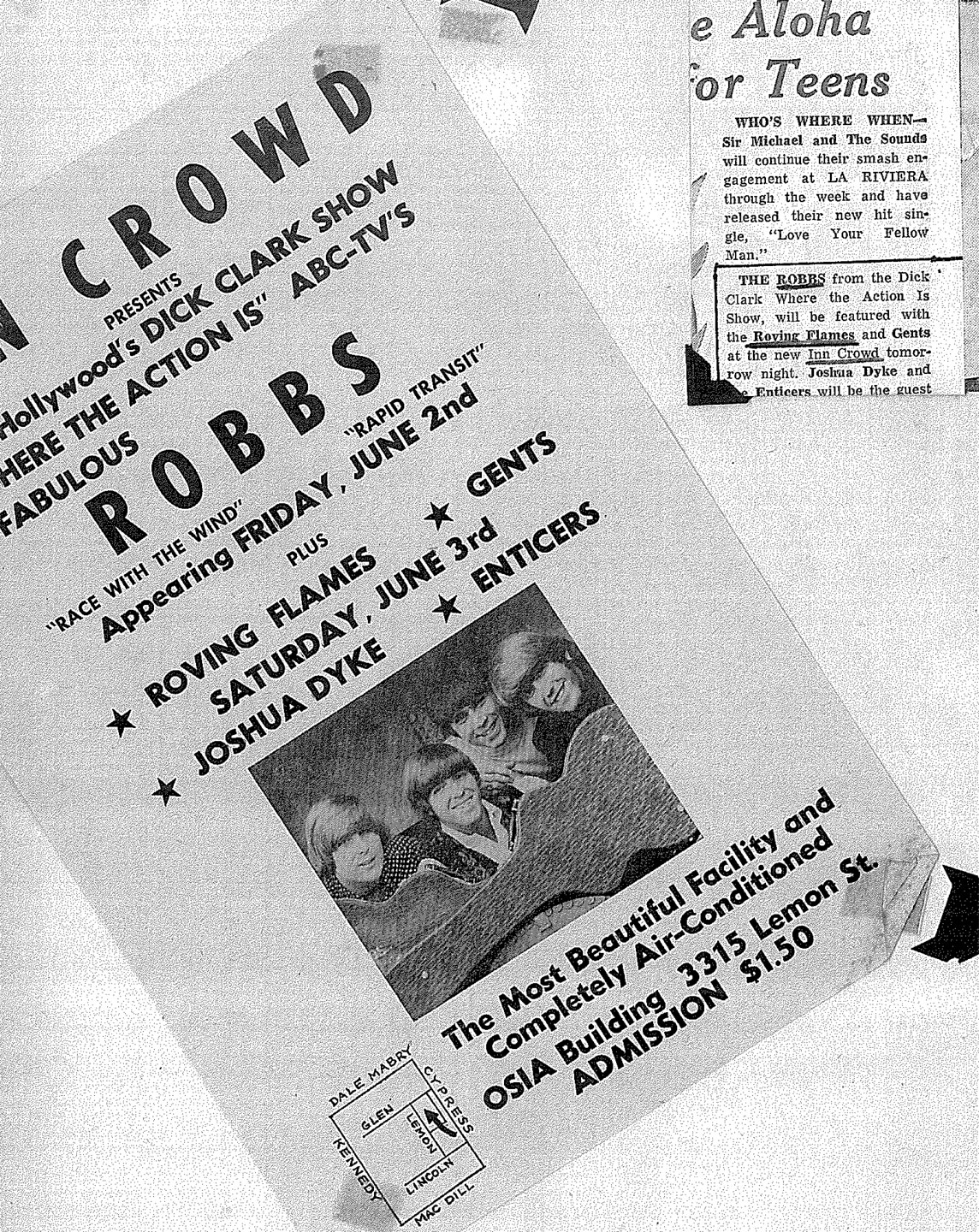
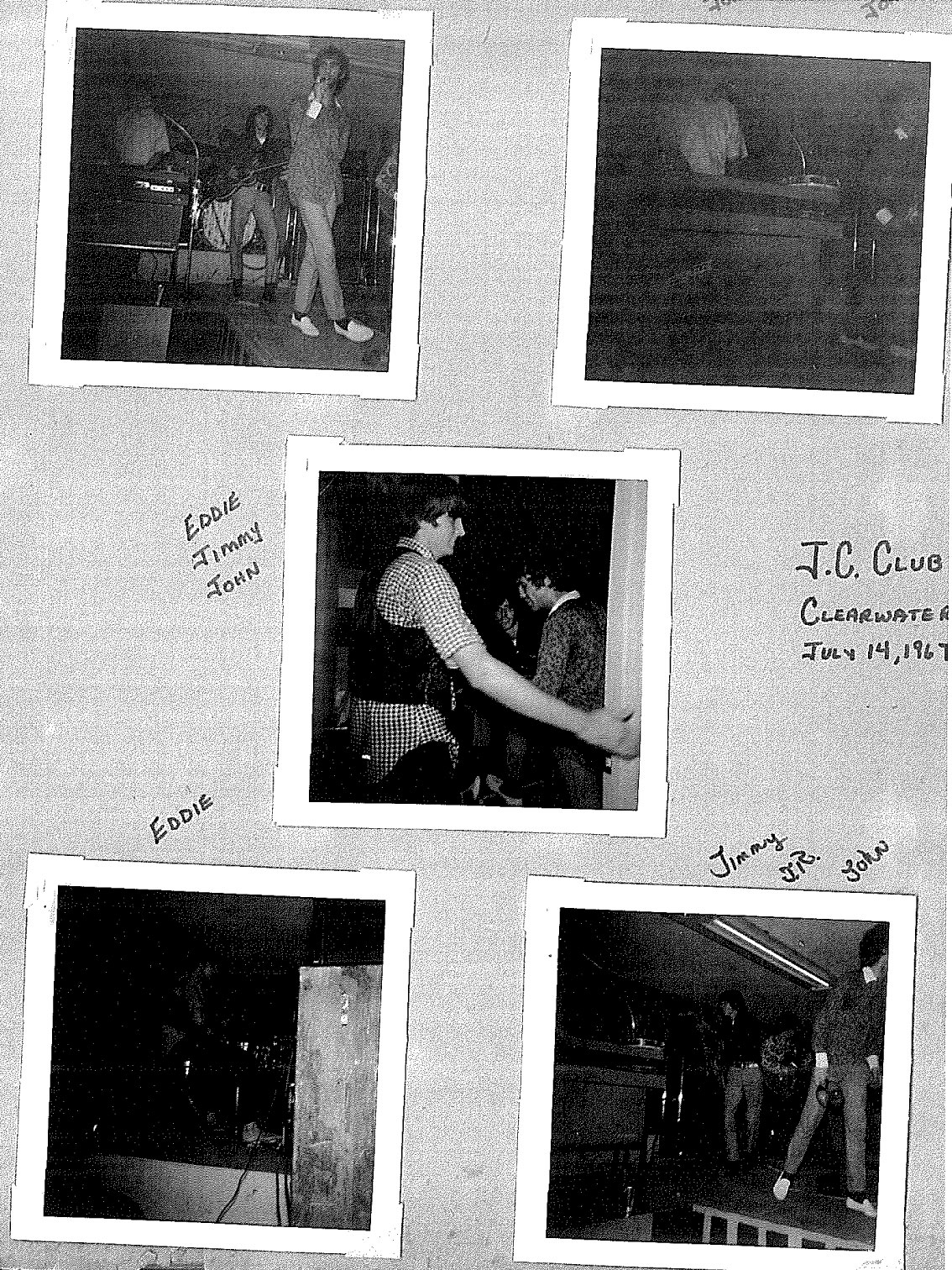
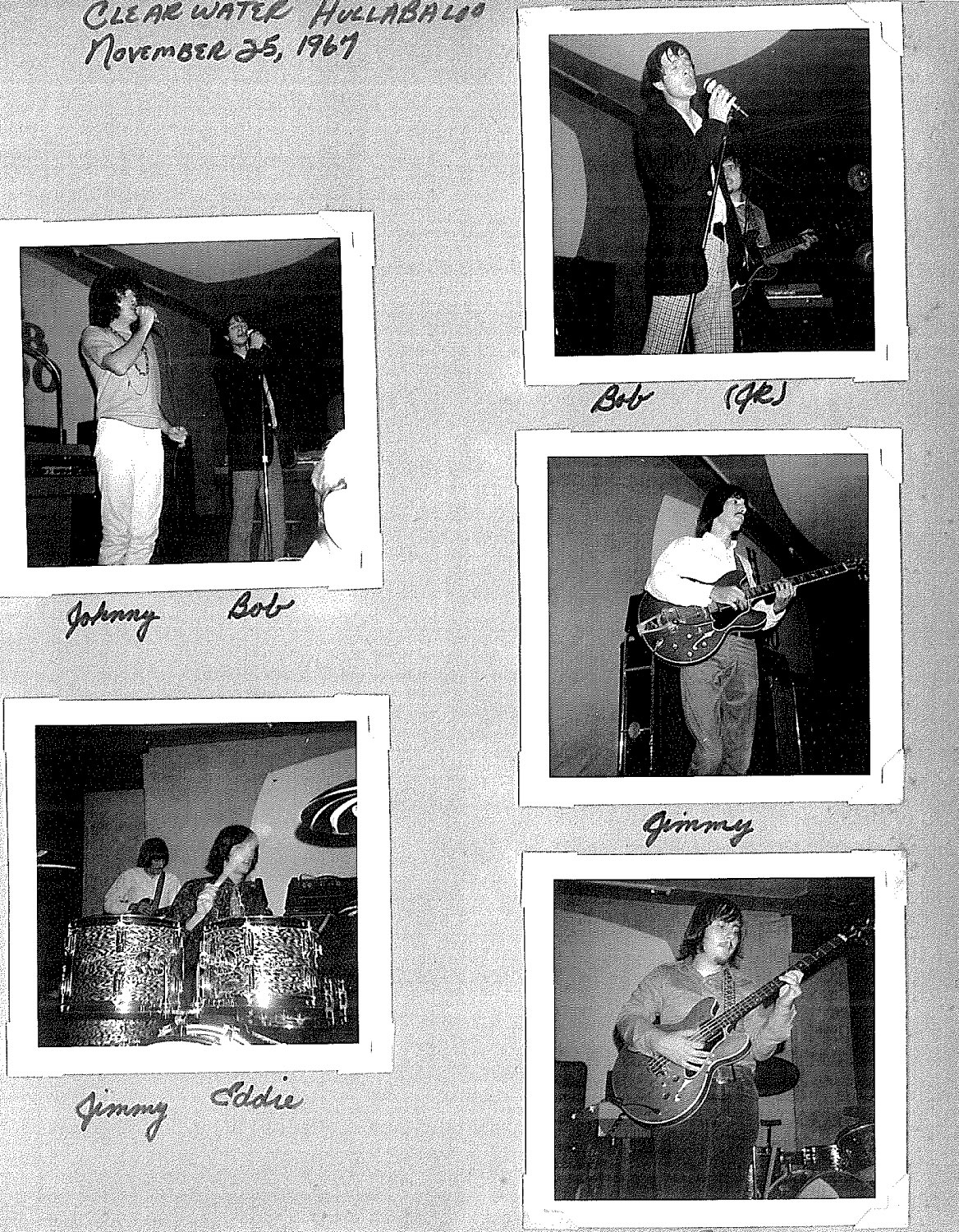
Jan. 16-22 and late January – Beachcomber Club, Jacksonville Jan. 20 – Sacred Heart Academy Jan. 21 – band starts using new Vox equipment Jan. 31 – Feb. 6 – Lakeland February – John Delise joins on lead vocals Feb. 17 – Temple Terrace Feb. 18 – Punta Gorda Feb. 25 – Sacred Heart Academy Late Feb. – early March – Lakeland March 7 – Largo Fair March 11 – Tiger’s Den, Cocoa, FL with the McCoys March 17 – Big Moose Showcase March 18 – Apopka Youth Center March 20 – April 3 – Fontainebleau Hotel, Miami April 7 – Big Moose’s Showcase, St. Petersburg Apr. 8 – Sarasota Armory Apr. 9 – Benefit in memory of Charlie Beecham of the Emotions Apr. 21 – Big Moose’s Showcase, St. Petersburg Apr. 28 – Tiger’s Den, Cocoa, FL / benefit for Crippled Children’s Home Apr. 29 – Sacred Heart Academy, Tampa May 6 – Lake City May 12 – Sebring May 13 – Umatilla May 19 – F.C.A. May 20 – Tiger’s Den, Cocoa, FL June 2 – Inn Crowd, with the Robbs and the Gents (“15-minute psychedelic version of ‘Summertime Blues'”) June 3 – Sacred Heart Academy June 7 – Melborne Civic Center June 9 – Aloha June 16 – Temple Terrace June 17 – Inn Crowd June 23 – Tiger’s Den, Cocoa, FL June 24 – Aloha / WALT Beach Party June 28 – Sacred Heart Academy June 30 – Sacred Heart Academy Luau (private) July – Eddie Taylor replaces Dave Tabak on drums July 1 – Sacred Heart Academy Semi-formal (private) July 10 – Tiger’s Den, Cocoa, FL July 14 – J.C. Club July 17 – Temple Terrace July 19 – Sacred Heart Academy September – fourth and last 45 “How Many Times” released (Decca 32191) November – Bob Thompson joins on lead vocals Nov. 25 – Clearwater Hullabaloo late Nov. – Curtis Hixon Hall, Tampa, with Noah’s Ark, the 13th Hour and the Puddin’ Basin Group
1968:
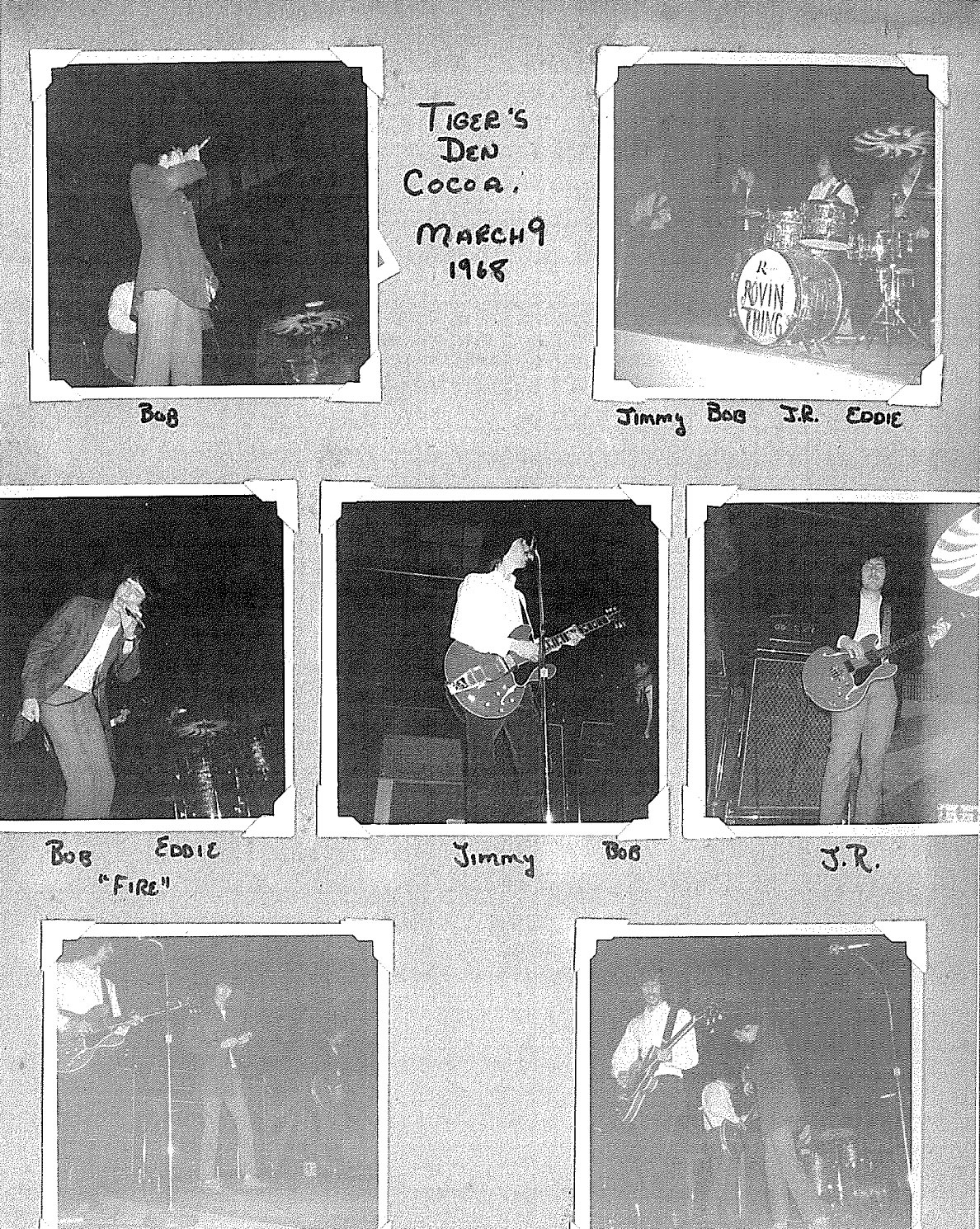
March – Johnny Rogers dies March 9 – Tiger’s Den, Cocoa July – Ronnie Goedert joins on lead vocals, Jay Colding on organ and Jerry Nickerson on drums July 13 – Soap Box Derby Parade Autumn – Hobie O’Brien joins on lead vocals
1969: Band breaks up in January or February
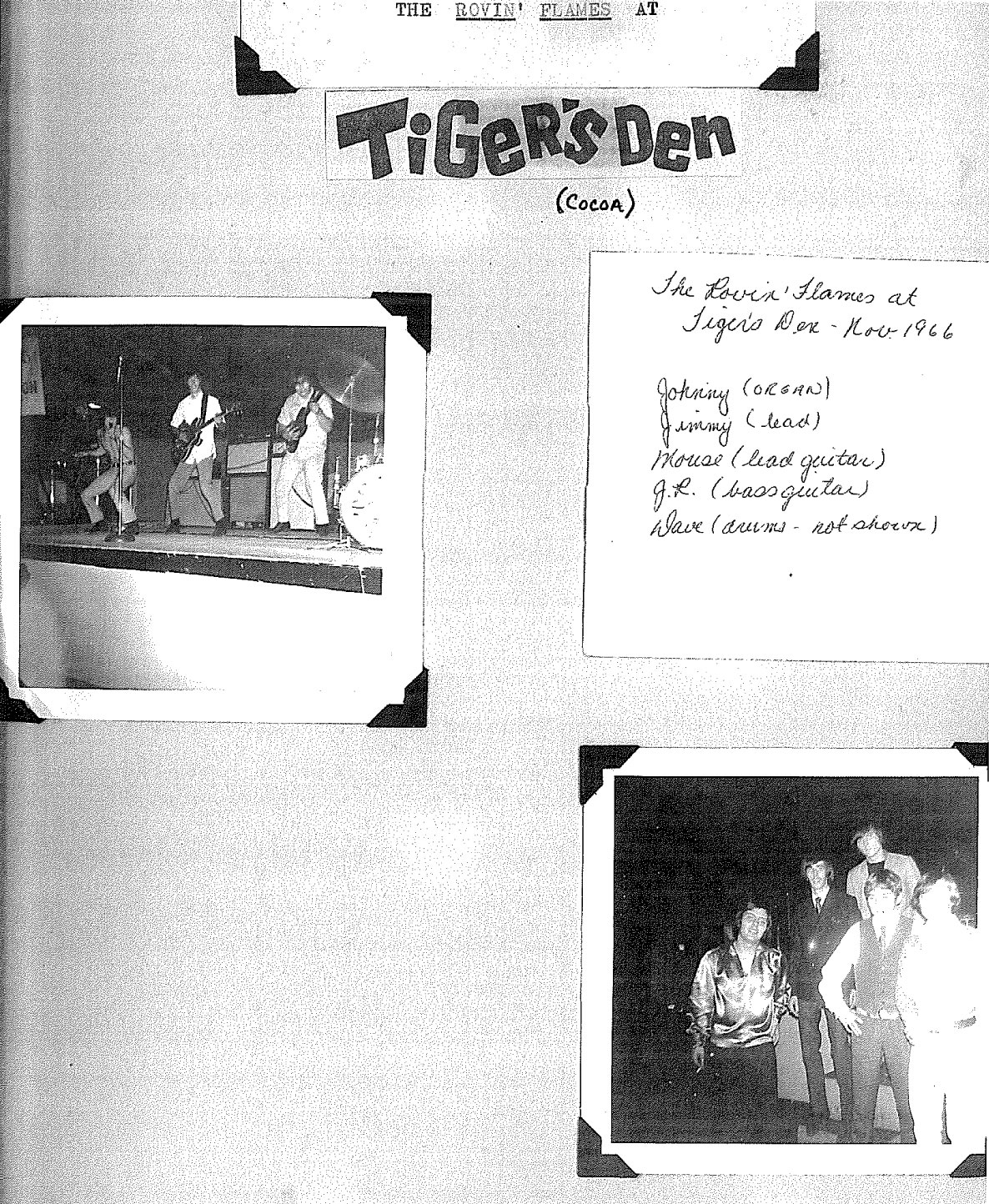
At the Tigers Den in Cocoa, March 9, 1968At the Tiger’s Den, Cocoa, November 1966At the Inn Crowd with the Robbs, June 2, 1967J.C. Club, Clearwater, July 14, 1967Clearwater Hullabaloo, November 25, 1967
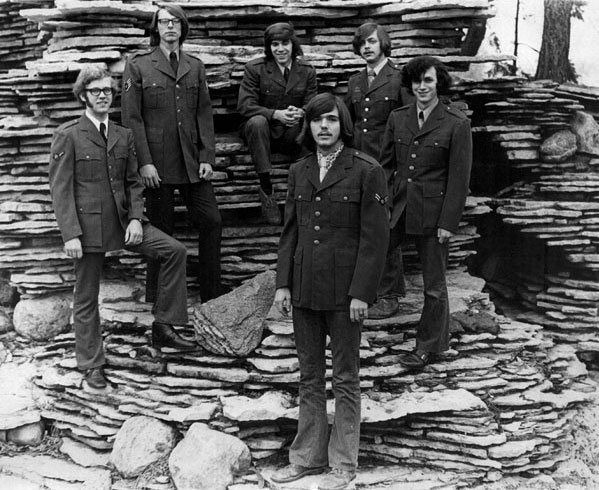
Craig Rutz wrote to me about his first group, Peter and the Wolves, which evolved into Synod:
My brother and I started Peter and the Wolves during my freshman year of high school (summer and fall of 1965) in Palatine, Illinois. We were one of the thousands of bands inspired by the Beatles. The members of Peter and the Wolves included Doug May (now the leader of Yard Fulla Cars), LeRoy (Buddy) Rogers, my brother Glenn Rutz and me.
My father worked for the Chicago Tribune and would take the train home every day from the city to Palatine. He often walked a mile and a half from the station. I was practicing my parts on my Harmony Hollywood guitar through my Kay 5-watt amplifier with one 6-inch speaker (I still have that amp) in the garage where our band sometimes practiced. My father walked through the garage on his way into the house and told me to “turn that thing down! I could hear you all the way from the train station!” I don’t think you could hear me playing that distance today using my Fender Twin or my Marshall, but I always remembered that little experience proudly. I felt like a rock star.
I used 3×5 cards to write down every practice and every performance we had, the dates, even what songs we did. And I still have those cards all these years later. I regret to say Peter and the Wolves never recorded anything. There are some rough tapes of us writing songs, and somewhere there’s at least one recording of us performing, but so far I haven’t been able to get my hands on anything that I could copy. Those were real garage band days.
As the band fizzled a couple of years later, my father actually co-signed a loan so I could buy my first professional guitar, a 1968 Gretsch Tennessean (which I also still have). In those days, the local music store (Olsen’s Music) would let a 14-year-old kid buy a top-of-the line guitar. Olsen’s kept a little box of note cards by the cash register and one would come in every week with some kind of payment, which was written down on the card, until the loan was paid. No interest, either. Just a promise to pay. In my case, I got a job at Burger King and I took in $10 or $20 each week for nearly a year.
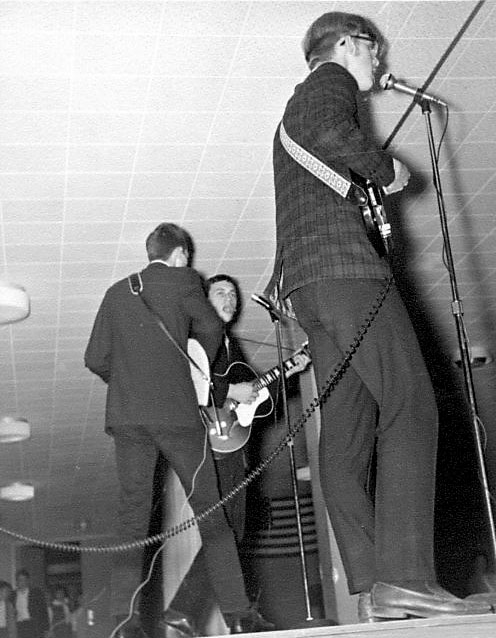
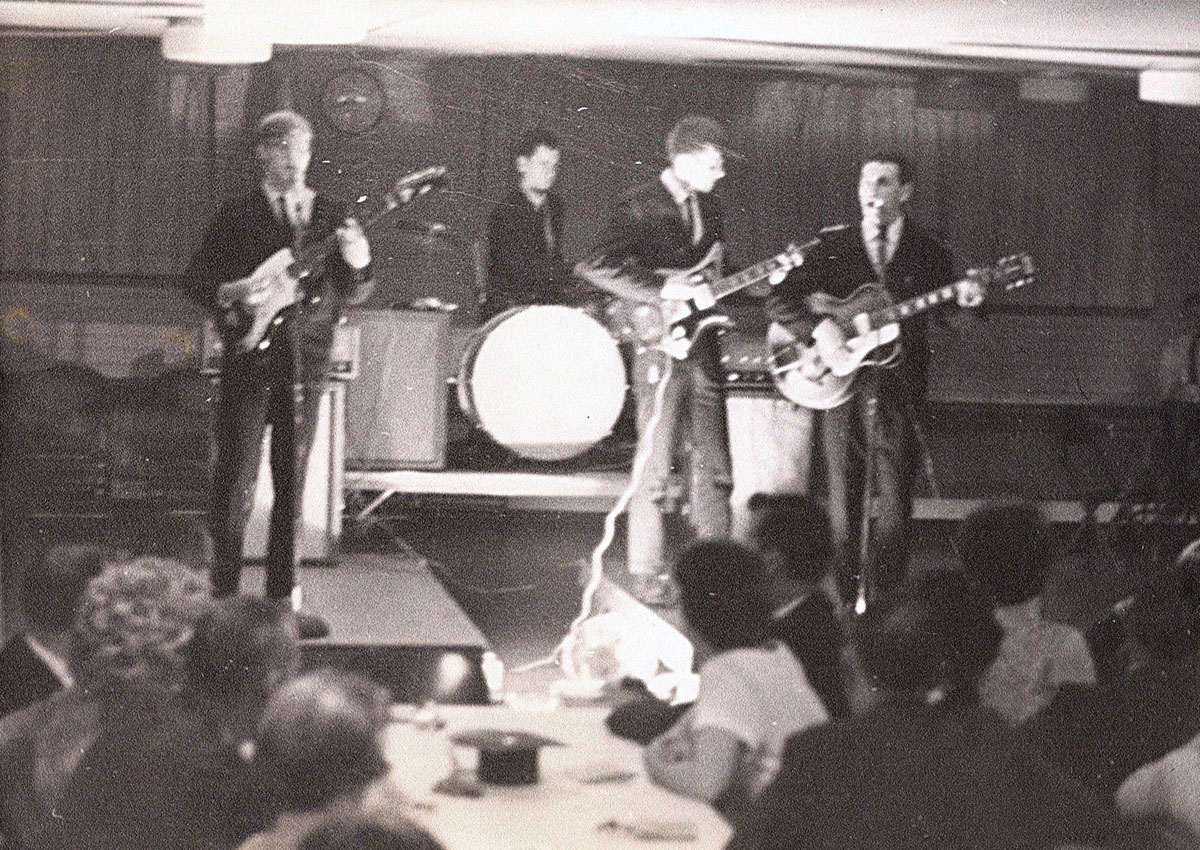
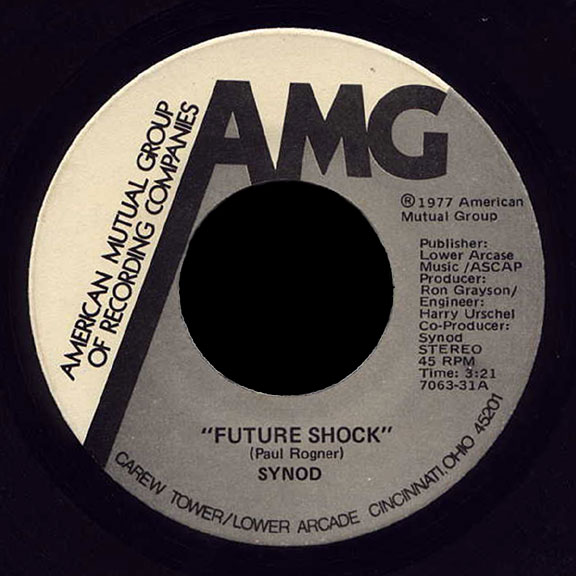
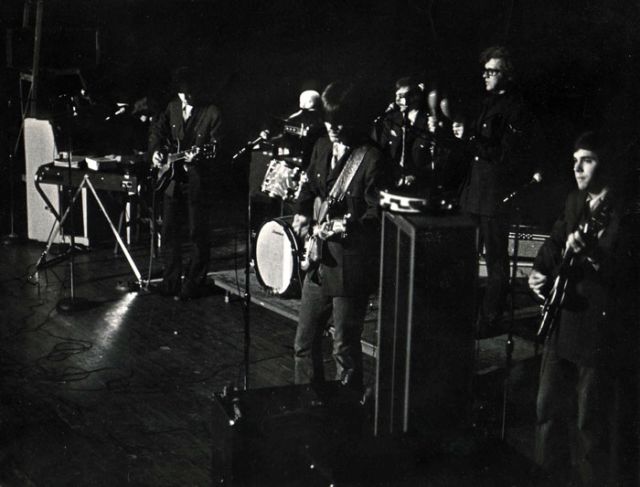
When I went to college (Concordia University Chicago) I brought my Tennessean and Sears Silvertone amp with me. I played whenever I had the chance and even borrowed an acoustic guitar to play at a couple of protest rallies. In addition to the anti-Vietnam War movement, it was the time of the first real Jesus-movement of my era. There was a Wednesday night “folk service” at the college, and eventually I had an opportunity to play guitar with half a dozen other students. I didn’t own an acoustic guitar, so I brought my Tennessean and Silvertone. I started throwing in rock and roll lead guitar parts from Chuck Berry, the Beatles and The Beach Boys, and that made people laugh, so I did it more, and we suddenly became The Chapel Band.The Wednesday services got so big they had to move us to larger and larger spaces. At one point, they stopped the services because the couple hundred college kids were causing the floor of the cafeteria to bow. The services were popular and a lot of fun, and of course we wrote our own songs. Later that year the college sent us out for our Easter break to tour Midwest churches as ambassadors for the school. We had a great time, but people kept asking if we could also play for dances. That led us to start Synod, built around John Strege on keyboards, Paul Rogner as lead vocalist and me.
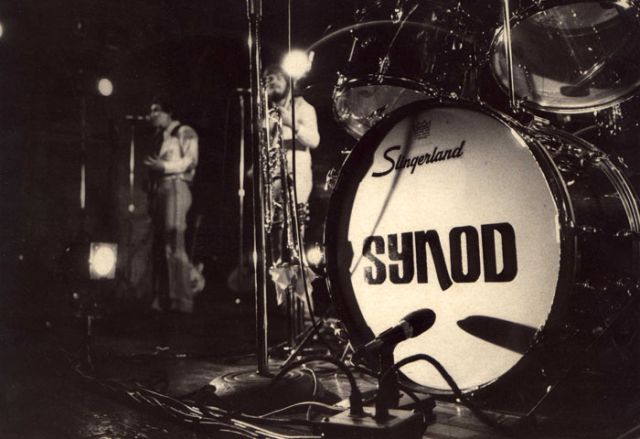
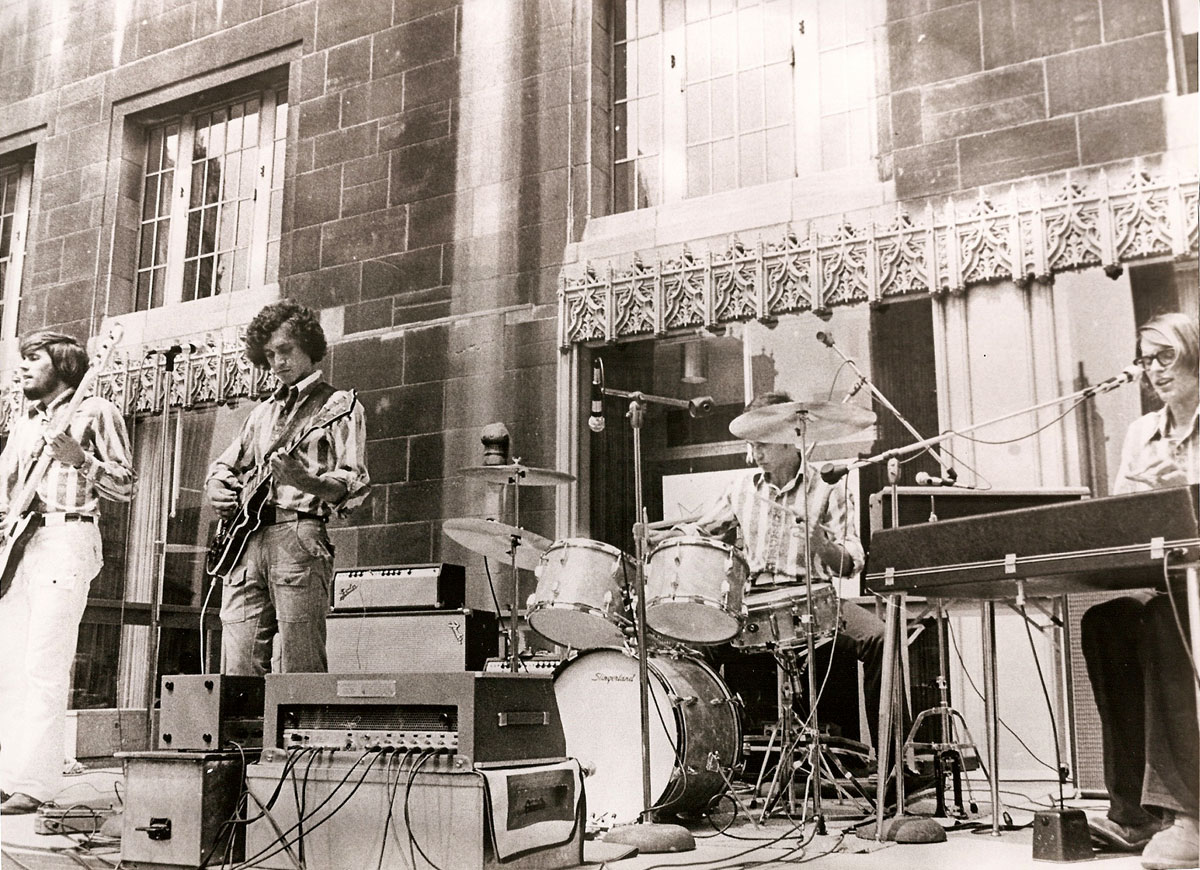
Synod’s first performance was at Concordia’s Spring Arts Festival on April 29, 1971. We’ve been together ever since. There were a few personnel changes, particularly in the first two years, but John, Paul and I have been in it the whole time. The first incarnation included Paul Sautter on guitar, Jack Giles on bass and Harv Mahavolic on drums. Scott King, later mayor of Gary, Indiana, became our bass player for the second performance, but less than a year later Sautter, King and Mahavolic left to start another band and we were joined by two other students, Brad Roche and Kim Kolander. We did some recording with that band, most notably a 9-song collection called “Sent to Reconcile.”
During the couple of years this 6-man version of the band was together we played constantly. We did some very long club dates in Clinton, Iowa and Branson, Missouri (before it became the Branson of today). We had great vocals, in part due to the influence of one of my favorite bands, The Association. One of our cover songs was a hit titled, “White Lies, Blue Eyes.” Along the way we auditioned for an agency called Gary Van Zeeland Talent from Little Chute, Wisconsin, not knowing they represented Bullet, the band that recorded “White Lies, Blue Eyes.” The A&R guy who auditioned us said we were the best band he’d ever seen and that we did “White Lies” much better than their flagship band, Bullet. They offered us a generous contract, and we thought we were on our way, but our drummer, Kim, announced several weeks later that he was quitting to get married. Because of that, Brad and Jack decided to call it quits. But John, Paul and I kept going.
I taught Paul to play bass, and we bought a Fender bass from our former bass player Scott King, and my brother, Glenn, joined us. We actually did some Peter and the Wolves songs, a few of which made it to recordings. Eventually, our part-time roadie, Bob Krueger, became a member of the band.
During the 1970s, Synod did a lot of writing and recording. We had a self-taught manager named Randy Schnack, who stayed with us about 15 years, and we went through a series of booking agents. We toured in 12 different states and performed at National Entertainment Conference showcases, Chicagofest, Summerfest, and dozens of universities, high schools, park districts and clubs.
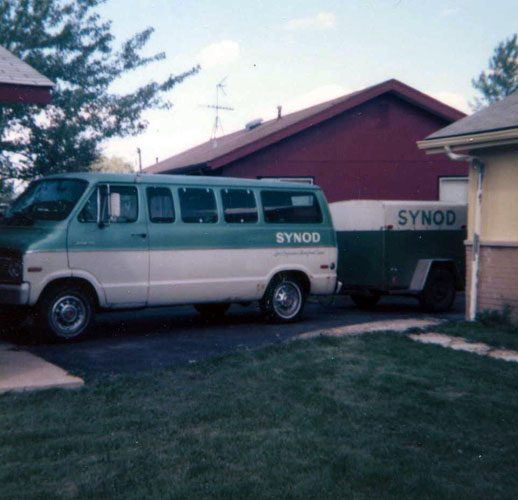
We have always been primarily a dance band. That’s our preference, anyway. But on one tour of the college circuit we arrived in Houghton, Michigan to play a job and were surprised to see a stage the size of a lot of rooms we played. The university gym was set up with a thousand chairs, and we realized were about to do an unexpected concert. We’d done plenty of concerts before, but usually with some additional planning. The show went off alright, but during the intermission an organizer of the event came backstage to tell us how great we were, but couldn’t we turn up the volume and the lighting? We were on 10. When we got to the hotel that night we called our manager and said, “We’ll be home in 10 days. Buy us a truck.” When we got back, Randy had a new Chevy box truck, and we immediately filled it with gear. We eventually were traveling with two 16-channel sound boards (synched by the manufacturer, Acoustic Systems, for us) in stereo and bi-amped. We had 16 15-inch speakers and four splayed horns with an array of tweeters. We also put together a system of theater lighting using fresnels and ellipsoidal lamps, and even follow spots. At our level, nobody we ran into had the gear and show we had.
One of the agents we worked through, Ken Freeman, got us a record offer from Capitol. Around the same time we also had an offer from Mercury Records. It was a turning point for us, similar to the offer we had from Gary Van Zeeland. Both labels said they loved our original songs and our performance, both wanted to record our songs, but one said they wanted to use other singers (although it would be under our name and we’d still perform live) and another said they wanted to use studio instrumentalists on the records. That was and is a common practice, but it isn’t what we wanted, so we passed. Up until that time, we were working on the staff of Concordia University, but by 1982 I decided to take a job with the local police department.
We all took real jobs, but we kept Synod going. We travel less, and none of us are any good at booking so we play a lot less. But we practice all the time, perform whenever and wherever we can, and someday…. We’ve put together a little web site with a few sound samples at www.synodband.com
Sky Saxon (born Richard Marsh) passed away this morning, June 25, 2009. As any garage fan knows, he was singer for the Seeds, the prototypical ‘garage’ band of all time.
I saw him in concert a couple times, once circa 1994 at a free show in San Francisco. He had a pick up band and was pretty out of it. The band tried to get him to sing “Pushin’ Too Hard” but he would only repeat a chant “Happy Mothers Day to all the mothers out here”. Well, it was Mothers Day. A few years ago he came to Brooklyn, looking great in a white suit to match his beard and did a fine show with a new group that actually knew the material. I wish I’d taken the request to put him up for a few days.
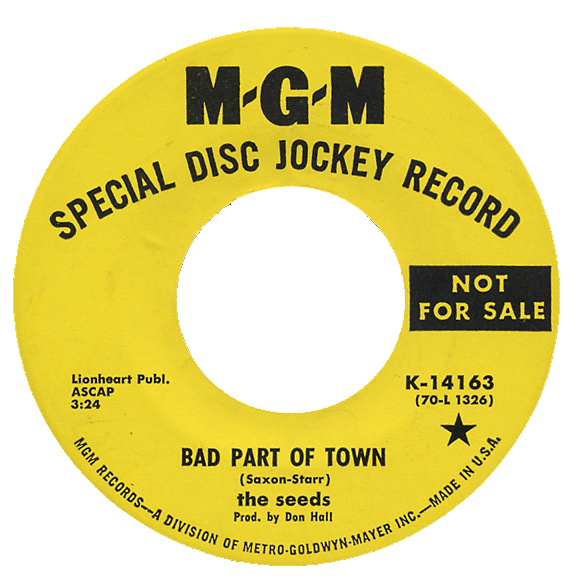
Many of the Seeds early records on GNP Crescendo have been in print almost continuously since their release. Less well-known are two singles Sky made with a revamped Seeds lineup for MGM in 1970, the incredible “Bad Part Of Town” / “Wish Me Up” and “Love In A Summer Basket” / “Did He Die”. It’s a little vague who’s playing on these, but Patrick Lundborg gives a possible lineup of Sky Saxon, Daryl Hooper, and Richard Barcelona, with a few others only remembered by their first names, Chip, Rob, John.
Sky’s story is told piecemeal on the web. The ‘official’ skysaxon.com website is one place to start, but it lacks detailed info on his career. For info on his later recordings, including “Bad Part of Town” I recommend the Lama’s write up here.
“I ran out of gas one day, so I took Michael Jackson’s album in, and all I could get was a dollar” – Sky Saxon, ‘Rolling Stone’ #456, September 12, 1985.
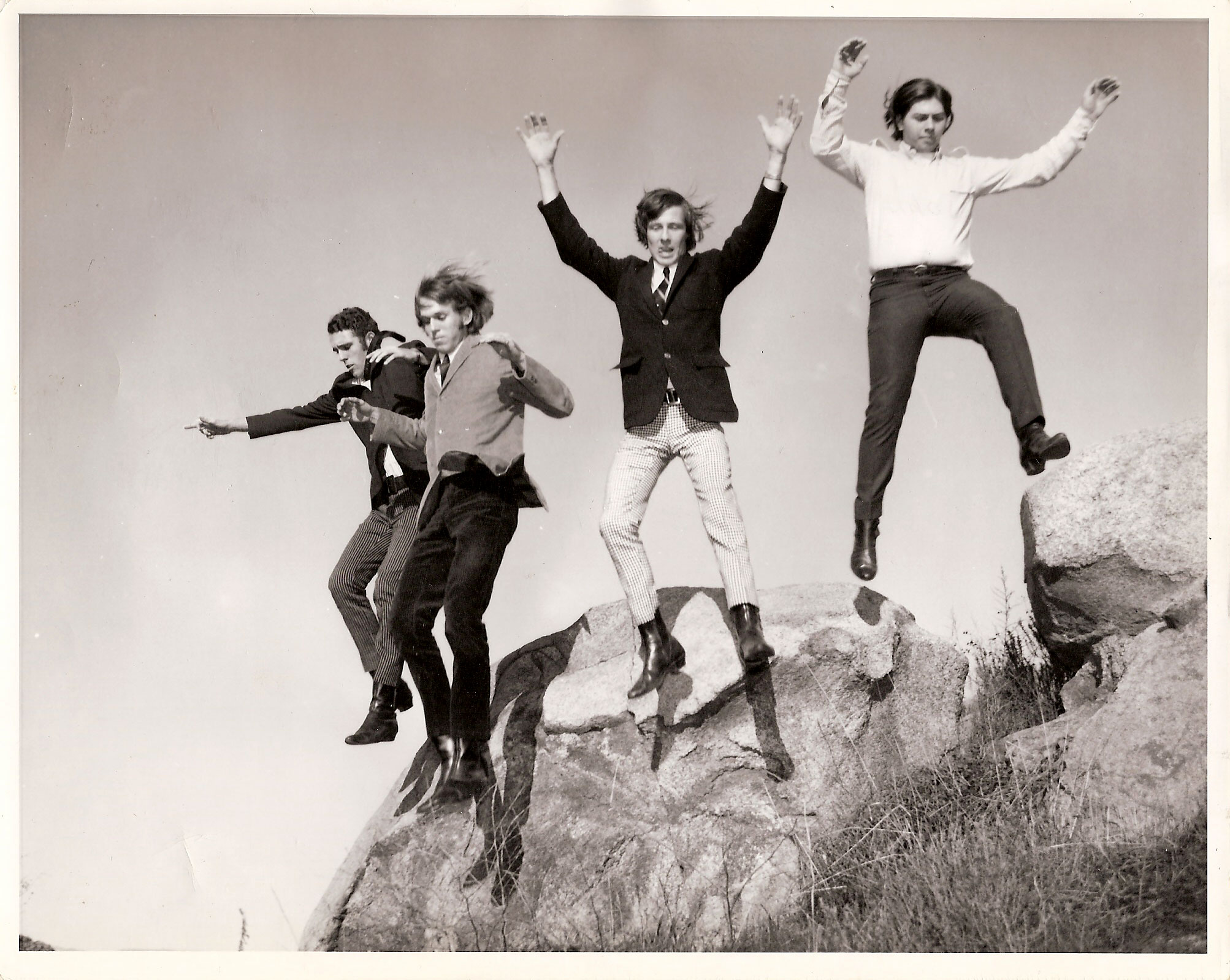
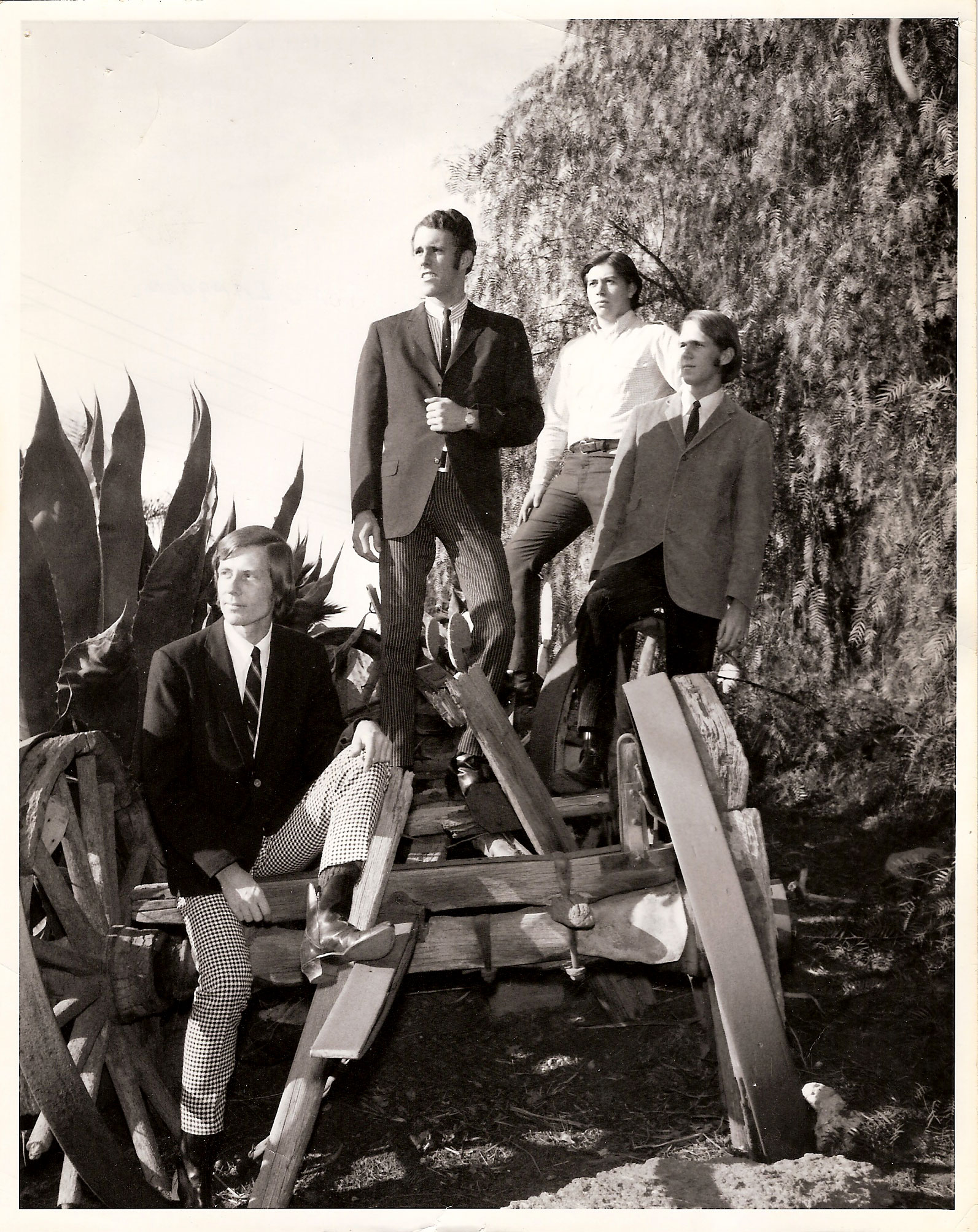
The Whatt Four l-r: Greg Sanders, Tom Ference, Tom Bitters and John Langdon
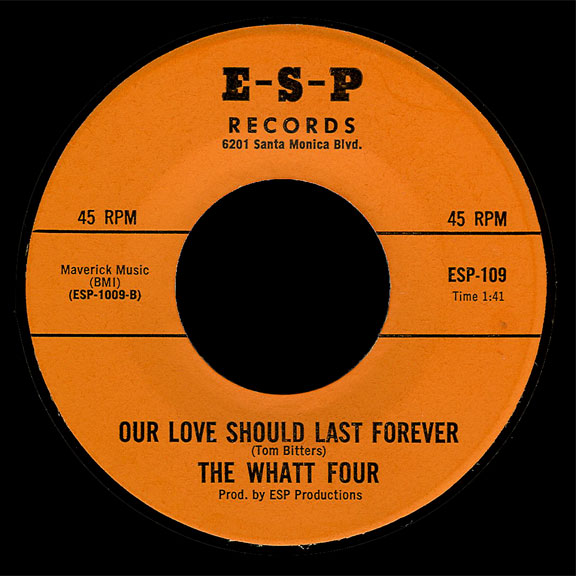
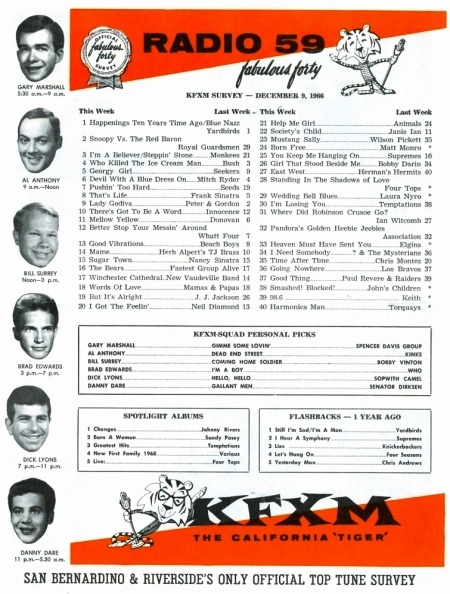
The Whatt Four released two amazing 45s in ’66 and ’67, both regional hits on KFXM in San Bernardino. The band cut two original songs for their first 45 on producer Gary Paxton’s own ESP label. “You Better Stop Your Messin’ Around” alternates between moody verses, deadly lyrics (“you say you’re shopping, but … someone else is buying you!”) and an upbeat chorus. Great harmonies and a driving bass line really propel this track. It was backed with the raver “Our Love Should Last Forever”, featuring Tom Ference’s slamming drum beats and John Langdon’s piercing guitar work.
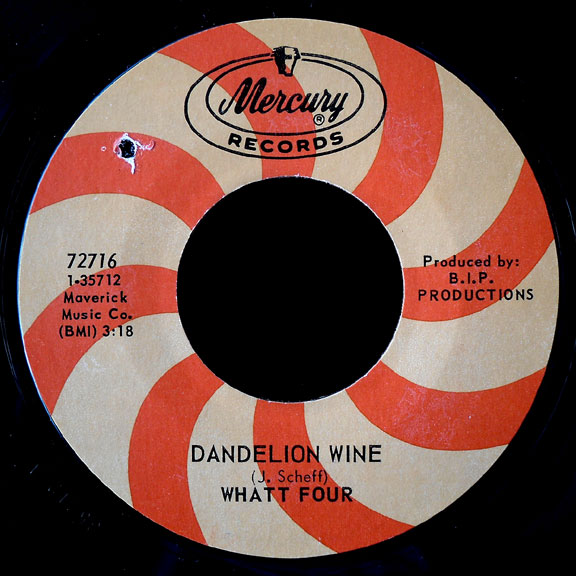
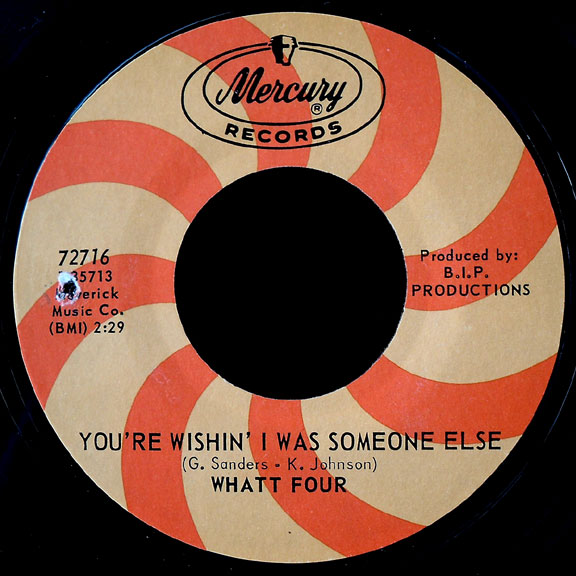
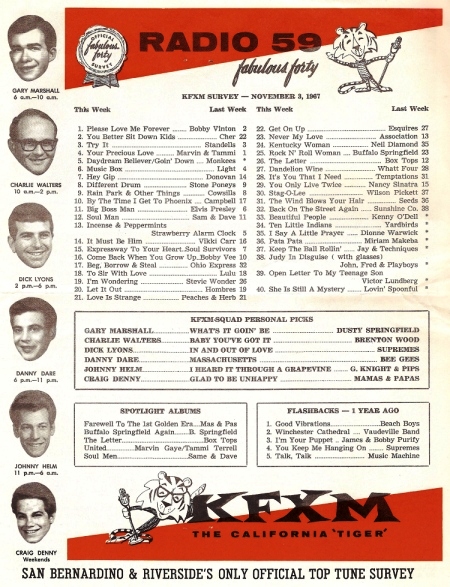
Their next 45 went straight to national release on Mercury. “Dandelion Wine” is a tripped-out gem, sounding like a mix of Donovan and the kitchen-sink production of the Stones’ Her Satanic Majesties Request, but with greater focus than most of that LP. It was written by Jerry Scheff, a member of bands like Goldenrod, the Millennium, Friar Tuck and later Elvis Presley’s touring band. For the flip of “Dandelion Wine” we have “You’re Wishin’ I Was Someone Else”, a Greg Sanders original that would have qualified as the A-side for nearly any other group.
I contacted the Whatt Four’s drummer Tom Ference who kindly shared these photos and comments about his time with the band:
The band members are Greg Sanders (bass and lead vocal), Tom Bitters (guitar), John Langdon (lead guitar), and myself as the drummer. Greg and I are cousins, Bitters was my neighbor growing up, so we three grew up together and started playing music off and on about 1965. Langdon was added later as lead guitar. Don’t remember how the name came about other than they’re was four of us, and adding WHAT, but spelled WHATT made it cool.
We were in Riverside, California. Played that whole area and into LA and San Diego. The Bush was our biggest local competition. But they played a different type of stuff. More of a dirty rock sound. The equipment we used were Fender amps and guitars, except Bitters used a Rickenbacker sometimes. We did have a really big Altec-Lansing PA system, which set us apart from most groups at that time. We were able to mike my drums and standard guitars for what ever effect we wanted.
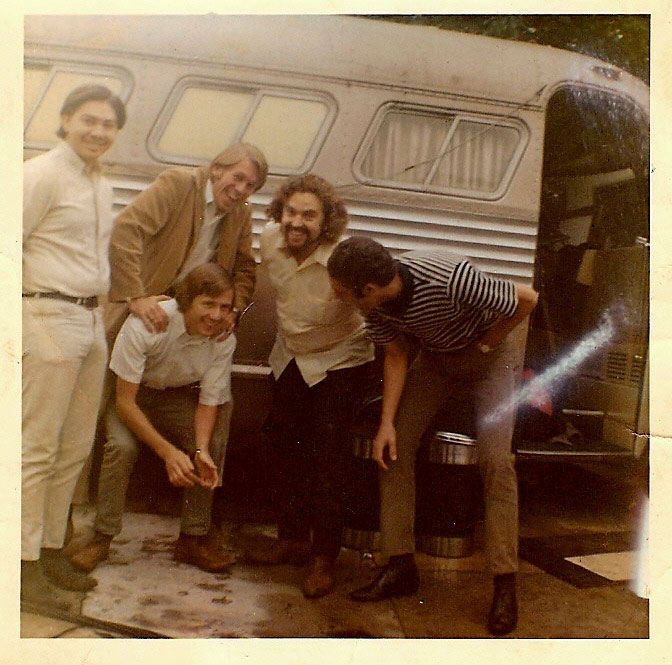
We met Gary Paxton at the Decca Records office in LA. We were seeing Bud Dant of Decca, pushing some demo stuff. Paxton just happened to be there. Bud said he wasn’t interested, but Paxton spoke up and said he was. So we hooked up with him back at his garage, that’s where his studio was, and the rest is history. ESP was Gary’s own thing. The only picture of us and Paxton is us and him by his bus that had all his recording equipment in it.
“You Better Stop Your Messin’ Around” was mostly a So-Cal thing. I think Gary hoped a major label would pick it up and do it national. I did hear it was getting a little play in other parts of the country. Not much really became of it. “Our Love Should Last Forever” was written by Tom Bitters, our rhythm guitar player.
We didn’t know Scheff [Jerry Scheff, the writer of “Dandelion Wine”]. His stuff was in a pile of songs Gary wanted to see if we could do something with. Greg Sanders was told to sound “loaded” by our producer Gary Paxton.
It came out on Mercury Records, a big deal for us. It was really starting to get some action. Then Greg got drafted, a few months later I got drafted, so the group went down the drain. No group, no record. We were lucky, Greg went to Germany as a radio operator, I auditioned and made it into the 98th Army Band (Ft. Rucker Ala). Much better than Vietnam.
What was Ken Johnson’s role with the band? – he’s co-credited on the flip, “You’re Wishin’ I Was Someone Else”
Johnson was a guy who helped Greg put the words on paper with music. And maybe some words.
Greg and I both got out of the army in 1969. We did reform with Bitters, but Langdon had gone his own way out of music. We added Larry Reid and renamed ourselves as “Allis Chalmers”. We did make one record. “Sing a Song” on Cream Records (1971). It was written by Gary Wright, we got covered by that guy from “Blood, Sweat and Tears”. Shortly after that we went our own ways. Just couldn’t go back to playing bars and stuff like that. Never saw Paxton again, I hear he’s into religious country stuff now, boy what a difference from when we knew him. Greg works for the State of California, not sure what Bitters is doing, I retired from Verizon in 2003 and enjoy every day.
I’m always amazed and happy that what we did is still remembered. It was a fun time of musical experiments. I think that was the best part, the only rule was there were no rules. It was what sounded good to you that mattered.
Tom Ferrence, 2009
The Whatt Four with Gary Paxton, second from right. The bus served as his studio’s control room.
Greg Sanders wrote to me in December, 2011 in answer to my questions about Gary Paxton:
Working with Gary was an experience. We were young and innocent, though we probably didn’t think so and he matured us quickly. Always willing to assist and took a real interest in who we were. Learned alot about recording and “inside” music stuff from him. Hal Blaine (prime session drummer) was visiting Gary during one of our sessions and he joined us for the hand clapping part on Dandelion Wine.
There is one person I want to mention who played a large part in helping us along the way: Bill (Kid) Corey. He was the owner/operator of the Mystic Eye teenage club in Riverside. He hired us in the beginning to be the house band. It was there that we practiced and got tight as a band. Sadly, the club closed sometime in 68 I believe.
The Whatt Four, l-r: Tom Bitters, Greg Sanders, John Langdon and Tom Ference
In a comment below, Kimberly Langdon-Sauceda sadly reports that her father John Langdon passed away in 2002 after fighting esophageal cancer.
See the entry on the New Wing for more about Gary Paxton and Ken Johnson. All four tracks by the Whatt Four will be appearing from the master tapes on an upcoming Big Beat comp dedicated to the Riverside and San Bernardino scene being produced by Alec Palao. “You’re Wishin’ I Was Someone Else” will also be on “Where The Action Is: LA Nuggets 1965-68” box set on Rhino, due to be released in late September ’09.
Special thanks to Tom Ferrence for sharing his memories and photos of the Whatt Four. Thanks to the G45 Secret Society and Jim Wynand for label scans. KFXM chart reproduced from ARSA. Also a tip of the hat to transoniq for name-dropping Dandelion Wine in a comment about the Rites.
“Better Stop Your Messin’ Around”, at #12, KFXM, December 9, 1966“Dandelion Wine” at #27, KFXM, November 3, 1967
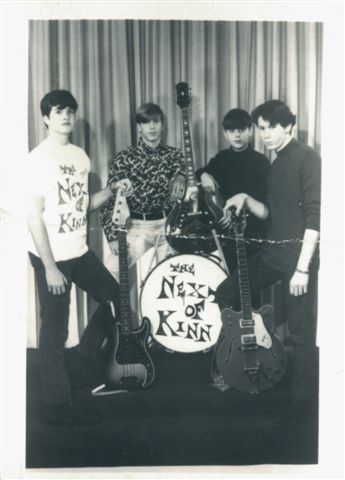
The Next of Kinn, 1966, from left: Steve Brajak, Paul Softich, Jerry Centifanti, Joe Centifanti
Joe Centifanti, guitar Jerry Centifanti, guitar Steve Brajak, bass Paul Softich, drums
The Next of Kinn’s “A Lovely Song” is a favorite of mine. Buckeye Beat has the full story on the band, including the photo above – below is a quick summary of their story:
The Centifanti brothers were from Youngstown, and Steve Brajak and Paul Softich other members were from nearby Struthers and Boardman respectively. These kids were young! No older than 10 when they started, and all of 10-14 when they cut “A Lovely Song” at WAM/United Audio studios in the fall of ’67.
Pete Pompura, bassist for the Pied Pipers (who cut the wild 45 “Stay in My Life” on Hamlin Town) contributed the lyrics for “A Lovely Song” and helped the Next of Kinn write “Nosey Rosie”. Jerry Centifanti sang lead on both songs, with Pied Piper vocalist Dennis Sesonsky on backup.
However the band went back into the studio, and the feedback-laden “Nosey Rosie” was dropped in favor of a good version of “Mr. Soul” for the record’s release in January of ’68, with the band’s name abbreviated to Next of Kin on the labels.
I finally heard a dub of the WAM acetate of “Nosey Rosie” not long after I first wrote this post about the Next of Kinn. Let me say it’s all that I had hoped it could be – three minutes of tough feedback layered over a simple backing with vocals similar to “A Lovely Song”. Wow! I can’t think of any other examples of guitar sounds this wild before the second side of the Velvet Underground’s White Light/White Heat, released several months later in early ’68! Time to rewrite music history again!
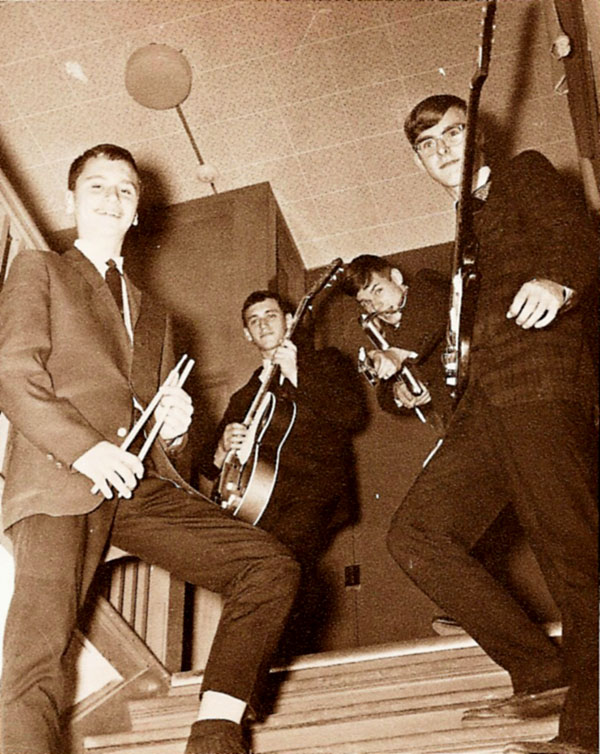
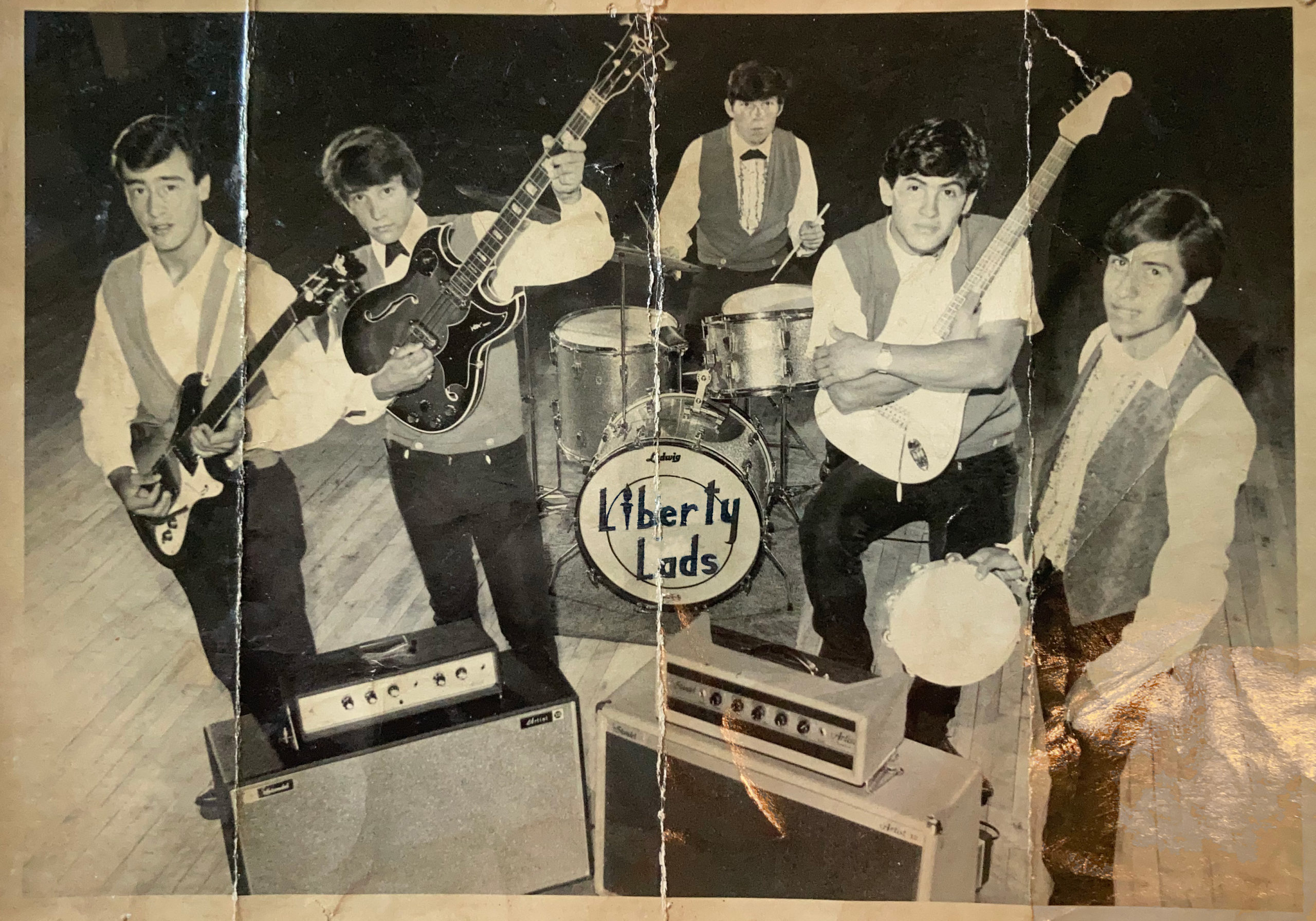
The Liberty Lads, from left: Andy Arguello, Eddie Williams, John Lujan, George Tomelloso, and Mike Mendoza. Photo courtesy of Vicki Bowlin George Tomelloso, lead guitar and vocals Andy Arguello, guitar Mike Mendoza, guitar Eddie Williams, bass John Lujan, drums
The Liberty Lads were from the Liberty Farms and Dixon area east of Vacaville. In 1965, like many bands from the area, they recorded at Bill Rase’s studio on Franklin Blvd in Sacramento, a package deal of a few hours recording time and 45s on a custom label to sell at their shows.
George Tomelloso, who passed away some time ago, wrote both sides of their only release. “Too Much Loving” has great tension created by the repetitive bass line and sitar-like lead guitar line. The immense reverb makes the sparse instrumentation seem even thinner. The vocals don’t start until nearly a minute in, and Tomelloso delivers them in a weird snarl with another member echoing the lines deep in the background. A lone handclap accompanies the chorus. At 3:55 this is one of the longest independent singles of the day, and unlike any surf music ever recorded.
All the qualities that make “Too Much Loving” so great are nearly absent on the flip, “I Need Believe In”, a ballad that drags along for over three minutes with only a fine reverb guitar sound to help it along.
The excellent Big Beat CD The Sound of Young Sacramento has a great photo of the group, along with thirty great tracks by bands from the region, and I recommend it highly.
Eddie Williams (Eddie Guilherme) joined the Tears who cut “Weatherman” on Scorpio and “Rat Race” on Onyx.
Thank you to Vicki Bowlin for the photo of the group at top. Vicki commented below that her mother Bobbi Madrid helped manage the band, and had them practice at their house in Vallejo.
Back row: Tom Cosgrove, Billy Dennis and Pete Santora. Front row: Dennis Sousa and John Tomany
From the Bronx, the Elegant Four were also known as the Elegants. Tom Crosgrove was lead guitarist and vocalist, and wrote both songs on their only 45. Other members included Bill Dennis and Pete Santora.
The chanted vocals and echoing chords give “Time to Say Goodbye” a downcast mood, brightening momentarily during the chorus where the singer gives the boot to the girl holding out on him.
On the flip is the uptempo “I’m Tired”, with more fine harmonies and a good guitar solo.
These songs were originally released on the Cousins label, produced by Mike Barbiero. It was picked up for a December ’65 release on Mercury, but doesn’t seem to have made much chart impact.
Sources: photo from Pete Santora’s site. Thanks to Tom for clarifying the photo IDs.
A couple other photos are available on Tom Walsh’s site Bronx Bands of the Past (warning: Angelfire sites like this one always have pop-up ads).
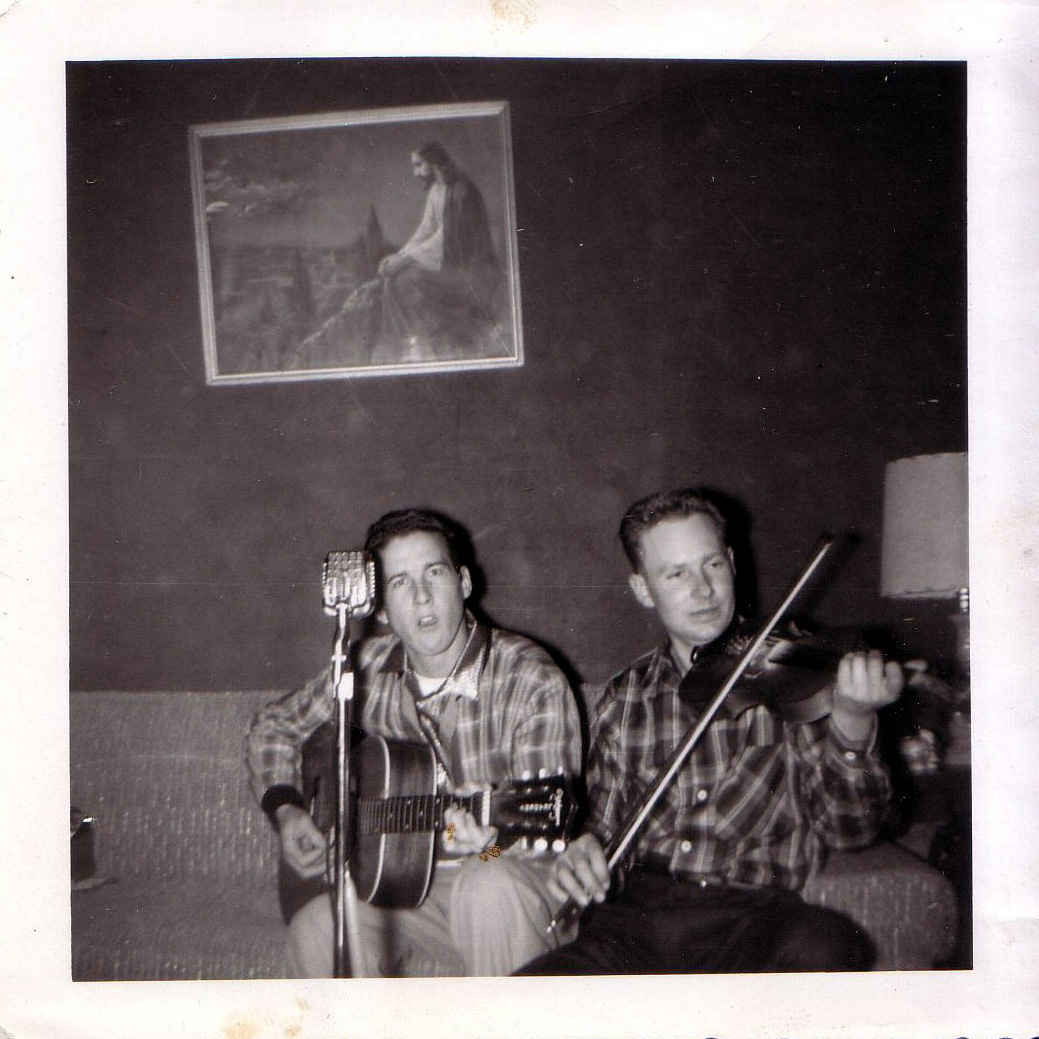
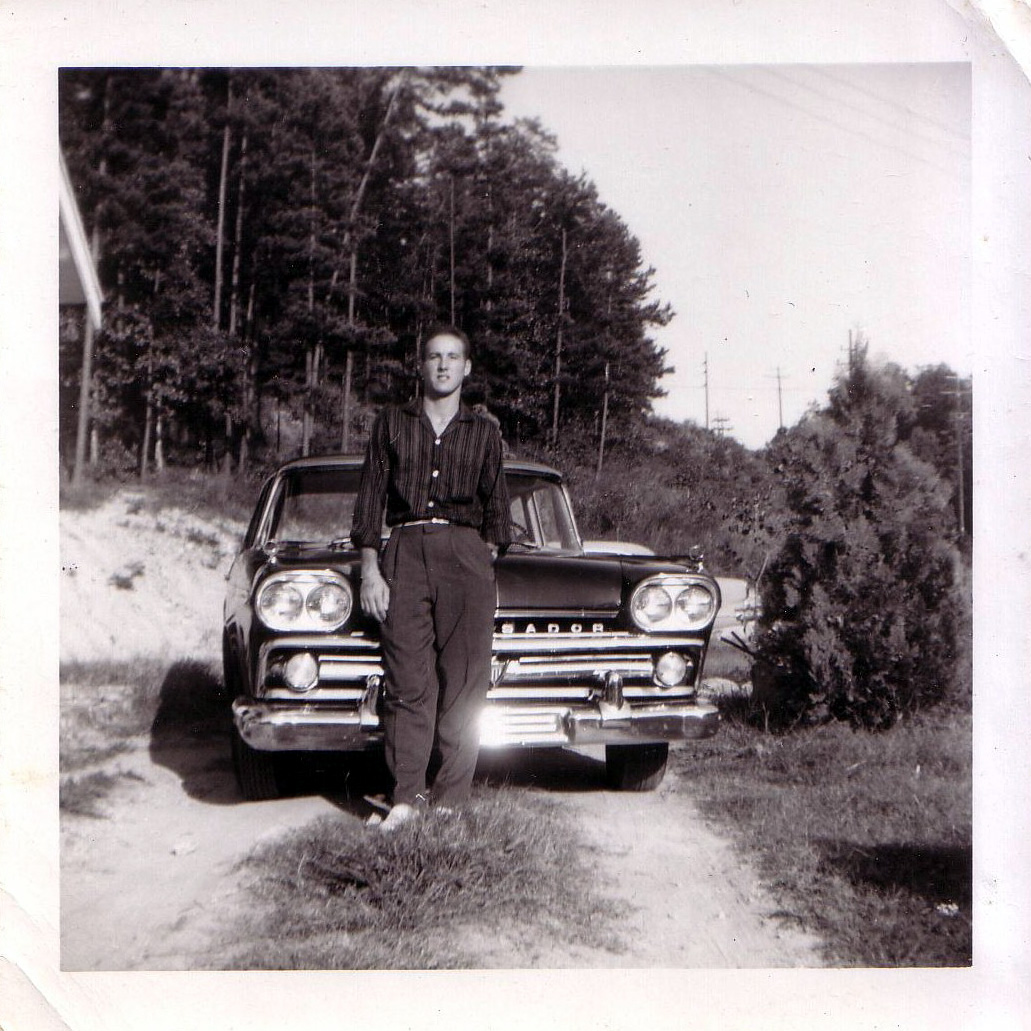
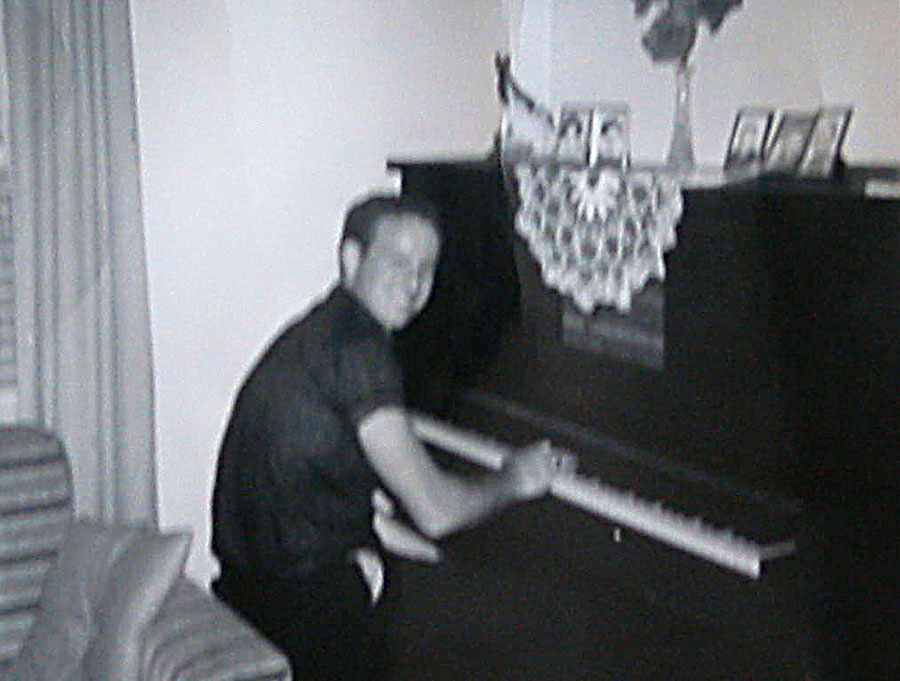
Lamar Collins at home with his mother’s piano All photos are courtesy Jeanette Bleckley, except where noted.
James and Lamar at the high school promSam Camp writes this tribute to Lamar Collins, bassist and vocalist with the Chashers and the Avalons:
The first time I met Lamar Collins was in 1963 at Bell’s Drive Inn in Toccoa, Georgia. I was a curb hop there at the time and just happened to walk to his car to take his order. Lamar asked was I the guy that played saxophone and I shyly replied, ‘yes’. I was barely 14 years old and Lamar was in his very early 20s. We started a conversation about music and the rest is history.
Lamar was already jamming with several musicians from Hartwell, Georgia – David Conway, Calvin Coker, Larry Mayo, and a saxophone player whose name I do not recall. Little did I know at the time, I would soon replace the nameless saxophone player. We began to practice at the house where Lamar and his wife Shirley were living on Prather Bridge Road. Occasionally, we would travel to Hartwell to practice. After joining the band, I recall playing at Lake Rabun Georgia for a party and making near nothing and then driving the car back to Toccoa. This band, the name which I do not recall, played a couple more meaningless gigs and soon fizzled out.
Evelyn Bowden-Spencer, Jeanette Bleckley, Lamar Collins & R.J. Spencer at Jeanette’s home. “We often played and sang together.”Calvin Coker continued to drive to Toccoa to keep the enthusiasm going, but something was obviously missing. Two weekends later, Lamar brought in another musician named Jimmy Sipes. I could tell right away that Sipes was a seasoned musician and that he and Lamar had a lot in common. When the four of us practiced I could sense that there was a little competition between Coker and Sipes and, soon after, Coker did not return to any more practices. Sipes was to play keyboard, “Wurlitzer piano”, and Lamar quickly bought a bass guitar and we continued to practice. The group was not complete without a drummer and guitar player. Somehow Ronnie Crunkleton (drums) and Roy Thompson (guitar) made their way into the band.
After several months of rehearsing, we started sounding like a real rock and roll band. We called ourselves “The Avalons”. We were ready to gig. I recall our first gig at the ELKS Club in Toccoa, Georgia where we had to stretch 33 songs into 4 sets, but all went well. They wanted us to come back!
Lamar and Jeanette Bleckley at the J-S Prom;We began playing regularly in Northeast Georgia and South Carolina. Lamar Collins and Jimmy Sipes could give The Righteous Brothers a run for their money singing, “You’ve Lost That Loving Feeling”. We were popular for this quality of vocal harmony and on occasion we were labeled as the Righteous Brothers of Georgia.
Lamar was very popular among the ladies with his blond hair, blues eyes, and strong tenor voice. He was endowed with a gift that enabled him to sing straight to your heart and make you remember that feeling the next day. Without question, Lamar was the driving force of the band and well respected among his fellow musicians.
Lamar Collins at the Chicken Shack Photo courtesy Sam CampThe Avalons gained much popularity as the house band at a local teen club called “The Chicken Shack” located in Seneca, South Carolina. It was not uncommon to pack a thousand fans in on Saturday night where our records and pictures were sold.
I remember our opening song, an instrumental of “You Can’t Sit Down”, by The Dovells on which I played the sax. As its title suggests, it’s an amazing dance number that would heat up any dance floor. This was our signature song and always got the crowd going. They would start to scream the minute we began to play.
During the band’s popularity, we opened for several national acts including such names as The Swinging Medallions, Billy Joe Royal, Sam the Sham and the Pharaohs, Keith, and The Impressions.
Lamar was the lead singer of the band and you can see him in the picture inside the Chicken Shack playing his red Gibson bass guitar. Lamar loved to perform. Folks that came to The Chicken Shack in the late sixties will certainly remember this setting.
The Avalons’s “Come Back Little Girl” was No 1 at WHYZ radio station in Greenville South Carolina. The group brushed closely to fame, but due to conflicts of interest, they sadly chose to split in 1968.
After a period of time, everyone went their separate ways. Soon after, Lamar and Roy Thompson collaborated and put their heart and soul into two songs “The Wind” and “Without My Girl”.
Lamar was a “star” that shined from Toccoa, Georgia. He was loved and respected by many for his musical abilities, but those who knew him closely could tell you what a kind and gentle heart he possessed as well. It was this that shone through in his character. Lamar was responsible for getting me started in my music career and I still play today. During the years I knew him, the man ate, slept and lived for his music. He inspired a surprising number of us to continue in the gift of music God had placed in each of our souls, and for that I will always be grateful.
Lamar Collins gave birth to The Avalons. Essentially, Lamar Collins was The Avalons.
Lamar passed away in 1982 of a brain tumor. To say that I miss him would be an understatement. I think of him often and can testify of many others who do the same.
This is written in tribute to my dear friend, Lamar Collins.
Sam Camp
A special thank you to Jeanette Bleckley for the additional photos of Lamar.
Lamar, with Mike Stephens on guitar “Lamar & his niece at my old home place”
Lamar & R.J. Spencer
Lamar Collins, photo courtesy Sam Camp
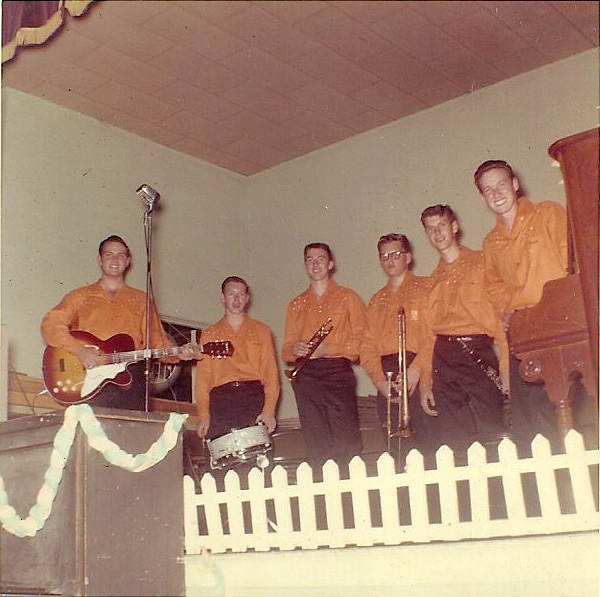
The Satellites: Mike Stephens (guitar), Trig Dalrymple (drums), Horace Baker (trumpet), Ray Deaton (trombone), Gary Huth (clarinet), Lamar Collins (piano). Photo courtesy of Mary Stephenson.Lamar Collins and Mike Stephens. Photo courtesy of Mary Stephenson.
Mary writes, “My brother, the late Mike Stephens and Lamar started a band around 1958-1959, and it was called the Sattelites. They mainly played for school dances.”
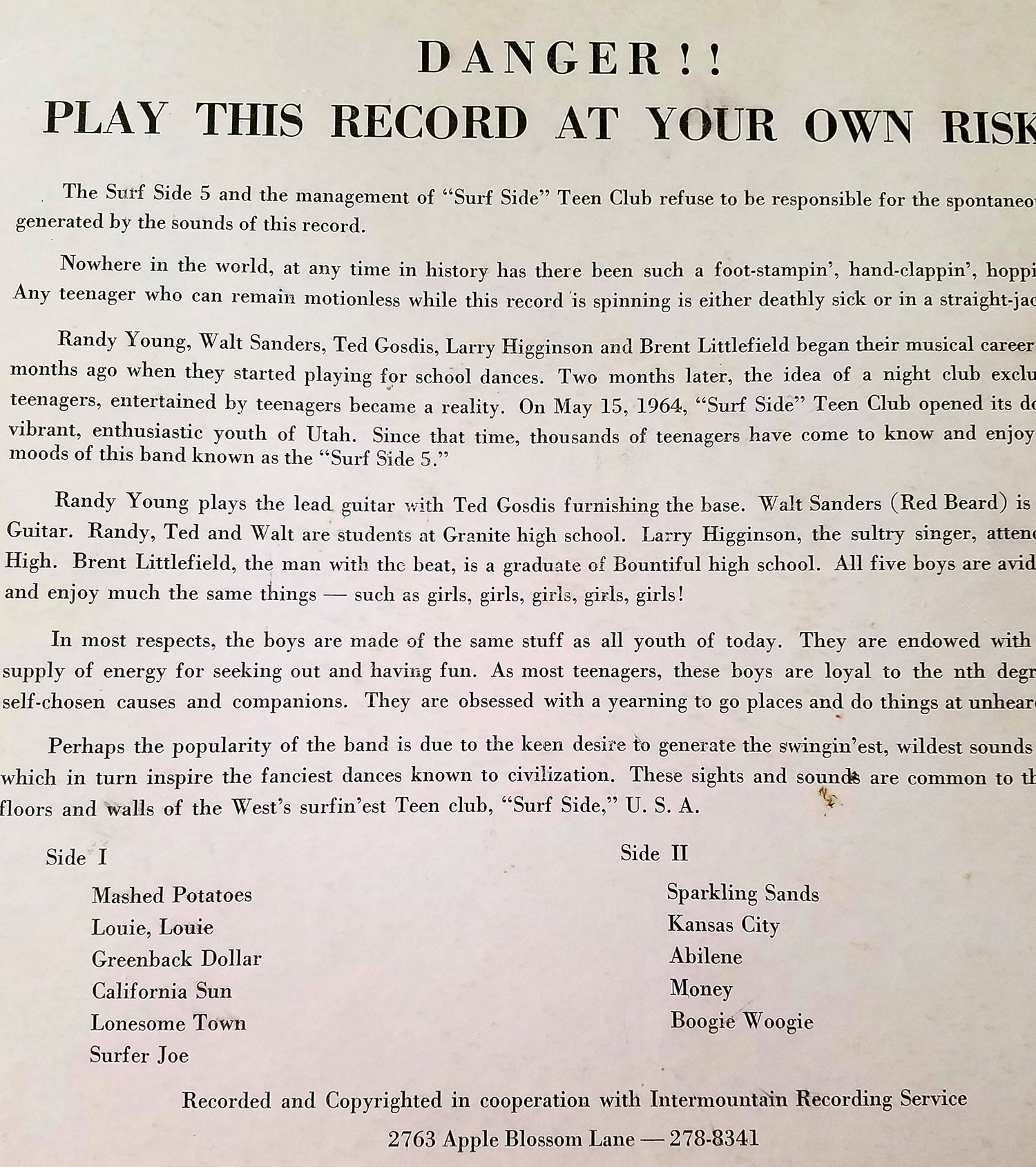
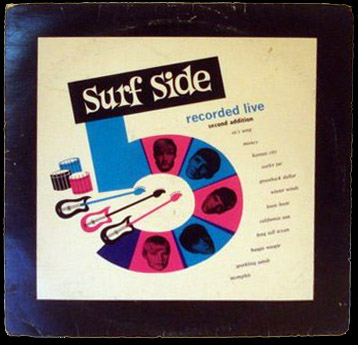
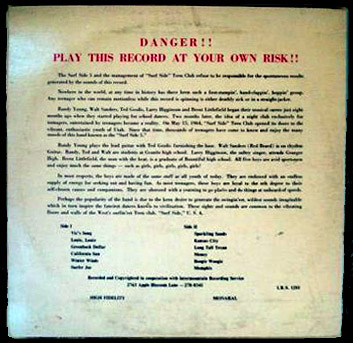
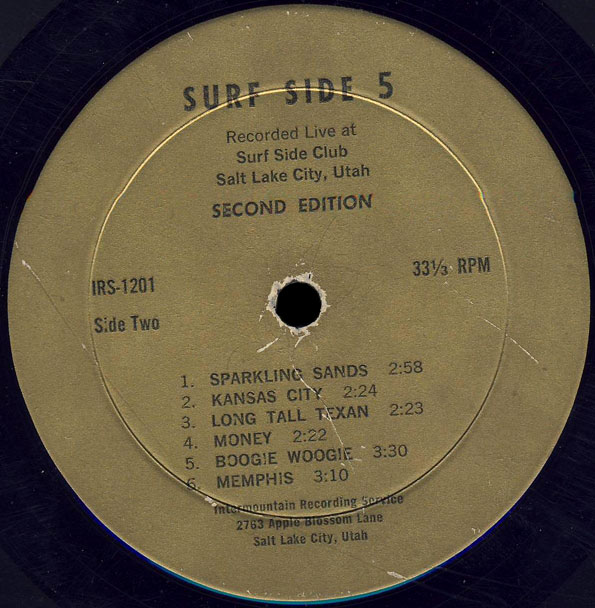
Steve Carter of Phoenix rescued this very rare LP by the Surf Side 5 from the trash, scanned the labels and transferred the LP to CD to share with Garage Hangover. Steve didn’t find the cover, and it wasn’t until August 2012 that Ed Nadorozny found the low-resolution photos of the front and back cover seen below.
Recorded live at the Surf Side Club in Salt Lake City, Utah in front of a small but raucous crowd, this is a solid set of mostly standard cover songs of the day. The performances are well done. “Sparkling Sands” is something of a standout and the track I would recommend.
“Greenback Dollar”, “Louie Louie”, “Surfer Joe”, “Memphis” (the Lonnie Mack version), “Kansas City” (the Trini Lopez version) and “Long Tall Texan” were all hits of 1963, and “California Sun” hit big in early 1964, so I think it’s safe to date this to very early ’64. Certainly there’s zero British Invasion influence in their choice of material or style.
In 2017 I heard from Brent Littlefield, the drummer for the Surf Side 5 who sent in the larger cover scans seen here and answered my request for some history on the group:
I had a three piece band during high school and we mostly played at school dances and assemblies during the Beatles rage at Bountiful High School in Utah.
Walt Sanders (rhythm guitar), Randy Young (lead guitar), and Ted Gosdis (bass) all played together at Granite High School in Salt Lake City. I think Larry Higginson (lead vocal) was also with them. I joined the band in summer of 1964 right after high school graduation.
Walt’s older brother George Sanders formed a teen club named Surf Side and the band played at the club for next to free after they deducted food and Cokes from our pay. That summer their drummer went on vacation and they asked me to sit in for the drummer until he returned from vacation. When he came back they asked me if I would stay and he was not invited back. We were rocking and bringing in packed crowds every night at the teen club.
When we cut the album we had only been together for about 4 months, after a few more months we really got good. The album is called the second edition because the first recording was done so poorly we made them re-do it for free. I have the original but it is terrible.
In 1965 during the “British Invasion” a promoter by the name of Al Michaels (from England) heard of us and wanted to help promote the band. He was very obnoxious but a good promoter. We had no money for promotion so he was on his own.
He arranged a “western tour” for the band. We spent a few days traveling in Idaho. In each town he arranged local performances for the band. We were greeted with convertible Cadillacs driven by a chauffeur and went through a downtown parade. We performed on the city hall steps in front of the mayor, the city council and the community. We performed at an old folks home and later that night participated in a “Battle of the Bands”.
We stayed at a dumpy hotel, but it was OK because our groupies followed us from Salt Lake and a lot of the locals joined us. I guess we got a little crazy.
On the way out of town on Sunday we were listening to the local Sunday morning talk show and they were talking about these rock bands who come into town and raid their culture and people.
We played several gigs at the Lagoon Amusement Park, the same venue used by all the top groups of the day. The Everly Brothers, the Beach Boys, and Paul Revere and the Raiders and others all performed at the Lagoon.
We also played in big promotion concerts at the Terrace Ballroom, another great Salt Lake venue.
While I was in the band I worked in the teen club as a janitor, at Albertson’s grocery as a bagger, and had a full schedule at the University of Utah. I flunked my 7 AM class, as I could never get my butt out of bed to get to class.
I quit the band in early 1966 as I got a pretty good job in the finance industry and planned on getting married in June of 1966.
Brent Littlefield Feb 11, 2017
It’s amazing that this LP had two editions, with some differences in song choice and the covers. The 1st edition, which the band withdrew, had “Mashed Potatoes”, “Lonesome Town”, “Abilene”, which were replaced by “Vic’s Song”, “Winter Winds”, “Long Tall Texan” and “Memphis” in the 2nd edition.
The Intermountain Recording Service has a Salt Lake address on the label, I believe the studio has moved and is now the Inter-Mountain Recording Studio in Carson City, Nevada, unless that is a different studio altogether.
This site is a work in progress on 1960s garage rock bands. All entries can be updated, corrected and expanded. If you have information on a band featured here, please let me know and I will update the site and credit you accordingly.
I am dedicated to making this site a center for research about '60s music scenes. Please consider donating archival materials such as photos, records, news clippings, scrapbooks or other material from the '60s. Please contact me at rchrisbishop@gmail.com if you can loan or donate original materials

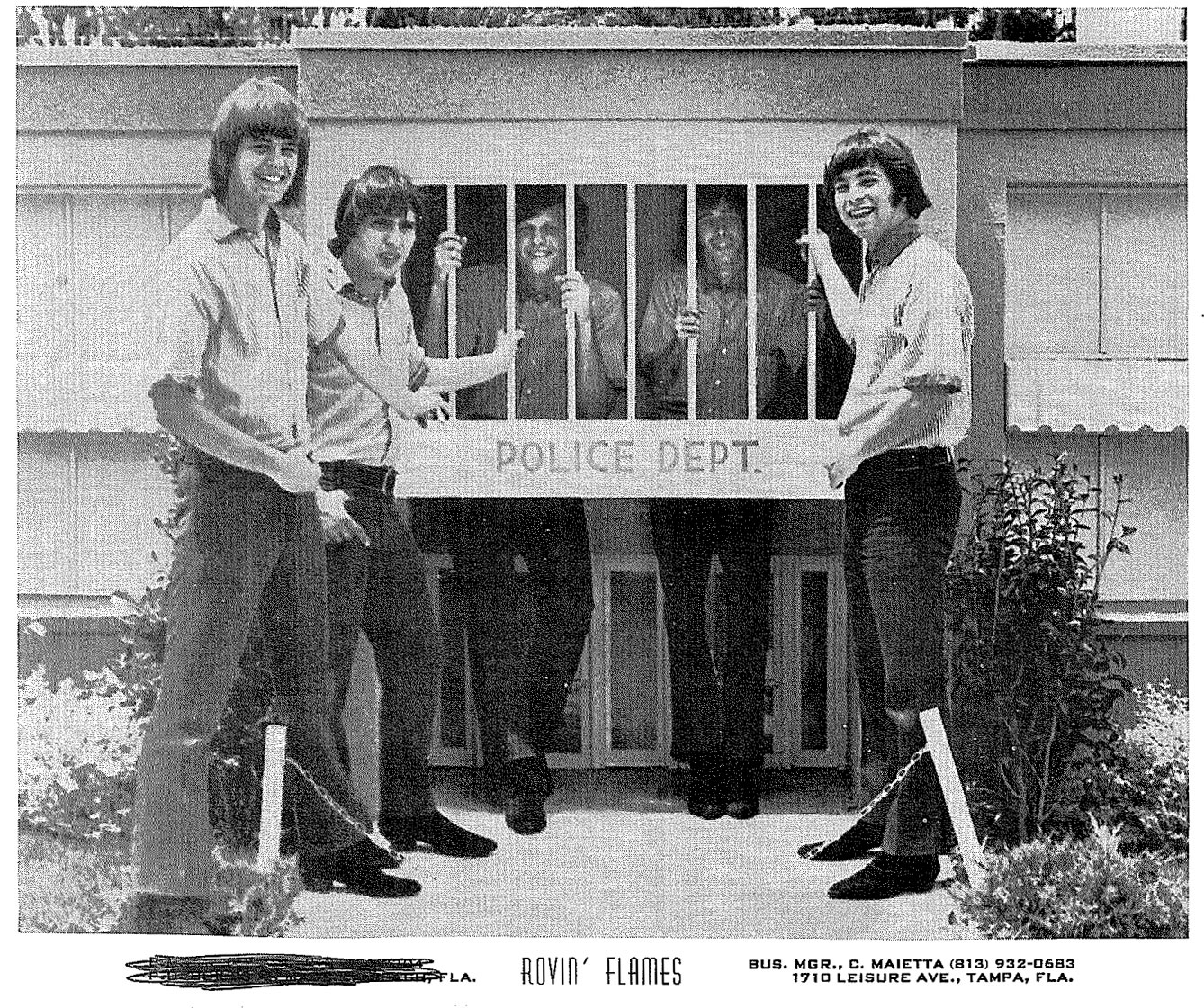
 I don’t know how the band started, but at least some of the Rovin’ Flames were students at Chamberlain High. The Rovin’ Flames first record was “Gloria” / “J.J.J.P.” cut in September 1965 on the Fuller label owned by Charles Fuller who also ran the Boss and CFP (Charles Fuller Productions) labels. This 45 was produced by John Brumage, whose name crops up repeatedly on Rovin’ Flames records, usually as producer.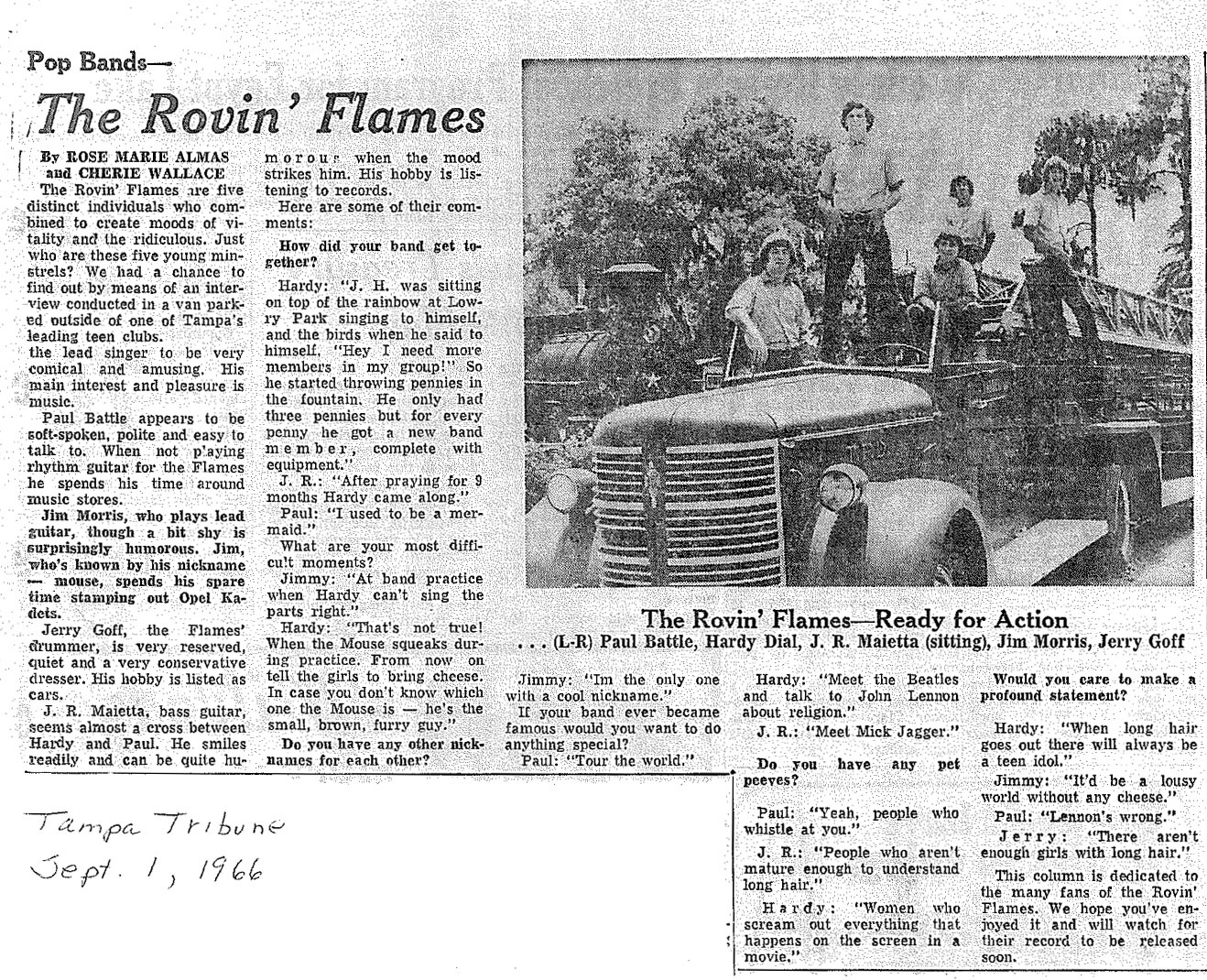
 Spring or summer, 1966: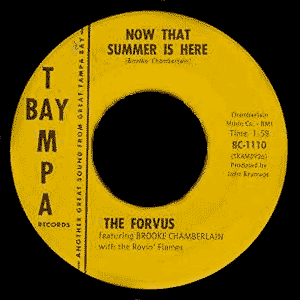
 For the flip they do the entirely more sedate “I’m Afraid to Go Home”, a cover of a Brian Hyland song. Despite the catchy rhythm of the guitar and bass this song drags, with rhymes of “what I’ll see” and “Tennessee”.
 Brooke’s taking himself even less seriously on the flip, “It’s Nothing New”. The awkward artist credits on the labels are another clue to the tongue-in-cheek nature of this 45, with “Now That Summer Is Here” billed to “The Forvus featuring Brooke Chamberlain with the Rovin’ Flames'”, while “It’s Nothing New”, is credited to “Brooke Chamberlain with the Forvus and the Rovin’ Flames and Harvey Swadnungle”. Chamberlain’s alias in BMI’s database is Frank Edmondson Jr.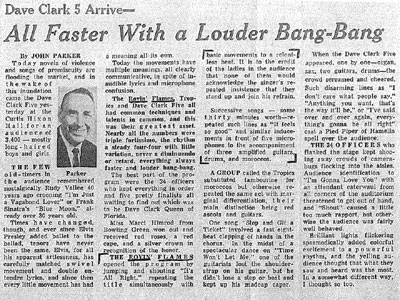
 In fact, the Outsiders/Soul Trippers and Rovin’ Flames stories seem intertwined in ways that aren’t fully clear to me yet. With Delise moving on to the Rovin’ Flames, The Soul Trippers became Noah’s Ark, cutting two 45s for Decca, including a cleaned-up version of the Fugs “Group Grope” retitled “Love In” that the band credited to themselves. Ed Sanders could have sued over that one! One of the writers credited on “Love In” is Helen Uncapher who would co-wrote both sides of the Rovin’ Flames next release, “How Many Times” / “Love Song #6” with John Delise. As producer of these discs, John Brumage at H&H seems to have been responsible for placing both Noah’s Ark and the Rovin Flames with Decca in 1967.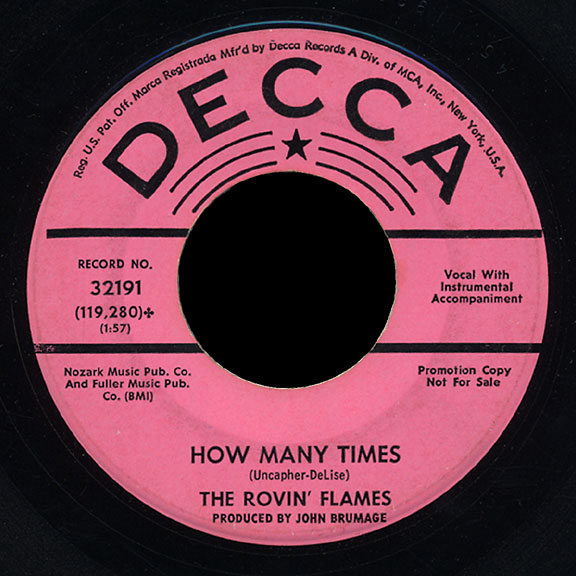
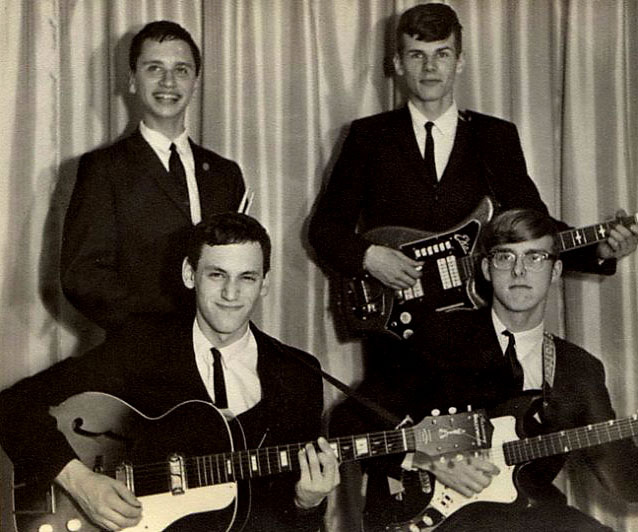
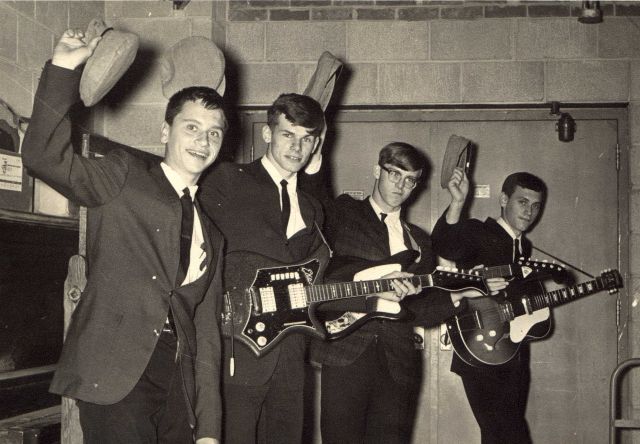

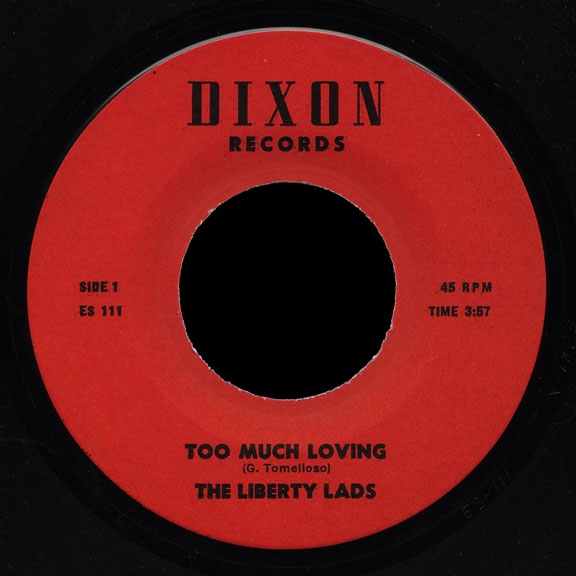 The Liberty Lads were from the Liberty Farms and Dixon area east of Vacaville. In 1965, like many bands from the area, they recorded at Bill Rase’s studio on Franklin Blvd in Sacramento, a package deal of a few hours recording time and 45s on a custom label to sell at their shows.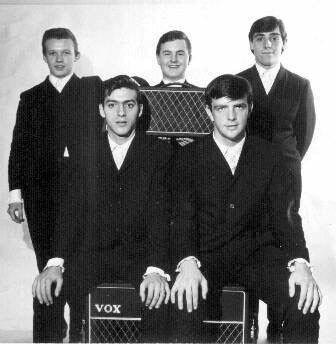
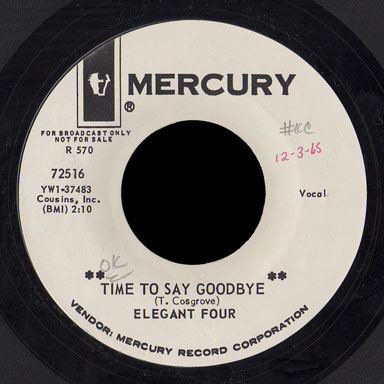 From the Bronx, the Elegant Four were also known as the Elegants. Tom Crosgrove was lead guitarist and vocalist, and wrote both songs on their only 45. Other members included Bill Dennis and Pete Santora.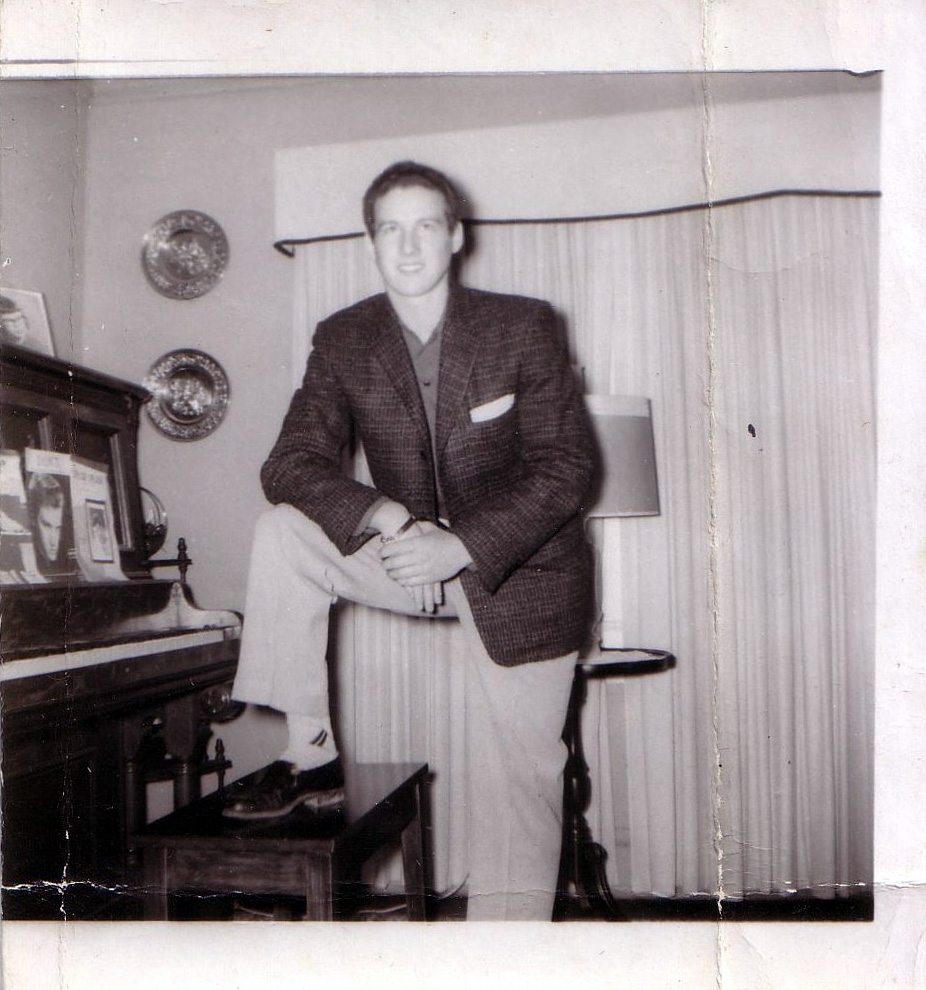
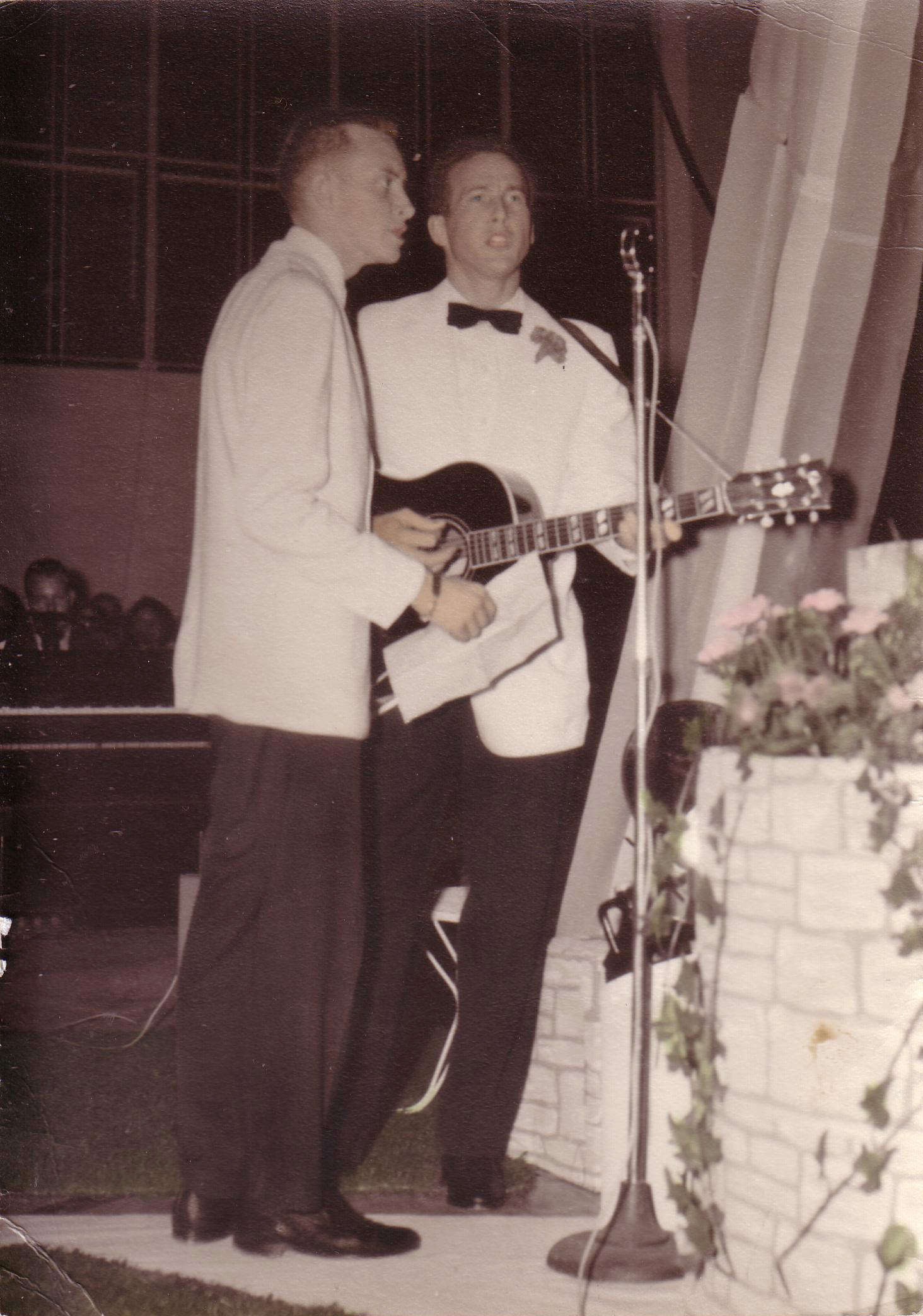
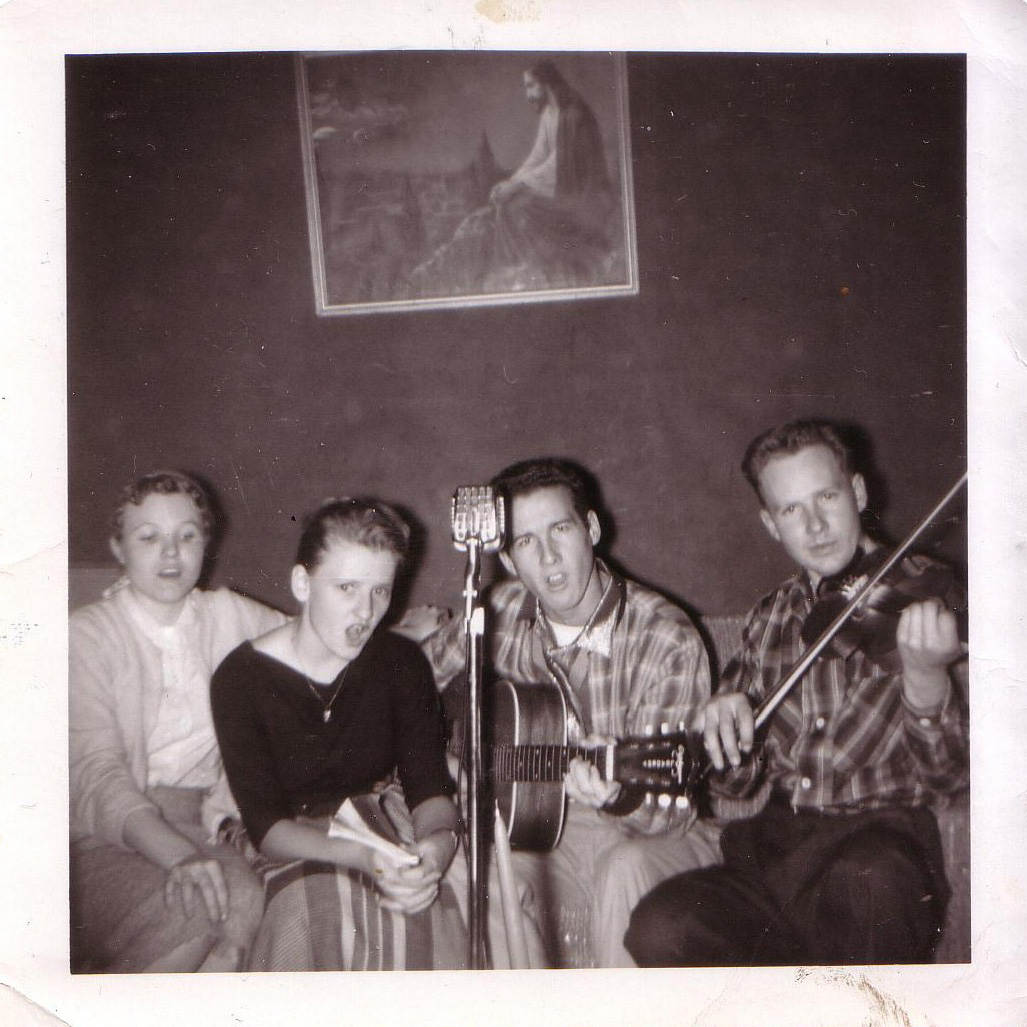
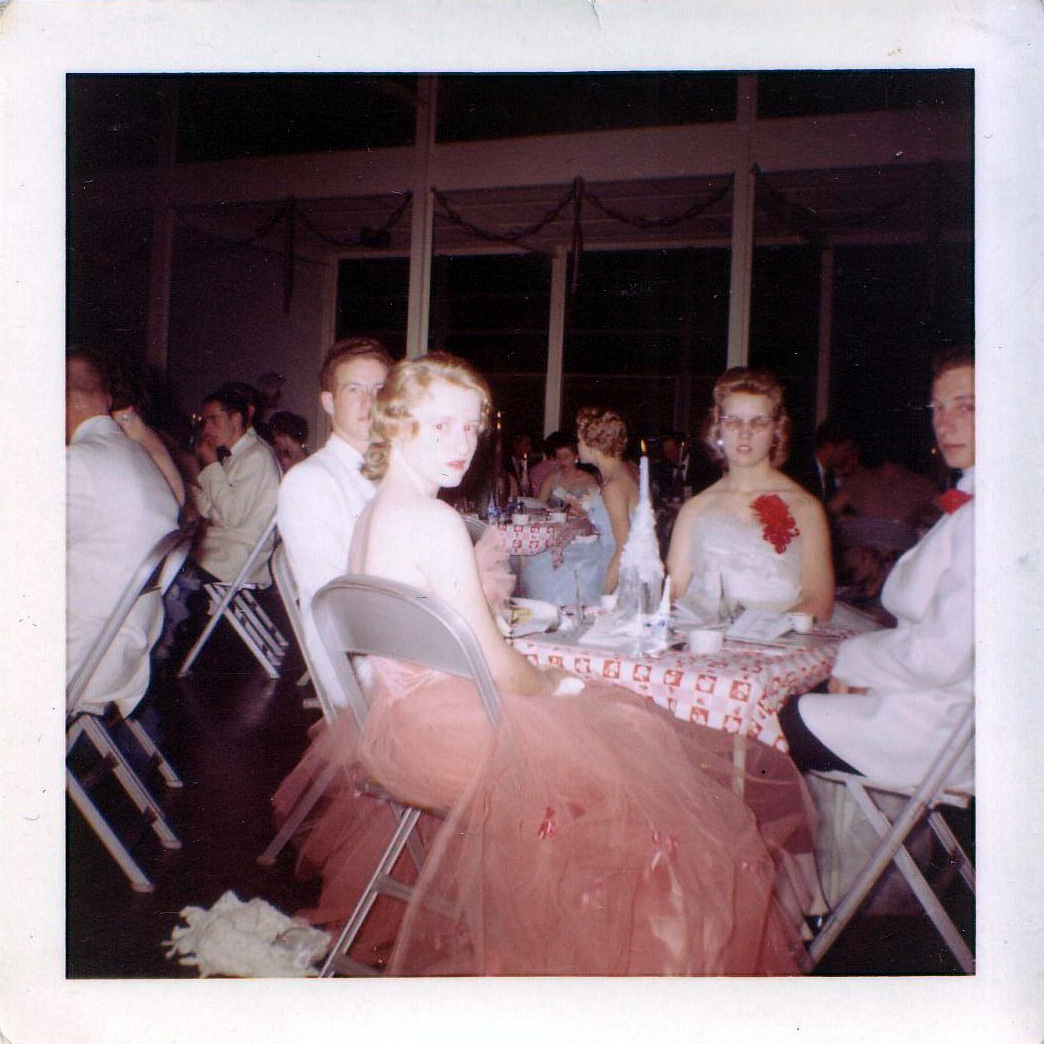
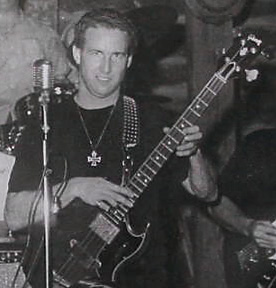
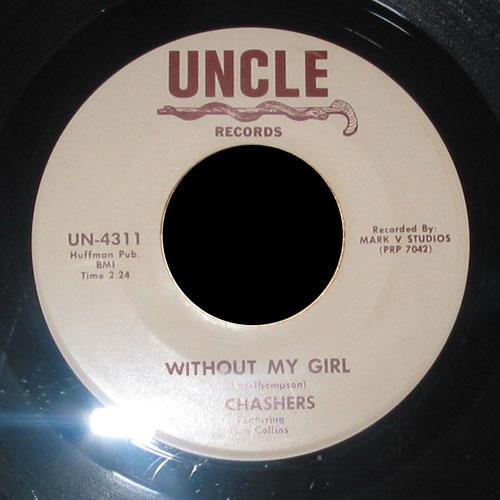 After a period of time, everyone went their separate ways. Soon after, Lamar and Roy Thompson collaborated and put their heart and soul into two songs “The Wind” and “Without My Girl”.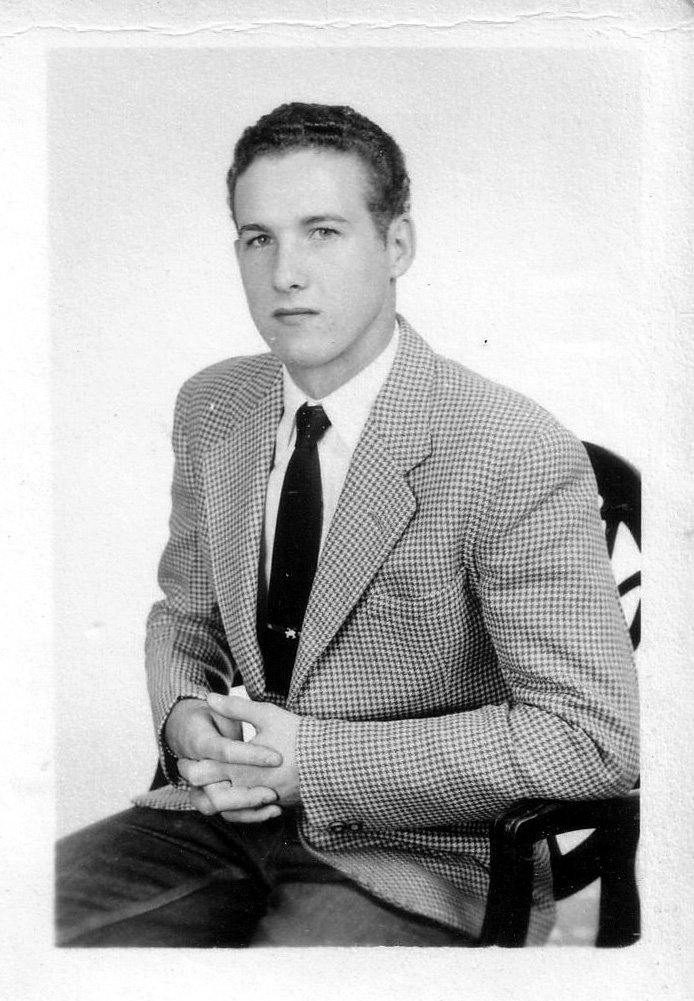
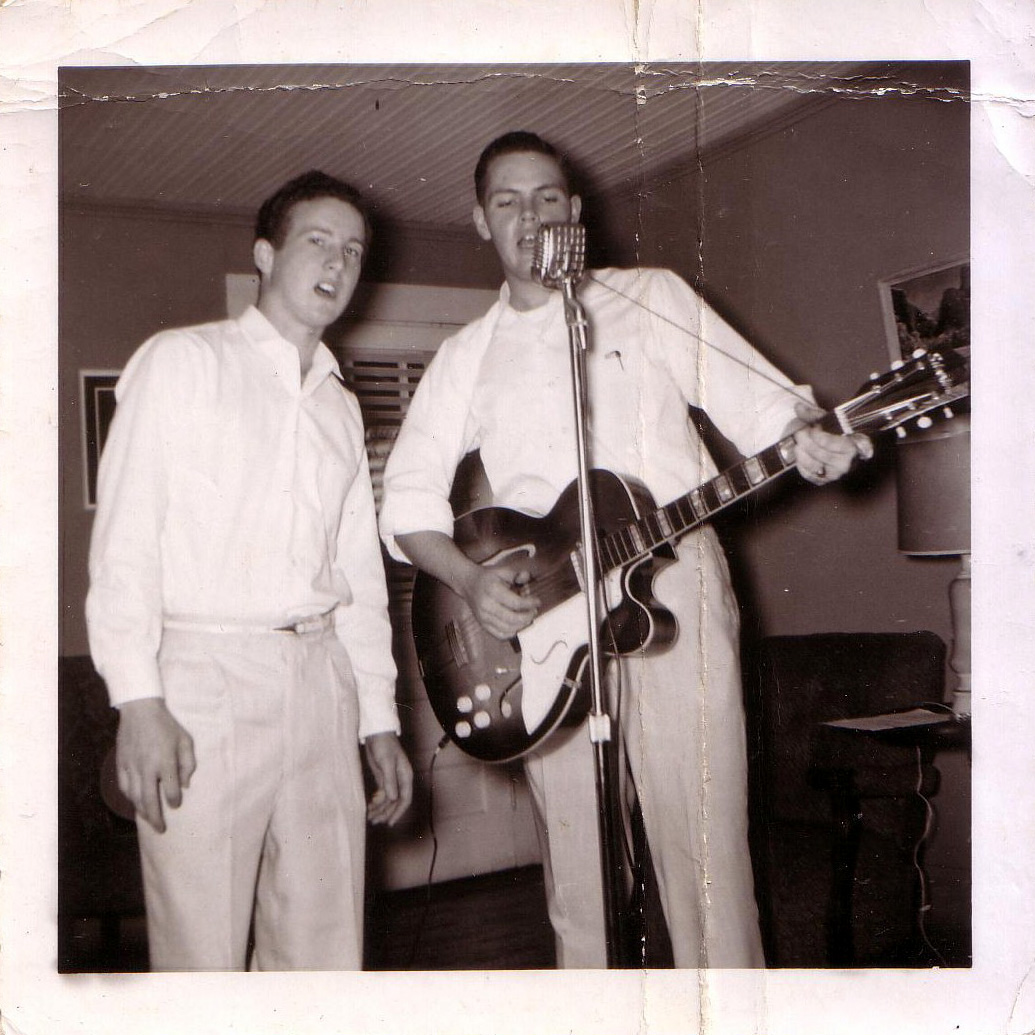
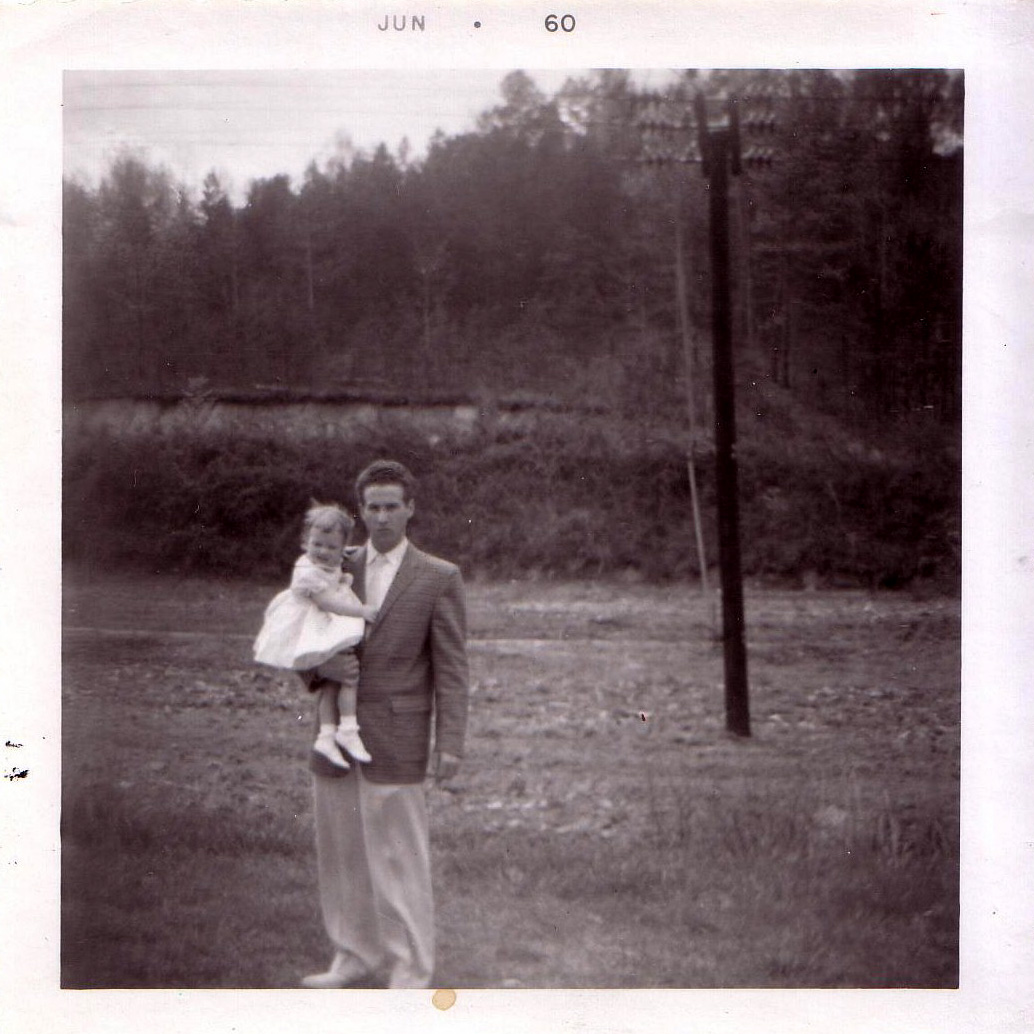
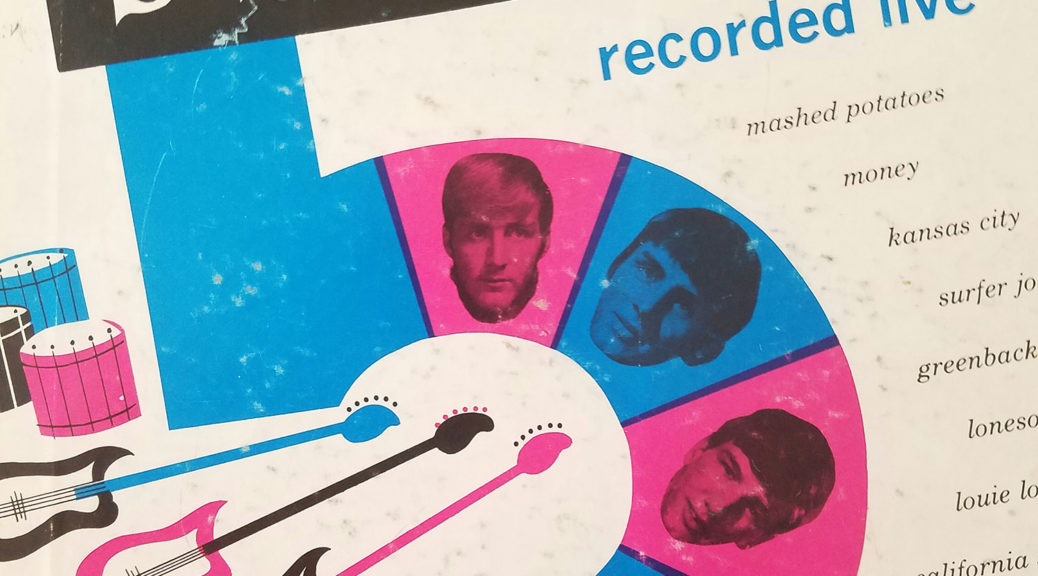
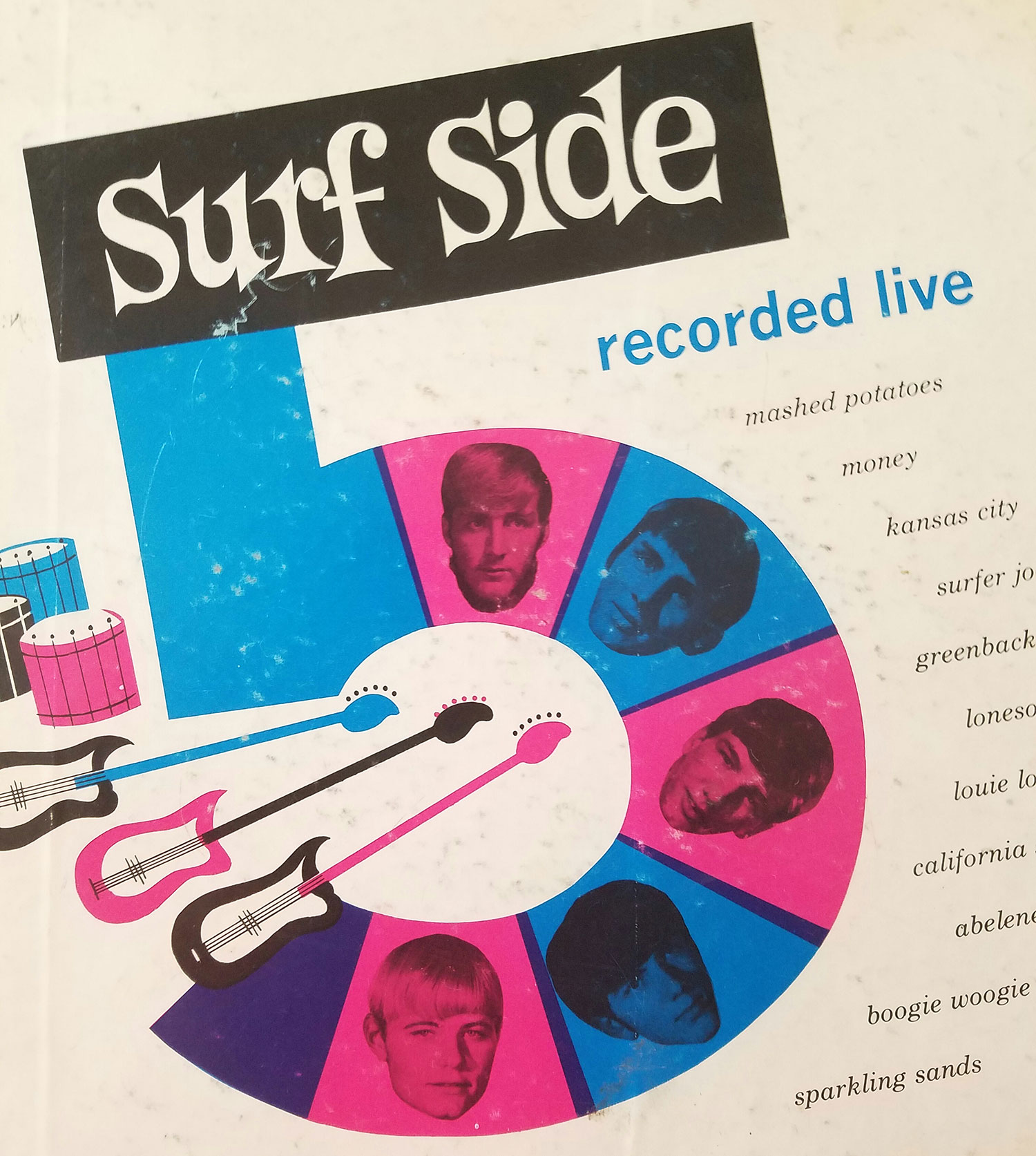
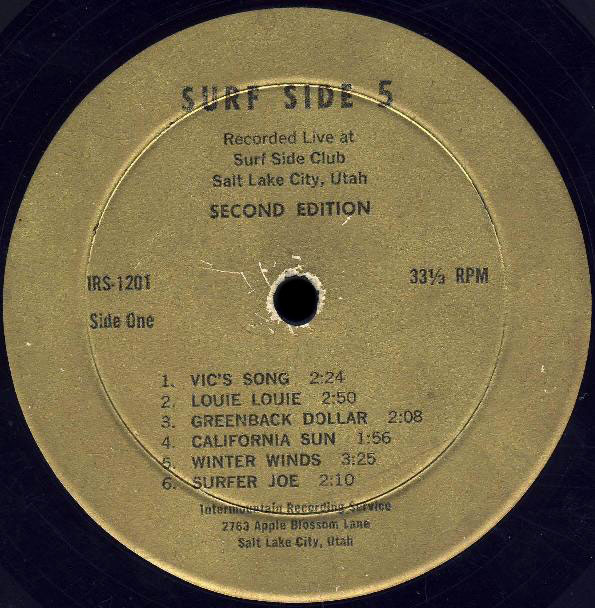 Steve Carter of Phoenix rescued this very rare LP by the Surf Side 5 from the trash, scanned the labels and transferred the LP to CD to share with Garage Hangover. Steve didn’t find the cover, and it wasn’t until August 2012 that Ed Nadorozny found the low-resolution photos of the front and back cover seen below.
 “Greenback Dollar”, “Louie Louie”, “Surfer Joe”, “Memphis” (the Lonnie Mack version), “Kansas City” (the Trini Lopez version) and “Long Tall Texan” were all hits of 1963, and “California Sun” hit big in early 1964, so I think it’s safe to date this to very early ’64. Certainly there’s zero British Invasion influence in their choice of material or style.