The Links, as advertised in the Rhyl and Prestatyn Gazette, 28 January 1966, page 13
Very little is known about this Jamaican soul outfit that moved to London around 1964/1965 and worked as the house band at Count Suckle’s Cue Club on Praed Street in Paddington.
According to the Rhyl & Prestatyn Gazette’s 28 January 1966 issue, page 13, which features a picture of the seven-piece, The Links backed American soul legend Wilson Pickett on his debut British tour in November 1965.
29 January 1966 gig at Royal Lido, Prestatyn
Judging by adverts in Melody Maker and regional newspapers, the band was still working on the London club circuit (and surrounding counties) in the spring of 1968 (see below) .
Melody Maker gig from March 1967Luton gig, April 1968
Dominica-born drummer Conrad Isidore who was a member of The Grenades, Joe E Young & The Tonicks and The Sundae Times in the 1960s told me he played with The Links but he is not featured in this picture.
Isidore told me he met John Maxwell who used to work for Ken Edwards, the owner of the New All-Star Club near Liverpool Street, while playing a gig in Kilburn with The Links. Maxwell, who was friends with The Links, recommended Isidore for The Tonicks, who he joined in late 1966. This would suggest he was with The Links during 1966.
It does look like the photo shows lead guitarist Tony Ellis (b. Tony Cornel Lloyd Ellis, 28 March 1950, Kingston, Jamaica), who currently works as Babatunde Tony Ellis in Stockholm, Sweden, together with bass player Ronald Simmonds and drummer Danny Evans. These three subsequently moved to Spain where they recorded two singles as The Explosion, one of which featured Carl Douglas on lead vocals.
Garage Hangover would welcome any further information on this band in the comments section below, including its history, personnel and any recordings.
Left to right: Dave Brooks, Mike Manners, Carl Douglas, Verdi Stewart, Del Coverley, Del Grace and Tony Charman, late 1966
In the summer of 1974, Carl Douglas’s disco anthem “Kung Fu Fighting” was shipped just as the chopsocky film craze was taking hold. Initially, the single struggled for airplay, but later that year it stormed to the top of the UK and US charts, eventually selling over 11 million copies worldwide.
In 2014, to mark the 40th anniversary of his global chart topper, Carl Douglas was preparing a new CD for release, his first collection of new material since 2008’s Return of the Fighter.
Although the long-awaited release never appeared, fans were treated to a superb compilation from revered collectors’ label Acid Jazz, issued on 30 June 2014. Pulling together much of Carl Douglas’s recorded work during the mid-late 1960s, including a cache of previously unreleased tracks, the collection finally casts a light on the singer’s little known, formative years.
To trace Carl Douglas’s rise to international superstardom, we need to go back to an afternoon in mid-1965 when the young Jamaican ventured from his home on Copleston Road, East Dulwich to his local football club’s party, and stumbled across the musicians that would come to form his first backing group – The Charmers.
Early Sounds 5 with Tony Charman on guitar (second left) and Nick Baxter on drums. Photo: Tony Charman
Formed in West Dulwich around late 1963 by multi-instrumentalist Tony Charman (the only musician to appear in most of the many iterations of Douglas’s Sixties bands), Sounds 5 originally comprised Charman on lead guitar; Johnny Johnson on rhythm guitar; Roger Simms on bass; Nick Baxter on drums; and Tony Fuller on lead vocals.
Sounds 5. Photo: Tony Charman
A regular fixture at local schools and youth clubs in south London, Sounds 5 decide to adopt a new name after the band’s manager Bob Charman (Tony’s father) invited Carl Douglas to join the musicians on stage.
“Carl came up and sang with us,” remembers Tony Charman. “Our singer at the time was my brother-in-law and he was leaving, so my dad said to Carl, ‘If you want to join a group, here’s the phone number’.”
Born and raised in Jamaica, Carl Douglas had spent part of his youth in southern California staying with relatives before joining his mother and stepfather in south London where he pursued a scholarship in engineering at Southeast London Technical College from 1959-1962.
While the plan was to qualify as an engineer and return home to take over his father’s family business, Douglas had secret ambitions to become the first black professional football player at Tottenham Hotspur and was a keen and proficient player. But as fate would have it, the afternoon he attended his football club’s party at Flodden Road in Camberwell, south London changed his destiny forever.
Encouraged by his football mates to go up and sing with The Charmers, Douglas impressed the young musicians with his raucous renditions of “Long Tall Sally” and “Tutti Frutti”.
“Bob had given me his number but I didn’t call because I wasn’t quite certain how to tell my mum,” admits Douglas. “One day while I was out at football training, he called and talked to my mum and asked if I’d decided yet.”
Despite his mother’s protestations over his decision to put his engineering career on hold, Douglas called Bob Charman back and agreed to try out at a rehearsal. It didn’t take long for everyone to realise that it was a winning combination.
Rechristened Carl Douglas & The Charmers, the musicians soon established a foothold in the Brixton/Streatham/Tulse Hill area, playing pubs, youth clubs and schools.
The Charmers. Left to right: Mick Patel, Lee Hall, Carl Douglas, Tony Charman and Nick Baxter. Photo: Tony Charman
Early on, lead guitarist Mick Patel and bass player Lee Hall took over from Johnny Johnson and Roger Simms respectively, while Charman (who’d adopted the stage name Tony Webb) moved from lead guitar to organ.
The band’s drummer then introduced his cousin Ken Baxter, who worked as an engineer at a recording studio in Crystal Palace.
“When Carl joined us, we needed some demos,” says Tony Charman. “Ken had this little recording studio, which he’d just started, so we recorded in there and then Ken was asked to be our manager.”
The Charmers, early 1966. Photo: Tony Charman
Impressed by Douglas’s singing, Ken Baxter oversaw the recording of a six-track demo, mixing soul standards like Otis Redding and Steve Cropper’s “Mr Pitiful”; Naomi Neville’s “Pain In My Heart”; and Wilson Pickett and Steve Cropper’s “In the Midnight Hour”, together with Carl Douglas originals – “Going Out of My Mind”, “Why Hurt” and “You Are the One I Love”.
Left to right: Carl Douglas, Nick Baxter, Lee Hall, Mick Patel and Tony Charman. Photo: Tony Charman
Having assumed the band’s management from Tony Charman’s father, Ken Baxter then hawked the demos around London in a bid to secure a recording deal. The tracks ended up with A&R scout Pierre Tubbs, who had connections with the small indie label, Strike Records. Tubbs offered the band some studio time to hone its act, in preparation for some further recordings.
Tony Charman on keyboards. Photo: Tony Charman
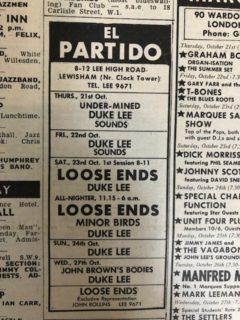
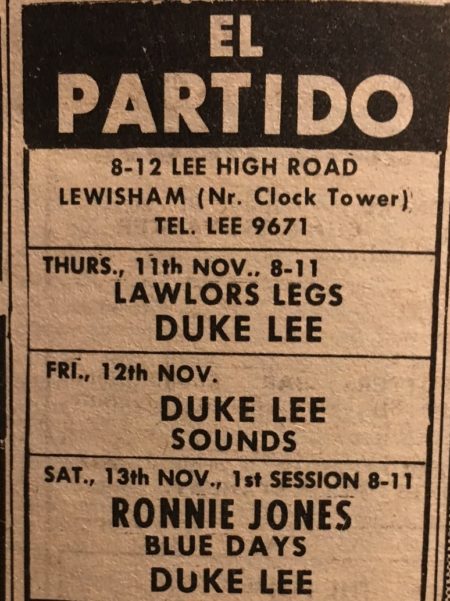
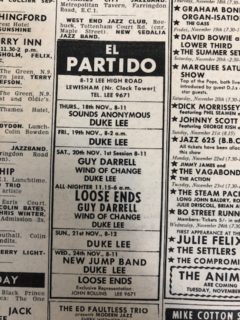
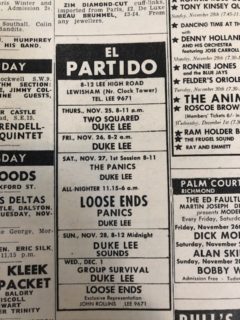
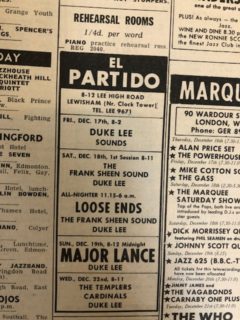
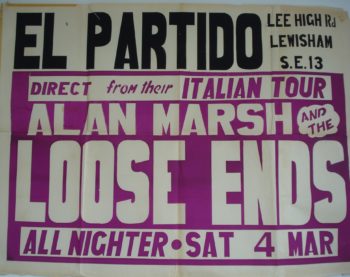
Around early 1966, the band’s personnel underwent another reshuffle with Ray Beresford taking over from long-standing drummer Nick Baxter. At the same time, a brilliant guitarist called Ron Bryer (aka Ron Spence), succeeded Mick Patel. A former member of The Loose Ends, the house band at Lewisham’s El Partido Club, Bryer had recently been working with another local outfit, The Revellos.
Left to right: Tony Charman, Ray Beresford, Carl Douglas, Ron Bryer and Lee Hall. Photo: Ken Baxter
Interestingly, Mick Patel would end up joining Bryer’s former band The Loose Ends in late 1966, initially as a horn player, but in spring 1967 moved back to lead guitar and briefly joined The Canadians with a very young David Foster. Foster and Patel would subsequently join The Warren Davis Monday Band in the summer of 1967 for the single “Love is a Hurtin’ Thing”. Patel later moved out to British Columbia, Canada to work with Foster in a new band but nothing has been heard about him since.
Mick Patel third left, August 1967
The reconfigured line up (often billed as The Carl Douglas Set) began gigging further afield, landing a regular gig at Tiles on Oxford Street, and playing a series of shows at the Goldhawk Social Club in Shepherd’s Bush.
Back in Tubbs’s studio, and with Ken Baxter at the helm, the new formation cut two new tracks – a gritty version of Hayes and Porter’s “You Don’t Know”, coupled with a soulful rendition of “I (Who Have Nothing)”, a song taken into the US charts by Terry Knight & The Pack.
Presented to Strike Records, the label was impressed by the raw energy of the recordings to sign Douglas to a one-off single deal. However, as Baxter recalls, arranger/producer Alan Tew was sceptical that the musicians had the experience to produce “a professional, economical sound behind Carl at the time”.
Handing production duties to Pierre Tubbs, Tew decided to bring in top session players like guitarist Big Jim Sullivan, organist Harry Stoneham, trumpet player Kenny Baker and bass player John Paul Jones to provide the instrumental support for Douglas’s first single, the frantic, infectious soul number “Crazy Feeling” (credited to Tubbs-Douglas), coupled with “Keep It To Myself” (attributed to Tubbs), which was cut at Pye’s studios in Marble Arch.
Ken Baxter notes that the group almost landed a record deal with EMI Records after an encounter with producer Tony Macaulay (who would work with Douglas’s friend Clem Curtis in The Foundations) prompted a one-off session. The whereabouts of the two tracks cut remains a mystery.
Left to right: Tony Charman, Ray Beresford, Carl Douglas, Ron Bryer and Lee Hall, mid-1966. Photo: Ken Baxter
While this was happening, Ray Beresford put in a good word for his neighbour – lead guitarist Del Grace, who stepped into Ron Bryer’s shoes in early July 1966.
Standing at six foot five, Grace had started out in the early 1960s with Carl Lee & The Epitaphs in the Bexley, Kent area. The band subsequently became known as The Epitaph Soul Band and then The Epitaphs. Of historic note, Grace also did several sessions with maverick producer Joe Meek at his studio on the Holloway Road during this period.
In late 1965, Grace formed Big Wheel, a local soul/R&B band, which opened for the likes of John Mayall’s Bluesbreakers and The Graham Bond Organisation at the Black Prince Hotel in Bexley. They also played at the Berlin Jazz Festival in February 1966 and undertook a short tour of West Germany, including Aachen, and Switzerland in early June.
Big Wheel, early 1966. Del Grace (far left), Mike Manners (second left) and Del Coverley (centre). Photo: Del Grace
In an entirely unplanned, albeit fascinating twist of fate, Big Wheel’s keyboard player Andy Clark (later of Clark-Hutchinson and Upp fame) decided to recruit Ron Bryer as Grace’s replacement!
When the rest of the band returned to England, Bryer stayed and joined the highly-rated Basel-based soul band, Berry Window & The Movements. Bryer later recorded with cosmic rockers Brainticket before returning to England and joining One with former Loose Ends’ singer Alan Marshall. Tragically, the guitarist died on 25 June 1973 of an accidental drug overdose.
Ron Bryer with Berry Window & The Movements. Photo: Barry Window
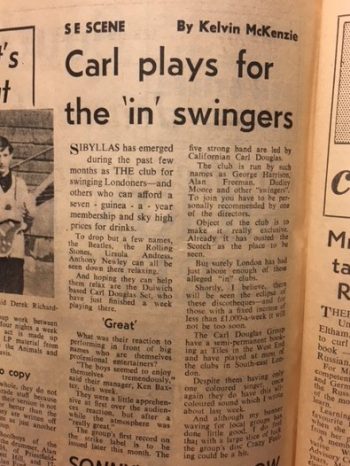
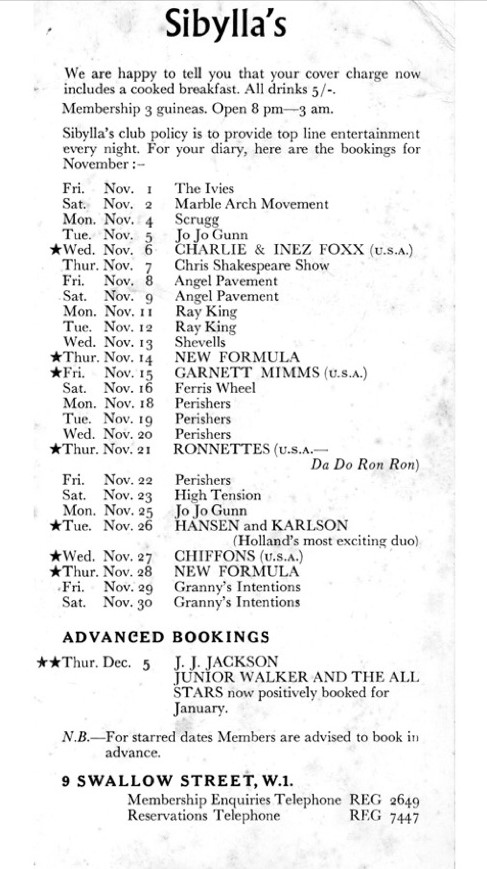
With Del Grace in place, The Carl Douglas Set performed at George Harrison’s new nightclub Sibylla’s in central London from 22-26 August.
That same month, Strike brought out “Crazy Feeling” but inexplicably the single failed to chart, even though, according to Tony Charman, it was voted a hit on Juke Box Jury.
Carl Douglas Set. Left to right: Del Grace, Ray Beresford, Carl Douglas, Danny McCulloch and Tony Charman. Photo: Tony Charman
A few days after completing the Sibylla’s residency, bass player Danny McCulloch took over from Lee Hall. Originally from Shepherd’s Bush, McCulloch had first come to prominence with Frankie Reid & The Casuals (alongside drummer Mitch Mitchell) before landing a gig with Screaming Lord Sutch & The Savages.
After recording a lone single with The Plebs – “Bad Blood” c/w “Babe I’m Gonna Leave You”, McCulloch worked with Tony Sheridan in West Germany before returning home.
He was at something of a loose end, however, when the opportunity came to join Douglas; most likely after running into the band at the Goldhawk Social Club on his home turf.
The new bass player, however, did not hang around too long. Barely a week after opening for Otis Redding at Tiles on 18 September, he was poached by one of the England’s leading R&B singers.
“[Danny] was a talented bass player and had his own entourage of musicians in close proximity,” recalls Ken Baxter.
“It wasn’t surprising that he was soon to be poached from us by Eric Burdon, who used to visit the Cromwellian and witnessed Danny’s talent and offered him a job in his soon-to-be formed ‘New Animals’.”
Left to right: Tony Charman, Del Grace, Danny McCulloch, Carl Douglas and Ray Beresford. Photo: Ken Baxter
Inspired by McCulloch’s bass style and unhappy on keyboards, Tony Charman took up the bass. Just prior to McCulloch’s departure, Baxter placed an advert in Melody Maker for a sax player. A number of horn players responded, including recently departed Manfred Mann member Lyn Dobson, but the band settled on north Londoner, Dave Brooks.
“We auditioned loads of sax players but with Dave Brooks he seemed to click straight away,” says Charman. “We all liked him and if you’re pro, you’ve got to get on with each other.”
Around the same time, Del Grace brought in his former band mate from the original Big Wheel (and Andy Clark’s predecessor) – Mike Manners on Hammond organ and as musical director.
Mike Manners in South East London Mercury
Renamed Carl Douglas & The Big Stampede, after a very descriptive LP cover by US jazz band Woody Herman, the new line up’s first notable booking was Tiles on Oxford Street on 26 September.
Around this time, the musicians shared a bill with Eric Clapton’s band, Cream. Mike Manners has fond memories of the evening in question, a joint (no pun intended) booking at a university somewhere in the north of England. (Ed. Beresford says this was Nottingham University and Cream played in the city on 23 October, so this is the most likely date.)
“We were in an interval and had the same dressing room. He [Ginger Baker] handed me this huge joint and I said, ‘I’ll pass it round’ and he said, ‘No, no, no, that’s for you. I’m making one for everybody’. It was huge.”
Left to right: Carl Douglas, Tony Charman, Nick Baxter, Mike Manners, Dave Brooks and Del Grace, Trafalgar Square, October 1966. Photo: Ken Baxter
A few days later Ray Beresford left to subsequently form Lewisham band, The National Existence. With road manager Nick Baxter briefly subbing, the musicians were photographed in Trafalgar Square.
National Existence with Ray Beresford far right in South East London Mercury.
Within a week, however, the drum stool was filled permanently by another Big Wheel member – Derek ‘Del’ Coverley, who returned from Switzerland where he was playing at the Hotel Hirschen in Zurich’s red light district.
Inspired by Jack Parnell, the drummer in the house band at the London Palladium, and jazz musicians Buddy Rich and Gene Krupa, Coverley had started playing drums in his early teens. After working with his school band, The Scimitars for several years, he signed up with Big Wheel at the tail end of 1965, taking over from original drummer Rick Dyett.
With only lead singer Paul Stroud and Del Coverley remaining from the original line up in July 1966, Big Wheel (Mark 2) now included bass player Mick Holland and organist Andy Clark from The Epitaph Soul Band and Del Grace’s predecessor in The Carl Douglas Set, Ron Bryer.
The new configuration developed quite a following in Switzerland and even issued a hopelessly rare (Swiss-only) mod single, Andy Clark’s “Don’t Give Up That Easy” c/w “You’re Only Hurting Yourself”, released on the Eurex label in February 1967.
Left to right: Carl Douglas, roadie, Tony Charman, Nick Baxter, Ken Baxter, Del Grace and Del Coverley. Photo: Tony Charman
With Coverley assuming the drum position in Carl Douglas’ band, the final piece in the jigsaw was West Norwood-based jazz trumpeter Verdi Stewart, a family friend of the Baxters, who agreed to try out after failing to land a gig with Hamilton & The Hamilton Movement (where he befriended future member Mel Wayne).
The son of a boxer, and christened Verdun Tristram Higham, Stewart was a colourful character who had learnt his trade from The Happy Wanderers’ William Longman and had previously played trumpet in a rumba band at the Astor Club in Berkeley Square.
Around this time, the band received some handy press coverage after Go Records picked up “Crazy Feeling” and re-issued the single on 4 November. This time around, the ‘45 became a hit, climbing to #21 in the British charts, perhaps helped by Radio London’s incessant plugging. In the US, it was issued on the Okeh label in the following month.
Having signed up to the Rik Gunnell Agency a few months earlier, work started to pour in. It was through the band’s association with Gunnell that Carl Douglas & The Big Stampede landed a prestigious 14-night residency at the Gunnell brothers’ latest West End acquisition, the Bag O’ Nails nightclub in Kingly Street, kicking off on 21 November.
“We were cheap and cheerful [and] they got their money’s worth with us,” confides Brooks on the arrangement. “Although Rik Gunnell liked Carl, he thought we were a bunch of wallies really, which were for the money we were playing for. But that’s the way things were. We were just glad to play.”
During those eventful two weeks, notable guests dropped in during the evening. One afternoon (25 November is the most plausible date), the musicians turned up to find a future rock legend on the stage.
“We’d been playing at the Bag O’ Nails the night before and had left the gear there,” remembers Charman. “When we went in [the next day] all of our gear was off the stage to one side. We didn’t know it at the time but this guy who we now know was [Jimi] Hendrix and his three-piece band was playing onstage with photographers. We were more annoyed that our gear had been taken off the stage!”
“Jimi Hendrix was having his press reception and we were all laughing at him,” adds Brooks. “He had lighter fluid and was setting his guitar alight for the press. We’re all going, ‘Oh, flash in the pan, he won’t last five minutes’…we were really slagging him off.”
However, a few days later, the guitarist returned to the club and joined the musicians on stage, as Charman continues. “This particular night we were playing and Hendrix come up to me and said, ‘Can I play your bass?’ Remember, he’s left handed and I’m right handed so he was playing my bass upside down. Big Del was playing beside him on guitar. Then I got back up on stage and Hendrix played Del’s guitar and we done another couple of numbers.”
Carl Douglas finishes the story: “That night the bass player from The Animals [Chas Chandler] comes up and says he’s got a wicked guitarist and he’s going to be a personality. Could he come up and jam with us? He joined us on this Otis Redding song, ‘Try A Little Tenderness’. What a night!”
Despite hobnobbing with future stars like Jimi Hendrix and personalities on the scene like Chris Farlowe, Eric Burdon and Long John Baldry, who all used to sit in with the group after hours, The Big Stampede were flat out gigging virtually every night.
In the run up to the Christmas period, the group had a packed schedule of bookings. The relentless one-nighters, however, soon took its toll as fatigue set in. Returning home from a gig at the Dancing Slipper Club in Nottingham late on the evening of 13 January 1967 (sans Douglas who’d stayed behind with a female fan) the band’s converted Bedford ambulance came off the road.
“We rolled down this embankment… and I got thrown out of the back and landed in a cow pat,” recalls Manners. “It was pitch-black, deep in rural England and there was a thunderstorm brewing in the distance, so that distant rumbling of thunder and the fact that we were in shock was very spooky.”
Four days later, the still-shaken band headed off for its first European jaunt – a booking at the New Inn Club in Liege, Belgium, where Ken Baxter met his future wife.
“All that I can remember is that the owner of the club took Tony, I think it was, and I for a spin in his Ferrari at five o’clock in the morning down the main high street at 150 mph,” says Manners. “I remember him saying, ‘I’ve got to take it in to get it tuned properly’.”
Back in London in late January, Carl Douglas & The Big Stampede honoured an important showcase gig at the Gunnells’ Flamingo nightclub in Wardour Street. The booking had been lined up a few months earlier thanks to top London disc-jockey Johnny Walker.
“We had [had] a gig at the Wimbledon Palais where the M.C. was Johnny Walker. He was impressed by our performance and asked me after the show to keep in touch,” remembers Ken Baxter.
“He invited the band to appear on a live broadcast show [for Radio Caroline] from the Flamingo. Johnny was very encouraging to Carl and the band and from that we got a booking at the Marquee and a helpful introduction to Mr Ronan O’Rahilly, which produced top draw bookings and appearances.”
Del Grace remembers one occasion when he met singer Nat King Cole and blues guitarist John Lee Hooker at the Flamingo. “They’d been in the club and they come backstage to talk to the band,” he says.
As winter turned to spring, the band kept up its frantic schedule of gigs, interspersing appearances at London hot spots like the Bag O’ Nails, Paddington’s Cue Club, Burton’s in Uxbridge, west London and Eel Pie Island in Twickenham, southwest London with shows further afield, such as the Student’s Union at Newcastle University and the Bird Cage in Hull.
It was also during this time that the musicians joined a star-studded bill at Loughborough University with The Move and The Bonzo Dog Doo Dah Band (Ed: I’ve not been able to find this gig).
“I remember The Move; they were very professional,” says Coverley. “They went straight through the audience, all carrying their guitars high in a line, on the stage… and bang straight into the first number. I think it was ‘I Can Hear The Grass Grow’.”
However, with the musicians spending long periods of time together, conflicts were inevitable. In mid-April, sax player Dave Brooks bailed out (his deteriorating relationship with Del Grace the main cause) and briefly joined Felders Orioles.
Searching for a replacement, Verdi Stewart suggested west London-based sax player Mel Wayne, who’d recently left Hamilton & The Hamilton Movement after the band’s Bill Wyman-produced single, “I’m Not the Marrying Kind”, had bombed.
Mel Wayne (top row, second right) with Hamilton & The Hamilton Movement, November 1966. Photo: Fabulous 208
Originally from Twickenham, Wayne had an impressive pedigree, having started out with local outfit, The Shannons in 1962/1963. Progressing on to Mike Dee & The Prophets and then Simon Scott & The All Nite Workers (cutting a lone single, “Tell Him I’m Not Home” and an unreleased album), Wayne next found himself working with future Sweet producer Phil Wainman in a short-lived band at the tail end of 1965.
By early 1966, the renamed Sound System was backing soul acts Jackie Edwards, Millie and Owen Grey before future Island Records founder Chris Blackwell linked Wainman’s band with Jimmy Cliff and they became The New Generation. The partnership lasted six months before the musicians hooked up with singer Gary Hamilton.
Debuting at Klook’s Kleek in Hampstead (ironically Brooks’s home patch) on 13 April, Wayne had barely learnt the repertoire when he landed a cameo appearance (alongside Del Grace, Tony Webb and manager Ken Baxter) in the Desmond Davis-produced movie Smashing Time, starring Rita Tushingham, Lynn Redgrave and Jeremy Lloyd.
As Mel Wayne recalls, road manager Nick Baxter was working as a film extra and it was through this association that several members got the opportunity to star in the studio recording scene, which features Ken Baxter and Mel Wayne miming on drums and guitar, alongside Del Grace and Tony Charman on their usual instruments.
Later that same month, on 23 April, Go Records finally brought out a second Carl Douglas & The Big Stampede single, once again recorded with the cream of London’s session players – Douglas’s “Let The Birds Sing” coupled with “Something for Nothing” (credited to Tubbs but in fact a co-write with Douglas).
Produced this time by Peter Richard, both tracks capture Douglas’s soulful vocals to perfection but unfortunately the record sank without a trace.
“Some of them [the singles] we didn’t even know that Carl had done them,” confesses Charman. “We found out he’s been in the studio and obviously the band weren’t pleased about it because we were his band.
“But what could we do? When we started out as Sounds 5 it was a group but when Carl came along everything revolved around him because he’s the singer. We ended up as Carl’s backing band.”
When it came to the photo shoot for the single’s picture sleeve cover, Del Coverley was absent and manager Ken Baxter had to don a pair of shades and impersonate the missing drummer to an unsuspecting public.
Ken Baxter (far right in shades) steps in for Del Coverley in the photo shoot
Less than a week after the single’s release, the new line up piled into the group’s repaired converted ambulance and took the ferry across the channel, driving down to the south of France for an extended-tour of the coastal towns.
Based at a villa in Valbonne, a village about 12 km north of St Tropez, the group kicked off with a short residency at the Valbonne Club where Mike Manners celebrated his 21st birthday on 2 May.
The French tour had been set up through British businessman John Bloom, who had met Carl Douglas & The Big Stampede at Sibylla’s the previous year.
“The Valbonne had this beautiful Olympic-size swimming pool outside and we used to jump in at night to cool down after the dance,” remembers Douglas.
Using the Valbonne as a base, Carl Douglas & The Big Stampede next played the Voom Voom nightclub in St Tropez. On one occasion French beauty Brigitte Bardot turned up and danced after meeting the musicians at her husband, Gunter Sachs’s home.
After completing the French tour at the Whisky A Go Go in Nice, the musicians started the long journey home, stopping off in Lugano, Switzerland to play an American girls’ school in early June.
Incidentally, while staying in the south of France, Carl Douglas & The Big Stampede were also engaged by the producers of the British film Blow Up to perform at the opening night of its presentation at the Cannes Film Festival with its stars David Hemmings and Vanessa Redgrave and director Michelangelo Antonioni in attendance.
“The south of France was one of the places I enjoyed the most,” recalls Del Grace looking back on his time with the band. “We’d just finished doing Smashing Time with Jeremy Lloyd and he came down [to the Voom Voom] and joined us with Mike D’Abo from Manfred Mann.”
Back in the England, the band resumed its heavy workload, honouring a brace of shows in Southampton, Derby and Bradford before returning to London for a two-night stand at the Bag O’ Nails on 11-12 June.
Yet, with little money to show for their efforts and a punishing schedule, it was inevitable that further cracks would appear. After playing his final gig at the Cue Club in Paddington on 7 July, Mike Manners became the next member to bail out.
“We’d had a long, hard slog on the road,” explains the organist. “We were a touring club band if you like and we’d been exploited in my view by our agency.”
Initially hiring several stand-in players via the Rik Gunnell Agency, the group turned to Verdi Stewart’s mate, organist Ian Green, who’d spent a short time with Tony Jackson & The Vibrations. Green’s first engagements were two gigs at St Birinus School in Didcot and Rasputin’s on Bond Street in central London, both on 14 July.
“Ian Green was very good and was married to this blues singer [Rosetta Hightower],” says Douglas. “He didn’t stay long… He was a bit more advanced than we were. He was in the Georgie Fame class.”
Green was also on hand the following day to honour three gigs that kicked off with a show at the California Ballroom in Dunstable. Also on the bill was The All Night Workers whose bass guitarist Doug Ayris had previously played with Mel Wayne’s younger brother, Brian Hosking, in The Legend.
Borrowing a lead guitar from his band mate Brian Sell, Ayris returned with Carl’s group to London and a second show later that evening at Paddington’s Cue Club before the exhausted musicians headed south of the river for their final gig that evening at the Ram Jam in Brixton during the early hours.
While all of this was going on, former member Mike Manners was busy in the studio working with Australian singer Johnny Young, having answered an advert that Polydor Records had placed in the music press looking for backing musicians.
Joined by fellow Englishmen Rob Alexander (lead guitar) and Peter Piper (bass), plus Young’s long-standing drummer from Australia, Danny Finley, the band, Danny’s Word cut four tracks in the studio, all Gibb brother compositions, with Barry, Robin and Maurice also providing backing vocals.
The first single, “Craise Finton Kirk” c/w “I am The World” was issued on 30 July but failed to chart despite the Bee Gees association and a plug on the Dee Time TV show. A second release, coupling “Every Christian Lionhearted Man Will Show You” with “Wonderful World”, also flopped and, disillusioned by his reception in Britain, Johnny Young returned to Australia that December.
Manners wasn’t the only band member to get itchy feet. In early August, shortly after a gig at the Ram Jam in Brixton on 29 July, Del Coverley also departed.
“I thought flower power was going to be big because it was happening and the soul thing was dying,” explains Coverley on his decision to leave. “Andy Clark [from Big Wheel] got in touch with me and said, ‘a band is reforming with the old members of Bern Elliot & The Fenmen’, so I joined that.”
Linking up with guitarist Alan Judge and bass player Eric Wilmer, who’d carried on with The Fenmen name when Wally Allen and John Povey joined The Pretty Things in late March 1967, the new four-piece became Kindness.
After touring the country extensively, playing Byrds and Love covers, Kindness folded when Andy Clark left to join Sam Gopal’s Dream with guitarist Mick Hutchinson, bass player Pete Sears and drummer Viv Prince.
“Of course it [flower power] died. It had its lifespan,” says the drummer. “I should have hung around with Carl really and seen where it went.”
Next, Coverley was involved in a reformed Big Wheel with original members Mike Manners and Del Grace but by late 1968 he had re-joined Andy Clark (and Mick Hutchinson) in Dogs Blues. When this folded in February 1969, he formed the equally short-lived Fat Daughter.
Dogs Blues, January 1969. Photo: South East London Mercury
Coverley then briefly worked with singer John Thomas in a new version of Rust with bass player Alex Alexander and guitarist Eric Lindsey (today the owner of a music shop chain in southeast London). Thomas’ original band had cut an ultra-rare German-only LP, released in January 1969, and the new line-up promoted it on the road that summer.
After failing to land the drum position with Mark Bolan and Mickey Finn’s second version of T. Rex in early 1970, Andy Clark got back in touch.
Together with Mick Hutchinson, the keyboard player had formed the progressive rock outfit, Clark-Hutchinson. Cutting the highly-acclaimed album A=MH2 in 1969, the pair next decided to expand and brought Coverley in on drums for two more albums – 1970’s Retribution and Gestalt the following year.
In later years, the drummer very nearly landed a job with singer Kate Bush. He later worked as a drum tutor and occasionally played with his reformed school band, The Scimitars and his own group, Stardust.
Stumbling across red haired drummer Colin Davey via the music press, Carl Douglas & The Big Stampede returned to the south of France during August 1967 with veteran keyboard player Iain Hines added to the formation.
Hines had spent the early 1960s in Hamburg where he worked with The Jets at the Top Ten Club.
However, on the group’s return to London in late August, Verdi Stewart added to the exodus and returned to France. Over the next few years, he hired out his services as a jobbing musician on London’s session scene. Tapping into his other talent as a singer, he even entertained Frank Sinatra at a private party held at the Hilton on Park Lane in 1969.
In the early 1970s, Stewart assumed the stage name Johnny Fontane and sang with The Ray MacVay Band and then The Cyril Stapleton Band before returning to session work. He also worked extensively with the BBC’s B1 and B2 orchestras.
By the mid-1970s, Stewart had landed a regular gig with the Mecca Organisation and its house band at Purley’s Orchid Ballroom. Reuniting with Mike Manners, the group, which also included trombone player/singer Terry Martin and drummer John Snow, signed up with Dick James Music to work as session players.
When that band fell apart, Stewart did TV and live work with Georgie Fame and then became an integral member of Alan Price’s support band from 1978-1983. He later rehearsed a double act called The Dangerous Brothers to play the south London scene.
With his former band mates from The Big Wheel gone, Del Grace, who’d alerted Manners to the Johnny Young position advertised in the music press but missed out on the Australian singer’s band, decided he also wanted out.
In September 1967 he signed a solo deal with Liberty Records. Linking up with future Wombles producer Mike Batt, Grace laid down a handful of recordings at Marquee Studios, including a cover of John Sebastian’s “Younger Generation” and Jeff Lynne’s “Follow Me, Follow Me” with session musicians.
Forming a backing group called The Rifle with singer Malcolm Magaron, Grace landed a prestigious gig in the Swiss Alps and saw out 1967 in style.
“We played at the Farinet Hotel in Verbier, which is still there strangely enough,” he recalls.
“We played there right through Christmas and New Year. I got a really tight harmony band together. I asked Del [Coverley] to come with me but he didn’t come and we had a different drummer. They even sent a private aeroplane for us to Heathrow to pick us up and take us out there.”
The Rifle, early 1968. Del Grace (centre). Photo: Del Grace
Back in London, the guitarist renewed his ties with Pierre Tubbs and cut two further solo recordings for United Artists at Olympic Studios in Barnes with session players. One of these was the Tubbs penned “Gotta Get Back”, featuring the guitarist on banjo.
Grace subsequently moved into production and opened a studio with Tubbs, working with people like Steve Harley, Eddie Reader, Steve Hackett, Brian Poole and comedian Lenny Henry. Since the late 1990s, however, he lived in Marbella in Spain and released four solo CDs, recorded at his Pink Lizard Studio. Sadly, he died 28 May 2022.
In urgent need of new musicians to join Carl Douglas, Tony Charman and Mel Wayne, road manager Nick Baxter came to the rescue by recommending his wife Caroline’s cousin, Martin Pugh, who’d narrowly missed out on the French tour.
Martin Pugh reviewed in Torquay newspaper, 25 August 1967
Originally from Cornwall, Pugh had spent the past few years working with local band, The Package Deal before moving up to London in search of fame and fortune.
Around the same time, Ken Baxter recruited Kilburn-based sticks man Dave Richards via the music press as a permanent replacement for Del Coverley.
A few weeks later, the band also auditioned organ players at the Ram Jam in Brixton, including Mick Fletcher, Mel Wayne’s former mate from Hamilton & The Hamilton Movement. However, on 17 September, the position was given to northerner Rod Mayall, who turned up (on his 21st birthday) for an audition after his half-brother John Mayall had put a good word in for him.
A veteran of Middleton, Greater Manchester band Ivans Meads (another Rik Gunnell Agency signing), Mayall added a unique touch to The Big Stampede, explains Baxter.
“He was a very talented Hammond organist, who brought not only professionalism to our band but also boyish good looks. For the fans, he was shy and never pushed himself forward because he was not comfortable with the obvious charisma and stage presence he had.”
Formed in 1963, Ivans Meads had issued a clutch of superb Mod singles with Mayall’s Hammond to the fore, kicking off with a cover of P F Sloan’s “The Sins of the Family” c/w bass player Keith Lawless’s “A Little Sympathy”.
This was followed by a second, and final, single, Toni Wine and Carole Bayer’s “We’ll Talk about It Tomorrow” c/w band composition, “Bottle”, issued in September 1966. Having cut a final, unreleased track, “Sitting on Top of the World” with John Mayall producing, the band shortened its name to The Mead and spent a brief period in West Germany.
Rod Mayall’s debut gig with the band
Rod Mayall’s debut with The Big Stampede was the Shanklin Beat Cruise around Portsmouth Harbour on 20 September.
While the line-up changes were being made, Pierre Tubbs was poached by the United Artist’s label and with greater clout than the smaller Go, Carl Douglas was offered a two single recording deal.
With the new line up still finding its feet, session musicians were once again employed for a recording session on 21 September to cut the first single – “Nobody Cries” c/w “Serving a Sentence”. Released on 16 February 1968, and credited to Carl Douglas, the single failed to chart.
However, the band remained unsettled and in mid-December 1967, The Big Stampede’s most longstanding member, Tony Charman handed in his notice on the eve of another foreign trip, this time to Biarritz and Perpignan in the south of France.
Tony Dangerfield, a one-time member of Screaming Lord Sutch’s Savages and more recently part of Rupert’s People, assumed the bass position (albeit until spring 1968 when Charman agreed to return).
Left to right: Martin Pugh, Ken Baxter (filling in for Tony Charman), Carl Douglas, Rod Mayall, Mel Wayne and Dave Richards, November 1967. Photo: Ken Baxter
Mel Wayne also bailed out at the same time (but not before posing for some promotional shots with Ken Baxter filling in for Charman) to spend more time with his newly married French wife.
“Every time we were to go abroad, there was some member of the band who couldn’t or wouldn’t want to go, so we’d have to quickly rehearse and put somebody in,” says Douglas on the revolving door of changing personnel.
While Wayne would briefly abandon a career in music, he would resurface over a year later with Calum Bryce. He currently performs with The All Night Workers, the band that had once shared the bill with Carl Douglas & The Big Stampede at Dunstable’s California Ballroom.
In an incredible turn of events, his predecessor, Dave Brooks landed the job of replacing him for the French tour, which kicked off in Biarritz on 20 December 1967. By then, Brooks had moved away from rock music circles.
“I re-joined when the band went to Biarritz,” he recalls. “I got a train down from London. I think I went to the Rik Gunnell office… and [the agency] sent me off. I got a train that day to Biarritz.”
On his arrival in the French town, Brooks discovered that the group had undergone a complete make-over since his departure back in April 1967. Other than Carl Douglas, he didn’t know any of the other musicians.
With money tight and Tony Dangerfield keen to put his personal stamp on the band, Brooks says that only the group’s front man seemed keen to welcome him into the fold. The sax player had to work hard to be accepted.
“Carl Douglas wanted me on sax but they didn’t want a sax player and Tony Dangerfield kind of engineered this barrier to me,” remembers Brooks.
“Carl wanted me because it made it into a soul band. With Tony Dangerfield, it was turning kind of into a rock ‘n’ roll revue… He was all right [but] he was a bit of a showman.”
Back in the England, the musicians continued to intersperse London gigs with treks into the Home Counties and further afield. The Rik Gunnell Agency lined up plenty of bookings but thanks to other contacts, Baxter also landed some important engagements overseas.
On 29 April 1968, Carl Douglas & The Big Stampede (with Tony Charman back in the fold) drove down through France to Spain to play at the Stones Club in Madrid for 31 nights where they were joined towards the end of the engagement by singer Geno Washington minus his Ram Jam Band.
For Rod Mayall, the Spanish excursion would ultimately lead to his departure; the keyboard player returned to Spain later that summer to work with a Spanish/Portuguese outfit called Los Buenos, whose entire recorded output is available on CD from Spanish label, Rama Lama Music.
Before this happened, however, the musicians left Madrid and drove all the way to Rome to perform at the Titan Club for 15 nights, kicking off on 7 June.
Dave Richards (left) and Martin Pugh (right) in Rome. Photo: Tony Charman
With the gigs honoured, Mayall returned to Spain and hooked up with Los Buenos. He then joined a South American outfit called La Pipa to back Venezuelan singer Henry Stephen, who’d already enjoyed two gold records back home, including “El Limon El Limonero”. La Pipa recorded a lone Spanish single for RCA in early 1970 – “Your Daddy Won’t Do It” c/w “Take Him Back”.
While Carl Douglas & The Big Stampede were playing in Italy, United Artists released the group’s final single – “Sell My Soul to The Devil”, coupled with “Good Hard Worker”, arguably one of Carl Douglas’s finest efforts on disc. Credited to Tubbs/Douglas, the two tracks were, in fact, entirely written by the singer.
“The only two recordings that we all played on live is the new Stampede,” says Charman. “‘Good Hard Worker’ is my favourite. I know that I am playing bass on it but I really like the song. I think we done that about three o’clock in the bloody morning and then we went off to Spain. That’s totally live [that track]. We were only allowed one take and then they overdubbed the strings on that.”
Issued on 28 June 1968 and credited to Carl Douglas & The Big Stampede, the single should have been the group’s long overdue breakthrough.
However, despite the single’s great potential, any progress on the recording front was soon dashed when Rik Gunnell’s Agency was handed to the Robert Stigwood Organisation in July/August 1968. As Ken Baxter recalls, the band’s new employer didn’t feel that The Stampede fitted with the company’s portfolio and live work dried up.
Having resumed gigging on the London circuit that summer, Tony Charman dropped out again just before he got married on 14 September. His departure precipitated another mass exodus as the musicians in the current formation looked for new opportunities.
Looking back on his time with the band, Dave Brooks has this to say: “The second line up was much racier. It was a rock/blues band, playing Carl’s numbers. We used to stretch out to long solos. It was better musically. It was a much better group [than the first incarnation] but it still wasn’t what Carl wanted. He wanted a tight soul band, which he never got.”
While most of the musicians would retire from the music scene, several members went on to notable acts soon after.
Martin Pugh immediately landed on his feet and joined blues-rock band Steamhammer. The group’s eponymous debut yielded a minor European hit, “Junior’s Wailing”, and was followed by three more albums before disbanding. During his time with Steamhammer, Pugh also guested on Rod Stewart’s debut solo album alongside fellow band member Martin Quittenton.
In 1975, the guitarist joined former Yardbirds/Renaissance singer Keith Relf’s band, Armageddon whose lone album received favourable reviews. He currently resides in the United States where he works as a solo artist.
After nearly two years in Spain, Rod Mayall returned to the England and joined his half-brother John Mayall to back former Fleetwood Mac guitarist Peter Green at the Bath Festival of Blues & Progressive Music in June 1970.
The keyboard player also worked with future Genesis drummer/singer Phil Collins in Flaming Youth.
“The band was getting a fiver a week from the management,” recalls Mayall. “They paid me a tenner because I was living in a flat and they were living with their parents. Then Phil got offered a job with Genesis for fifteen quid a week, which he took.”
Rod Mayall then moved into session work. He contributed celeste to Thin Lizzy’s “Dublin”, a track on the E.P. “New Day” and also appeared on a recording by Iain Matthews. He later moved to Macclesfield and continued to play and record before passing away on 30 September 2025.
Photo: Tony Charman. His post-Stampede group
Tony Charman also kept his hand in, albeit briefly, and worked with a south London band whose name he has long forgotten in early 1969. The group recorded some early Pink Floyd tracks before disbanding. Charman later moved to the West Country where he gigged with a succession of local outfits before opening a music shop and a recording studio.
City Road. Photo from Jeff Mason. Left to right: Alan Whitehead, Dave Richards, Jeff Mason, Jim Simpson and Clive ?
While Dave Richards subsequently played with City Road from the early 1970s into the early 1980s, and reportedly died around 2010 (Dave Brooks says Richards later joined the Gas Board), the sax player threw himself into touring and session work, spending six weeks backing American soul band, The Vibrations after making a cameo appearance on George Harrison’s Wonderwall album.
In mid-1970, Brooks undertook some sessions with Manfred Mann Chapter 3 and then participated in the band’s US tour. Throughout the early to late 1970s, Brooks kept incredibly busy, playing with a myriad of artists, including Flaming Youth, The Greatest Show on Earth, Kokomo and Graham Bond.
Brooks also made a habit of popping up on recordings by artists as diverse as Patto, Vinegar Joe, Jo Anne Kelly, Screaming Lord Sutch and Joan Armatrading.
After working with Jools Holland on the alternative comedy circuit and Buddy Bounds among others, Brooks embraced his Scottish heritage and eschewed the sax for bagpipes. His mother played the instrument and Brooks was keen to play music from the British Isles. In 2001, he released a CD, Piper on the Heath. Sadly, the sax player died in May 2020.
“At the time we didn’t know that it was a golden era,” says Brooks when interviewed for this article. “To us, it was just the now. We had no comprehension that it was the time.”
Judging by gigs, it does look like Carl Douglas kept a new version of The Big Stampede on the road until December 1968 before finally laying the group to rest and exploring solo options.
The ever loyal Ken Baxter (who died in February 2016) remained firm friends with Carl Douglas. “I was able to negotiate a new contract for him with a businessman from Majorca, Spain [called] Peter Newman, who engaged Carl to front his Spanish band,” says Baxter.
An international group that drew together musicians from Argentina, Colombia, France, Spain and Morocco, alongside British Caribbean expats (and Links members) Tony Ellis (guitar), Ronald Simmonds (bass) and Danny Evans (drums), Carl Douglas & The Explosion spent the best part of 1969-1970 touring Spain, France, Italy and Portugal.
The multi-national outfit also cut two rare Spanish-only singles for Polydor – Ross Bloodhall-Brown’s “Eeny Meeny” c/w Barry Despenza and Carl Wolfolk’s “Can I Change My Mind” and Ronald Simmonds’ “Beggar For Your Loving” c/w Eddie Floyd and Steve Cropper’s “Knock On Wood” (credited to just The Explosion, which may have been recorded sans Douglas) during 1969 before folding the following year.
Carl Douglas plays Cue Club, Paddington, Christmas 1970. Photo: Melody Maker
Back in London, Carl Douglas’s next move was to sign up with another promising, yet commercially unsuccessful, outfit, Gonzales, which he joined in June 1971. Over the next two years, Douglas gigged with the band, opening for soul legend Curtis Mayfield on one occasion, but abandoned Gonzales in 1973 to pursue a solo career that took him into the stratosphere.
Three years after Douglas had struck gold with “Kung Fu Fighting”, the singer remembers playing in Montreux, Switzerland when he unexpectedly ran into his old employer Rik Gunnell, who was putting a surprise party on for him at his club, The Londoner.
“He gave me a hug and said, ‘Why didn’t you do this [become a megastar] when you were with us?’ I said, ‘Because you never supported me,’” laughs Douglas.
“You supported Georgie Fame, you supported Zoot Money, you supported Long John Baldy… you supported John Mayall, whose brother we took. He said, ‘Shit, Carl… I remember when your old manager Ken Baxter was asking for more money. He said, ‘he’s worth it, he’s worth it’… I wish I’d bloody listened to him. You’ve gone from £10 a night to £100,000 a night. You’re having a laugh, ain’t you?’”
Left to right: Tony Charman, Carl Douglas, Del Grace, Ken Baxter and Del Coverley. Reunion 2009
Del Grace, who took part in one of The Big Stampede reunions (2009), has fond memories of working with Carl Douglas. “He was a great guy. I never saw him put a bad show on. He was always one hundred percent. He was a great showman.”
Left to right: Ken Baxter, John Baxter, Nick Baxter, Carl Douglas, Mel Wayne, Del Coverley and Tony Charman. Reunion 2013
Many people helped piece this incredible story together. I’d like to personally thank Carl Douglas, Tony Charman, Ken Baxter, Del Grace, Danny McCulloch, Mike Manners, Del Coverley, Verdi Stewart, Dave Brooks, Mel Wayne, Rod Mayall and Iain Hines. Thanks to Ken Baxter and Tony Charman for the use of their photos.
Carl Douglas and Tony Charman.
This article was originally published on the Nick Warburton webpage on 29 June 2014. An earlier version appears on the Strange Brew website. This version has been significantly updated.
Dave Whittaker (aka Chet Mason) (lead vocals/congas)
Del Grace (lead guitar)
Bruce Duckworth (rhythm guitar)
Mick Kinzett (bass/manager) replaced by Mick Holland (bass)
Mick Fletcher (keyboards)
Dave Rolfick (baritone sax)
Mick Lye (tenor sax)
Rodney Peters (aka Karl Lee) (drums)
Formed as Karl Lee & The Epitaphs in Welling, southeast London in January 1963, they changed name to The Epitaphs in 1964 and then The Epitaph Soul Band in 1965.
Most of the group’s members were from the Sidcup/Bexley area although Lye came from Battersea and Rolfick was from Streatham.
The group often played at the Black Prince Hotel in Bexley. Len Fletcher who ran the club was their manager.
Del Grace says the band’s line-up was fluid with musicians coming and going. The spelling may not be correct for some of the players listed above.
Bruce Duckworth didn’t stay long and they stuck with only one guitarist after he departed.
Mick Holland joined on bass in 1964 so that Mick Kinzett could assume road management duties.
The band’s van was involved in a horrific crash on Rochester Way in October 1964 (see newspaper clipping below) and two of the members were hospitalised. Mick Holland was so badly injured that he couldn’t continue with the group.
Bexley Heath & Welling Observer and Kentish Times, 26 February 1965, page 12
The group was put on hold until early February 1965 when it was reformed with the following musicians:
Dave Whitaker (aka Chet Mason) (lead vocals/congas)
Del Grace (lead guitar)
Mick Fletcher (keyboards)
John James (bass) (possibly also known as John Porter)
Dave Rolfick (baritone sax)
Mick Lye (tenor sax)
Rodney Peters (aka Karl Lee) (drums)
The new formation played at the Black Prince Hotel in Bexley on Sunday, 21 February and began working as the resident band at the Last Chance Club in Oxford Street, central London.
Bexley Heath & Welling Observer and Kentish Times, 26 February 1965, page 12Bexley Heath & Welling Observer and Kentish Times, 26 February 1965, page 12
Towards the end of 1965 Del Grace’s friend Andy Clark came in on baritone sax.
Soon after Mick Fletcher joined The Sound System who backed Jimmy Cliff before working with Hamilton & The Hamilton Movement, The Rifle (reuniting with Del Grace) and The Amboy Dukes.
Around the same time Del Grace joined The Big Wheel, who later recruited Andy Clark and Mick Holland.
Grace joined Carl Douglas & The Big Stampede in 1966 while Andy Clark later worked with The Fenmen, Sam Gopal Dream, VAMP, Clark-Hutchinson and Jeff Beck among many others.
Thanks to Ian Kinzett for the clipping
Notable gigs:
2 May 1964 – Beat Group Contest, Wickham Hall, West Wickham, Kent with The Blackhawks, Chris Finn & The Solents, The Sonics, The Melvin Toole Combo, The Original Deltones, The Electrons, The Copains, The Consorts and Paul & The Playboys (Beckenham & Penge Advertiser) Billed as The Epitaphs
February 1965 – Last Chance Club, Oxford Street, central London (Bexley Heath & Welling Observer and Kentish Times)
21 February 1965 – Black Prince Hotel, Bexley, southeast London with The Graham Bond Organisation (Bexley Heath & Welling Observer and Kentish Times)
1 June 1965 – 100 Club, Oxford Street, central London with The Bo Street Runners (Melody Maker)
5 June 1965 – Wimbledon Odeon, Wimbledon, southwest London with Beat Unlimited (Kingston & Malden Borough News) Advert says The Epitaphs are from Streatham so may be another band
17 June 1965 – Bromley Court Hotel, Bromley, southeast London (Melody Maker)
19 June 1965 – Jazz & Blues Festival, Black Prince Hotel, Bexley, southeast London with The Dutch Swing College, Solomon Burke, Zoot Money’s Big Roll Band, Unit 4 Plus 2, The Spencer Davis Group, The Downliners Sect, Alan Elsdon’s Jazzband, Brian Green New-O-Stompers and The Loose Ends (Bexley Heath & Welling Observer and Kentish Times)
Festival review in the same newspaper, 25 June 1965, page 12
30 June 1965 – Bromley Court Hotel, Bromley, southeast London (Melody Maker)
17 July 1965 – Flamingo, Wardour Street, Soho, central London with Tony Colton Big Boss Band (Melody Maker)
25 July 1965 – Black Prince Hotel, Bexley, southeast London with The Spencer Davis Group (Melody Maker)
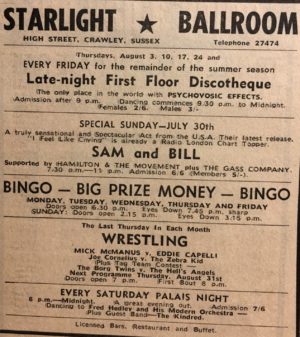
Located on Allendale Road in Greenford (sometimes billed as Sudbury or Wembley) in northwest London, the Starlite Ballroom was a significant music venue in the UK during the early-to-late 1960s. Peter Griffin booked artists for the venue, together with the Starlight Ballroom in Crawley, West Sussex.
Melody Maker advertised this venue weekly during 1966 and 1967. This doesn’t mean, however, that the advertised artists definitely appeared. It’s quite possible that some acts may have been replaced at the last minute. All of the listings below are from Melody Maker unless otherwise stated. Judging by the listings below, gigs took place on a Friday, Saturday and Sunday.
1966
Missing some listings from January to late May
1 January – The Fenmen and The Statesides (Dave Brogden’s diary)
7 January – John Mayall’s Bluesbreakers and The Statesides (Dave Brogden’s diary)
16 January – Georgie Fame & The Blue Flames (Beat Instrumental)
21 January – Zoot Money’s Big Roll Band and The Statesides (Dave Brogden’s diary)
22 January – The Drifters (Record Mirror)
23 January – The Alan Bown Set and The Statesides (Dave Brogden’s diary and Jeff Sturgeon’s diary)
5 February – Stevie Wonder (backed by The Sidewinders?) with The Statesides (Dave Brogden’s diary)
13 February – Cliff Bennett & The Rebel Rousers and The Statesides (Dave Brogden’s diary)
18 February – Jimmy James & The Vagabonds and The Statesides (Dave Brogden’s diary)
27 February – The Moody Blues and The Statesides (Dave Brogden’s diary) Beat Instrumental lists The Who for this date as well
11 March – The Small Faces (Record Mirror)
23 March – Zoot Money’s Big Roll Band (Beat Instrumental)
25 March – Wilson Pickett and The Statesides (Dave Brogden’s diary)
1 April – Jimmy James & The Vagabonds (Record Mirror)
22 April – Cliff Bennett & The Rebel Rousers (Beat Instrumental)
26 April – The Mindbenders (Beat Instrumental)
29 April – Georgie Fame & The Blue Flames (Beat Instrumental)
6 May – Lee Dorsey and The Statesides (Dave Brogden’s diary and Jeff Sturgeon’s diary)
15 May – The Small Faces (Record Mirror)
Photo: Melody Maker
27 May – Chris Farlowe & The Thunderbirds
28 May – The Soul Agents
29 May – The Fenmen and The Symbols
Missing listings for 3, 4 and 5 June
5 June – Georgie Fame & The Blue Flames and Jean & The Statesides (Dave Brogden’s diary)
10 June – The Quiet Five and The Mark Four
11 June – The Ram Jam (most likely Geno Washington’s band) and The James Royal Set
12 June – The Yardbirds
Dave Brogden’s diary confirms that The Statesides supported The Yardbirds on this date
17 June – Roy C
Dave Brogden’s diary confirms that The Statesides supported Roy C on this date
18 June – The Spencer Davis Group
19 June – The James Royal Set and The Soul Agents
24 June – Radio London Night with bands
25 June – The Emeralds and The James Royal Set
26 June – Jimmy James & The Vagabonds
1 July – The Quiet Five and The Trendsetters Ltd
2 July – Radio London Night
3 July – Gary Farr & The T-Bones
Photo: Melody Maker
8 July – Zoot Money’s Big Roll Band
9 July – The Crystals
10 July – The Moody Blues
Photo: Melody Maker
15 July – The Who and Roscoe Brown Combo
16 July – Episode Six and The Legend
17 July – The Troggs, The Wild Things and The Jimmy Brown Sound
22 July – Rufus Thomas
23 July – (Gary Farr &) The T-Bones
24 July – Chris Farlowe & The Thunderbirds and The En-Devers Ltd
29 July – Tony Rivers & The Castaways and The Summer Set
30 July – The Riot Squad
31 July – Joyce Bond and The Jimmy Brown Sound
5 August – (Geno Washington &) The Ram Jam Band
6 August – Episode Six
7 August – Solomon Burke
12 August – The Move
Missing listing for 13 August
14 August – Jimmy Brown Sound
19 August – Zoot Money’s Big Roll Band and The Tea Set
20 August – The Midnights
21 August – The Action and The Mode
26 August – The Magic Lanterns and The Knack
Missing listing for 27 August
28 August – The Pretty Things and Sands
2 September – The Spencer Davis Group
3 September – Episode Six
4 September – The Birds (with support)
Photo: Melody Maker
9 September – The Jimmy Brown Sound and The Satellites (soon to become The Army)
10 September – Julian Covey & The Machine
11 September – Long John Baldry & Steampacket
16 September – The Symbols and The Quiet Five
17 September – Two groups
18 September – Cliff Bennett & The Rebel Rousers
23 September – The Trendsetters and Winston G
24 September – Two groups
25 September – Los Bravos
30 September – Robert Parker and The James Royal Set
1 October – Two groups
2 October – Rick ‘N’ Beckers
7 October – The Cryin Shames
8 October – Two groups
9 October – (Geno Washington &) The Ram Jam Band
14 October – Lee Dorsey
15 October – Two groups
16 October – Batman & Robin
Photo: Melody Maker
21 October – Sonny Childe & The TNT
22 October – Two groups
23 October – Edwin Starr (possibly backed by The Guests)
Photo: Melody Maker
28 October – The Birds
29 October – Two groups
30 October – Zoot Money’s Big Roll Band
4 November – The Dixie Cups
5 November – Two groups
6 November – The Creation
11 November – The Coasters (probably backed by The Noblemen) and The Mode
12 November – Two groups
13 November – (Geno Washington &) The Ram Jam Band
18 November – Wishful Thinking
19 November – Two groups
20 November – Ben E King and Winston G
25 November – The Mindbenders
26 November – Two groups
27 November – The Birds
Photo: Melody Maker
2 December – The All Night Workers and Sands
3 December – Two groups
4 December – Cream and The Essex Five
9 December – Gass and The Fleur De Lys
10 December – Two groups
11 December – The Drifters and The Bystanders
16 December – Cliff Bennett & The Rebel Rousers
17 December – Two groups
18 December – Herbie Goins & The Night-Timers
23 December – Eric Burdon & The Animals and The Night Train
24 December – Gass and The Penny Blacks
30 December – Carl Douglas & The Big Stampede and The Barry Lee Show
31 December – The Birds and The James Royal Set
1967
1 January – Rick ‘N’ Beckers and The Majority
6 January- (Sonny Childe &) The TNT and The Syn
No listing for 7 January
8 January – The Move and The Roscoe Brown Combo
Photo: Melody Maker
13 January – The Small Faces
No listing for 14 January
15 January – The Soul Sisters and Carl Douglas & The Big Stampede
20 January – The Coloured Raisins and The Herd
No listing for 21 January
22 January – Long John Baldry (& Bluesology)
27 January – Inez & Charlie Foxx and (Joe E Young &) The Tonicks
No listing for 28 January
29 January – The Symbols and The Dyaks
3 February – Winston G
No listing for 4 February
5 February – (Geno Washington &) The Ram Jam Band
Photo: Melody Maker
10 February – Edwin Starr (possibly backed by The Cool Combination)
No listing for 11 February
12 February – The Who
17 February – The Fenmen
No listing for 18 February
19 February – Cream
Photo: Melody Maker
24 February – Lemon Line
No listing for 25 February
26 February – Zoot Money’s Big Roll Band
3 March – Cliff Bennet & The Rebel Rousers
No listing for 4 March
5 March – (Geno Washington &) The Ram Jam Band and The Shell (Shock Show)
10 March – The Coloured Raisins and King Ossie Show
No listing for 11 March
12 March – The Gods
17 March – The Easybeats
No listing for 18 March
19 March – Rick ‘N’ Beckers
Photo: Melody Maker
24 March – Human Instinct and Joe E Young & The Tonicks
No listing for 25 March
26 March – The New Mojos and The Gods
31 March – Ronnie Jones (& The Q-Set?)
No listing for 1 April
2 April – Ben E King
7 April – Rick ‘N’ Beckers
No listing for 8 April
9 April – Zoot Money’s Big Roll Band
14 April – The Creation and The Syn
No listing for 15 April
16 April – Long John Baldry Show (aka Bluesology)
21 April – Pink Floyd
No listing for 22 April
23 April – Mary Wells and The Gods
Photo: Melody Maker
28 April – PP Arnold (backed by The Nice?) and The Syn
No listing for 29 April
30 April – Chris Farlowe & The Thunderbirds and Shinn
5 May – Rick ‘N’ Beckers
No listing for 6 May
7 May – Jeff Beck Group and Sean Buckley
12 May – The Shell Shock Show and The Syn
No listing for 13 May
14 May – Normie Rowe & The Playboys
19 May – (Geno Washington &) The Ram Jam Band
No listing for 20 May
21 May – The Troggs and The State Express (they later backed Edwin Starr)
26 May – The Shell Shock Show and The Syn
No listing for 27 May
28 May – Alan Price Set
Photo: Melody Maker
2 June – Edwin Starr (probably backed by The Senate)
No listing for 3 June
4 June – The Warm Sounds and The Birds and The Bees
9 June – Mike Quinn Rave
No listing for 10 June
11 June – Cream and The Triads
16 June – The Shell Shock Show
No listing for 17 June
18 June – The Drifters
23 June – The Move and The Gods
No listing for 24 June
25 June – The Chiffons and Midnight Train
No listing for 30 June or 1 July
2 July – The Toys
Ron Lewingdon says Steve Priest’s pre-Sweet group, The Army were also on this bill. He remembers appearing at the venue with The Toys
No listing for 7 or 8 July
9 July – The Jeff Beck Group
14 July – The All Night Workers
No listing for 15 July
16 July – The Long John Baldry Show (aka Bluesology)
21 July – The All Night Workers
No listing for 22 July
23 July – The Action and The Syn
28 July – Modes Mode
No listing for 29 July
30 July – Simon Dupree & The Big Sound and The Human Instinct
4 August – The All Night Workers
No listing for 5 August
6 August – The Bee Gees and The Pussyfoot
11 August – Modes Mode
No listing for 12 August
Photo: Melody Maker
13 August – The Small Faces
Henry Turtle says that his group The Doves played with The Small Faces at this venue several times. This seems the most likely date for one of the shows but needs confirmation
18 August – The Syn
No listing for 19 August
20 August – The Jeff Beck Group
25 August – The New Jump Band
No listing for 26 August
27 August – The Human Instinct and The Triads
1 September – The Pussyfoot
No listing for 2 September
3 September – Herbie Goins & The Night-Timers
8 September – The Shell Shock Show
No listing for 9 September
10 September – James & Bobby Purify and The James Royal Set
15 September – The Unsuited Medium
No listing for 16 September
17 September – The Original Drifters (backed by The Trend)
22 September – The Wranglers
23 September (first Saturday listing for the year) – The Breakthru
24 September – The Tiles Big Band
29 September – The New York Public Library
30 September – The Breakthru
1 October – The Alan Bown Set and The Calgary Stampede
No listing for 6 October
No listing for 7 October
8 October – Chris Farlowe & The Thunderbirds
13 October – Amen Corner
No listing for 14 October
15 October – Max Baer & The Chicago Setback
20 October – The Human Instinct
21 October – Warren Davis (was he on his own or with The Monday Band?)
22 October – The Ebony Keys and The All Night Workers (possibly the new version of this band)
27 October – Mr Hip Soul Band
28 October – The Wranglers
Photo: Melody Maker
29 October – Geno Washington & Ram Jam Band and The All Night Workers
3 November – Pesky Gee
4 November – The Taylor Upton Big Jump Band
5 November – Ben E King and Dr Marigold’s Prescription
10 November – Horatio Soul & The Square Deals
11 November – The Triads
12 November – Marmalade and Legay
17 November – Katch 22
18 November – Willie Walker & The Scene
19 November – The Skatalites and The Open Mind
24 November – The Minor Portion Roll Band
25 November – Keith Skues and The Shock Treatment
26 November – Jimmy James & The Vagabonds and The Living Daylights
Photo: Melody Maker
1 December – J J Bendol & The SOS
2 December – Katch 22
3 December – Geranium Pond and Modes Mode
8 December – Hydro Bronx B Band
No listing for 9 December
10 December – Simon Dupree & The Big Sound
No more listings for the year, so would welcome any additions
1968
Melody Maker didn’t appear to advertise the venue during 1968, so I’ve listed references next to the entries I have found. It looks like they were Fridays, Saturdays and Sundays but the listings are not complete and I would welcome any additions
Missing lists from January-April 1968
19 April – Colin Berry (Harrow Weekly Post)
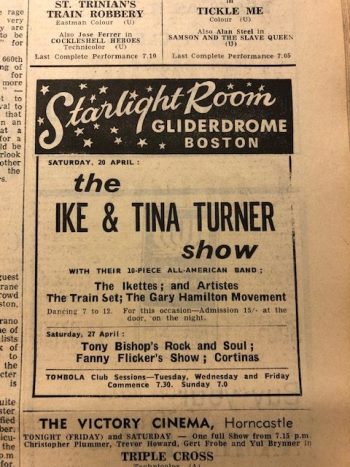
21 April – Ike & Tina Turner Show (Harrow Weekly Post/New Musical Express)
26 April – Colin Berry (Harrow Weekly Post)
27 April – The Lace (Harrow Weekly Post)
28 April – Garnet Mimms and The Lace (Harrow Weekly Post) Mimms may have cancelled
3 May – Colin Berry (Harrow Weekly Post)
4 May – Pandemonium (Harrow Weekly Post)
No listing on 5 May
No listing on 10 May
11 May – The Cruudas (Harrow Weekly Post)
12 May – The Honeybus (Harrow Weekly Post)
No listing on 17 May
18 May – Rainbow Ffolly (Harrow Weekly Post)
19 May – Marmalade and Rainbow Ffolly (Harrow Weekly Post)
No listing on 24 May
25 May – Jo Jo Gunne (Harrow Weekly Post)
26 May – Edwin Starr (backed by The State Express) (and with support) (Harrow Weekly Post)
31 May – The New Flamingos (Harrow Weekly Post)
Photo: Harrow Weekly Post
1 June – The Greatest Show on Earth (Harrow Weekly Post)
2 June – Duane Eddy and The All Night Workers (Harrow Weekly Post)
Henry Turtle says his band The Doves played with Duane Eddy at this venue. The All Night Workers definitely played too
7 June – The Midnights (Harrow Weekly Post)
8 June – The All Night Workers (Harrow Weekly Post)
9 June – The Fantastics (backed by The House of Orange) (Harrow Weekly Post)
Photo: Harrow Weekly Post
14 June – The Exits (Harrow Weekly Post)
15 June – Orange Seaweed (Harrow Weekly Post)
16 June – Whisky Mac (with support) (Harrow Weekly Post)
21 June – The Apricots (Harrow Weekly Post)
22 June – Size Five (Harrow Weekly Post)
23 June – The New Breed (with support) (Harrow Weekly Post)
28 June – The Apricots (Harrow Weekly Post)
29 June – The Group (with support) (Harrow Weekly Post)
30 June – The Apricots (with support) (Harrow Weekly Post)
5 July – The Midnites (Harrow Weekly Post)
6 July – The New Breed (Harrow Weekly Post)
7 July – The Midnites (with support) (Harrow Weekly Post)
No listing for 12 July
13 July – The Midnites (with support) (Harrow Weekly Post)
14 July – The Neuz (Harrow Weekly Post)
No listing for 19 July
20 July – The Neuz (Harrow Weekly Post)
21 July – The Unison (Harrow Weekly Post)
No listing for 26, 27 and 28 July
No listing for 2 August
3 August – The Unison (Harrow Weekly Post)
4 August – The Unison (Harrow Weekly Post)
I don’t have any more listings for August and only odd ones for September and October so would welcome any additions
22 September – The New Breed (Harrow Weekly Post)
29 September – The All Night Workers (Harrow Weekly Post)
Photo: Harrow Weekly Post
5 October – The James Morton Sound (Harrow Weekly Post)
6 October – The Race (Harrow Weekly Post)
9 October – Colin Berry (Wednesday) (Harrow Weekly Post)
12 October – The James Morton Sound (Harrow Weekly Post)
2 November – The James Morton Sound (Harrow Weekly Post)
3 November – The Midnites with Dynamic Maxine (Harrow Weekly Post)
8 November – Colin Berry (Harrow Weekly Post)
9 November – The James Morton Sound (Harrow Weekly Post)
10 November – The Midnites with Dynamic Maxine (Harrow Weekly Post)
15 November – The Midnites with Dynamic Maxine (Harrow Weekly Post)
16 November – The James Morton Sound (Harrow Weekly Post)
There is no listing for 17 November
22 November – Colin Berry and The Midnites (Harrow Weekly Post)
23 November – The James Morton Sound (Harrow Weekly Post)
There is no listing for 24 November
I have no more listings for November and a gap in early December
Photo: Harrow Weekly Post
11 December – The All Night Workers (Wednesday) (Harrow Weekly Post) Says Sudbury, but the address is the same – Allendale Road
I have no more listings for December so would welcome any additions
I would be interested to hear from anyone who can throw any further light on this obscure Jamaican band who cut two rare 45s in Spain in 1968-1969. Singer Carl Douglas was also a member but judging by the picture sleeve of their two releases and the credits, he only appears to have been on the second release.
Douglas told me that the rest of The Explosion comprised musicians from Argentina, Colombia, France, Spain and Morocco. I also understand that Ellis, Simmonds and Evans were originally in a band called The Links who were regulars at Count Suckle’s Cue Club in Praed Street, Paddington.
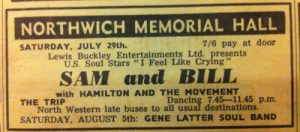
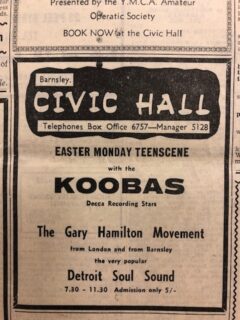
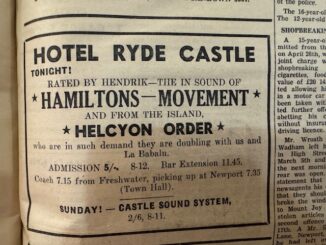
Hamilton and The Hamilton Movement, 1965. Back row, left to right: Chris Palmer, Gary Laub and Peter Vernon-Kell. Front: Fedon Tilberis
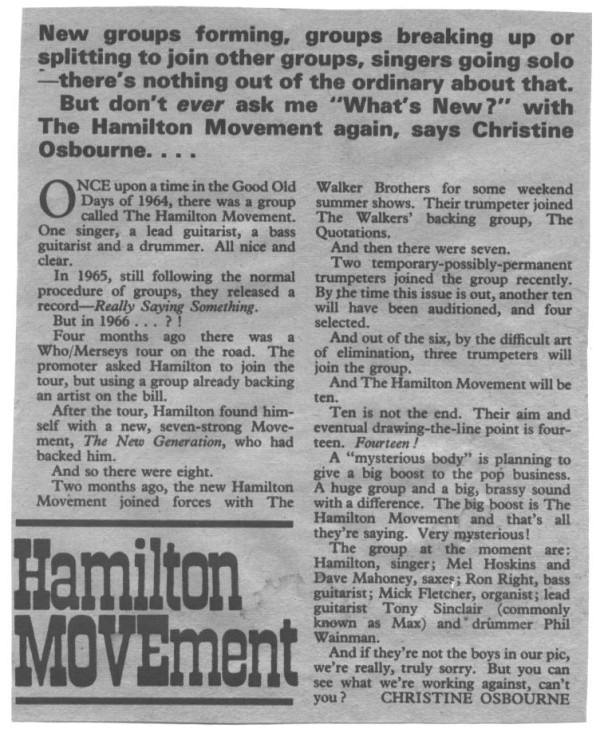
In August 1965, an obscure R&B outfit named Hamilton & The Hamilton Movement signalled its arrival on the London scene with an impressive rendition of The Velvelettes’ Motown classic “Really Saying Something” (later a sizeable UK hit for Bananarama) and then seemingly vanished off the face of the earth.
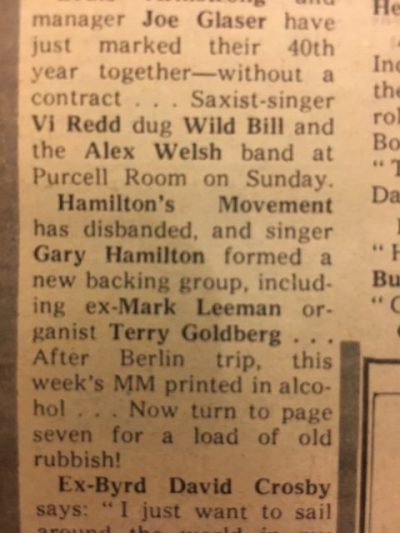
Then, almost two years later, a band calling itself Hamilton & The Movement descended on the airwaves with the infectious soul-rocker, “I’m Not the Marrying Kind”, a Bill Wyman penned and produced number, infused with punchy horn lines, funky drums and some groovy Hammond organ fills. Could this really be the same band and, if so, why such a long radio silence?
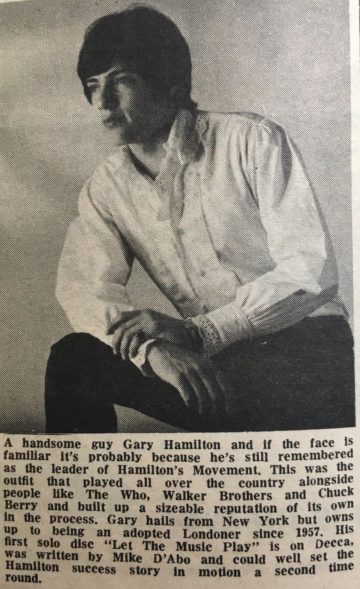
The answer to that question is both a yes and a no. While both outfits were fronted by a singer called Gary Hamilton, they were in fact two entirely different groups, albeit each with fascinating histories. To understand how these two bands became entwined, it’s important to go back to the early Sixties and the man who kick-started ‘the movement’, so to speak – Gary Hamilton.
The son of an English mother and American father, Gary Hamilton was in fact a certain Gary Laub, who grew up in London’s Marble Arch and St John’s Wood areas.
In 1962, Laub formed his first (unnamed) group with a school friend and lead guitarist named Graham who lived opposite Lords cricket ground. Soon after, they were joined by bass player Chris Palmer, rhythm guitarist Ian Hunt and (finally) drummer Fedon Tilberis, who all attended Haverstock School.
“How Chris and Ian met Gary I don’t know,” says Tilberis. “I joined a little later but Graham was still in the band and left soon after. We enlisted a replacement lead guitarist named Mike Allen and emerged as a five-piece named The Moondogs. The name was [Gary’s father] Mr Laub’s idea before we auditioned at the famous Two Is coffee bar.”
Fast forward to spring 1965 and Laub, Palmer and Tilberis had to reshuffle the pack when Allen and Hunt moved on. Through a friend of Tilberis, they were introduced to two older guitarists – Costas and Bernie – and started gigging as Cell Block 5.
“Costas was an ex-pro who had played US bases in Germany; he was a men’s tailor by trade. Bernie was from Rochdale. They were then in their late Twenties,” remembers Tilberis.
“We practised in the cellar of a scrap shop in south London that they knew. They did a three-nighter with us in a Greek Street cellar club called Les Cousins that I hustled but Bernie, not feeling very happy, left on the last night after the gig. Costas stayed on for a London suburb gig. They were only with us for about seven or eight weeks.”
Coining a new name, The Reaction, Tilberis hit the jackpot when he stumbled across Rayrik Studio owners Rick Minas and Bruce Rea, who offered up their Chalk Farm studio as a practice room. In return, the outfit would play free on any demo recording sessions when required.
“As it turned out, this was a great deal for us as we never had to record anything there other than our audition to clinch the agreement and practised for free,” continues the drummer.
Abetted by guitar legend Mick Green, The Reaction duly auditioned and Minas was bowled over by the performance.
“Chris and I had auditioned Mick at Chris’ place in Kilburn shortly before the Rayrik audition and we were both very impressed,” remembers Tilberis.
“Although Mick didn’t commit himself, he was interested in doing the Rayrik session, maybe hoping for some recording session gigs. I can’t remember what the number was that we recorded or if Gary was even there, but do remember listening to the backing take after and Mick’s comment. He said that it was a good clean recording and that you could build on it. Rick and Bruce agreed.”
Peter Vernon-Kell (front) with The Macabre outside the Ealing Club. Photo: Peter Vernon-Kell
However, when Mick Green opted to return to The Dakotas, with whom he had been playing with after leaving Johnny Kidd & The Pirates the previous year, Peter Vernon-Kell, a member of Goldhawk Social Club and Ealing Club regulars, The Macabre assumed guitar duties. Incidentally, Vernon-Kell had also been a brief member of The Detours, a forerunner of The Who.
“Both Mick Green and Peter Vernon-Kell came to us via a [Melody Maker] ad in that order. We did see other guitarists but finally settled for Peter after Mick moved on to greener pastures [excuse the pun],” explains Tilberis.
“Peter shared our new musical orientation and attitude, and as far as we were concerned, he fitted the bill. I then arranged our first practice at Rayrik.”
Prior to Vernon-Kell’s addition to the group’s ranks, Minas and Rea had introduced impresario Robert Stigwood, and the Australian subsequently offered Gary Laub a recording deal and put the band on his agency books.
Stigwood insisted that “Really Saying Something” should be the ‘A’ side while Rick Minas and his song-writing partner Mike Banwell offered up “I Won’t See You Tonight” for the flipside.
Before cutting both tracks at a demo session at Regent Sound in Denmark Street, Vernon-Kell coined a new name; The Reaction sounding too similar to The Action, The Who’s regular Tuesday night opener at the Marquee.
“He came up with The Hamilton Movement [in honour of Macabre guitarist Ed Hamilton] in the pub before the session [and] we thought it was great,” remembers Tilberis, who adds that Gary Laub, although at first not so keen, adopted ‘Hamilton’ as a stage name.
Having booked Olympic Sound (then situated in Baker Street) for the final recordings (and unbeknownst to the musicians), Stigwood augmented the band with Graham Bond on piano.
“We were aware who Graham was and were pleased to have him on board for the session,” says Tilberis.
According to the drummer, the tracks required only a few takes per playback and for the lead/backing vocals. Released in August 1965, the single entered the Radio Caroline charts at number 65 on 23 October and peaked at number 53 the following week.
However, the musicians soon realised that any talk of ‘band democracy’ was just that. Not only did the single list the outfit as Hamilton & The Hamilton Movement but Stigwood started promoting them as such.
“Only Gary was allowed to perform on Ready Steady Go using our playback, though we were allowed to attend the show,” explains Tilberis.
Interestingly, as future Hamilton Movement member Mel Wayne recalls, Stigwood insisted on the same conditions with another of his charges, The All-Nite Workers, who were backing Indian singer Simon Scott around the same time.
“Simon mimed to our backing track [on Ready Steady Go] while we had to stand on the balcony with the audience,” says the sax player. “It must have been a Stigwood thing.”
Aired on 22 October 1965, Gary Hamilton appeared on the popular British TV show alongside The Animals, The Searchers, Chris Farlowe & The Thunderbirds and The Rolling Stones, which may have been where the singer linked up with Bill Wyman.
By then, the group had started to pick up consistent live work, kicking off with a memorable gig at Sophia Gardens Pavilion in Cardiff on 30 August with The Who, The Graham Bond Organisation, The Merseybeats and The Easybeats (not the Australian outfit), which had been arranged by the Stigwood/Lambert-Stamp team.
“It looked like a sports hall with an enormous stage at one end. We went up the day before and slept in the van and hung about till early next afternoon to unload our gear,” says Tilberis.
“Townsend was also there early and limbering up in The Who’s dressing room. As our Pete knew him, he went to say ‘allo’ and introduce his new mates… [Townsend] asked Pete if he could borrow his Fender amp for the gig. Pete was more than wary, after all he didn’t want his amp wrecked so Townsend promised to only demolish his Marshall gear.
“Keith Moon and Tony Banks, drummer of The Merseybeats, were looning around and generally getting on everybody’s nerves, especially Entwistle’s as Moon had donned his bass and was running up and down the stage strumming it like a maniac. I thought John was going to thump him.”
More provincial gigs followed, not to mention the obligatory Mod clubs in London, including the El Partido in Lewisham where the outfit played alongside The Duke Lee Sounds on 30 October 1965.
However, in mid-late January 1966, the Stigwood/Lambert & Stamp team secured a spot for the band on a three-day, two shows a day package tour, once again opening for Vernon-Kell’s former band mates, The Who, and also featuring Screaming Lord Sutch & The Savages, The Graham Bond Organisation, The Merseybeats and The Fortunes.
“Bob [Stigwood] arranged for us to practise at the Granada TV rehearsal studios at the Oval about a week beforehand,” remembers Tilberis. “He and Lambert came to oversee the rep and offer presentation tips for our opening spot on the show.”
The tour debut duly took place at the Astoria Cinema, Finsbury Park on 4 February and was followed by a gig at the Odeon Cinema, Southend-on-Sea the next day, culminating with a final engagement on 6 February at the Empire Theatre, Liverpool.
The following month, on 11-12 March, the musicians found themselves on the campus of Essex University in Colchester where a number of bands, including the up and coming Pink Floyd were entertaining the students.
Then in April, Stigwood linked up with Chris Blackwell to promote a second package tour headlined by The Who, this time with Hamilton and The Hamilton Movement joining the likes of The Spencer Davis Group, The Band of Angels and (most notably) Jimmy Cliff & The Sound System (aka New Generation) (who featured musicians that would form part of the soon-to-be Hamilton Movement).
The four-day tour, with two shows a day, kicked off at the Gaumont Theatre in Southampton on 14 April. After weaving its way on to Fairfield Halls in Croydon, then the Odeon in Watford, the tour wound up at the Regal Theatre in Edmonton.
“Gary’s mum called me on Saturday, 16 April in the afternoon asking if we would do the Watford gig that evening,” says the drummer. “Although we all had other plans I rounded up Pete and Chris and we did that gig.”
Stigwood then proposed a second single and once again engaged Graham Bond on piano. The sessions included a stab at The Who’s “A Legal Matter” as the ‘B’ side, which was cut as an instrumental track. However, the recording of the ‘A’ side did not go well, as Tilberis recalls.
“We weren’t raving about the number. Stigwood arranged a practice room and gave us a single to learn but I can’t remember what it was called. I had a trouble with the drum part on the session.
“Bob was well peeved but let us play one of our tunes that we were working on, but there was no melody line or title at that stage and he didn’t like it. The Olympic session was a blow out and Bob gave us the thumbs down, we were out and the gig flow stopped.”
As Tilberis points out, there was still no signed contract, and the singer was looking out for himself. “Gary’s dad [Harry] being a shrewd businessman and used to dealing with contracts and small print had deleted a hefty portion of the contract!”
Chris Palmer and Fedon Tilberis soon left for Jimmy & The Rackets, a British beat group with hit parade successes in Germany, Switzerland and Austria.
Joining long-standing frontman, Jimmy Duncombe and guitarist Mike Bell, Tilberis remained with the Swiss-based outfit until spring 1968 while Palmer stayed on for another year.
The pair appeared on a cache of European-only released singles by The Rackets, kicking off with a cover of Eddie Cochran’s “C’mon Everybody” backed by a cover version of George Harrison’s “I Want To Tell You”.
The pair ended up setting up home in Switzerland where, in 1970, The Chris Palmer Band recorded the ultra-rare solo LP Fingertips, featuring originals from all the band members.
Palmer later hit pay day in 1980 when Surface Noise topped the UK dance music chart with a cover of his song, “The Scratch”. Tilberis re-joined The Rackets and played with local bands, including Swiss Sixties specialists, The Countdowns.
Vernon-Kell meanwhile subsequently moved into production. Setting up PVK Records, he managed Peter Green and produced a string of his late 1970s and early 1980s albums. More recently, he’s become an executive producer for films and currently runs Cabana Films Ltd.
But Gary Hamilton wasn’t finished with The Hamilton Movement. In late July/early August 1966, he linked up with Jimmy Cliff’s backing band, The New Generation, renaming them The Movement.
Bass player Ron Thomas, who years later struck fame with The Heavy Metal Kids, thinks the link-up came through The New Generation’s keyboard player Mick Fletcher.
“[Mick] was always going down all the clubs around Wardour Street,” says the bass player. “He was always ducking and diving and I thought he just met him [Gary Hamilton] out there one night.”
“Me and Mickie Fletcher were great mates and frequented The Ship in Wardour Street and drank with Gary there quite a bit,” confirms sax player Mel Wayne.
“We were all a bit frustrated the way things were going with Jimmy Cliff because he didn’t have a soul or pop voice, which was the sort of music Chris Blackwell wanted him to do and engaged us for.”
New Generation members Ron Thomas and Mel Wayne, together with fellow sax player Dave Mahoney, had first come together in West London R&B outfit Mike Dee & The Prophets.
Adding Thomas’s school friend Mick Stewart on guitar in mid-1965, they split from Mike Dee and worked as Anglo-Indian singer Simon Scott’s backing group, The All-Nite Workers. Their lone single together was produced by none other than Robert Stigwood!
By late 1965, former Paramounts drummer Phil Wainman had assumed leadership, and after cutting several singles with Errol Dixon and briefly backing Freddie Mack, Mick Stewart jumped ship to join Johnny Kidd & The ‘New’ Pirates.
Having previously introduced Mick Fletcher from The Epitaph Soul Band, guitarist Tony Sinclair (aka Tony St. Clair) completed the new formation, now gigging as The Sound System.
Through a chance meeting with Chris Blackwell, the sextet supported his roster of artists – Jackie Edwards, Millie, Owen Grey and most notably Jimmy Cliff. Trumpet player John Droy joined just before the Gary Hamilton pairing.
Clockwise from front: Ron Thomas, Mick Fletcher, Gary Laub, Tony Sinclair, Mel Wayne, Dave Mahoney and Phil Wainman
The expanded group began rehearsing at London’s Colony Club where Gary’s father was employed; US film star George Raft worked as its casino director and briefly financed the outfit. Mel Wayne adds that the group also rehearsed at Caesars Palace in Dunstable and Ken Collier’s London club.
When John Droy bailed after a short nationwide tour with The Walker Brothers in mid-August to join The Quotations, The Movement expanded its line-up, bringing in trumpet players – Mike Bailey, Alan Ellis and Patrick Higgs, the latter from Elton John’s group, Bluesology around December. (Ed: One of the unsuccessful musicians to audition was trumpet player Verdi Stewart, who would be instrumental in landing Mel Wayne future work with Carl Douglas.)
“We had a ten-piece band; a five-piece brass section; three trumpets. When I think of it now, we were all on a wage,” recalls Thomas.
That November, Gary Hamilton landed a recording deal with CBS and the musicians entered IBC Studios to work with Rolling Stone Bill Wyman in the producer’s chair.
“That was something that [Gary’s father] Mr Laub put together. He said, ‘We’ve got a song for you’,” remembers Phil Wainman, who adds that the group nailed both sides in a couple of takes.
“He [Bill Wyman] just let us get on with it. The band was so good. We’d rehearsed it prior to the studio and… in three hours I think we were done, recorded and mixed.”
“I’m Not The Marrying Kind” c/w “My Love Belongs To You” was duly released on 10 February 1967 and hit single written all over it.
However, despite having supported The Who at Leeds University on 21 January and then making a notable appearance at the Saville Theatre opening for Chuck Berry and Del Shannon on 19 February, the single’s commercial failure prompted the backers to drastically reduce the group’s bookings.
Phil Wainman was the first to abandon ship for The Overlanders and then Jack Hammer, author of “Great Balls of Fire”.
After co-penning The Yardbirds’ cover “Little Games” and working with The Quotations, Wainman became a top session player and then a successful producer with Sweet and Boomtown Rats, among his credits.
“As a producer I did so much better than as a musician,” says Wainman. “That’s where I did well. I probably sold about 300 million records.”
James Smith, fresh from an audition with The New Pirates, reforming after Johnny Kidd’s death, assumed the drum stool.
“I got a call from Ron Thomas,” remembers the newcomer. “He said Mick Stewart had given him my number and would I be interested in auditioning? I got the gig, though it was a hard act to follow. Phil was one of the best drummers around at the time.”
Smith remembers the band finding plenty of work on the university circuit that spring, including Keele, Nottingham, Leeds and Birmingham.
In the first week of April, Melody Maker reported that the group had whittled down from a 10 piece to a seven piece. Mel Wayne left to join Carl Douglas & The Big Stampede and two other horn players also departed, most likely including Pat Higgs.
On 27 May, Hamilton & The Movement joined Cliff Bennett & The Rebel Rousers, The Action, The Bonzo Dog Doo Dah Band and The Swinging Blue Jeans to entertain the students at Oxford’s Hertford Balls.
The drummer also says that The Hamilton Movement opened for US soul act Sam and Bill several times (most notably at the Boston Gliderdrome on 15 July) before further changes ensued during August and October 1967.
Sam and Bill, Record Mirror
“The brass section dropped out and this kind of triggered a fairly rapid exodus… There were no gigs for a while so Tony, Mick and Ron found other work,” says the drummer.
While Mick Fletcher failed to reunite with Mel Wayne in Carl Douglas & The Big Stampede (the job went to Rod Mayall), he next appears to have played with The Rifle (with guitarist Del Grace from Carl Douglas’ band and singer Malcolm Magaron) and then The Amboy Dukes in late 1969 for a short tour into mid-1970.
Tony Sinclair briefly played with Lace before joining Freddie Mack’s band in early 1968. The soul outfit split from the former boxer in 1969 and worked with Dave Hadfield at his studio on the Old Kent Road, providing backing tracks for various artists on Hadfield’s Revolution label.
Ron Thomas meanwhile got a job with guitarist Pip Williams’s band, The House of Orange, backing US soul act, The Fantastics.
“They were right in the middle of a tour backing Garnet Mimms,” he recalls. “They were a house band working with Roy Tempest. They just phoned me up. Their bass player had got slung out in the middle of the tour and they had a gig that night.”
With ‘The Movement’ on hold, James Smith had also started to explore other avenues and even had an offer on the table when Gary Hamilton convinced him to hang on.
“Gary came up with Mick Stewart and Tony Savva and said he wanted to change the style and format going with a three-piece backing band, so I decided to stay,” says the drummer.
Bass player Tony Savva was best known for his work with A Wild Uncertainty, the group that featured Eddie Hardin, who had replaced Stevie Winwood in The Spencer Davis Group that spring.
Savva is uncertain how the link-up with Hamilton came about but has some photos with A Wild Uncertainty drummer Gordon Barton and lead guitarist Peter Tidmarsh in them, which offers a clue.
“Gary and I were behind the camera,” he explains. “How and why I don’t know but obviously we were backing Gary as vocalist. Maybe Gordon and Peter split and Mick [Stewart] and Jimmy [Smith] came in.”
Mick Stewart, however, can throw more light on this transition period. “I believe that I played with Tony Savva for a little while because of something to do with Don Arden’s son David being a would-be-singer at the time,” says the guitarist.
“The intro to that was in a way due to Johnny Kidd. Over the years, he was in fact booked quite a bit by Don Arden’s agency and after he died, I believe that someone at Arden’s company suggested I play guitar in this back-up band. Tony was already in the line-up. At the end of the day, however, David Arden although he was a really great guy to be in a rock ‘n’ roll band with, he was not really a singer at all.”
Gary Hamilton 25 November 1967 Record Mirror
With the new version finding its feet, Gary Hamilton returned to the studios with session musicians to cut a solo single. Produced by Tony Meehan and penned by Mike D’Abo, “Let the Music Play”, backed by the self-penned “Don’t Ask”, was released by Decca on 12 November 1967 but flopped. A dramatic, big band production, “Let the Music Play” appears on Colour Me Pop, Volume Three and Fading Yellow Volume 9: The Other Side of Life.
During early November 1967, Gary Hamilton expanded the line-up by bringing in organist Terry Goldberg, who had previously played with The Mark Leeman Five and would go onto Tintern Abbey.
Melody Maker, 11 November 1967
The five-piece gigged prolifically over the next four months, even opening for Ike & Tina Turner and others at the Boston Gliderdrome on 20 April 1968. Two days later, the musicians played possibly their final show with Mick Stewart at the 100 Club on Oxford Street.
Stewart immediately joined James Royal and participated in a prestigious concert tour alongside Johnny Cash, June Carter and Carl Perkins. During 1969-1970, he recorded three singles with Sweet before later moving to the United States in the late 1970s, where he works in Los Angeles and Nashville as a successful record producer and also owns a music publishing company and a recording studio.
During 1968, Gary Hamilton recorded a one-track acetate “Carry The Can“, which was never released. The tracks were recorded with studio musicians and not the final version of The Hamilton Movement.
Judging by gigs below, Gary Hamilton continued to play with a band called The Movements into May and possibly July but it’s not clear if Savva, Smith or Goldberg were involved.
Tony Savva subsequently worked with Lionel Bart and Samuel Prody among others and currently lives in Cyprus. James Smith, who later recorded with Aquila, played with a revamped Nashville Teens before reuniting with Ron Thomas in The House of Orange.
“[Ron] said The Fantastics were coming back to the UK for a tour and he and Pip Williams were getting a backing band together and looking for a drummer and organist. I’d seen Ron and Pip previously so I didn’t need asking twice.”
As for Gary Hamilton, he joined the London production of Hair before resuming his solo career with a lone single for CBS and gigging briefly with Cozy Powell’s band, Big Bertha. Produced by Bernard Lee, the self-penned “Easy Rider” stalled when it was released on 5 December 1969.
Undeterred, he returned to Polydor for a cover of Ed Welch’s the “Monkey Song”, produced by Peter Knight Jr and arranged by John Fiddy. Released on 20 November 1970, the single flopped and Hamilton moved into movie acting; the eagle-eyed can catch him in the cult horror flick, Tower of Evil.
Thanks to Fedon Tilberis, Peter Vernon-Kell, Chris Palmer, Ron Thomas, Phil Wainman, Mel Wayne, James Smith, Mick Stewart and Tony Savva
To add information and make corrections, email: Warchive@aol.com
A version of this article appears in Ugly Things magazine.
30 August 1965 – Sophia Gardens Pavilion, Cardiff, Wales with The Who, The Graham Bond Organisation, The Merseybeats and The Easybeats
18 September 1965 – Il Rondo, Leicester
16 October 1965 – Woodhall Community Centre, Welwyn Garden City
30 October 1965 – El Partido, Lewisham, south east London with The Duke Lee Sounds and The Loose Ends
13 November 1965 – Co-Op Hall, Chesham, Bucks
27 November 1965 – Dungeon, Nottingham
4 December 1965 – Gala Ballroom, Norwich, Norfolk with Profile
24 December 1965 – Clacton Town Hall, Clacton, Essex with Unit 4+2 and The Nite-Sect
4 January 1966 – Pavilion Ballroom, Bournemouth, Dorset
1 February 1966 – Carousel Club, Farnborough, Hants
4 February 1966 – Astoria Cinema, Finsbury Park, north London with The Who, The Merseybeats, The Fortunes, The Graham Bond Organisation and Screaming Lord Sutch & The Savages
5 February 1966 – Odeon Cinema, Southend-on-Sea, Essex with The Who, The Merseybeats, The Fortunes, The Graham Bond Organisation and Screaming Lord Sutch & The Savages
6 February 1966 – Empire Theatre, Liverpool with The Who, The Merseybeats, The Fortunes, The Graham Bond Organisation and Screaming Lord Sutch & The Savages
11 February 1966 – Wimbledon Palais, Wimbledon, London with The Who and The Mike Rabin Group
18 February 1966 – Tower Ballroom, Great Yarmouth, Norfolk with Circuit Five
19 February 1966 – Royal Links Pavilion, Cromer, Norfolk with The Ultimate
11-12 March 1966 – Essex University, Colchester, Essex with Pink Floyd and others
18 March 1966 – Dancing Slipper, Nottingham with Carl Pagan & The Heathens
19 March 1966 – Gala Ballroom, Norwich, Norfolk with The Spectrum
11 April 1966 – Clacton Town Hall, Clacton, Essex with The Moody Blues and Dave & The Strollers
14 April 1966 – Gaumont Theatre, Southampton, Hants with The Who, The Spencer Davis Group, The Band of Angels and Jimmy Cliff & The Sound System
15 April 1966 – Fairfield Hall, Croydon, south London with The Who, The Spencer Davis Group, The Band of Angels and Jimmy Cliff & The Sound System
16 April 1966 – Odeon, Watford, Herts with The Who, The Spencer Davis Group, The Band of Angels and Jimmy Cliff & The Sound System
17 April 1966 – Regal Theatre, Edmonton, north London with The Who, The Spencer Davis Group, The Band of Angels and Jimmy Cliff & The Sound System
21 May 1966 – New Central Ballroom, Aldershot, Hants with The Nuetrons
The original band split around June 1966 and Gary Hamilton put together a new version in late July
Gary Hamilton (vocals)
Tony Sinclair (aka St Clair) (guitar)
Ron Thomas (bass)
Mick Fletcher (keyboards)
Mel Wayne (sax)
Dave Mahoney (sax)
John Droy (trumpet)
Phil Wainman (drums)
11-13 August 1966 – Gaumont Cinema, Bournemouth, Dorset with The Kinks, The Walker Brothers, The Quotations, The Creation, The Wishful Thinking, Dave Dee, Dozy, Beaky, Mick & Titch and The Moody Blues
14 August 1966 – Tiles, Oxford Street, central London with The Anzacs
John Droy left soon after the tour to join The Quotations
26 August 1966 – The Place, Hanley, Staffordshire
3 September 1966 – Rhodes Centre, Bishop’s Stortford, Herts with The Mystery Men
9 September 1966 – Benn Memorial Hall, Rugby, Warwickshire with The Roaring 60s and The Imagination (Rugby Advertiser)
18 September 1966 – Cromer Olympia, Cromer, Norfolk with The Barry Lee Show
24 September 1966 – Golden Torch, Tunstall, Staffordshire with Dave Berry & The Cruisers
29 September 1966 – Thorngate Ballroom, Gosport, Hampshire
1 October 1966 – Golden Torch, Tunstall, Staffordshire with The Thoughts
16 October 1966 – Khyber Club, Taunton, Somerset with The Sabres (the band replaced MI5)
Three trumpets players joined around December – Mike Bailey, Alan Ellis and Pat Higgs
21 January 1967 – Leeds University, Leeds, West Yorkshire with The Who
19 February 1967 – Saville Theatre, Shaftsbury Avenue, central London with Chuck Berry, The Canadians and Del Shannon
26 February 1967 – Saville Theatre, Shaftsbury Avenue, central London with Chuck Berry, The Candians and Herbie Goins & The Night-Timers
4 March 1967 – The Union, Manchester with The Dimples and Sound Venture
11 March 1967 – Birdcage, Eastney, Portsmouth, Hants (cancelled)
Phil Wainman left around now and Jim Smith joined on drums
18 March 1967
18 March 1967 – Ewell Technical College, Ewell, Surrey with The Easybeats
Around early April, Mel Wayne and two trumpet players left, most likely including Pat Higgs. The band carried on as a seven-piece with two horn players.
6 May 1967 – Royal Lido Ballroom, Prestatyn, Wales with The Quotations and The Raynes (billed as Hamilton)
27 May 1967 – Hereford Balls, Oxford with Cliff Bennett & The Rebel Rousers, The Action, The Bonzo Dog Doo Dah Band and The Swinging Blue Jeans
10 June 1967 – Tiles, Oxford Street, central London with The Collection and The Gas Company
11 June 1967 – Starlight Ballroom, Crawley, West Sussex with Craig King & The Midnight Train
17 June 1967 – Bal Tabarin, Downham, south east London with supporting groups
2 July 1967 – Cosmo, Carlisle, Cumbria with Four Degrees West
6 July 1967 – Blue Lagoon, Newquay, Cornwall (billed as Hamilton & The Quotations but assuming it is the same band)
The group backed US soul singers Sam & Bill on a UK tour. The pair arrived on 12 July so it’s safe to assume the gigs listed below featured Hamilton & The Hamilton Movement
12 July 1967 – Locarno, Stevenage, Herts with Sam & Bill (most likely debut)
13 July 1967 – Sybilla’s, Swallow Street, Mayfair, central London (billed as Sam & Bill)
15 July 1967 – Starlight Room, Boston Gliderdrome, Boston, Lincolnshire with Sam & Bill, The Skatalites and The Reasons
16 July 1967 – Speakeasy, central London (billed as Sam & Bill)
20 July 1967 – Locarno Bristol with Sam & Bill
21 July 1967 – Big ‘C’, Farnborough, Hants with Sam & Bill
21 July 1967 – Cue Club, Paddington, central London (billed as Sam & Bill)
22 July 1967 – New All-Star Club, Liverpool Street, central London (billed as Sam & Bill)
23 July 1967 – Dungeon, Nottingham with Sam and Bill
23 July 1967 – Saville Theatre, Shaftsbury Avenue, London (billed as Sam & Bill)
28 July 1967 – Skyline Ballroom, Hull with Sam & Bill plus One In A Million and That Feeling
29 July 1967 – Northwich Memorial Hall, Northwich, Cheshire with Sam & Bill and The Trap
30 July 1967 – Starlight Ballroom, Crawley, West Sussex with Sam & Bill and The Gas Company
13 August 1967 – Dungeon, Nottingham (says they were Sam and Bill’s backing group)
23 August 1967 – Locarno, Stevenage, Herts
25 August 1967 – Steering Wheel, Weymouth, Dorset
31 August 1967 – Locarno Bristol
Dave Mahoney and the last trumpet player departed around now
2 September 1967 – Kirklevington Country Club, North Yorkshire
Sam & Bill played Floral Hall in Southport on 9 September 1967, but looks like John Smith’s Affair were the support band this time.
15 September 1967 – Fiesta Hall, Andover, Hampshire
16 September 1967 – El Grotto, Ilford, east London
23 September 1967 – Cesar’s Club, Bedford with The Scotch of St James
30 September 1967 – City Hall, Salisbury, Wiltshire with Jigsaw and Dave Jay
Ron Thomas, Mick Fletcher and Tony Sinclair all left during October and the band was put on hold as Gary Hamilton recruited new players
Gary Hamilton (vocals)
Mick Stewart (guitar)
Tony Savva (bass)
Jim Smith (drums)
21 October 1967 – Maple Ballroom, Northampton
Terry Goldberg joined on keyboards
11 November 1967 – Brackley Town Hall, Brackley, Northamptonshire (possibly Goldberg’s debut)
8 December 1967 – City University, central London with The Soft Machine and Robert Hirst & The Big Taste
6 January 1968 – Lion Hotel, Warrington, Cheshire with Styx and Just Us
3 February 1968 – Sheridan Rooms, Huddersfield, West Yorkshire
9 February 1968 – Tiger’s Head, Catford, south east London (billed as Hamilton’s Movements)
25 February 1968 – Barnsley Civic Hall, Barnsley, West Yorkshire with Jay Jones (billed as The Gary Hamilton Movement)
26 February 1968 – Primrose Hill Working Men’s Club, Huddersfield, West Yorkshire (billed as The Gary Hamilton Movement)
9 March 1968 – Clouds, Derby (says it’s an eight-piece soul band)
15 April 1968 – Barnsley Civic Hall, Barnsley, West Yorkshire with The Koobas and Detroit Soul Sound
20 April 1968 – Starlight Room, Boston Gliderdrome, Boston, Lincs with the Ike & Tina Turner Show, The Ikettes, The Artists and The Train Set
22 April 1968 – 100 Club, Oxford Street, central London
4 May 1968 – Hotel Ryde Castle, Ryde, Isle of Wight with Helcyon Order (Isle of Wight County Press)
19 May 1968 – Manor Blues Club, Thornton-in Craven, North Yorkshire (Craven Herald & Pioneer)
6 July 1968 – Sheridan Rooms, Huddersfield, West Yorkshire (Huddersfield Daily Examiner) Billed as Guy Hamilton & The Movements
Sibylla’s nightclub was situated at 9 Swallow Street in Mayfair, W1 and was opened on 23 June 1966 after a pre-opening celebration party the night before.
Beatle George Harrison was one of the investors in the nightclub, which featured up and coming bands like Family, Amen Corner and Robert Plant & The Band of Joy.
Sibylla’s was rarely advertised in the music papers so it’s been difficult to find gigs. The list below is a start but I’d welcome any additions and corrections plus any photos of the venue and posters of advertised gigs as well as band photos (all credited accordingly).
Mickey Finn circa July 1966. Photo: London Life magazine
1966
London Life magazine ran an in-depth article on Sibylla’s in its 30 July to 5 August issue (pages 26-30). At the time, The Mickey Finn were photographed playing at the club.
Future Pink Floyd guitarist David Gilmour’s Cambridge band Jokers Wild were another group to perform at the club shortly after it opened. South coast band The Bunch also played the venue (possible in late 1966 and/or during 1967).
London Life magazine’s 6-12 August 1966 issue (and subsequent issues until the magazine closed that December) notes that there is a live group performing every night.
22 August 1966 (Monday) – The Carl Douglas Set (Ken Baxter’s gig diary)
23 August 1966 (Tuesday) – The Carl Douglas Set (Ken Baxter’s gig diary)
24 August 1966 (Wednesday) – The Carl Douglas Set (Ken Baxter’s gig diary)
25 August 1966 (Thursday) – The Carl Douglas Set (Ken Baxter’s gig diary)
26 August 1966 (Friday) – The Carl Douglas Set (Ken Baxter’s gig diary)
According to the South East London Mercury, The Coffee Set played at Sibylla’s before 16 September and The Rolling Stones were in the audience.
20 September 1966 (Tuesday) – The Fleur De Lys (Keith Guster’s gig diary)
Future Cressida guitarist Peter Jennings remembers playing at the club with White Rabbit (after Linda Lewis had left), which would have been September or October.
The Spectres, February 1964. Photo: South East London Mercury
The El Partido in Lewisham, southeast London was located at 8-10 Lee High Road and was a popular spot for young Jamaicans and local mods.
There is a gig for The Spectres (who later morphed into Status Quo) who played here on 10 February 1964 and every Monday (see very top) which reveals that the club had originally operated under different management and closed sometime during 1964. It looks like the club re-opened on 12 December with The Beasts playing that evening.
The excellent Transpontine website notes that King Ossie Sound played at the club regularly. Other guests included Jamaicans Jimmy Cliff and The Duke Reid Sound.
Local R&B outfit, The Loose Ends, who cut two singles for Decca, were also house band at some point in late 1965.
I have started a gig list and would welcome any additions plus any memories of the venue, which was closed down in April 1967.
12 December 1964 – The Beasts
19 December 1964 – The Loose Ends
26 December 1964 – The Beavers
27 March 1965 – Tony Knight’s Chessmen and Mankinde
28 March 1965 – Duke Lee
31 March 1965 – The Hubbubs
1 April 1965 – Group Survival
2 April 1965 – The King Bees
3 April 1965 – The Loose Ends
Photo: Melody Maker
4 September 1965 – The Eyes
Photo: Melody Maker
9 September 1965 – The Duke Lee Sound System
10 September 1965 – The Loose Ends (upstairs)
10 September 1965 – Duke Lee (downstairs)
11 September 1965 – Duke Lee (upstairs, first session)
11 September 1965 – The Loose Ends (downstairs, first session)
11 September 1965 – Lou Johnson, Sonny Childe, The Loose Ends and Duke Lee (second session)
16 September 1965 – The Mixed Feelings (upstairs)
16 September 1965 – Duke Lee (downstairs)
17 September 1965 – Ronnie Jones & The Blue Jays and Duke Lee
18 September 1965 – Duke Lee (upstairs, first and second session)
18 September 1965 – The Artwoods (downstairs, first session)
18 September 1965 – The Artwoods and The Loose Ends (downstairs, second session)
South East London Mercury has The Loose Ends with Lou Johnson on the above date
22 September 1965 – The Changing Times (upstairs)
22 September 1965 – Duke Lee (downstairs)
Photo: Melody Maker
23 September 1965 – The Plain Facts (upstairs)
23 September 1965 – Duke Lee (downstairs)
24 September 1965 – Memphis Chucks (upstairs)
24 September 1965 – Duke Lee (downstairs)
25 September 1965 – Guy Darrell (upstairs, first session)
25 September 1965 – Duke Lee (downstairs, first session)
25 September 1965 – Guy Darrell, The Loose Ends and Duke Lee (second session)
26 September 1965 – Duke Lee Sounds
29 September 1965 – The Minor Birds (upstairs)
The Minor Birds morphed into Mr Mo’s Messengers in 1967
29 September 1965 – Duke Lee (downstairs)
Photo: Melody Maker
30 September 1965 – The Sons of Fred and Duke Lee
1 October 1965 – Duke Lee
2 October 1965 – Jesse Fuller, The Spectres and Duke Lee (first session)
2 October 1965 – Jesse Fuller, Loose Ends, The Spectres and Duke Lee (second session)
The Spectres later morphed into Status Quo
3 October 1965 – Duke Lee
6 October 1965 – Kiko 6 and Duke Lee
7-8 October 1965 – Duke Lee
9 October 1965 – Dave Anthony’s Moods, Next of Kin and Duke Lee (first session)
Photo: Melody Maker
9 October 1965 – The Loose Ends, Dave Anthony’s Moods, Duke Lee and Next of Kin (second session)
10 October 1965 – Duke Lee
13 October 1965 – Creeper’s Blues and Duke Lee
Photo: Melody Maker
14 October 1965 – Diddley Daddies and Duke Lee
16 October 1965 – The Stormsville Shakers and Duke Lee (first session)
16 October 1965 – The Stormsville Shakers, Duke Lee and The Minor Birds (second session)
17 October 1965 – Bo Diddley and Duke Lee
20 October 1965 – Long, Short and Tall, Duke Lee and The Loose Ends
Photo: Melody Maker
21 October 1965 – Under-mined and Duke Lee Sounds
22 October 1965 – Duke Lee Sounds
23 October 1965 – The Loose Ends and Duke Lee (first session)
23 October 1965 – The Loose Ends, The Minor Birds and Duke Lee (second session)
24 October 1965 – Duke Lee
27 October 1965 – John Brown’s Bodies and Duke Lee
This version of John Brown’s Bodies were from Hammersmith and weren’t the same Brighton group that had Keith Emerson
28 October 1965 – Next of Kin and Duke Lee
29 October 1965 – Marshall Scott Etc and Duke Lee
30 October 1965 – The Hamilton Movement and Duke Lee Sounds (first session)
Photo: Melody Maker
30 October 1965 – The Loose Ends, The Hamilton Movement and Duke Lee (second session)
31 October 1965 – Duke Lee
3 November 1965 – Blues Roots, Duke Lee and The Loose Ends
Photo: Melody Maker
4 November 1965 – Deacon Louis GP and Duke Lee
5 November 1965 – Duke Lee
6 November 1965 – Bobby King & The Sabres and Duke Lee (first session)
6 November 1965 – Bobby King & The Sabres, The Movement and Duke Lee (second session)
7 November 1965 – Duke Lee
10 November 1965 – The Nature’s Boys and Duke Lee
Photo: Melody Maker
11 November 1965 – Lawlors Legs and Duke Lee
12 November 1965 – Duke Lee Sounds
Photo: Melody Maker
13 November 1965 – Ronnie Jones & The Blue Jays and Duke Lee (first session)
13 November 1965 – Ronnie Jones & The Blue Jays, The Movement and Duke Lee (second session)
14 November 1965 – Duke Lee
17 November 1965 – The Links, The Fetish Crowd and Duke Lee
Photo: Melody Maker
18 November 1965 – Sounds Anonymous and Duke Lee
19 November 1965 – Duke Lee
20 November 1965 – Guy Darrell, Winds of Change and Duke Lee (first session)
20 November 1965 – The Loose Ends, Guy Darrell, Winds of Change and Duke Lee (second session)
21 November 1965 – Duke Lee
24 November 1965 – The New Jump Band and Duke Lee
Photo: Melody Maker
25 November 1965 – Two Squared and Duke Lee
26 November 1965 – Duke Lee
27 November 1965 – The Panics and Duke Lee (first session)
27 November 1965 – The Loose Ends, The Panics and Duke Lee (second session)
28 November 1965 – Duke Lee Sounds
1 December 1965 – Group Survival and Duke Lee
Photo: Melody Maker
17 December 1965 – Duke Lee Sounds
18 December 1965 – The Frank Sheen Sound and Duke Lee (first session)
18 December 1965 – The Loose Ends, The Frank Sheen Sound and Duke Lee (second session)
19 December 1965 – Major Lance (with Bluesology) and Duke Lee
22 December 1965 – The Templars, The Cardinals and Duke Lee
24 December 1965 – The Loose Ends, Duke Lee and The Frank Sheen Sound
Photo: Melody Maker
25-26 December 1965 – Duke Lee
31 December 1965 – Duke Lee
Photo: Melody Maker
22 January 1966 – Simon Dupree & The Big Sound and Duke Lee
23 January 1966 – The Exciters and Duke Lee
26 January 1966 – The Just Blues, The Wild Set and Duke Lee
28 January 1966 – Lee Dorsey and Duke Lee
29 January 1966 – Deakin Lewis and Duke Lee
30 January 1966 – The Drifters
Photo: Melody Maker
11 February 1966 – Doris Troy (with Bluesology) and Duke Lee
12 February 1966 – The Panicks and Duke Lee
13 February 1966 – Duke Lee
16 February 1966 – Duke Lee and various groups
18 February 1966 – Inez and Charlie Foxx
Photo: Melody Maker
25 March 1966 – Wilson Pickett with King Ossie Sounds (Wilson Pickett didn’t show)
Photo: South East London Mercury
26 March 1966 – Time Box, The Raisins and King Ossie Sounds
1 April 1966 – Don Covay and King Ossie Sounds
8 April 1966 – Jimmy Cliff (backed by New Generation?) with The Raisons, King Ossie Sound and Duke Reid
9 April 1966 – The New Jump Band with The King Ossie Sound
10 April 1966 – Don Covey with The King Ossie Sound
11 April 1966 – Owen Gray and Jackie Edwards with The Raisons and King Ossie Sound
22 May 1966 – The Charmers (with Carl Douglas)
11 June 1966 – Carl Douglas & The Charmers
18 June 1966 – The Partizans
4 August 1966 – Jimmy Cliff
2 September 1966 – The James Royal Set
24 September 1966 – Carl Douglas & The Big Stampede
1 October 1966 – Timebox
15 November 1966 – The Iveys
6 January 1967 – Duke Lee
7 January 1967 – The Soul Trinity
13 January 1967 – Duke Lee
14 January 1967 – The Mellow Notes
20 January 1967 – Duke Lee
21 January 1967 – Ossie Layne & The Red Hot Band
4 March 1967 – Alan Marsh(all) & The Loose Ends
Sources:
Southeast London Mercury, Marmalade Skies website, Melody Maker and poster
Located at 15 Perry Vale, the Glenlyn Ballroom in Forest Hill, Southeast London was a popular venue for Mods in the early-to-mid 1960s.
The Who were regulars in the 1963-1964 period when they were known as The Detours and The High Numbers. Bobby King & The Sabres were also a resident band at the club throughout the mid-1960s.
I’ve started a list of artists that were advertised and would welcome any additions/corrections as well as any memories of the venue. I would also welcome any posters/band photos and will credit them accordingly.
1961
17 November 1961 – The Statesmen (Jeff Sturgeon’s gig diary)
1963
13 September 1963 – The Detours (became The Who) (Andy Neill’s research)
4 October 1963 – The Detours (became The Who) (Andy Neill’s research)
11 October 1963 – The Detours (became The Who) (Andy Neill’s research)
2 November 1963 – Bobby King & The Sabres (Clive Chase’s gig diary)
7 November 1963 – The Detours (became The Who) (Andy Neill’s research)
16 November 1963 – Bobby King & The Sabres (Clive Chase’s gig diary)
23 November 1963 – Bobby King & The Sabres (Clive Chase’s gig diary)
Thanks to Clive Chase for sending the photo
6 December 1963 – The Detours (became The Who) (Andy Neill’s research)
Poster suggests Cliff Bennett & The Rebel Rousers played on 6 December
7 December 1963 – The Hollies with Bobby King & The Sabres (Clive Chase’s gig diary)
13 December 1963 – Bobby King & The Sabres with The Federals (Clive Chase’s gig diary/poster/Beat Monthly)
Poster suggests only The Federals played on this date
20 December 1963 – The Detours (became The Who) (Andy Neill’s research)
Poster suggests The Flintstones played on 20 December
21 December 1963 – Tony Rivers & The Castaways with Bobby King & The Sabres (Clive Chase’s gig diary)
27 December 1963 – Bobby King & The Sabres (Clive Chase’s gig diary)
28 December 1963 – Bobby King & The Sabres (Clive Chase’s gig diary)
1964
3 January 1964 – The Detours (became The Who) (Andy Neill’s research)
Pete Carter says The Rolling Stones played on 3 January 1964 – see comments section below
17 January 1964 – Wayne Fontana & The Mindbenders (Beat Monthly) Needs confirmation
18 January 1964 – Bobby King & The Sabres with Bern Elliott & The Fenmen (Clive Chase’s gig diary)
24 January 1964 – The Detours (became The Who) (Andy Neill’s research)
John Warburg says The Hollies also performed on 24 January
31 January 1964 – The Detours (became The Who) (Andy Neill’s research)
1 February 1964 – The Brian Auger Trinity with Bobby King & The Sabres (Clive Chase’s gig diary)
7 February 1964 – Bobby King & The Sabres (Tin Pan Alley Ball) (Clive Chase’s gig diary)
14 February 1964 – The Detours (or now called The Who) (Andy Neill’s research)
17 February 1964 – The Searchers (Beat Monthly) Needs confirmation
21 February 1964 – Bobby King & The Sabres with Bridget Bond & The Hysterics (Clive Chase’s gig diary)
6 March 1964 – The Paramounts with Bobby King & The Sabres (Clive Chase’s gig diary)
7 March 1964 – Wayne Fontana & The Mindbenders with Bobby King & The Sabres (Clive Chase’s gig diary)
16 March 1964 – The Who (Andy Neill’s research)
21 March 1964 – The Hollies with Bobby King & The Sabres (Clive Chase’s gig diary)
23 March 1964 – The Who (Andy Neill’s research)
27 March 1964 – Graham Bond Organisation with Bobby King & The Sabres (Clive Chase’s gig diary)
3 April 1964 – The Who (this month they change name to The High Numbers) (Andy Neill’s research)
4 April 1964 – Cliff Bennett & The Rebel Rousers with Bobby King & The Sabres (Clive Chase’s gig diary)
6 April 1964 – The High Numbers (Andy Neill’s research)
10 April 1964 – The High Numbers (Andy Neill’s research)
13 April 1964 – Cilla Black with Sounds Incorporated and The Tridents (Paul Lucas’ gig diary)
This was before Jeff Beck joined The Tridents on lead guitar
17 April 1964 – Bobby King & The Sabres with The Redcaps (Clive Chase’s gig diary)
20 April 1964 – The High Numbers (Andy Neill’s research)
24 April 1964 – The High Numbers (Andy Neill’s research)
27 April 1964 – The Tridents (John and Paul Lucas’ gig diary)
Jeff Beck didn’t join on lead guitar until early September.
2 May 1964 – Bobby King & The Sabres (Clive Chase’s gig diary)
4 May 1964 – The High Numbers (Andy Neill’s research)
8 May 1964 – Bobby King & The Sabres (Clive Chase’s gig diary)
11 May 1964 – The High Numbers (Andy Neill’s research)
15 May 1964 – The High Numbers (Andy Neill’s research)
16 May 1964 – Tony Rivers & The Castaways with Bobby King & The Sabres (Clive Chase’s gig diary)
18 May 1964 – The High Numbers (Andy Neill’s research)
25 May 1964 – The High Numbers (Andy Neill’s research)
29 May 1964 – Bobby King & The Sabres with The High Numbers (Clive Chase’s gig diary)
1 June 1964 – The High Numbers (Andy Neill’s research)
6 June 1964 – Bobby King & The Sabres (Clive Chase’s gig diary)
8 June 1964 – The High Numbers (Andy Neill’s research)
15 June 1964 – The High Numbers (Andy Neill’s research)
19 June 1964 – Bobby King & The Sabres with Shorty & Them (Clive Chase’s gig diary)
22 June 1964 – The High Numbers (Andy Neill’s research)
26 June 1964 – Jean & The Statesides (Jeff Sturgeon’s gig diary)
27 June 1964 – Bobby King & The Sabres (Clive Chase’s gig diary)
29 June 1964 – The High Numbers (revert back to The Who in November) (Andy Neill’s research)
10 July 1964 – The Hollies with Bobby King & The Sabres (Clive Chase’s gig diary)
18 July 1964 – Bobby King & The Sabres (Clive Chase’s gig diary)
31 July 1964 – Bobby King & The Sabres with Geno Washington (most likely with Les Blues) (Clive Chase’s gig diary)
8 August 1964 – Bobby King & The Sabres (Clive Chase’s gig diary)
21 August 1964 – Tony Rivers & The Castaways with Bobby King & The Sabres (Clive Chase’s gig diary)
29 August 1964 – Bobby King & The Sabres (Clive Chase’s gig diary)
4 September 1964 – Cliff Bennett & The Rebel Rousers with Bobby King & The Sabres (Clive Chase’s gig diary)
18 September 1964 – Chris Farlowe & The Thunderbirds with Bobby King & The Sabres (Clive Chase’s gig diary)
19 September 1964 – Bobby King & The Sabres (Clive Chase’s gig diary)
2 October 1964 – Wayne Fontana & The Mindbenders with Bobby King & The Sabres (Clive Chase’s gig diary) Beat Instrumental suggests that The Undertakers may have played here on this date but needs confirmation
3 October 1964 – Bobby King & The Sabres (Clive Chase’s gig diary)
12 October 1964 – The Tridents (Paul Lucas’ gig diary)
Jeff Beck was lead guitarist with The Tridents by this point
16 October 1964 – Tony Rivers & The Castaways with Bobby King & The Sabres (Clive Chase’s gig diary)
26 October 1964 – The Yardbirds (Beat Instrumental) Needs confirmation
30 October 1964 – The Brian Auger Trinity with Bobby King & The Sabres (Clive Chase’s gig diary)
6 November 1964 – The Hollies with Bobby King & The Sabres (Clive Chase’s gig diary)
I have The Graham Bond Organisation for 6 November but this may have been a different date
20 November 1964 – Bobby King & The Sabres with The Federals (Clive Chase’s gig diary)
21 November 1964 – Bobby King & The Sabres (Clive Chase’s gig diary)
27 November 1964 – Tony Rivers & The Castaways with Bobby King & The Sabres (Clive Chase’s gig diary)
4 December 1964 – Bobby King & The Sabres (Clive Chase’s gig diary)
Bobby King & The Sabres. Photo: Clive Chase
1965
8 January 1965 – Bobby King & The Sabres (Clive Chase’s gig diary)
16 January 1965 – Bobby King & The Sabres (Clive Chase’s gig diary)
22 January 1965 – Bobby King & The Sabres (Clive Chase’s gig diary)
30 January 1965 – Bobby King & The Sabres (Clive Chase’s gig diary)
12 February 1965 – Bobby King & The Sabres (Clive Chase’s gig diary)
20 February 1965 – Bobby King & The Sabres (Clive Chase’s gig diary)
26 February 1965 – Bobby King & The Sabres (Clive Chase’s gig diary)
6 March 1965 – Bobby King & The Sabres (Clive Chase’s gig diary)
19 March 1965 – Tony Rivers & The Castaways with Bobby King & The Sabres (Clive Chase’s gig diary)
27 March 1965 – Bobby King & The Sabres (Clive Chase’s gig diary)
2 April 1965 – The Brian Auger Trinity with Bobby King & The Sabres (Clive Chase’s gig diary)
Chislehurst Caves in the south eastern suburbs of London is a 22 miles long series of tunnels. During the 1960s, the caves were used as a music venue and many notable artists played there, including David Bowie, Jimi Hendrix and Pink Floyd, to name a few.
I have started to compile a list of artists that played and would welcome any additions. Also, I would welcome any memories of the caves from that period.
Photo: Kent Messenger, 20 March 1964, page 4
14 March 1964 – The Lonely Ones, The Corvettes, The Maniacs, The Outcasts, The Rockabeats and Band Seven (Kent Messenger)
Gig in Melody Maker, 30 March 1963
14 May 1965 (Friday) – The Epitaph Souls, The Forerunners, Danny & The Torinos, The Two Squared, The Great Expectations, Hamilton King’s Blues Messengers and Brian Something and The What’s Its (Melody Maker)
11 February 1966 (Friday) – The Downliners Sect (South East London Mercury) (opened the caves as a music venue)
25 February 1966 (Friday) – Zoot Money & The Big Roll Band (South East London Mercury)
4 March 1966 (Friday) – David Bowie & The Buzz (South East London Mercury)
11 March 1966 (Friday) – The Loose Ends (South East London Mercury)
18 March 1966 (Friday) – Deacon Lewis (South East London Mercury)
8 April 1966 (Friday) – The Graham Bond Organisation (South East London Mercury and Melody Maker)
29 April 1966 (Friday) – Them (Melody Maker)
6 May 1966 (Friday) – The Pretty Things (Melody Maker)
20 May 1966 (Friday) – Brian Something and The What’s Its (Carl Ross’ gig diary)
1 July 1966 (Friday) – The Yardbirds (Record Mirror)
15 July 1966 (Friday) – The Action (Fabulous 208)
29 July 1966 (Friday) – The Action (Fabulous 208)
5 August 1966 (Friday) – The Graham Bond Organisation (Melody Maker)
28 October 1966 (Friday) – Brian Something and The What’s Its (Carl Ross’ gig diary)
16 December 1966 (Friday) – The Jimi Hendrix Experience (Melody Maker)
30 December 1966 (Friday) – Herbie Goins & The Night-Timers (Melody Maker and Disc & Music Echo)
6 January 1967 (Friday) – Carl Douglas & The Big Stampede (Ken Baxter’s gig diary)
27 January 1967 (Friday) – The Jimi Hendrix Experience (needs source but probably Melody Maker)
17 February 1967 (Friday) – Carl Douglas & The Big Stampede (Ken Baxter’s gig diary)
17 March 1967 (Friday) – The Amboy Dukes (Fabulous 208)
14 April 1967 (Friday) – Carl Douglas & The Big Stampede (Ken Baxter’s gig diary)
19 May 1967 (Friday) – Brian Something and The What’s Its (Carl Ross’ gig diary)
7 July 1967 (Friday) – Carl Douglas & The Big Stampede (Ken Baxter’s gig diary)
11 August 1967 (Friday) – The Nervous System (Melody Maker)
6 October 1967 (Friday) – Eric Burdon & The New Animals (Kathy Doughty’s memories – see comments below)
14 October 1967 (Saturday) – The Jimi Hendrix Experience (Fabulous 208)
10 November 1967 (Friday) – The Foundations (Melody Maker)
8 December 1967 (Friday) –Pink Floyd (possibly Melody Maker but might be South East London Mercury)
9 February 1968 (Friday) – The Herd (South East London Mercury)
This site is a work in progress on 1960s garage rock bands. All entries can be updated, corrected and expanded. If you have information on a band featured here, please let me know and I will update the site and credit you accordingly.
I am dedicated to making this site a center for research about '60s music scenes. Please consider donating archival materials such as photos, records, news clippings, scrapbooks or other material from the '60s. Please contact me at rchrisbishop@gmail.com if you can loan or donate original materials

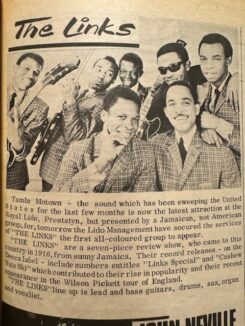
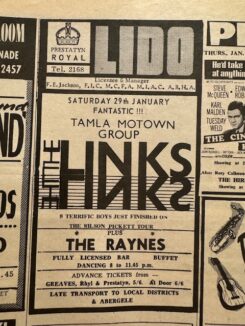
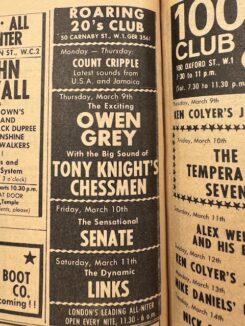
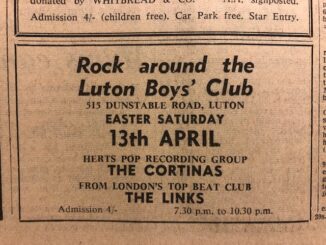
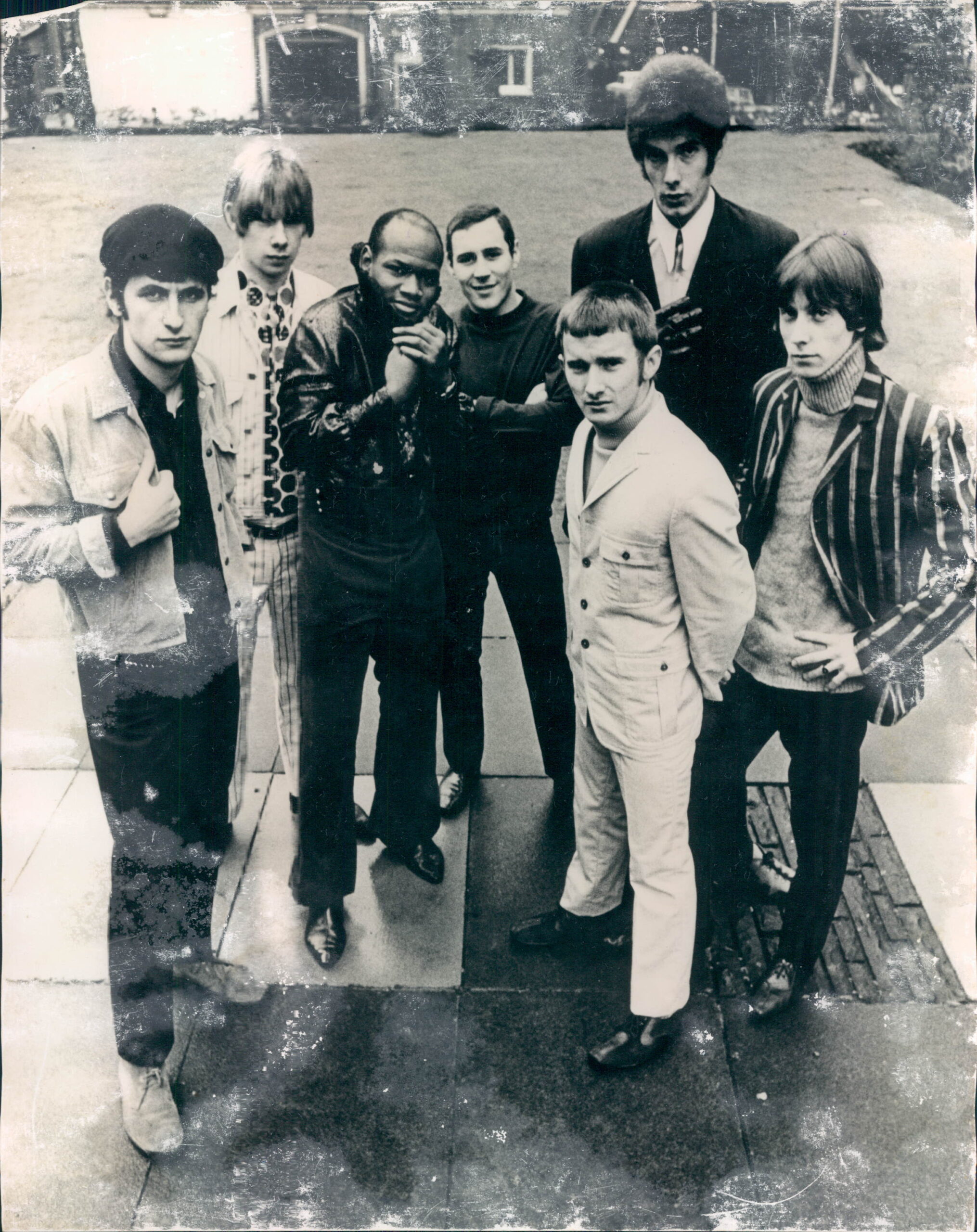
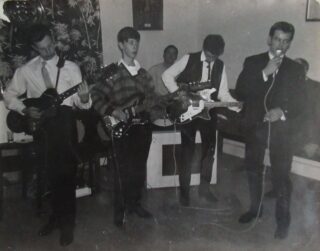
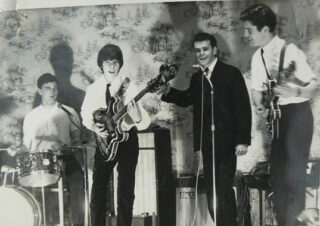
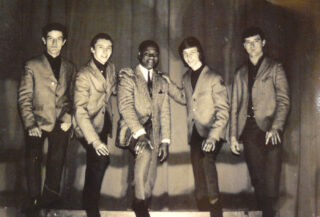
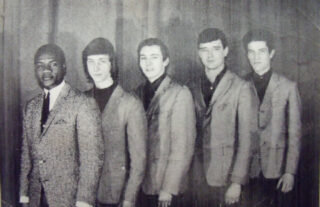
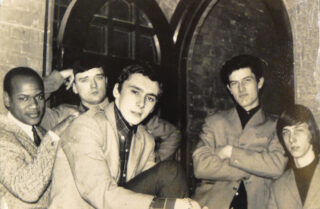
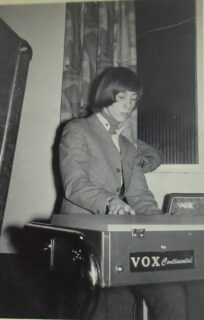
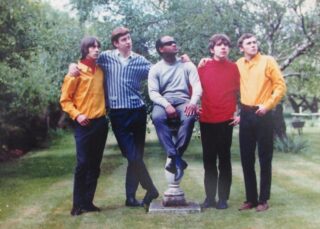
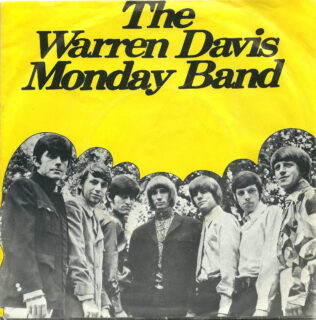
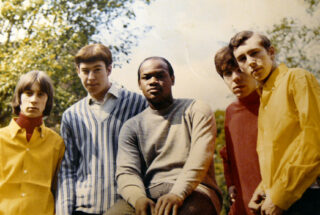
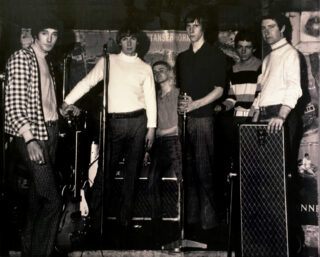
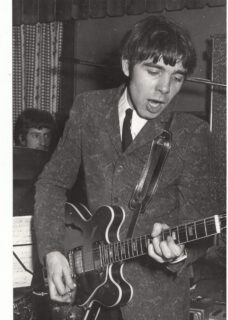
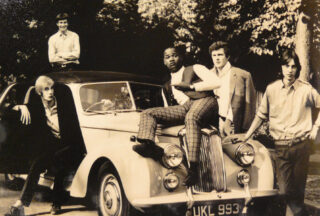
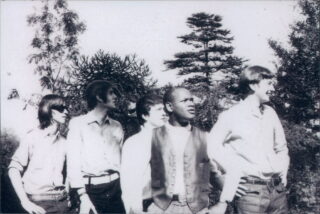
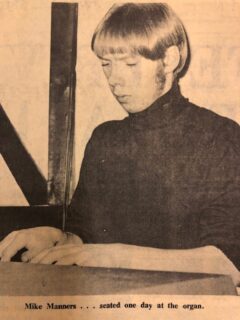
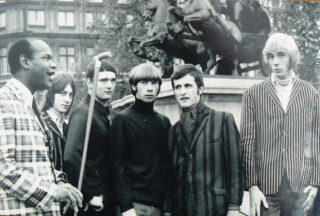
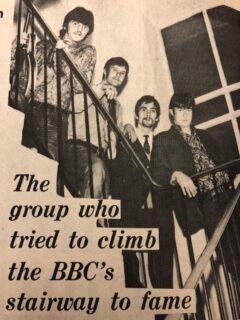
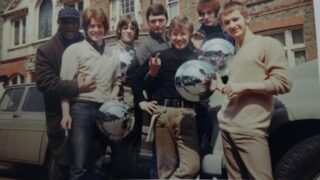
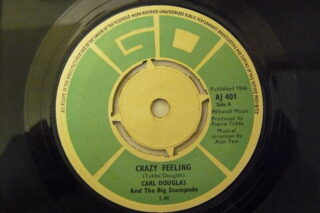
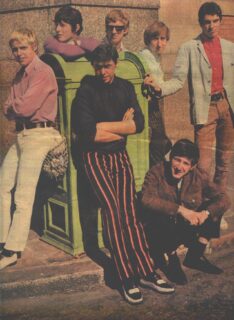
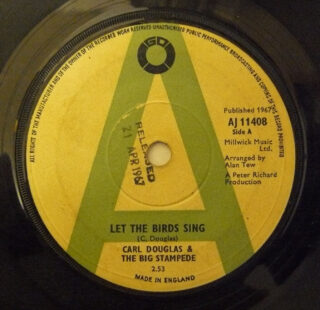
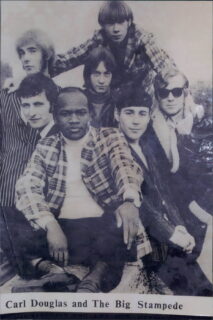
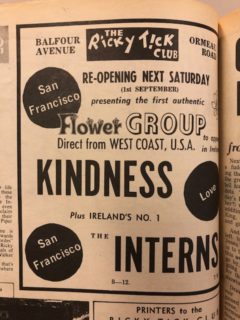
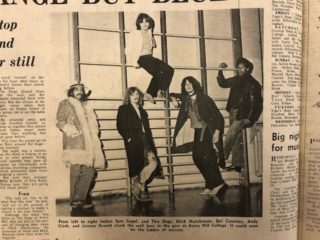
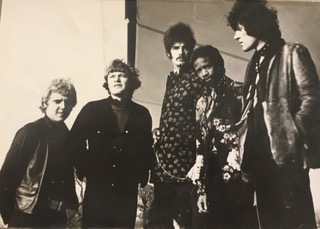
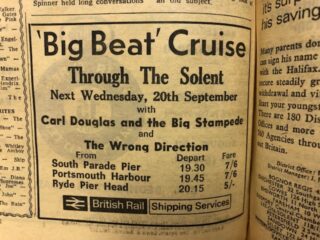
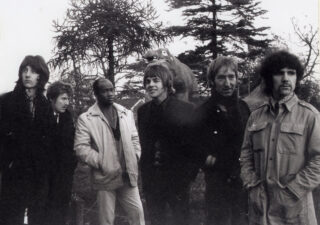
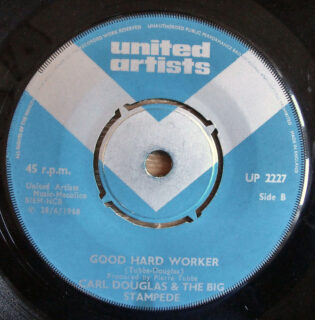
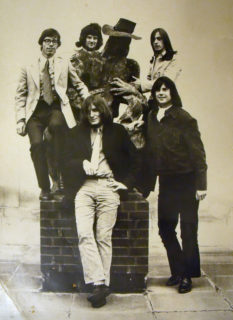
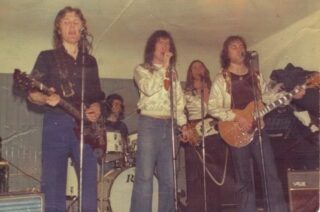
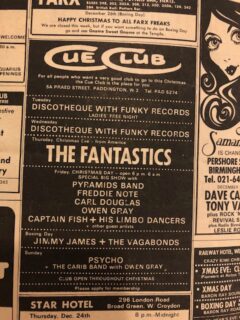
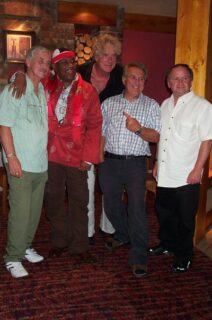
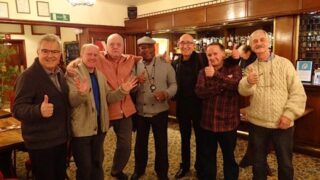
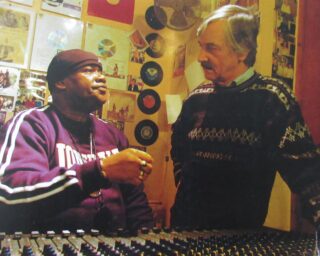
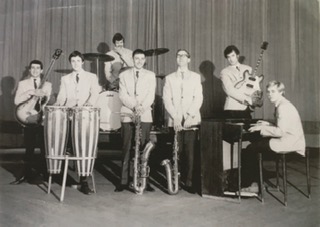
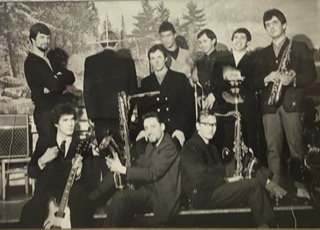
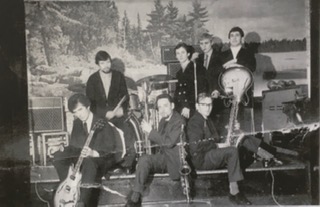
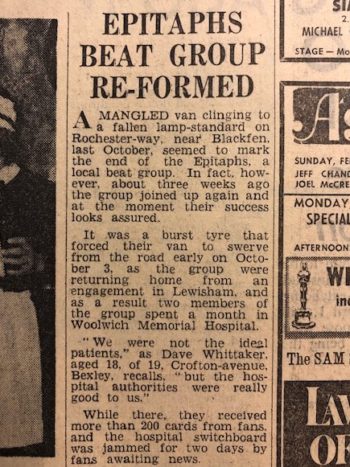
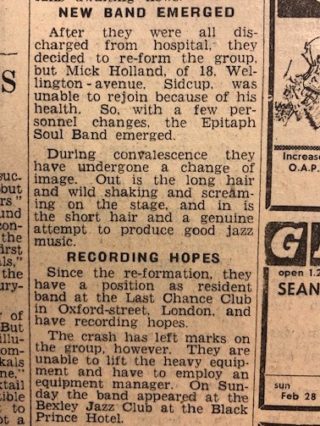
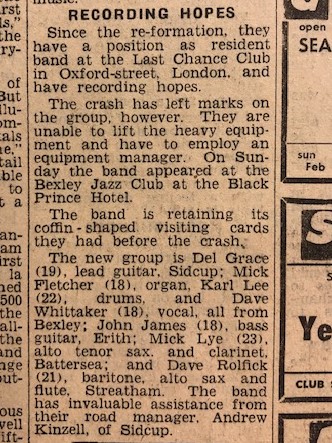
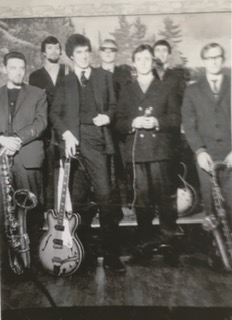
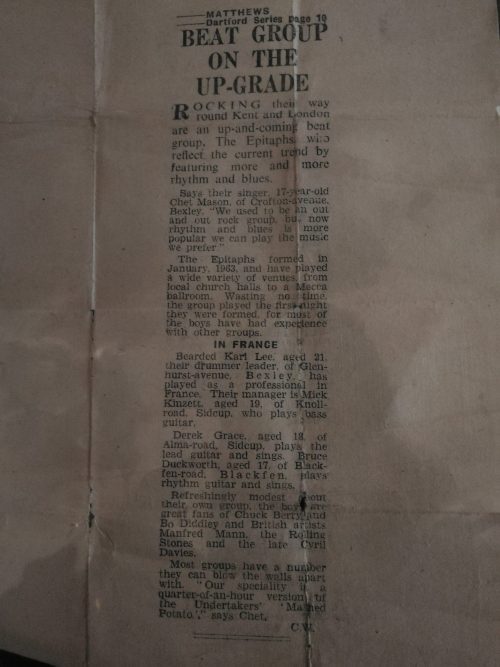
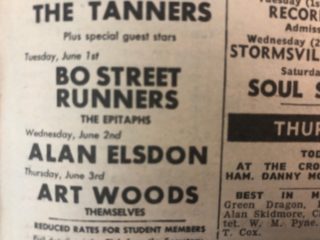
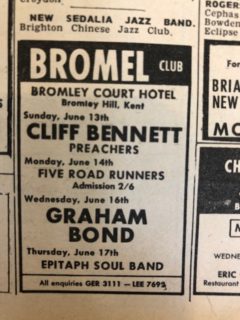
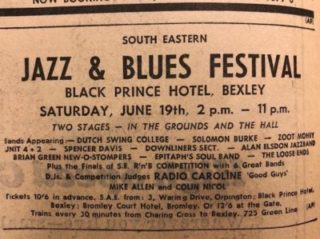
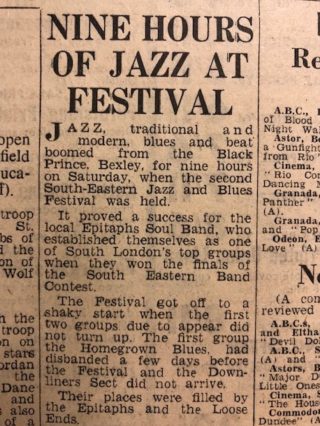
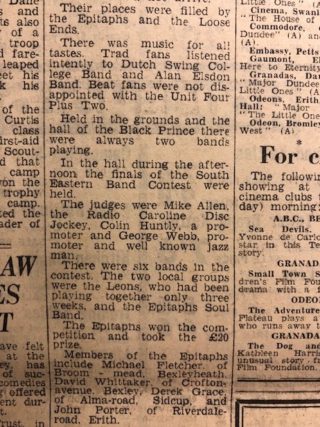
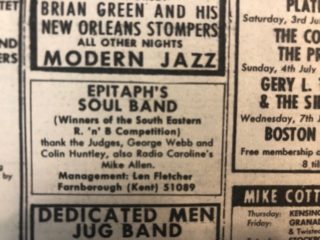
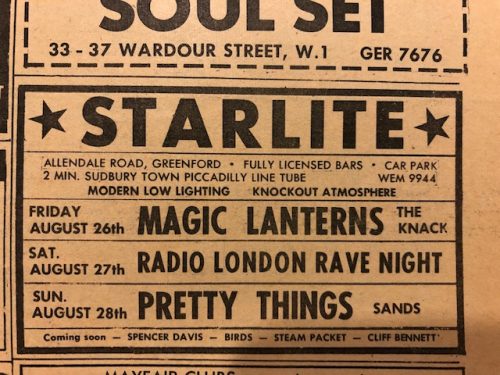
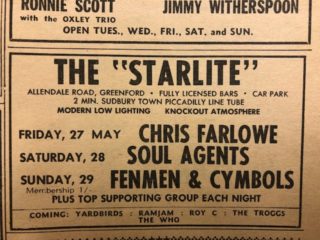
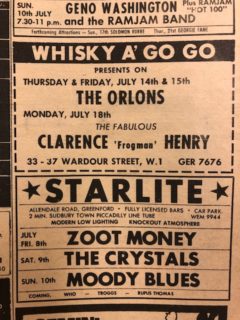
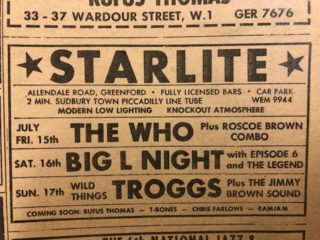
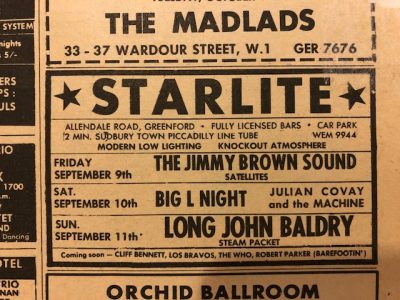
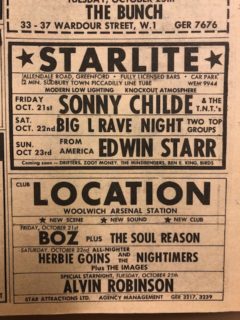
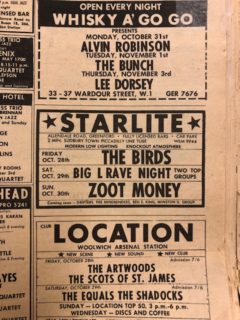
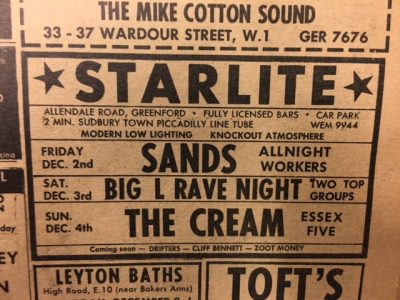
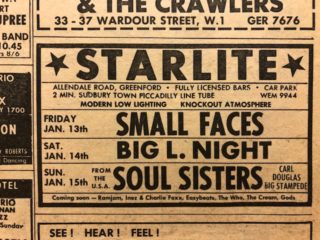
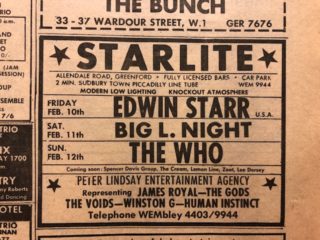
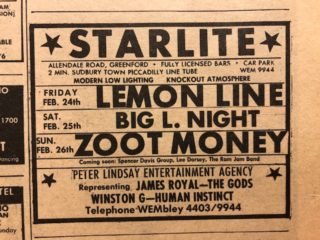
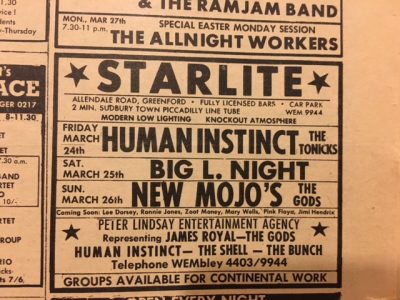
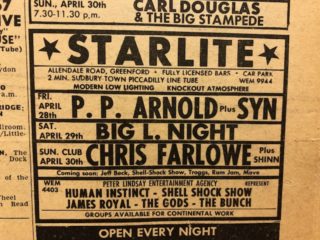
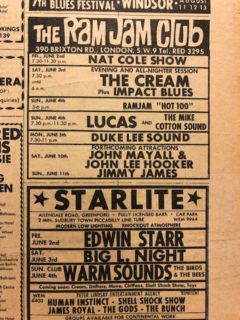
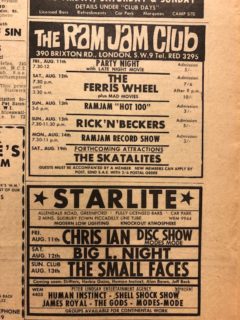
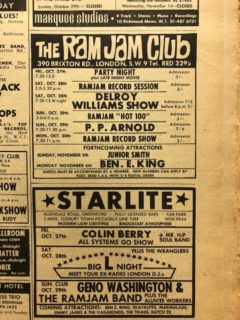
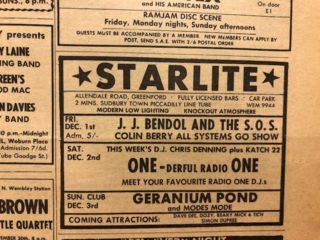
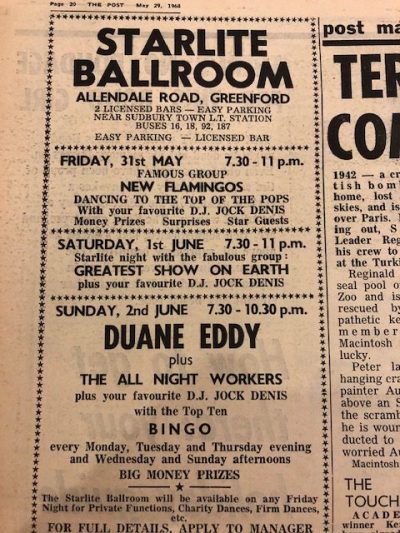
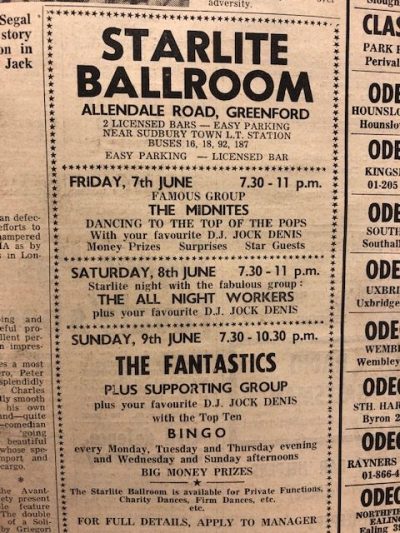
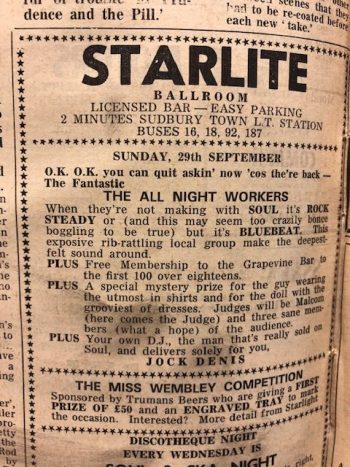
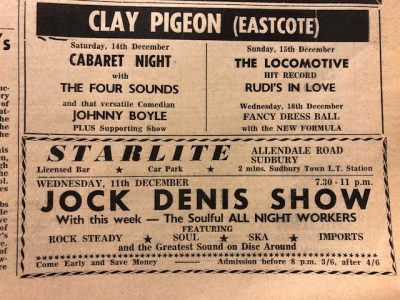
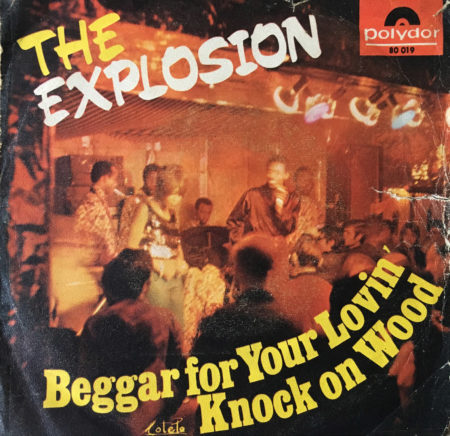 Babatunde Tony Ellis – lead guitar
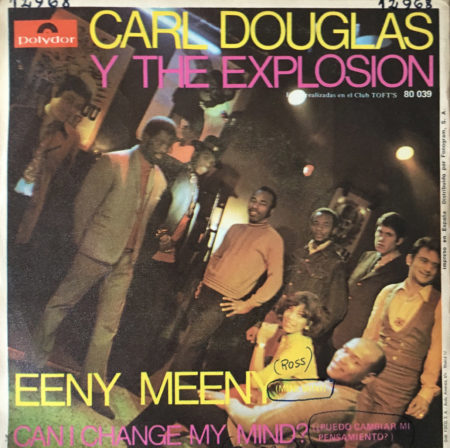 Douglas told me that the rest of The Explosion comprised musicians from Argentina, Colombia, France, Spain and Morocco. I also understand that Ellis, Simmonds and Evans were originally in a band called The Links who were regulars at Count Suckle’s Cue Club in Praed Street, Paddington.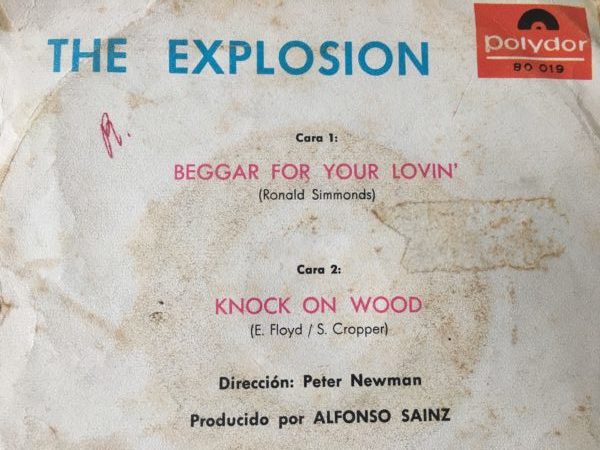
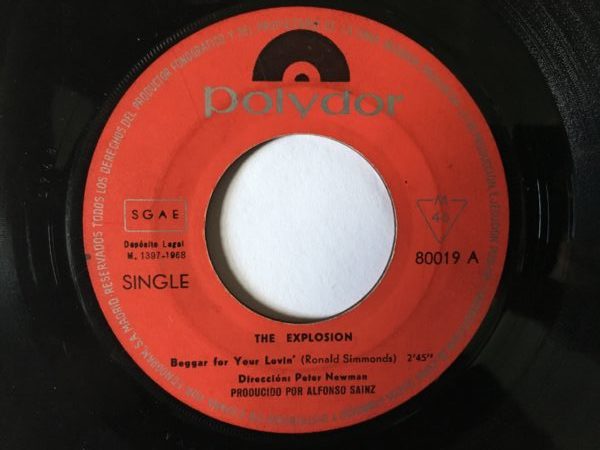
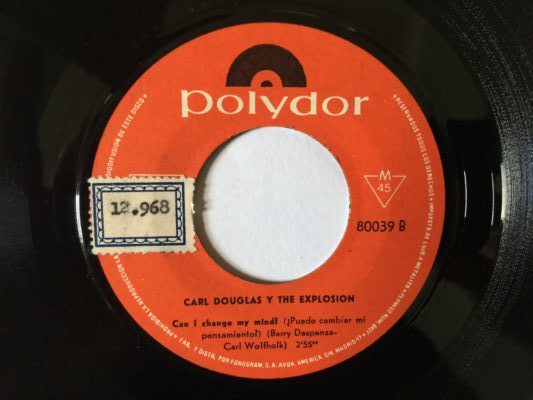
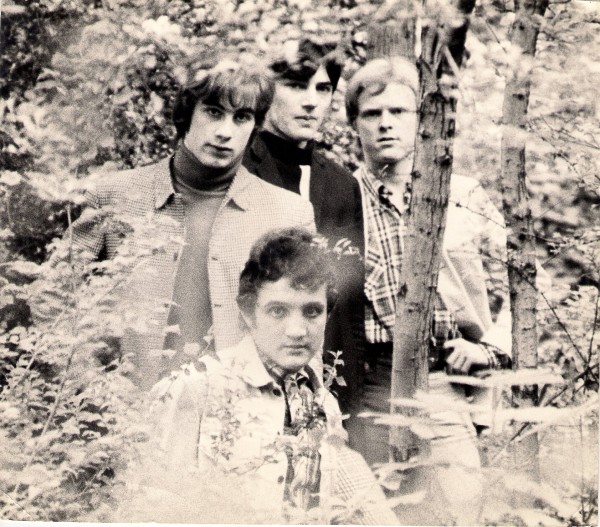
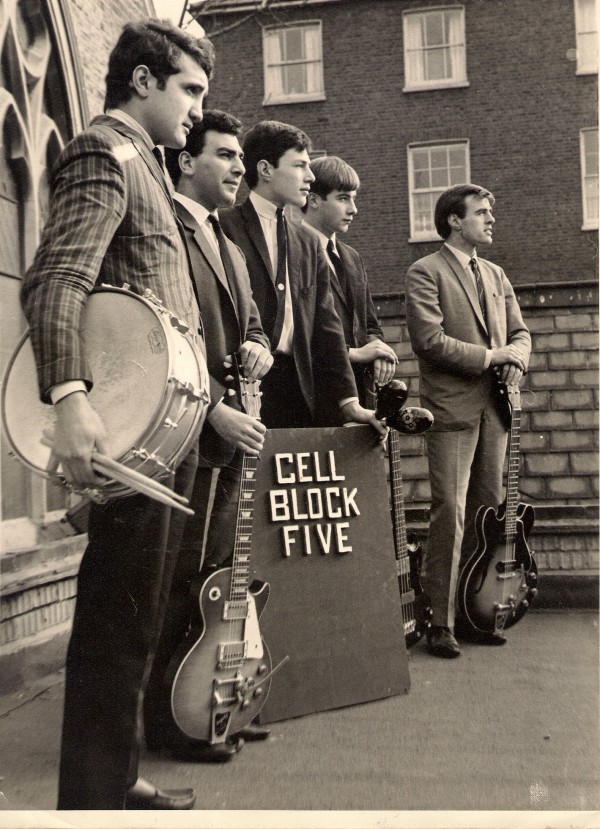
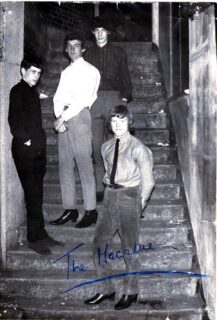
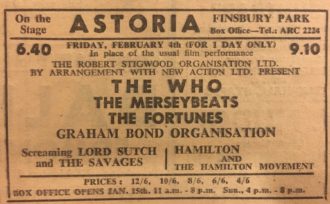 The following month, on 11-12 March, the musicians found themselves on the campus of Essex University in Colchester where a number of bands, including the up and coming Pink Floyd were entertaining the students.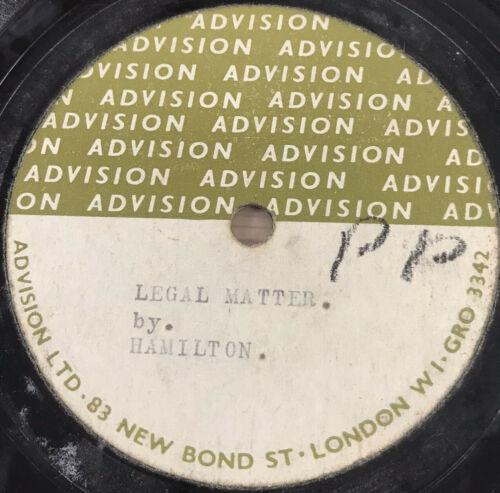
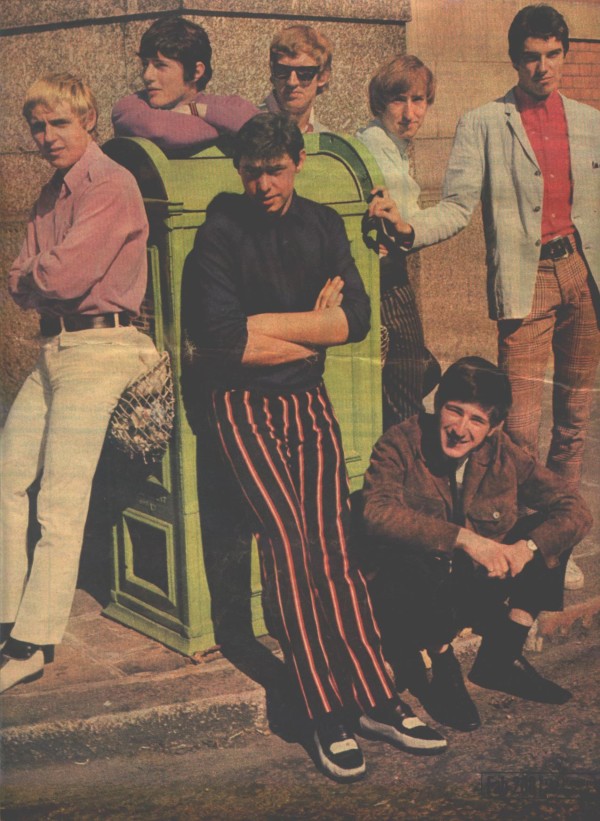
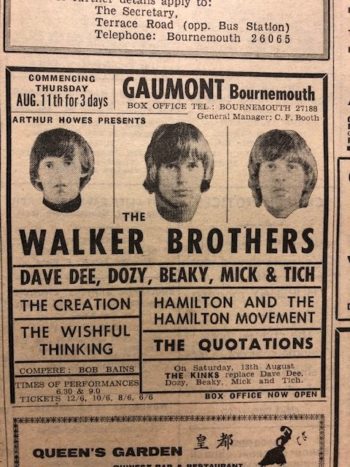
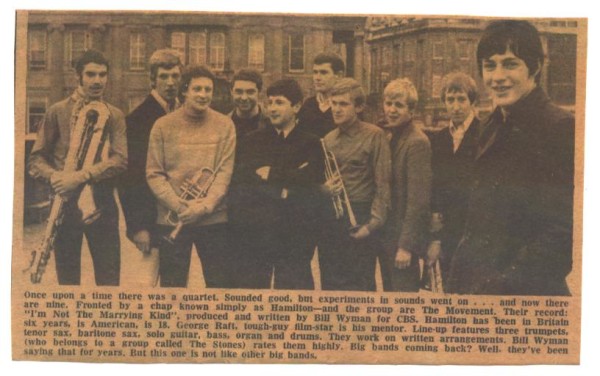
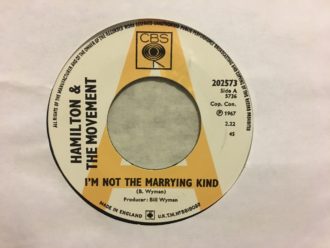 However, despite having supported The Who at Leeds University on 21 January and then making a notable appearance at the Saville Theatre opening for Chuck Berry and Del Shannon on 19 February, the single’s commercial failure prompted the backers to drastically reduce the group’s bookings.