“Sitting on the drums is lead singer Bubba Busceme; Brian, lead guitar is kneeling to his right (left in the picture) in front of me holding the bass. Holding the other end of the bass is rhythm guitarist Joe Priddy; his hand in resting on the shoulder of keyboardist Tom Laughlin and in the center is drummer Dale Bond.”
Glen Moyer provides details about his time with three Beaumont, TX groups, the Past Tymes, S. J. & the Crossroads and the Kidds:
I was the last and probably most insignificant addition to SJ & the Crossroads’ lineup. I played bass guitar and replaced Phil Battaglia after he was drafted/joined the armed forces (I don’t recall which). As such I was the youngest member of the group – I recall Sal Serio (SJ and Johnny’s Dad) telling my parents that he and Mar (Mary Serio – his wife) would look after me if they would let me join the band.
Sometime earlier one of my school buddies Gerry Mouton had joined the band partly upon my recommendation. I knew Sal (Mr. Serio) as he owned a Beaumont drive-in grocery and trailer park (Circle Grocery on 11th St) where he later opened SalMar record shop next door. When the band was looking for a lead singer I knew Gerry was pretty good and suggested the band talk to him. I told Gerry to go see Sal and the rest is history.
The SalMar label the Crossroads recorded on was also named for he and his wife. They were great people and I’ve got many fond memories of playing gigs throughout southeast Texas. By the time I joined the band it had moved away from its earlier rock roots and we played a lot of pop and soul tunes – Sam and Dave, Archie Bell and the Drells, etc. Sadly, for me anyway, I’m seldom noted as a member of the band because I came along after they did all of their records.
At the time I joined the group we were practicing in the Serio’s garage of their home on Major Drive in west Beaumont. I vividly recall the song we were learning at my first practice with the guys was “You’ve Made Me So Very Happy” by BS&T.
After the Crossroads broke up – thanks to the Vietnam war and fears of being drafted, etc. I joined another Beaumont group in their last throes – the Kidds – where I replaced a friend of mine, John Schmidt, on bass. Johnny Serio also joined the band with me for a short time but we too soon broke up. Both groups were originally all from Kelly HS (the Catholic HS) as I recall. Gerry Mouton and I were in the South Park school system – having gone to Fehl elementary, MacArthur Jr. Hi, and later South Park HS.
Prior to the Crossroads I was with a less well known band called The Past Tymes. Myself and Bubba Busceme – both from South Park – and later Joe Priddy combined with Tommy Laughlin, Dale Bond and Brian Kalinec from French HS. We played gigs in Vidor, Beaumont, Silsbee, and elsewhere in southeast Texas. This band is never mentioned in 60’s reviews I guess because we never recorded nor did we ever reach the level of playing gigs like the Rose Room, Crown Room, etc. Brian continues to play and has won a few recent texas Songwriters awards and has a debut CD out, Last Man Standing.
Over the years I’ve lost my entire collection of SJ and the Crossroads vinyl 45s and a lot of personal photos of the band. I didn’t appear in any of their “press photos”. If anyone ever comes across any photos of the band performing, I’d love to see them in case I might be there.
clockwise from left: Doug Lubahn, Bob Seal, Dallas Taylor, Michael Ney, Cliff De Young and Robbie Robisoncounter-clockwise from bottom left: Robbie Robison, Doug Lubahn, Bob Seal, Michael Ney and Dallas Taylor
Cliff De Young (vocals) Bob Seal (lead guitar, vocals) Doug Lubahn (bass) Ralph Schuckett (keyboards) Dallas Taylor (drums) Michael Ney (drums) Robbie Robison (guitar)1966
Georgia-born guitarist Bob Seal teams up with Dallas Taylor (b. 1948, Denver, Colorado, US) during the summer when they meet in Phoenix, Arizona as Seal is heading to California. Taylor has already tasted the Sunset Strip scene while drumming with Lowell George’s Factory some months earlier.
They arrive in Los Angeles and set up camp in Manhattan Beach where they meet up with Robbie Robison (real name: Clyde Edgar Robison) and Michael Ney at a Peanut Butter Conspiracy gig. Robison is the husband of Barbara Robison (aka Sandi Peanut Butter), the Peanut Butter Conspiracy’s lead singer – and had recorded an album in 1964 as Robbie the Werwolf – Live at the Waleback Club.
Deciding to make a go of forming a group with two drummers they recruit Wanda Watkins as an additional vocalist and name themselves The Garnerfield Sanitarium.
In late 1966, Doug Lubahn (b. Colorado, US), who has spotted Seal and Taylor on Fairfax Avenue wearing signs reading “Seeking singing, writing bass player” joins on bass. Lubahn had moved to Los Angeles a few months earlier from Aspen, Colorado where he was working as a ski instructor and playing with several local groups. He is spotted by Mama Cass of The Mamas & The Papas and she encourages him to relocate to the West Coast.
They acquire Bud Mathis as manager and change name to the Brain Train – a name given to them by the Peanut Butter Conspiracy’s Alan Brackett. In the process they lose Watkins, who will turn up in another Bud Mathis outfit, The Joint Effort. Mathis finances a recording session at the Electro Vox Studios and takes the resulting demo recordings of Wolfang Dios’ “Black Roses” and Lubahn and Mathis’s “Me” to Elektra Records.
1967
Elektra snaps the band up but persuades them to ditch Mathis and be taken under the wing of producer Paul Rothchild. The Brain Train moves into a large house on Franklin Avenue in the Los Feliz area of Los Angeles, which has previously been the home of WC Fields and begin reheasing material for their proposed album. March (26) Renamed Clear Light, the band plays at Los Angeles’ first “Love-In” at Griffith Park on the same bill as The Steve Miller Band, The Grateful Dead and The Other Half. April The recording sessions for the band’s debut album begins. Two of the first tracks completed are a reworking of “Black Roses” and a Robbie Robison composition titled, “She’s Ready To Be Free”. Around the same time, the group lands a cameo role in the movie, The President’s Analyst starring James Coburn. Soon after filming, Clear Light adds lead singer Cliff De Young (b. 12 February 1945, Los Angeles, California, US).
Scene from The President’s Analyst
Barry McGuire cast as their singer, for some reason.
from left to right, back row: Ralph Schuckett, Dallas Taylor, Michael Ney and Doug Lubahn front row from left: Bob Seal and Cliff De Young
(30) The group performs at the “Freedom of Expression Concert” at the Hullabaloo, Hollywood, alongside The Doors, Canned Heat, The Poor and many others. May Despite having put down most of the tracks for the album, Elektra decides that Robison’s acoustic approach is incompatible with the group’s new electric direction and he is dropped from the group, although he remains part of the entourage, operating his own light show, set up at the group’s live appearances. After auditioning many guitarists as possible replacements, including Doug Hastings (ex-Daily Flash and soon-to-be Buffalo Springfield) they eventually decide to go with keyboard wunderkind Ralph Schuckett. Schuckett overdubs keys to several of the tracks already in the can as well as collaborating with fellow newbie Cliff De Young. June (11) The new line up performs at Cheetah, Venice, California with Kaleidoscope. (30) The band performs at the Oracle Benefit at the Valley Music Theatre, Los Angeles with Kaleidoscope and The Fraternity of Man (the Byrds cancel – McGuinn was sick). After this Clear Light embark on a cross country tour driving non-stop to Philadelphia where the band goes on strike, forcing Elektra to fly them to New York. The group is met by Danny Fields, who checks the musicians into Albert’s Hotel. The band initially plays at Steve Paul’s Scene East in the Delmonico Hotel but on the first night Schuckett lambasts the crowd for not paying attention to the group’s performance and it is fired. The next day, Steve Paul places the group at his main club, The Scene. July (6-23) Clear Light play at Steve Paul’s Scene, New York. While there, the group jams with various guests including Tiny Tim, Howlin’ Wolf and The Candy Men, formerly members of The McCoys. The band plays further dates in Boston before returning to Los Angeles. August (31) – September (3) Clear Light performs at the Magic Mushroom, Los Angeles with Kaleidoscope. Soon afterwards, the band’s debut single, “Black Roses” c/w “She’s Ready To Be Free” is released. (25) Lubahn participates in the sessions for The Doors’ Strange Days album. (30) Clear Light appears at the Earl Warren Showgrounds, Santa Barbara with The Quicksilver Messenger Service, Van Morrison and Blue Cheer. October (20-22) The band plays at the Cheetah, Venice, California with The Electric Flag. (26-28) The group supports Lee Michaels and Pink Floyd at the Fillmore Auditorium, San Francisco. November The group’s eponymous debut album is released climbing to US #126. The band’s second single, “They Who Have Nothing” c/w “Ballad of Freddie & Larry” is issued to support the album. The debut longplayer is subsequently released in the UK, and although it is not a hit, it is greeted with interest, particularly on the underground scene. (Clear Light’s records are regularly featured on John Peel’s Top Gear). Bud Mathis licences The Brain Train demos to Titan Records in order to cash in on the release of the Elektra album. (8) Clear Light appears on Pat Boone’s weekly show Pat Boone in Hollywood. (17-19) They play at the Cheetah in Venice, California with The Nazz. (22) Clear Light performs at the Santa Monica Civic Auditorium, Santa Monica, California with The Peanut Butter Conspiracy, The Merry Go Round, The Hour Glass and others. (25) They appear at the Earl Warren Showgrounds in Santa Barbara, California with The Youngbloods, Canned Heat and The Merry Go Round. (30) – December (2) The band is joined by The Nitty Gritty Dirt Band for a series of shows at the Fillmore Auditorium. (8-9) They play at the Boston Tea Party, Boston with The Street Choir. (19-31) Clear Light perform at the Café Au Go Go in New York where they are joined by Tim Buckley on the 28th and 30th. After much behind the scenes manipulation and Svengali–ism by Rothchild, the band starts auditioning guitarists, including Kenny Pine and Jeff Jacobs, on the club’s stage to replace Bob Seal, who has come to blows with the producer. Danny Kortchmar, who has previously played with New York groups, The King Bees and The Flying Machine and recently returned from Los Angeles where he had tried out for Elektra’s project supergroup (later Rhinoceros) takes over lead guitar. Seal meanwhile relocates to the Bay area and, disillusioned with playing six string takes up the bass – gigging but not recording with Gale Garnett & The Gentle Reign. He later takes up the six string again, replacing the original guitarist in the Transatlantic Railroad. He subsequently teams up with former Salvation member Joe Tate in Redlegs, a popular Bay Area group.
1968
January (5-6) With Kortchmar on guitar, Clear Light play at the Grande Ballroom, Detroit with Gypsy and Children. February A third single, “Night Sounds Loud”, is only released in the UK, but is not a hit. (23-24) Clear Light support Jefferson Airplane at the Shrine Auditorium, Los Angeles with the Ceyleib People. (26 & 28) Kortchmar, Schuckett, Lubahn and Ney appear on the recording of The Monkees’ “The Porpoise Song”, produced by Russ Titelman and Gerry Goffin. Also on the session are Leon Russell and British jazz pianist, Victor Feldman. March (17) Clear Light plays at Pasadena Exhibition Hall, Pasadena, California with The Peanut Butter Conspiracy, Iron Butterfly, Steppenwolf, Procol Harum and many others. (24) The group joins The Buffalo Springfield, Jefferson Airplane, H.P. Lovecraft, The Quicksilver Messenger Service and various others at a benefit for the Radio Strike Fund for disc jockeys at KPPC Pasadena and KMPX San Francisco. (29-30) The band appears at the Kaleidoscope with Bo Diddley and The Peanut Butter Conspiracy. April (13) Clear Light appears at the Salt Lake Coliseum, Salt Lake City, Utah with Blue Cheer and Jerry Abrams. (18-23) Clear Light plays at the Cheetah, New York with Harvey and The 7 Sounds. (26-28) The band appears at the Trauma in Philadelphia with The Mandrake Memorial. May (3-4) The group performs at the Boston Tea Party with Butter and Tim Rose. The group then returns to New York and plays some shows at the Electric Circus with The Chambers Brothers and Circus Maximus where they are a huge hit. (25) Clear Light plays at the “McCarthy Happening” in Santa Clara County Showgrounds, San Jose, California with H.P Lovecraft, The Nitty Gritty Dirt Band, The Flamin’ Groovies, The Strawberry Alarm Clock, Crystal Syphon, Womb and others. (30) Kortchmar takes part in the recording of The Monkees’ “As We Go Along”. June (14-16) The band appears at San Francisco’s Avalon Ballroom with Frumius Bandersnatch and Buddy Guy. Sessions for a second album begin but after a few recordings Cliff De Young quits to return to college. He later pursues an acting career. Two tracks from the sessions survive – “Darkness of Day” (a Schuckett/De Young collaboration) and Kortchmar’s “What A Difference Love Makes”. August Kortchmar appears on The Fugs’ album, It Crawled Into My Hand Honest. September Clear Light unofficially splinters. Lubahn briefly becomes The Doors’ studio bassist, appearing on albums Waiting For The Sun and The Soft Parade before forming jazz/rock band, Dreams with ex-Blood, Sweat & Tears member Randy Brecker, while Schuckett and Ney (in the guise of Mike Stevens) join The Peanut Butter Conspiracy for a summer and winter tour of the Pacific Northwest. Schuckett also does session work for people like James Cotton. Dallas Taylor, who initially works with ex-Lovin’ Spoonful singer/guitarist John Sebastian is subsequently introduced to Stephen Stills. Around this time, Taylor, Lubahn and Schuckett do a recording session with Stills at TTG studio in Hollywood. Taylor strikes up a rapport with Stills and is chosen as drummer for Crosby, Stills & Nash. November Kortchmar and Ney join Carole King’s City, although the latter will soon be replaced by Jim Gordon.
1969
January Elektra’s news letter, Revelation announces that Clear Light have split up. February The City’s sole album, Now That Everything Has Been Said is released on Lou Adler’s Ode label. December Taylor appears on Essra Mohawk’s album, Primordial Lovers, released on Reprise Records.
1970
May (12) Taylor is sacked by Crosby, Stills, Nash & Young after a gig in Denver and rejoins John Sebastian’s backing band. September Schuckett and Kortchmar reunite in Jo Mama, which signs to Atlantic Records. November Lubahn’s group Dreams release their eponymous debut album.
1971
March Debut Jo Mama album, O Sole Mio is released. Schuckett also appears on Carole King’s Tapestry album and follows this with two US and one UK tour with James Taylor in support. September Taylor appears on John Sebastian’s Four Of Us, before joining Stephen Stills’s Manassas. November Second Jo Mama album J Is For Jump is released, but is not a success and the band splinters. Kortchmar works for David Crosby and Graham Nash, while Schuckett does sessions for Todd Rundgren amongst others.
1972
Lubahn appears on the Everly Brothers album Stories We Could Tell. May Manassass’ eponymous debut double album is released. October After doing a multitude of sessions for people like Crosby & Nash, Kortchmar forms The Section, who release their eponymous debut album on Warner Brothers.
1973
Cliff De Young stars in the TV film Sunshine and subsequently releases a soundtrack album featuring songs by John Denver on MCA. September A second Section album, Forward Motion is released but is not a success. Kortchmar leaves to record a solo set Kootch. May A second Manassas album Down The Road is issued, but the group splinters soon after and Taylor moves into session work, appearing on albums by people like Bill Wyman and Sammy Hagar, before rejoining Stephen Stills’s backing group.
1974
Cliff De Young releases an eponymously titled solo album on MCA. He continues to be in demand as a film and TV actor. December After doing various sessions for people like David Blue, Carole King and Todd Rundgren, Schuckett becomes part of the latter’s Utopia. He will remain with the band for two years appearing on the albums Todd Rungren’s Utopia, Initiation and Another Live.
1975
September Kortchmar joins Crosby & Nash’s backing band, The Mighty Jitters, and subsequently appears on their albums Wind On The Water, Whistle Down The Wire and Crosby/Nash Live.
1976
June Schuckett appears on a recording by Free Beer, who release the album Highway Robbery on RCA. July Kortchmar forms The Attitudes, releasing an eponymous debut on George Harrison’s Dark Horse label.
1977
March Schuckett appears on a second Free Beer album, Nouveau Chapeau. Lubahn forms new a group, Pierce Arrow, with ex-Dreams member Jeff Kent and ex-Compton & Batteau guitarist/vocalist Robin Batteau. Schuckett fills in for Jeff Kent when he recouperates from a serious injury in 1978. October Pierce Arrow issue an eponymous debut for CBS. A second Attitudes’ album Good News is also released, but is not a success and Kortchmar returns to session work.
1978
July A second Pierce Arrow album Pity The Rich is released, but is not a success and Lubahn leaves to pursue other projects.
1980
Schuckett joins Ellen Shipley’s backing group and continues to do session work for such notable artists as Cher. Lubahn writes Treat Me Right for Pat Benatar, which appears on her album, Crimes of Passion. August Kortchmar meanwhile, releases second solo album, Innuendo, on Asylum Records.
1981
Lubahn forms Riff Raff who release the album Vinyl Future for Atlantic. He subsequently joins the Billy Squier band.
1982
Lubahn appears on Billy Squiers’ Emotions in Motion. October Kortchmar appears on ex-Eagle Don Henley’s debut solo album I Can’t Stand Still, which he also co-produces and co-writes several songs on. The pair will strike up a rapport and Kortchmar will become an integral part of Henley’s backing band for the next ten years.
1984
Schuckett produces an album for Clarence Clemons for Columbia Records. He also co-produces two tracks with Bruce Springsteen. Lubahn apears on Ted Nugent’s Penetrator and Billy Squiers’ Signs of Life. He also writes Talk To Me – recorded by Patty Smyth and Scandal on their album Warrior (which features Schuckett).
1987
September British indie label, Edsel issues Clear Light’s album with the bonus cut “She’s Ready To Be Free”. In 1991, Lubahn sings background vocals on Billy Squier’s album, Creatures of Habit.
Sources:
Einarson, John and Furay, Richie. For What It’s Worth – The Story Of Buffalo Springfield. Quarry Press Inc, 1997. Grushkin, Paul D. Art Of Rock – Posters From Presley To Punk, Artabras, Cross River Press Ltd, 1987. Hogg, Brian. Sleeve notes to Edsel’s reissue of Clear Light, 1987. Hounsome, Terry. Rock Record #6, Record Researchers Publications, 1994. David Peter Housden. The Castle – Love #9, page 63. Joynson, Vernon. Fuzz, Acid & Flowers, 1993. Long, Pete. Ghosts On The Road – Neil Young In Concert, Old Homestead Press, 1996. Sandoval Andrew. Sleeve notes to Rhino’s reissue of The Monkees’ album Head, 1994. Shaw, Greg. The Doors On The Road, Omnibus Press, 1997, pages 35 and 64. Village Voice, July 6, 1967, page 26, December 14, 1967, page 52 and December 28, 1967, page 39.
Thanks to Gray Newell for his extensive help in piecing this story together. Many thanks too to Marc Skobac for research on some of the live dates. Huge thanks also to Ralph Schuckett for filling in many of the gaps and Doug Lubahn for his input. Thanks to Marc Skobac for his corrections.
The Page Boys, back row, from left: Ronnie Hill, Tom McCarty, Richard Van Vliet front center: Mark Kay
The Page Boys cut one of the killer Texas 45s of the ’60s, “All I Want”, an original by Tom McCarty and Mark Kay. From the opening fuzztone guitar and drum beats you know this record is going to deliver, and it does, with solid rhythm, good harmonies and a wild scream followed by Mark Kay’s amped-up guitar solo. Tom McCarty wrote to me about his time with the group and working with Ray Ruff and Them in Amarillo in May, 1966:
Richard Van Vliet (drummer), Ronnie Hill (our bassman), Mark Kay (lead guitar), and myself made up the Pageboys.
Richard and Mark were part of a group call the Trespassers, which broke up. We started jamming together and got along well, so we started a group, originally called The Others.
The Others master tape for All I Want and Silver and Gold
We heard a song written by Val Stecklein called “Silver and Gold” that was on one of their albums and liked it so we went down to Tommy Allsup’s studio in Odessa in 1966 and recorded it again, along with one Mark and I wrote, “All I Want”. Tommy was the bass player for Buddy Holly and the Crickets. He’s still in the business I think, in Nashville. I’ve got a mono master and an unmastered 4 track tape from the Tommy Allsup session, but I bet they would disintegrate if anyone tried to play them. They’re 43 years old.We tried to get Liberty Records and several other labels interested to no avail, and then went to talk to Ray Ruff one day to see if he would be interested in us. Ray Ruff (given name: Ray Ruffin) had a recording studio in Amarillo at the Trades Fair shopping center at N.E. 24th and Grand. Ray was a Buddy Holly look-alike/wannabe who toured the mid-west with the Checkmates. If memory serves me right, The Checkmates had pretty well disbanded by 1966 which is about the time I met Ray Ruff. They were really a good group. Larry Marcum, their lead guitarist, was a good musician and a nice fellow. Galen Ray (full name was Galen Ray Englebrick) was the bass player for the Checkmates.
He didn’t want us “covering” other groups so we ditched it and started writing our own songs and recording them at the Checkmate Studio here in Amarillo. Unfortunately, I do not have any of the tapes or demos from those sessions, but am going to try to find them. I found some demos of groups that I think I did some backup work on with Ray.
Ray brought the group Them over from Ireland around that time. They actually lived in Amarillo for the better part of a year and we were all running mates during that time. I did a cello track on the song “Square Room” that was on the Sully record and the “Now and Them” album that was released in 1968 on the Tower label. Marty Cooper was involved with Ray on the production of that album. That was the beginning of what turned out to be a wild summer with all these guys. Alan Henderson (he and Van started Them) and I are starting a search for the tapes of all the recording sessions Them did with Ruff, but we’re just getting started.
Ray Ruff and Marty Cooper decided to try out concert promotions back in the summer of 1967 and booked bands like the Yardbirds, Beau Brummels, Turtles, Everly Brothers, Castaways, Tommy Roe, Them, and a bunch of others. My band got to be the opening act for all of them. We played 6-7 nights weekly and toured all over the mid-west and as far down as El Paso with them.
Of all the bands we toured with, The Turtles were the most fun! The Yardbirds were not fun at all. Jeff Beck was on bad behavior every night we played with him, and he was really into destroying every piece of equipment on the stage. He was a wild man. Beck didn’t like us much as we would not let him use our Vox Super Beatle amps when he would tear up his own equipment. We had brand new amps and were not about to let him tear them up. We had to pay for our equipment, Vox paid for the Yardbirds’ equipment. He was really PO’d about that and we didn’t care.
Page Boys opened for the Yardbirds at the Checkmate Young Adult Club, 4416 Amarillo Blvd. on August 13, 1966
The Everly Bros. didn’t like each other, so they weren’t much fun to tour with. Ray also signed us up to be J. Frank Wilson’s backup group. J. Frank had a little problem with whiskey and we spent most of our time trying to keep him sober enough to go onstage. His one hit was “Last Kiss”, Ray Ruff recorded that for him.
The Beau Brummels had a drummer whose name I cannot remember, but one night while we were on tour with them, their equipment didn’t make it in so they had to borrow guitars and bass from a music store that was good enough to loan them to them. Our drummer (Richard Van Vliet) told theirs he could use his set since they didn’t have a reputation for destroying equipment. The Beau Brummels’ drummer de-tuned Richard’s floor tom and snare without asking permission or telling him ahead of time (that was part of their sound on most of their songs). When Richard sat down at his drums right before we went onstage, he was pissed to find out that their guy had messed with his tuning. Richard re-tuned his heads, so our set worked out fine. When the Beau Brummels went onstage and started playing, their sound was almost comical.
That’s when all of us in the rock ‘n roll business would have to pack up by ourselves after each concert, and then immediately drive to the next city and be there in time to set up for the next night’s concert. Fortunately, Wolfman Jack, broadcasting from station XERF in Del Rio, TX, was always there on the radio to keep us awake. Back then, KOMA was the big radio station (Oklahoma City) that all the Midwest bands like the Checkmates, Blue Things, etc. advertised their upcoming appearances on, as it had a HUGE broadcast area. So did WLS out of Chicago. But we ALL wanted to be sure to hear the “Wolfman”.
It was a great experience and a lot of fun, but I was still in college at the time and decided to quit the band and go back to school in September 1967.
Tom McCarty
Page Boys poster, courtesy of Tom McCarty“To the Paige Boys” (courtesy of Tom McCarty of the Page Boys)Formerly the Clover Club and then the Checkmate Young Adult Club, at 4416 Amarillo Blvd., where the Page Boys played many times, and opened for the Yardbirds on August. 13, 1966
The Continentals at the Darry Starbird Rod and Custom Show, Wichita, KS. Front row, from left: Ron Jones, Randy Stark, Allen Correll. Back row, from left: Pat Smiley, Larry Rogers,Gary Rowland, Roger Harrison
The Continentals on stage in Edmond, OKBelow is Roger Harrison’s history of the Oklahoma City bands The Continentals, Phoenix and Harvest, followed by two personal recollections from Roger and John Proctor:
Beginnings:
Randy Stark & Roger Harrison met in grade school playing Little League baseball. They became lifelong friends, attending grade school, high school & college together. After the Beatles appearance on the Ed Sullivan show in 1964 their interest abruptly turned to music.
Roger’s father played guitar, so there was always a guitar lying around the house. Roger decided to take up the instrument. Meanwhile, Randy played in the Southeast High School band. After going to a James Brown concert in the mid-60’s, both teens had seen their immediate future & began making plans for forming a band.
Coming of Age:
Randy & Roger were freshmen in college, making ends meet by working after classes & on weekends at a local supermarket chain. They decided there must be a better way to pay their way through college. The supermarket Randy worked at was managed by a local musician by the name of Jerry Schell. He played in a well known nightclub band named Jerry Fisher & the Nightbeats (Jerry Fisher later replaced David Clayton Thomas as lead vocalist for Blood, Sweat & Tears). Jerry offered the supermarket warehouse as a place Randy & Roger could hold auditions. Recruited were fellow Southeast schoolmates Ron Jones (sax), Allen Correll (trumpet) & Gene Glover (drums). Randy was the front man & lead vocalist. At that time everyone played guitar, hardly anyone played bass. Deciding it was easier to find another guitarist than a bassist, Roger volunteered to learn the bass.
In a subsequent audition, Pat Smiley, who attended Northwest Classen High School, was brought on to play guitar & Lee Gross, organ. The group was christened “The Soul Authority”. Randy & Roger had correctly deduced that an actual horn section was the ticket to success, whereas most groups simulated the horns with a Farfisa Organ.
Phase II, The Continentals:
Gene Glover decided to leave the band to start his own group. At that exact time a very popular OKC band “The Continentals” had just broken up. The drummer, Gary Rowland, had copyrighted the name of the group. He offered to join our bandand also offered us the opportunity to use the name. The well known name & the horn section catapulted us to major status in the OKC market. Also at the time, another high school friend from Southeast High, Larry Rogers, replaced Lee Gross on organ. Larry brought with him a Hammond B-3 Organ (complete with a Leslie speaker enclosure!) which further fine tuned the sound they were seeking. Roger & Randy were then able to gladly bail from the supermarket gig.
top row: Allen Correll, Larry Rogers, John Proctor and Ron Jones bottom row: Roger Harrison, Randy Stark, Pat Smiley
Further Along, the Phoenix:
After about a year as “The Continentals” the band began having differing philosophies. As a result, Gary Rowland left the band, taking the name with him. Pat had a friend & classmate from Northwest Classen named John Proctor who played drums for another local band “Fairweather Forecast, who were slated to open for Janis Joplin at a concert at the University of Oklahoma. John, who at age 14, was already one of the premier drummers in OKC, left Fairweather Forecast & joined the band, now renamed “Phoenix”. This lineup enjoyed even greater popularity. Constant gigs, tv appearances & recording filled the next couple of years.
Band members would change as time elapsed. The following musicians also had stints with Phoenix:
Greg Gelman (trumpet), Larry Shear (trombone), Marvin Ferguson (guitar), Jesse Arviles (guitar), Len Platt (organ), Robert Baxter (drums), Tony Messina (vocals & percussion), Bob Brewer (guitar).
John Proctor rejoined the group after a short leave, much to the group’s satisfaction.
Their 45 on the P.I. label from 1969: Phoenix – Every Now and Then I Cry Phoenix – Love Have Mercy
Harvest, from left: Pat Smiley, Roger Harrison, John Proctor, Rick Cobble
Over a period of time there became musical differences within the band. Phoenix decided to call it a day. Four of the original members: Pat Smiley, Larry Rogers, John Proctor & Roger Harrison decided to form a new band, migrating from the horn sound to the more popular hard rock, at the time. They added vocalist Rick Cobble (who bore a striking resemblance to Robert Plant) & started performing as “Harvest”, formerly Phoenix. That group also attained moderate success.Live at Spav’s in Stillwater, OK, 1971:
Randy, Roger & John played in several bands (separately & together) over the next several years. In 1987, four original members of Phoenix (Randy Stark, John Proctor, Ron Jones & Roger Harrison) performed at their Southeast High School 20 year reunion.
In 1995, shortly after the Murrah Building bombing in Oklahoma City, at the request of longtime disc jockey Ronnie Kaye, the Continentals (5 original members-Ron Jones, Randy Stark, Roger Harrison, Gary Rowland & Allen Correll) played a reunion concert at the State Fairground Arena to 5,000 people. Over $50,000 was raised for the cause. Hermans’ Hermits headlined the show.
Roger formed bands in the 70s that included members who would achieve musical success on an international scale. Steve Crossley was in a group named Oklahoma, who was signed to Capitol Records & produced by Mark Lindsay (Paul Revere & The Raiders), Steve went on to co-write over 90 songs with Glen Campbell. Tom Wasinger, another bandmate, has now won three grammy awards as a producer. Rogers bands were the first bands that both Steve & Tom had ever been involved. Randy formed a band that included Dave Gant, who went on to become the musical director & keyboard-violin player with Garth Brooks.
Modern Times:
Randy, Roger, John & longtime friend, Bobby Smith would play in several more bands together throughout the next 18 years. They still get together, whenever possible, to play & record in Roger’s modest bedroom studio.
Where Are They Now?
John Proctor graduated from the Univ. of Central Oklahoma with a degree in music. He was the #1 drummer for the nationally recognized CSU Jazz Band. He moved to Dallas in 1990, where he works in the Financial Services Industry.
Roger Harrison graduated from Univ. of Central Oklahoma with a degree in Business. Immediately after college, he went to work for a small company in Oklahoma City, where he retired in 2003 as Sec.-Treasurer.
Randy Stark worked for the U.S. Postal Service, attaining full retirement in 2004. Randy spent summer vacations building his dream cabin in Vista Park, Colorado, where he resides during the summer.
Allen Correll graduated from Univ. of Central Oklahoma, with a degree in music. He spent 20 years as a band director in the Moore, Oklahoma School System. He now is a music professor at East Central University in Ada, Oklahoma & still actively plays in a classic rock band “Zoom City”.
Gene Glover graduated with a master’s degree in Music from the highly regarded North Texas State. He earned a grammy as part of the North Texas State Band. He now resides in Dallas, teaching music & playing in Dallas area bands.
Ron Jones graduated from the University of Oklahoma, obtaining dual degrees in accounting & psychology. He has spent the last several years employed by the State Comptrollers office & also the Okla. Dept. of Corrections.
Pat Smiley & Rick Cobble both met untimely deaths at age 50.
Legacy:Roger’s son, Matt has, at age 23, is a well known musician in the OKC area. He has toured all over the United State & Europe, played in major music festivals in Chicago, NYC, Austin & Amsterdam. He was part of a group that signed a recording contract with Touch & Go Records.
Roger Harrison, 2010
John ProctorRecollections of Phoenix drummer John Proctor:
I played in an Oklahoma City based seven-piece horn band called Phoenix, from March 1969 to late 1970. The band that became Phoenix was originally called The Soul Authority. Then they changed drummers about 1968 and became The Continentals. The Continentials then changed drummers again in 1969, (this is where I got into the band at the age of 14) and we became Phoenix.
We played all over Oklahoma and parts of southern Kansas. Some of the OKC bands that were doing that Kansas circuit in those days were sponsored by 1520 KOMA in Oklahoma City. Phoenix, and several other bands however, were sponsored by 930 WKY, also out of Oklahoma City. We probably played every National Guard Armory and VFW Hall in Oklahoma during the two years 1969 – 1970.
In 1969, we released a 45 rpm single in the Oklahoma City market, and it received airplay on WKY 930 AM for several weeks before dropping off the local charts. It was a cover of a Uniques tune called “Every Now and Then I Cry.” The flip side was a cover of a Porter & Hayes tune called “Love Have Mercy.”
For about a two-year period, Phoenix and The Midnight Rebels were the two top dogs in Oklahoma City. They had a great vocalist by the name of Mark Keller, and they had released a cover version of “Smiling Phases” by Blood, Sweat, and Tears some months before we released “Every Now And Then I Cry”, and they were in fact, to some degree, a motivating force to us in getting our own record completed and out there in the record shops.
Sullivan Studios, where we recorded both tunes was in a suburb of OKC called Capital Hill. The studio was owned and operated by Gene Sullivan, who at one time had been part of the duo Wiley & Gene. In 1941, Wiley & Gene recorded the country hit “When My Blue Moon Turns To Gold”. Sullivan’s was a three-track studio. We had the rhythm section on one track, the horns on a second track, and the vocals on the third track. Benson Studios in OKC had an actual four-track studio, but the hourly fee of $20 was prohibitive at the time.
Everything we did was cover material. We did throw in some novelty tunes however such as “A Boy Named Sue” “Long Tall Texan”, and “Folsom Prison Blues” to name three.
The photo of us playing at the ballpark was The Oklahoma City Pop Festival, just two months after Woodstock, and two weeks after the Dallas Pop Festival. We got to play early in the day with the other local bands, and then toward evening, the big name bands took the stage. I remember watching and listening to Grand Funk Railroad, The Grass Roots, Smith, a band called “Texas” who would later be renamed Blood Rock, and others.
In the 70s every city of any size had their local Johnny Carson. In Oklahoma City, it was a local DJ named Danny Williams. They gave him a mid-day talk show called Danny’s Day. He liked our band, and he scheduled us to do three tunes live on his show in July 1970. We chose to do “More and More” by Blood, Sweat, and Tears, “Evil Ways” by Santana, and an instrumental by Chicago called “Liberation”. This was a live performance on the air, and our singer had what was called a “dead microphone” meaning that the people tuned in on TV could hear him, but we could not! The guy in the booth that made us the sound recording of the performance accidentally cut off the beginning of “Liberation”.
“I’ll Be Back” was to be our second 45 single. We recorded this one at Benson Studios in OKC, but we never had it pressed into a 45 because the WKY DJs didn’t like it. This is a cover of The Beatles “I’ll Be Back”, rearranged for horns. The analog tape that this was taken from was so old that the sound goes in and out a little bit.
I went on to College at CSU in Edmond, OK and learned how to play jazz, and big band. In 1976, I was the #1 drummer with the #1 CSU Jazz Ensemble. I joined the Music Union in Oklahoma City, and did a lot of what I call “Vegas On The Road” gigs. These Vegas acts would come in to OKC for two weeks, and many times they would not bring their own musicians with them, choosing to rely on local union players instead. Those gigs were lots of fun.
John Proctor
Roger HarrisonPhoenix bassist Roger Harrison:
Phoenix was originally formed by Randy Stark & Roger Harrison in early 1968, while attending Central State University in Edmond, Oklahoma. The band was originally named the “Soul Authority”. We were quite enamored by James Brown and the various Motown acts at the time. Randy and I had gone through grade school, high school and college together. We attended Southeast High School.
In 1968 we recruited three additional muscians from Southeast: drummer Gene Glover, saxophonist Ron Jones & trumpeter Allan Correll. Later we recruited another Southeast alumni, Larry Rogers, to play the Hammond B-3 organ.
What set us apart from most of the other local bands was the horn section – other bands would emulate the horns with the Farfisa organ. The move paid off, separating us from the pack.
A short time later we hired drummer Gary Rowland who had been playing in a very popular band The Continentals. That band has disbanded, but Rowland kept the name. Since they already were well established, we adopted the name. After a year, we decided to replace Rowland with John Proctor for musical and philosophical reasons. That is when the band became Phoenix.
With Phoenix we enjoyed even greater success and played almost non-stop while attending school. Then came recording and local television appearances. We appeared on local disc jockey Ronnie Kaye’s television show “The Scene”. For some reason we were sent to a recording studio to record the songs and then lip synch them for the TV show. Another popular show we appeared on was a show called “Danny’s Day”. The co-host of the program was non other than Mary Hart! By that time our music had matured a great deal.
Another humorous thing that comes to mind is the way we traveled. Since there were 7 (sometimes 8 in the band) we usually took one car & a van. I usually rode in the van. With all our equipment there was room for only three people. Two people rode in the front. I had a huge black pleated Kustom Bass Cab with three 15″ speakers. I would place the Cab face down, bring a pillow & blanket and sleep on it all the way back from our sometimes long travels. All in all, some of the best memories of my life.
Roger Harrison
“Every Now and Then I Cry” at #25 on WKY’s Sept. 18-24, ’69 chartFan letter
Ray Ruff (Ray Ruffin) of Amarillo owned the Ruff label, and was also a partner in the Sully label, eventually taking it over from Gene Sullivan, who had started Sully Records in Oklahoma City in 1959.
Ruff also had the Storme label, with one release I know of “I’m Gonna Love You Too” / “Ummm Oh Yeah” as Storme #101 in 1964.
Any help with these discographies would be appreciated.
Ruff Records
The Ruff discography is fairly straightforward, though there are some weird jumps in the numbering after #1020, maybe because of distribution deals with Tower Records. Interestingly, Mop Top Mike pointed out that numbers 1010-1020 were all released between March and April, 1966.
1000 – Blue Things – Mary Lou / Your Turn To Cry (Feb. 1965) 1001 – Buddy Knox – Jo Ann / Don’t Make a Ripple (December 1964) 1002 – Blue Things – Pretty Thing, Oh / Just Two Days Ago (May 1965) 1003 – Checkmates – Hey Girl / All the Time Now 1004 – Henson Cargill – Joe, Jesse and I / Pickin’ White Gold 1005 – ? 1006 – Charming Checkmates – Just to Make Me Cry / So Hard To Find 1007 – Bob Finn – Existing In City Stone / Why 1008 – ? 1009 – Arcades – She’s My Girl / Stay Away (Kent Tooms) arr. by Ruff and Paul Mathis 1010 – Trolls – That’s The Way My Love Is (Fred Brescher) / Into My Arms 1011 – Finnicum – Come On Over / On the Road Again 1012 – ? 1013 – ? 1014 – Robin Hoods – My Love Has Gone Away / Love a Game (both by Robin Harris) 1015 – BC’s – Oh Yeow! / Comin’ On Home 1016 – Y’Alls – Please Come Back / Run For Your Life 1017 – Burch Ray – Love Question 1018 – Troy Watson & the Del Troys – Sherry / Girl I Love And Adore (both by Troy Watson & M. Boyking, April ’66) 1019 – Tiaras – Sticks And Stones / Southern Love 1020 – Page Boys – All I Want / Sweet Love — 1088 – Them – I Happen to Love You / Walking in the Queens Garden (1967) (with picture sleeve) 1098 – Rubber Maze – Mrs. Griffith / Won’t See Me Down (with picture sleeve)
Sully Records
Begun by Gene Sullivan in Oklahoma City, Sully also operated out of Amarillo, Texas under Ray Ruff’s supervision. The 100 and 200 series are Oklahoma City productions, while the 900 and 1000 series are Amarillo, TX productions.
Generally the 100 series have “Oklahoma City, Okla” under the logo, while all the ones in the 900s (along with #100), have “Checkmate Productions” under the logo, indicating Ruff’s production company.
Also, some records (#929, #931 and #933 for example) have the label name spelled “Sölly” instead of “Sully”, why I’m not sure.
100 – Ray Ruff and the Checkmates – Long Long Pony Tail / Pretty Blue Eyes 101 – The Serenaders – Hymn-Time with the Serenaders (EP)- Whispering Hope / Beyond The Sunset (Should You Go First) / What Will You Say / The Twenty – Third Psalm (Oklahoma City) 102 – Gene Sullivan – Sleepin At tHe foot Of The Bed / Paul Revere O’ Malley 103 – Danny Williams – All American Girl / Fidel Castro Rock (Al Good – Danny Williams) 104 – The Plainsmen Chorale – Dream / Herb Jimmerson- Poinciana 105 – The Plainsmen Chorale – September Song / Herb Jimmerson- Goofus 106 – Bob Starr – Blue Train / Walls of Love (July 1959) 107 – Wiley Walker & Gene Sullivan – When My Blue moon Turns To Gold Again / Live And Let Live 108 – Charles Jones and the Stardusters – Whoo-oee and Oh So Fine / Natalie (1959-60) 109 – Danny Williams – Deck Of Cards / If Jesus Came To Your House 110 – Hyatt Stamper – Life You’re Living Now / Wild Side Of Life 111 – Shadows Five – Gary’s Boogie (Gary Sullivan) / Dynamic Drums (1960) 112 – Bill Snow & Sonny Woodring – Cry For Me Darling / Timber Wolf 113 – Dub Snow – Greyhound Talkin Blues / Yuma Pen 114 – Jo Kiser – True Love Is Hard / Lovey Dovey 115 – Bill Snow & Sonny Woodring – Golden River / Hands You’re Holding 116 – ? 117 – ? 118 – ? 119 – ? 120 – Jim Fitzgerald – Day On The Highway Patrol / Cryin Time (1966) 121 – Decades – I’m Lovin’ You / Thinking of You (1966) (also issued as Sully 921) 122 – ? 123 – ? 124 – Those Ellis Bros. – That Girl / Heaven 125 – George Peterson – Time Will Change Everything / I Could Have Been A Doctor (both by Peterson) 126 – Terry Canady – Hollywood Hotel / Scotch and Soda (1968) 127 – Bobby Caldwell – This House / Bronc-Buster 128 – Jerry Abbott – Big River / It’s Better Than I Got At Home 129 – Bobby Kent – When You Hear Me Call / I Fell In Love With An Angel 130 – B Bros. – Call Me Anything / Just Blue Memories 131 – ? 132 – Jay Hamilton – Somebody Anybody / Walkin & Talkin
201 – Jody Bennett – Heartland U.S.A. / Katy Is Now a Lady
—– 910 – Techniques – Short ride / Can’t Be Wrong To Be In Love (1965) 911 – Fantom – Baby Come on Home / Time Seems to Fly 912 – Rising Suns – Land of a Thousand Dances / Concentration 913 – ? 914 – Dinks – Nina-Kocka-Nina / Penny a Tear Drop 915 – Burch Ray – Love Questions / Blues Stay Away From Me (Oct 1965) * “Note – different version of ‘Love Questions’ than the one recorded and released later on Ruff. Discog also shows it as Sully 913, but I think this is a mistake” – (MTM) 916 – Bob Baker – Short Fat Texan / Suzurak 917 – Drivin’ Dynamics – So Fine /Hurt Me 918 – ? 919 – Gaylen & Royce – I Can’t Stay / Modern Day Fools 920 – ? 921 – Lanny Madden – My Only Son / Pressure Pains 922 – ? 923 – Danny Ferguson – Revengers / Long Neck Bottle 924 – Mike – I’ll Set Her Free / You Won’t Have Nothing 925 – Dinks – Kocka-Mow-Mow / Ugly Girl 926 – Carolyn Bennett – So Bad So Bad / I Wonder 927 – J. Frank Wilson – Me and My Tear Drops / Unmarked and Uncovered with Sand 928 – Tracers – She Said Yeah / Watch Me (1966) 929 – Patti Seymour – The Silencer / This Feeling He Left (produced by Nick Yazbek) 930 – Rick West – Crackin Up / What I’m Lookin For 931 – Patti Jo – I’ll Sleep Tonight / Heading for A Heartbreak (Il Suffirait d’un Rien) 932 – Carolyn Bennett – You’ll Always Be A Part of Me / Give Me Your Love 933 – Knu Castles – Bulldog (George Tomsco) / Boy Blue (Mike Reinheart) both songs Dundee Music BMI
—– 1004 – Epic Five – Don’t Need Your Lovin’ (Richard Ramiraz) / “I’ve Got That Feeling” (John Gatica) (October 1967)
1021 – Them – Dirty Old Man / Square Room (August, 1967)
Mop Top Mike writes: “There is also a 200 Sully series starting at 201 which followed the 100 series. Looks to be mostly or all country-western sounds.”
LP: Al Good “A Good Time For Music” Sully S-SLP-100
This discography was compiled from many sources, of which Rhett Lake & Ted Blackwell’s Oklahoma Guide to 45rpm Records and Bands ~ 1955~1975., Rockin’ Country Style and members of the G45 Central forum were the most helpful. Thanks also to Rich Strauss, Patrick, Mop Top Mike, Jim, Bob Garrett, Lisa Wheeler, Pete Adams, Keith, and eleelandc for their help.
The Pentagons, from left: John Coggeshall, Dave Lemieux, Steve Morse and Gary Lamperelli
The Pentagons cut one 45 at Audio Dynamics Studio, with the great rocker “About the Girl I Love” on the b-side. There’s a fine sense of urgency throughout the song starting from the opening bass line that immediately grabs the listener. I was surprised to learn it was played not on a bass but a Doric organ. Mistakenly listed as a Massachusetts band in the www.ugly-things.com database, the band was actually from Connecticut, as organist and song writer John Coggeshall informed me:
This photo is so old: it’s before Gary joined as sax player (notice one of our neighbors/friends playing maracas) and before me (left, playing the wheezing, air-run organ), Steve and Dave became The Pentagons.
I was the founder and lead singer of The Pentagons; a four-man group (yes, I know, a pentagon has five sides) based in Montville, Connecticut between 1964 and 1969 (our high school years at Montville High School). We featured Steve Morse on Kent guitar, Gary Lamperelli on C-melody sax (until I, uh, accidently kicked it down the stairs so he had to go buy a tenor sax like the Dave Clark Five had), Dave Lemieux on drums and me on Doric portable organ (it had the most bass notes of all the portables and there were no bass guitar players at Montville High).
Receipt for John’s Doric organ
We originally recorded on acetate at Thomas Clancy Recording Studio in New Haven studio before Audio Dynamics; “Summer’s Over” and “The Walk”, a pretty good vocal rock tune with a good hook. It predates our Audio Dynamics effort by about a year.
Early Pentagons from left: Steve Morse, a neighbor/friend guitarist, Gary Lamperelli, Dave Lemieux, John Coggeshall
We cajoled my grandfather into springing for some studio time in Stafford Springs, CT. Audio Dynamics was the only close and easily accessible studio we could find (Stafford Springs up a country road or two from Uncasville, if I remember correctly. There were no recording studios in the Norwich/New London area at the time, ya know, there was next to nothing in the way of any professional music business in that area at the time).
We recorded two songs I wrote on the Audio Dynamics label: “About The Girl I Love” and “Summer’s Over.” “Summer’s Over” the “A” side of our record is pretty depressing and forgotten. “About the Girl I Love” is the tune that has legs. Who would have thought that song, a “B” side, done in a few hours one afternoon, would be remembered and currently on two limited release compilation CDs [Gravel vol. 3 and Quagmire vol. 5].
Audio Dynamics seemed somewhat fly-by-night to me (set up in an old theatre with obviously moved-in equipment, difficult to reach by telephone, vague publishing promises, very rough-cut 45 rpm records, etc.). I think the huge theatre is what gave us that reverb sound. Also, can’t complain about the heavy density bottom, since we never had a bass player except my left hand and, that early on, I didn’t have the best concept of how to imitate a real bass guitar player, (on “Summer’s Over”, which was supposed to be the “A” side, I was playing three-note chords for the bass part on some of the song—real dumb), but the studio made my left hand sound pretty bass guitar-ish on “About The Girl I Love”.
We got the local Norwich record store, Gaffney’s, to carry it for awhile by sending our girlfriends to the store every day to breathlessly request copies. We sold it at gigs, too. I recall we weren’t happy with the very rough pressing of the record, which gave turntable needles difficulty at times. Maybe we sold most copies.
I also had ties to The Breakers out of New London, CT, who took a song I wrote, “She Left Me” through various Battle of the Band competitions, eventually landing an MGM Records contract, releasing a bubblegum tune, “Jack B. Nimble” that went nowhere and is barely mentioned on the Internet and un-findable. I have “She Left Me” and “An Always Time” written by me and performed by The Breakers on acetate, before they became The New York Thruway.
Then there’s New London based Davy Jones and the Dolphins, who actually did a soundtrack to a “B” Hollywood movie, “Hellcats”, that barely survives mention, and who actually had Columbia Records release their song, “Shannon” a pretty good number, and that’s NOWHERE on the Internet. And yet, beyond all those major league labels, better recordings and “A” sides, “About the Girl I Love” is the one that survives for posterity.
We play New London’s meaner nights, The “backdoor” clubs, the dance floor fights, Rowdy Norwich Rooftop fans, Who punch Steve out whilst in the can. That high school gym was so fantastic, Tossing chairs and making baskets, Trashcans on the roof by Dave, Who claimed we were “The Purple Sage”, And after we had done all that, How come they never asked us back?
It was a backstreet New London club on the first floor of an old house, and people would walk by and throw lit firecrackers through open windows onto the dance floor while we played and people danced. Talk about a showstopper. My dad came to pick us up at the end of a gig one night, and a fight broke out on the hood of our family station wagon.
In regard to “Burnt Toast,” that’s The Pentagons minus our original drummer, Dave Lemieux, and with our original sax player, Gary Lamperelli, taking over on drums and us playing as a threesome. After we all graduated from high school in 1969, the group split up and three of us went to colleges in different states, and one went to air conditioning school (I think). After the end of our freshman years, we, for the first time in our teenage lives, had to get REAL summer jobs (during high school, our weekend Pentagon gigs made us enough money to keep our parents quiet regarding that “Get A Job!” syndrome). But now, it was GENUINE WORK time: me at the Thermos Factory on swing shift, Steve at McDonald’s, I think, and Gary sweeping up at his dad’s famous nightclub, “Lamperelli’s 7 Bros.” on Bank St. in New London.
Steve Morse (yellow shirt and pitchfork), Gary Lamperelli (yellow shirt), Dave Lemieux (gray shirt, kneeling) and John Coggeshall (blue shirt and jug) About halfway through those backbreaking months, I met up with Gary and his dad and we hatched a brilliant scheme: for the following three years, his dad (and the other 6 brothers) would hire us for the summer, every night, at less than what the club was paying other bands, and for advertising purposes we would re-name the band every week and say we were from a different big city (“Burnt Toast from Miami”, “Direct from Las Vegas, ‘Fistful of Worms’, etc. etc.). We cut our personnel to three to make more money apiece, and the club always let us pick the band name and didn’t much care what it was, thus, “Running Sores” from Boston, “Prep H” from Detroit—I remember making posters: cardboard stock with a real slice of burnt toast nailed to it, to place outside the club. Actually, the scheme worked great for three summers, and none of us had to get anymore real jobs through college. I loved that New London club (pretty well-known, it turns out), and Gary’s dad and uncles.
At the end of our run (around 1973), I wrote a three-page epic poem about the beginning, middle and end of The Pentagons. It covers every highlight and lowlight we experienced. I have had a lengthy time in the entertainment field, the legal profession and even politics (the meeting place of law and entertainment) since then.
John “Cog” Coggeshall.
A special thank you to John for his help with this article, including all photos and the transfer of the acetate of “The Walk”.
Update, September 2010
John has a new CD, John Cog: Bay Blues available on CD Baby with previews of the songs. Proceeds go towards restoring Chesapeake Bay.
Update, January 2014
John announces the upcoming release of the second and third volumes of his Bay Blues trilogy, Bay Blues Fools and Bay Blues 3 Times The Legal Limit.
Update, July 2022: I learned that John Coggeshall passed away on June 19, 2022. Besides his music career, he campaigned to protect the Chesapeake Bay, and became an attorney representing criminal defendants. This article from the Virginian Pilot is a great overview of his career, as is his obituary, also from the Pilot.
It was an honor to correspond with John and create this article on the Pentagons.
The Pentagons from left: Steve Morse, Gary Lamperelli, Dave Lemieux, some neighbor/friend, and John Coggeshall.Fan letter to the Pentagons
from left: Gary Lamperelli, Dave Lemieux, Steve Morse and John Coggeshall
Where The Pentagons rehearsed until the boyfriend of a female fan burned it down.
Steve Morse – Guitarist for “Burnt Toast” aka “Fistful of Worms” aka “The Running Sores”Gary Lamperelli – Drummer for “Burnt Toast” aka “Fistful of Worms” aka “The Running Sores”John Coggeshall – Lead singer/keyboardist for “Burnt Toast” aka “Fistful of Worms” aka “The Running Sores”
Expedition to Earth, from left: Brian Levin, Bernie Barsky, Dave Mitchell, Gail Bowen and Dan Norton
The Fanthoms, 1965Expedition to Earth’s Bernie Barsky with Dave Mitchell on drums
Brian LevinWinnipeg band Expedition to Earth released a rarely-heard 45 on the Franklin label in 1968. The eponymous A-side features a buzzing fuzz sound on the guitar and a phased ending with the whispered line “examine your past and know your future”. The flip, “Time Time Time” is even more compelling, with an unusual descending melody that segues into a very intense section with the lyrics ”Cause time is all that I have / and all I want from life / is a girl to open wide / the doors to paradise”, and ends with a nearly minute-long crashing freakout!
Dan Norton, lead guitarist and song writer for Expedition to Earth, spoke to me at length about the band and provided the photos for this article:
My musical history started at age four taking classical piano lessons in a small town in southern Manitoba called Crystal City. This continued until age 14 then I ran out of teachers. I got my first guitar at age 14 for Christmas. The year was 1961. I immediately ordered a crystal pick-up from a catalogue and proceeded to build my own amp out of an old tube radio.
A friend of mine, LLoyd McTaggert, and I thought we should form a band with the result of my first band named the Chromatics with Dave Anderson on bass and LLoyd McBurney on drums. This band evolved over the next few years into the Fanthoms (Pilot Mound). Various members included Bob Werry (vocals), Ron McTaggert (bass), George L. Patterson (C-sax), Elgin Schram (bass), Bob Leslie (drums). We used to play local school dances known as “sock hops” and “barnstorm” meaning we would rent a hall and charge admission. Usually 75 cents.
In 1966 I moved to Winnipeg and through an ad in the paper met Dave Mitchell. A friendship formed then lasts to this day. We tried with limited success to start a band. The timing wasn’t right, but through these efforts we did meet some interesting people.
Bernie started the Expedition with Brian Levin and then added Dave. Their manager at that time was Ted Carroll and he suggested that they should add another guitar player. I was invited to join the group. After intensive rehearsals we contacted an agent in Winnipeg to find us some gigs. This turned out to be very fortuitous for us as it was Frank Weiner of the Hungry I Agencies. He had started the Franklin label for recording.
I wrote two songs then and we headed off to CKRC radio station to record them. At this time Frank suggested that he knew of a female singer that had just left her band (The Feminine Touch) and would be interested in joining us. This was, of course, Gail Bowen. She joined the group at the tail end of the recording session and added the whispering voice at the end of “Expedition to Earth”. Frank then sent the master tape to Montreal to have the new effect known as fuzz added to the guitar work and the phasing [to the end of “Expedition to Earth”].
The record was then published by a new publishing company called Sabalora Publishing. This started a decades long friendship with Lorne Saifer. The record did reach #9 in New Glasgow, NS one step ahead of Hey Jude by the Beatles.
The total system that I used back then was: ’65 Mosrite guitar fed through an altered “Y” cord to 2 seperate amplifiers and a new invention of Gar Gillies called a HERZOG. I believe Randy Bachman was also using this device. It was a pre-amp and provided the fuzz overdrive sound that we used on stage shows. The two amps were a Garnet Pro Series with two bottoms and a Fender Super Reverb using 3-10″ speakers and an 8″ horn. The pro bottoms each had 2-12″ speakers. Using an extra guitar tuned to respond to harmonics gave me the ability to reproduce just about any sound effects we needed. The second guitar was set on a stand in front of the amps. With this set-up I never needed a fuzz buster, wah-wah pedal or foot switch.
Other songs were written for the group but never recorded. The band was generally happy with the record but felt we could do better. The songs definitely formed part of our live performances. Cover tunes in the play list included: Sky Pilot (album version) White Rabbit, Magic Carpet Ride, Soul Man, Jumpin Jack Flash, Swalbr, It’s Alright, Monterey, Born to be Wild, Hold on I’m Comin’, and Norweigan Wood.
The Expedition to Earth was predominately a touring band, however we did play a place called Jay’s Disco on Smith Street, various schools and community centers in Winnipeg. We toured extensively in and around the Yorkton, Sask. area including Canora, Togo, Priestville and Langenberg. We also toured in Northern Ontario, Kenora to Sioux Lookout. Manitoba dates were covered by playing in the Roblin – Russell area, Brandon and Pilot Mound.
As far as memorable shows, most of them were but for different reasons. Three shows come to mind:
Anytime we played Jay’s Disco was exciting because of the elevated wing stages that allowed me the freedom to wander.
Canora, Saskatchewan when we played to an over-soldout crowd. The hall would hold 300 people and I think there was 600+ paid admissions. We finished our set and you could have heard a pin drop. I actually heard my pick hit the stage. It was the longest 15 seconds of my life. Seemed more like 15 years. Then one person started clapping, then two, then the roof came down. Very unnerving but extreme rush.
Pilot Mound, MB: It was just after the record had been released and was getting airplay and it was like going home to my roots where it all started. It felt good to justify the faith that my friends had in me when I was starting out.
The music scene in Winnipeg at that time was so alive you could taste it. There were so many talented musicians it was incredible. The legacy that was created then is still alive with the second generation picking up where we left off.
Some of the bands from back then: The Mongrels, with my friend Duncan Wilson, The Devrons, with Ron Savoie, The Quid, Blakewood Castle, Justin Tyme, The Shags, The Shondells, Logan Comfort Station, The Gettysberg Address, Sugar and Spice, The Eternals (members of this group went on to found Century 21 Recording Studios), The Vaqueros, The Canadian Downbeats, and of course the power group The Guess Who. There were many more to add to this list.
Getting back to The Expedition. Bernie was the first to leave the group and was replaced by a singer from Edmonton, Gerry Dayle. The group still under the management of Ted Carroll then decided to move our base to Edmonton. We played in Moosejaw Sask and Prince Albert Sask. on the way there.
Once there Gerry decided to change the name of the group and the musical direction to blend in with the Edmonton scene. I disagreed with the decision and returned to Winnipeg to form a band called Seventh House. This band comprised of three singers: Cheri-Lyn Nathanson, Susan Brown and Fred Peterson backed by four musicians, integrating ascending and descending harmonies to get a chorale effect on some of the songs utilizing all the vocalists in the band. A couple of the cover tunes of the live show were Piece of my Heart and Think.
It was the first group to record at the brand new facility Century 21 Recording Studios, getting in there before the doors were officially opened. The master tape from that session was given to me by John Hildebrand when they shut down the studio at the end. I still have that session of unreleased material on a 16 track 1/2″ tape. The group was folded in spite of having a USO tour booked.
After that came a four-piece group known as McFadden. It gained a certain amount of local fame as a club act. The next group was Madd Hatter. This group lasted until the mid-80s.
The last gig I played was in Grand Forks, BC on Dec 5, 2009 for the folks down at Home Hardware Building Center. This particular gig was memorable to me because it marked the first time in 40 years that I had the pleasure of performing on stage with Brian Levin of the Expedition to Earth. We were joined by Miles Bayley of Grand Forks on bass. The multi-talented Brian played drums. The original Expedition to Earth have talked about a reunion. [There may be] one concert in the summer here in Grand Forks.
Dan Norton
Expedition to Earth, from left, Dan Norton, Brian Barsky, Gail Bowen, Brian Levin and Dave MitchellDave Mitchell
Expedition to Earth
The birds and the flowers of yesterday gone by, The clouds and the aeroplane way up in the sky, They’re out of sight my friend, never to return,
So if you want out take an expedition to, If you want out take an expedition to, If you want out take an Expedition to Earth
Tomorrow will be brighter, and hopes will never die, Forgotten things occur again to remind us we should try, You’ll never make it ’til you’re hurt, you’ve only got one chance,
So if you want out take an expedition to, If you want out take an expedition to, If you want out take an Expedition to Earth
(whispered) Take a look at your life and see how you stand, Examine your past and know your future…
lyrics by Dan Norton
Time Time Time
Time, time, time is all that I have Time, time, time is all that I have
If you want me to remember when, Or if you want me to forget, The crowds of life are lonely days, They leave you no choice except another way,
‘Cause time is all that I have, And all I want from life Is a girl to open wide, The doors to paradise
The girls of yesterday are gone, Their race against time has been won, Their minds are blown too many times, And all the things seem twice their size,
Time, time, time is all that I have Time, time, time is all that I have
‘Cause time is all that I have, And all I want from life Is a girl to open wide, The doors to paradise
Time, time, time is all that I have Time, time, time is all that I have
Gail Bowen, vocals, with Dave Mitchell on drums and Dan Norton on guitarfrom left, Brian Barsky, Brian Levin, Gail Bowen and Danny NortonThe Fanthoms, February 1965The Fanthoms, February 1965
Special thanks to Jim Witty of Jim’s Child of the 60’s podcast for suggesting this piece and his help in contacting Dan Norton.
The Torquays, from left: Wendell Colbert, Barry Bicknell, Eugene Hayes, Steve Salord and Dale Aston
The Birmingham, Alabama based Torquays were formed in 1963 by two friends, Dale Aston and Wendell Colbert. Influenced by early rock and roll, Dale taught himself to play the guitar. Wendell also played guitar. They took the band’s name Torquays after a town in England and a song by The Ventures of that name. The initial band had several members, but eventually dwindled down to five, Dale on guitar and lead vocals, Wendell on bass, Barry Bicknell on trumpet, Eugene Hayes on drums and Steve Salord on sax.
The Torquays made two records. The first, “While I’m Away” was written by Aston backed by a great doo wop sounding “Pineapple Moon”. These were recorded in Muscle Shoals at Fame Studios and released on the Holly label. Both sides got significant air play in the Birmingham area. The second record, “You’re The One Who Loves Me” (also written by Aston) was recorded in Memphis. They played steadily all throughout the southeast, but disbanded in 1968. Dale and Steve went on to play with the Distortions, another popular Birmingham band.
The introduction above is from the Alabama Record Collectors Association, who suggested I cover the Torquays and put me in touch with guitarist, lead vocalist and songwriter Dale Aston. It’s notable that the Ara 45 was produced by Roland Janes, probably recorded at his Sonic Sound studio where he also produced sides by Travis Wammack. Dale kindly answered my questions about the band:
Dale Aston and Wendell Colbert were 14 years old and their fathers worked at US Steel together in Birmingham. Both were starting to take guitar lessons and began practicing together. After a while they added a drummer (Eddie Rice) and bass player (Gary Quattlebaum). From there the band grew to a six piece dance group playing Motown and other R&B Top Forty hits of the day.
We played the Sock Hop circuit around Alabama which included National Guard Armories and Rec Centers in Birmingham, Sylacauga, Childersburg, Guntersville, Lanett, Huntsville, Montgomery and Columbus, GA. We played the Boutwell Auditorium in Birmingham, many fraternity and soroities at University of Alabama, Auburn, University of Georgia as well as private parties for large companies and organizations. Around Alabama we were a back up band for acts like Billie Joe Royal; Chuck Berry; Bobby Goldsboro; Freddie Cannon and Travis Wammack.
We were best friends with the Distortions and competed with all of Birminghams’ many local area bands like the Rockin Rebellions, The Counts, The Premiers and others.
Dale Aston wrote and produced the original material (“While I’m Away”; “The One Who Loves Me”) and the songs were recorded at Fame Studios in Muscle Shoals, Alabama and at studios in Memphis, TN. We also used Boutwell Studios in Birmingham.
We were introduced to Roland Janes by Travis Wammack. We had been backing Travis a number of times and we became friends. He had a tune or two he had written and wanted us to record so he invited us to Memphis and provided the studio time because we were recording his songs. This was just after the Boxtops hit #1 with “The Letter” and I think Roland and Travis were searching for new talent. They produced the record “You’re the One Who Loves Me” on ARA but I never knew how much distribution it received.
“While I’m Away” received good airplay in the Birmingham area and reach the #1 requested song on a radio station in Jacksonville, Florida. Our other records received some airplay in Birmingham due to our local fan following. In those days bands did not sell records at their live performances but through local record stores like Rumore Records in Birmingham. I guess we were too busy setting up, playing and loading the equipment for the next gig.
Once The Chartbusters came to Birmingham for a concert at WSGN radio for Dave Roddy. Their lead guitar player had to quit the tour unexpedtedly leaving the band without a guitarist for the remainder of the tour. Dave Roddy set up auditions for a few local guitarists for the job. I was offered the position but had to make a career decision since I had been accepted at the University of Alabama for the Fall semester whether to go on the road with The Chartbusters or go to college. I finally decided to go to college and have never regreted it. However, I often wonder what my life would have been like had I chosen to go on tour!
We became burned out after practicing and working together virtually every weekend for four years. Eugene Hayes (drummer) quit music. Barry Bicknell graduated with a degree in music from University of Alabama and became a high school band director. Steve Salord went to the University of North Texas and earned a Masters degree in music theory. Wendell Colbert continued palying with other bands and still palys today. I graduated from the University of Alabama with a BA in Commerce and Business Administration and went into the National Guard. After active duty I formed a small three piece group (The Brood) to play occasionally. I got married and started a career in Consumer Electronics sales and management.
I am still involved in music as a hobby at home and love to record on my PC. I use Sonar software. Here’s a link to some of my recordings.
Beep Beep and the Road Runners, from left, back row: Warren Anderson, Ron Manley and Tommy Falkner; front row: Donny Ouellette and Jay Bonin. Photo courtesy of Don Ouellette
Beep Beep and the Road Runners formed in Worcester, Massachusetts in 1962 when the members were only adolescents 10 to 12 years old. Originally they were a quartet: Tom Falconer on bass and vocals, Ron Manley lead guitarist, Louie Dansereau played rhythm guitar and Donny Ouellette drums and vocals.
Don Ouellette lived across Grand Street from Tommy Falconer, and Don’s friend since childhood, Ronnie Manley suggested to Tommy that they start a band. Ronnie knew Louis Dansereau, and the band started practicing in Tom’s living room until they refurbished a room in the basement.
They added their manager’s son Jay Bonin as a second drummer for a short time. (I had spelled his name Jay Bonen, but I believe Bonin is correct). I asked Don Ouellette if they worked well together musically and Don said no, it was more of a gimmick, which was also what Tom Falconer said in an interview with Fuzbrains magazine. More importantly, the band also added a lead vocalist, Tim Ralston who would be crucial to the sound of their first 45.
As for the ‘Beep Beep’ in their band name, Tom said that it did not refer to any particular member – “There was never a Beep Beep”. Don Ouellette says he was ‘Beep Beep’ but the band kept that secret from the public for a long time.
Early on the band covered surf and r&b instrumentals by the Ventures and Duane Eddy, then added Beatles songs to their repertoire, often playing Friday evenings at St. Peters (Worcester Central). The band backed Gene Pitney twice and competed with local acts the Joneses, the New Breed, the Nite Riders and the Personals at clubs like the Comic Strip, the Speed Club (Speedway Club?) on Mill St., the Red Pony Lounge on Franklin, the Peacock Club in Auburn, and Tatassitt Beach on Lake Quinsigamond in Shrewsbury.
Their first 45 in May 1966 for Vincent Records had an original instrumental by Ron Manley on the A-side: the Link Wray-like Shifting Gears”. On the flip was Tom and Ron’s original song “True Love Knows”. It was an instant garage classic with Tim Ralston’s vocals sounding desperate and at times incoherent, while his cries of ‘true love knows’ on the chorus are echoed by another band member. I hear some evidence of the band’s two drummers in the intro to “True Love Knows”, where the tom rolls sound distinct from the beat kept by the bass drum, hi-hat and snare. I’d like to know details on how the song was recorded. George Gell informs me that it was cut at Al Soyka’s studio in Somers, Connecticut, home of the Glo label (New Fugitives – “That’s Queer”/”She’s My Baby”).
“True Love Knows” was a hit locally, staying at #1 spot on the charts of WORC, 1310 AM. The band’s manager Ray Bonin knew WORC station owner Bob Beyer well. In return for airplay the band appeared at many WORC events, including an opening of a Bradlees store in White City.
Tim Ralston soon left the group: he was older than the rest of the band and became undependable about showing up at their gigs. Jay Bonin also left the band after the first record due supposedly to fainting spells during live shows and from friction caused by Don’s increasing success as lead vocalist.
By late 1966 or early ’67 they added an organ player, Warren Anderson, who can be heard on their second 45 from August ’67, the cool “Don’t Run”, an original by Manley and Anderson. To me the song really takes off as the guitarist kicks in with his distortion pedal for the solo. The flip is a bizarre version of “Watermelon Man” that strips out the light touch of the original and turns it into an r&b burner. Don Ouellette sang lead on both sides of this 45. Audio Dynamics 45s were recorded at an old theater in Stafford Springs, Connecticut. Don remembers adding his vocals to the instrumental tracks.
A third 45, “Do You Remember the Way We Started” was recorded but not released. The band added horns and became the Lundon Fog with Barry Wilson on vocals then broke up in 1973.
Ron Manley and Don Ouellette continued playing, first in Easy Street with Elaine Christie and then in Breez’n. Tim Ralston died in the late 70’s.
If anyone has photos of the group, please email me
I’m sorry to report that Ron Manley died on February 4, 2020.
Thanks to George and Mop Top Mike for their comments to my original post, which I’ve incorporated into this revised text. Very special thanks to LB Worm for helping me locate the 1983 interview that the Rev. Joe Longone and Brian Goslow did with Tom Falconer in the first issue of Worcester fanzine Fuzbrains, a major source for this article. Lastly, thank you to Don Ouellette for taking the time to speak to me and correct some errors in the article.
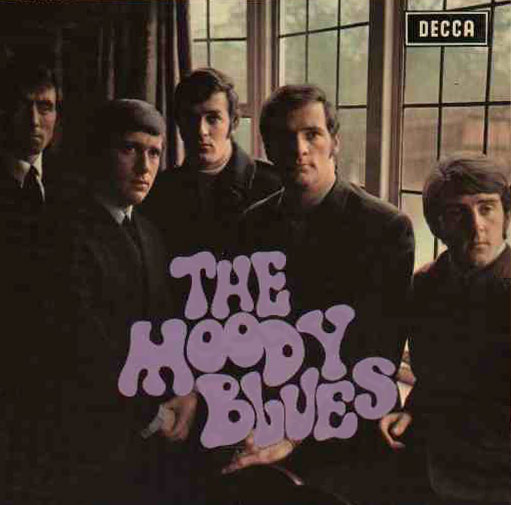
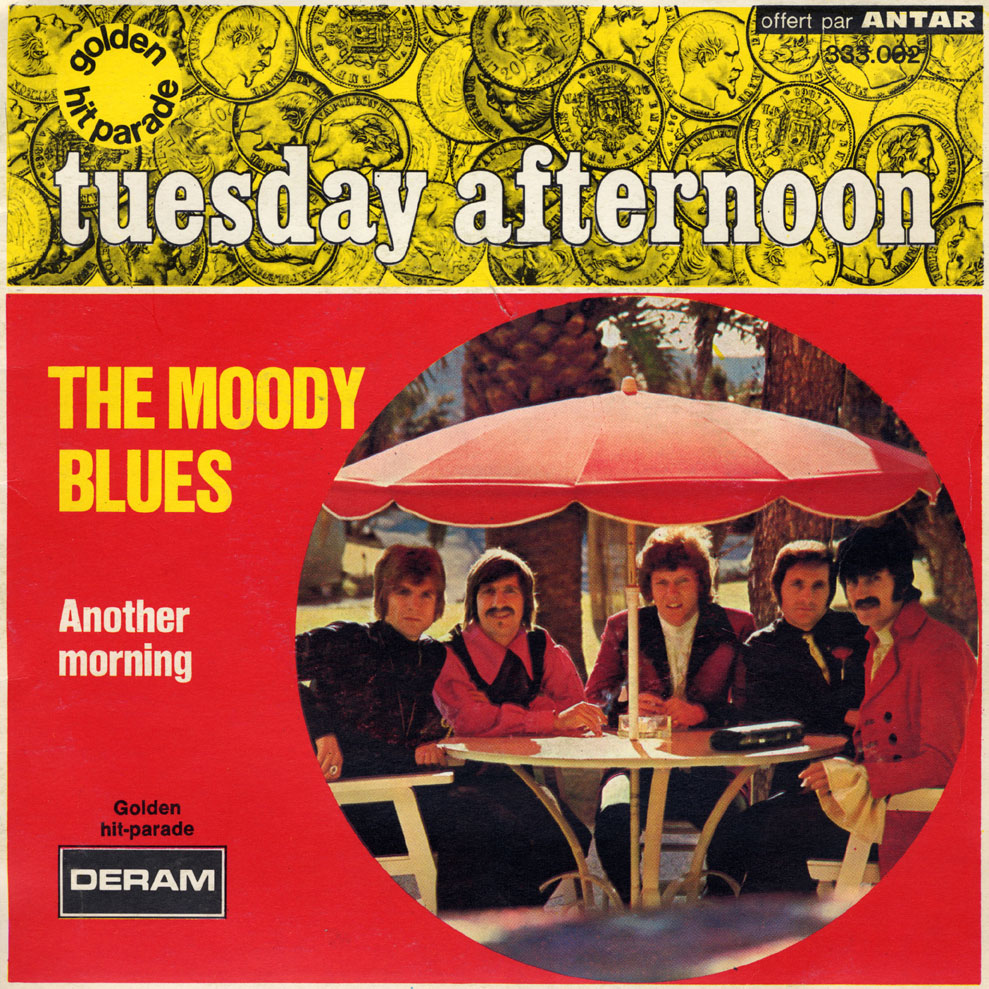
Denny Laine (guitar, vocals) Michael Pinder (keyboards, vocals) Ray Thomas (harmonica, saxophone, flute, vocals) Clint Warwick (bass, vocals) Graeme Edge (drums)
1964
April The nucleus of the band is formed by Laine (b. Brian Frederick Hines, 29 October 1944, Tyseley, Birmingham, W. Midlands, UK), who has just disbanded his group Denny And The Diplomats, with Thomas (b. 29 December 1942, Stourport-on-Severn, Hereford & Worcs, UK.) and Pinder (b. 27 December 1941, Birmingham, W. Midlands, UK), who have both been playing in local outfits El Riot & The Rebels and The Krewcats, and have just returned from a year’s residence at Hamburg’s Top Ten club.
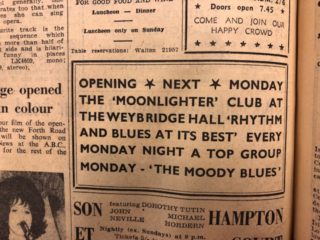
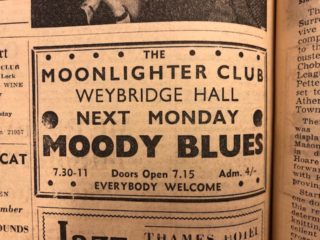
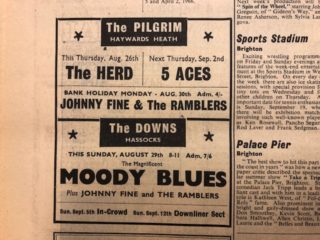
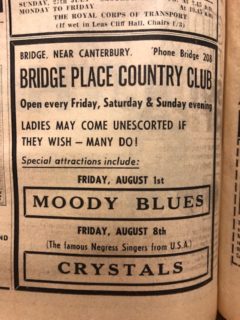
May (4) Rehearsals begin with the addition of drummer Edge (b. 30 March 1942, Rochester, Staffs, UK), who has previously been a member of Gerry Levene & The Avengers and bass player Clint Warwick (b. Albert Eccles, 25 June 1940, Birmingham, W. Midlands, UK), formerly a member of The Rainbows. The group quickly gains a residency at the Carlton Ballroom in Erdington, West Midlands, initially billed as The M&B Five, apparently in the hope of gaining sponsorship from local brewers Mitchell and Butler. Laine, who has pushed the band’s sound towards the blues and jazz of London based groups, decides soon afterwards to re-name the band after a Slim Harpo song titled “Moody Blue” and The M&B Five becomes The Moody Blues Five.
August The band attracts the attention of London manager Tony Secunda, who secures The Moody Blues (as they now call themselves), a residency at London’s Marquee club on Monday nights, where they replace Manfred Mann. Through their prestigious “live” work at the club, the band quickly attracts the attention of Decca Records which signs the group. Shortly afterwards The Moody Blues record their debut single, the Pinder-Laine composition “Lose Your Money” which the band performs on ITV’s Ready Steady Go!.
September (3) The group plays its first show at the Marquee in London.
(11) The Moody Blues appear at Birmingham’s Town Hall alongside The Spencer Davis Group and headliners Alexis Korner Incorporated.
Photo: Woking Herald
(14) The Moody Blues open the Moonlighter Club, held at Weybridge Hall in Weybridge, Surrey.
(28) The band returns for another show at the Moonlighter Club, Weybridge Hall in Weybridge, Surrey.
October (4) The band plays at the Marquee in London.
(30) The Moody Blues appear at the Crawdaddy club in Richmond, Surrey.
November After “Lose Your Money” fails to chart, the group records a cover of Bessie Banks’s US R&B hit, “Go Now”, which has been given to the band by New York disc-jockey B. Mitchell Reed during a visit to the UK.
Photo: Woking Herald
(2) The Moody Blues perform again at the Moonlighter Club, held at Weybridge Hall in Weybridge, Surrey.
December (7) The group appears at the Marquee in London.
1965
January (8) The group begins a 24-date, twice-nightly tour with Chuck Berry at the Odeon Theatre, London, which will end 31 January at the Regal Theatre, Edmonton, London.
(28) “Go Now”, produced by Alex Murray, tops the UK chart.
February The band quickly releases “I Don’t Want To Go On Without You”, a revival of a Drifters’ b-side as a follow up single, but it only reaches UK #33. Part of the single’s failure can be attributed to the simultaneous release of identical covers by The Searchers and The Escorts. (The group is unhappy with the recording because Thomas’s flute solo has been inexplicably erased from the final pressing.)
March (8) The Moody Blues make their first live broadcast on BBC Radio’s Joe Loss Pop Show.
April “Go Now” holds down anchor position in a unique US Top 10 in which 9 of the singles are from the UK.
(11) The group takes part in the annual New Musical Express poll winners concert at the Empire Pool, London, with The Beatles, The Rolling Stones, The Kinks and The Animals among others.
May The band releases an EP, which features both sides of the group’s debut single plus the a-sides of the previous two releases.
(24) The Moody Blues take part in the British Song Festival at the Dome, Brighton, East Sussex.
June (5) The band guests on ITV’s Thank Your Lucky Stars, where it introduces its new single, the Pinder-Laine collaboration “From The Bottom Of My Heart”.
(15) The Moody Blues join The Rolling Stones for a 4-date tour of Scotland alongside The Hollies, The Cannon Brothers and The Checkmates. The tour begins at the Odean Theatre, Glasgow.
(16) The group performs at the Usher Hall, Edinburgh.
(17) The Moody Blues appear at the Caird Hall, Dundee.
(18) The final date takes place at the Capitol Theatre, Aberdeen. (While the Stones prepare for a short tour of Scandinavia, The Moody Blues return to London in order to fly to New York for their debut US appearance.)
(19) The group makes its US debut with The Kinks at the Academy of Music in New York.
July “From The Bottom Of My Heart” is released and climbs to UK #22 and US #93. The Moody Blues’ debut album Magnificent Moodies, which has been produced by Denny Cordell is released to coincide with the single but fails to chart. In the US the album is released as Go Now and features a different track listing.
(24) The band performs at the Birdcage in Portsmouth, Hants.
August (1) The Moody Blues perform at the London Palladium with The Rolling Stones, The Fourmost, Steampacket and others.
(6) The group plays on the opening day of the fifth annual National Jazz & Blues Festival at the Richmond Athletic Ground, Richmond, Surrey.
(29) The Moody Blues play at the Downs, Hassocks, West Sussex.
September (6) The band signs a management contract with NEMS.
(21) The Moody Blues participate in Pop From Britain concert at the Royal Albert Hall, London, with Cliff Bennett & The Rebel Rousers, Georgie Fame & The Blue Flames and The Fourmost.
(25) The group appears at the Birdcage in Portsmouth, Hants with St Louis Checks.
(30) The Moody Blues replace Unit 4 Plus 2 for 3 dates on The Rolling Stones UK tour. The first date takes place at the Gaumont Theatre, Hanley, Staffs. Also on the tour are The Spencer Davis Group, The End and The Habits.
October (1) The band appears at the ABC Theatre, Chester, Cheshire.
(2) The group’s final appearance takes place at the ABC Theatre, Wigan, Lancashire. Unit 4 Plus 2 return to the tour immediately afterwards.
November The Laine-Pinder composition “Everyday” only reaches UK #44, despite becoming a turntable hit on pirate radio.
December (3) The group supports The Beatles on their final UK tour, a 9-date twice-nightly package, which opens at Glasgow’s Odeon cinema and ends on December 12 at the Capitol Cinema, Cardiff, Wales.
(19) The Moody Blues appear on CBS TV’s Ed Sullivan Show.
1966
March (8) The group appears at the Montreux Golden Rose TV festival.
April Another Laine-Pinder track “Stop!” is lifted from the UK album and released as a US single, where it spends a week on the Hot 100 at #98. (The song incidentally, is later covered by singer Julie Grant but is not a success). Secunda leaves at this point to work with The Move and is replaced by The Beatles’ manager Brian Epstein. However, he fails to lift the group’s flagging career and as a result The Moody Blues are forced to “drastically reduce their engagement fees.”
(2) The Moody Blues appear at the Club Continental, Eastbourne, East Sussex.
May (1) The band performs at the Oasis in Manchester.
(28) The Moody Blues appear at Hertford Ball, Hertford College, Oxford University with Kenny Ball’s Jazzmen, Alexis Korner, Scott, Gould & Wood, Clem and John.
(30) The group plays at the Pavilion in Bath, Avon.
June (4)Melody Maker announces that the group has undertaken a short tour of Belgium, including a TV appearance from the Casino at Knokke. The magazine also reports that the band is due to appear at the Paris Olympia on 12 June.
(15) The Moody Blues perform at the Bromel club, the Bromley Court Hotel, Kent.
(24) The group plays at the Ram Jam club in Brixton in south London. Warwick, who is disillusioned by the band’s drop in fortunes, leaves the group and quits the music business.
(29) The Moody Blues appear at the Pavilion, Hemel Hempstead, Herts.
The Moody Blues with Rod Clark (far right)
July (9) Pinder and Laine’s “This Is My House (But Nobody Calls)” (the intended b-side of the band’s forthcoming UK single) is issued in the US hitting #119.
(14) After Klaus Voorman decides not to join, Rod Clark, a bass player from Great Yarmouth, who has played with Les Garcons takes Warwick’s place, although Pinder and Thomas’s former El Riot & The Rebels cohort John Lodge (b. 20 July 1943, Birmingham, W. Midlands, UK) is rumoured to have been offered the original slot. Clark debuts in Coventry.
Photo: Bridge of Allan Gazette
(22) The band, with Rod Clark, plays at The Stardust, Victoria Hall, Dunblane, Scotland with The Mode.
Photo: Isle of Man Daily Times
(30) The group appears at the Villa Marina in Douglas, the Isle of Man with The Cheetahs.
August (6) The Moody Blues begin a 9-day tour of Denmark.
(20) The group appears at Town Hall, Clacton, Essex with Dave & The Strollers.
September (3) The band appears at the Black Prince in Tenbury Wells.
(10)Melody Maker reports that The Moody Blues fly to Holland for a TV show and then the next day perform in Brussels.
(15) The band plays at the Jaarbeurs in Utrecht, Holland.
(16) The Moody Blues perform at Midnight City in Birmingham with Cliff Bennett & The Rebel Rousers.
(23) The group appears at Cardiff Capitol Theatre on a bill that includes Cliff Bennett & The Rebel Rousers, The Scaffold and The Fourmost.
(28) The Moody Blues appear at the Flamingo in London in what is probably Denny Laine’s final show.
October Rod Clark leaves to join The Rockin’ Berries and John Lodge joins. Lodge, who has remained in higher education since the band’s split in February 1963, has subsequently played in local bands The Carpetbaggers and The John Bull Breed. Laine, meanwhile, anticipating Brian Wilson’s role in The Beach Boys decides to concentrate on writing and studio work.
Justin Hayward, Swindon Advertiser, September 1966
(8)Record Mirror reports that Laine has officially left The Moody Blues. He will quickly emerge with an amplified backing group The Electric String Band – a predecessor and major influence on The Electric Light Orchestra.
(12) Decca releases the group’s first single in over a year, the French-flavoured “Boulevard De La Madelaine”, written by Pinder and Laine but it isn’t a hit. On the same day, Melody Maker reports that the band appears at the Flamingo in London. To fill Laine’s position in the band, the group turns to Justin Hayward (b. David Justin Hayward, 14 October 1946, Swindon, Wilts, UK), who has played in a number of Swindon bands – The Riversiders, The Rebels, The Whispers, The Shots and All Things Bright before joining Marty Wilde’s Wildcats for two days. He then joins Marty Wilde and his wife in The Marty Wilde Three, who record the singles “Since You’ve Gone” and “I Cried” for Decca Records and on 8 April 1966 plays alongside Wilde at a charity show at the London Palladium. Hayward leaves to sign a solo deal with Pye A&R chief Alan Freeman and manager Lonnie Donegan. This results in a one-off single “London Is Behind Me”, before Hayward signs to Parlophone, which releases a second single “I Can’t Face The World Without You”. When both singles fail, Hayward writes to Eric Burdon to inquire about a position in his New Animals. Burdon, with his band already signed-up, passes Hayward’s name onto Mike Pinder. The Moody Blues move to Belgium in November to perform some gigs and to avoid the UK taxman. The band continues to perform its old R&B repertoire despite Laine’s departure and the recent changes in the UK “music scene”.
Possibly Justin Hayward and John Lodge’s debut show, 21 October 1966
December The group performs in France, where it’s still very popular.
1967
January (14) Decca releases another Pinder-Laine collaboration “Life’s Not Life”, which is withdrawn shortly afterwards.
February (18) The group appears at the Plaza Ballroom in Handsworth, West Midlands with The Traction and The Attack.
March (7) The Moody Blues play at Birmingham’s Ringway Club.
(18) The group performs at the Ritz Club, Skewen, south Wales with The King Bees and The Outer Limits.
(20) The band appears at the Broadway Club, Dudley Zoo.
(22) The Moody Blues play at Middle Earth in London.
(27) The band plays two shows in the West Midlands. The first is at the Mackadown, Kitts Green with The Monopoly. The second is at the Belfry, Wishaw with The Gods and Exception.
(30) The group drops the old repertoire (and suits) in favour of a new musical style. The band records Hayward’s “Fly Me High” and Pinder’s “Really Haven’t Got The Time” with new producer Tony Clarke as a prospective single.
April The band signs up (along with The Supremes and Ray Charles) to promote Coca-Cola in the teen market. The company’s $10 million campaign requires each artist to record a radio jingle in their own style but featuring the slogan Things Go Better With Coke. The band embarks on a gruelling tour of the Northern club circuit, including a spot at Newcastle’s Cavendish club.
(1) The band appears at the Royal Lido, Prestatyn, Clwyd, Wales with The Raynes.
(2) The Moody Blues play at the Cosmo in Carlisle, Cumbria with The Fix.
(14) Denny Laine releases his debut single with The Electric String Band “Say You Don’t Mind” which fails to chart; although ex-Zombies singer Colin Blunstone will later score a top 20 hit with it in 1972.
May (5) The Moody Blues release their first single with the new line-up, “Fly Me High” which is not a success despite being a popular radio hit. The band embarks on a brief tour of Scandinavia.
(19) The band shares a double bill with former group leader Denny Laine at London club, Tiles.
(27) Plans are unveiled for the group to appear on a US colour TV special as “Fly Me High” is given an American release.
(31) According to the Somerset County Gazette, the band performs at the TA Hall in Minehead, Somerset with The Witness Four.
June (10) They play the Fete and Donkey Derby in Sutton Coldfield, West Midlands with The Ugly’s and The Bobcats.
(12) The Moody Blues appear at Christ College, Cambridge with The Who and The Herd.
(22) The band appears at Middle Earth with Pink Floyd.
(29) The group records Hayward’s “Leave This Man Alone”.
July (9) The band plays at the Roundhouse with Pink Floyd and The Outer Limits.
(17) The Moody Blues record Pinder’s ambitious “Love & Beauty”, which is the first track to feature the band’s characteristic symphonic sound, created with the use of the mellotron. Shortly afterwards the band introduces its new style at the Glastonbury Festival and is an immediate success.
(28) The Moody Blues appear at the Clay Pigeon in Eastcote, northwest London.
(29) The group performs at the London club, the Upper Cut with The Maze.
August The Moody Blues embark on a “summer” tour of France. The group appears at the Midem Music Festival in Cannes performing most of the songs that will subsequently appear on its forthcoming album.
September (7) The group opens for The Pink Floyd at the Roundhouse, Chalk Farm, London.
(13) The band appears at the Catacombe in Eastbourne, East Sussex.
(22) The Moody Blues release Pinder’s “Love & Beauty” as a single, but it isn’t a hit.
October (8) Signed to Decca’s new progressive label, Deram, the band begins work on its first album in over two years, recording Hayward’s epic “Nights In White Satin”. The group were originally invited to record a stereo version of Dvorak’s New World Symphony with classical backing from The London Festival Orchestra, conducted by Peter Knight, but is allowed to record its stage show, loosely based around a day in the life of a fictional character, instead.
1968
January Extracted from the album, Hayward’s “Nights In White Satin” climbs to UK #19 as parent album reaches #27.
(12) Laine meanwhile, disbands The Electric String Band after his second solo single “Too Much In Love” and moves to Spain to study flamenco guitar.
(19) The Moody Blues play at the Punch Bowl, Lapworth, West Midlands.
(20) The group travels to France to appear at the Midem Music Festival in Cannes, later that week.
February (3) The Moody Blues begin a UK tour at the Nelson Imperial, Lancashire. The tour will conclude at Reading University on March 15.
(10) In the US “Nights In White Satin” only reaches #103.
March (13) The group appears at Birmingham Town Hall with The Spencer Davis Group, Manfred Mann, Don Partridge and Piccadilly Line.
(22) The Moody Blues perform at Middle Earth, Covent Garden, London.
May (4)Days Of Future Past enters the US chart at #3 and earns the group its first gold disk, during a chart run of 102 weeks.
June Hayward’s “Voices In The Sky” is lifted from the band’s forthcoming album and reaches UK #27.
(29) The Moody Blues make a rare concert appearance at London’s Queen Elizabeth Hall.
The Moody Blues appear near Canterbury on 1 August 1968
August The group’s third album, In Search Of The Lost Chord, another concept album, climbs to UK #5. (The band is performing in the former Czechoslovakia at the time and when the Russian army moves in are quickly asked to leave the country by the British Consulate.)
September Hayward’s “Tuesday Afternoon” is taken from Days Of Future Past and belatedly released as a US single, where it hits #24. In Search Of A Lost Chord, rises to US #23 and earns a second gold disk.
October (4) The Moody Blues play at the Corn Exchange, Braintree, Essex.
(11) The group records non-album track “A Simple Game”, written by Mike Pinder.
(21-24) The band is supported by Chicago at the Fillmore West, San Francisco.
(25-26) The group flies to New York City to appear at the Fillmore East with John Mayall’s Bluesbreakers and Rhinoceros.
November (1) Having supported Cream during their final US tour, the group appears at Madison Square Gardens, New York, for Cream’s final US date. “Ride My See Saw”, written by Lodge, is extracted from the new album and makes US #61.
December “Ride My See Saw” hits UK #42. The single’s b-side “A Simple Game” is later a UK #3 for The Four Tops with Clarke producing. (The Four Tops will also cover another Mike Pinder song, “So Deep Within You” from The Moody Blues’ next album). The band performs its last US dates in Vancouver, Canada.
1969
March (11) The group appears at the Grand Gala Du Disque, Amsterdam, Holland on a bill including Gladys Knight & The Pips.
April Hayward’s “Never Comes The Day” is released as a single but fails to chart.
MayOn The Threshold Of A Dream tops the UK chart for 2 weeks and climbs to US #20 during a 136-week chart run, the Moody Blues’ third gold disk.
(2) The band appears at Bridge Place Country Club, at Bridge near Canterbury, Kent.
July “Never Comes The Day” reaches US #91. Denny Laine meanwhile returns from Spain and joins ex-Move member Trevor Burton in Balls.
August (1) The band appears at Bridge Place Country Club, at Bridge near Canterbury, Kent.
(30) The Moody Blues play on the opening day of the Isle Of Wight Festival.
October Hayward and Thomas’s “Watching And Waiting” is the first single to be released on the group’s own Threshold label.
December The Moody Blues’ new album To Our Children’s Children’s Children hits UK #2 as the band moves to Cobham, Surrey to open the first Threshold record store.
(12) The band performs at the Royal Albert Hall, London, during a UK tour. The concert is recorded (and released as part of Caught Live Plus 5 in June 1977).
1970
January The group’s new album is released in the US and makes #14 becoming the band’s fourth gold disk
March (20-21) The band is supported by Argent and Lee Michaels at New York’s Fillmore East.
April (2/11)The Moody Blues are supported by Richie Havens at the Berkeley Community Theatre, California.
May Hayward’s dramatic “Question” hits UK #2, held from the top by the England World Cup Squad’s “Back Home”. Laine, who has recently joined Ginger Baker’s Airforce sings lead vocal on their cover of Bob Dylan’s “Man Of Constant Sorrow” which hits US #85 on 30 May.
June “Question” reaches US #21.
August The Moody Blues’ new album A Question Of Balance, written and recorded in 5 weeks, hits UK #1 for 3 weeks. (30) The group plays on the final day of the second Isle Of Wight Festival.
SeptemberA Question Of Balance makes US #3 and earns the band its fifth gold disk.
October (30) The band performs at London’s Royal Festival Hall.
December (3) The Moody Blues embark on a US tour making their Carnegie Hall, New York debut on 14 December.
1971
August Laine joins Paul McCartney’s Wings.
1974
February After two further albums, Every Good Boy Deserves Favour (1971) and Seventh Sojourn (1972), which both earn a gold disk, and a 9-month world tour, The Moody Blues decide to split for the time being to concentrate on solo projects. (Hayward’s solo career will be the most enduring and successful).
1978
June The band re-unites for a new album, Octave which hits UK #6 and US #13, and becomes the Moody Blues’ first platinum disk. However, during the recording of the album, producer Tony Clarke leaves followed soon afterwards by Mike Pinder; both have been closely identified with the development of the band’s symphonic sound. Pinder is replaced by ex-Refugee member Patrick Moraz, who remains with The Moody Blues into the 1980s, and helps them to become one of the top selling bands of the decade. Pinder meanwhile, remains in the US and emerges in 1995 with second solo effort Among The Stars.
Sources:
Portsmouth’s Birdcage dates by Dave Allen.
Time Machine, August 1965, by Johnny Black, Mojo Magazine, August 1995.
Call Up The Groups – The Golden Age Of British Beat (1962-1967), by Alan Clayson, Blandford Press, 1985.
Denny Laine, by Alan Clayson, Record Collector, #191, July 1995.
Time Machine, October 1966, by Fred Dellar, Mojo Magazine October 1996.
Collectable 45s of the Swinging ‘60s, by Pete Dickerson and Mike Gordon, The Vintage Record Centre, 1984.
Art Of Rock – Posters From Presley To Punk, by Paul D Grushkin, Artabras, Cross River Press Ltd, 1987.
The Castle – Love #2, by David Peter Housden, 1993.
The Castle – Love #9, by David Peter Housden, 1995.
The Moody Blues UK Singles & UK Albums, by Tim Joseph, Record Collector, #81 & 82, April & May 1986.
Karnbach, James and Bernson, Carol. The Complete Recording Guide To The Rolling Stones. Aurum Press, 1997, pages 111, 112 and 115. Pink Floyd In The Flesh book, page 43.
The Moody Blues, by John Reed, Record Collector, November 1996, #207, pages 64-71.
Book Of Rock Stars, 2nd Edition, by Dafydd Rees and Luke Crampton, Guinness Publishing Ltd, 1991.
Sleeve notes to album This Is The Moody Blues, by John Tracy, 1989.
Joel Whitburn’s Bubbling Under Hot 100 1959-1985, by Joel Whitburn, Billboard Record Research Inc, 1985.
Joel Whitburn’s Pop Annual 1955-1994, by Joel Whitburn, Billboard Record Research Inc, 1995.
Birmingham Evening Mail 1967-1968. Disc, May 27, 1967, page 4. Melody Maker, March 5, 1966, pages 5; April 2, 1966, page 13; June 4, 1966, page 5; June 11, 1966, page 13; June 25, 1966, page 13; May 20, 1967, page 5; July 29, 1967, page 12; January 6, 1968, page 3 and March 23, 1968, page 14. NME, week ending January 20, 1968.
This site is a work in progress on 1960s garage rock bands. All entries can be updated, corrected and expanded. If you have information on a band featured here, please let me know and I will update the site and credit you accordingly.
I am dedicated to making this site a center for research about '60s music scenes. Please consider donating archival materials such as photos, records, news clippings, scrapbooks or other material from the '60s. Please contact me at rchrisbishop@gmail.com if you can loan or donate original materials

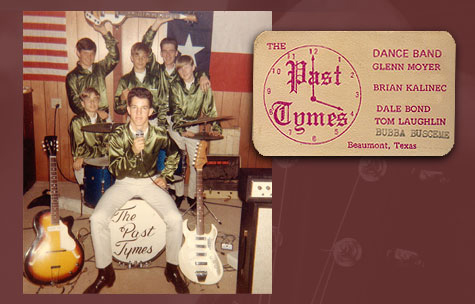
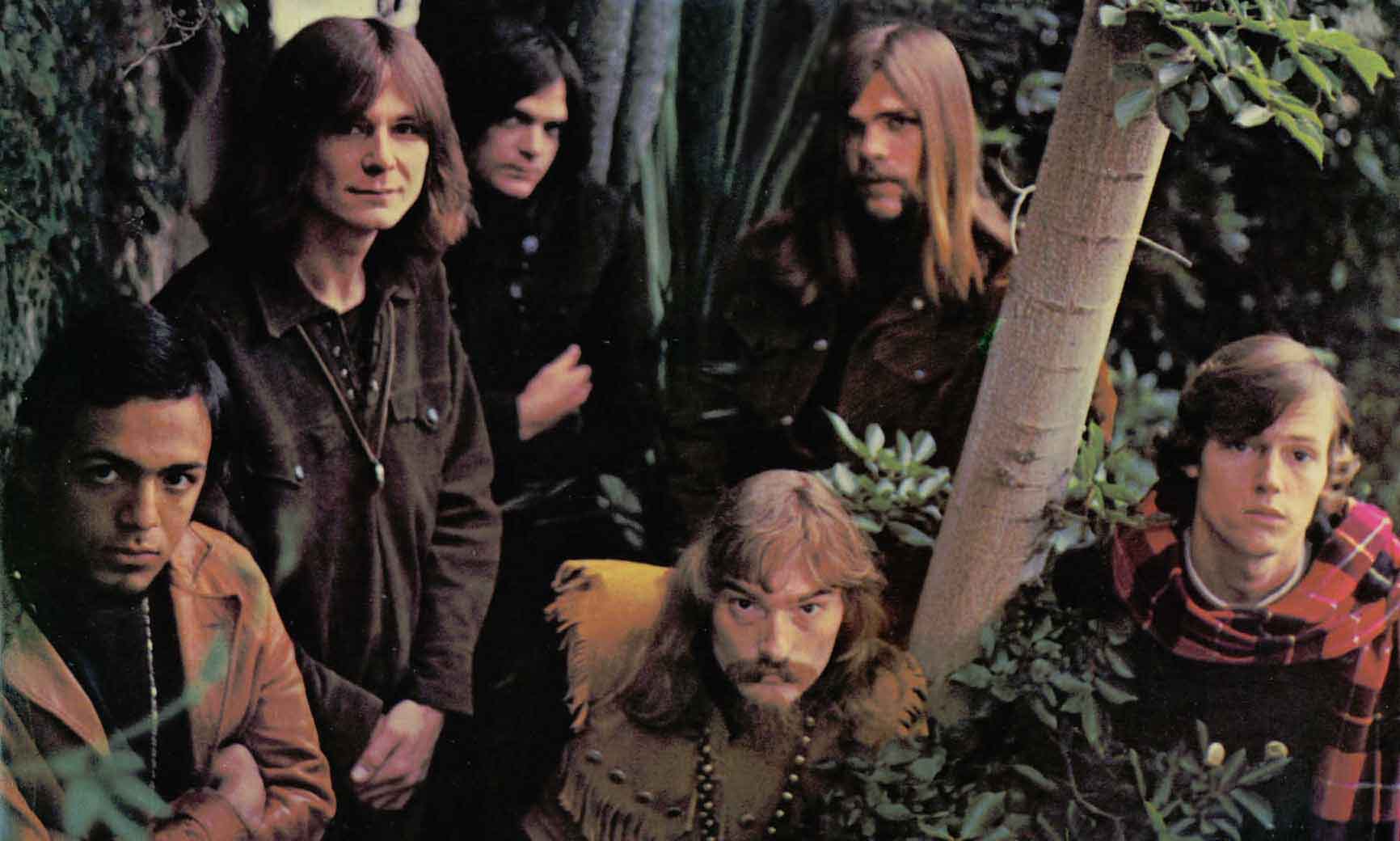
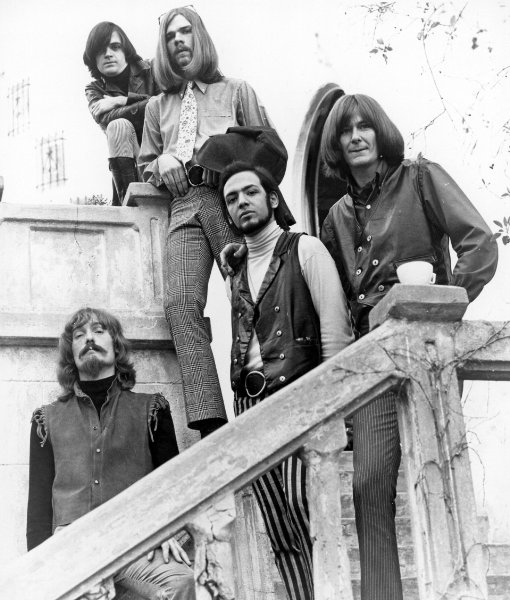
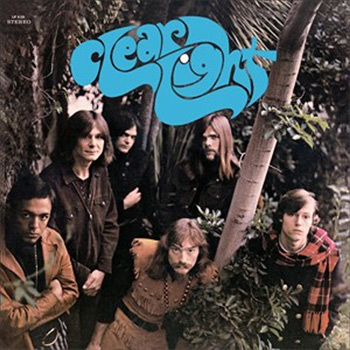
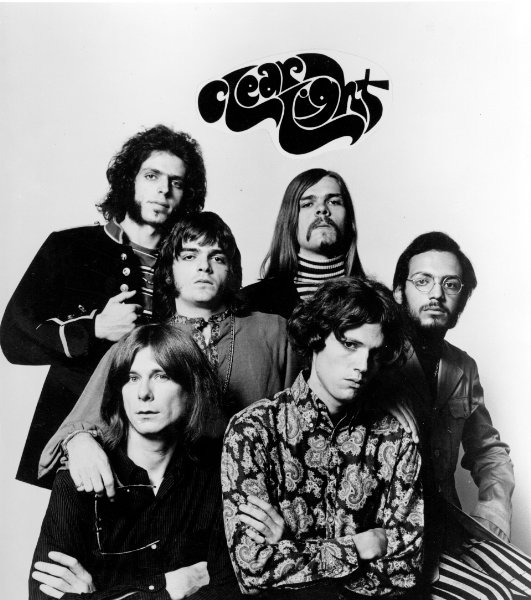
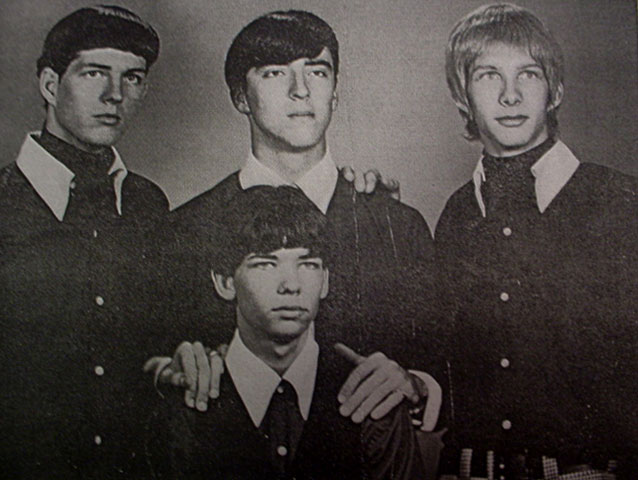
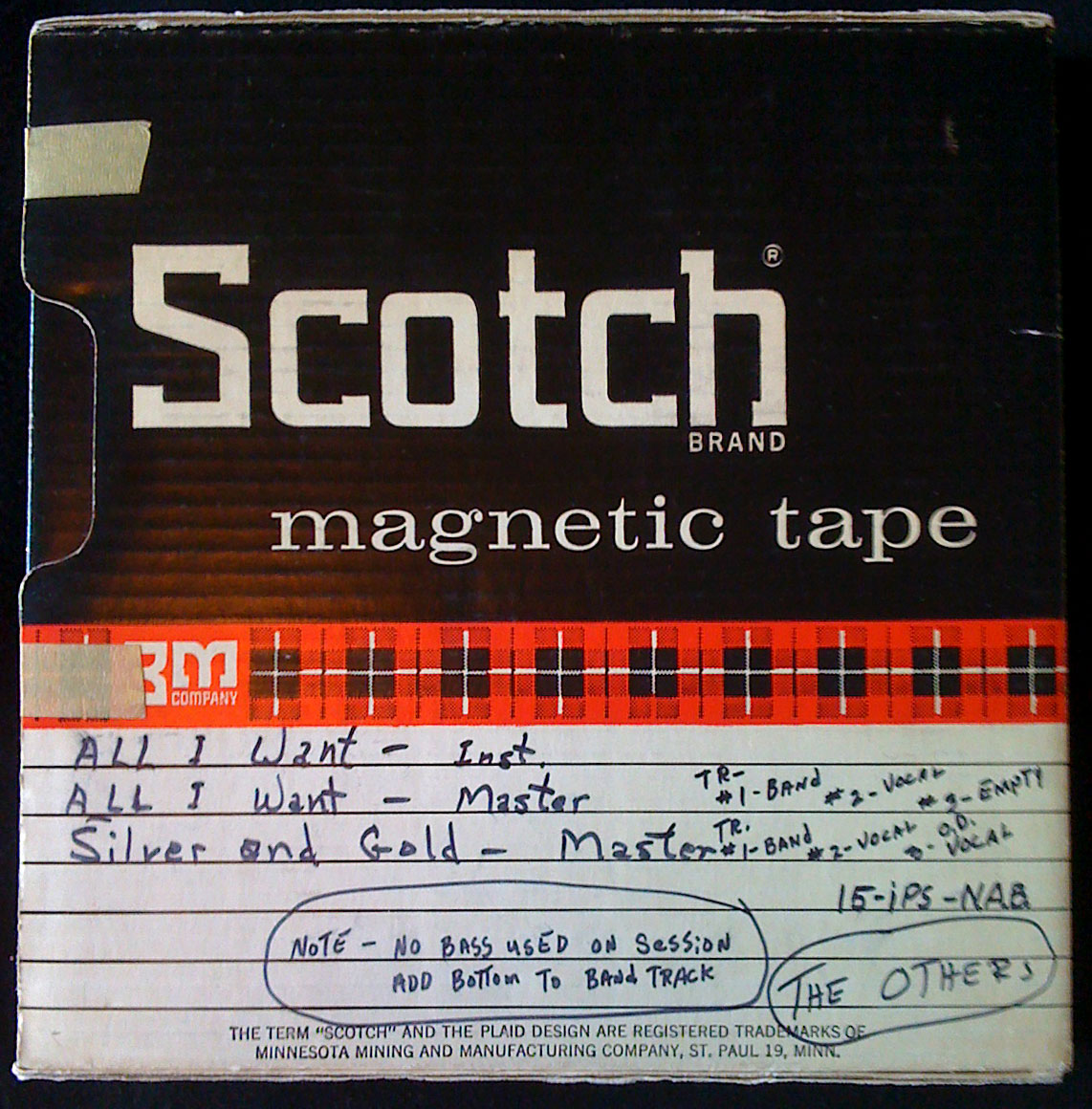
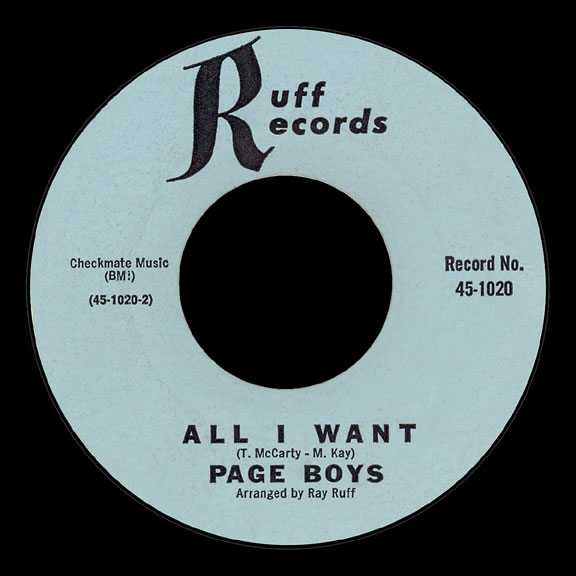
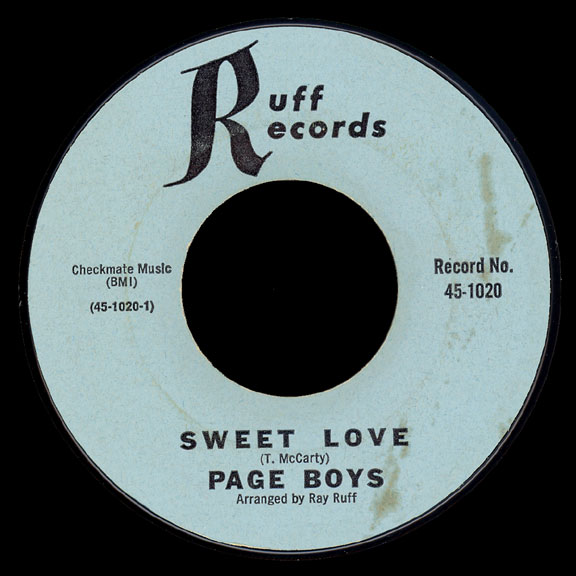
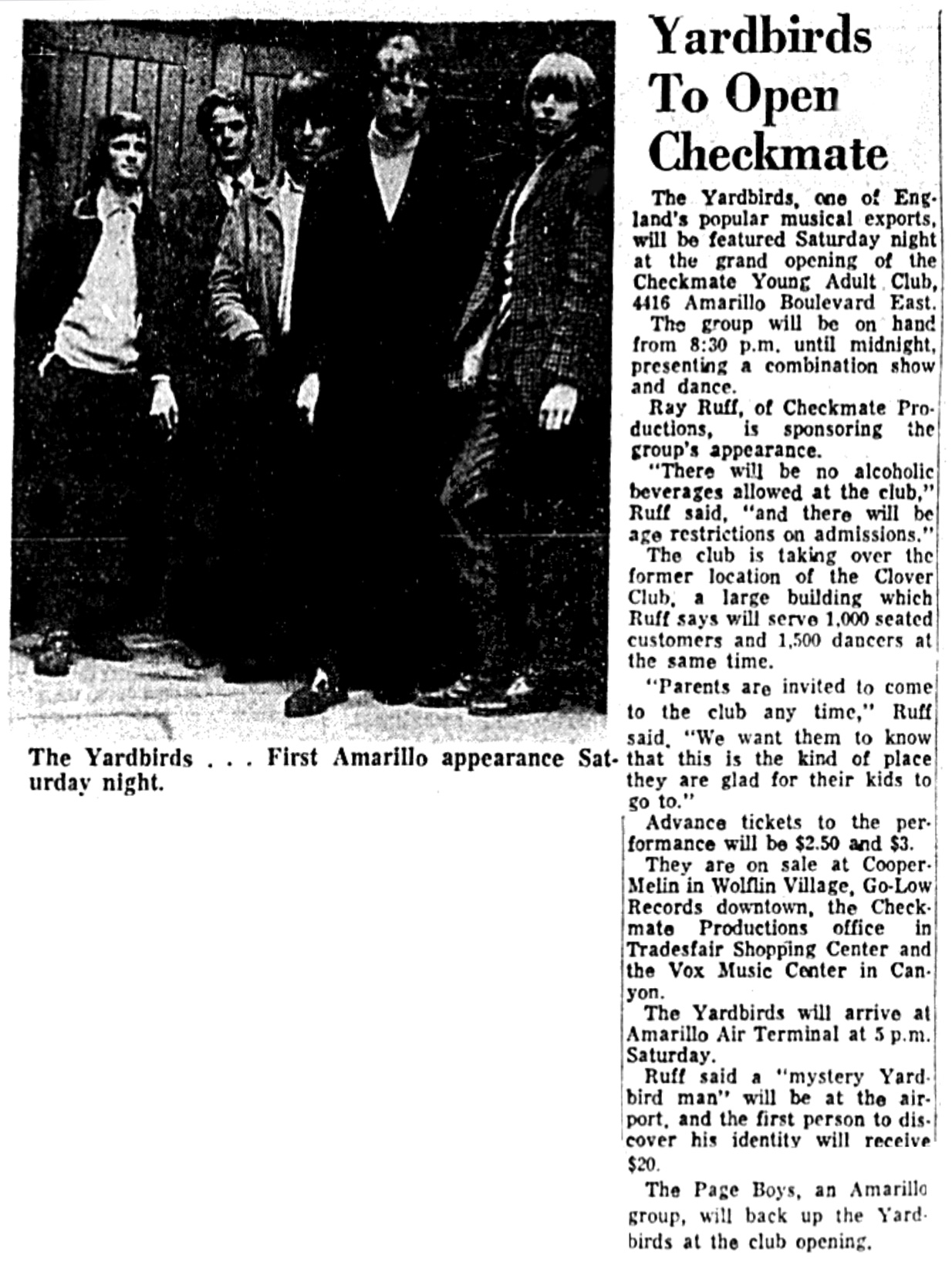
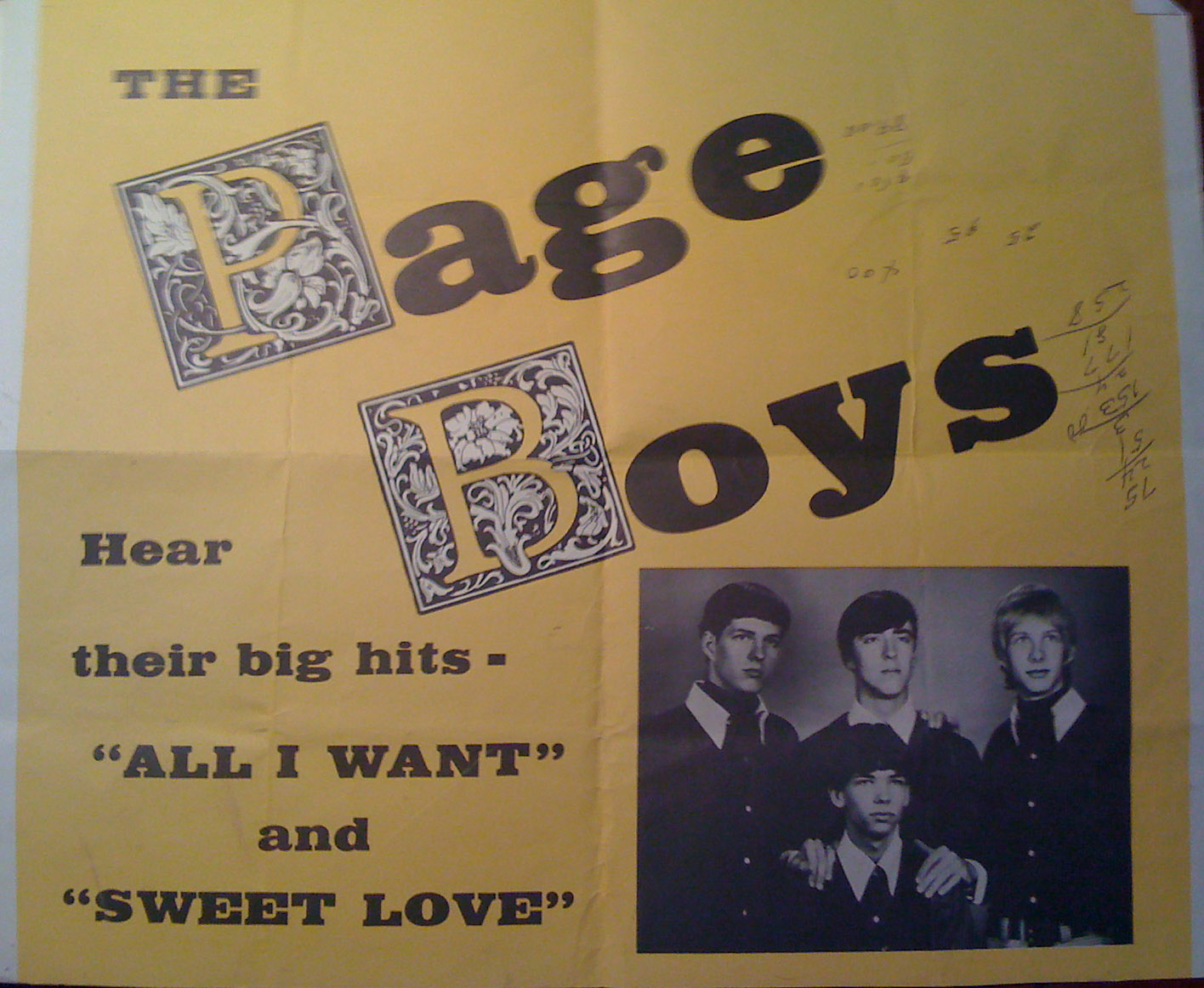
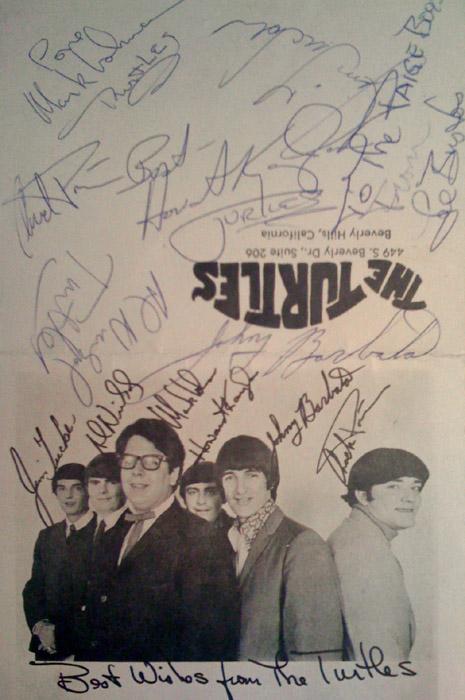
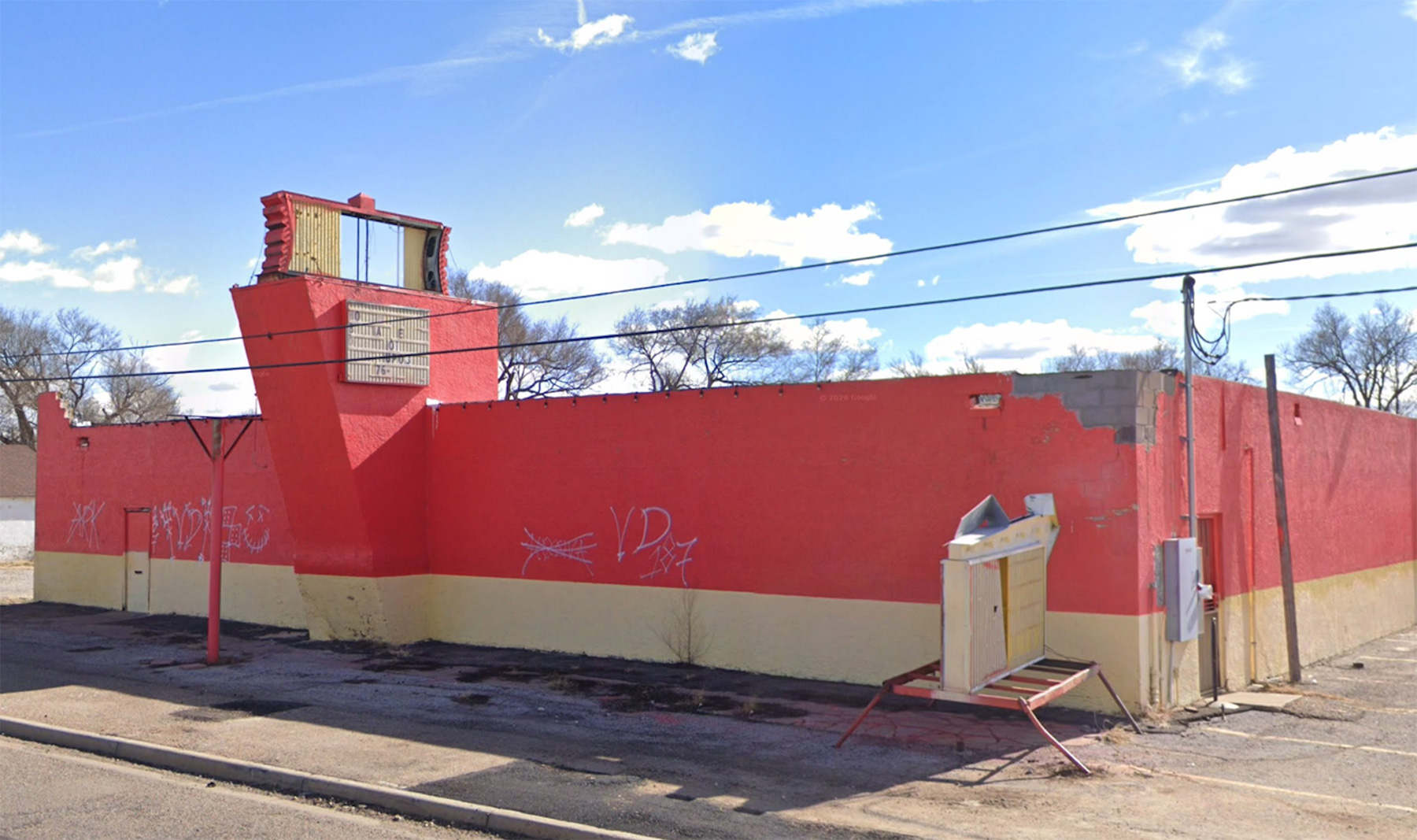
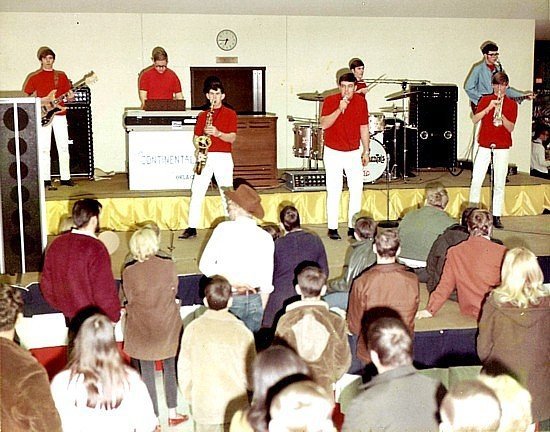
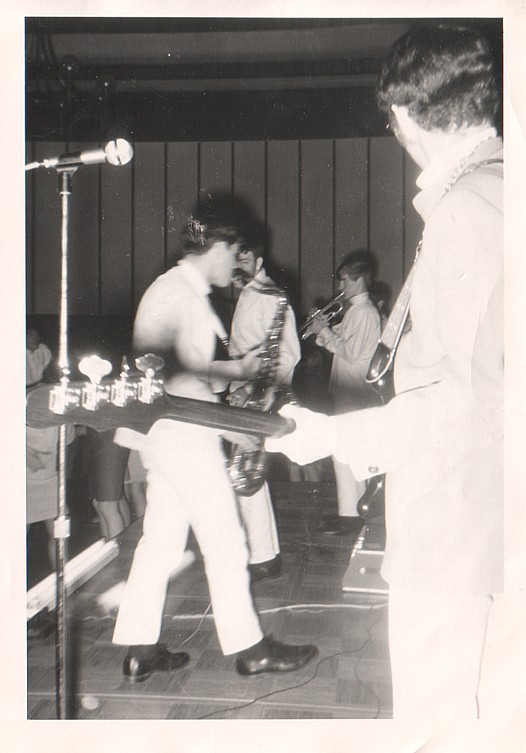
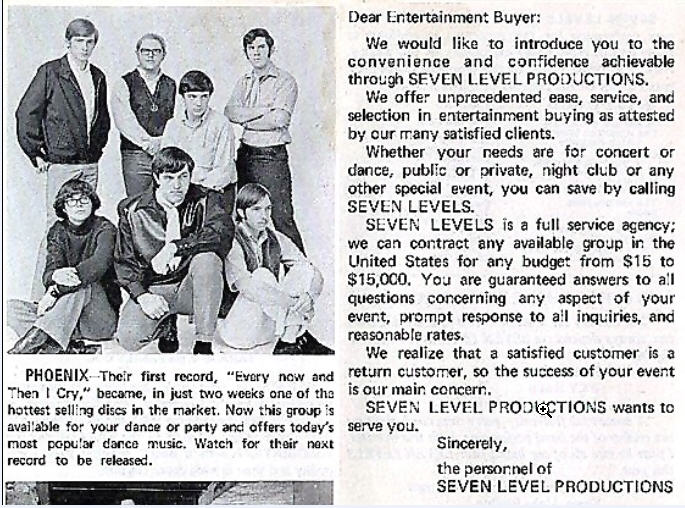
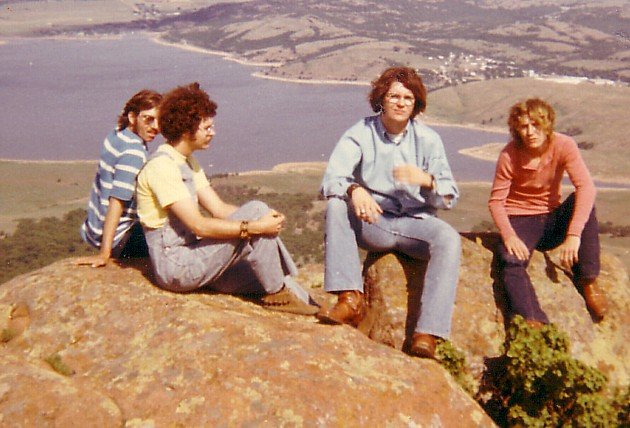
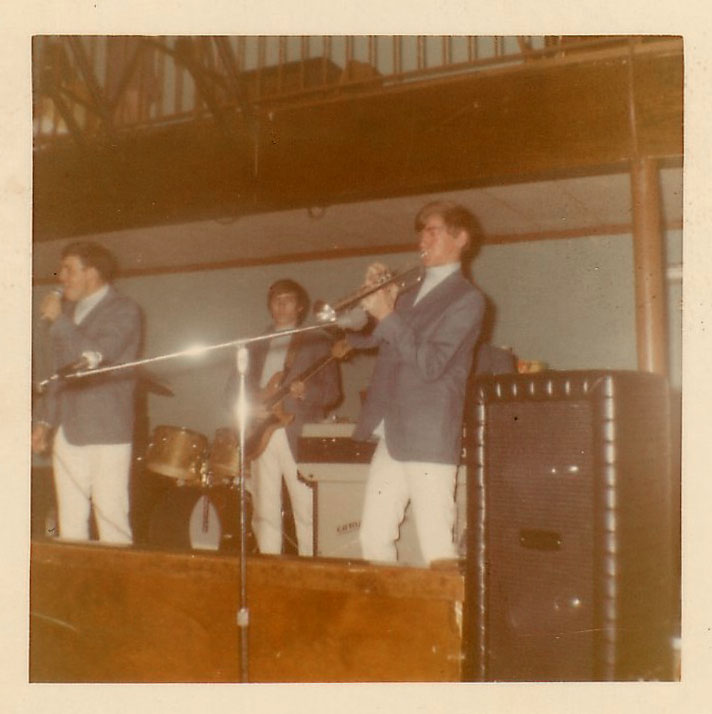
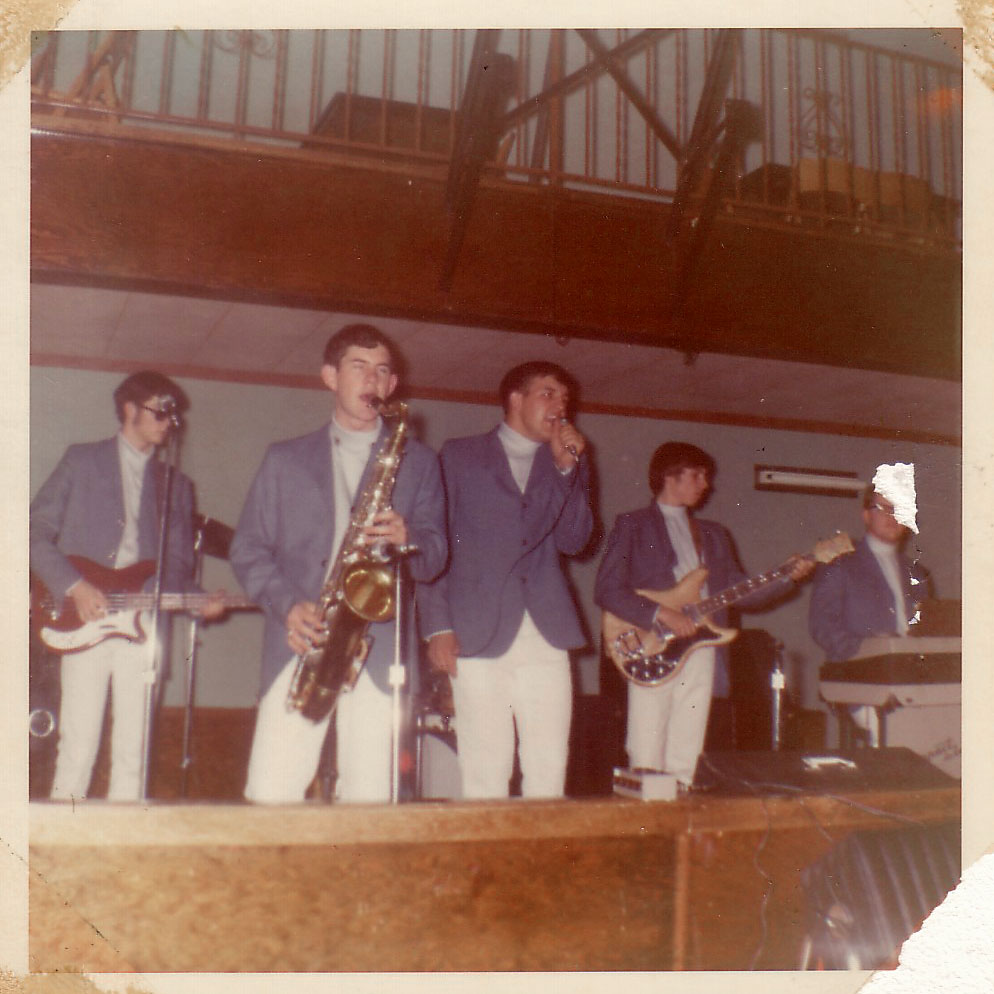
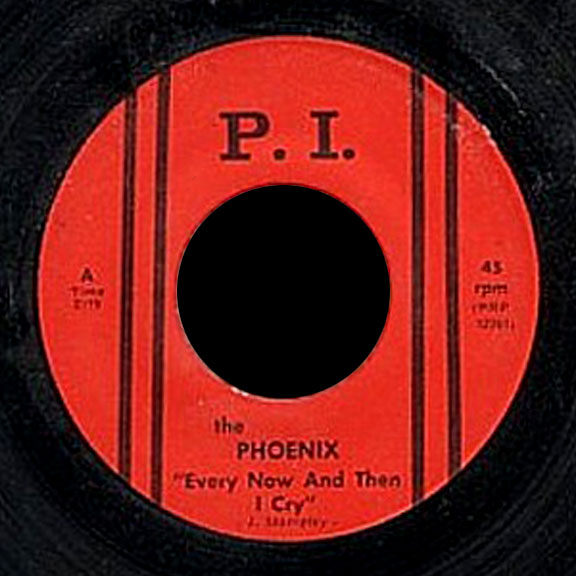
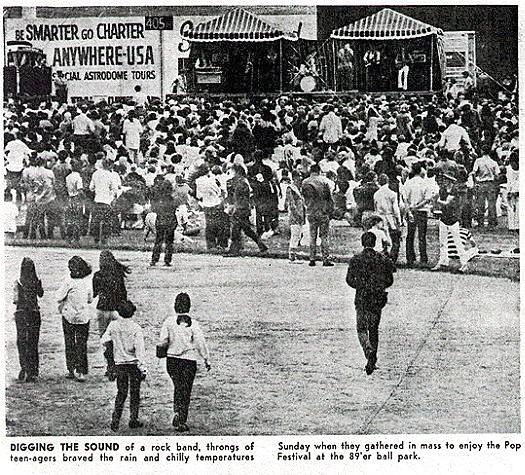
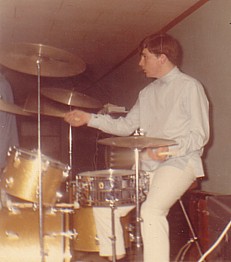
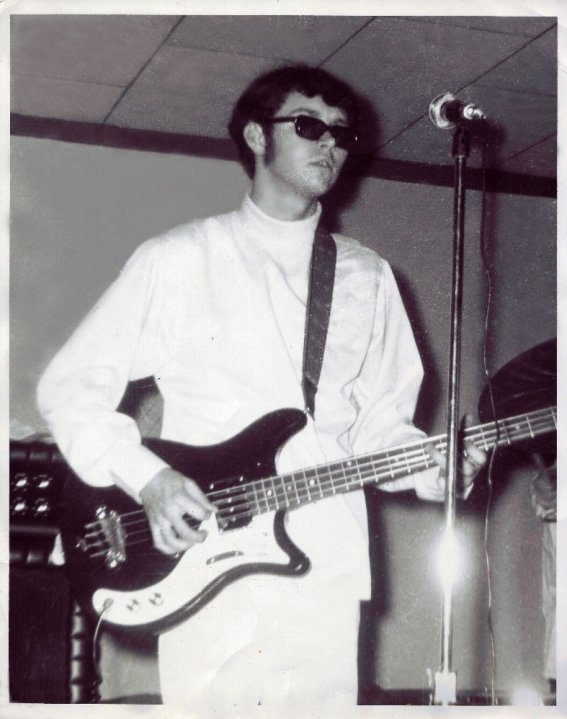
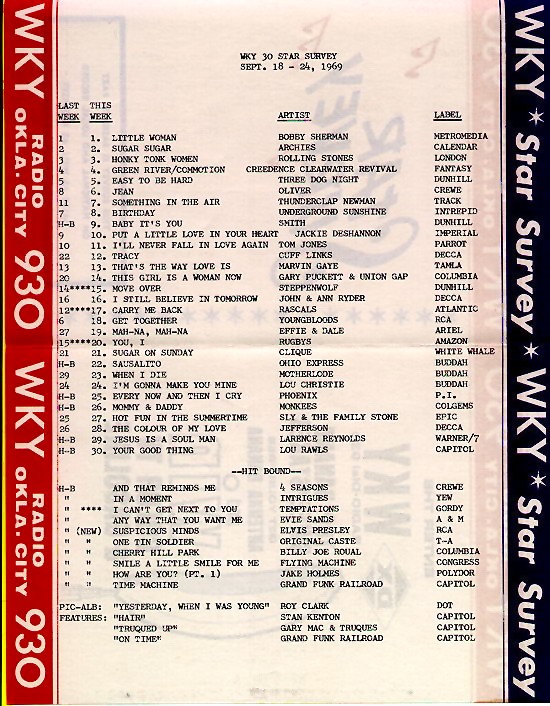
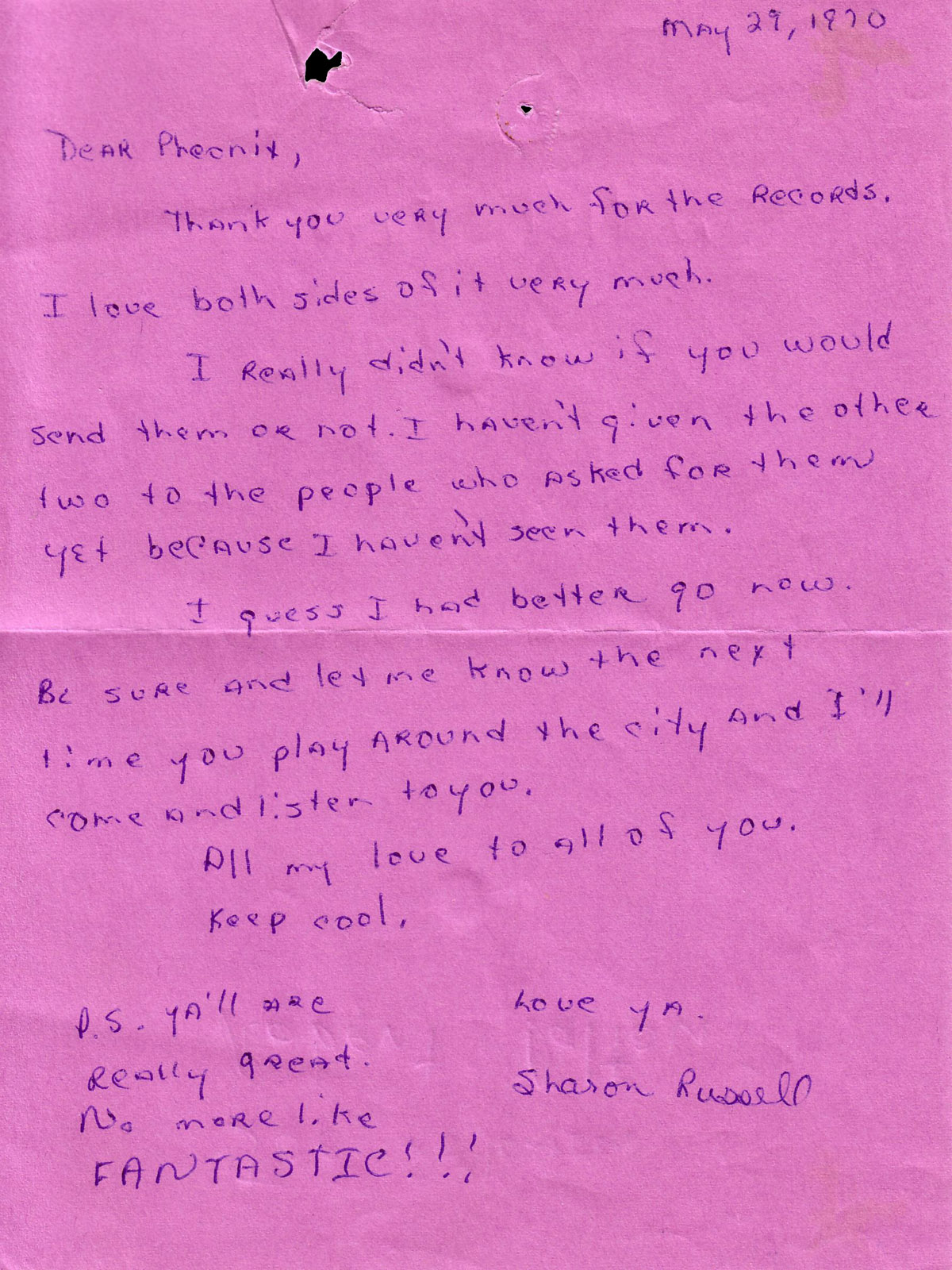
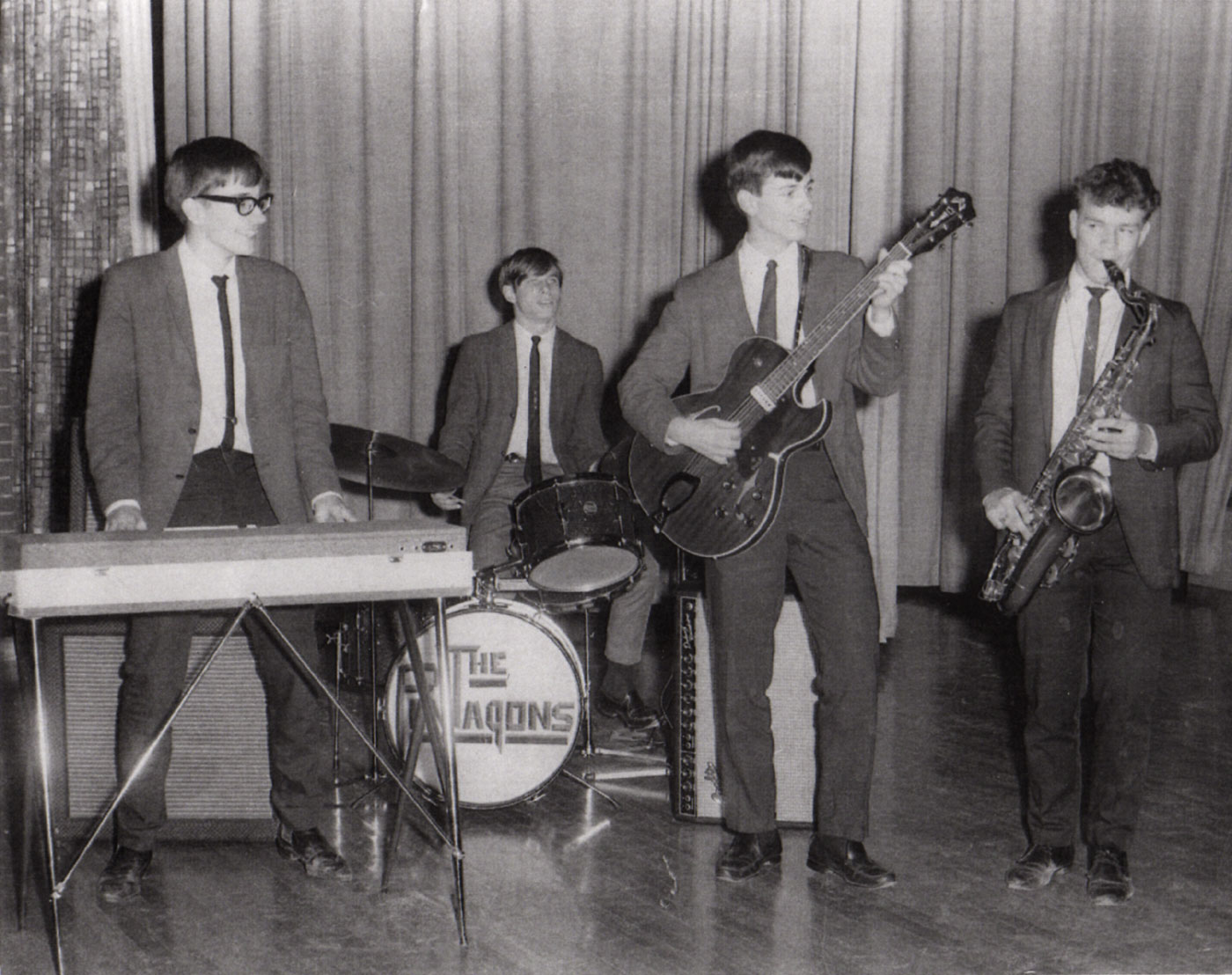
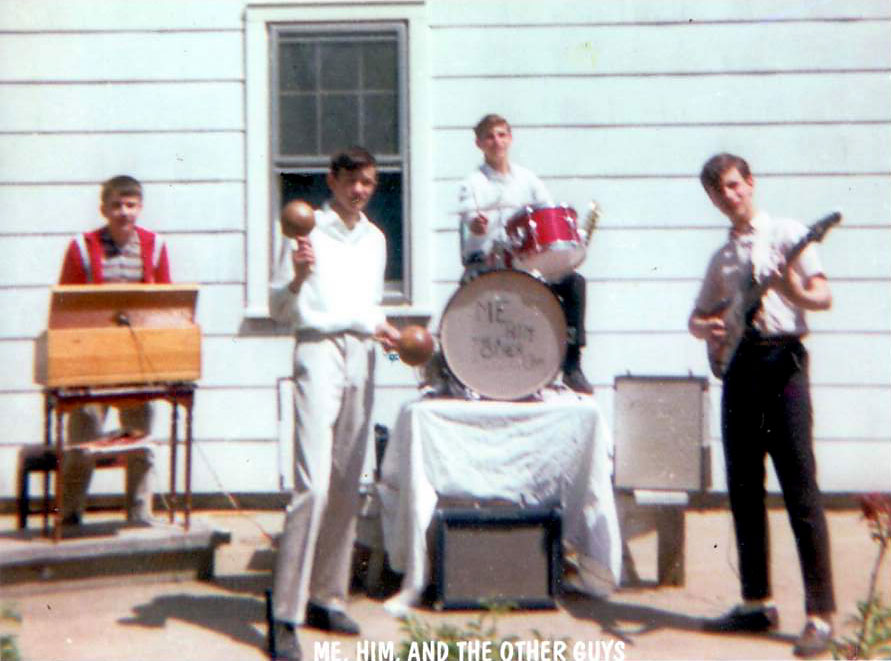
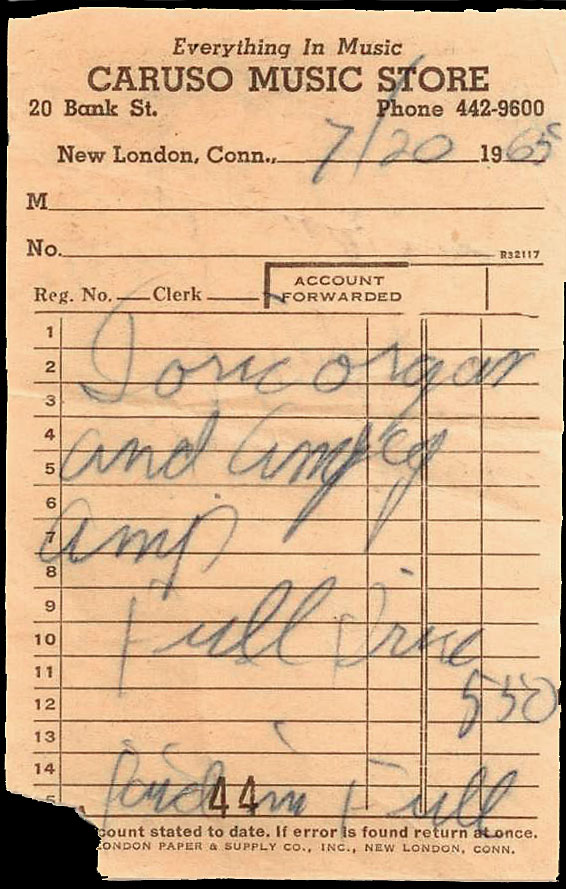
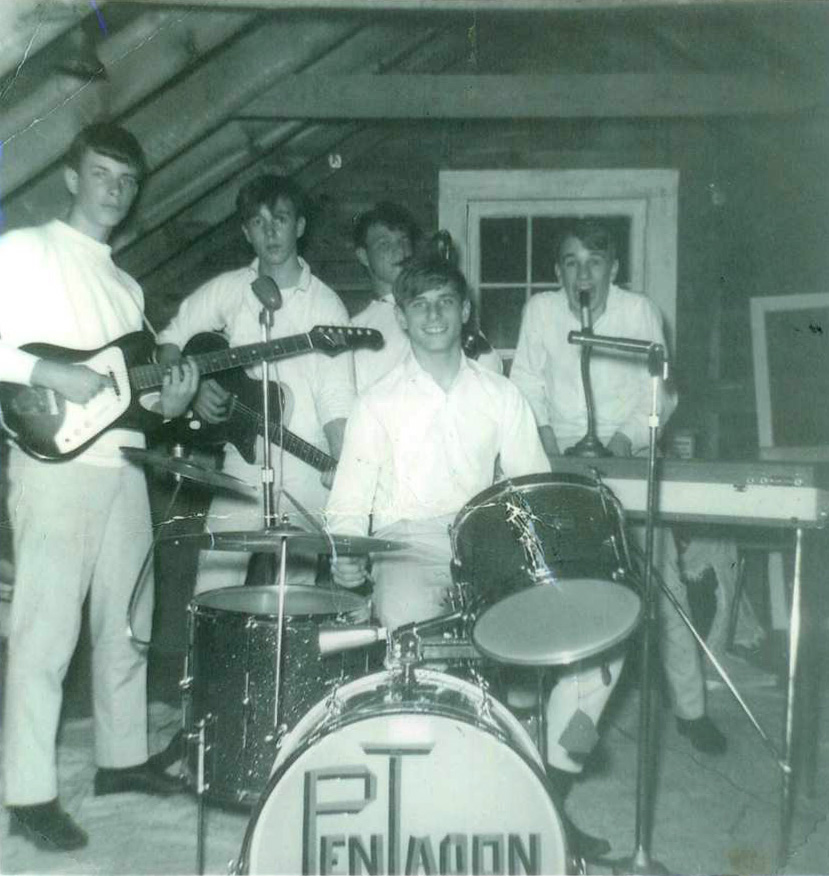
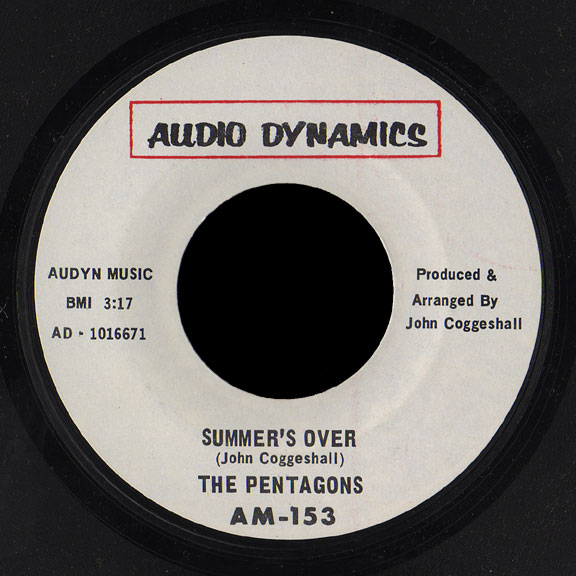
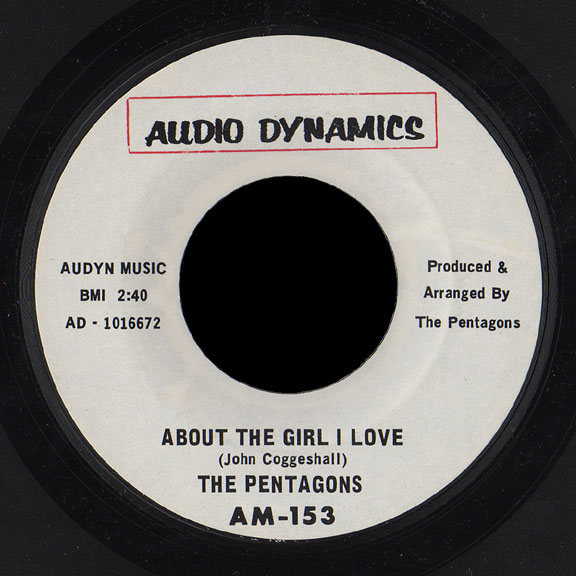
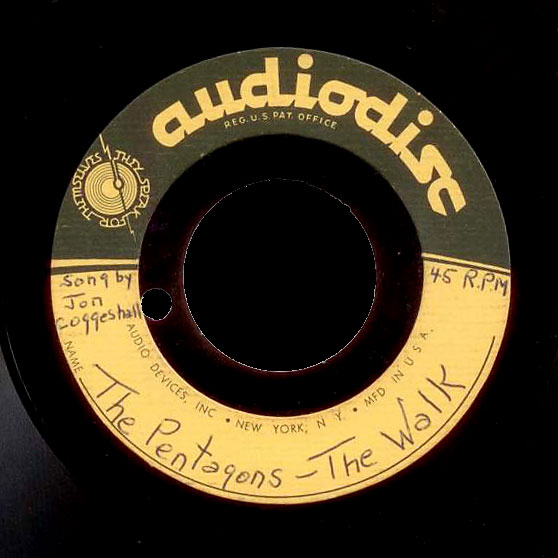
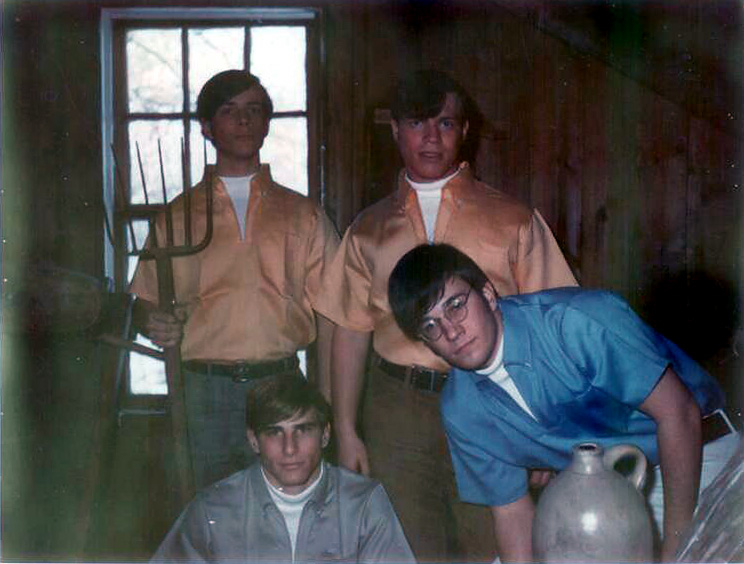
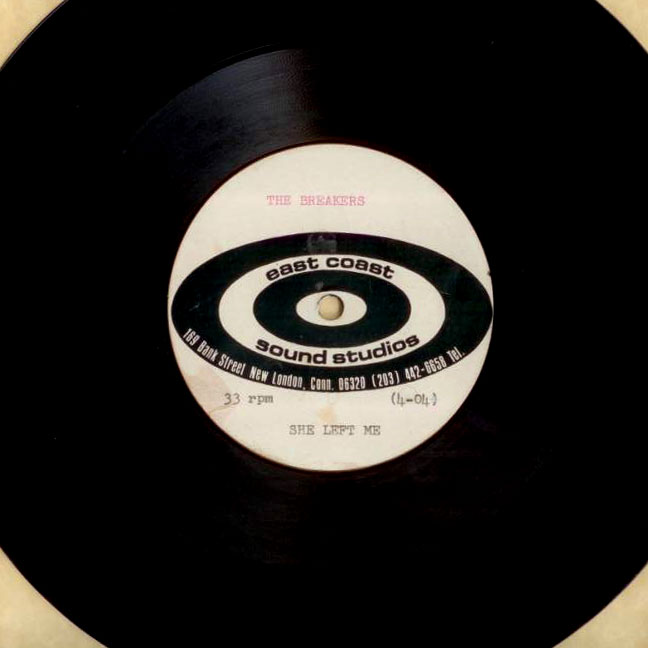
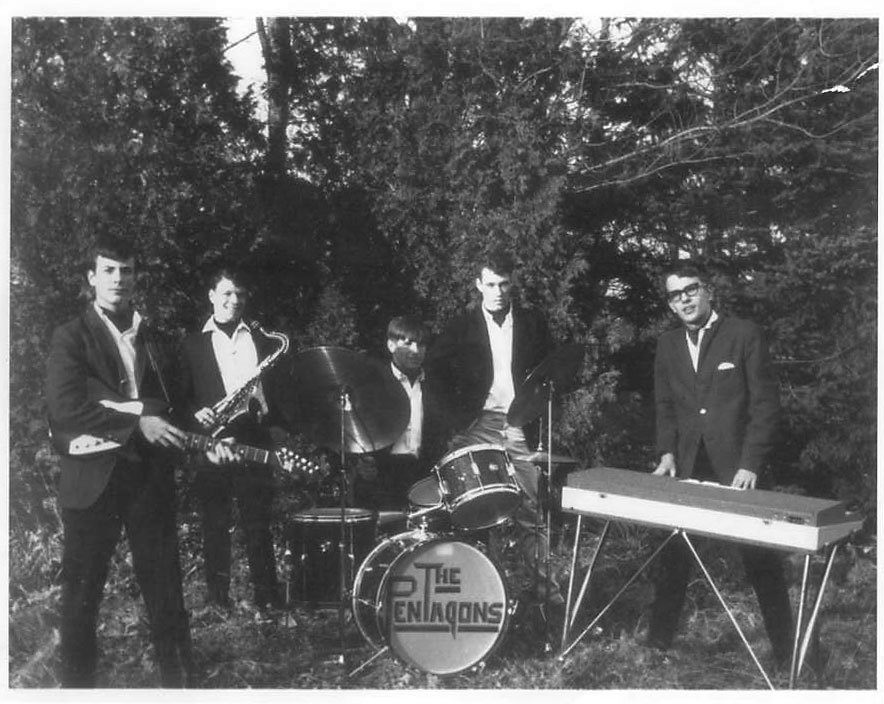
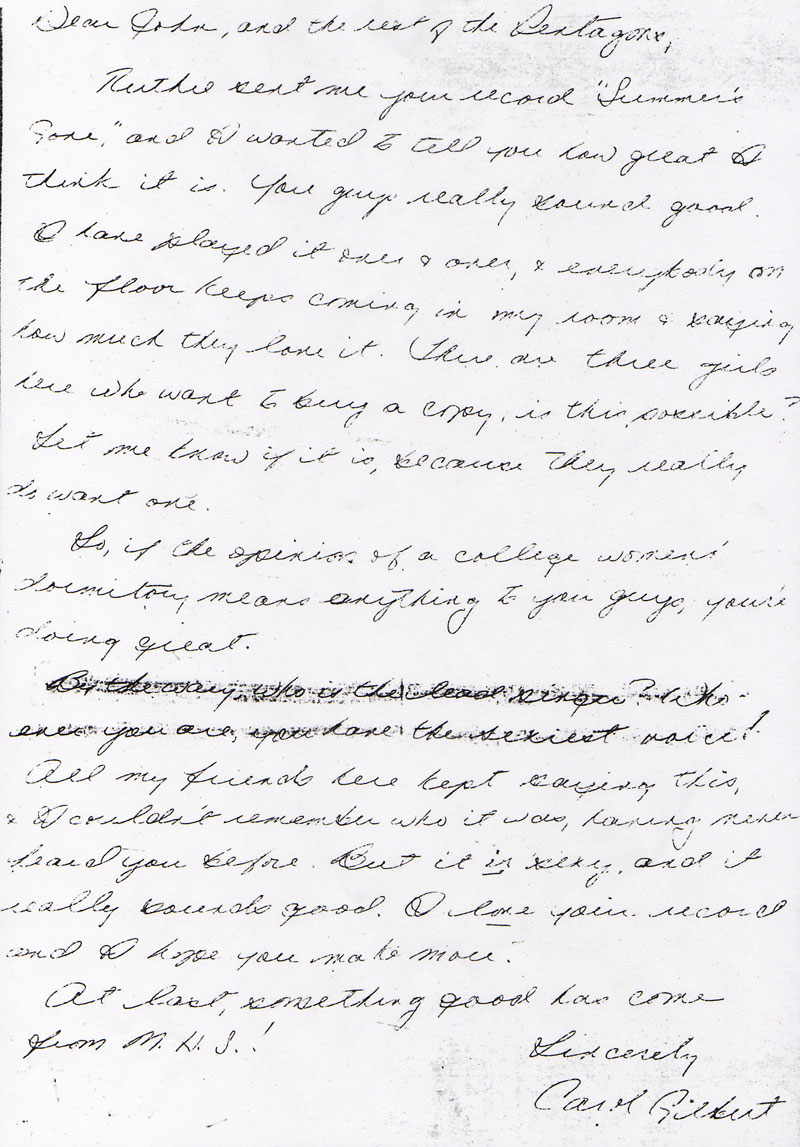
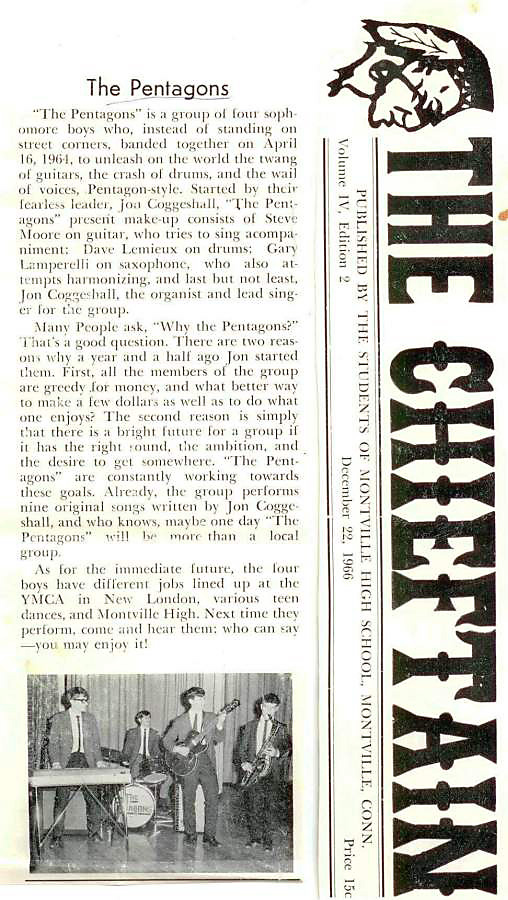
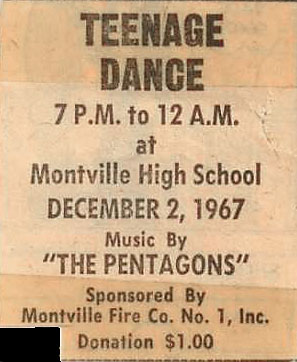
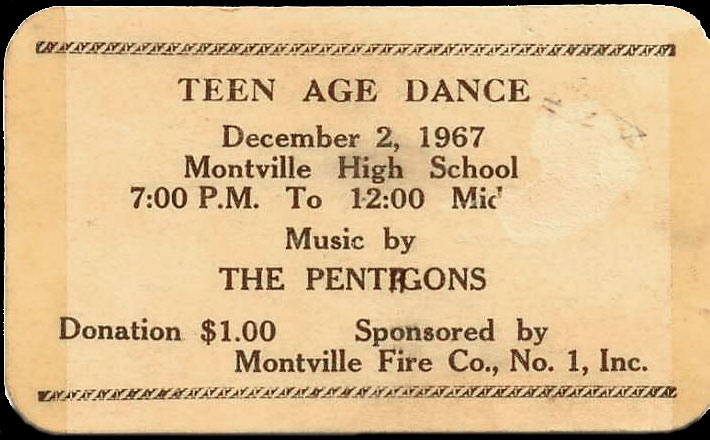
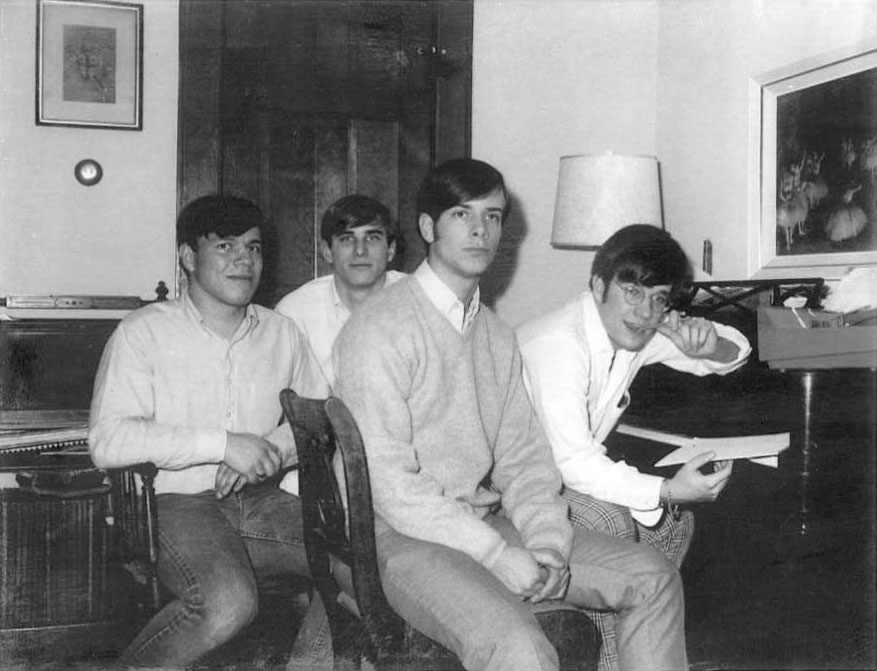
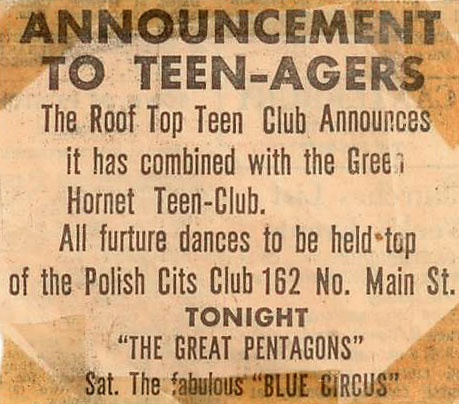
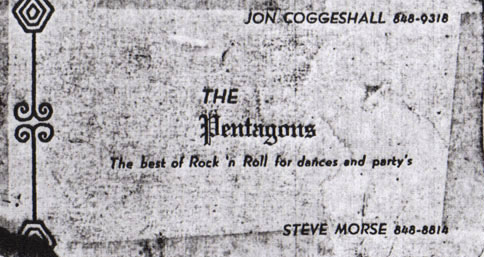
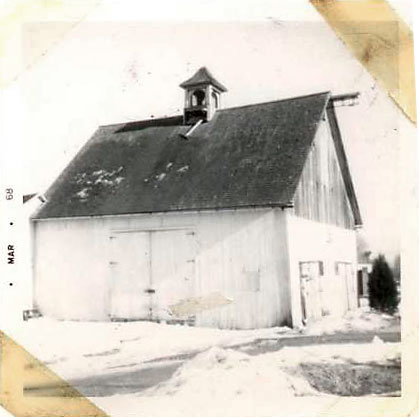
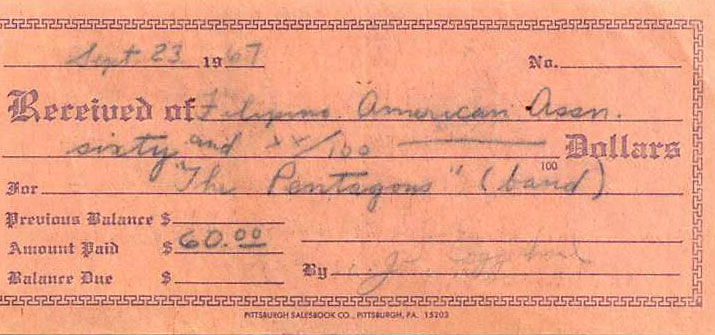
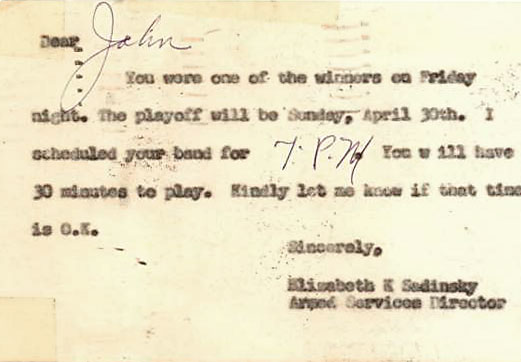
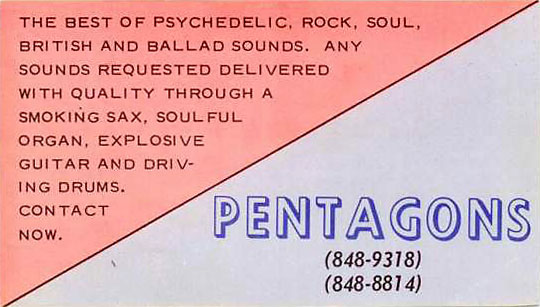
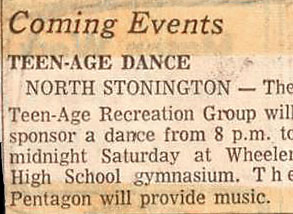
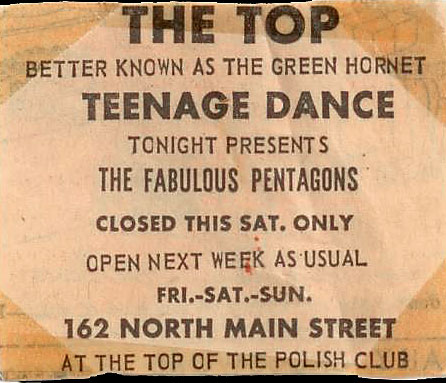
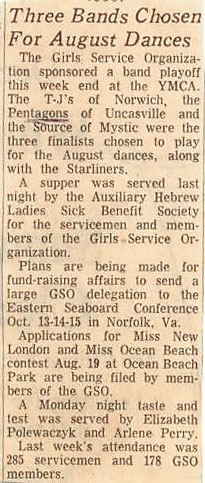
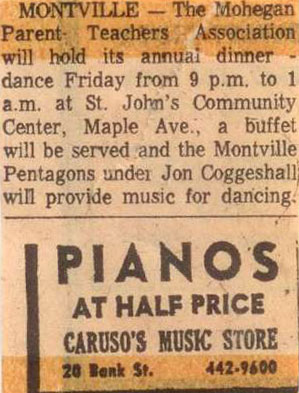
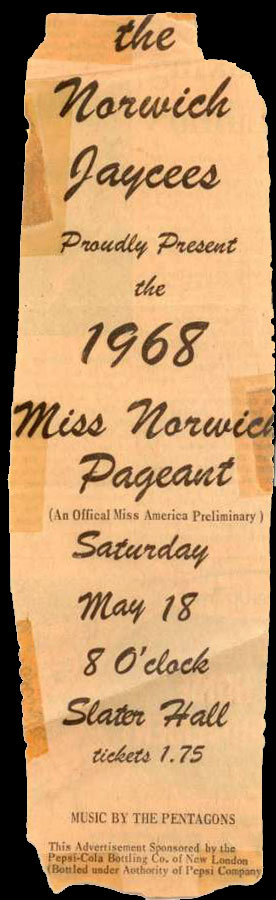
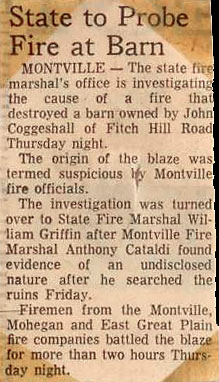
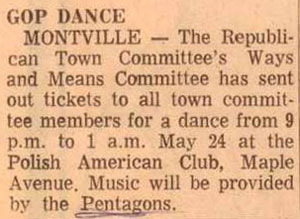
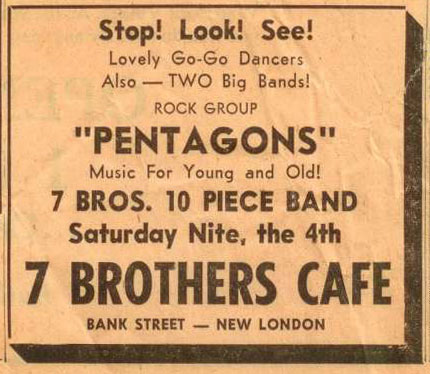
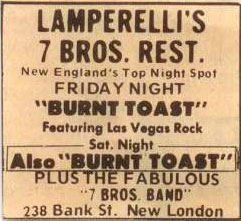
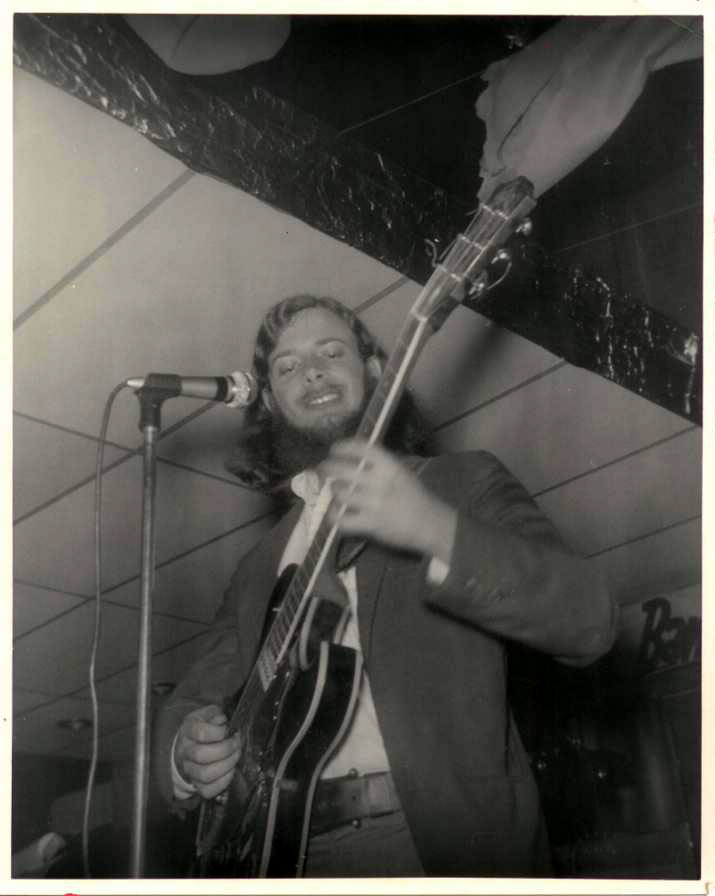
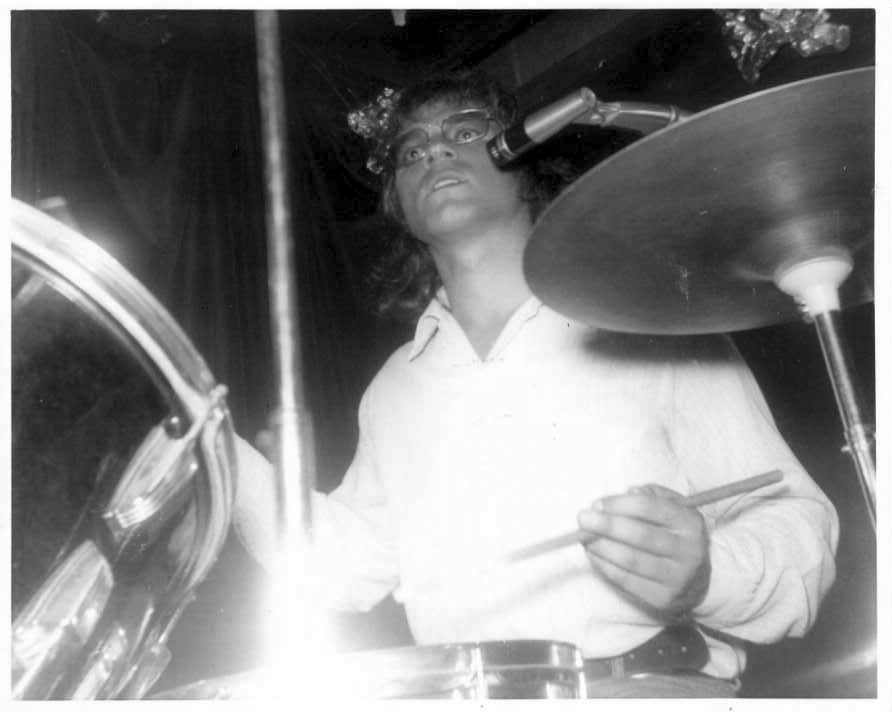
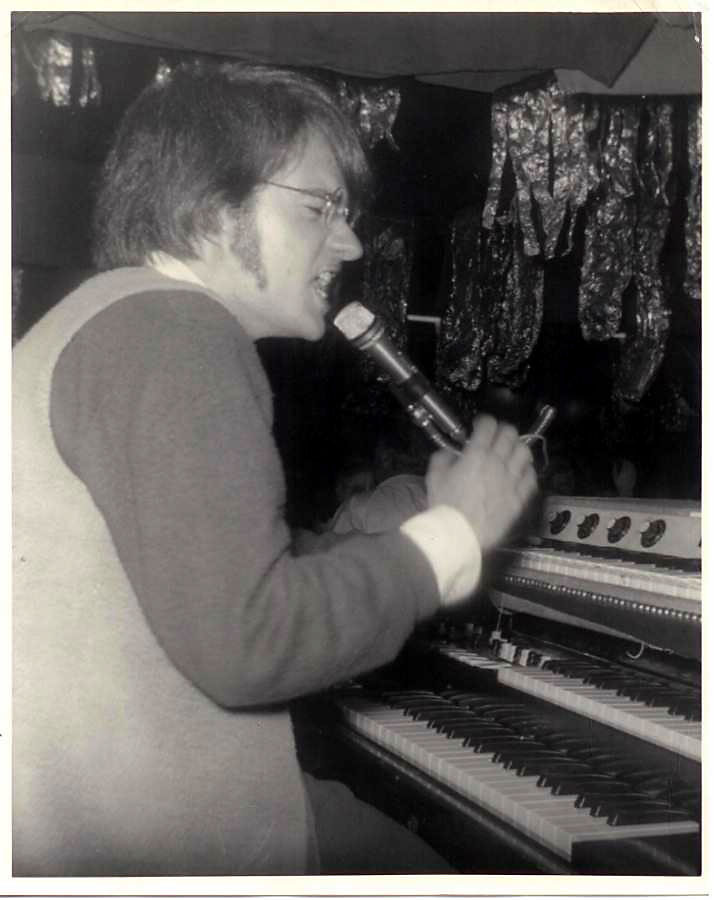
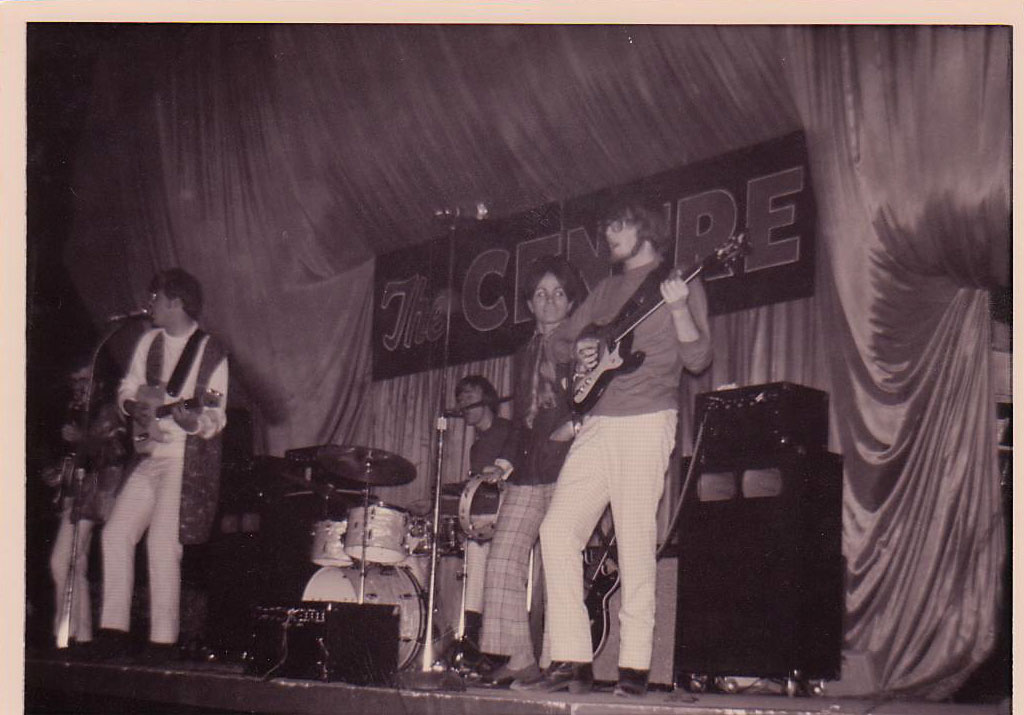
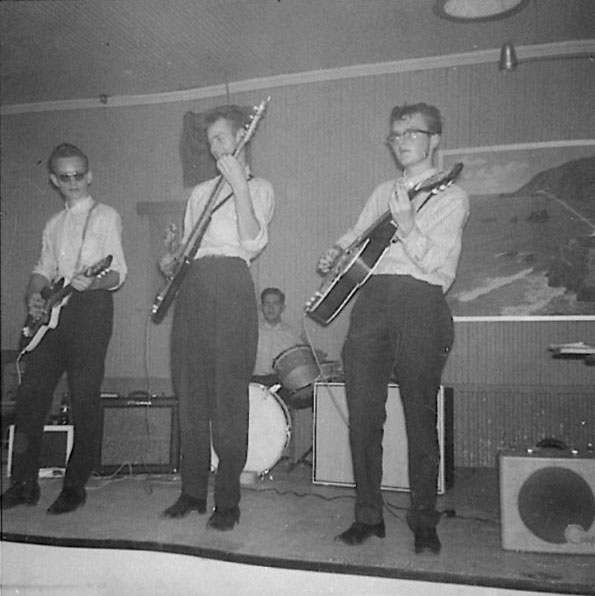
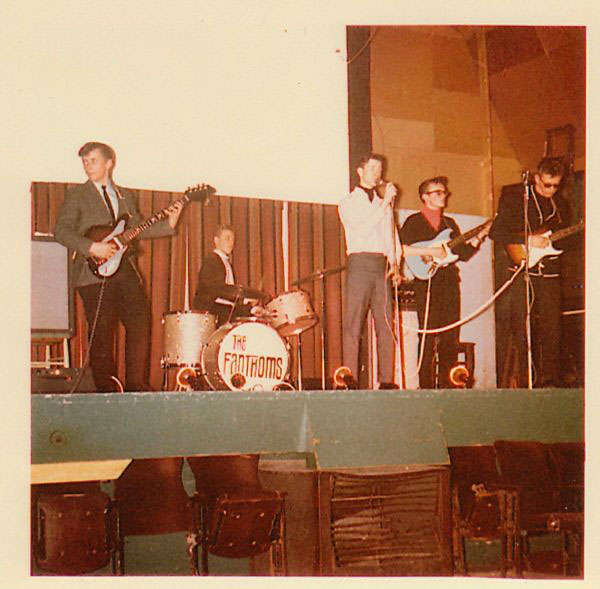
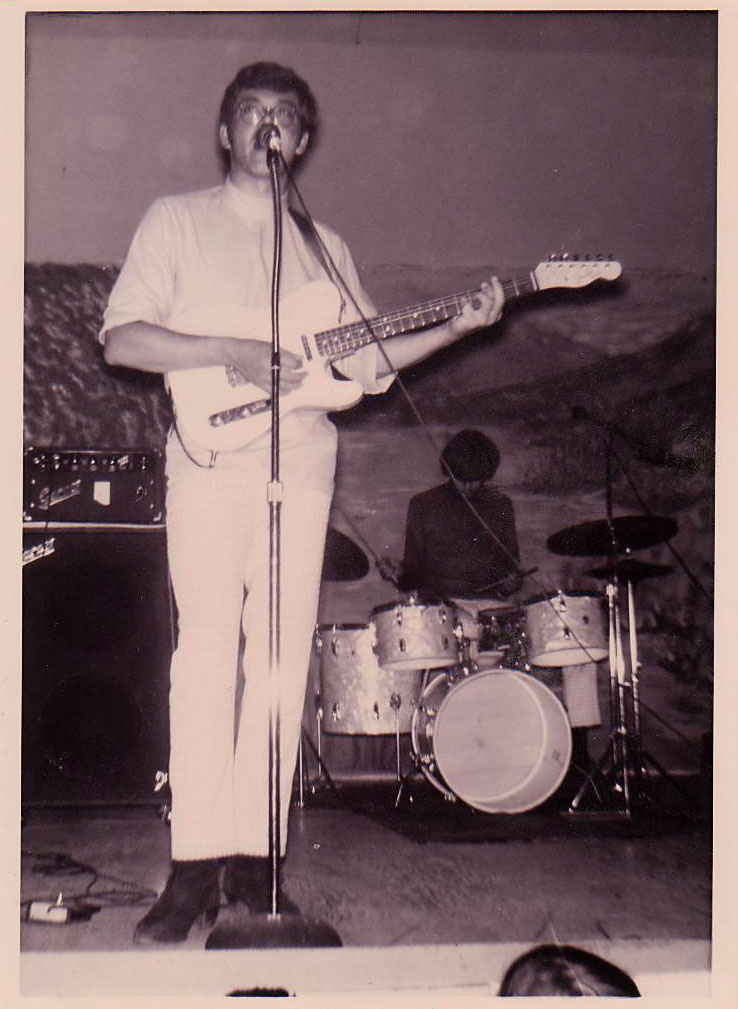
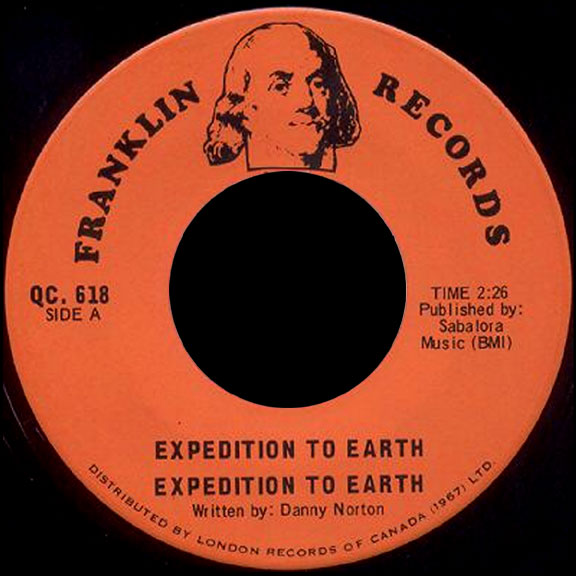
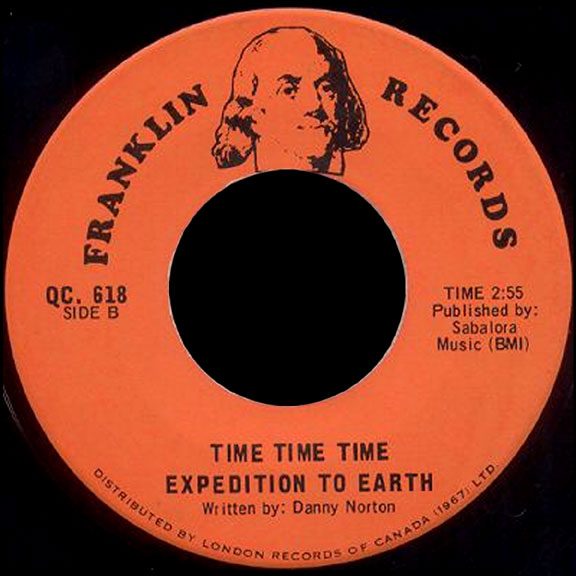
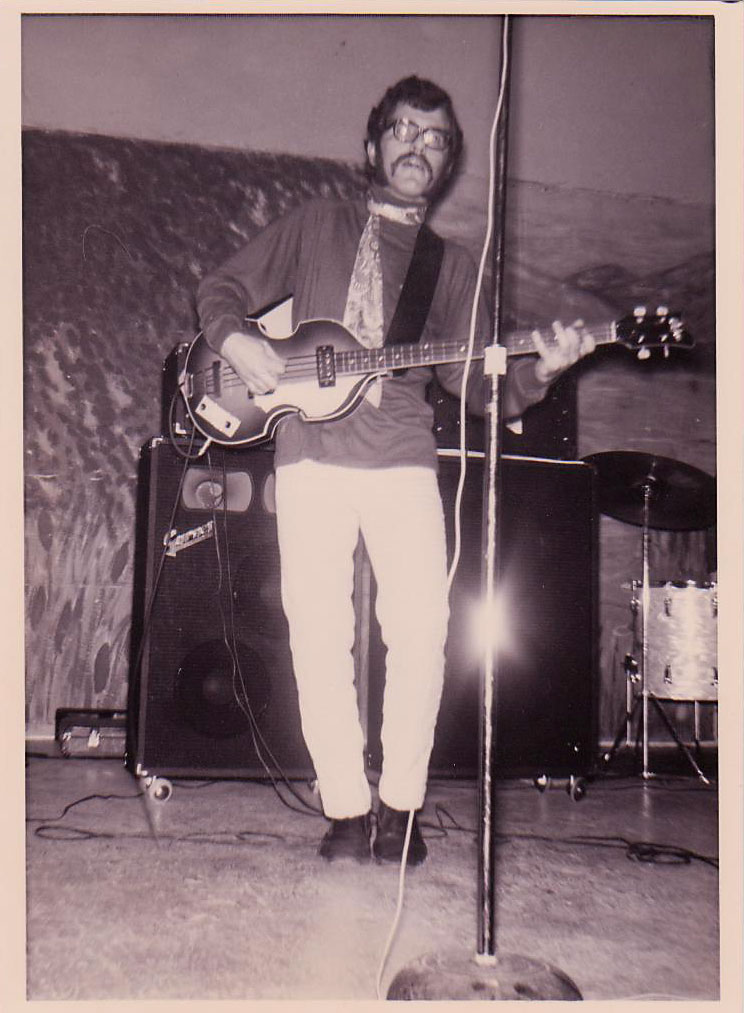
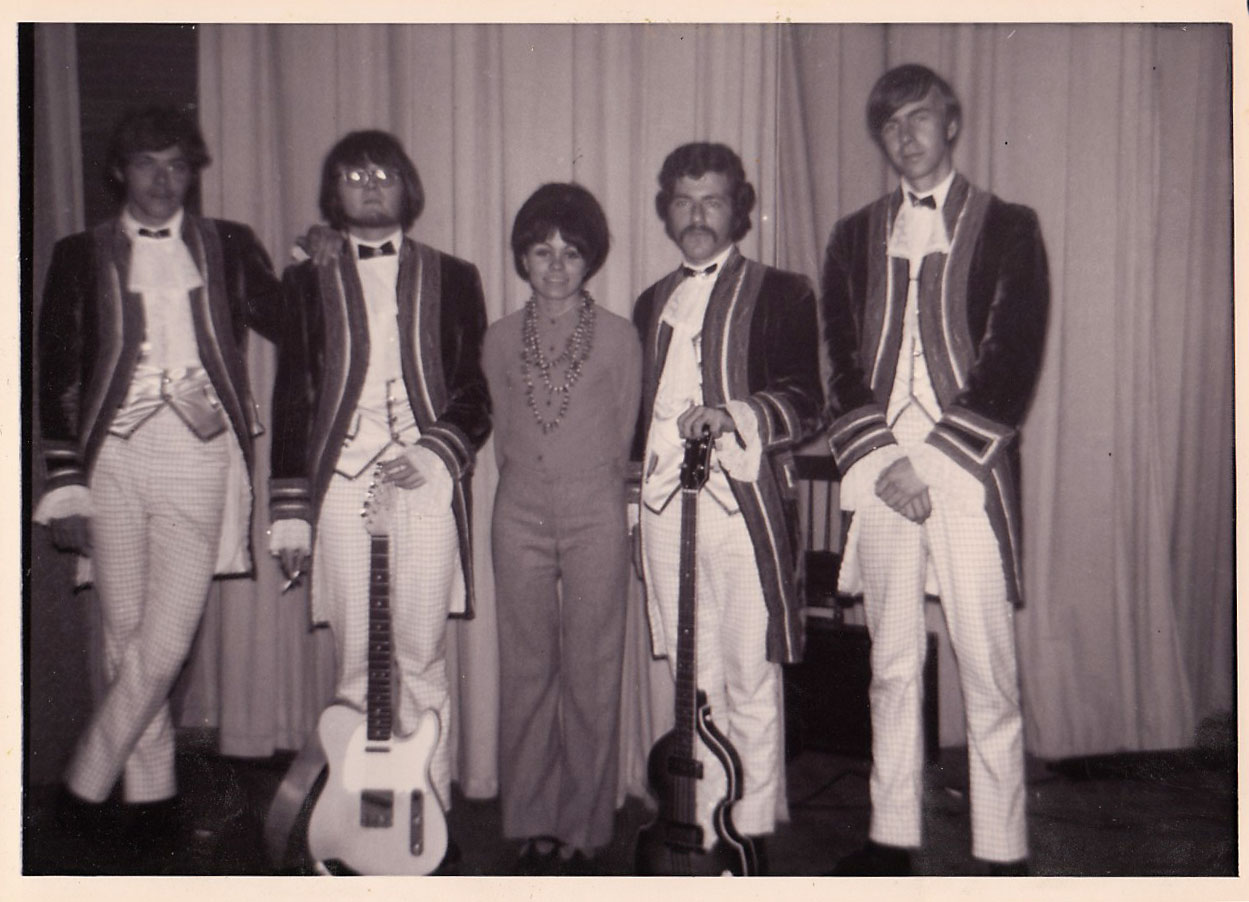
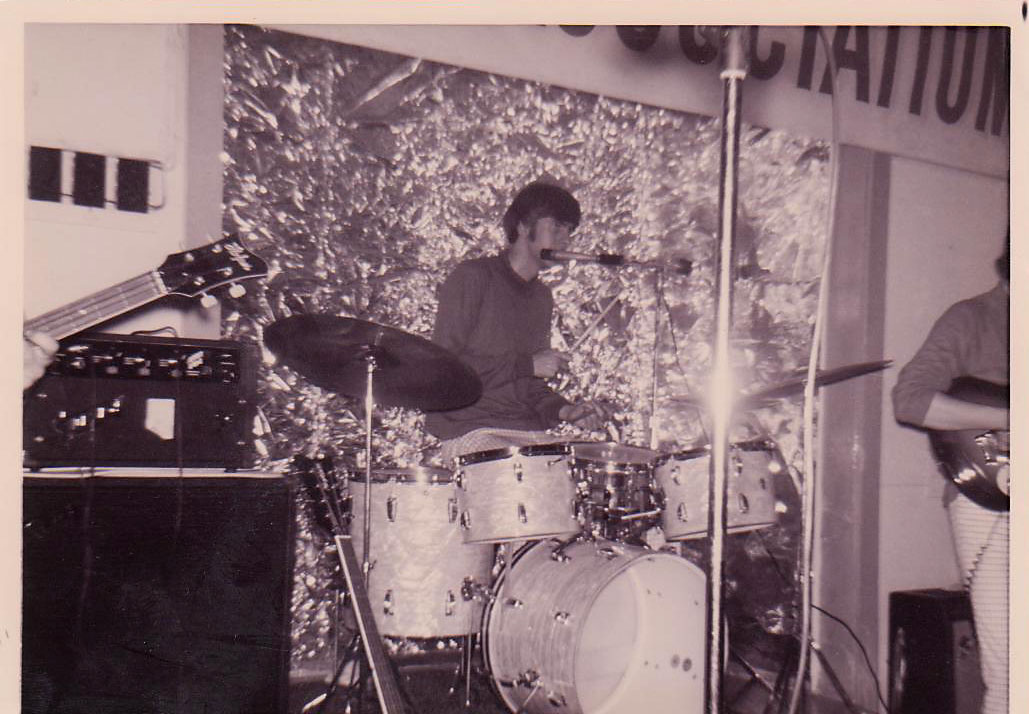
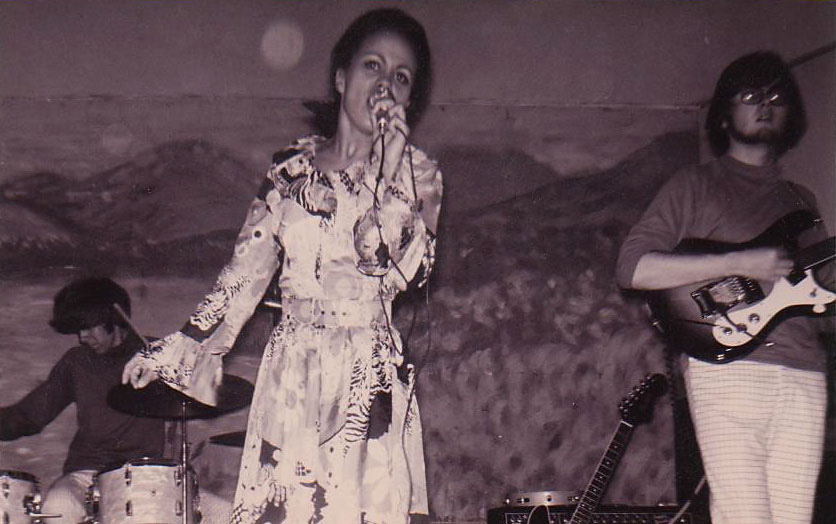
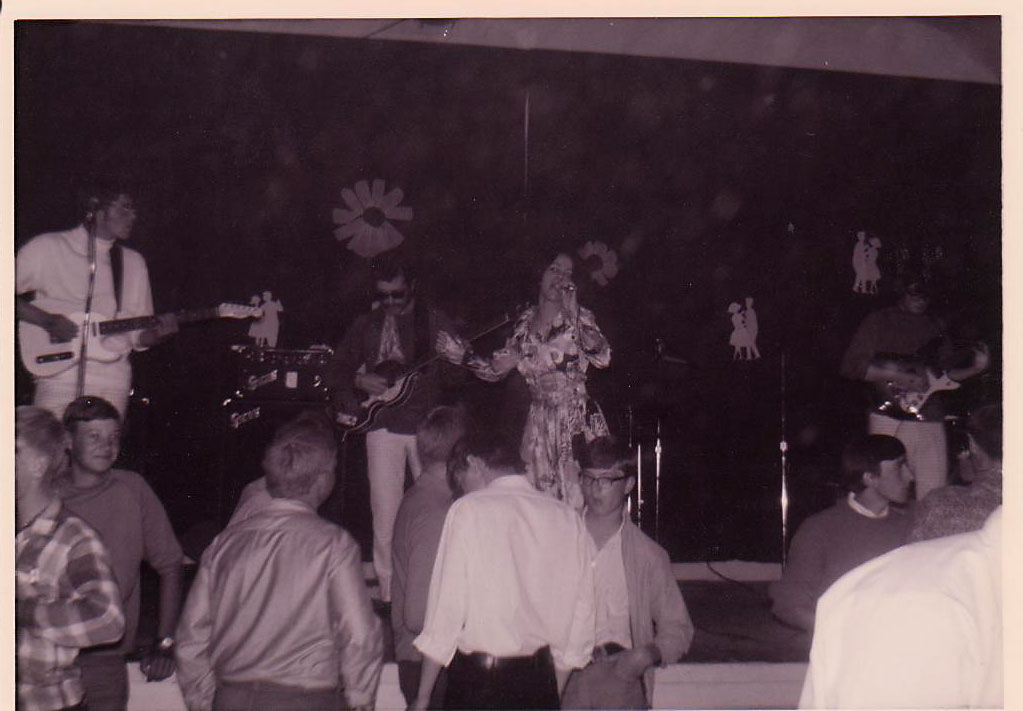
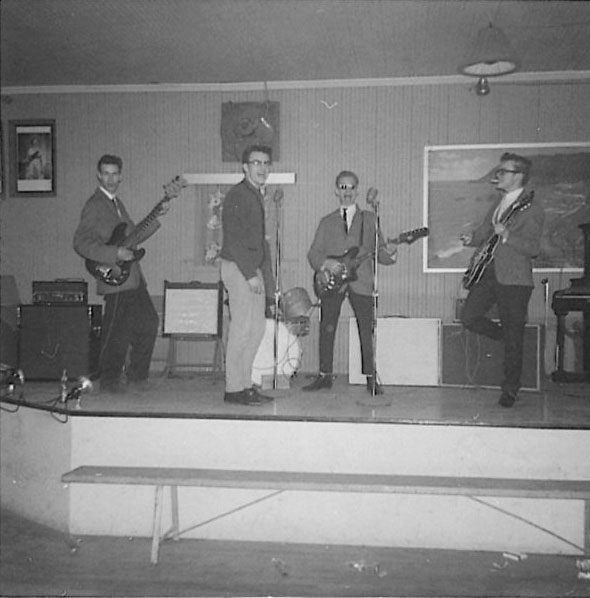
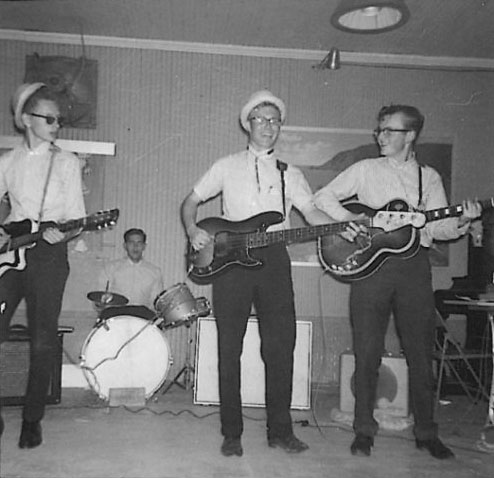
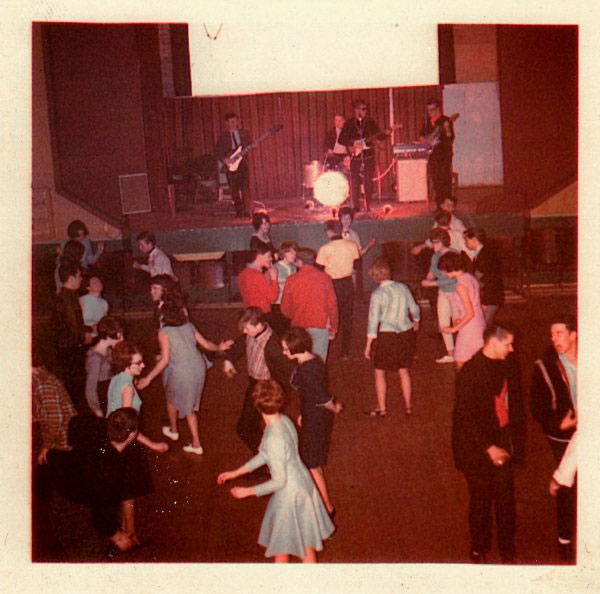
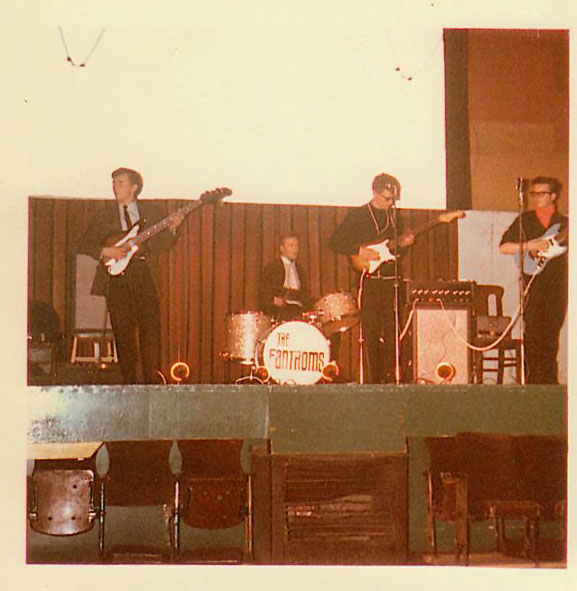
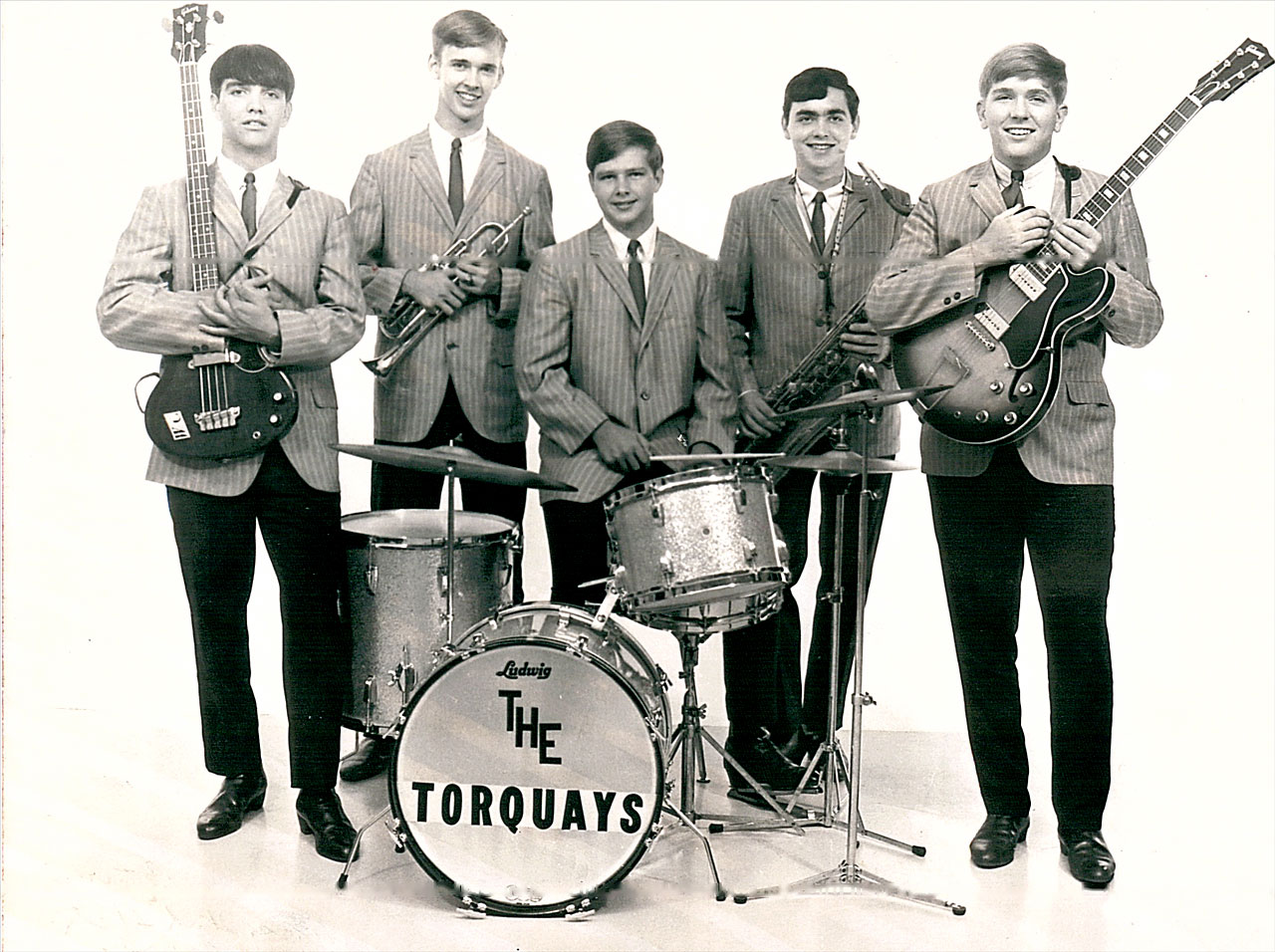
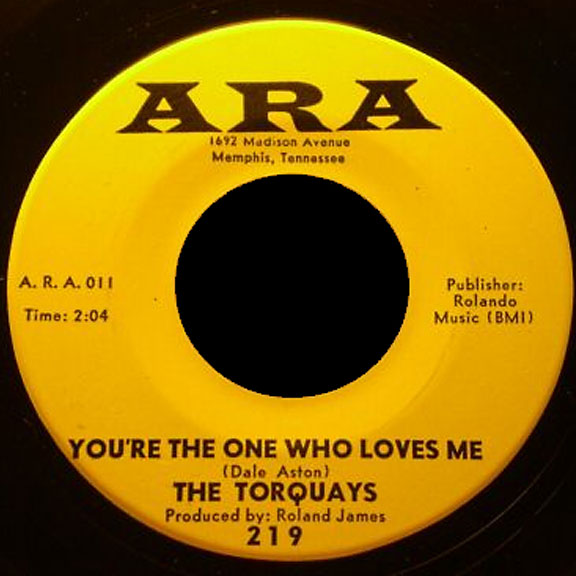
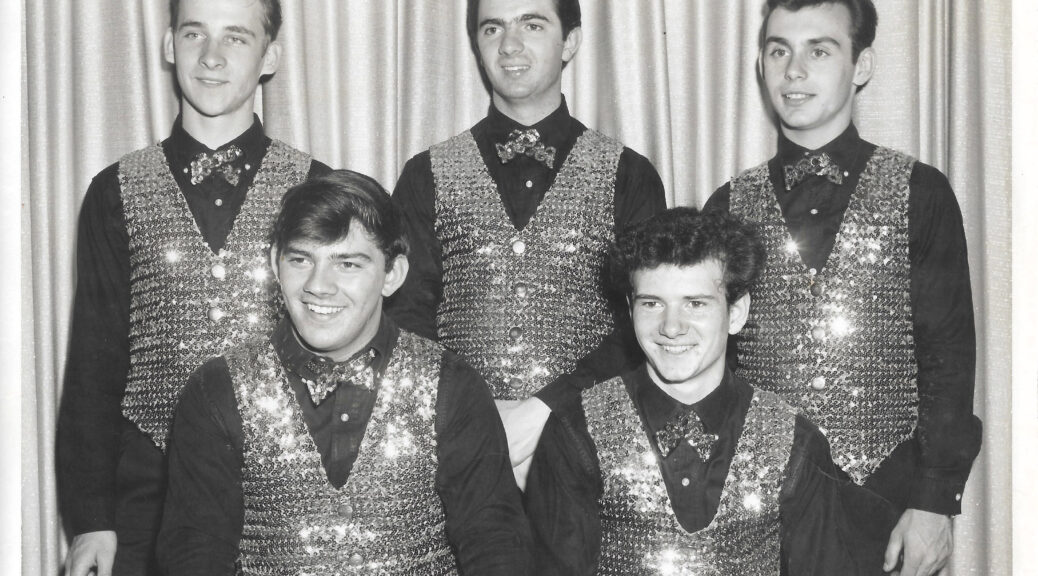
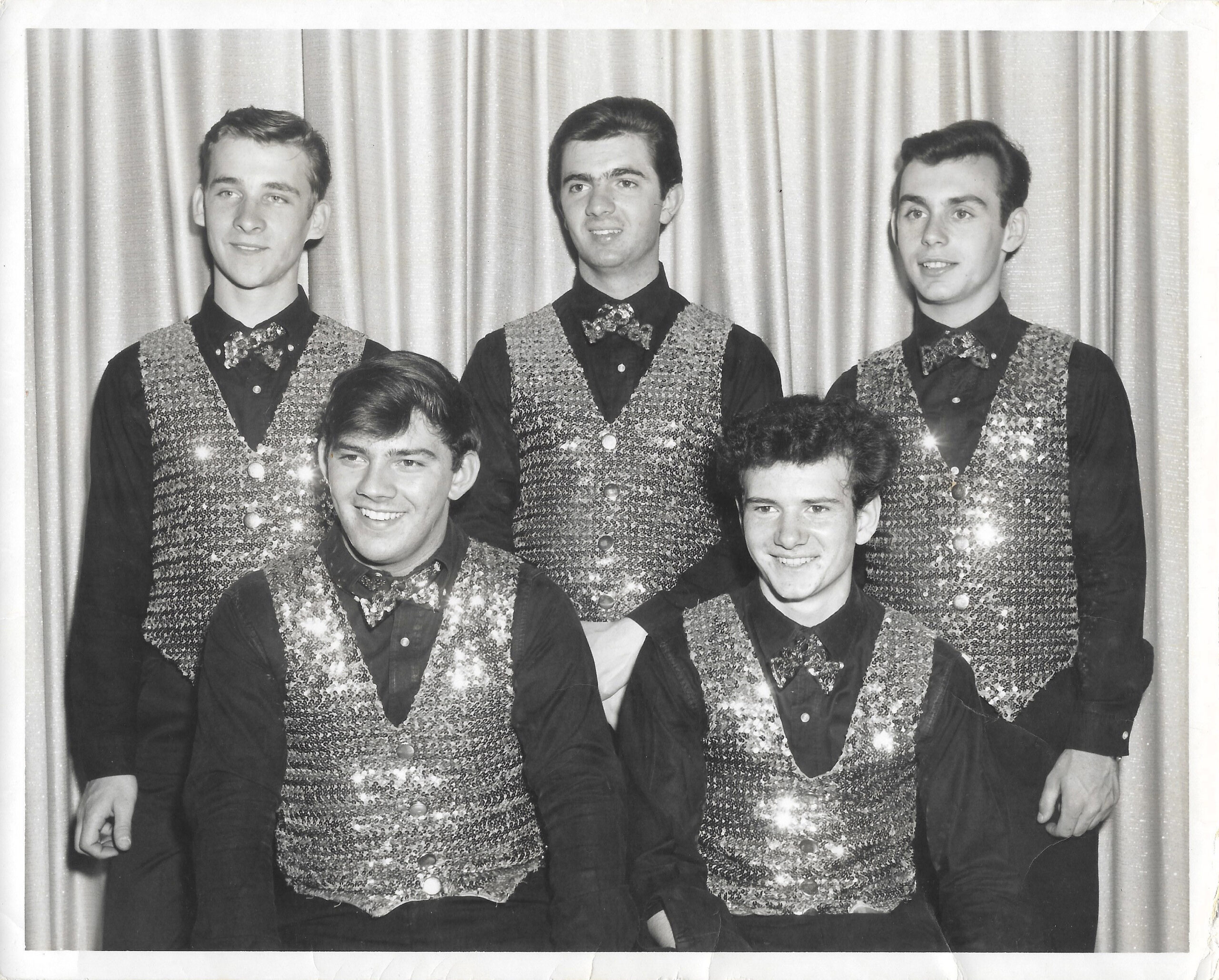
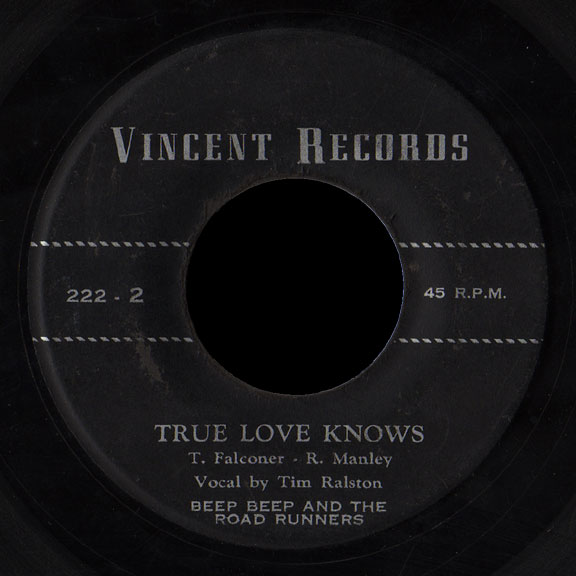 Beep Beep and the Road Runners formed in Worcester, Massachusetts in 1962 when the members were only adolescents 10 to 12 years old. Originally they were a quartet: Tom Falconer on bass and vocals, Ron Manley lead guitarist, Louie Dansereau played rhythm guitar and Donny Ouellette drums and vocals.
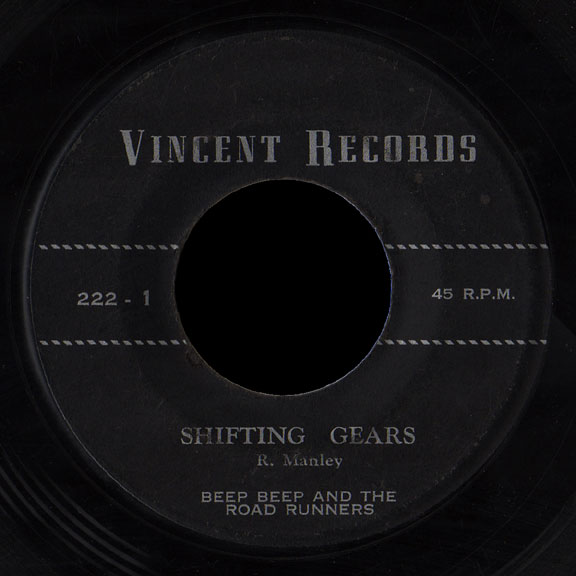 As for the ‘Beep Beep’ in their band name, Tom said that it did not refer to any particular member – “There was never a Beep Beep”. Don Ouellette says he was ‘Beep Beep’ but the band kept that secret from the public for a long time.
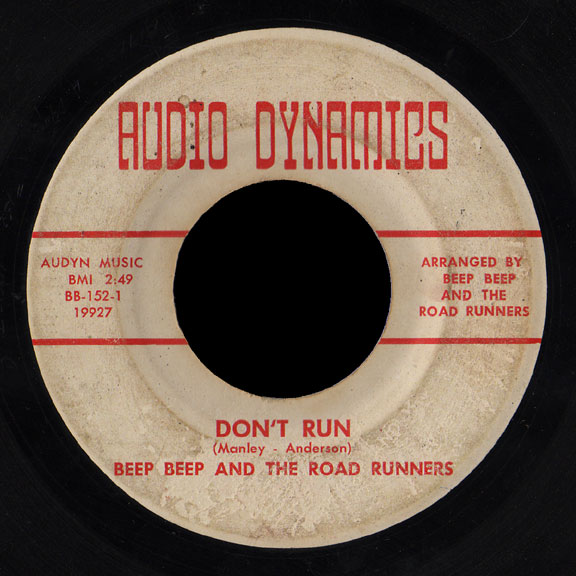 “True Love Knows” was a hit locally, staying at #1 spot on the charts of WORC, 1310 AM. The band’s manager Ray Bonin knew WORC station owner Bob Beyer well. In return for airplay the band appeared at many WORC events, including an opening of a Bradlees store in White City.
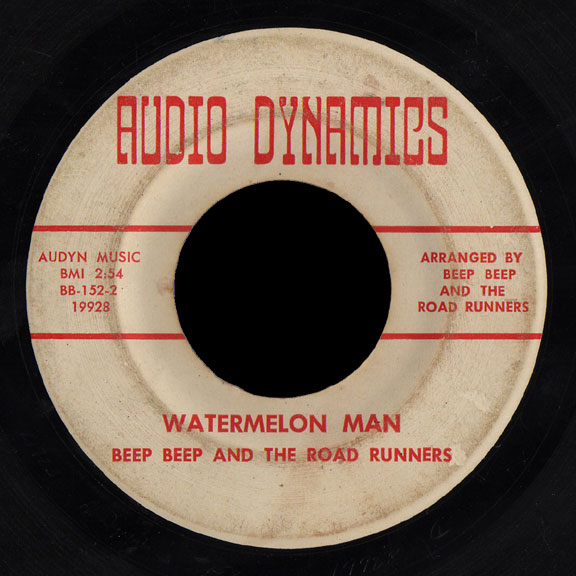 A third 45, “Do You Remember the Way We Started” was recorded but not released. The band added horns and became the Lundon Fog with Barry Wilson on vocals then broke up in 1973.