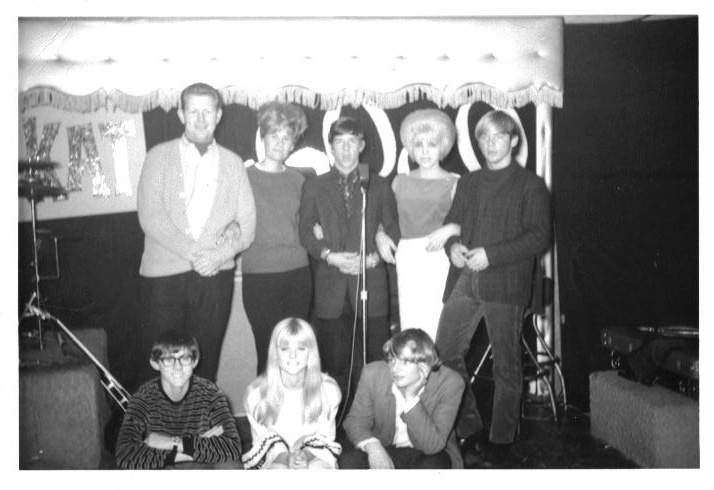
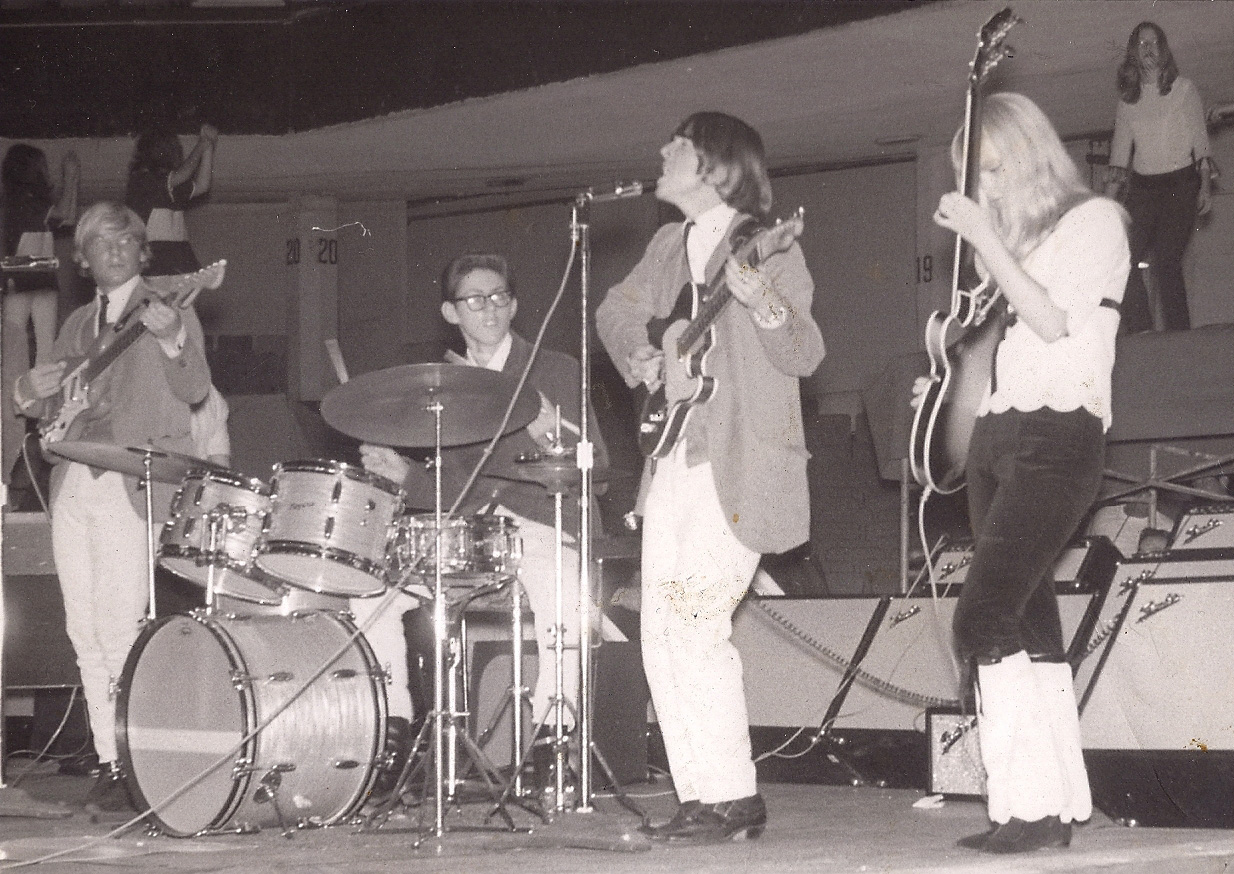
Oglethorp and Othellow (sic), from left: Greg Carlock, Don Bearup and Dick Dean“A photo of my first band, The Fade-Aways, taken in 1965. From left: Greg Carlock (Othelow), lead singer David Brownback, Donnie Bearup (Oglethorp), and me. Drummer Jim Lowe was not present. That Stratocaster was my first real guitar, cherry red. Greg’s was a Guild.”
Last week I wrote about Van Recording of south Texas. For some odd reason, at least five singles on Van released between 1965-1967 were produced in Taylorville, Illinois, close to 1,000 miles northeast of Angleton TX, the base for the Van label.
Richard Dean played bass on one of those records, “Please Don’t Go Away” and “I’ll Still Love You” by Oglethorp and Othelow. We may never know how these recordings ended up on Van, but Richard provides a detailed account of the music scene in the area just south and east of Springfield, Illinois during the mid-60s:
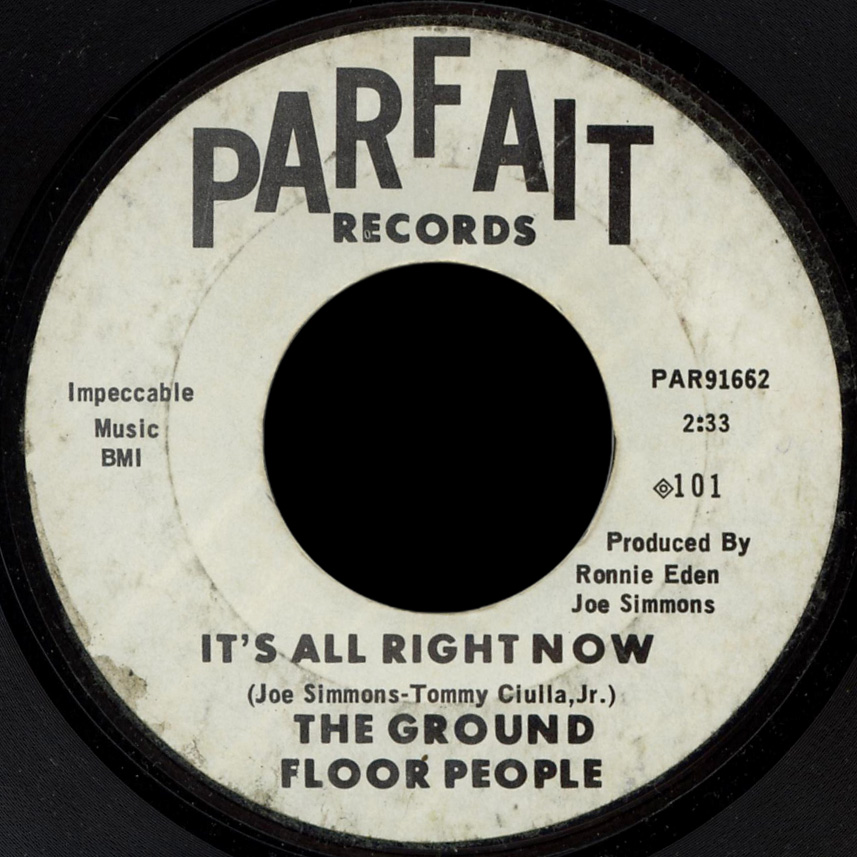
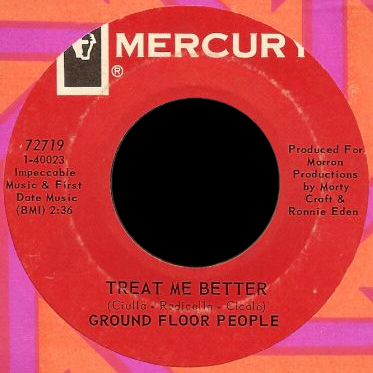
Oglethorp was Donnie Bearup, age 17, on lead vocals and rhythm acoustic guitar. Othelow was Greg Carlock, age 17, on harmony vocals and lead acoustic guitar. I, Richard Dean, age 16, played stand-up bass. Mick Presnell, age 16, and not a member of the group, played percussion (two Coke bottles on “Please Don’t Go Away”, a salt shaker filled with gravel on “I’ll Still Love You”). I’ve always remembered it [the spelling of the group’s name] as Oglethorpe and Othello. I think Donnie was a distant relative of James Oglethorpe, who founded Georgia, and I have no idea where the Othelow came from, other than Shakespeare.
Donnie Bearup and Deb Lynch during the Fade-Aways era, 1966
Oglethorp and Othelow were supposed to be folk singers, but most of our songs were Everly Brothers, Beatles, oldies, and some current hits. We were an acoustic group and couldn’t play for dances, but we made three TV appearances (two in Decatur and one in Champaign) and we were on Oscar Wells Sunday morning radio show on WTIM many times. Donnie and Greg had that incredibly close harmony like the Everlys and John and Paul.I was told to show up at the American Legion Hall one summer evening of 1966, and that was where I met Oscar Wells. I think Oglethorp and Othelow’s connection to him probably came through Donnie Bearup’s mother, who did a lot to promote the group. Sometimes local country artists performed on his radio show and that is probably where Donnie’s mother heard of him. I had never heard of him before we recorded. I assumed he owned Van Records and that it was a local Taylorville label. If there was a contract it was only for that record. He paid for the record. We performed for free, I never made a single penny playing with Oglethorp and Othelow, though we were very successful as far as performing went.
with the second place trophy at the State Fair from left: Don Bearup, Richard Dean and Greg Carlock
I remember Oscar Wells as a tall, thin, pale, almost cadaverous-looking, man who seemed ancient to me at the time, but was probably in his 50s. He had a very flat nasal voice and mumbled and said “uh” a lot on his radio show, not a radio voice or a radio personality. He had a very nice Ampex tape recorder, too big to be lugging around in his car, but it was portable.We did take after take of “I’ll Still Love You” and it was almost always a failure of the recorder or the tape itself that meant we had to re-do it. I would estimate we did as many as 30 takes, and even the one that was used had a flub in it. Oscar Wells was very patient, didn’t contribute anything to the music, just let us do what we did. I think he was most interested in recording my friend Mick on the Coke bottles on “Please Don’t Go Away”, there was a lot of natural echo on it and it took awhile to get the sound right. I think we may have done three takes on “Please Don’t Go Away”, it was intended to be a quick B-side, but it was the side that got airplay and that everyone loved. Donnie Bearup wrote both songs. Greg’s guitar was so out-of-tune on “Please Don’t Go Away”, but such a great punkish guitar solo, and acoustic! By the time we recorded that we had spent 2 or 3 hours on “I’ll Still Love You”, and we were just getting to a B-side. If we had known “Please Don’t Go Away” would become the A-side I’m sure we would have tuned-up!
If I remember correctly, Oscar Wells had 300 or 500 copies of “Please Don’t Go Away” / “I’ll Still Love You” pressed. We were getting daily airplay on the Taylorville and Decatur radio stations and he sold all of the copies very quickly, I’m sure he thought he was on his way to the big time. Then he had another 300 or 500 copies made and I don’t think he sold any of them. That first batch was the limit of Oglethorp and Othelow fans. I remember going to his studio on Sundays and there were boxes and boxes of our record sitting there. I think the major reason why the second batch of records didn’t sell was also because two or three weeks went by before they were delivered and by then we were no longer receiving airplay in Taylorville and Decatur. I seem to recall Oscar complaining about not having any records to sell. Then when they arrived it was too late.
Oscar Wells’ Sunday morning radio show on WTIM, Taylorville, was called “The Entertainers Bulletin Board”. I think it started at 6:00 or 6:30. Donnie and I played with the Reactions on Saturday nights, often didn’t get home until 1:00 or 2:00 AM, then had to get up about 5:00 to drive the 17 miles from Pana to Taylorville. Oscar had a great rockabilly version of “Swannee River Rock” as his theme song. Then he would introduce us as “these, uh, boys from Pana are, uh,” and so on. Then Greg Carlock would introduce the songs. Oscar would record the show on his Ampex and afterward we would go to his “studio”, probably where he did most of his recording, a storefront near downtown Taylorville. He had a record-cutting machine. like something that would cut onto wax but these were very heavy brittle plastic, and he would make one copy of the show for us. That was our pay. I received each third one. I kept one of them for many years, it eventually shattered during a move, but I did get it on a cassette tape, with so much static it is almost unlistenable. At the end of the show he played a song he had recently produced by a woman country singer, [Pauletta Leeman – “Little Bit” which was backed with “You’re Make A Fool Out Of Me”, released on Sims 309 in 1966], a very nice song. I found, on-line, that Oscar J. Wells died in 1984, at 71.
Oglethorp & Othelow on Oscar Wells’ show The Entertainers Bulletin Board on WTIM, November 13, 1966:
“English Moon” would have been the second single, with, maybe, “And She Went Away” as the B-side. I’m not sure. I know we had big hopes for “English Moon”.
A story I love to tell about Oglethorp and Othelow: one Saturday, in the spring of 1967, we performed for the Future Homemakers of America convention in Pana High School auditorium. There were several hundred girls there and they Beatled us, screaming and throwing things onstage. It was amazing. We signed autographs for awhile afterward, then had to leave to play a strip mall opening in Decatur. We performed on the back of a flatbed truck and our entire audience consisted of three about-12-year-old very bored boys. That’s showbiz!
Another story: one morning in the summer of 1967 I was hanging out in downtown Pana and Donnie and Greg drove by, saw me, and stopped and said they were going to the Illinois State Fair, in Springfield, to perform in the battle of the bands (acoustic or vocal group, not electric). They were just doing it because they could get into the fair for free. We went to my house and grabbed my stand-up bass and took off. We were wearing jeans and t-shirts, I had on a pair of brown jeans. We did ten minutes or so, mostly Everly Brothers and Beatles, then enjoyed the fair. When we went back to find out who won, we discovered we had finished second. The winners were a vocal quartet of frat boys from Eastern Illinois University, dressed in blazers and ties, singing like the Lettermen or the Four Freshmen. They got to open for Paul Revere and the Raiders that evening, in front of about 12,000 people. If only we had dressed better, been a little more professional, but we hadn’t taken it seriously. After the concert, we spent an hour or so having burgers with Freddy Weller, Raiders’ lead guitarist. When I got home, about 2:00 AM, and tried to explain to my mother what my day had been like, she wouldn’t believe me!
We were on TV three times. Twice on Davy Jones’ Locker, an afternoon kids’ cartoon show on WAND, Decatur, that sometimes had live local talent. It was embarrassing to be on a kids show, the host dressed as a pirate, but it was TV! We were also on The Hop, a Saturday afternoon American Bandstand-style show on WCIA, Champaign, that in 1967 was still using Danny and the Juniors’ “At the Hop” as its theme song. We had recorded what was going to be our second single, probably not on Van Records, in a garage studio in Sullivan, Illinois, but the tape wasn’t playable on standard tape recorders, so we had re-recorded the two songs at Greg’s aunt’s house on a tape recorder that allowed over-dubbing. Donnie sang lead and played electric bass and rhythm, Greg sang harmony twice and played lead, and I played organ and piano. As we were getting ready to lip-sync Donnie told me I should fake the extra harmony and I realized I didn’t know the words, nor did I know his bass part. And there had been a big thunderstorm just as we had arrived at the studio, we had to walk through a foot of water in the parkinglot, and I had taken off my wet Beatle boots and socks and performed barefoot. I was told the camera kept showing close-ups of my feet! The second record was never released.
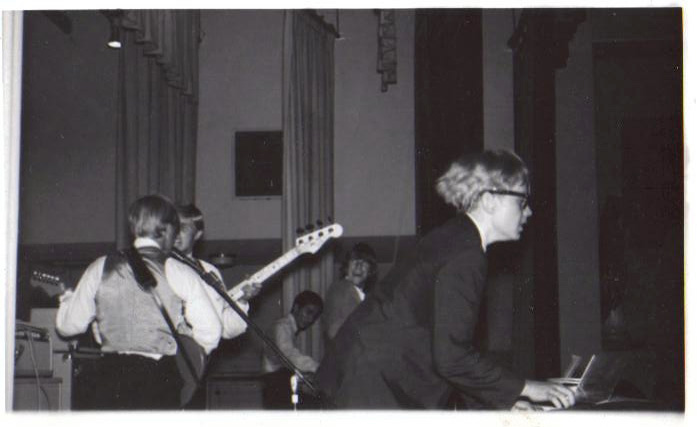
‘The Re-Actions’, from left: Dick Dean (bass), Steve Westoff (rhythm guitar), Butch Hartel (drums), Monte McDermith (lead guitar) and kneeling, Vince Slagel (organ). Not pictured, lead singer Donnie Bearup
A little about the music scene in Central Illinois in the 60s:
After the Beatles arrived, in February, 1964, it seemed that every teenage boy wanted to play in a band and I was one of them. Pana had a teen center and dances with live bands every Saturday night. Even smaller towns, like Nokomis and Assumption, had regular dances, and tiny towns, like Witt (pop. about 300) had dances at least once a month. The Fade-Aways, in 1965-66, didn’t work every weekend but we played frequently, and made money doing it. Pana, pop. 6000 or so, supported two rock bands, us and Comyk Book. Assumption had The Bluetones. Morrisonville, Dave and the Detomics. Nokomis, later, the Reactions. The summer of 1967, the Reactions worked three or four nights a week, putting on our own dances in the Morrisonville park on Thursdays, when there was nothing else going on, and splitting all of the money.
My favorite band, right after the Beatles arrived and the Pana Teen Center began having weekly dances, was the Classics, a six-piece band from Decatur, four white guys with two black singers, lots of great rock and roll and r&b. Then the Sting Rays, from Springfield.
Dave and the Detomics were several years older than me. As I remember them, they were a rockabilly crew that got on the British Invasion bandwagon, and they were pretty good when it came to rockers, not so good on melodies. When they played at the Pana Teen Center, many times in about 1965-66, they didn’t get much of a crowd. But I do remember they could rock, they had that garage band sound. My first band, The Fade-Aways, of which Donnie and Greg were members, also had that sound, just bashing it out, lots of energy.
I didn’t know Dave and the Detomics recorded for Van. When they broke up, in the fall of 1966, they became the Reactions. Donnie was the lead singer, I played electric bass. Monte McDermitt, former bass player for the Detomics, became the band leader and sang and played lead. Vince Slagel, also a Detomic, was on keyboards (Farfisa organ). Butch Hartel played drums. Steve Westoff was on rhythm guitar. The band was based in Nokomis, Illinois, though Donnie and I were from Pana and Butch and Steve from Litchfield. We never recorded, but we were very popular throughout 1967.
I don’t recall the Embalmers, but the Sting Rays were a favorite of mine. I’m pretty sure they were based in Springfield, Illinois. They were absolute pros, tight and solid, with a great drummer. When I was old enough to drive, in 1966, I would go anywhere around the area to see them. I remember when they washed the grease out of their Elvis pompadours and had Beatle haircuts. I remember seeing them at the Illinois State Fair, at the Teen Fair tent, probably in 1966, and they did a killer version of “Tossin’ and Turnin'”. Very much a guitar group, lots of rockabilly influence.
When I was 17 and could drive, and had a weekend night off when I wasn’t playing, I would drive anywhere to see my favorite group, a five-piece guitar band from Litchfield that did nothing but Stones covers and blues/r&b songs the Stones could have done. They were REO Speedwagon. If you look at their wikipedia page, this version of the group isn’t acknowledged. One Saturday in Taylorville, they were walking off-stage for a break and one of them pointed at me and said, “Reactions’ bassplayer.” I was surprised he knew who I was.
My biggest claim to rock and roll fame was that I was the original bassplayer in Head East, a heavy pop band that formed at Eastern Illinois University in 1969. I was a charter member, when the group was put together by Steve Huston (the drummer) and horn-player Steve Derry. When I showed up for the first rehearsal, it was about a 10 or 12 piece horn band, like Chicago or Blood Sweat and Tears, and I was given a music stand and sheet music. I quit at the end of the first rehearsal, that just wasn’t my idea of rock and roll. Their website doesn’t mention that version of the band.
I continued in music for several years. My last band was a country band, in 1973. I was always more of a lead guitar player, but I had my greatest success on bass.
I tried to track down the Reactions on the Internet. The only one I found was Vince Slagel, who was in the last version of Dave and the Detomics. I live in Denver.
Richard Dean, July 2011
Update: Greg Carlock passed away on December 29, 2019. Mike Choatie sent me the link to his obituary. RIP Othelow.
Thank you to Richard and his sister for the photos and clippings used in this article with the exception of the color photo provided by Donnie Bearup. Thanks also to Tom Fallon and Matt Baker for information on the Kenny Biggs 45.
Early photo of the Ramblers of Birmingham, Highland County Club, December 1961. Left to right in front: Van Veenschoten, Tommy Terrell and Eddie Terrell; in back Johnny Robinson on drums
Back in 1961, the guitar playing Terrell brothers, Tommy and Eddie along with classmate Chris Covey found a junior high school drummer, Johnny Robinson, to play music. It was decided that the eldest brother, Eddie, would be the bass player, and Tommy would play rhythm guitar. Fellow Ramsey High School classmate, Van Veenschoten joined in to round out the group and play lead guitar. The group named themselves The Ramblers, and began playing for high school functions and fraternities and sororities in the Birmingham area. When Eddie Terrell received a tennis scholarship and headed to The University of Alabama, The Ramblers had no trouble in convincing Chris Convey, with the unusual nickname “The Spook,” to take over on the bass.
By mid-1962, The Ramblers were playing weekends regularly in and around Birmingham and cut their first record, “Stop That Twisting” / “Hundred Miles Away”, at Boutwell Recording Studio in Birmingham. Shortly thereafter, guitar player Van Veenschoten met Chip Sanders, a junior at neighboring Shades Valley High School, who was a piano player. The Ramblers auditioned Chip on a Sunday afternoon at Van’s parents home in Mountain Brook, and the nucleus of the group, that would become synonymous with “party band” was established.
An important early performance by The Ramblers at a state-wide Alabama high school Key Club Convention gave the group name recognition throughout the state, and soon The Ramblers of Birmingham were playing in Alabama cities and towns from Huntsville to Mobile. Practicing in a store room in the back of Johnny Robinson’s garage in Mountain Brook, Alabama, or in the basement of the Sanders’ home in Vestavia, The Ramblers were truly the proverbial garage band.
By fall of 1963, it was time for more of The Ramblers to make a decision, music or college! They decided on both, and as Tommy and Spook headed off to the University of Alabama and Johnny and Chip still in high school, the group began playing college fraternity parties at the University of Alabama.
By 1965-1966, The Ramblers were working regularly, primarily at Fraternity Parties around the southeast. Eddie, Tommy, Spook, and Chip had all become members of Pi Kappa Alpha fraternity at The University of Alabama, while Van was at Samford University and Johnny at the University of Montevallo. No longer rehearsing on a regular basis, the guys would meet up whenever and wherever the group might be playing.
In 1967, the group recorded another record at Boutwell Recording Studio, “Come Back, Come Back” / “Whole Lot Of Woman” written by keyboardist, Chip Sanders. The record experienced moderate success in the Alabama area, but college priorities prevented the group from properly promoting the record. Ed Boutwell, Birmingham recording pioneer, continued to use The Ramblers as back up musicians on many recording sessions at his studio.
Throughout this period, local radio station “sock hops” gained popularity amongst the Birmingham teenage population, and The Ramblers worked with local personality Duke Rumore of WYDE radio at Duke’s sock hop at the Ensley National Guard Armory, as well as Dave Roddy, from WSGN Radio at the Aporto Armory, across town. Also during this period the Ramblers were the backup band of choice for singers passing through Birmingham like Bobby Goldsboro or Billy Joe Royal.
As a “special added attraction” The Ramblers added a new set, featuring “Little John,” Chip’s kid brother, 11-year-old John Lee Sanders, who sang and played harmonica. John Lee Sanders, is now a successful song writer, performer and composer in the Bay Area of California. For the last 20 years he has worked with Long John Baldry, Starship, Paul Williams, Linda Arnold, and other popular entertainers.
As 1966-1967 came along, the world was quickly changing and The Rambler’s music began to change as well. Inspired by the psychedelic sounds coming out of the west coast, The Ramblers found a new sound with a young female vocalist, Vicki Hallman. Covers of the Jefferson Airplane, Linda Ronstadt and other female artists were added to their repertoire. After a brief marriage to drummer Johnny Robinson, Vicki continued her career in Nashville as a member of Buck Owens and the Buckaroos group and as a permanent cast member of the long running TV series, Hee-Haw.
With the Viet Nam War continuing to escalate in the late sixties, members of the group began to worry about the draft. This was definitely not the time to quit school and loose a student deferment to become a rock ‘n roll star. At various times during the next few years, Tommy joined George Bush in the Alabama Air National Guard, Chris joined the Coast Guard Reserve, Chip got in the Army National Guard three days before his draft notice, and Johnny became a reluctant member of the Talladega National Guard.
During their respective intermittent absences the group stayed together, with Terrell brother, Eddie, rejoining the group, along with a variety of substitute and fill-in players. As the sixties came to a close, one by one, the group began to graduate from college, get married and begin careers other than music. All the members of the group initially took jobs in Birmingham so that the band was able to stay together, but soon, the pressures of new careers, new wives, and even children began to put a strain on the group. “I don’t remember us ever officially deciding to break up. I just recall playing in a little town somewhere in South Alabama. We all brought our wives. It was a fun weekend. I remember staying in some ‘Bates Motel’ place and we all went swimming in their pool. That’s the last band job I can recall, but there may have been others,” said Sanders.
Johnny Robinson, who had tried to hold things together began touring with a new group, The Homestead Act, and subsequently moved to California to help his new wife start a music career. Chris moved away to seek his fortune, Chip moved near Memphis to start an insurance agency, and Tommy became a bank examiner for the Treasury Department.
The Ramblers were history, or so they thought. They stayed in touch with one another and by 1978 all of the remaining members of the group were thinking the same thing. They wanted to play again.
In 1979, the band regrouped as The Rambler Reunion Band adding Jim Burford on lead guitar to replace Van who died in a motorcycle accident in 1972. Chip moved out of state and was replaced by John Livingston on keyboards. Eddie rejoined the band to replace Chris who resides in Treasure Island, Florida. During the 80’s and 90’s the band continued working around the southeast entertaining at events with their 60’s music. Currently the RRB entertains at wedding receptions, reunion parties, company parties, club dances, and most any event that requires authentic 60’s rock and roll music.
Chip Sanders, 2011
The Ramblers, left to right: Chip Sanders, Chris Convey, Johnny Robinson, Tommy Terrell, Van Veenschoten
Johnny Robinson answered some follow-up questions I had about the photos and recording sessions.
The picture of the four of us [top of page] was taken at Highland County Club in December 1961. Van played lead guitar, Tommy rhythm guitar, Eddie bass. At this time we had very few vocals. That one mike and the small guitar amp (lower right corner) was our PA system. We bought the vests at Pizitz downtown.
The two professional photos were taken by Ken Ives at his studio in English Village down the street from Boutwell Recording Studio, where we recorded “100 Miles Away”. Chris Convey replaced Eddie on bass when Eddie left for college on a tennis scholarship. We have tons of other pictures through the years.
B.Temple is Brook Temple. He went to Shades Valley High School. We met him through Lee Shook, a mutual friend. Brook wrote “100 Miles away” with words about a girl he dated in Montgomery (100 miles from Birmingham) and asked us to record it. His mother paid for the recording session and the cost of the records. We did not like the words to the song, so we made it an instrumemtal. He also wrote “Stop That Twisting”. The Brook record label is his name. After all his mother paid for everything.
The second record, “Come Back, Come Back” was made in April 1967. The total for the packing slip was $123.10 for 510 records. That made them 24 cents each. The studio time was $300 as I remember. That made the total cost 83 cents each. Of course we did not made the records to make money, we gave most of them away to try and book more jobs. We have other studio recordings and live recordings.
The music scene in Birmingham was very active at this time – 1961 to 1968. The Distortions, Sammy Salvo, Willum Fowler, The Tremolos, Larry Parker, The Nomads, The Strangers, The Reflections, The Brood, and The Gents are just some of the local bands that recorded and released records on labels like Jo-Jo, Vibrato, Vesta, Lemon, Gold Master, Modern Enterprises, Malone, Vaughn-LTD, Malcolm Z. Dirge. There were many more. The ones I listed are part of my 45 collection. Others we were friends with: The Bassmen, Larry and the Loafers, The Kingsmen (not the famous ones), Daze of the Week, and Circus.
Packing list for the Ramblers 45 “Whole Lot Of Woman” / “Come Back, Come Back”The Ramblers, left to right: Johnny Robinson (seated), Chip Sanders, Chris Convey, Tommy Terrell and Van Veenschoten
Matt Faulkner spoke to Bob Burrows, vocalist and leader of Bobby Kris and the Imperials, and writes this article about the group:
Bobby Kris and the Imperials stood at the front of Toronto’s fruitful R&B scene in the mid-60s, alongside other notable acts like Richie Knight and The Mid-Knights, Mandala and Little Caesar and the Consuls. The group was one of the fourteen groups to take stage at the legendary “Toronto Sound” show at Maple Leaf Gardens, where they shared the stage with Toronto garage and psych greats such as Luke and the Apostles, The Ugly Ducklings, and the Paupers.
Originally titled J.S. and the Imperials, with Jimmy Snowden on vocals, the group had a number of lineup changes and recruitments from other bands. In early 1965, Bobby Kris joined the line up, and shortly after the key recording line up of the band was formed.
Bobby Kris (Bob Burrows) – vocals Jerry Mann (aka Jerry Shymanski) – tenor sax Rick Loth – tenor sax Marty Fisher – piano Gene Martynec – guitar Dave Konvalinka – bass Gordon MacBain – drums
The band fashioned themselves primarily an R&B outfit, having a hit with the Dionne Warwick classic “Walk On By”, and boasting a seven part line up, including two saxophones and keyboards. However, their recorded output does little to reflect this side of their sound, as the bulk of the songs on their two singles are more on the folky garage side of things. “Walk on By” was in fact the B-side of their first single, with the Bobby Kris/Gene Martynec penned “Travellin’ Bag” on the top side.
Their second single was fronted with a cover of Dylan’s “She Belongs to Me”, and a Byrds-like Kris/Martynec original, “A Year from Today” on the flip. It only took a lone three hour recording session for all four tracks to be laid down by the group, whom at the time consisted of Bobby Kris on lead vocals, Marty Fisher on keyboard, Gord MacBain on drums, Dave Konvalinka on bass, Gene Martynec on guitar, and Jerry Mann and Rick Loth sharing saxophone duties. Despite the recordings being a departure from their regular material, these singles hold up as worth while listening today, with “Travellin’ Bag” being one of my personal favourite recordings to come from the mid-60s “Toronto Sound”.
“We wrote the two songs as you know. To the best of my recollection we never played either one of them ever again,” said Kris, in one of our many online conversations. “For our normal fan base in Toronto, those songs were, well… an embarrassment, which explains why we never played them live. People who were into James Brown and Ray Charles didn’t want to hear Herman’s Hermits. If we played ‘Travellin’ Bag’ at one of those dances people would have thrown stuff at us.”
“The powers that be behind the recording session – including that wizard in the control room Stan and our supposed manager at the time, Fred White – determined that rhythm and blues was dead meat and that the only way for us to be successful was to make British style recordings. It didn’t occur to them that a lot of those British bands were in fact listening to American R&B. They didn’t want us to record ‘Walk On By’ at all. Not sure how we got away with that. In fact it was the B-side to ‘Travellin’ Bag’. Thankfully some DJ in Toronto turned it over! For some reason or other Eugene and I got commandeered or volunteered to write some songs, although we had never written any songs before. Somebody stumbled across a Dylan song that nobody had covered yet that we all liked. Not sure who did the arrangement on ‘She Belongs to Me.’ Likely Konvalinka.”
“We continued to be an R&B band after the session. We ended up trying some rather extreme experiments with some really fundamental blues songs by Robert Johnson and Muddy Waters and such that was somewhat imitative of The Hawk’s recording with John Hammond Jr. – So Many Roads. But even then we were still fundamentally in the same musical neighbourhood. Unfortunately the pressure from all these supposed wise men to change our evil ways led to us throwing out the horns. No more three-piece silk and wool suits. Now we had flowery shirts or polka dots. Talk about not cutting your own path. Everyone in the world was doing that. Chances of being ‘discovered’ in that environment were about the same as winning the lottery. They say Robert Johnson sold his soul to the Devil. We sold ours to a bunch of dorks on Yonge St.”
“By the way, not long after that, along came Paul Butterfield and others who showed there was still a great market for that approach and style. We did have lots of fun eventually covering a new kind of material. We tried to be selective about it, and still leaned towards the bluesier stuff. That was the most fundamental problem Bobby Kris and The Imperials always had: We were exclusively a cover band. That’s mostly because we were playing teen dances and, later, bars where people expected to hear certain tunes, and you either played them or you didn’t play there. There was very little if any interest in original material in those venues.”
When doing some research on the group, I stumbled upon an interesting ad for one of the band’s shows later in their career. It was in 1968 at the Brass Rail Tavern, and the ad boasted that the show would feature “4 Topless Psychedelic Go-Go Dancers”. “We drank our brains out to get through the night there,” was Kris’s only remark.
During their tenure, the group managed to share the stage with an impressive list of bands, including The Lovin’ Spoonful, The Beach Boys, Jose Feliciano, and Wilson Pickett, who at the time boasted Jimi Hendrix on guitar. Hendrix actually joined The Imperials on stage during one of their sets at the Night Owl. However, by late 1967, enough band members had gone on to other projects, that the group decided to call it quits.
Gene Martynec went on to form Kensington Market in May, and in September Marty Fisher and Gord MacBaingot recruited for Bruce Cockburn’s Flying Circus. Kris auditioned for the vocal position in Flying Circus with a favourable outcome, until, as Kris puts it “they decided that no one could sing Bruce’s songs better than Bruce, which was true.” Kris went on to front Livingstone’s Journey for a brief period before reforming an altered line up of The Imperials in mid-1968. A year later Gord MacBain left the reformed Imperials to go to England and join Mapleoak with Marty Fisher and original Kinks bassist, Pete Quaife, and thus Bobby Kris and the Imperials were done for good.
Special thanks to Nick Warburton and Bob Burrows (aka Bobby Kris). You can check out Nick’s article for a more detailed history of the band here.
Thanks also to Ivan Amirault for the RPM article scans.
Bobby Kris also put out an EP in 1995 titled “Now” which you can check out on iTunes.
Nick Warburton assembled this list of advertised live shows:
Advertised gigs
June 18 1965 – Mimicombo, Mimico, Ontario July 9 1965 – Jubilee Auditorium, Oshawa, Ontario July 17 1965 – Purple Candle Club, Wasaga Beach, Ontario August 7 1965 – Purple Candle Club, Wasaga Beach, Ontario (new line up with Wayne and Loth) August 27 1965 – Dunn’s Pavilion, Bala, Ontario August 28 1965 – Club 888, Toronto September 4 1965 – Club 888, Toronto September 24 1965 – Mimacombo A Go-Go, Mimacombo, Ontario November 5 1965 – Jubilee Auditorium, Oshawa, Ontario (not sure about date) November 28 1965 – Avenue Road Club, Toronto December 18 1965 – Club 888, Toronto December 25 1965 – Gogue Inn, Toronto with The Sparrows and The Twilights December 26 1965 – Hop in the park, Toronto January 28 1966 – Jubilee Auditorium, Oshawa, Ontario January 29 1966 – The Hawk’s Nest, Toronto March 19 1966 – North Toronto Memorial Arena, Toronto April 13 1966 – O’Keefe Centre, Toronto with National Ballet Company and Susan Taylor April 15 1966 – North Toronto Memorial Arena, Toronto May 8 1966 – Massey Hall, Toronto with The Lovin’ Spoonful, The Big Town Boys and Little Caesar & The Consuls May 14 1966 – The Hawk’s Nest, Toronto (one of Wayne and Loth’s final dates) June 12 1966 – Modern Age Teen Lounge, Toronto (one of Davis’ first dates) June 26 1966 – Broom and Stone, Scarborough with The Five Rogues July 8 1966 – Balmy Beach Club, Scarborough, Ontario July 9 1966 – The Hawk’s Nest, Toronto July 13 1966 – Whitby Arena, Whitby, Ontario with The Five Rogues, The Ugly Ducklings and Jon and Lee & The Checkmates July 20 1966 – Don Mills Curling Club, Don Mills, Ontario with Jon and Lee & The Checkmates, The British Modbeats and Dunc & The Deacons July 22 1966 – Jubilee Auditorium, Oshawa, Ontario July 23 1966 – Hunter’s Beach Pavilion, Lake Simcoe, Ontario July 26 1966 – Balmy Beach Club, Scarborough, Ontario July 30 1966 – Purple Candle Club, Wasaga Beach, Ontario July 30-31 1966 – Purple Candle Club, Wasaga Beach, Ontario with R K & The Associates August 2 1966 – North Toronto Memorial Arena with The Stitch In Tyme and Luke & The Apostles (one of Shymanski’s final dates?) August 20 1966 – The Hawk’s Nest, Toronto August 21 1966 – Jubilee Auditorium, Oshawa, Ontario August 30 1966 – North Toronto Memorial Arena with The Five Rogues and The Fiends September 3 1966 – Port Carling Surf Club, Port Carling, Ontario September 9 1966 – Hawk’s Nest, Toronto September 16 1966 – Jubilee Auditorium, Oshawa, Ontario September 24 1966 – Maple Leaf Gardens with The Last Words, Luke & The Apostles, The Ugly Ducklings, The Tripp, The Paupers, The Big Town Boys, The Stitch In Tyme, The Spasstiks, Roy Kenner & The Associates, Little Caesar & The Consuls and others September 30 1966 – Gogue Inn, Toronto (blue room) October 8 1966 – Club 888, Toronto with The Tripp October 22 1966 – Club Kingsway, Toronto with Sam The Sham & The Pharaohs, The Ugly Ducklings and The Ardels November 27 1966 – El Patio, Toronto December 18 1966 – Boris’, Toronto December 23 1966 – Horseshoe Valley, Barrie, Ontario January 6 1967 – Gogue Inn, Toronto with A Passing Fancy and The Dana January 27 1967 – Shelburne Arena, Shelburne, Ontario March 1967 – The Syndicate Club, Toronto March 24 1967 – The Hawk’s Nest, Toronto with Franklin Sheppard and The Good Sheppards and R K and The Associates May 13 1967 – Whitby Arena, Whitby, Ontario with Shawne Jackson, Jay Jackson & The Majestics, The Last Words, E G Smith & The Power, Jack Hardin & The Silhouettes, Roy Kenner & The Associates, The Tripp, The Ugly Ducklings and others (possibly one of Martynec’s final dates) May 27 1967 – The Hawk’s Nest, Toronto June 9 1967 – The Hawk’s Nest, Toronto June 10 1967 – Scarborough Arena Gardens, Scarborough, Ontario with Eddie Spencer & The Mission, The Magic Circus, The Tripp, Roy Kenner & The Associates, The Lords of London and others June 16 1967 – Bramalea Arena, Bramalea, Ontario with James and Bobby Purify with The Mission June 17 1967 – Don Mills Curling Club, Toronto with The Symbol July 29 1967 – Broom and Stone, Scarborough with BTB 4 and The Dynamics June 13-14 1968 – The Night Owl, Toronto July 19 1968 – Brass Rail Tavern, Toronto October 5 1968 – The Hawk’s Nest, Toronto June 19-21 1969 – The Night Owl, Toronto
Dates taken from the Toronto Telegram’s After Four section, Globe and Mail and Toronto Star.
RPM, November 15, 1965April 18, 1966RPM, May 16, 1966RPM, June 6, 1966RPM, June 6, 1966
Above, the original limited pressing of Van V-00262, with extra track “Gone”Van V-00262, as released to the public “Stick Shift” moved to the A-side
The Van Recording label was owned by Bobby Van Meter, his brother Charles Van Meter and Lonny Roberts, who sang on at least two 45s of his own on the label. They ran the label and studio out of a music shop in Lake Jackson or Clute, Texas, though the label shows different addresses, first Angleton and later Brazosport and Freeport.
Any help with this discography would be appreciated.
The numbering is systematic – the first three digits are the release # and last two are the year, so the Raiders “Stick Shift” (Van 00262) is the label’s second release (002) and dates to 1962 (62).
45s:
National issue on Vee Jay
00162 – Lawrence Flippo & the Futuras – Let’s Do It / Cry, Cry, Cry 00262 ¹– Raiders – (It’s a) Stick Shift (J. Caster, T. Simpson) / Skipping Around (also released on Vee Jay 504) 00362 – Lonny Roberts and the Futuras – Don’t You Know / One More Try 004 – ? 00563 – The Futuras – The Hum / The Walk 00663 – Raiders – It’s Motivation (J. Castor, T. Simpson, B. Pitcock) / On a Straight Away 00763 – Raiders – Supercharged / Cruising Low 00864 – Walter Crane with the Raiders – Everyday I Have the Blues / My Chances 00964 – Bobby Clanton – Angel / I Needed Love 01064 – Raiders – Raisin’ Cane / Repetition 01164 – Larry Dallas – The Two Step / I Forgot To Remember To Forget (also on Dallas DS 1) 01264 – Bobby Reed – Twistin’ Petition / Girl Of My Dreams 01364 – Lonny Roberts and the Raiders – Rugged But Right / Room Full of Roses 01464 – Originals – Scatter-Shot / Lucille 01564 – Melody-Aires – Surely I Will (A.E. Brumley) / River Of Jordan (H. Houser) 01664 – Bobby Clanton – The Way That You Are (M. Angel) / Was It Wrong Loving You 01764 – Herb Torres – Dalia / Tribute to J.F.K. 01864 – Ronnie Ellis and the Originals – Honey Blonde / One Little Raindrop (prod. by Wallace Schlemmer) 01964 – (The) Drag Rags – Judy / An Empty Cup (and a Broken Date) 020 – ? 02165 – Originals – Stick Shift ’65 / Blast-Off! 022 – ? 02365 – Larry Dallas – Cheatin’ Woman (Louis Hobbs) / Have I Waited Too Long (also on Majestic 1001) 024 – ? 025 – ? 02665 – Bobby Clanton and the Plateaus – You Can Have Her / An Adventure To You 02765 – The Gudell Brothers featuring the Melody Makers – Heart Full of Country Music / E-String Boogie Rock “recorded live on stage” 02865 – Ronnie Ellis – Goodnight Little Sweetheart / The Right Way of Doing Things Wrong 02965 – Marvin Paul – None of Your Business (Marvin Laqua) / Help Me, Mister Blues 03065 – Originals – Night Flight / Comanche! 03165 – The Hi-Rollers – Slave Chain / Runaway 03265 – The Dinos – Baby, Come On In (Bobby Lira) / This is My Story 033 – ? 034 – ? 03565 – Originals – Searching for Love / How Much of Your Heart (dir. by Lonny Roberts, rec. by Billy Snow) 03665* – Rex Eaton – Lying Lips, Cheating Arms / Shackles and Chains (Taylorville, IL) 03765 – White Twins (Ronnie and Tommy) – I Can Dream / Just Another Face 03865* – Dave & the Detomics – Detomic Orbit (Dave Bethard) / Shatter (issued Jan. 1966) 039 – ? 04066 – Originals – Hop, Skip and Jump / No Love For Me 04166 – Originals – I Can’t Forget / Old Enough to Break a Heart (D. McBride) 04266* – Dave & the Detomics feat. Jeanne Eickhoff – Soft White Gloves (Lillie Bethard) / Why Can’t I 04266 ²– Lonny Roberts & the Originals – Each Night At Nine / Only Want a Buddy (Not a Sweetheart) Majestic issue of Van V-02365 – which came first?04366* – Oglethorp & Othelow – I’ll Still Love You / Please Don’t Go Away (both by Donnie Bearup) 04466* – Embalmers – You’re a Better Man / Somewhere Land 04567* – Stingrays – In the Midnight Hour / Girl You Said It Again (Butch Ramelow) 04669 – Bobby Sanders & the Psychlones – Come Over to My World / I Can’t Take It 70-46 – Red Mann And The Country Continentals – Heartaches And Honky Tonks / The One Who Changed Is Me 70-47 ³– Lynn Hendrix and the Country Blue Boys – I Don’t Need Anything / I Let You Go (Freeport TX, prod. by Lonny Roberts) 70-48- Lonny Roberts with music by the Raiders – My Sweet Love Ain’t Around / Guys Like Me 70-49 – Walter Crane & Exposition – Someone Special (P. Pennington) / A Place! (prod.: B.J. VanMeter, dir.: James Henry, eng.: Ray Doggett) V-70-50 – Larry Weathers and the Raiders – The Crying Man / Driving Wheel, produced by L. Roberts, eng. by Ray Doggett, with pressing numbers LH-7384 and LH-7385 70-51 – ? 70-52 – ? 70-53 – Moonlighters – I Destroyed Myself / My Possessive Love (described as a country ballad, Pee Wee Kubon vocals on both sides) 70-54 – Larry Weathers – Believe In Me / Please Tell Me V-7201 – The Western Four – Butter Beans / Blueberry Hill V-73-02 – Mike Pepper, music by: “Pepper & Spice” – Let Me Be The Judge (C. Twitty) / A thing Called Sadness (C. Howard) (Mgr. Bob Geer, Producer: Lonnie Roberts, Director: Mike Pepper, Engineer: Ray Doggell) V-73-03 – Russell Davis and the Country Alibis – The Devil Made Me Lie / Down On Skid-Row V-73-06 – Mike Pepper – Seasons of the Past (C. Phillips – C. Kirk) / Take A Look Into Your Mind (M. Pepper) (Producer: L. Roberts, Director B. Sanders, Engineer C. Kirk)
LPs:
1-69 – Lonny Roberts – Presenting … the Sage of the West (The Bottle Is My Jailer; Loving You; The Devil & Me; Road To Your Heart; I Don’t Love You Anymore; Old Heartaches; Old Mountain Dew; Lonely, Lonely Man; False Impressions; Too Much Wine From The Bottle; You’re Just A Memory; What About Your Mistakes)
* denotes a Van record produced by Oscar Wells in Taylorville, Illinois.
In the mid-’60s Van released at least six 45s produced by Oscar J. Wells: two by Dave & the Detomics, one each by Rex Eaton, the Embalmers and Oglethorp & Othelow, and one or two by the Sting Rays. I’d like to hear those and learn the story behind them. Dave and the Detomics came from Morrisonville, Illinois. Mike Markesich tells me the Embalmers came from Mason City, IL, and the Sting Rays from Springfield, IL. If anyone has good scans or transfers of these 45s, please contact me.
Notes: ¹ Very rare three-song EPs of Van V-00262 were pressed prior to the two-song issue, probably as demonstration copies to decide which of the three songs to release. The A-side had “Skipping Around” and the B-side “Stick Shift” and “Gone”. Confusingly, “Gone” was actually the Raiders’ version of the Duals song “Stick Shift” but mislabeled. On the EP scans, publishing and song writing info is written in pen (Jessie Caster and Terry Simpson, Glad Music BMI), along with the prefix “(It’s A)” before “Stick Shift”. “Gone” also has “-Gone” written next to it, which I think means to not include this song in the finished two-track 45. I still haven’t heard “Gone”.
² Two 45s issued given the 04266 catalog #, the Lonny Roberts & the Originals was a Texas recording, Dave & the Detomics were from Illinois.
³ In 1970, the numbering changes, so the first two digits are the year recorded, and the second two seem to indicate release # (a Walter Crane disc has LH-7281 which indicates a May, 1970 pressing).
Thank you to Mike, Brian Kirschenbaum, DrunkenHobo, Jim, Laurent Bigot, Barry Wickham, Billy Gibbons, porcupine, eleelandc, Chris Harpe, Eric Lelet, Jeff Brant, Jason Chronis, Dennis Wilson and Bob of Dead Wax for their help with this discography.
For more on Ronnie Ellis and the Originals see the article I’ve posted here.
Demo pressing of Van V-00262, “Skipping Around” listed as A-sideAnother rare copy of the Raiders’ 3-song EP, sent to me by Jessie CasterAnother rare copy of the Raiders’ 3-song EP, sent to me by Jessie Caster
The Barber Green, circa 1968, left to right top: Doug Collver, Don Harding, Mike McNeil; bottom: Don Hurb and David Harding
The Barber Green came out of Brownsville, Oregon, about a half hour north of Eugene. Like the Moguls, the Dominions, and other acts in the area around that college town, the band recorded at Alan Graves studio. They released one excellent 45 in 1968 on the F-Empire label, which is most well-known for the Beauregarde LP.
One side of the Barber Green single is “Life”, a gentle musing on a search for love and family, with harmonies and nice guitar picking. The flip “Gliding Ride” is more energetic. The guitar plays some excellent repetitive riffs as well as a good, short solo and the bass and drums are clear and well-played.
The lyrics are worth quoting:
Do you want to take a ride A gliding ride, oh yeah, a gliding ride We can see our city, Yeah, our pretty city We can see our city, From a perch, it’s so pretty We can see the lights all through the night We’ll be in a daze until the break of day
Then tomorrow will come We will go downtown You’ll be wearing a frown As you go downtown The people will stare As if they don’t care Then you say, what is this (?)
Do you want to take a ride A gliding ride, oh yeah, a gliding ride We can see our city, Yeah, our pretty city We can see our city, From a perch, it’s so pretty
Besides the polished songs on the single, there are four unreleased songs also cut at Graves which are much rougher. One is a cover of “Proud Mary”, but for me the other three are much more exciting, all single takes recorded live, with distorted guitar and vocals that peak in the red.
First comes “Destruction”, with a four-minute long repetitive section featuring guitar chords clipped by turns of the volume knob, a marching drum beat, and a long monologue. Halfway through the song, everything breaks loose for one of the wildest minutes of feedback since “Sister Ray”, then it’s back to the guitar motif and monologue for another three minutes to the close.
“(Thinking About The) Good Times” vaguely reminds me of the Pretty Things song of the same name in the way the lead guitar sustains distorted, wailing notes while the drummer cuts loose. Last is “Toe Jam (That Song)”, fourteen and a half minutes that build and extend into one of the more interesting jams I’ve heard from the time.
The band has plenty of attitude on these tracks, with even the vocalist willing to improvise with abandon for extended periods. Although it sounds excessive at times, I liked hearing this session because it shows a side of bands you don’t usually hear: creating music only for themselves without thinking of how it would come across to an audience, either live or listening to their record.
The Barber Green’s guitarists Mike McNeil and Doug Collver wrote the following history of the group:
We were a Pacific Northwest Rock and Roll band, playing in Oregon from 1966 until 1970. We played rock, pop, R&B and a few country & western tunes. We had a number of original songs and recorded a hit single 45 rpm record. The “A” side was the hit song “Gliding Ride”, the “B” side was a song simply called “Life”, recorded by Graves Recording Service in Eugene, Oregon, circa 1968.
The recording was not generally distributed, but was on the top ten list of a number of radio stations, and went to #1 on some West Coast stations, including KGO 810 AM, in Seattle, WA and KSFO 560 AM in San Francisco.
Band members included the late David Lee Harding, (lead singer), Donald Harding (bass guitar and vocals), Douglas Collver (lead guitar and vocals), Michael McNeil (rhythm guitar, harmonica and vocals) and Donald Herb (drums and other percussion). The band’s manager was the late Jack Richardson.
All the band members were students at Central Linn High School except for Doug Collver who attended Harrisburg Union High. We called Brownsville home and rehearsed in the old Brownsville Theater.
We played all over Oregon from Medford to Salem and from the Oregon coast to Oregon’s eastern border. In Eugene we were the opening act for the premier showing of the Beatles Yellow Submarine movie. Other memorable moments included more than one gig at the U of O student union which translated into frat parties. Crazy!
Our manager, Jack Richardson connected with country star Dottie West and she had us lined up for a USO tour in Viet Nam but the Tet offensive of 1968 prompted the cancellation of that tour.
40 years later The Barber Green reunited and that’s another story all together.
As well as our memories will allow this information was provided by:
Mike McNeil of Portland, OR and Doug Collver of Bend, OR
I followed up with some questions for Doug Collver:
Q. How did the band get that unusual name?
If you google “Barber Green” you will find a company that once manufactured a paving machine. Some one in the band came across one of these pavers one day and we became The Barber Green.
Q. How did the band break out of the Brownsville area to start playing shows around Oregon?
We were just kids who wanted to play our music. Jack Richardson was the one who did all the leg work and all the booking.
Q. Who did the song writing for the group?
I’m sure that David come up with the lyrics for “Gliding Ride” and “Life”. The music and orchestration was a collaboration that involved all of us.
Q. How did you find Alan Graves and his studio?
We purchased all of our equipment from Graves Music (Vox Super Beatle amps & Gibson guitars). Again the credit for the connection must go to Jack Richardson. He did all that stuff.
Q. Can you tell me about the four unreleased songs the band recorded?
We only had one recording session that resulted in the two releases mentioned above. With the rest of the studio time that was paid for we jammed. David made up the lyrics as we played. When the band reunited in March of ’09 we all brought whatever memorabilia we had saved over the years including copies of the LP that was cut from that session. I was able play it one time – one take, scratches and all and capture it forever.
Q. Did you or any of the other members stay in music after the Barber Green?
Don Hurb still plays a little. I put it down after the band broke up then started to play again in 1996. For the last 11 years I’ve been in a band called Blues Quarter playing clubs, resorts & special events in and around Central Oregon.
Joey Newman (lead guitar, keyboards, vocals) Bob ‘B.J’ Jones (lead guitar, vocals) David Price (rhythm guitar, vocals) Randy Fuller (bass, guitar, vocals) Don Poncher (drums, vocals)
1968
September Price (b. September 23, 1944, Ballinger, Texas, US) and Poncher (b. July 29, 1947, Chicago, Illinois, US) are recruited by former Buffalo Springfield drummer/vocalist Dewey Martin for his new group named The New Buffalo Springfield, alongside horn player Jim Price, bass player Bob Apperson and lead guitarist Gary Rowles. Apperson, Poncher, Jim Price and Rowles have been playing together in a club in Arizona, which is where Martin spots them, while David Price has previously worked with Austin blues group, The Chelsea, done TV work with the Monkees and played one gig with the L.A based-band, Armadillo. The band rehearses at a diner in Boulder, Colorado and performs at the club with The Everly Brothers for a week. November(16) The group makes its official public debut at the HIC, Honolulu, Hawaii with The Turtles. Shortly afterwards, the band returns to the mainland and performs a date at the Exhibit Hall, the Community Concourse in San Diego. (23) Billed as The Buffalo Springfield, Martin’s group plays at the Sound Factory in Sacramento, California with Mad River and Sanpaku. (30) Once again billed as The Buffalo Springfield, the band performs at the Terrace Ballroom, Salt Lake City, Utah with The Sir Douglas Quintet. The set list includes a song by Spirit.
New Buffalo Springfield, late 1968, from left: Dave Price, Jim Price, Dewey Martin, Bob Apperson and Gary Rowles. Front: Don Poncher. Photo from Gary RowlesBuffalo Springfield, Portland, Dec. 22, 1968 Poster image thanks to Jerry Fuentes
December(6) They play at the Swing Auditorium, San Bernardino, California with Eric Burdon & The Animals. (7) Martin’s new version of The Buffalo Springfield appears at the Earl Warren Showgrounds, Santa Barbara, California with Three Dog Night. (14) The band travels to Texas for a show at the Midwestern State University in Wichita Falls. (20) Billed as The Buffalo Springfield they play at the Civic Center in Bakersfield, California with Gary Lewis & The Playboys. (21) Travelling up to the Northwest, they appear at the Pacific Coliseum in Vancouver, British Columbia, Canada with The Chambers Brothers and The Buddy Miles Express. (22) Billed as The Buffalo Springfield, they play at the Memorial Coliseum in Portland, Oregon with The Chambers Brothers and The Buddy Miles Express. (23) Martin’s band is supported by White Hearts at the Evergreen Ballroom in Olympia, Washington, where it is billed as The Buffalo Springfield. (26) Billed as New Buffalo Springfield, Martin’s band makes its Bay area debut at the Holiday Rock Festival, Cow Palace, San Francisco alongside Canned Heat, Steppenwolf, The Electric Prunes and others. (27) Martin’s band appears at San Joaquin County Fairgrounds in Stockton, California. Gary Lewis & The Playboys cancel due to illness.
Listing in Billboard for the Buffalo Springfield, November 1968Now listed in Billboard as the New Buffalo Springfield, December 1968Buffalo Springfield show at Mother Duck in Chicago, January 31, 1969 Thanks to Dean GuyBuffalo Springfield with Iron Butterfly, Albuquerque Civic Auditorium, February 8, 1969. Poster image thanks to Jerry Fuentes
1969
January(11) Martin’s band appears at the San Diego Sports Arena, San Diego, California billed as The Buffalo Springfield. (31) Billed again as The Buffalo Springfield, the band appears at the Mother Duck in Chicago with Hot Fudge in support. February(8) Martin’s version of The Buffalo Springfield plays at the Civic Auditorium in Albuquerque, New Mexico with Iron Butterfly and Lincoln Street Exit. (22)Billboard announces that an album is imminent on Atco but nothing transpires. Rowles leaves soon afterwards and takes some time out of playing before later in the year replacing Jay Donellan in Love, a position he was originally offered in September 1968. Apperson also departs for session work and is replaced by former Bobby Fuller Four member and solo artist Randy Fuller (b. January 29, 1944, Hobbs, New Mexico, US), while Jim Price quits to join Delaney & Bonnie. Don Poncher joins the exodus to do session work and Dewey Martin takes over the drum stool. Martin brings in lead guitarist Bob “B J” Jones (b. November 9, 1942, Woodbury, New Jersey) who has previously worked with Little Richard and the band Danny & The Saints. March The new line up records some tentative tracks in a Hollywood studio down the hall from Neil Young who is working with Crazy Horse, but they are never released. Producer Tom Dowd oversees one session. (31) – April(2) Martin returns with The New Buffalo Springfield name, and a line up now comprising Randy Fuller, Dave Price and Bob “B J” Jones is one of the headliners at the Teen Expo, Santa Clare Fairgrounds, San Jose with Santana, Iron Butterfly and others. The group then changes name briefly to Blue Buffalo. April(31) Martin’s group, billed as New Buffalo Springfield, plays at the Eureka Municipal Auditorium in Eureka, California with Mixed Company Coffee and Devine Madness. June The band is expanded with the addition of lead guitarist Joey Newman (b. Vern Kjellberg, August 29, 1947, Seattle, Washington), formerly a member of Don & The Goodtimes, The Liberty Party and Touch. (7) Billed as The Buffalo Springfield, they play at the Dunes in Westport in Washington. (21) Again billed as The Buffalo Springfield, the band appears at Chehalis Civic Auditorium, Chehalis, Washington with Slugg. (28) Billed as New Buffalo Springfield, they perform at Casey’s in Lewiston, Idaho. July(3) Billed as The Buffalo Springfield, they perform at the Armory in Astoria, Oregon. (5) Martin’s outfit appears at the Evergeen Ballroom, Olympia, Washington. (8-9) New Buffalo Springfield appear at the Seattle Center Arena with Paul Revere & The Raiders. (11) The band plays at the Breakthru, Tacoma, Washington. (19) The New Buffalo Springfield appear at the Happening, Seattle, Washington. While on the Northwest tour, the group drives along Highway 395 and comes across a town in Grant County, Oregon with a newspaper called The Blue Mountain Eagle. The band fires Dewey Martin and returns to Los Angeles to sign a deal with Atlantic Records subsidiary label, Atco Records. Ahmet Ertegun signs the band personally.
Buffalo Springfield at the Dunes, Westport, Washington, June 7, 1969. Poster image thanks to Jerry FuentesSpring 1969 lineup, clockwise from top: Dewey Martin, Bob Jones, Dave Price and Randy Fuller. Buffalo Springfield at the Astoria Armory, July 3, 1969. Poster image thanks to Jerry FuentesBlue Mountain Eagle, late 1969, from left: Dave Price, Randy Fuller, Bob Jones, Joey Newman and Don Poncher
August Back in Los Angeles, the group adds Don Poncher from the original New Buffalo Springfield line up on drums in place of Martin and takes on the name Blue Mountain Eagle after the newspaper the group has seen on the road. (24) Studio session logs suggest they record some demo tracks at Wally Heider’s studio in Los Angeles. The tracks include “Trivial Sum” (which the band will complete at a later date) and songs which may have been completed and later released under a different name. The tracks are: “Rock & Roll Please”, “Fourth Time Around”, “Road’s End”, “David’s Song”, “B.J. #1”, “¾ Thing” and “Joey’s Song”. September(13) Having debuted at the HIC in Honolulu (where it is billed by manager Mike Zalk as New Buffalo Springfield), Blue Mountain Eagle support Santana at the Memorial Auditorium in Sacramento, California. December(1) Blue Mountain Eagle record their debut album in one day at Wally Heider’s studio in Los Angeles. (27-29) The band appears at the Pozo, San Luis Obispo on a bill featuring The Byrds, Eric Mercury, Spirit, Vanilla Fudge and others.
Clockwise from top left: Bob Jones, Dave Johnson, Dave Price, Don Poncher and Joey Newman. Photo courtesy Henry Diltz
1970
February The group supports Love and Eric Burdon & War at the Ice Palace, Las Vegas. (3-8) Blue Mountain Eagle play at the Brass Ring, Sherman Oaks, California with Blue Rose. (10-15) They return to the Brass Ring for a second set of shows with Blue Rose. March(21) The band performs at the Salem Armory Auditorium, Salem, Oregon. (26-28) The group participates in the Southwest ’70 Peace Festival near Lubbock, Texas, with Vanilla Fudge, Muddy Waters, Canned Heat, The Flock, Truth, Joe Kelley’s Blues Band, Johnny Winter and many others.
with the Blue Rose Band at the Brass Ring in Sherman Oaks. Los Angeles Free Press, February 1970At the Salem Armory with Everyday Hudson (formerly the New Yorkers) and Fatt Twice TogetherLeft to right: Joey Newman, Bob Jones, Don Poncher, Dave Johnson and Dave Price. Photo dated March 4, 1970, but it might be laterwith Manfred Mann at the Whisky a Go Go, April, 1970Atco ad in the LA Free Press, April 1970
April(8-12) Blue Mountain Eagle support Manfred Mann Chapter 3 at West Hollywood’s Whisky A Go Go. Randy Fuller leaves and joins Dewey Martin & Medicine Ball, appearing on its lone album. He is replaced by Dave Johnson (b. October 21, 1945, Burbank, California, US), who has previously worked with Dr John and Alice & The Wonderland Band alongside singer Joanne Vent and future Redbone guitarist Tony Bellamy. The group write and arrange material for a second album over the next few months but none of the tracks are recorded. (24) The new line up plays at the Pusi-Kat, San Antonio, Texas. (26) Blue Mountain Eagle support Jimi Hendrix and The Buddy Miles Express at the ‘Cal Expo’, Sacramento, California.
at the Beach House in Santa Monica, May 1970
(28) – May(3) Blue Mountain Eagle plays at the Beach House, Cheetah Pier, Santa Monica. May Their eponymous debut album is released, highlighting a mixture of acoustic and hard rock styles that is reminiscent of The Buffalo Springfield. (2) Blue Mountain Eagle support Country Joe & The Fish and Spirit at San Diego Sports Arena, San Diego. (9) The band opens for Pink Floyd at the Terrace Ballroom, Salt Lake City, Utah. (15) Blue Mountain Eagle appear at Fresno Convention Hall, California with Canned Heat and Sweetwater. June(2-7) The group appears at the Beach House, Cheetah Pier, Santa Monica. (5) Billboard magazine reports that the band appears at the Olympic Auditorium in Los Angeles. (8) Blue Mountain Eagle record a lone track, a cover of Stephen Stills’s “Marianne”.
July (11) The band appears at Bullock’s Department Store in downtown L.A. with Poco, Blues Image and Southwind. (18) The group replaces Blue Cheer at Terrace Ballroom, Salt Lake City, Utah on a bill that also features Love and Fever Tree. August The band releases the double A-side single “Marianne”, which is given favourable reviews. Studio logs also suggest the group records a track called “Rest” but it is never released. October Blue Mountain Eagle’s final gig is at a ballroom in Dave Price’s hometown, San Antonio, Texas. NovemberPoncher leaves to join Love for live work and the band splinters. Johnson briefly works with Lee Michaels before reuniting with Jones in Sweathog, while Price does sessions for ex-Sir Douglas Quintet keyboard player Augie Meyer.
1972
January Sweathog’s eponymous debut album is released, but is not a success. Having appeared on sessions for a Love album that is eventually released in the 2000s by Sundazed as Love Lost, Poncher stays with Arthur Lee and his next project, Band Aid, helping him record the Vindicator album. Poncher then joins Blue Rose with Terry Furlong (who wrote songs for Blue Mountain Eagle) and ex-Illinois Speed Press member John Uribe. June Blue Rose’s sole eponymous album appears on Epic Records. Poncher continues to do session work throughout the ‘70s and ‘80s, working with people like Augie Meyer, Joe Cocker, Jim Price, Genya Raven and Chris Jagger. He currently plays with Balonius Bunk in the San Fernando Valley.
1975
September Newman emerges with new outfit, Bandit, who release an album for ABC Records. Having recorded a second album with Sweathog without Jones, Johnson puts together a new band with radio legend Jimmy Rabbit called Rabbit and Renegade, which records an album for Capitol Records, produced by Waylon Jennings.
1977
Newman forms Stepson, who release an album for ABC Records, before later recording two gospel albums. Newman later works with Michael Lloyd, the Osmonds, Bryan MacLean, Shaune Cassidy and with Jimmy Johnson on his Sheena Easton tour. Jones meanwhile, surfaces with The Demons, who issue an eponymous album on Mercury.
Sources:
Einarson, John and Furay, Richie. For What It’s Worth – The Story Of Buffalo Springfield, Quarry Press Inc, 1997, pages 279-280. Hounsome, Terry. Rock Record #6, Record Researchers Publications, 1994. Housden, David Peter. The Castle – Love #9, 1995, page86. Housden, David Peter. The Castle – Love #10, 1996, page 27. Joynson, Vernon. Fuzz, Acid & Flowers, Supplement, September 1997, page 419. Povey, Glen and Russell, Ian. Pink Floyd In The Flesh – A Complete Performance History, Bloomsbury, 1997, page 94. Ruppli, Michel. Atlantic Records – A Discgraphy, volume 2, Greenwood Press, 1979, pages 320 and 366 and volume 3, page 53. Shapiro, Harry and Glebbeek, Caesar. Electric Gypsy, Mandarin, 1995, page 738. Billboard, November 16, 1968, page 67; December 28, 1968, page 43; February 22, 1969, page 3 and August 15, 1970, page 28. Los Angeles Free Press, February 6, 1970; May 1, 1970; May 27, 1970 and June 5, 1970. Variety, August 19, 1970, page 46.
Thanks to Dave Price, Joey Newman, Bob Jones, Randy Fuller, Don Poncher and Dave Johnson for contributing to the band’s story. Thanks to Jerry Fuentes and Neil Skok for help with some of the New Buffalo Springfield dates. Huge thanks to Steve Finger at the LA Free Press for help with concert posters.
I have tried to ensure that this article is as accurate as possible, but some data is difficult to verify. If anyone is able to supply any additional information or correct any errors, please contact me at Warchive@aol.com
Early photo of the Sloths, from left: Hank Daniels, Michael Rummans, Jeff Briskin, Steve Dibner and Sam Kamarass
Hank Daniels – vocals Michael Rummans – rhythm guitar Jeff Briskin – lead guitar Don Silverman – lead guitar Steve Dibner – bass Mick Galper – bass Sam Kamarass – drums
The Sloths cut the great “Makin’ Love” in September 1965. The sliding guitar rhythm doesn’t quite mesh with the other guitar part. The production is so muddled the drummer’s Bo Diddley beat on the toms produces a constant hum that drowns out most of the bass notes. The sound is a turgid, dense r&b, like the Stones’ take on “Not Fade Away” turned inside-out. Hank Daniels shouts his lyrics in a hoarse, slobbering voice: “I wanna be with you all night, makin’ love, good good good lovin’ baby, makin’ love”!
Sloths logo on drumhead hand painted by Hank Daniels
This was not commercial music, but Impression’s owners actually had another group re-record “Makin’ Love” in the hopes of a hit the second time around. Long before I’d heard the Sloths, I knew this song from the version by the Dirty Shames, cut a year later, also for Impression. The Shames’ singer doesn’t have Hank Daniels’ wild incoherence, but the band actually plays together and in tune. Both releases credit Hank with song writing, and publishing listed with Vendo (BMI) on the Sloths and Vendo-Ramhorn (BMI) on the Dirty Shames.
Mick Galper on Gibson EB3 bass
Marty Wons of the Dirty Shames told me there was no connection between his band and the Sloths, and Michael Rummans of the Sloths confirmed this: “I was the rhythm guitarist for the Sloths. Your information is correct – no shared members between Sloths and Dirty Shames.”
The flip, “You Mean Everything to Me” is much tamer but also very good, with twelve string guitar, accomplished playing and clear production. (Thank you to Mike D. and Freddy Fortune for sending clips of this in). It’s another original by Hank Daniels.
This was the first rock release on Al and Sonny Jones’ Impression label, just before they relaunched it with a new design (there had been two or three soul singles before the Sloths). It’s a rare 45 now, with one copy recently selling for over $2,200, and that was without the even rarer picture sleeve!
Sleeve to their Impression single, with original lineup of the Sloths From left: Michael Rummans, Hank Daniels, Steve Dibner, Sam Kamarass and Jeff BriskinMichael Rummans with his first Gibson, Hank Daniels with Electro Voice microphone
Michael Rummans wrote the following account of the band, aided by Steve Dibner’s recollections:
This was my first band and, like many other firsts, has its origins among my high school friends & associates. I attended Beverly Hills High School, ’62 to ’66. During that time, there were many creative individuals including Richard Dreyfuss, Albert Brooks and Michael Lloyd who contributed to an atmosphere of artistic creativity. I first started practicing with Jeff Briskin, a surfer and guitarist. Fun for awhile, but I wanted more – a full band.
Sam Kamarass on drums. Smaller b&w photos originally taken by Julie Olen
I saw my chance when I met Hank Daniels, a transfer student who was attracting a lot of attention. Hair too long, often barefoot with a 12 string Gibson acoustic strapped on his back, he was drawing a lot of attention, both good & bad (there were a lot of preppie types). We started hangin’ out, both of us now hiding from the boy’s Vice Principal and sharing a common interest in music. Soon we decided to start a band, and it wasn’t long before we found Steve Dibner to play bass and Sam Kamarass for drums. We found our name in an American history textbook from a 19th century political cartoon (as did another BHHS band, The Mugwumps).Once the band was formed, the next step was to learn songs and find somewhere to perform them. Even though the Sloths were by all definitions a garage band, we avoided that actual type of structure when one of Dibner’s parents foolishly agreed to let us rehearse in their living room. We also rehearsed in Hank’s pool house, grudgingly tolerated by his parents. Joking aside I must point out that the band was able to gain invaluable early momentum because most of our families supported and contributed to our effort (most, not all).
Early photo of the Sloths, from left: Hank Daniels, Jeff Briskin, Steve Dibner, Michael Rummans and Sam Kamarass
What we needed next was material. Hank had some background in acoustic folk music; me and Jeff with surf music but, just like most of the kids of that time, we were all enamored with the music of the British invasion. One of the things that distinguished our group from many others was a realization that we had to develop originality to have success.
Wallach’s Music City
This was largely because of a chance meeting I had had with James Brown backstage at the TAMI show. I was with my dad, and when we met JB, he told him I was getting in to music & wanted to know if he had any advice. James said, “Don’t take any lessons, develop your own style – otherwise you’ll never be more than second rate”. That has stayed with me my whole life. So, instead of learning a set of cover songs, we would go to Wallach’s Music City on Sunset & Vine and spend hours in the listening booths looking for songs to cover that no one else was doing, and arrange them in our own style. One of my favorites was “Messin’ With The Kid” by Junior Wells (just stumbled on to it).
Michael Rummans at Pandora’s Box, 16 years oldBandmaster amp stood on side, Vox style
Hank also wrote originals, as exemplified by the record. Having an artistic background, he designed the logo as well (you can see it on Sam’s bass drum).
The Clubs
Don’t misunderstand me, playing for our friend’s pool parties was fun, but we wanted more. There was the Teenage Fair at the Palladium and all those cool clubs on the Sunset Strip. To this day it amazes me that we got hired – not that we weren’t entertaining, but we were all so obviously underage. The thing is, nobody had told us how impossible it would be, so we were undeterred.
Michael Rummans, Hank Daniels and Don Silverman
One of the first venues we performed at was called Stratford on Sunset (now the House of Blues). The owner was Jerry Lambert and his nephew’s group, The East Side Kids, was the house band. At that time, they had another name, the Sound of the Seventh Son, I think (no wonder they changed it). They were older, very professional and served as mentors to us. Despite our lack of experience, I think Jerry must of liked our youthful enthusiasm and originality. Anyway, Stratford was great while it lasted (I also got picked up for the first time there). And it was Jerry Lambert again who got me the audition for the Yellow Payges a year later – small world.Other Strip clubs we played at: The Sea Witch, Pandora’s Box, Hullabaloo – but more about that later …
Michael will be adding more about the band at a later date. He left the Sloths and joined the Yellow Payges for a time in 1968. In the ’70s he played with the Hollywood Stars and then the King Bees, among other groups.Michael kindly responded to some of my questions about the Sloths and their record:
Hank Daniels with Don Silverman (?) to his left
Q. How did the record on Impression happen? Did the label sign the band?
We were approached by the brothers at one of our shows. At first I thought they were kidding. I don’t remember signing an official recording contract, but I’m pretty sure we signed an agreement. I do remember them bringing in a copyist to write down lyrics and melody.
Q. Do you remember specifics of the recording session?
Regarding the actual session, I remember the studio quite well. It was an old-fashioned large room, similar to the one used in “The Buddy Holly Story”. It was located on E. Sunset Blvd near Western. The brothers let us do pretty much what they heard on stage, with one exception. One of them suggested the repeating high E on the guitar near the end of the song. I asked why, and he referred to it as a “sensation note”. He was right – it works.
Q. I was watching a film on October Country in a studio in ’67, and noticed graffiti: “Sloths” and “Jeff”. The studio may have belonged to CBS Records at Sunset and Gower in Hollywood, California.
I see my name below Jeff’s as well. It may well be the one we recorded the single in.
Q. Did the label do any promotion for the record?
Don Silverman on Gretsch Country Gentleman, Mick Galper on bass
I don’t remember much promotion, other than what we did ourselves. One thing we accomplished was getting it played on KRLA and KFWB, just by having our friends call the station a lot. Some of us even went to KFWB on Argyle & Selma and banged on the door!
As for the record, I only know of three copies; mine, Steve Dibner’s (original bass player) and my sister’s (which she gave to Hank’s son). Jeff Briskin had a box of 100 records in his garage and threw them out a few years ago. However, he’s going to check and see if he can find any other memorabilia-pics, articles, etc. I must have given away most of mine for promotional purposes, which is what they were intended for. We’re going to collaborate and finish the story I started, so I’ll be able to give you more info on Impression and the recording.
Q. Any chance of a Kingbees reunion?
The Kingbees still get together and perform from time to time, but Jamie doesn’t want to hustle gigs any more. Maybe we can find an agent in the future, because the band still sounds great. Unlike the Sloths, I still have a large supply of Kingbees memorabilia.
Friends of the Sloths, the East Side Kids, from left: Joe Madrid, Jimmy Greenspoon, Dennis Lambert, Dave Doud, Mike Doud and Danny Belsky
Below, photos of the Sloths playing Hollywood au Go Go, October 28, 2011 This was their 3rd show since reuniting.
The Sloths playing Hollywood au Go Go, October 28, 2011,
Photos taken by Angel Jason Peralta. Thanks to Elva for sending the photos in.
October Country with Sloths graffiti in the background – is this CBS studios at Columbia Square?
According to the liner notes of her first album, Fenty Effendie (also spelt Effendy or Effendi) was spotted by a TV producer singing in Bandung, West Java, at the age of 13. He took her to Jakarta where she appeared on TV for the first time in March 1965 and soon after recorded her first LP with the band Medenasz.
Regular performers on the TV program that Fenty appeared on were the children’s group Noor Bersaudara. When Noor Bersaudara performed in Bandung they invited Fenty to be a guest vocalist. Fenty appeared in a number of films in the 1960s and 1970s, but continued to sing as well. A report from the magazine Tempo states that she had taken up singing Kasidah songs, which are of Arabic origin with an Islamic theme. Fenty said that this style of music demanded a modest presentation, but that she always got captured by the rhythm and couldn’t resist swaying her hips and dancing in a sexy style. Perhaps this was why she got the loudest applause when, along with other singers, she performed at a Koran recitation contest in Surabaya in September 1974.
The three songs presented here are from a late 1960s album where Fenty is backed by the band Rhapsodia from Bandung. In the early 1970s they became Freedom of Rhapsodia and specialised in heavy rock, but at this stage they still had a soft-psych/pop-rock sort of sound. The band was to experience many changes of personnel, but the line-up when this LP was recorded was probably Utte M. Thahir (bass), Alfred (guitar), Ibung (drums), Sondang (keyboards) and Alam (vocals). None of the songs on the album are written by members of the band and it is most likely that the whole project was put together by the record company.
“Ditepi Pantai” (“On the Beach”) is written by Memed. In this song Fenty is on the beach alone, watching the fishing boats. She misses her friend who is far away and asks the wind to deliver her greetings to him.
“Menanti” (“Waiting”) is written by Djohari. Here Fenty sings how she has been waiting, always waiting day and night for her loved one to return.
“Kebon-Binatang” (“Zoo”) is another song written by Djohari. In this last song Fenty is at the zoo and describes all the animals; the Indian elephant, the African lion, the Arabian camel, and Cheetah, Tarzan’s monkey, who eats here lipstick.
Other songs on the album are credited to May S., Fenty/Anda, S. Effendie and two more by Djohari, and many of these are in the Sundanese language and traditional song style of Fenty’s native Bandung.
Information about Freedom of Rhapsodia has been taken from an article by Gatot Widayanto on the Music for Life blogsite.
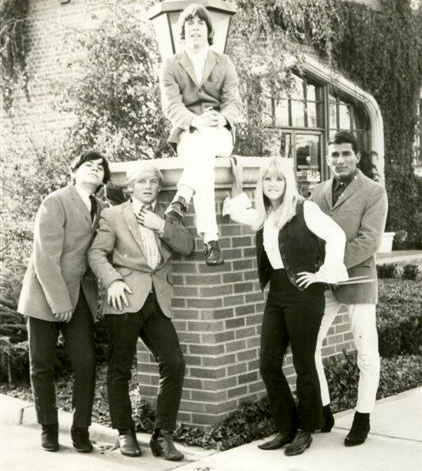
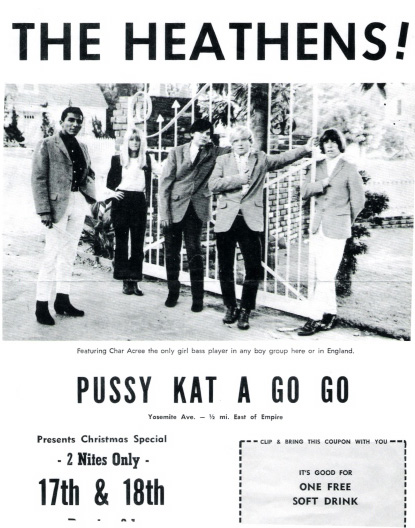
The Heathens, circa 1966. From left: Dirk Acree, unidentified bassist, Don Adey and unidentified drummer Photo courtesy Don Adey Any help in identifying people in this and the other photos would be much appreciated!
The John English III & the Heathens 45 on Sabra, “I Need You Near” is one of the rarest and most highly rated of any mid-60s rock releases. I’ve covered John English in some detail on my site, but now I’d like to give the Heathens their own page, as most of their history comes after English left the group.
Original members of the band seem to be Dirk Acree (aka Vern Acree, Jr., former guitarist for the Blazers of “Beaver Patrol” and “Bangalore” fame) and drummer Johnny Rogers. Vocalist John English joined them while he as a student at San Fernando Valley State College (now California State University, Northridge). Dirk’s sister Char Acree (Sharon Acree), who had her own group, the Lady Birds, would join on bass sometime in 1966.
John English told me the Heathens performed at Pandora’s Box, around Orange County and at the legendary Retail Clerks Union Auditorium (8550 Stanton at Crescent in Buena Park) with the Crossfires.
English wasn’t with the band for long, as he doesn’t seem to appear in any photos of the group, at least not that I can tell.
The Retail Clerks Auditorium, Buena Park Can anyone provide a better photo?The Heathens at the Pussy-Kat a Go Go, circa 1966. From left: Johnny Rogers (drummer), Don Adey, Colin Adey (with tambourine), unidentified girl in front, Dirk Acree, Char Acree.
The first mention they receive in the press is from the May 13, 1965 edition of the Valley News of Van Nuys, California:
Dance, Show Event at College
NORTHRIDGE — Zeta Beta Tau Fraternity will hold a dance and show, “A Go Go Continental,” on Saturday, May 22, from 8 p.m. to midnight in the college gymnasium at San Fernando Valley State College, 18111 Nordhoff St.
The entertainment will highlight nationally famous recording artists, including The Parlays, formerly with Round Robin who made the Slauson popular. Their records include “Dance to the Slauson” and “Kick Your Little Foot, Sally Ann.”
Also on the program will be Bobby Day who made “Little Bitty, Pretty One” and “Rockin’ Robin” which was once No. 1 all over the world.
Direct from England and the first time in Los Angeles, John English and the Heathens will perform and sing a number of songs soon to be released. Finally, a surprise group will be featured doing many of its million sellers, it was stated.
The dress is school dress and tennis shoes …
From left: Dirk Acree (?), Don Adey, unidentified keyboardist and unidentified bassist
As John related the story, someone named Brian who had done PR work for the Beatles brought Lelan Rogers to see the Heathens show at Pandora’s Box. According to John, Lelan had them record three or four sides, but only two were ever issued.
“I Need You Near” has a slashing rhythm from Acree, who takes an excellent solo early in the song. John’s singing is gravelly and cutting, and he has a great shouted bit, something like “alright Vern now step for me, c’mon give me that stroke (?) now!” “Some People” is much different, with a ringing acoustic guitar and an almost whispered vocal.
John’s singing on this record and his later ones shows not a trace of an English accent. I don’t believe the Heathens recorded anything besides this 45 and Don Adey does not recollect them doing any recording while he was with the group.
Both songs are English originals with “Some People” co-written with Vern Acree, publishing by Rattan Music, BMI. The record was produced by Lelan Rogers and arranged by Glen Spreen. Sabra released it in May, 1965, just after another disc produced by Rogers: “I Want My Woman” / “And Then” by the Emperors.
It’s hard to say why the single of “I Need You Near” is so rare now (literally only 4 or 5 copies are known!). Other 45s on the Sabra label, like the Emperors are not as difficult to find. The Heathens single (master numbers S-5009 and S-5010) was actually ready to release before the Emperor’s (S-5011 and S-5012) but was given the next catalog number (5556 compared to the Emperors 5555). I would guess Sabra thought the Emperors disc was stronger, and once it started making an impact, Lelan and Sabra put all their promotional efforts into that record and let the John English & the Heathens record wither on the vine. Another reason could be Lelan soon left Sabra and then returned to Texas.
John English told me the Sabra record received some good reviews, and the band was offered a deal to tour, but some of the Heathens were still in high school. John went out on a 1965 Shindig summer tour as a solo artist.
From left at top: Brian Wilson (?), unidentified woman, Dirk Acree, unidentified woman and Don Adey at bottom: Johnny Rogers, Char Acree and Colin AdeyFrom left: Don Adey, unidentified bassist, unidentified drummer, Dirk Acree and unidentified keyboardistThe Heathens, circa 1967, from left: Don Adey, Johnny Rogers, Dirk Acree and Char Acree Photo courtesy Don Adey
KRLA Beat, September 18, 1965The September 18, 1965 issue of KRLA’s Beat paper has an interesting “personals” letter from one Chris Jones asking: “To John H. English of the used-to-be Heathen’s: What happened to the group? Will we never heard your beautiful London accent again?”Well, they would hear John again, and the Heathens too. John English joined the Preachers in the fall of 1965: see this page where I’ve written about his career in more detail. The Heathens would continue, adding guitarist Donald Adey, who Dirk knew from Buena Park High School. In addition, the band featured other members I don’t have the names of. Though Colin Adey is in some of their photos, Don told me Colin wasn’t in the group: “my brother was fresh over from the UK just hanging with me.”
There are photos of this group playing live at Pandora’s Box and the Pussy Kat a Go Go, sometimes sharing the stage with the Lady Birds, which also featured Char Acree.
Don’s myspace page lists some of the venues they played:
The Pasadena Civic Auditorium and the Hollywood Palladium opening up for The Dave Clark 5 and Donovan, up and down the coast of California and Count Down 65 (battle of the bands), at the Sea Witch, the Galaxy, the Olympic Auditorium, the Ascot Raceway and the Johnson Theater in Palm Springs.
Don Adey left the Heathens to join a group called Posse. In 1967, Adey and Dirk Acree formed the Churchill Downs with Gary Dalton Stovall, Mick Newton and first Al Stigler, then Fred Darling on drums. The Churchill Downs recorded an album’s worth of fine material produced by Gary Paxton that was finally released on Shadoks in 2011.
Adey was also in Jamme who had an LP on Dunhill in 1970.
All photos from hollywoodagogo.com except those labeled as courtesy Don Adey.
Special thanks to Mark Taylor for scans and transfers of the Sabra 45.
The Heathens, circa 1967. Clockwise from bottom left: Dirk Acree, Char Acree, Don Adey, unidentified person, and Johnny Rogers Photo courtesy Don AdeyThe Heathens, circa 1968. From left: unidentified musician, Don Adey, Dirk Acree, Char Acree, unidentified musician with drum sticksThe Heathens ad for Pussy Kat a Go Go performances
The Ground Floor People cut two fine singles, first “Walking on Eggs” / “It’s All Right Now”, produced by Ronnie Eden and Joe Simmons on Parfait 101, from September, 1966, then “Treat Me Better” and “Workaday World”, produced by Morty Croft and Ronnie Eden, and released on Mercury 72719 in mid-late 1967.
Tom Ciulla wrote to me and answered my questions about the group:
The Ground Floor People was my group and I played drums and wrote songs. My brother Don Ciulla originally put the group together. He played rhythm guitar and lead vocals. Lead guitar, Tommy Morrow and Freddie Davidson on bass and background vocals. I played drums and sang lead, background vocals and did the screaming (“Treat Me Better”). I came up with the name “Ground Floor People”. We usually rehearsed in a ground floor apartment or basement. Everyone was from Brooklyn.
We were playing in a club called Freddie’s. The owners were trying to sell the place. The group became very popular and after a few months there was a line down the block. The owners decided not to sell and we played there for over nine months. I am pretty sure that was where we met Ronnie Eden (Edelstein).
Joe Simmons was a real sweetheart. I wrote “It’s All Right Now” with Joe and collaborated on another song that I wrote and he did the arrangement on. It was called “My Man’s a PHD”. Ronnie Eden produced the session and discovered a young “Aretha type” singer to record the song. I remember Ronnie saying that he got a drummer, Perdie Persaval [Bernard Purdie?], who he said played for James Brown, and Perdie got the other musicians to sit in on the session.
Q. I haven’t heard of a Perdie Persaval, but Bernard Purdie played on tons of NY sessions, including one with James Brown.
That was probably the guy. How many drummers named Purdie could there be?
Ronnie claimed he operated on a tight budget. We never had a chance to correct anything in the studio. Like Don Krantz [of Yesterday’s Children, also produced by Eden] said about the bad note on his recording. We all thought the songs “Wanna Be With You” and “Feelings” were really hit tunes. I never met anyone from Yesterdays Children.
I realized later on Ronnie was more interested in having the publishing and recordings of the artists than the quality and promotion of the production. He told me on several occasions he had publishing on several hit songs and recordings that he produced before they were successful. Unfortunately, I made several recordings but was unable to hold on to any of the demos.
My brother was drafted and the group broke up. I played with a few different bands for a while and eventually put together the second Ground Floor People. Sammy Sicalo, lead guitar, George Mandel on keyboard, and Tony Radicello on bass and lead vocals. I played drums and sang lead, background vocals as well. I wrote “Treat Me Better” and “Work A Day World” with Tony. When Ronnie got a recording contract form Mercury records, Tony and I wrote two more songs, “Wanted To Be With You” and “Make A Little Room”. All four songs were recorded at the Mercury session. I always felt “PHD” and the last two tunes at Mercury were my best efforts.
Tom Ciulla
“I Wanted to Be With You Girl” / “Make a Little Room” would show up on a 45 by the One Way Street on the Boutique label, both songs credited to Anthony Radicello, Jr., Tom Ciulla and Ronnie Eden for Impeccable Music, BMI, with production by Ronnie Eden.
Ronnie Eden’s name only comes up in Billboard in conjunction with Ted Black. Together they sold masters by John Gary to Cameo/Parkway and were sued for it by RCA (Billboard, November 13, 1965).
Tom also tipped me to this article about Ronnie becoming New Orleans record shop legend, Record Ron, who passed away in 1996. I used to go to Record Ron’s shop during the two times I lived in New Orleans in the ’80s and ’90s, but I had no idea of his previous career as a producer.
This site is a work in progress on 1960s garage rock bands. All entries can be updated, corrected and expanded. If you have information on a band featured here, please let me know and I will update the site and credit you accordingly.
I am dedicated to making this site a center for research about '60s music scenes. Please consider donating archival materials such as photos, records, news clippings, scrapbooks or other material from the '60s. Please contact me at rchrisbishop@gmail.com if you can loan or donate original materials

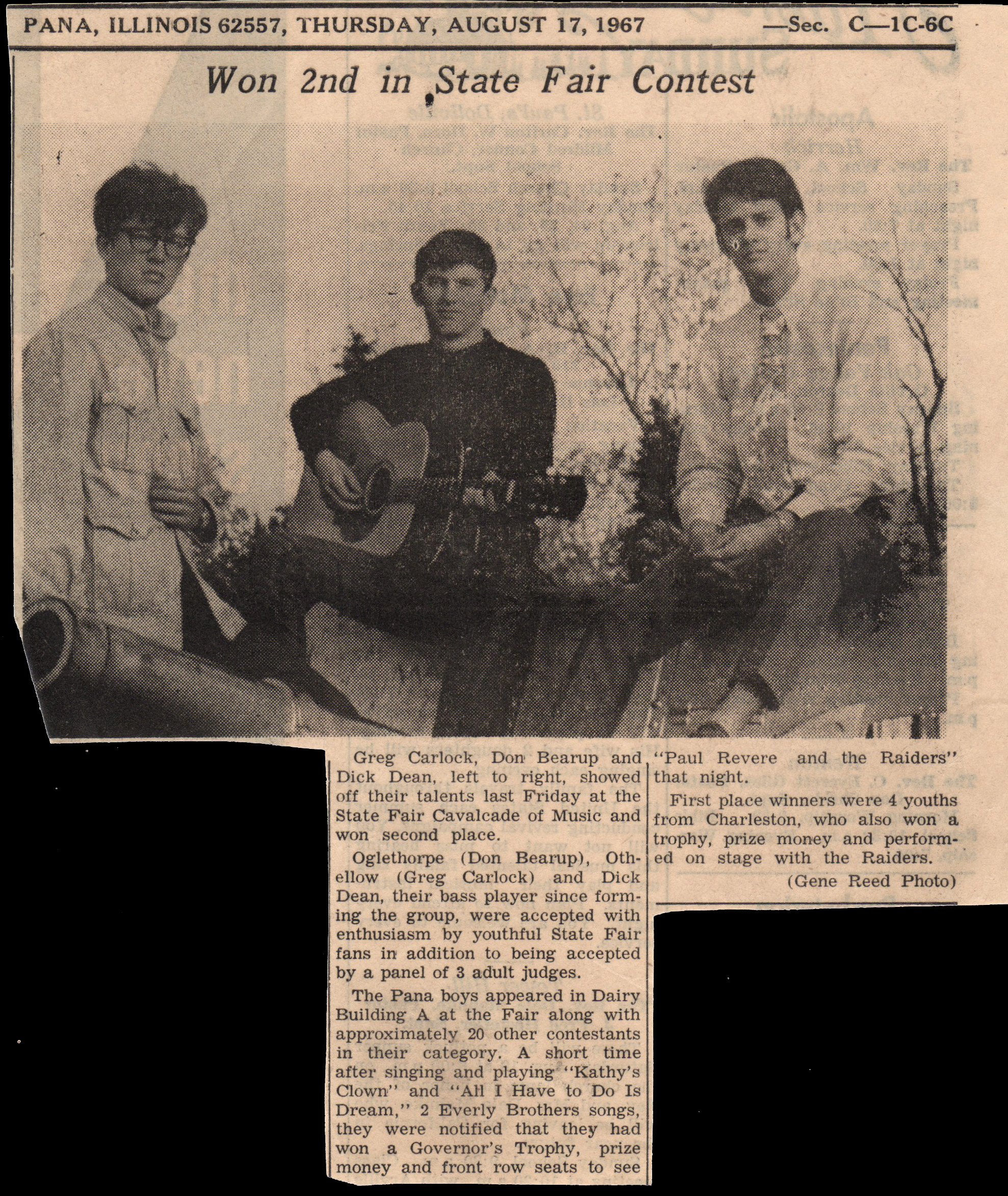
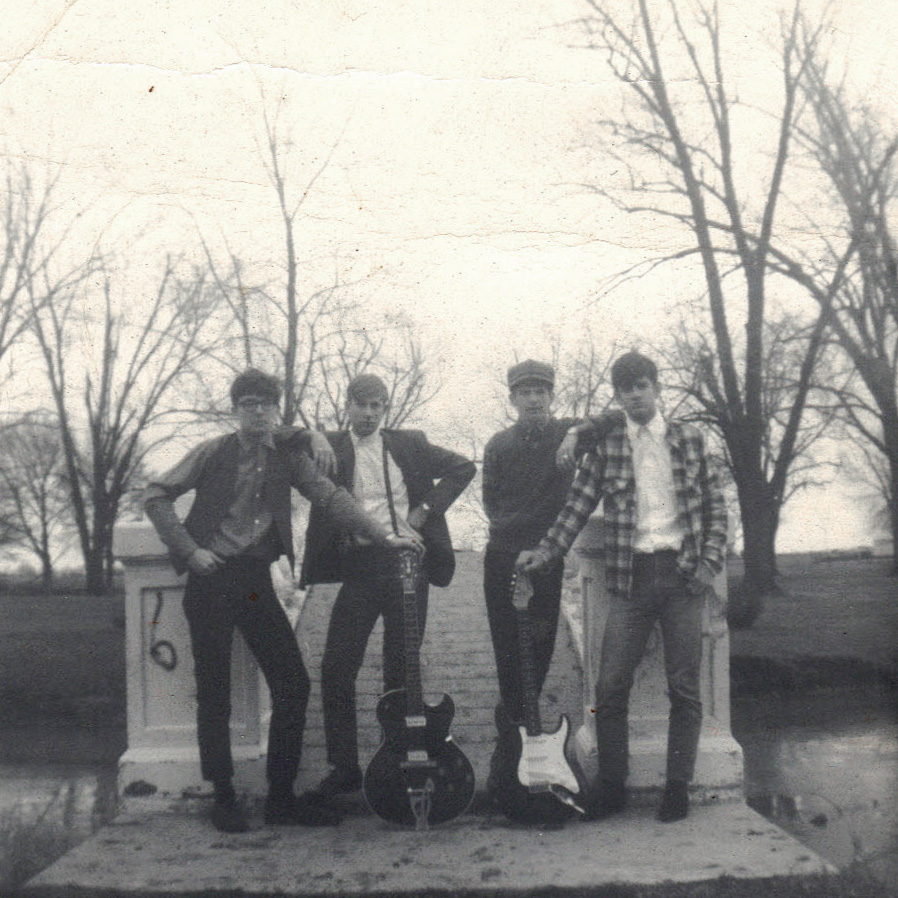
We did take after take of “I’ll Still Love You” and it was almost always a failure of the recorder or the tape itself that meant we had to re-do it. I would estimate we did as many as 30 takes, and even the one that was used had a flub in it. Oscar Wells was very patient, didn’t contribute anything to the music, just let us do what we did. I think he was most interested in recording my friend Mick on the Coke bottles on “Please Don’t Go Away”, there was a lot of natural echo on it and it took awhile to get the sound right. I think we may have done three takes on “Please Don’t Go Away”, it was intended to be a quick B-side, but it was the side that got airplay and that everyone loved. Donnie Bearup wrote both songs. Greg’s guitar was so out-of-tune on “Please Don’t Go Away”, but such a great punkish guitar solo, and acoustic! By the time we recorded that we had spent 2 or 3 hours on “I’ll Still Love You”, and we were just getting to a B-side. If we had known “Please Don’t Go Away” would become the A-side I’m sure we would have tuned-up!
If I remember correctly, Oscar Wells had 300 or 500 copies of “Please Don’t Go Away” / “I’ll Still Love You” pressed. We were getting daily airplay on the Taylorville and Decatur radio stations and he sold all of the copies very quickly, I’m sure he thought he was on his way to the big time. Then he had another 300 or 500 copies made and I don’t think he sold any of them. That first batch was the limit of Oglethorp and Othelow fans. I remember going to his studio on Sundays and there were boxes and boxes of our record sitting there. I think the major reason why the second batch of records didn’t sell was also because two or three weeks went by before they were delivered and by then we were no longer receiving airplay in Taylorville and Decatur. I seem to recall Oscar complaining about not having any records to sell. Then when they arrived it was too late.
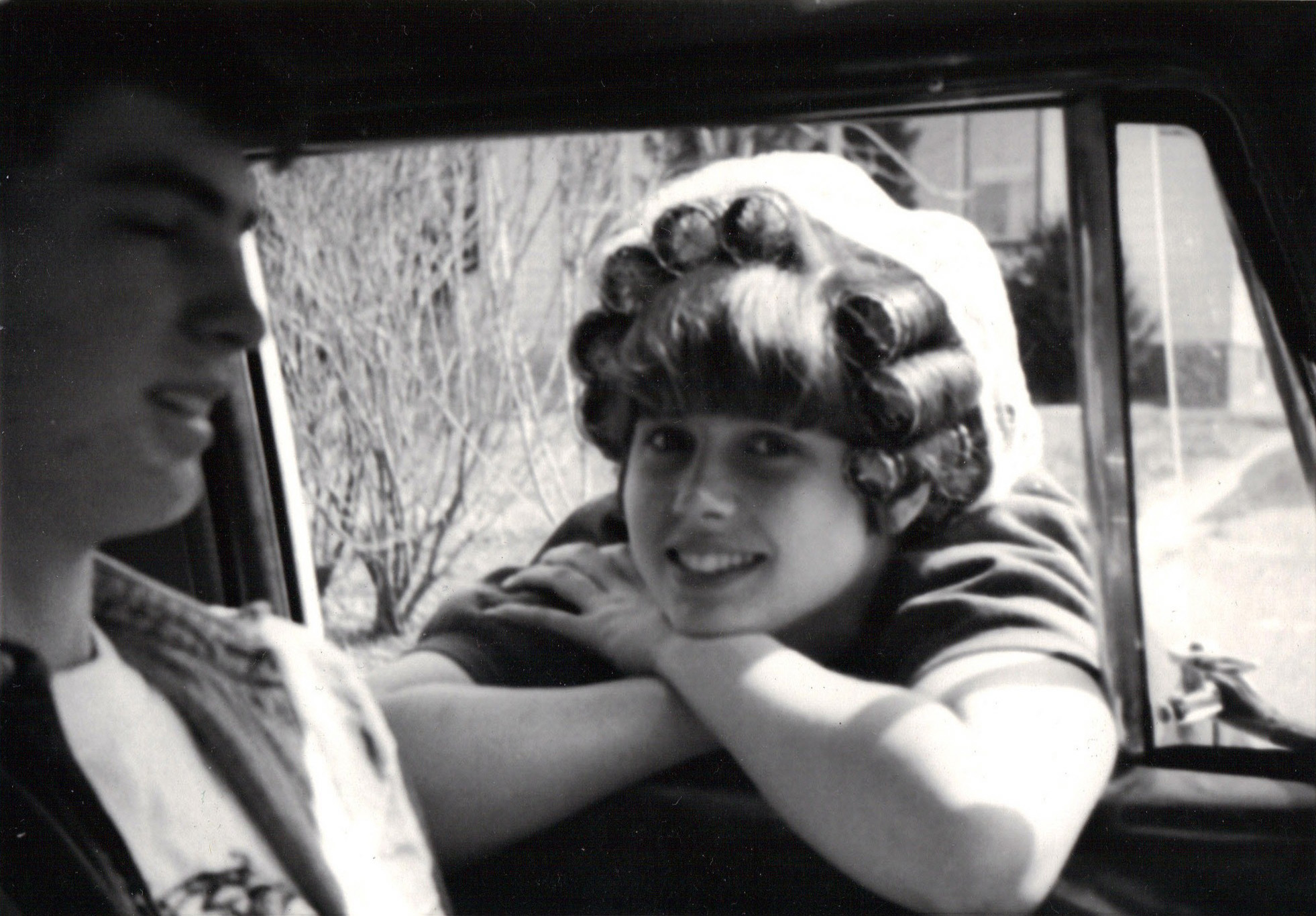
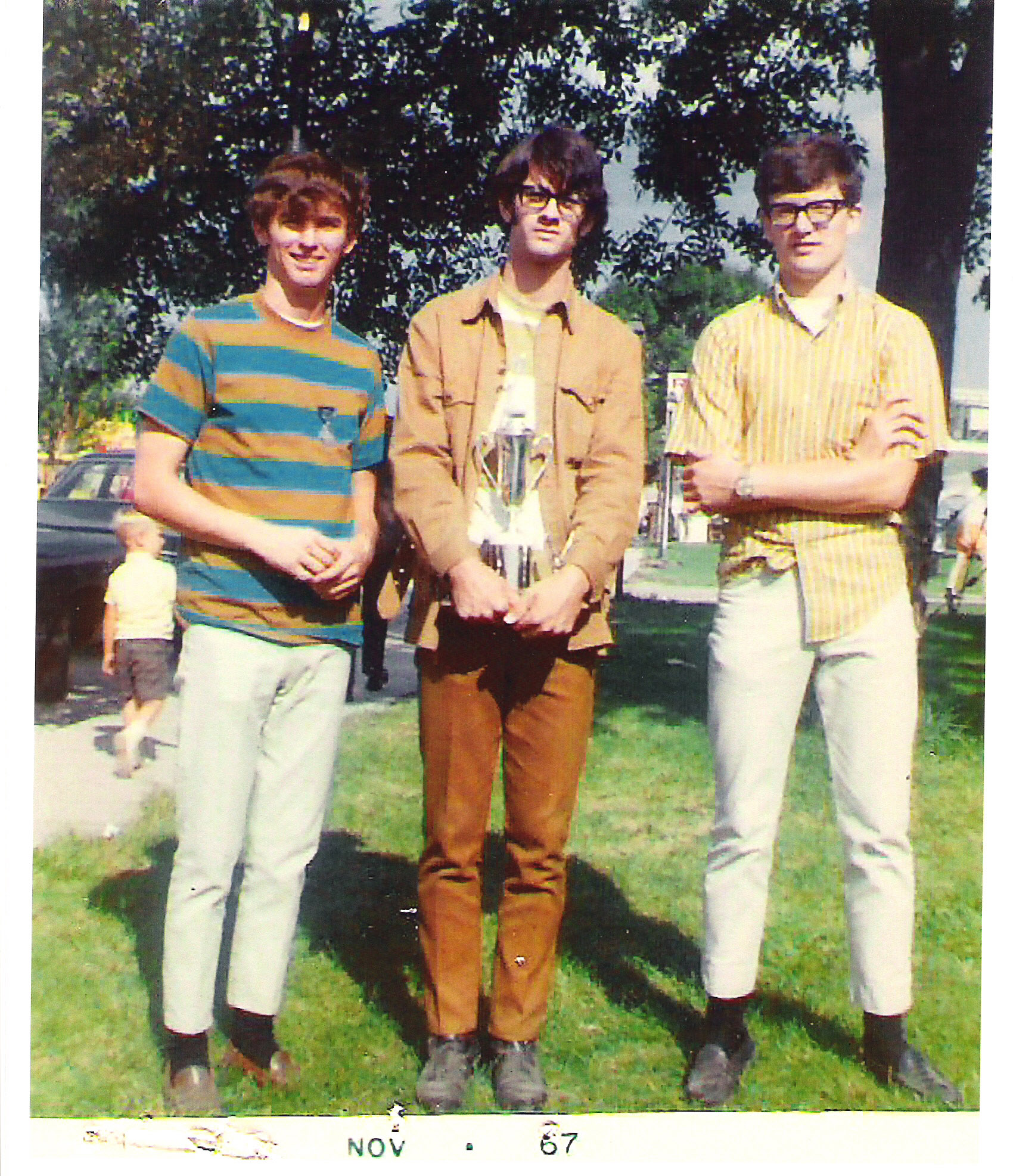
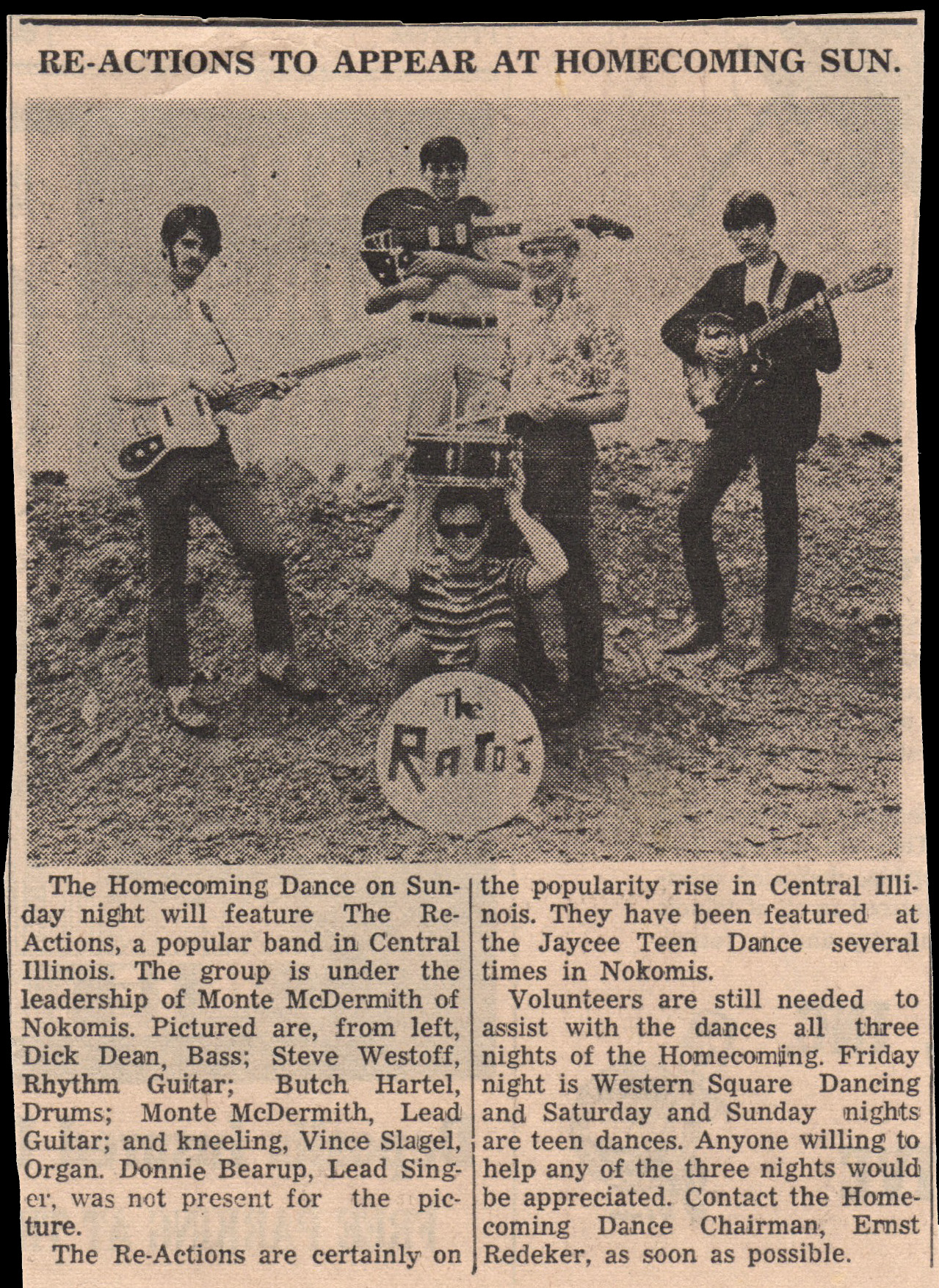
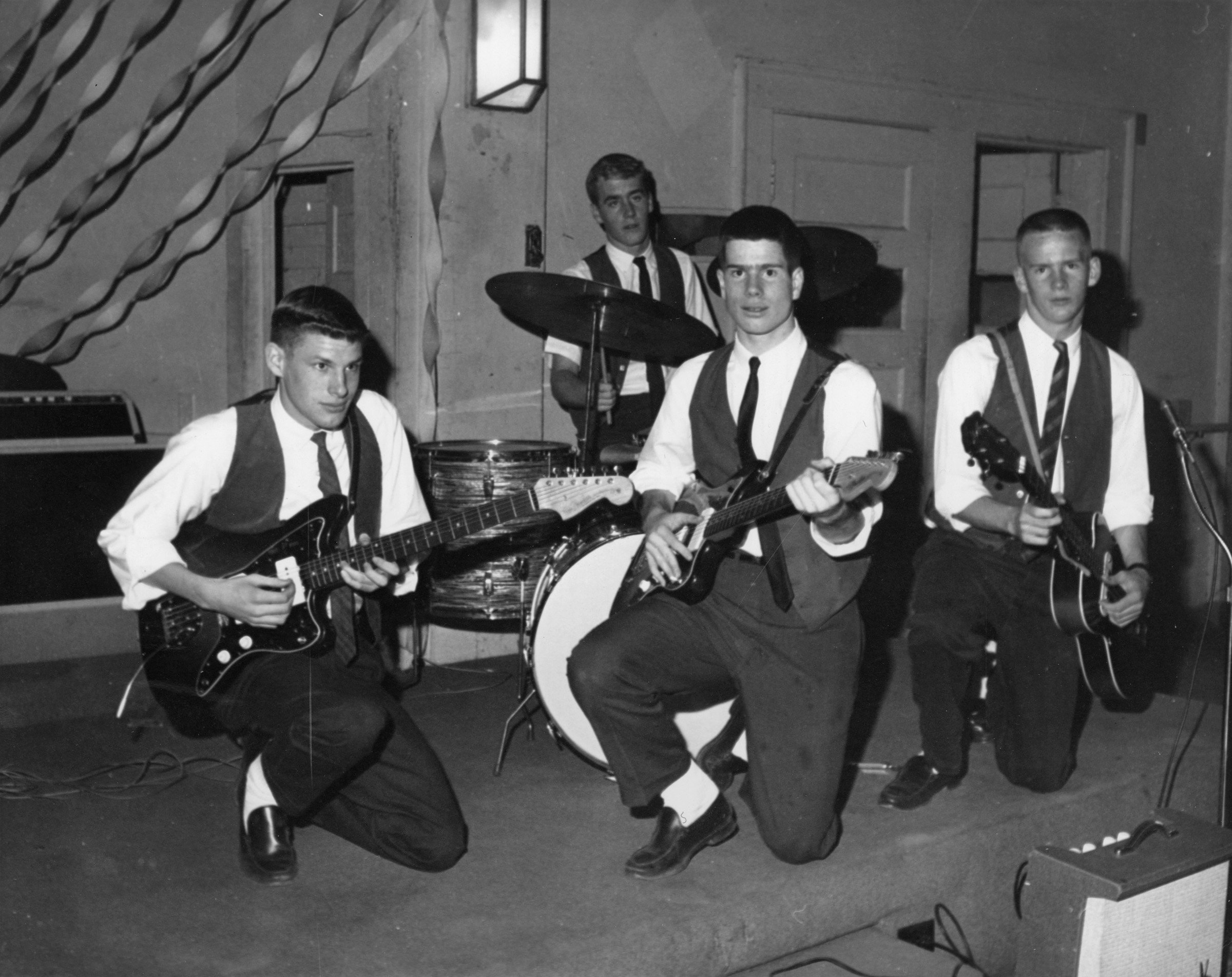
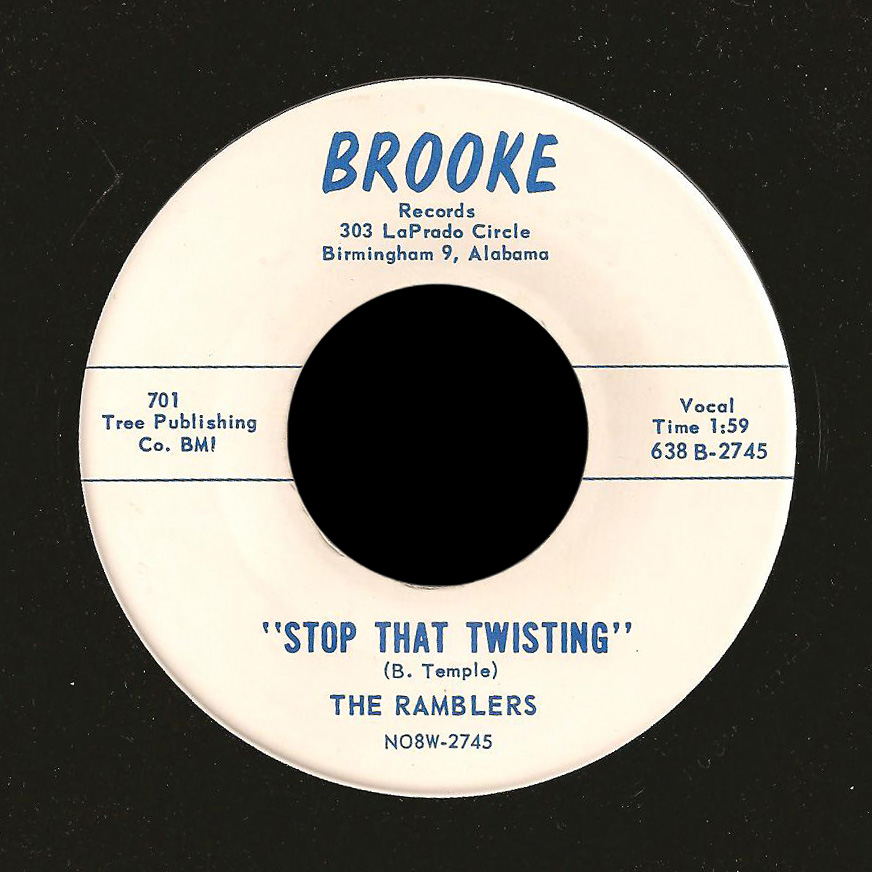
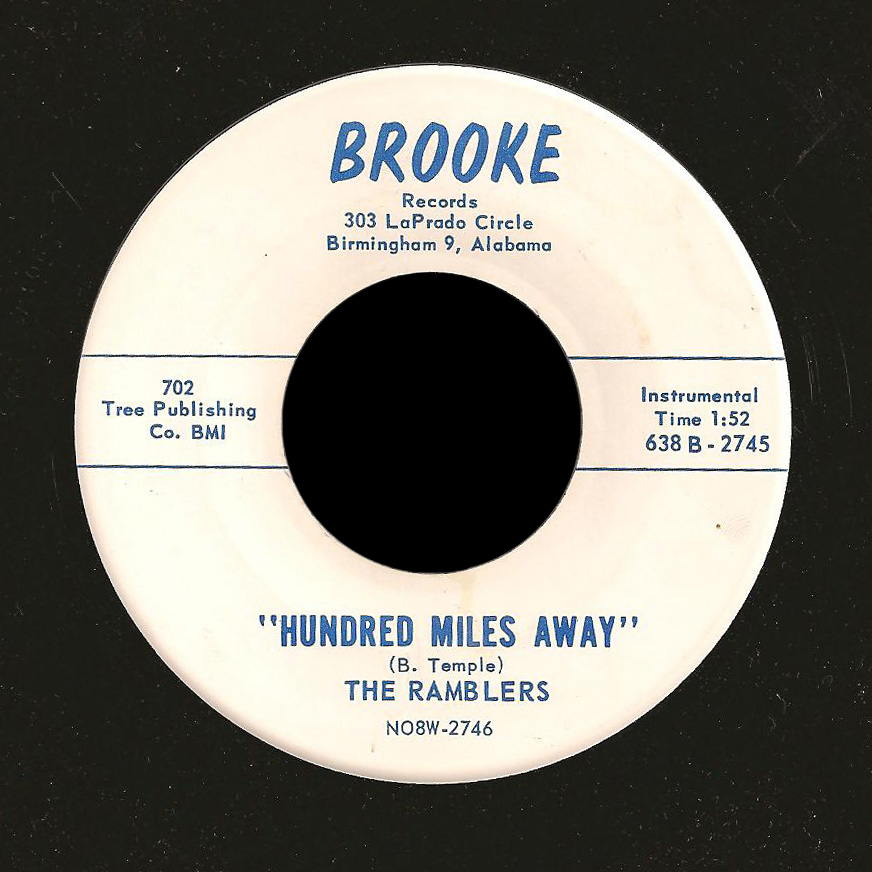
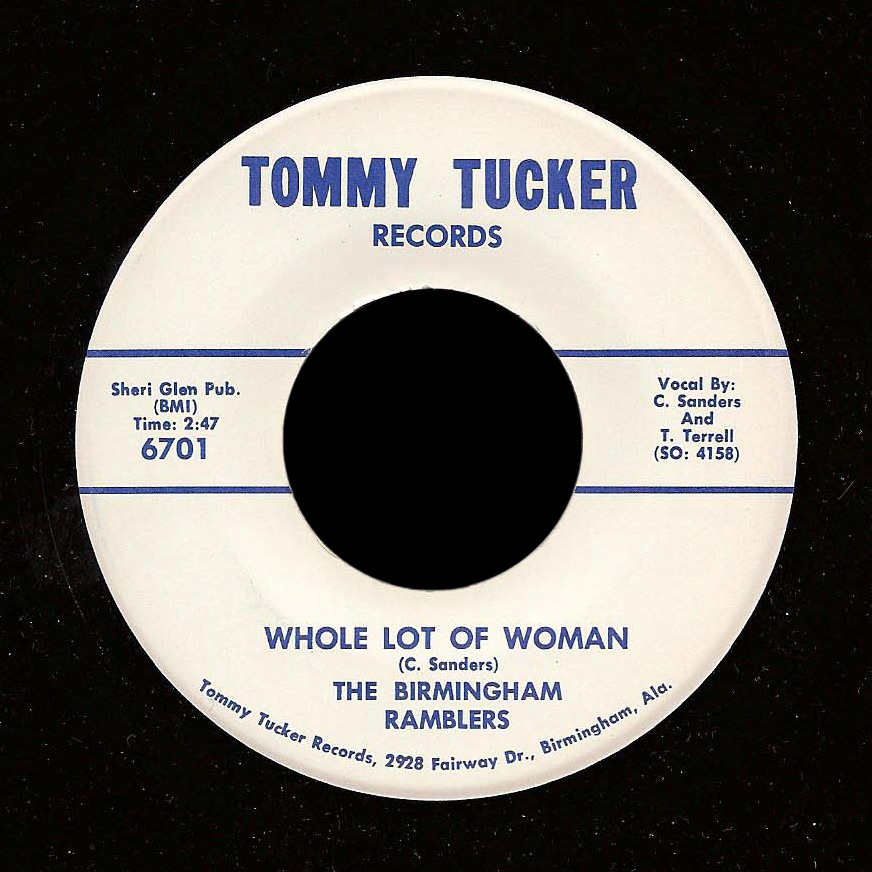
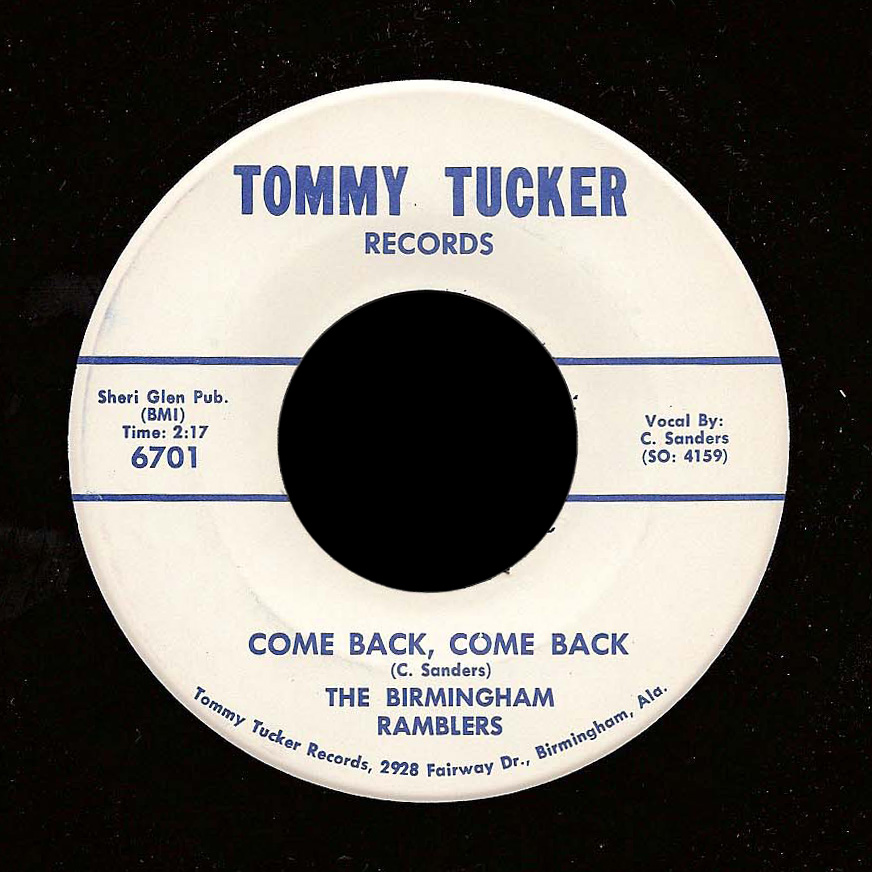
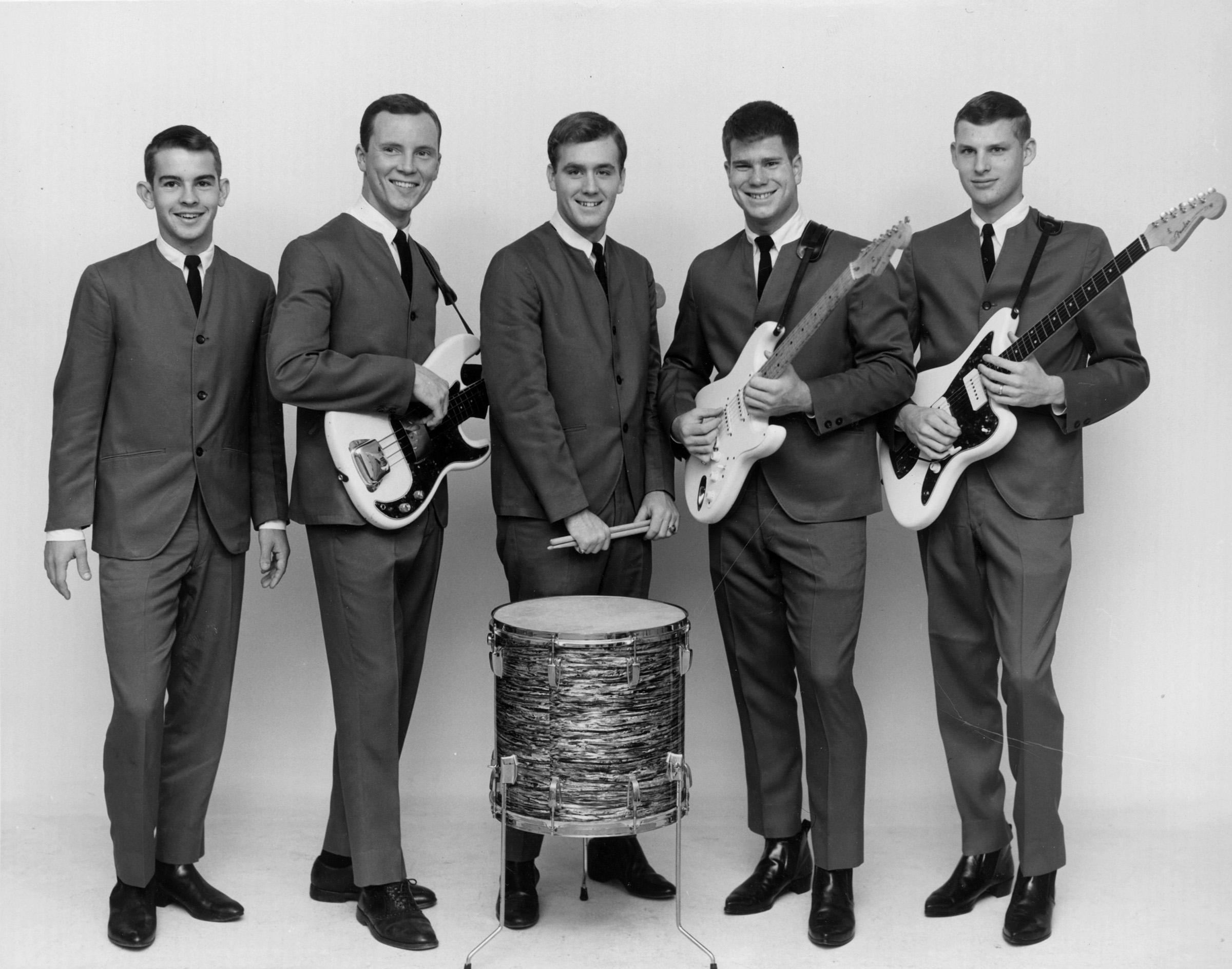
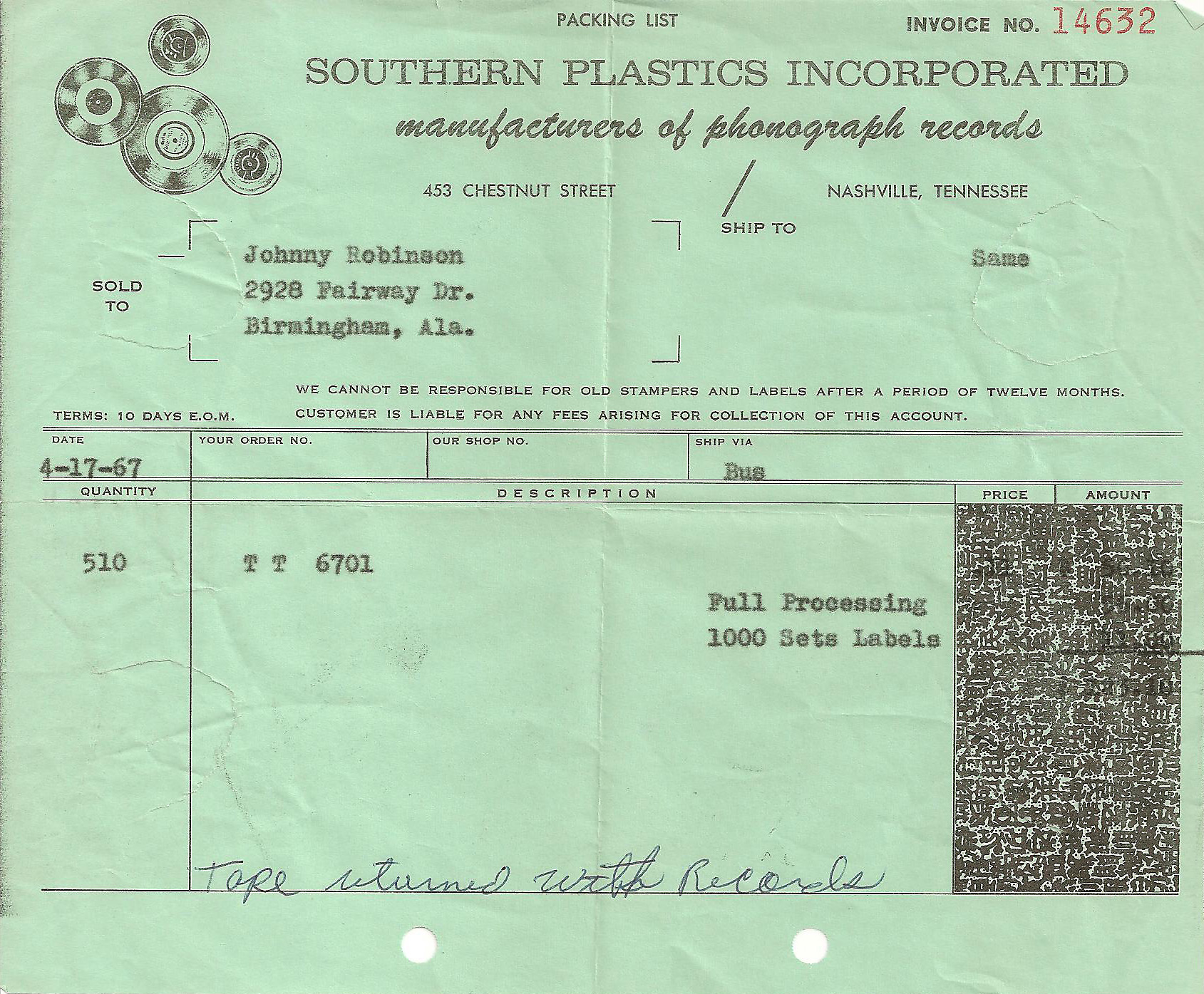
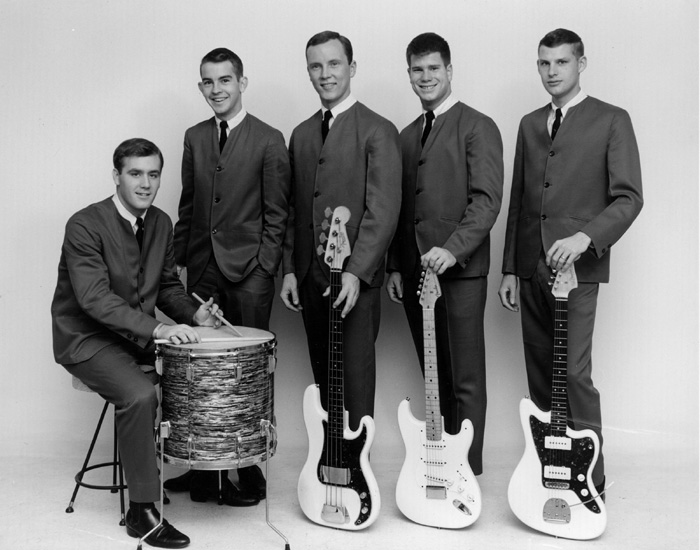
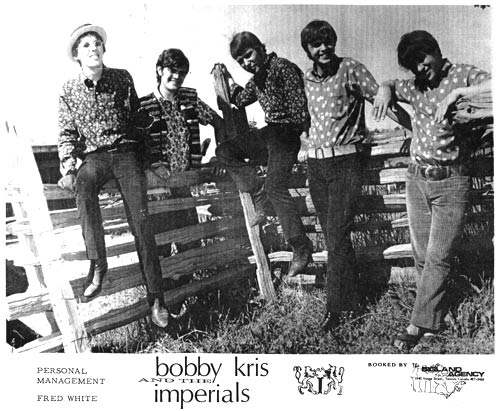
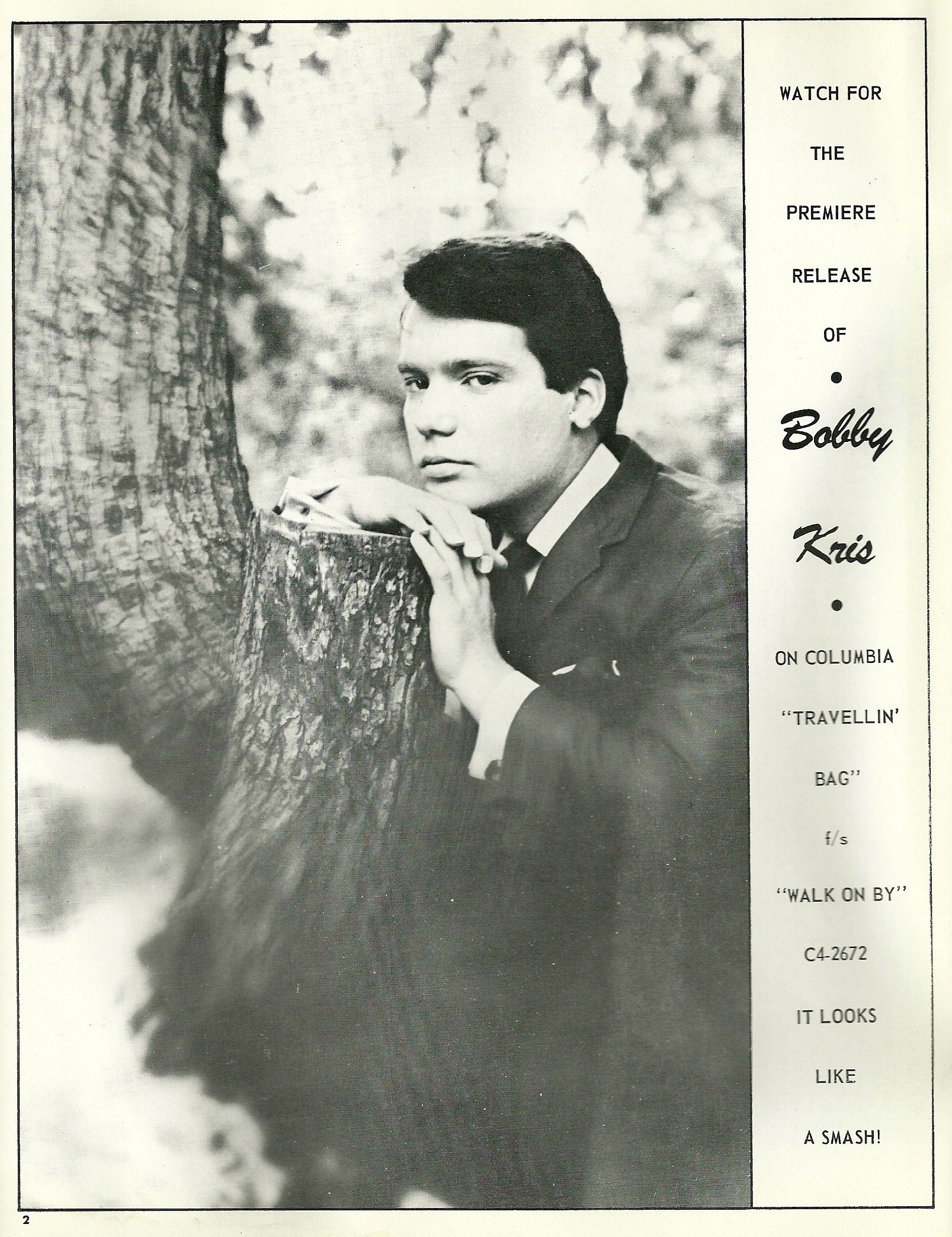
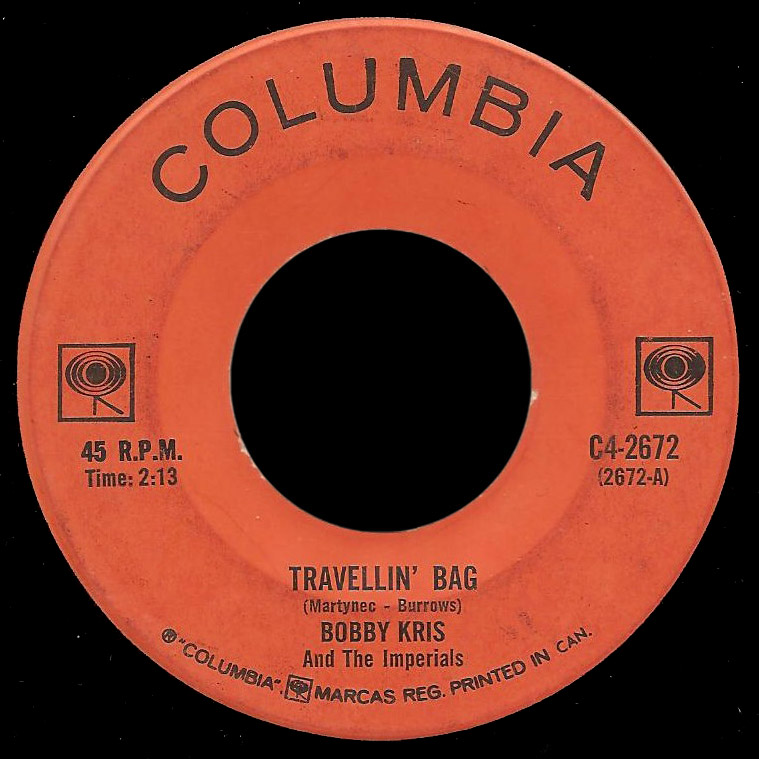
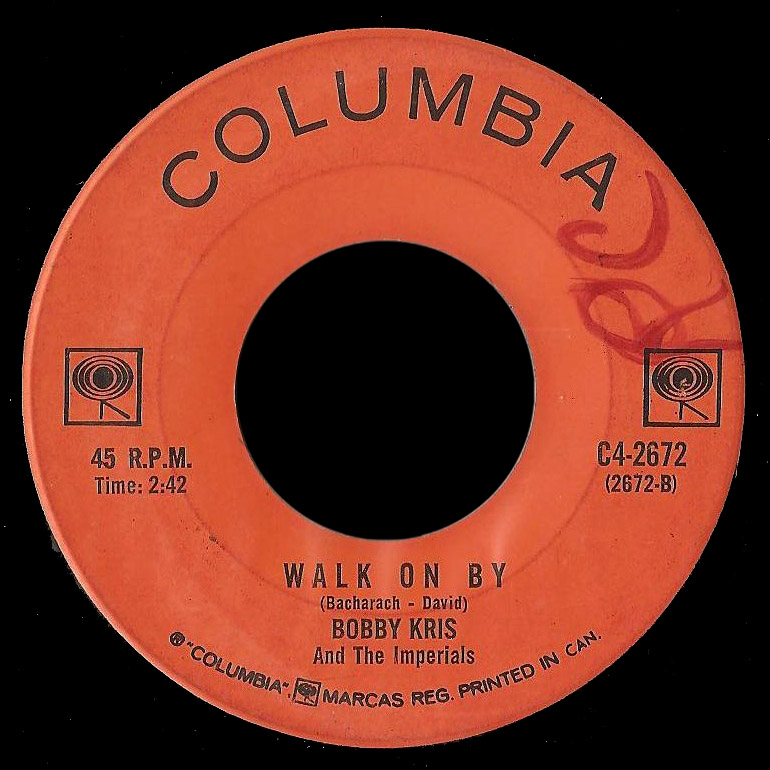
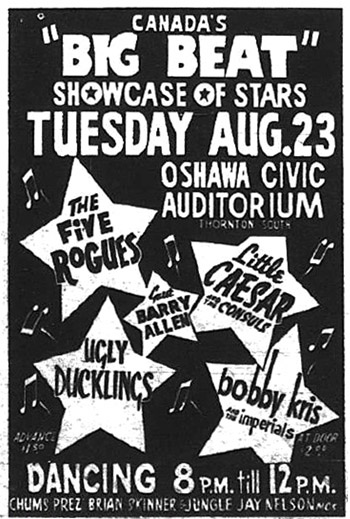
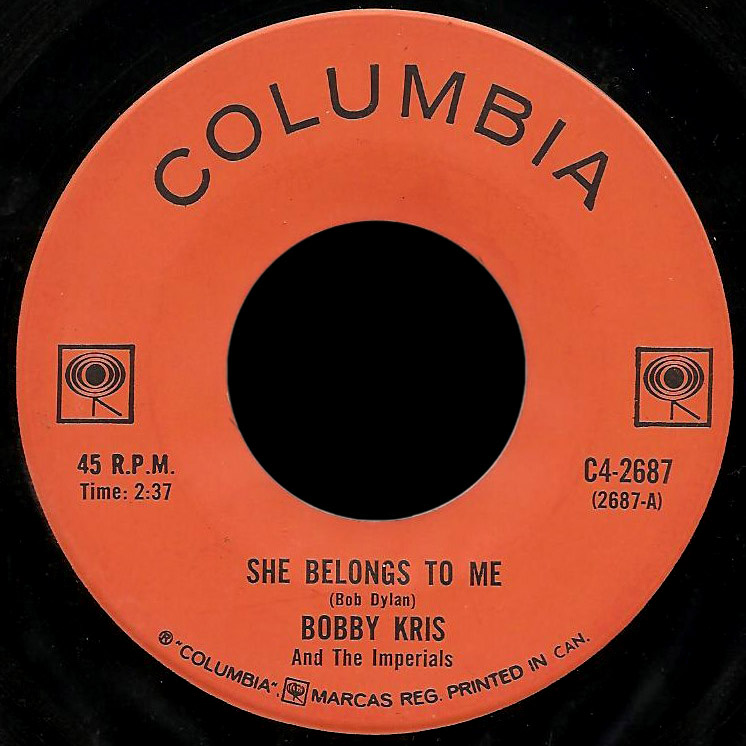
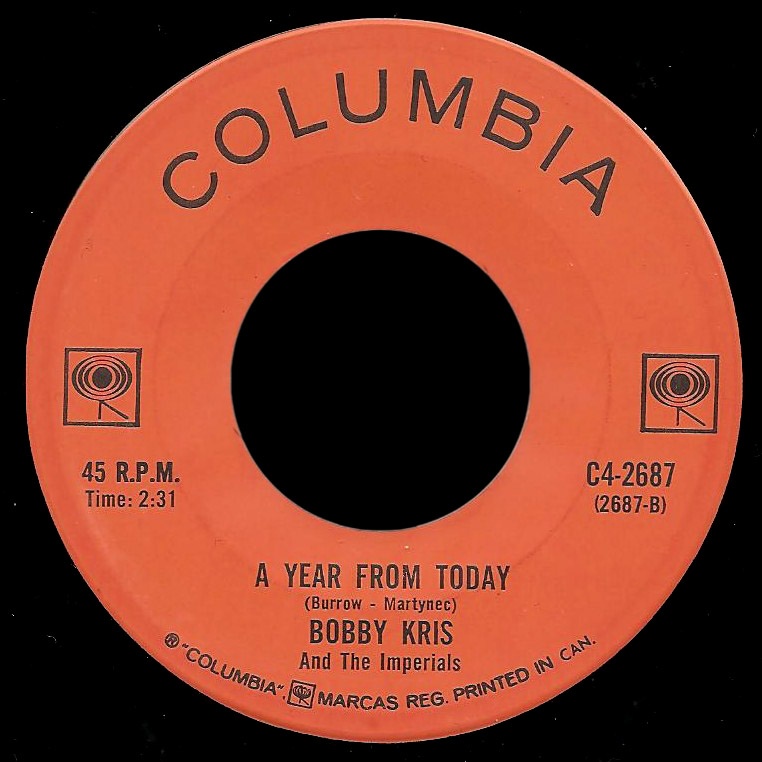
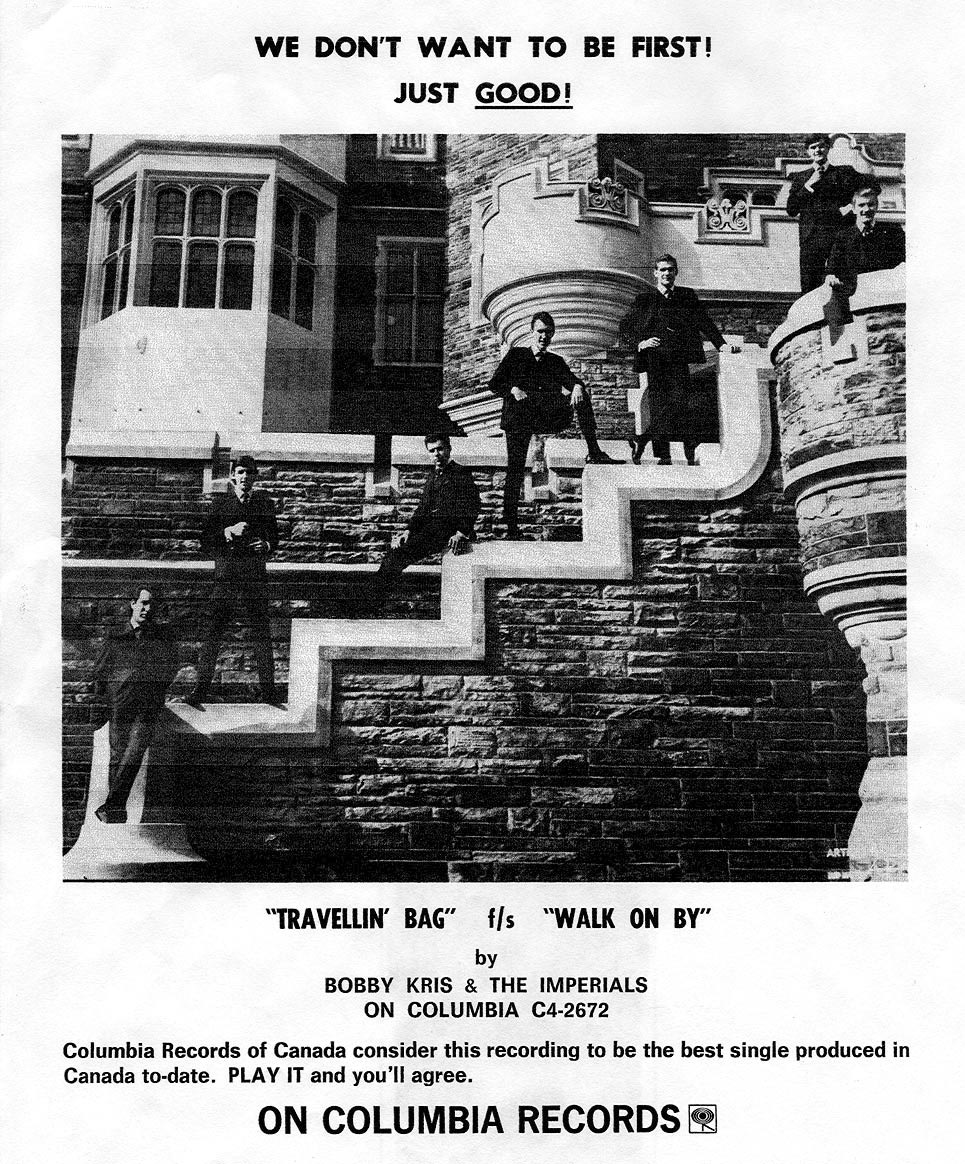
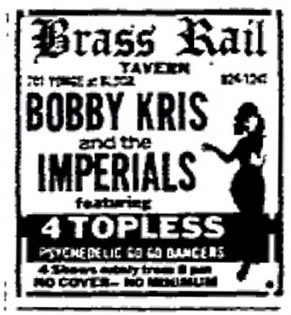
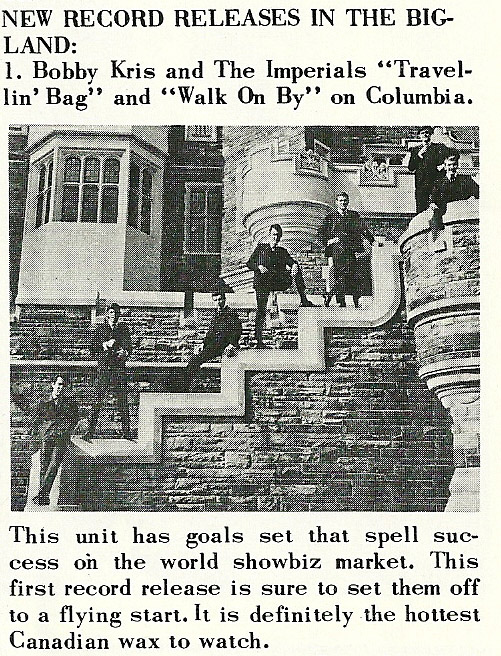
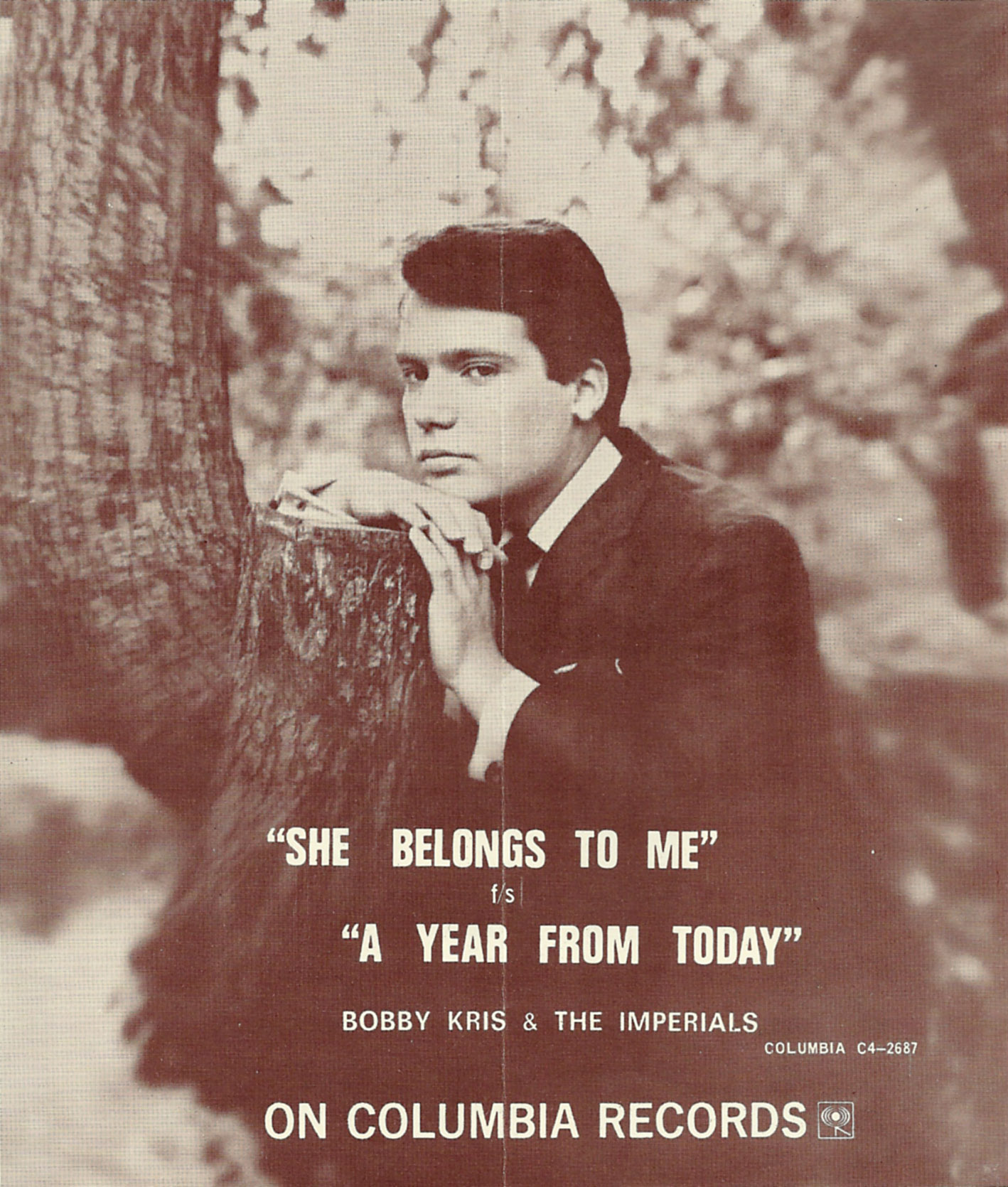

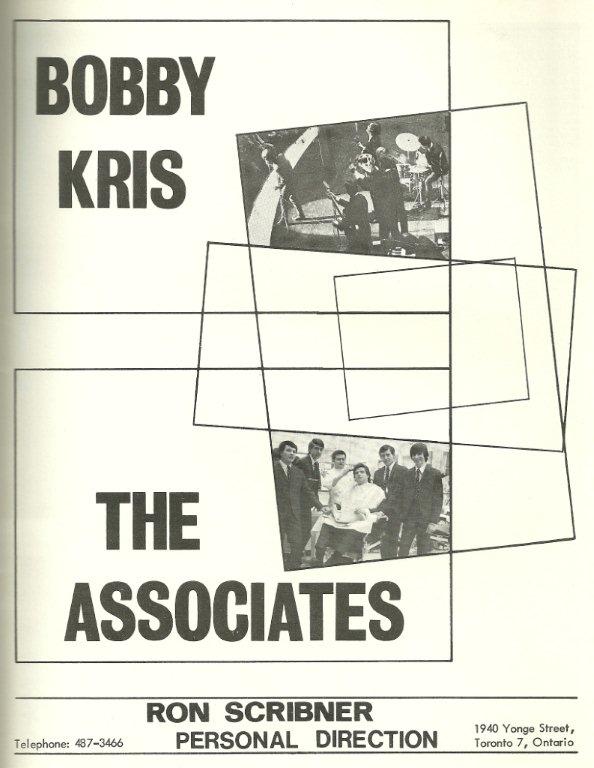
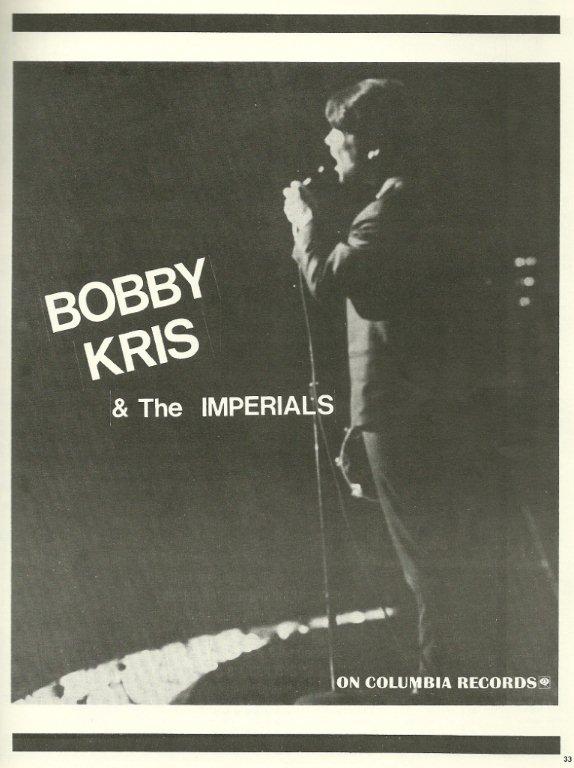
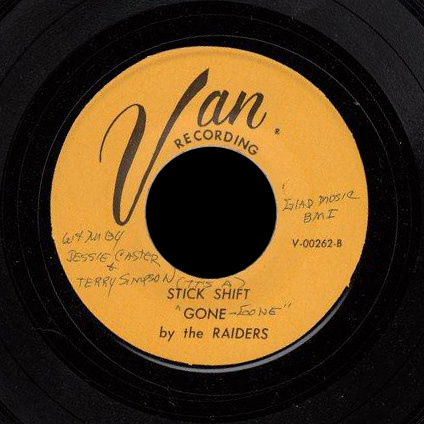
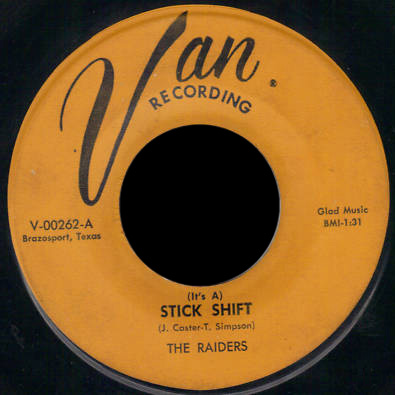
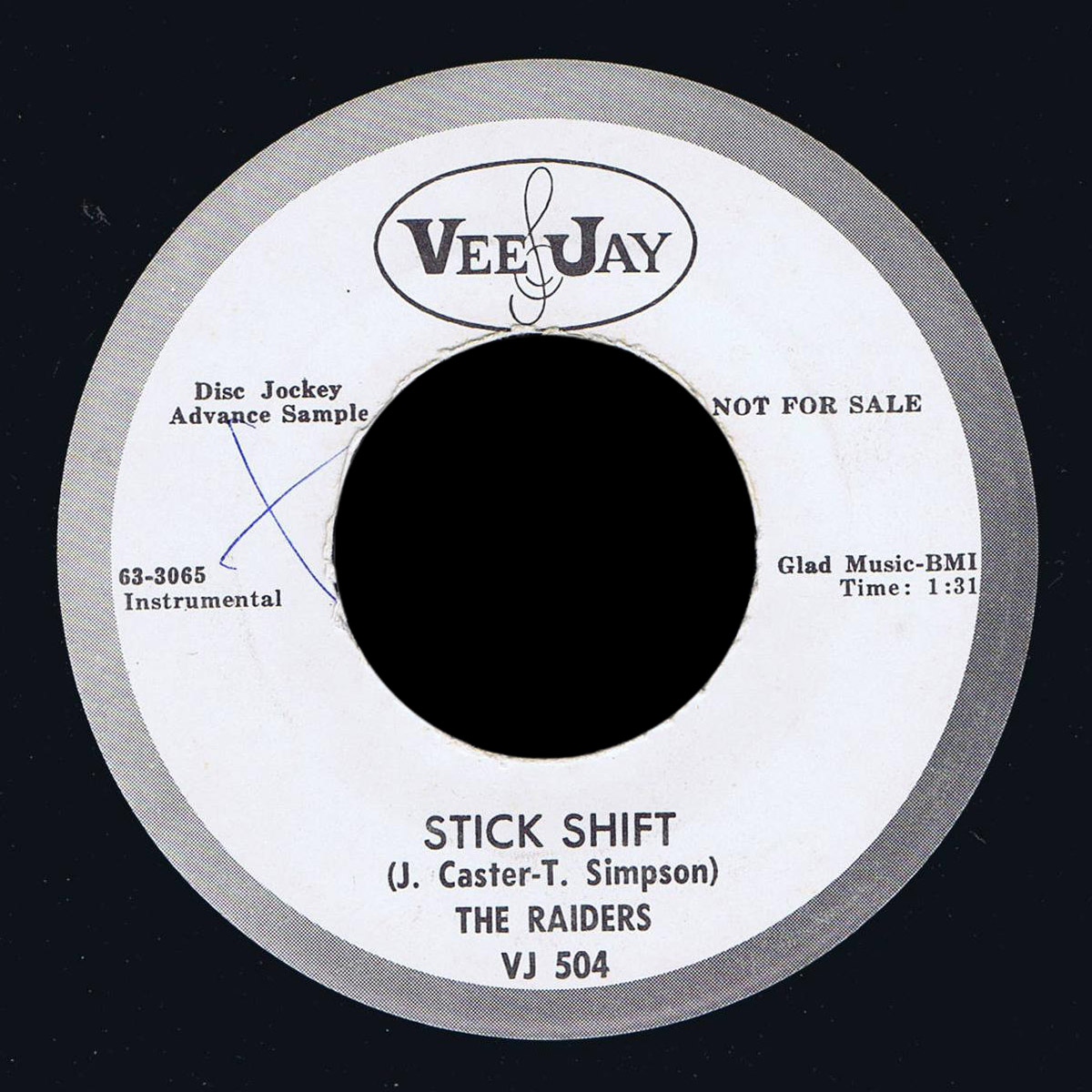
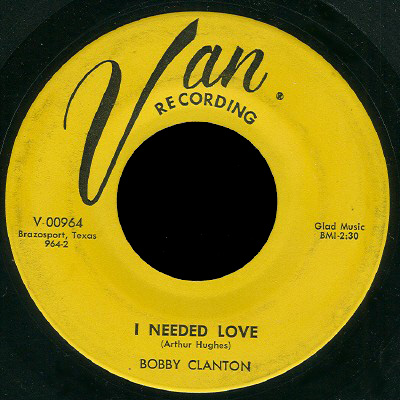 02365 – Larry Dallas – Cheatin’ Woman (Louis Hobbs) / Have I Waited Too Long (also on Majestic 1001)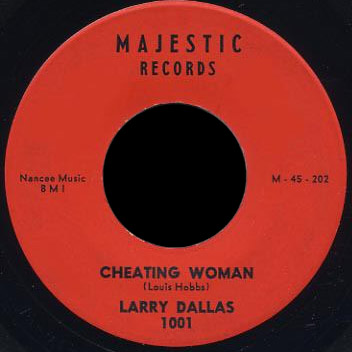
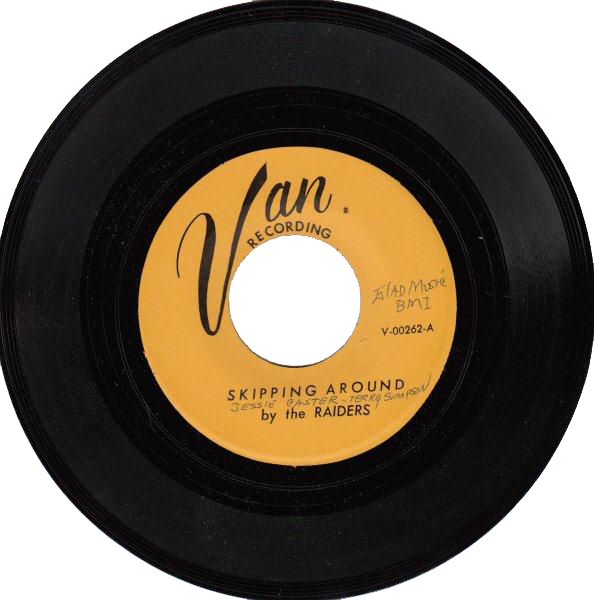
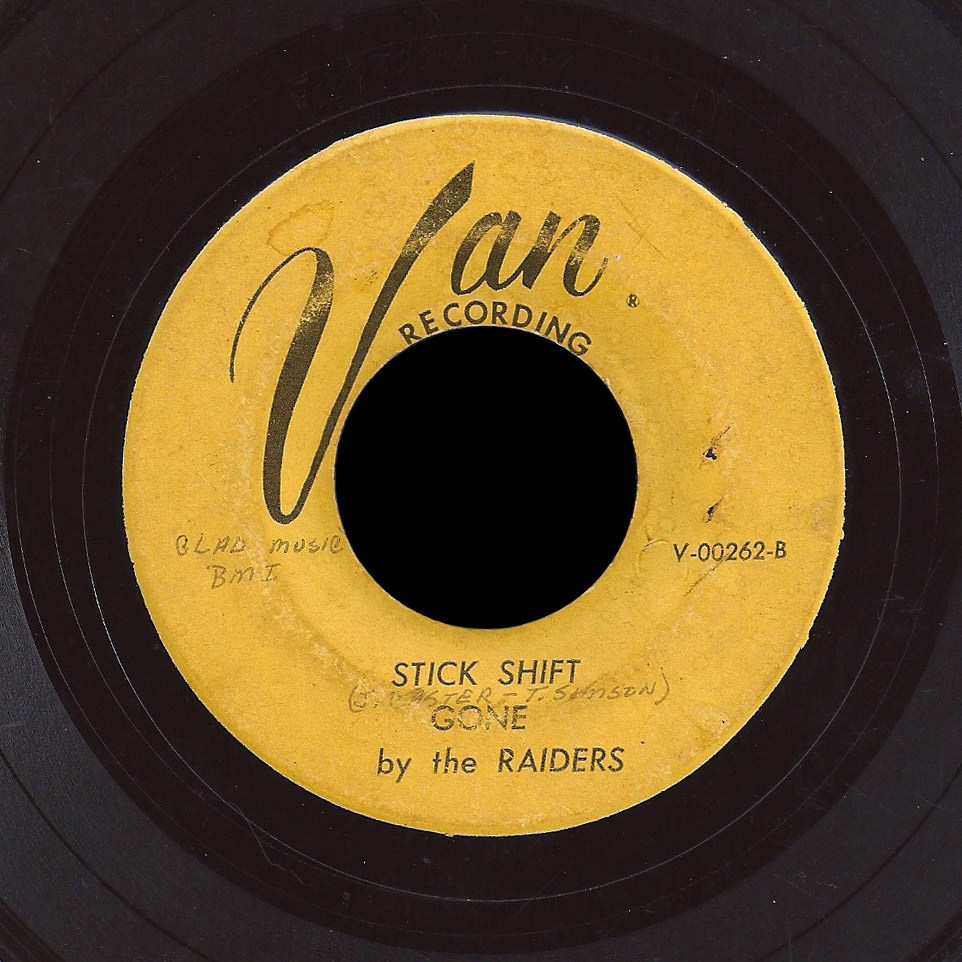
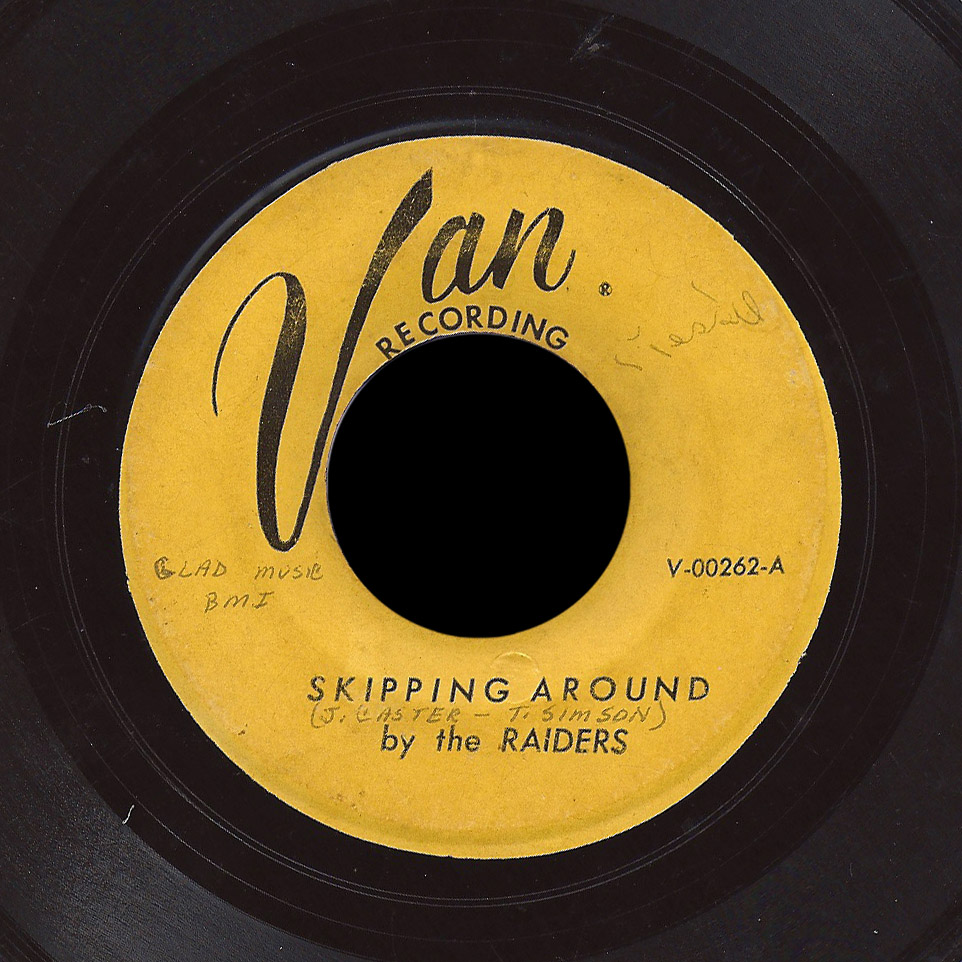
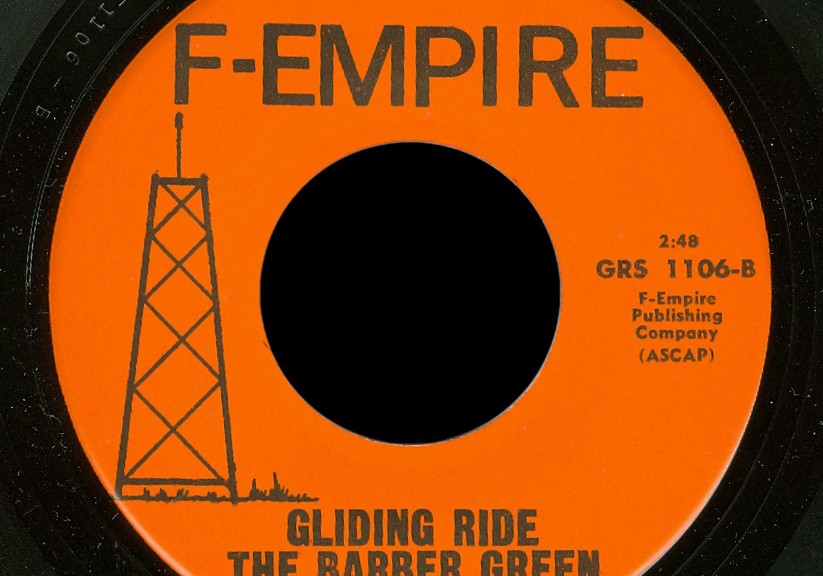
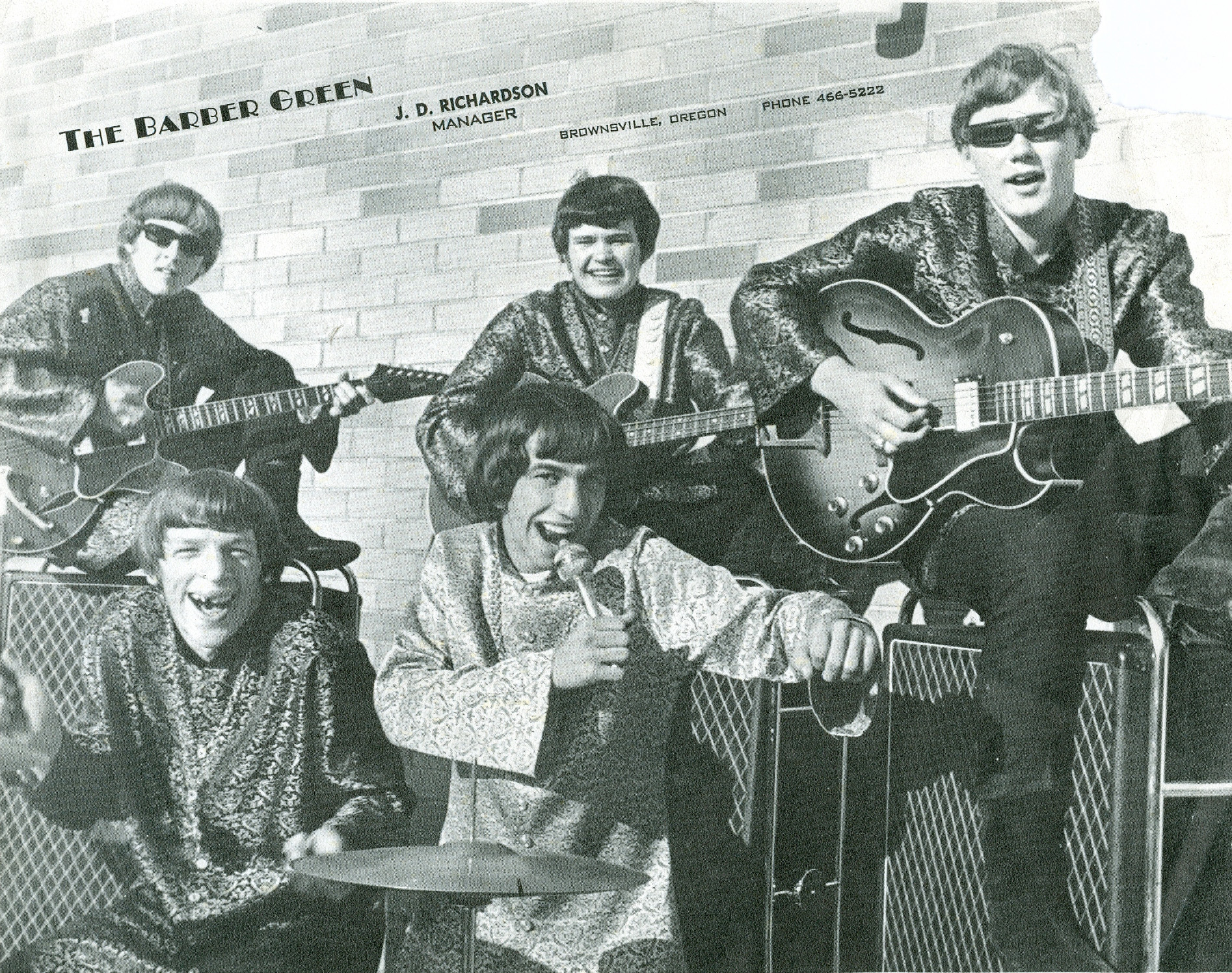
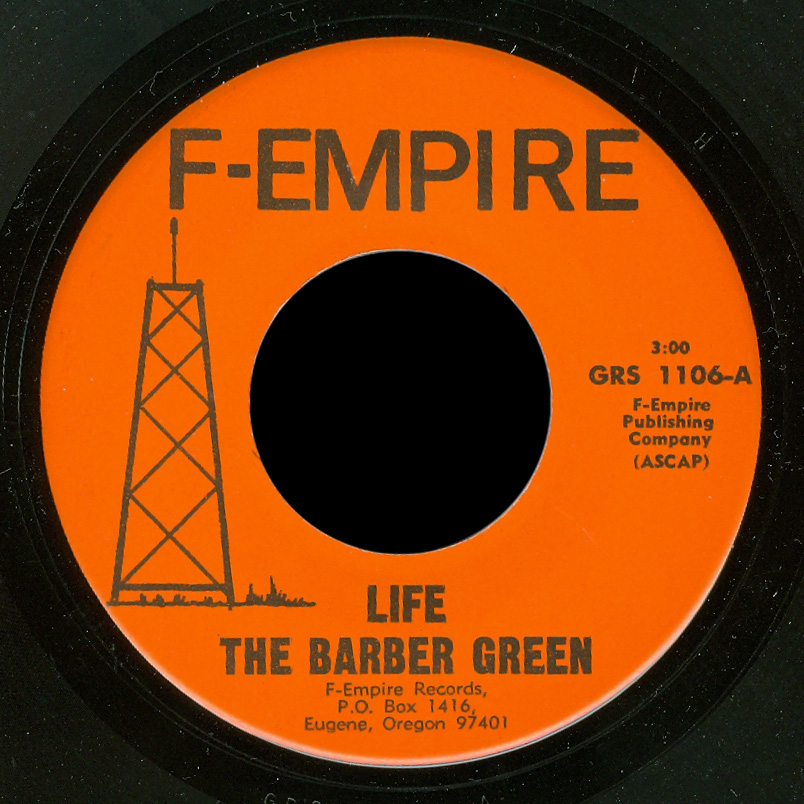
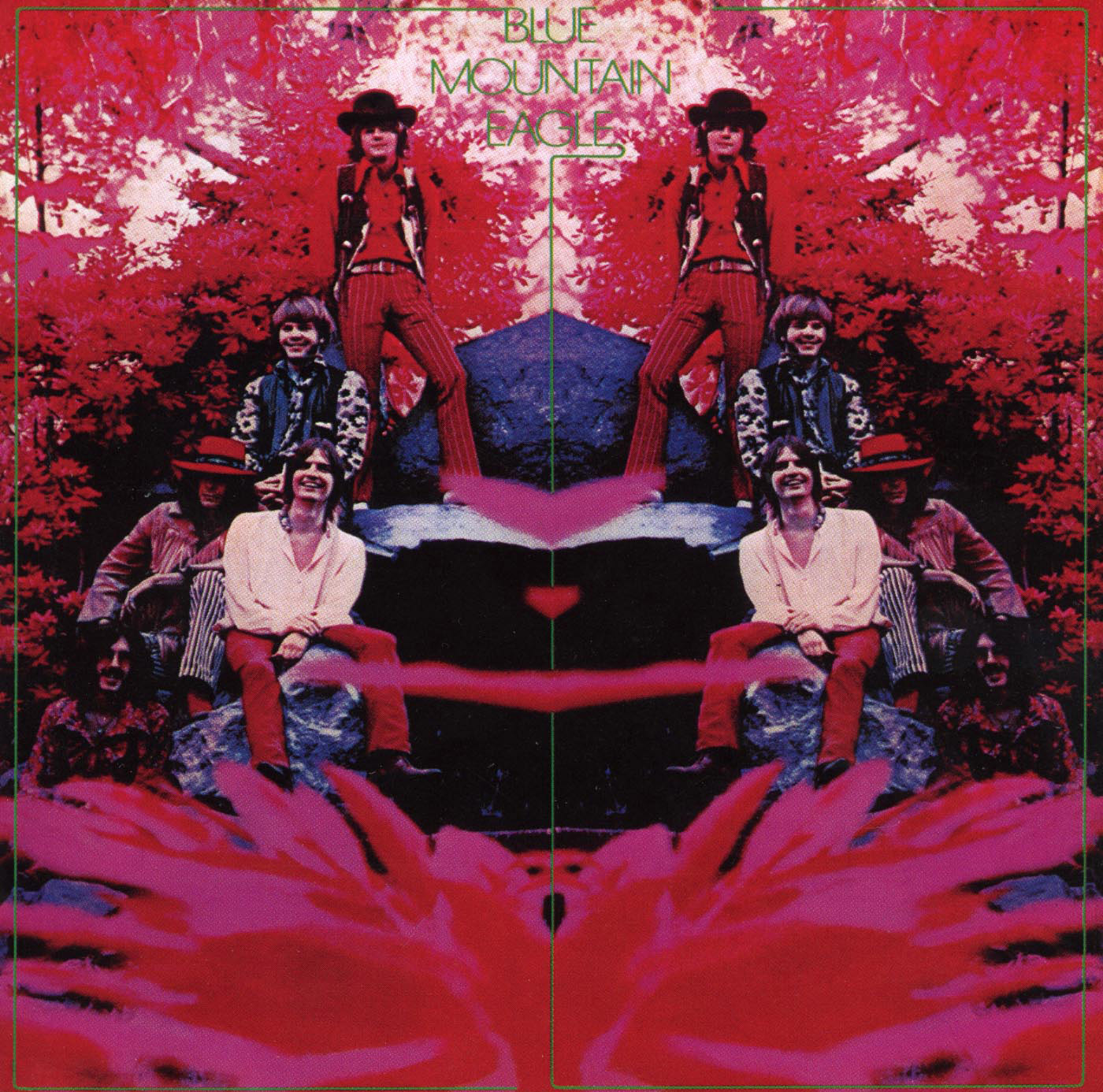
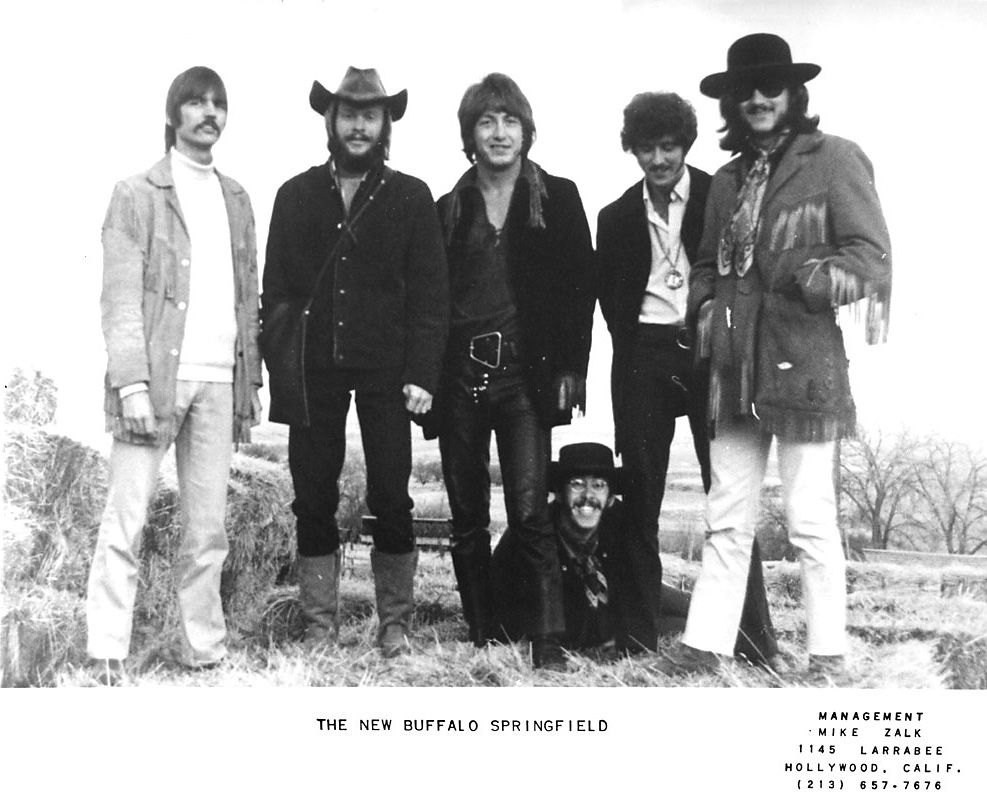
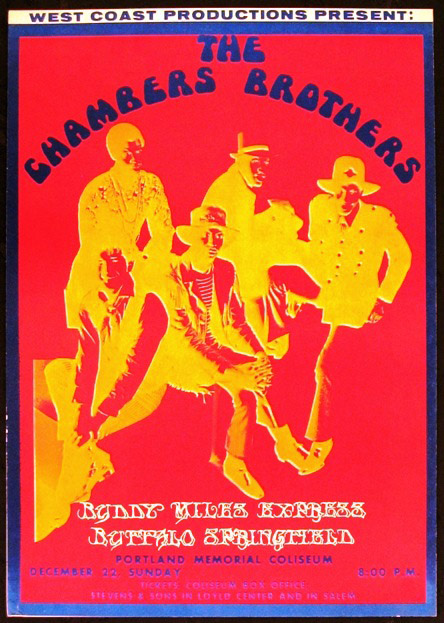
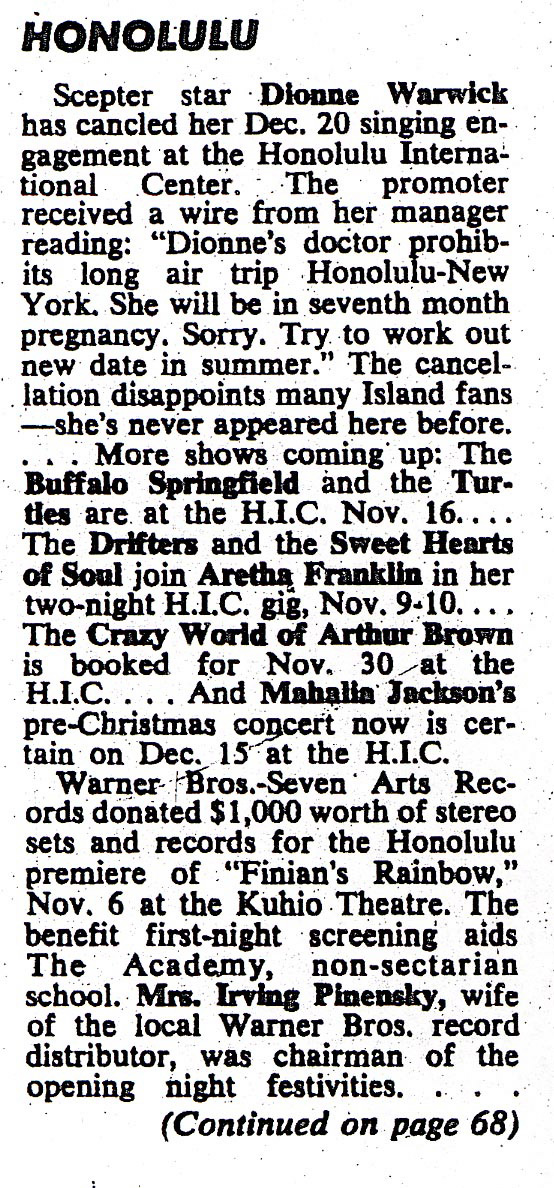
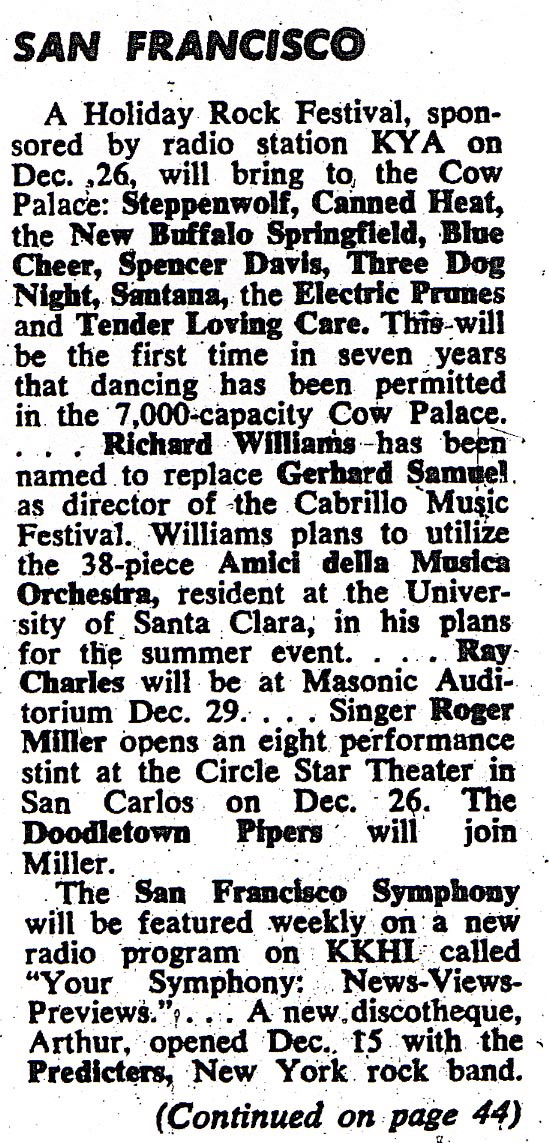
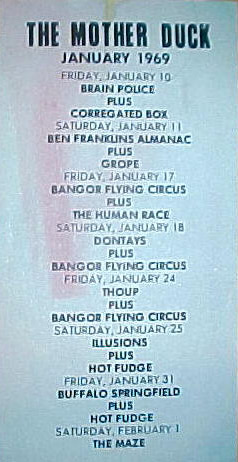
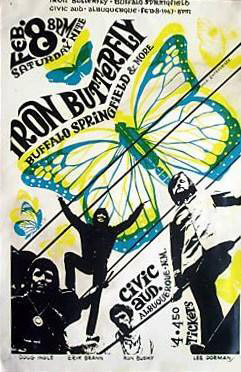
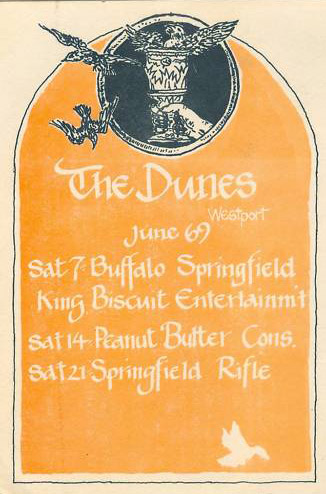
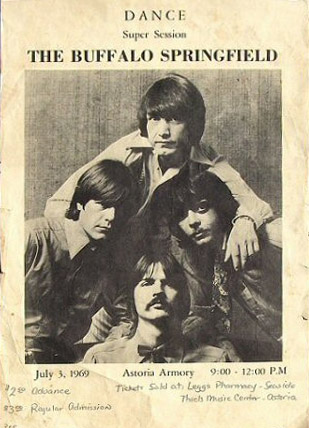
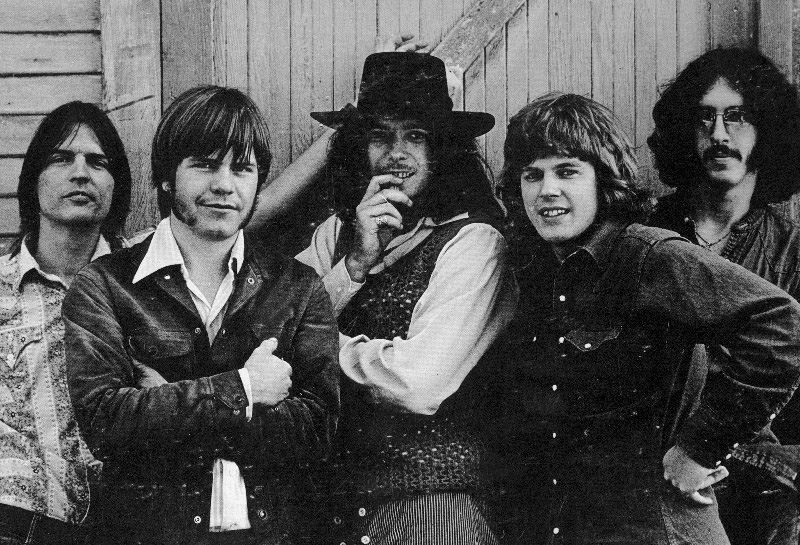
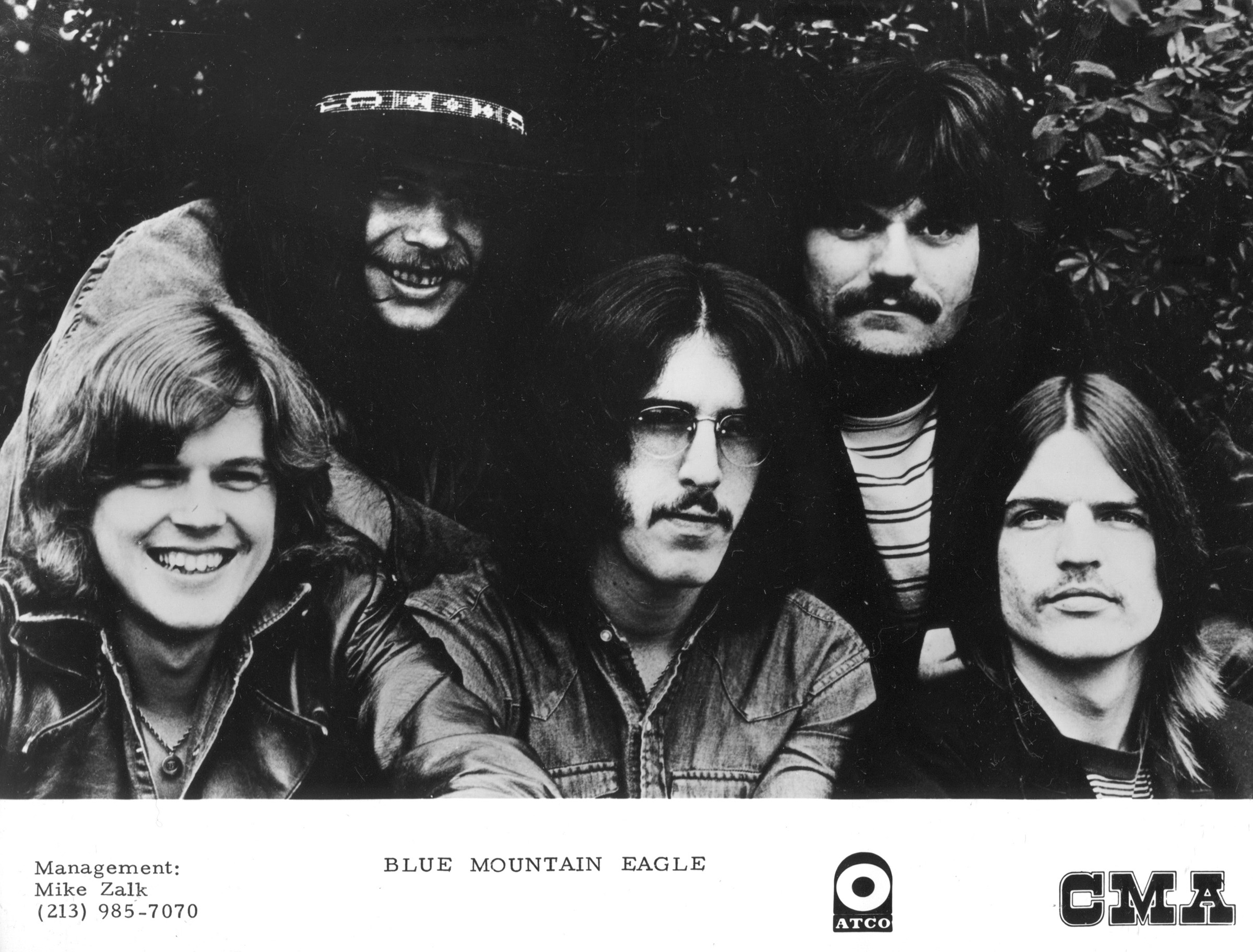
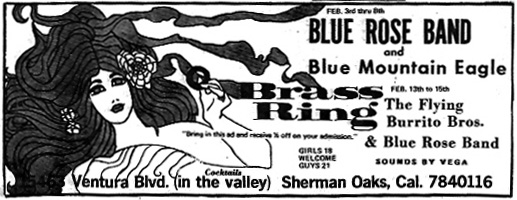
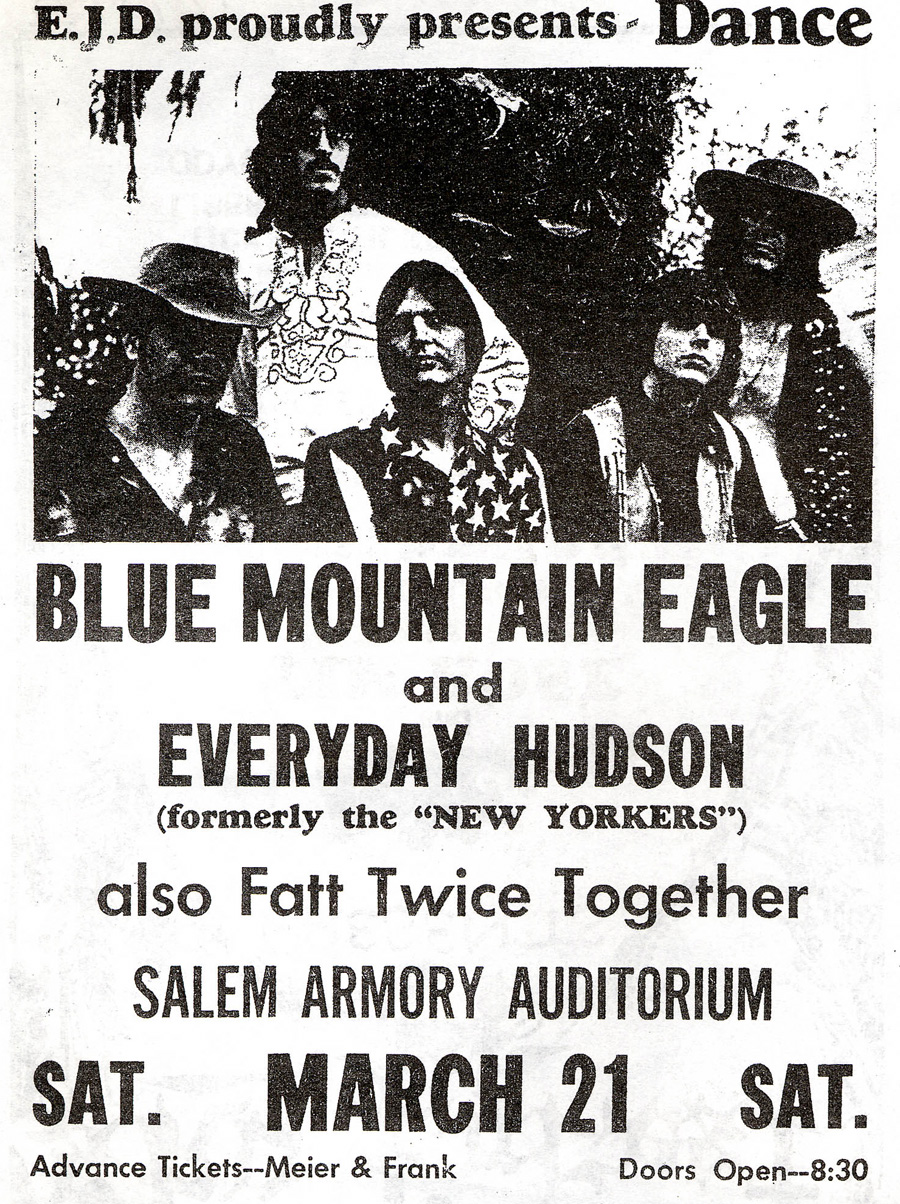
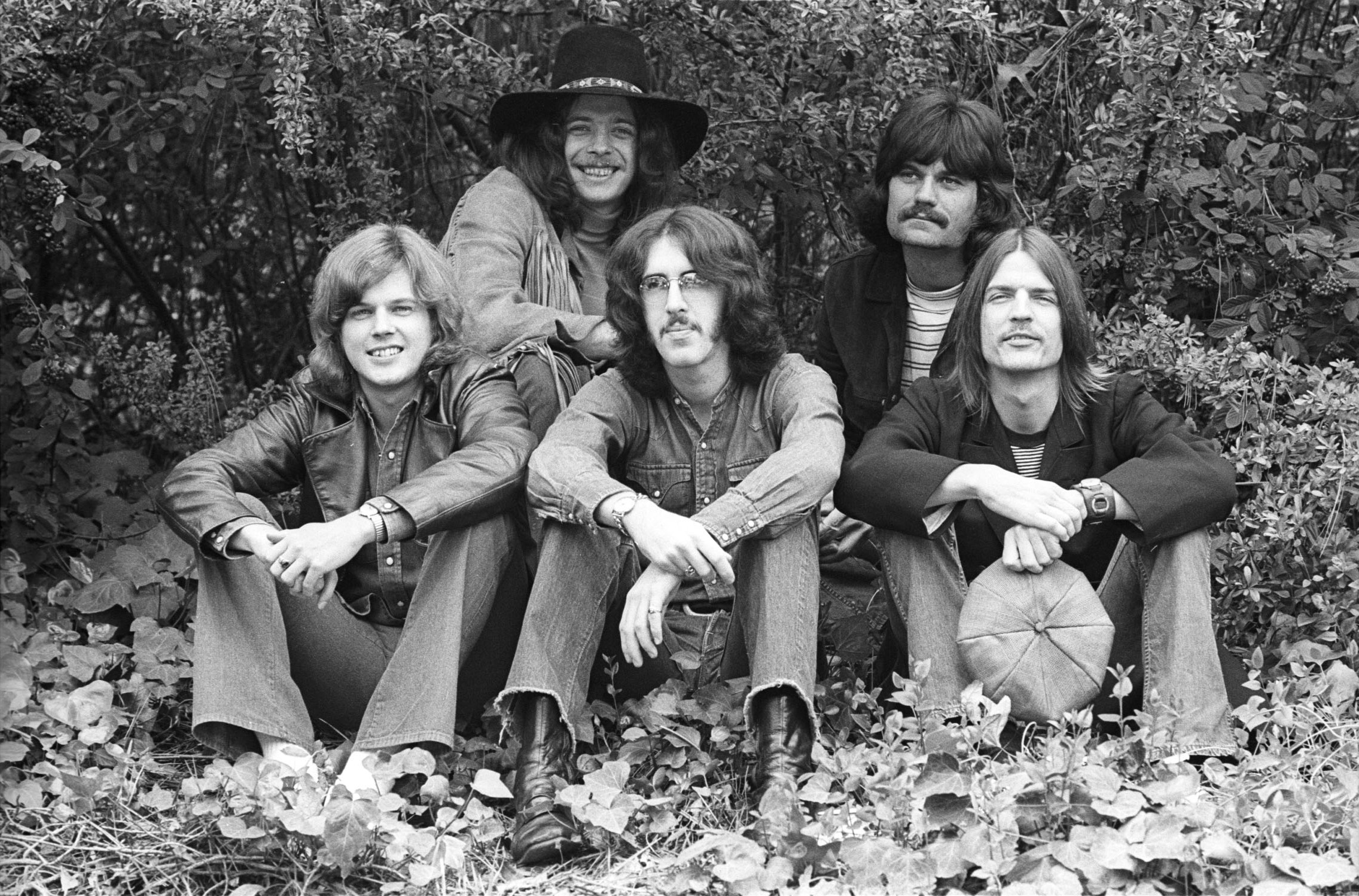
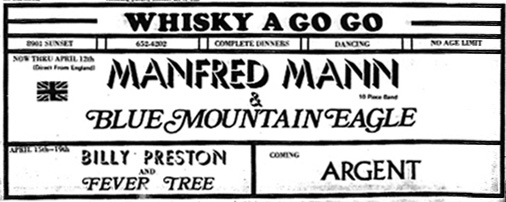
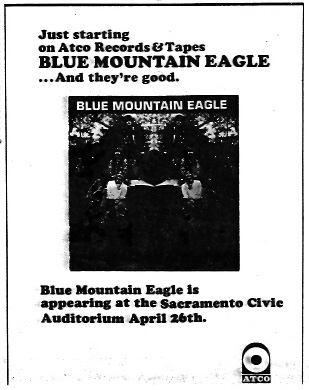
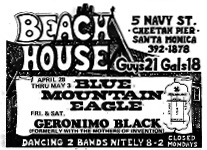
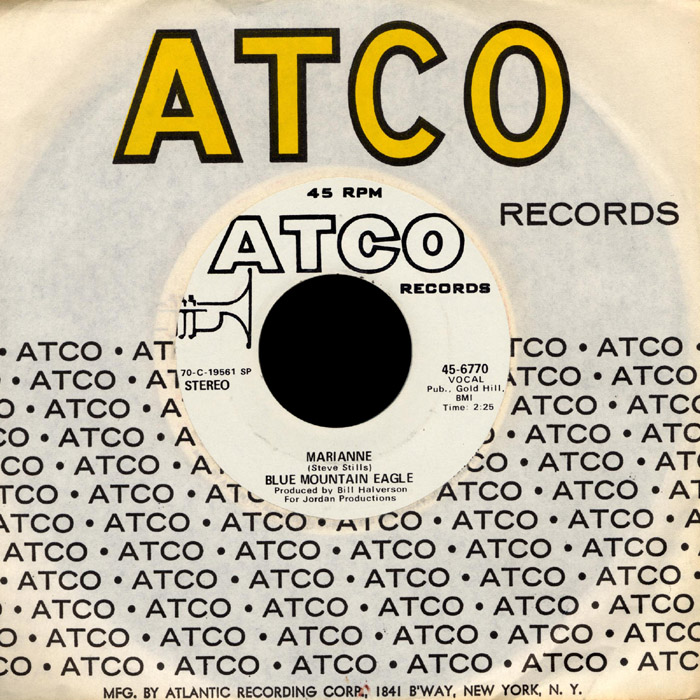
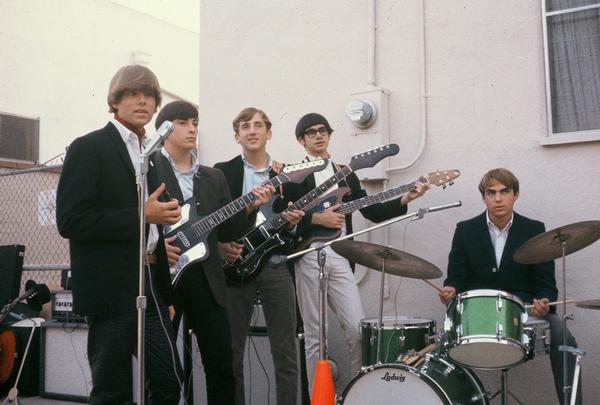
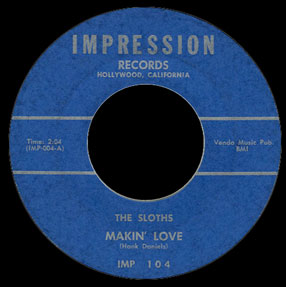
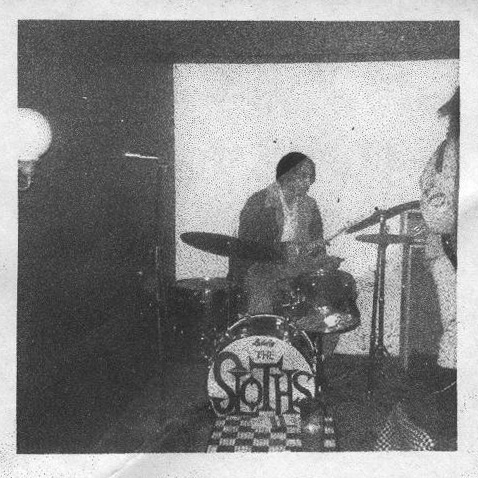
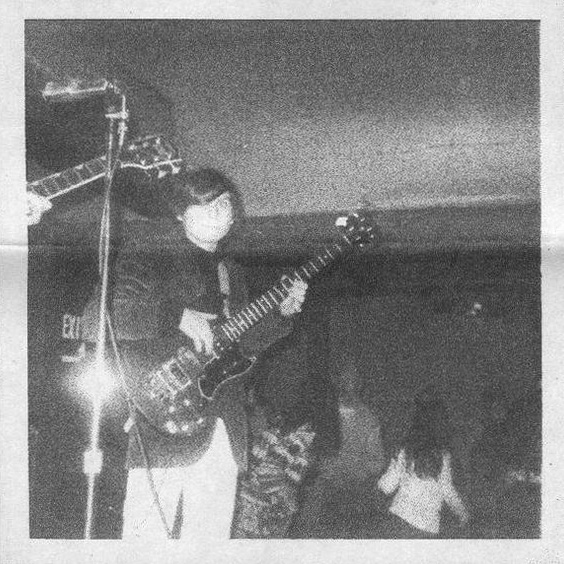
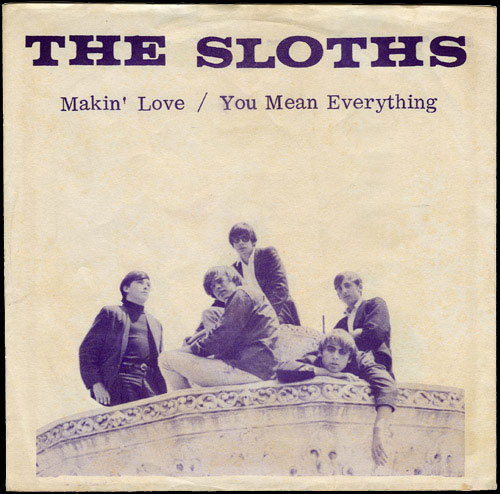
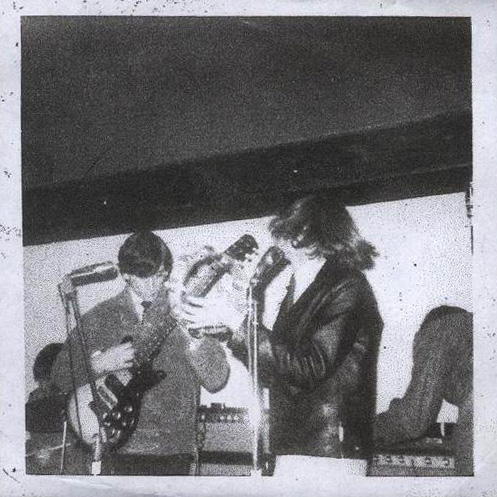
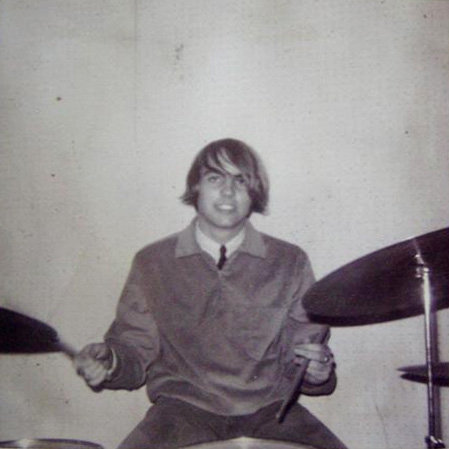
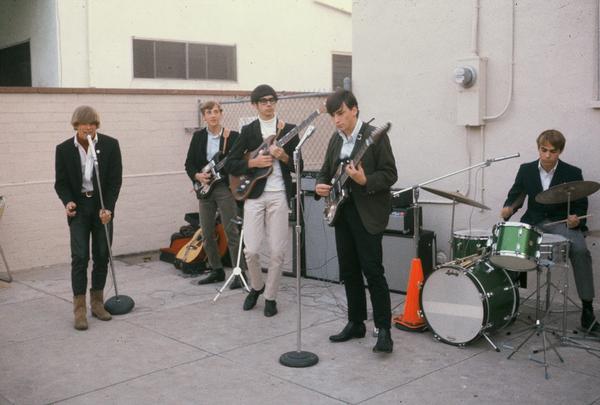
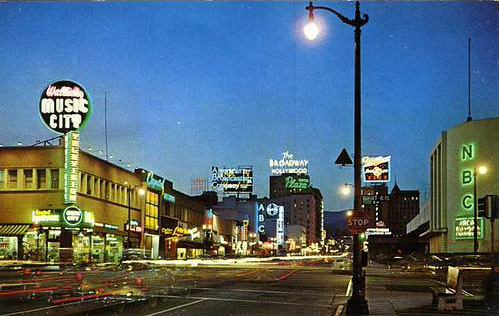
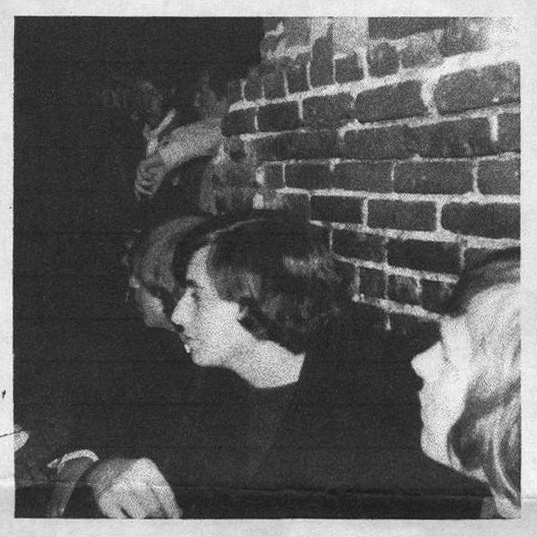
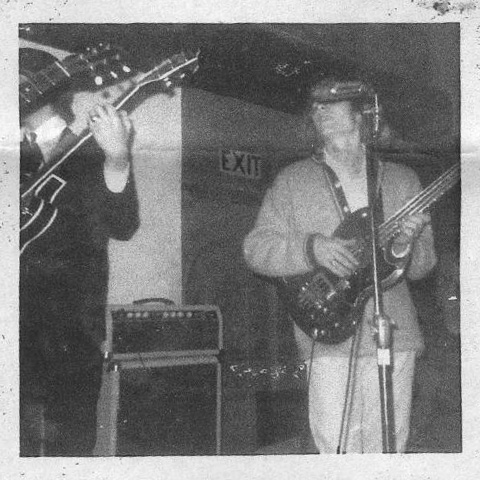
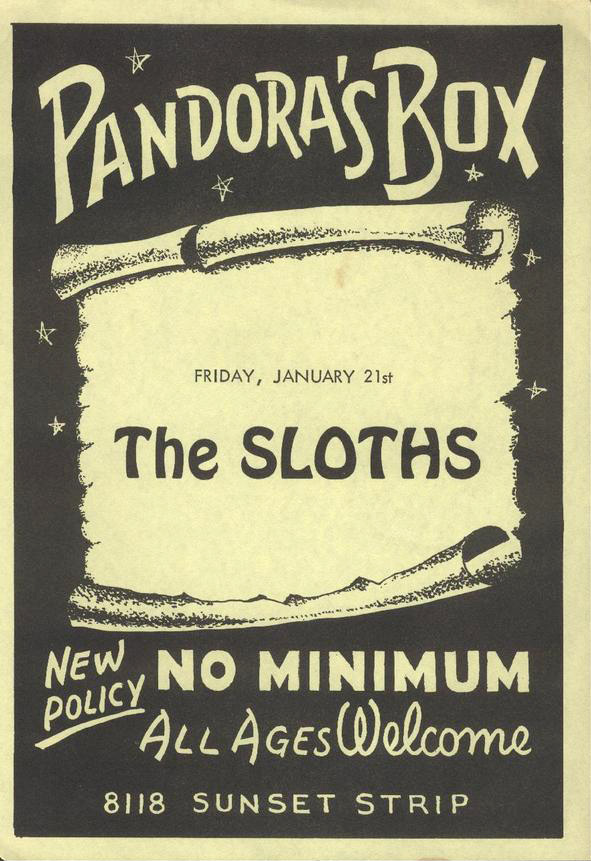
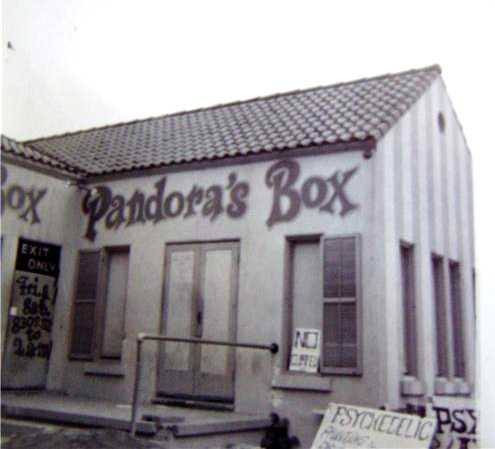
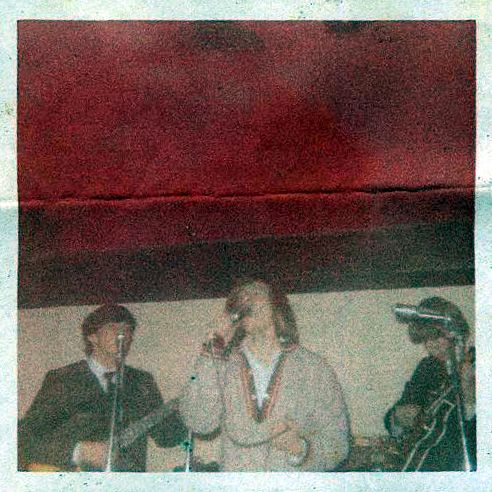
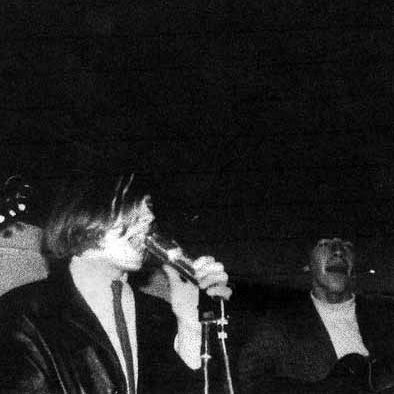
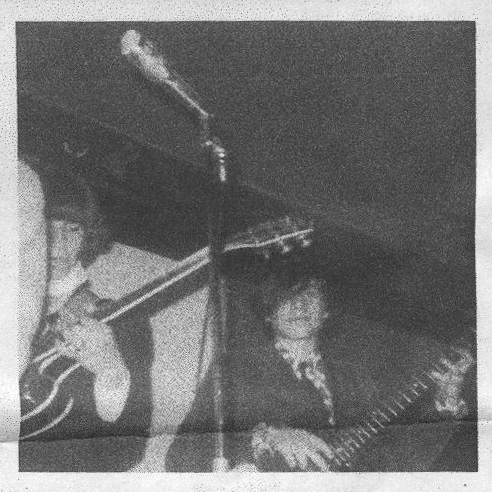
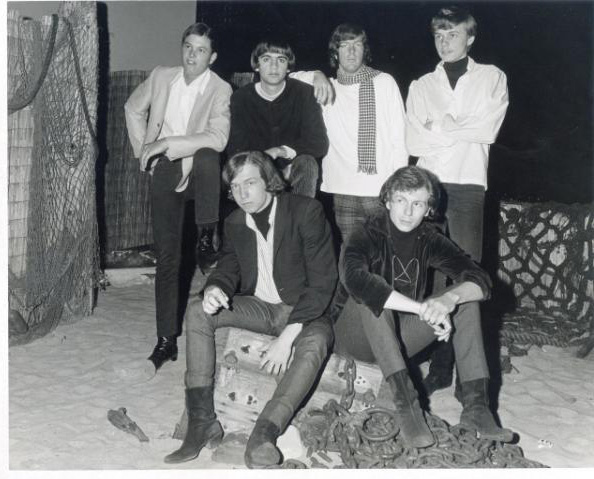
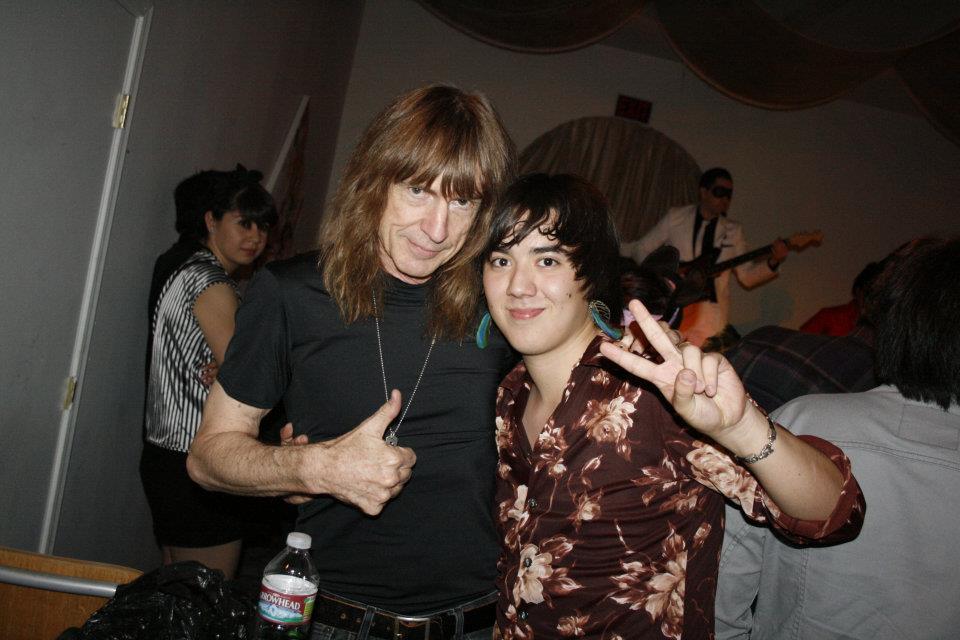
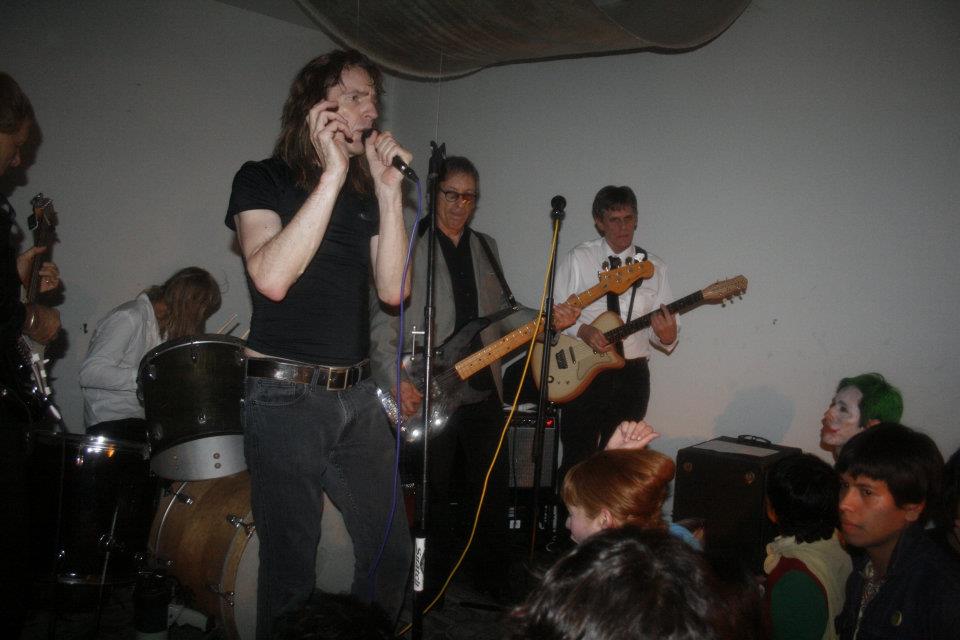
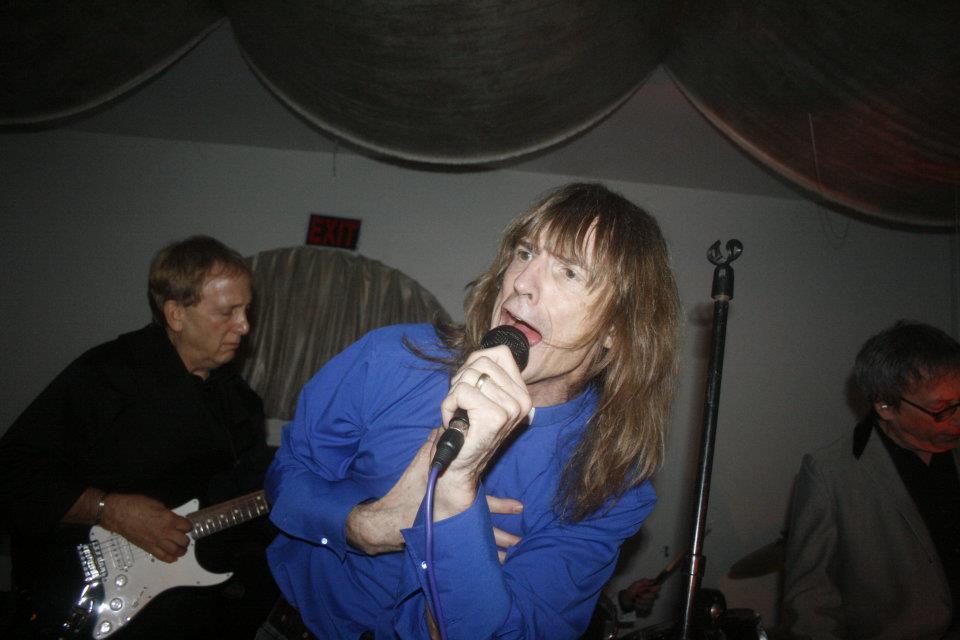
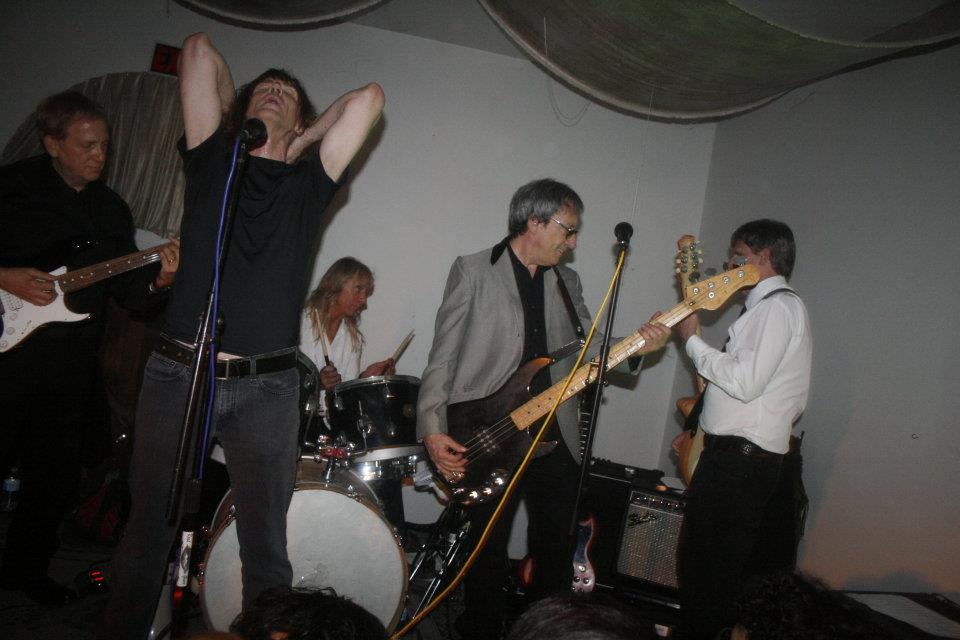
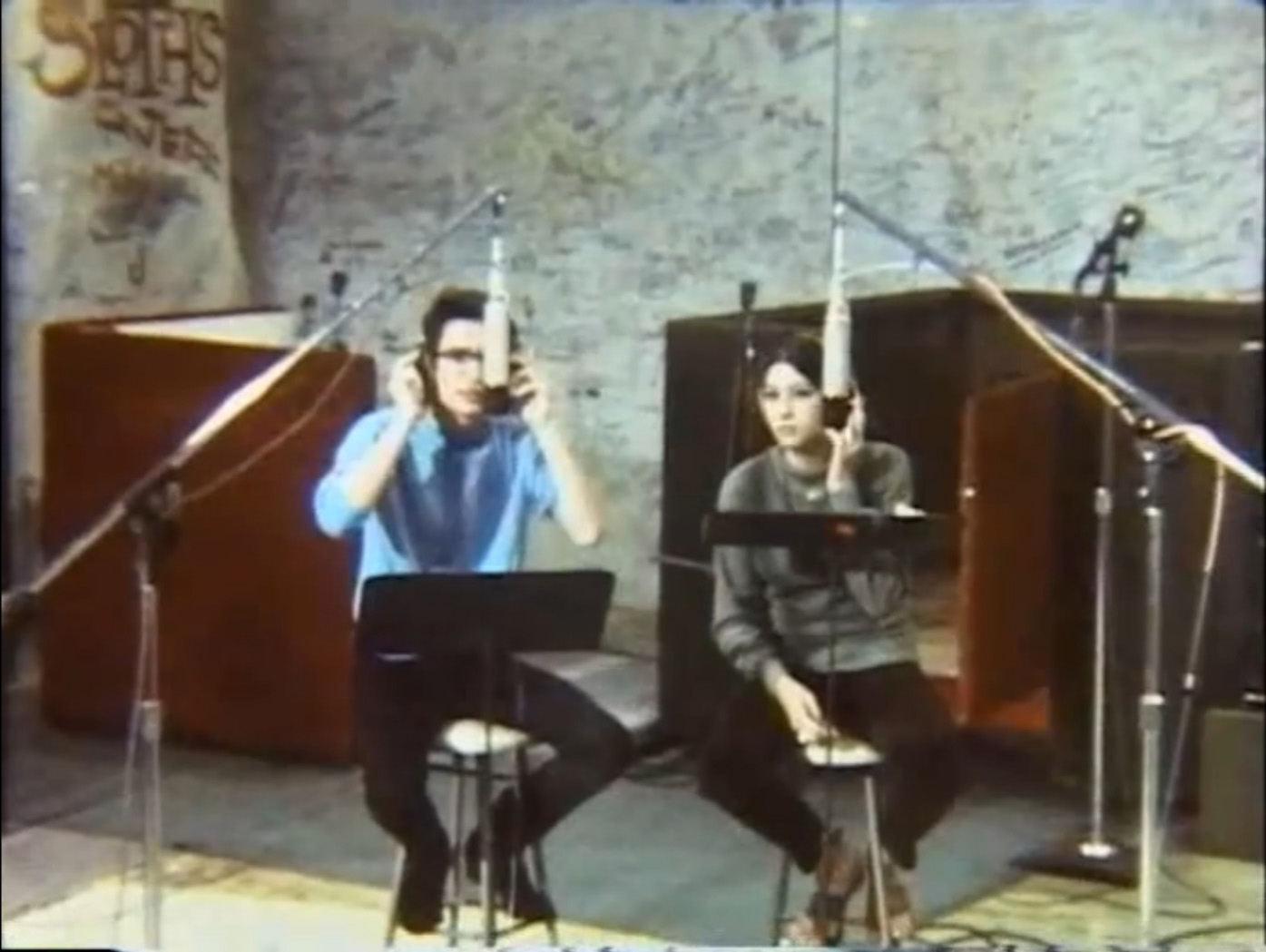
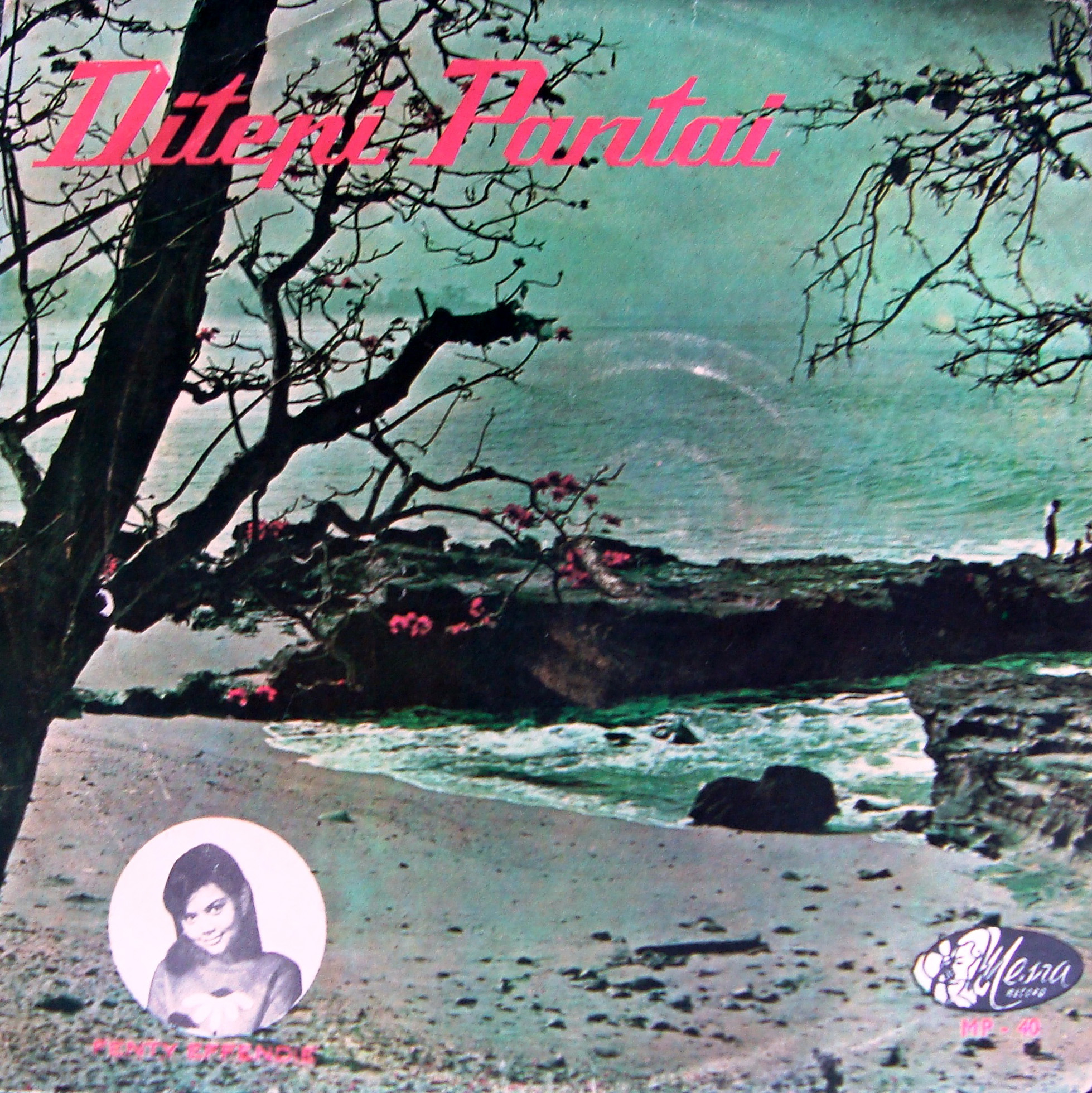
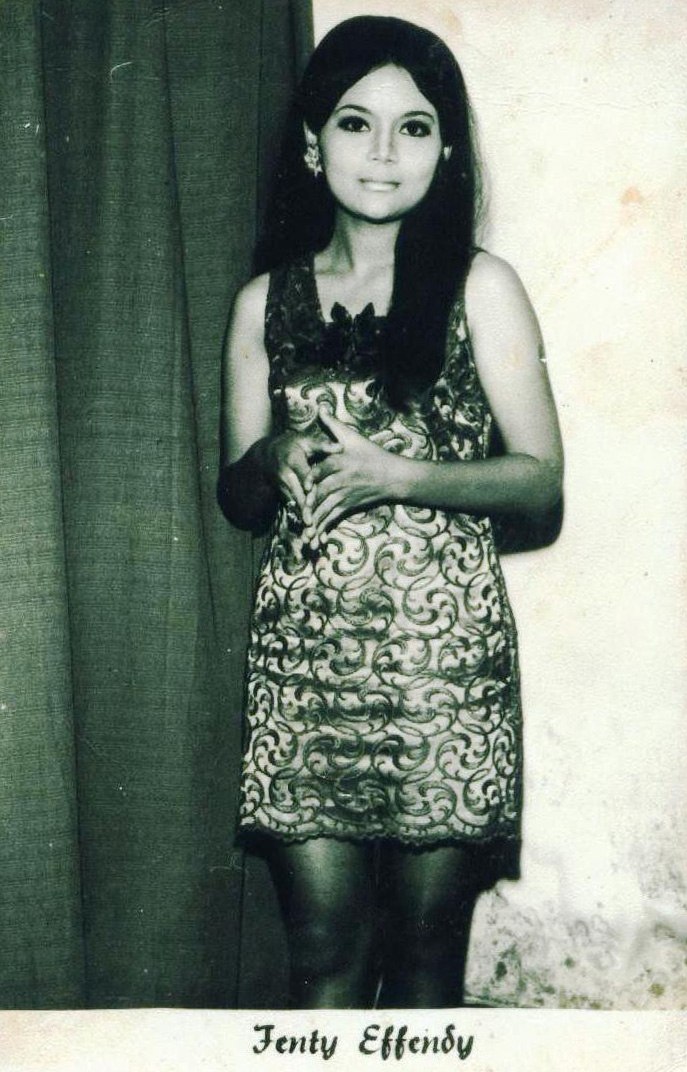
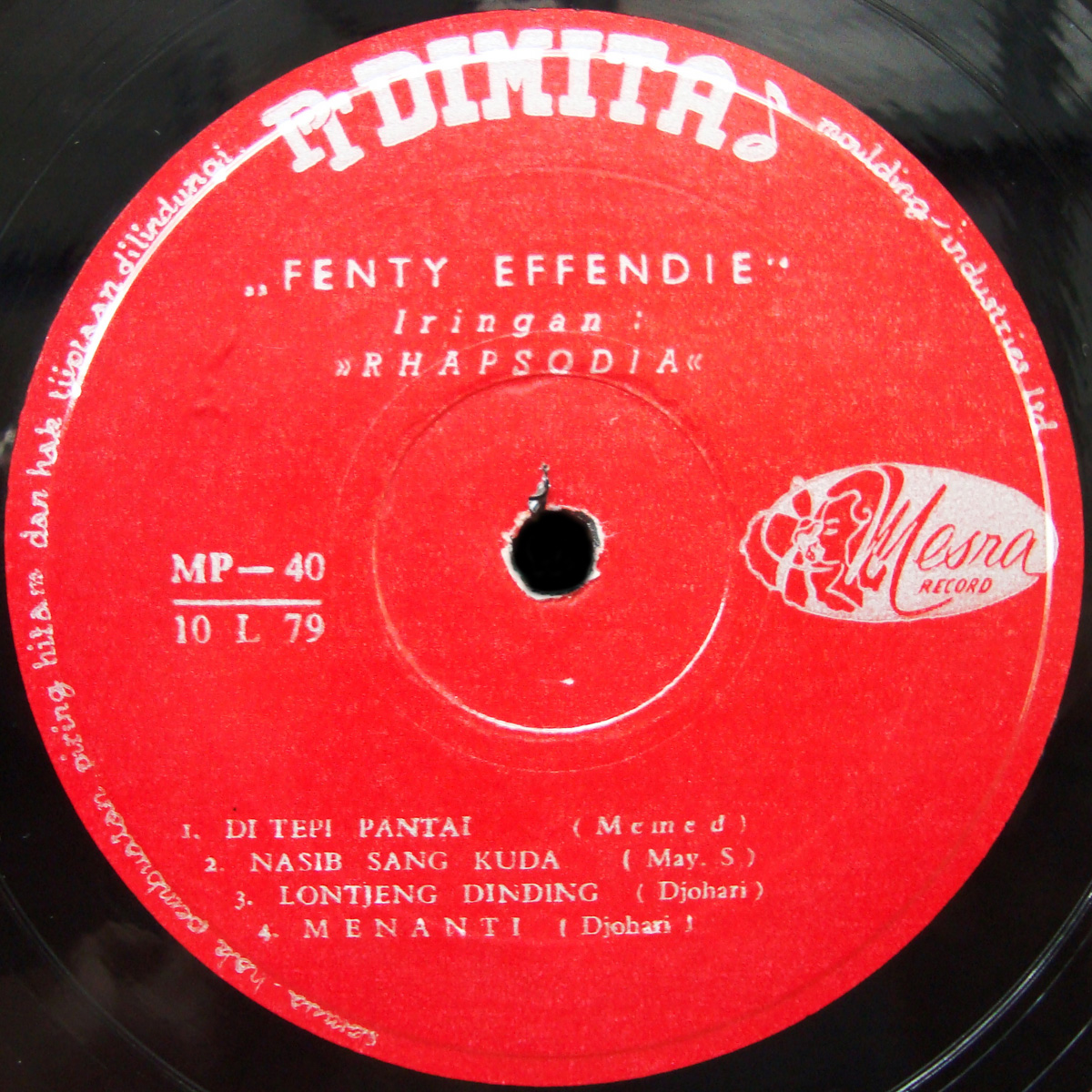
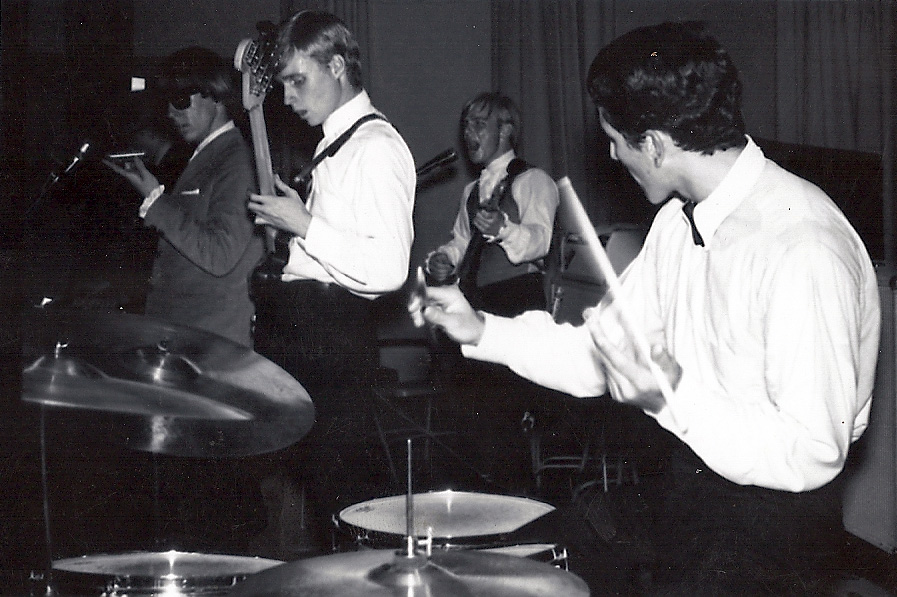
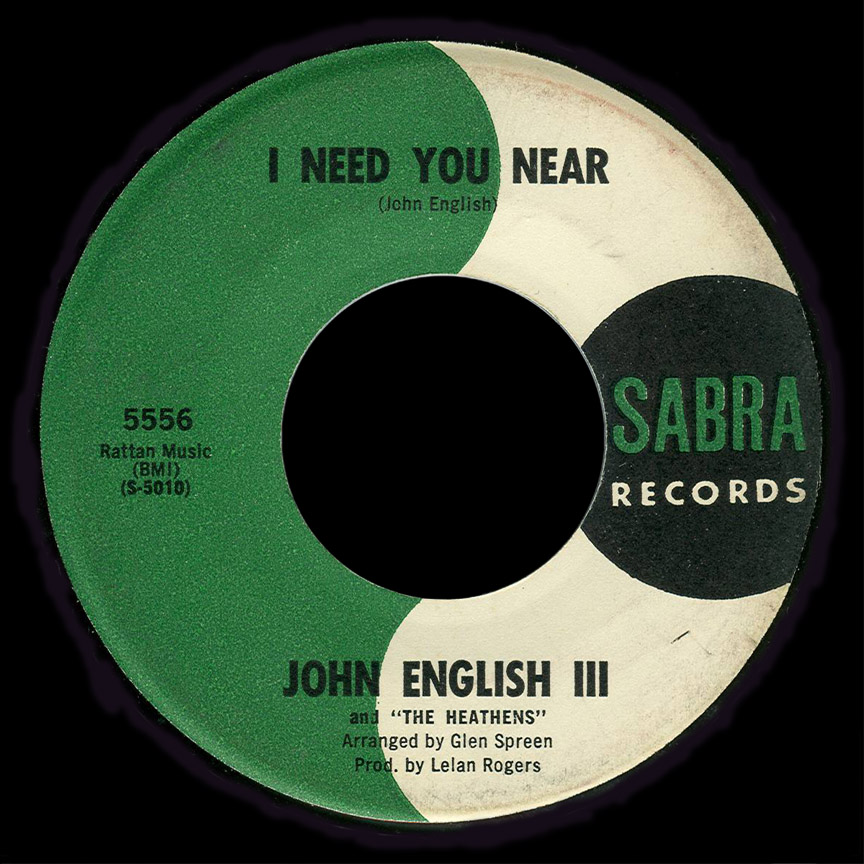 The John English III & the Heathens 45 on Sabra, “I Need You Near” is one of the rarest and most highly rated of any mid-60s rock releases. I’ve covered John English in some detail on my site, but now I’d like to give the Heathens their own page, as most of their history comes after English left the group.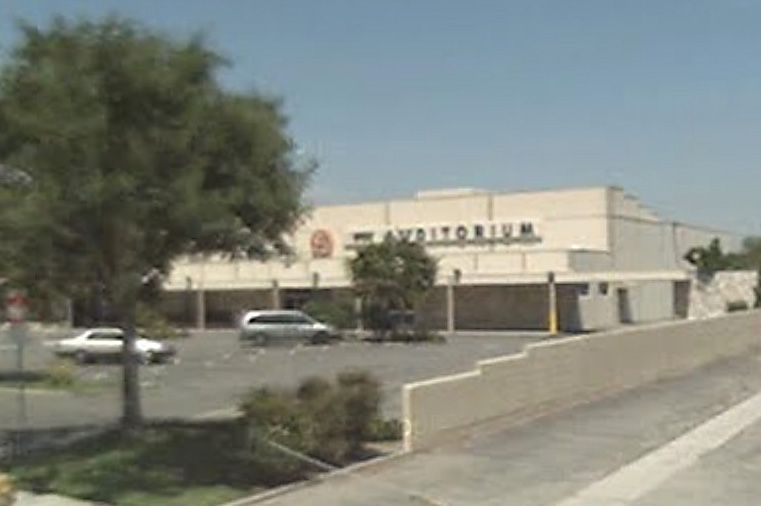
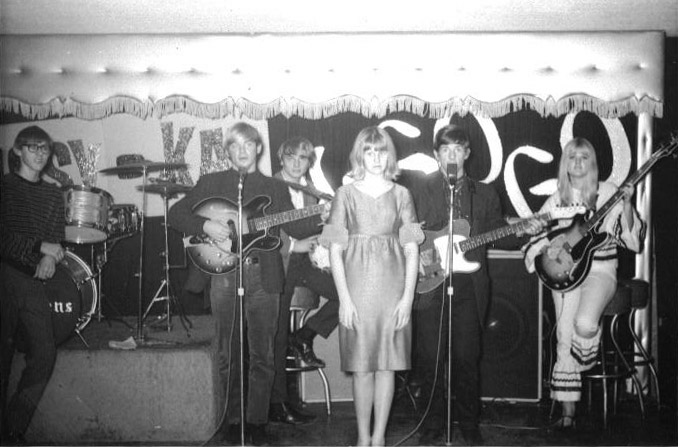
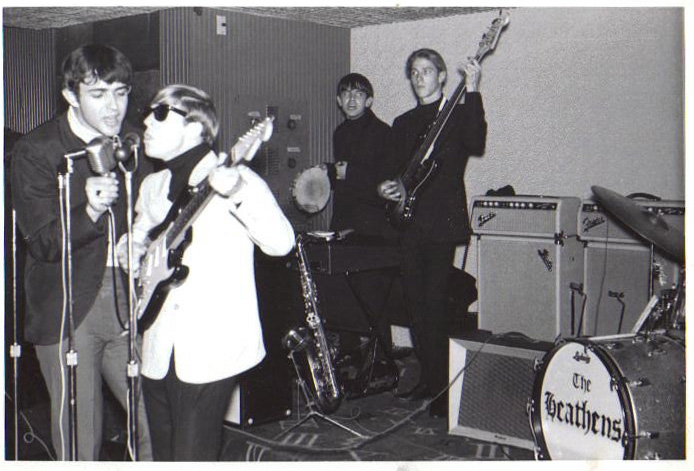
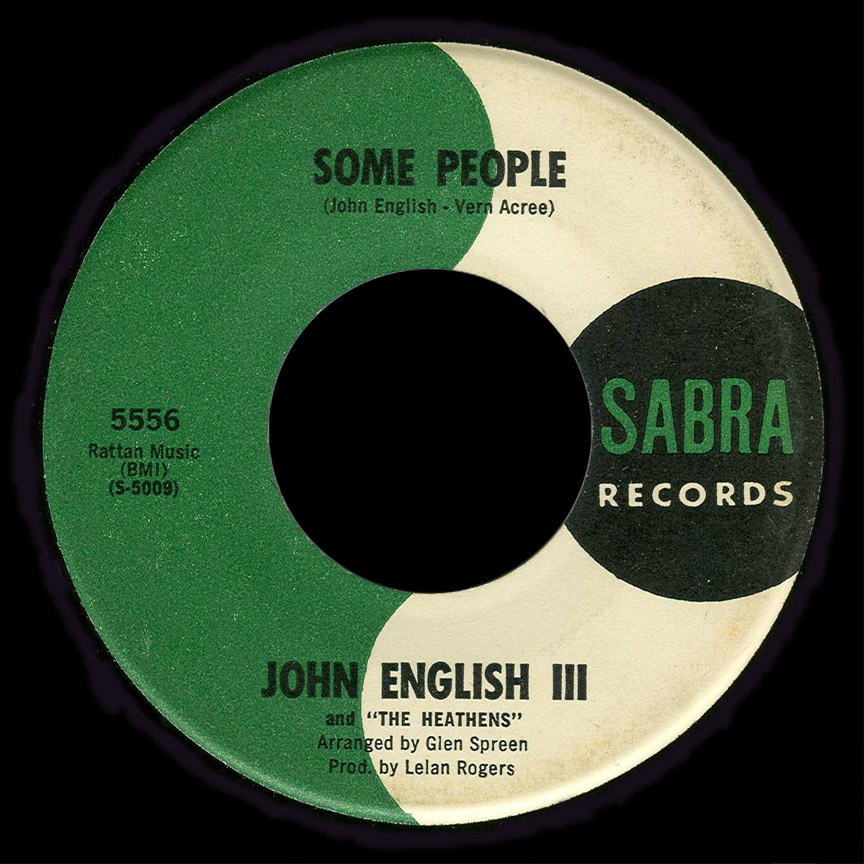 As John related the story, someone named Brian who had done PR work for the Beatles brought Lelan Rogers to see the Heathens show at Pandora’s Box. According to John, Lelan had them record three or four sides, but only two were ever issued.